17 Male Heartthrobs Who Defined The 1970s
Pop culture in the 1970s had a particular kind of magnetism, the kind that could turn a smirk, a haircut, or a single close-up into instant mythology.
Movie screens got grittier, TV became a nightly habit, and magazine covers helped decide who counted as a household crush.
Style mattered, sure, but charisma mattered more. Some of these men had leading-man polish, while others carried a rebel edge that felt brand new at the time.
What really defined the era was range. A romantic hero could share space with a tough-guy icon, and both could end up on a bedroom wall.
Plenty of names on this list weren’t just admired, either. Performances held up, fan followings lasted, and a few careers basically became the decade’s visual shorthand.
1. Robert Redford — The Era’s Golden Standard Of Cool
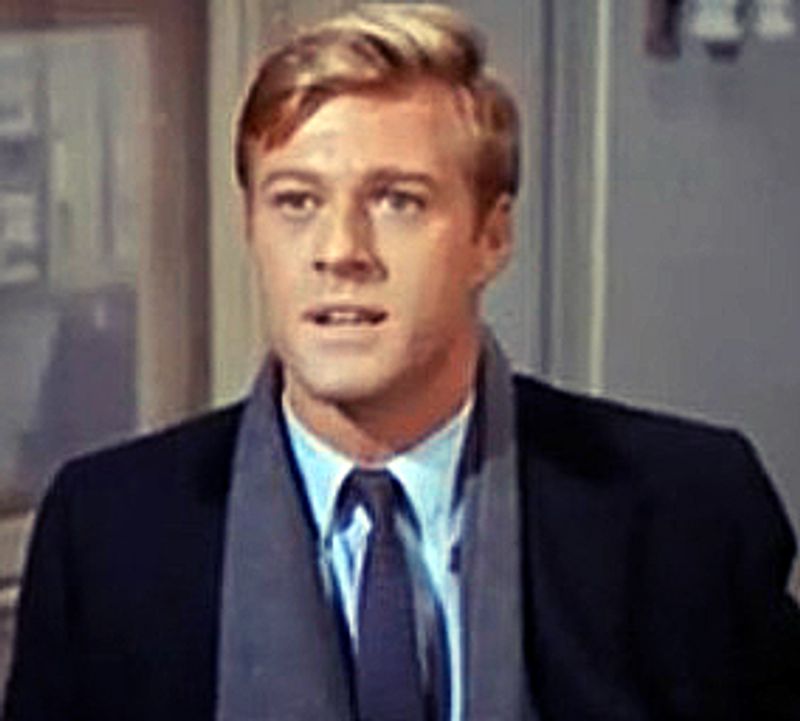
Blonde hair, blue eyes, and a smile that could melt glaciers – that was the Redford effect.
His roles in films like “The Way We Were” and “All the President’s Men” proved he wasn’t just a pretty face but a serious actor with depth.
Women swooned over his romantic performances while men wanted to be him. He embodied everything cool about the ’70s without even trying.
His rugged masculinity mixed with intelligence made him the complete package, setting the bar impossibly high for everyone else.
2. Paul Newman — Charisma That Never Went Out Of Style
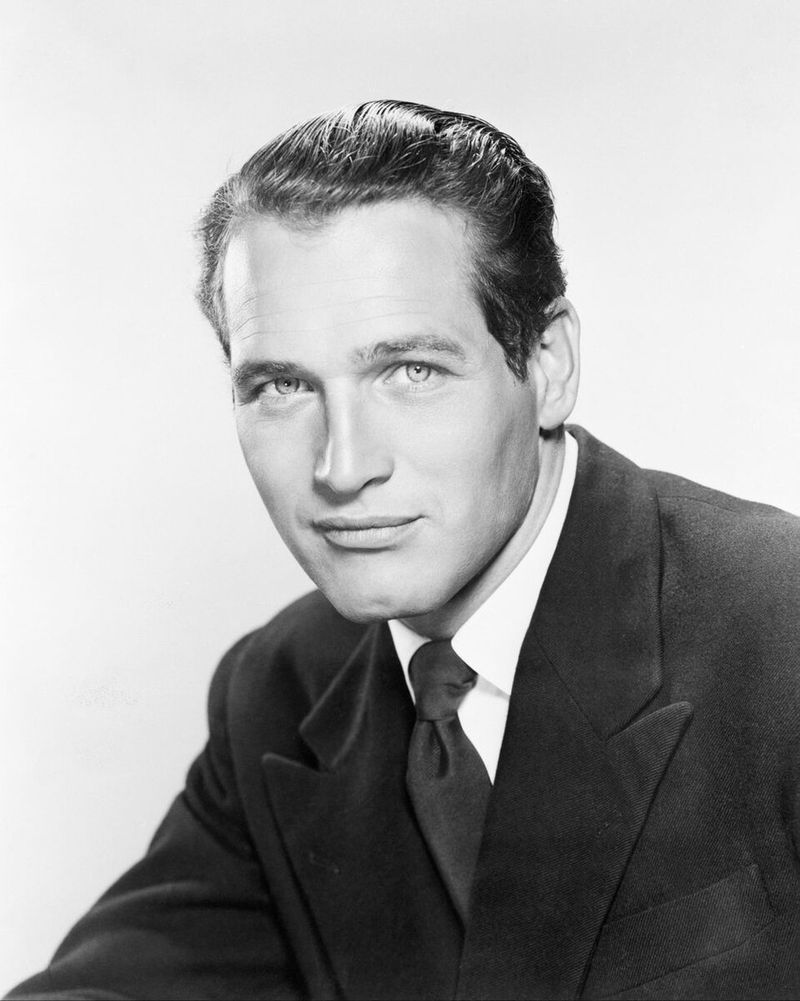
Those legendary blue eyes weren’t just for show – they were windows into pure charisma.
Newman dominated the ’70s with performances in “Butch Cassidy and the Sundance Kid” and “The Sting”, proving age only made him more magnetic.
His effortless cool factor came from somewhere deeper than looks alone. He balanced humor, toughness, and vulnerability in ways that felt completely genuine.
Even decades later, his appeal remains undeniable, making him a true icon whose style transcended any single era.
3. Al Pacino — Intense, Magnetic, Everywhere
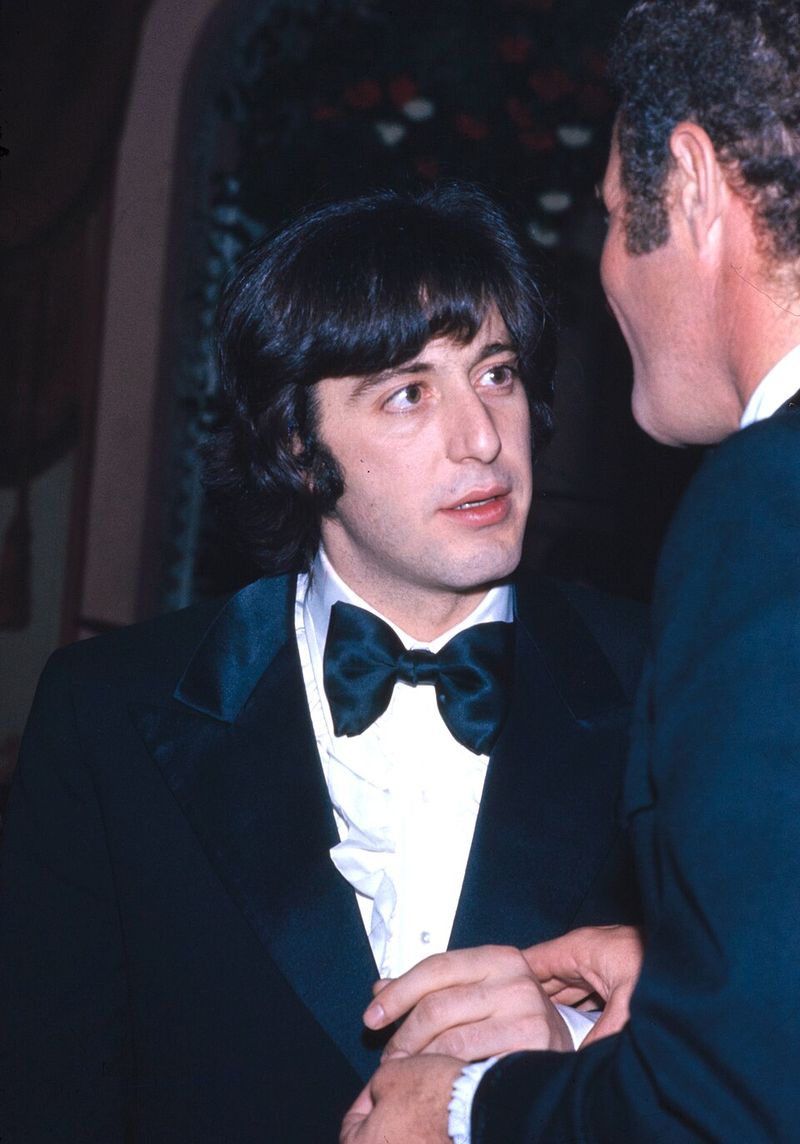
Short in stature but towering in presence, Pacino exploded onto screens with raw intensity.
“The Godfather” trilogy and “Dog Day Afternoon” showcased an actor who could command attention with just a whisper or a glare.
His energy felt dangerous and unpredictable, like lightning bottled in human form. Audiences couldn’t look away even when his characters made questionable choices.
That smoldering intensity made him irresistible, proving heartthrobs didn’t need to be conventionally pretty – they just needed fire.
4. Dustin Hoffman — Unconventional Leading-Man Appeal
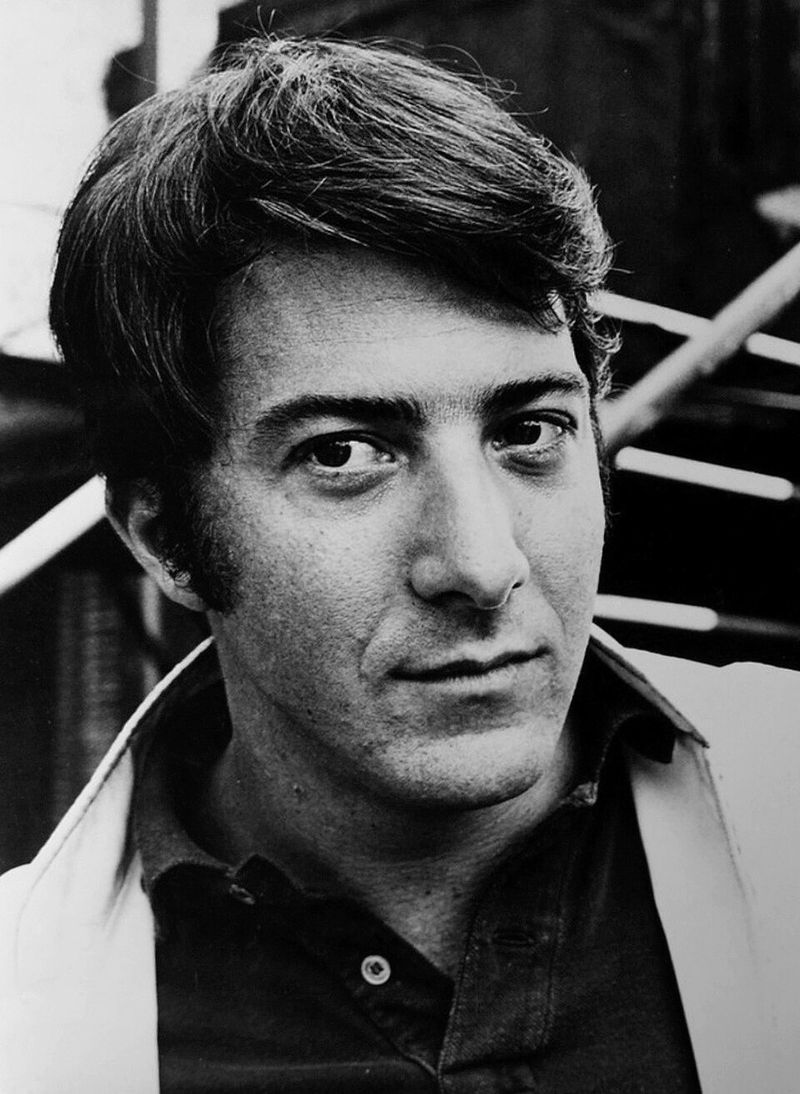
Hollywood didn’t know what hit them when Hoffman proved leading men didn’t need chiseled jaws.
His performances in “The Graduate” carried into the ’70s with “Midnight Cowboy” and “Kramer vs. Kramer”, showcasing vulnerability as strength.
He made awkwardness endearing and intelligence attractive in completely fresh ways.
Breaking the pretty-boy mold, he proved talent and authenticity could create their own kind of magnetism.
5. Jack Nicholson — Swagger With A Grin You Couldn’t Ignore
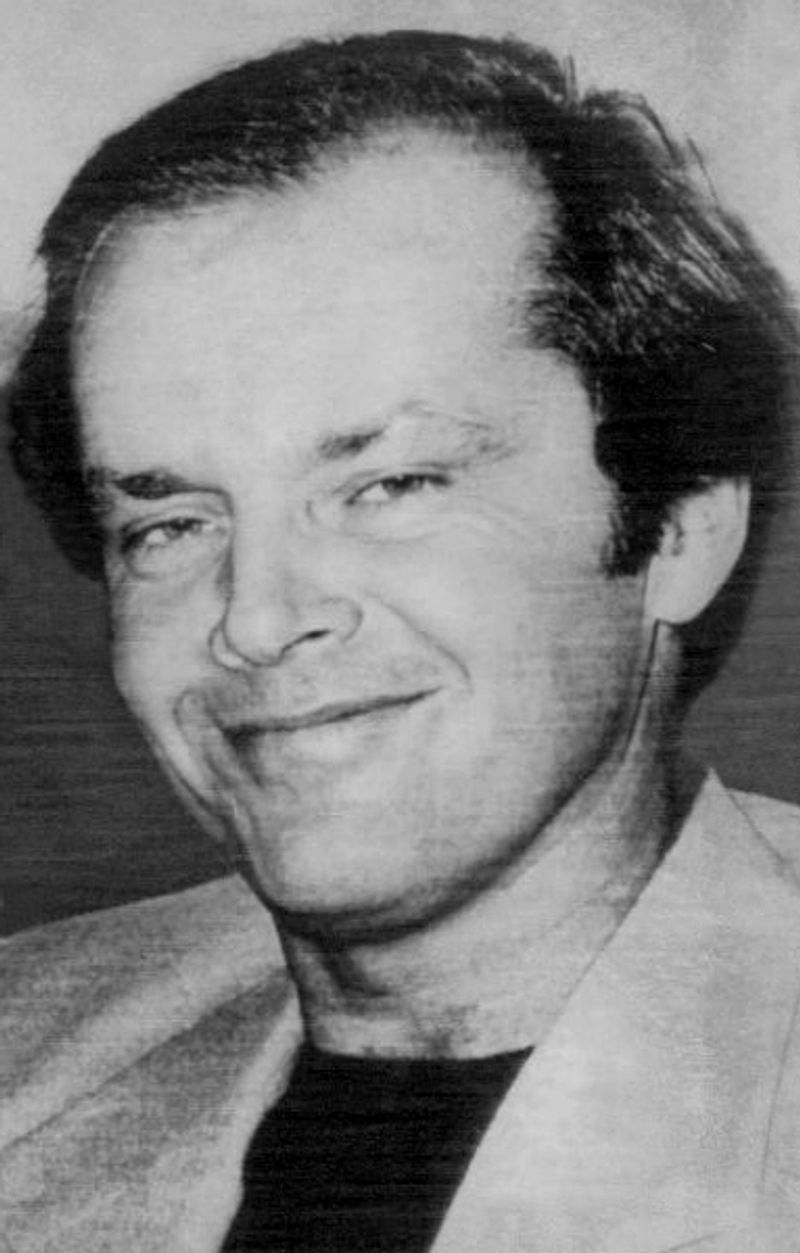
That signature grin promised trouble in the best possible way.
Nicholson’s performances in “Five Easy Pieces”, “Chinatown”, and “One Flew Over the Cuckoo’s Nest” mixed rebellion with irresistible charisma.
He played characters who broke rules and hearts with equal enthusiasm. His devil-may-care attitude felt refreshing in an era embracing counterculture.
Women loved his bad-boy energy while recognizing the intelligence underneath. Nobody else could make arrogance look quite so appealing.
6. Warren Beatty — Hollywood Glamour With Edge
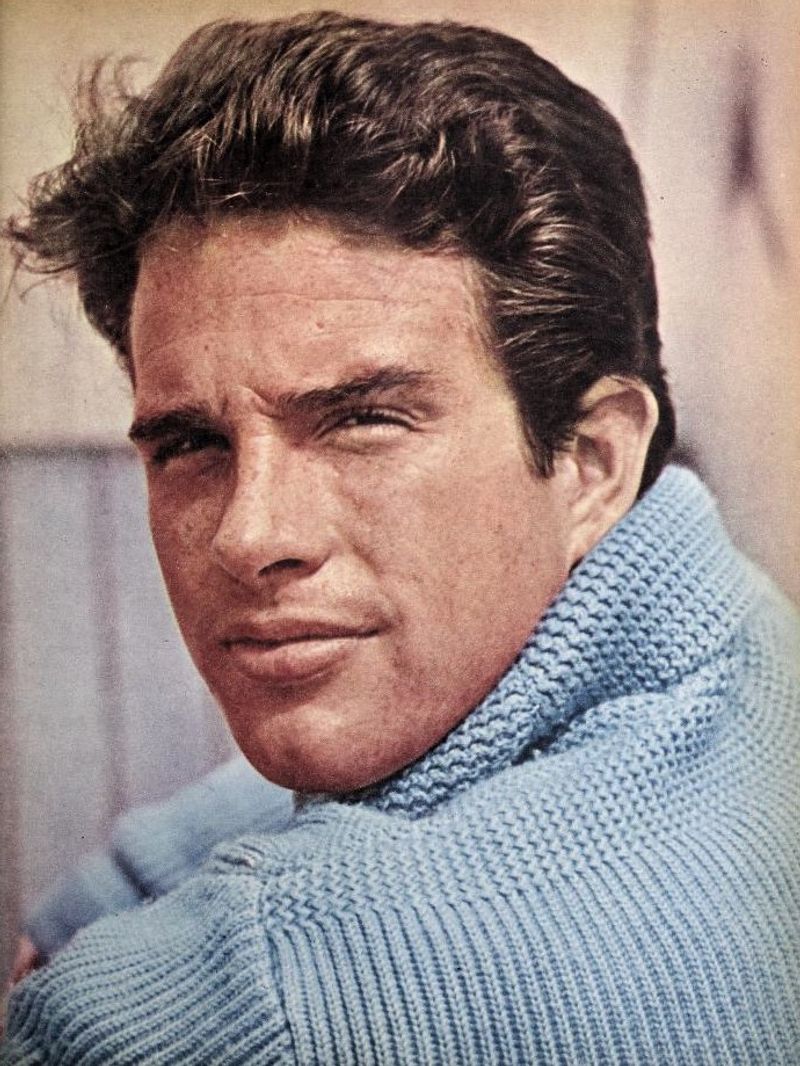
Tall, dark, and devastatingly handsome, Beatty represented old-school Hollywood glamour with modern sensibilities.
His work in “Shampoo” and “Heaven Can Wait” showcased comedic timing alongside romantic appeal.
Off-screen, his legendary romantic reputation only added to his mystique. He understood the game of celebrity and played it masterfully.
His combination of looks, talent, and confidence made him irresistible to audiences.
7. Burt Reynolds — Mustache-Era King Of Fun Confidence
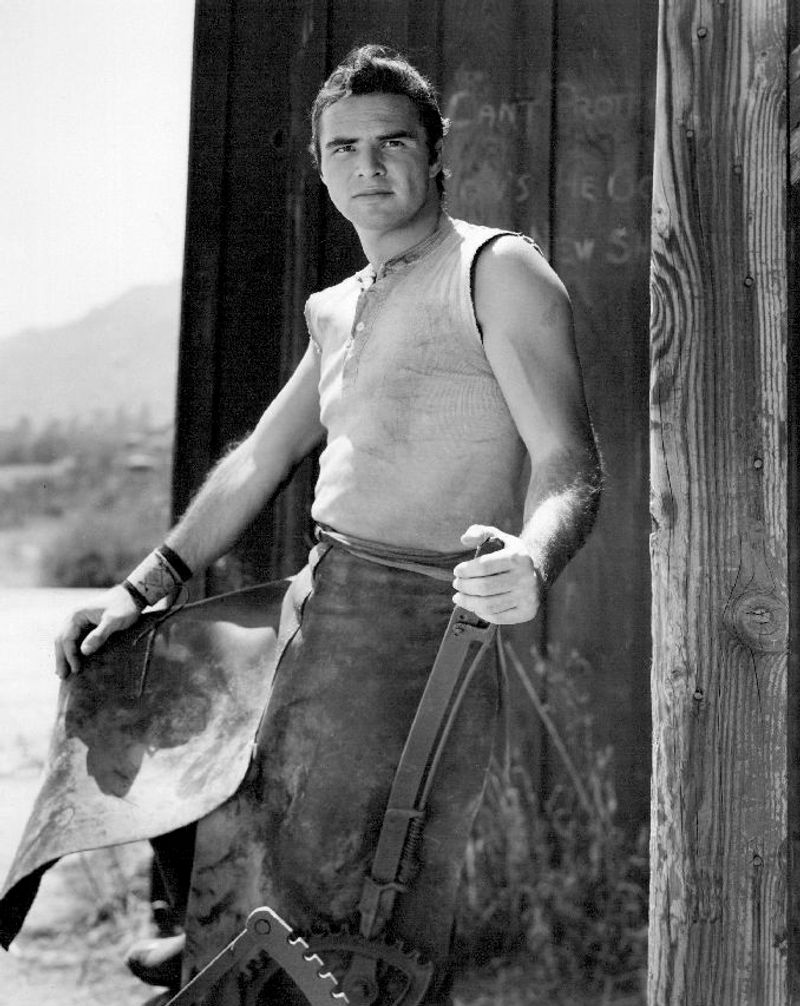
Reynolds dominated the ’70s box office with “Smokey and the Bandit” and “Deliverance”, radiating fun-loving confidence that felt infectious.
He didn’t take himself too seriously, which somehow made him even more attractive. His self-deprecating humor mixed with undeniable machismo created a unique appeal.
Whether cracking jokes or performing stunts, he made everything look effortless. His laid-back southern charm won hearts across America.
8. Clint Eastwood — Quiet Intensity, Maximum Presence
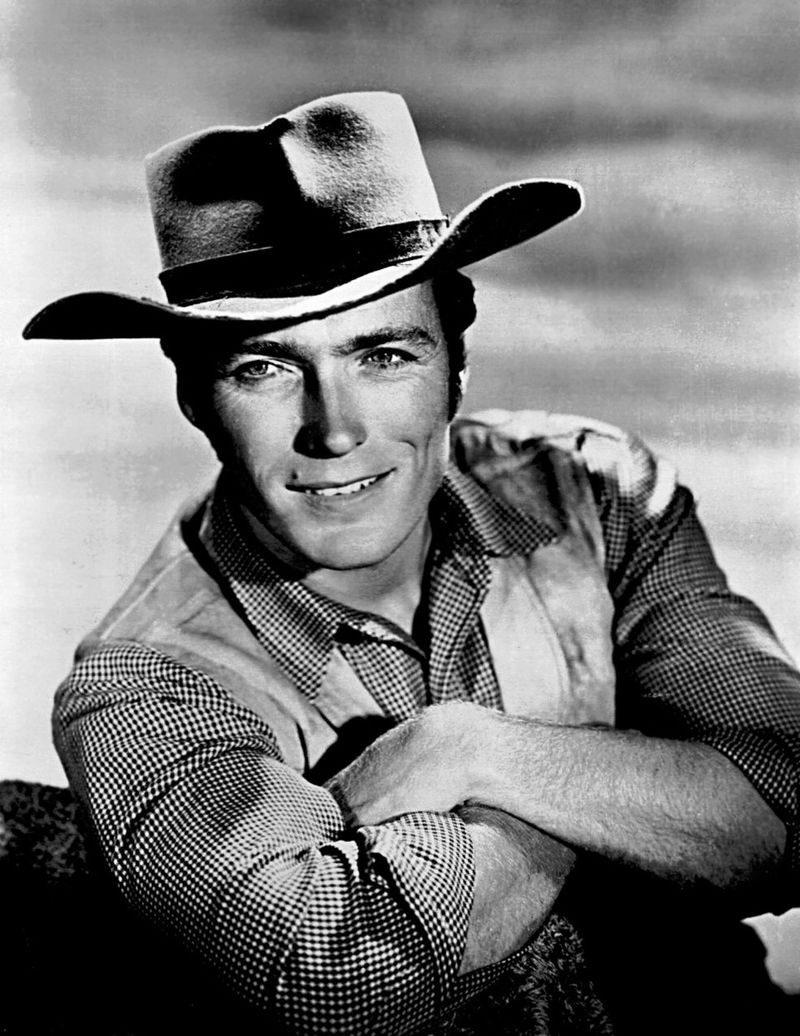
Few actors could say so much while saying so little.
Eastwood’s “Dirty Harry” series defined ’70s masculinity through minimalist performances packed with maximum impact.
His squinting stare became iconic, suggesting danger lurking beneath calm surfaces. Women found his strong-silent-type routine impossibly attractive.
He represented a throwback to classic Western heroes while feeling completely contemporary.
9. John Travolta — Dancefloor Icon And Teen-Dream Energy
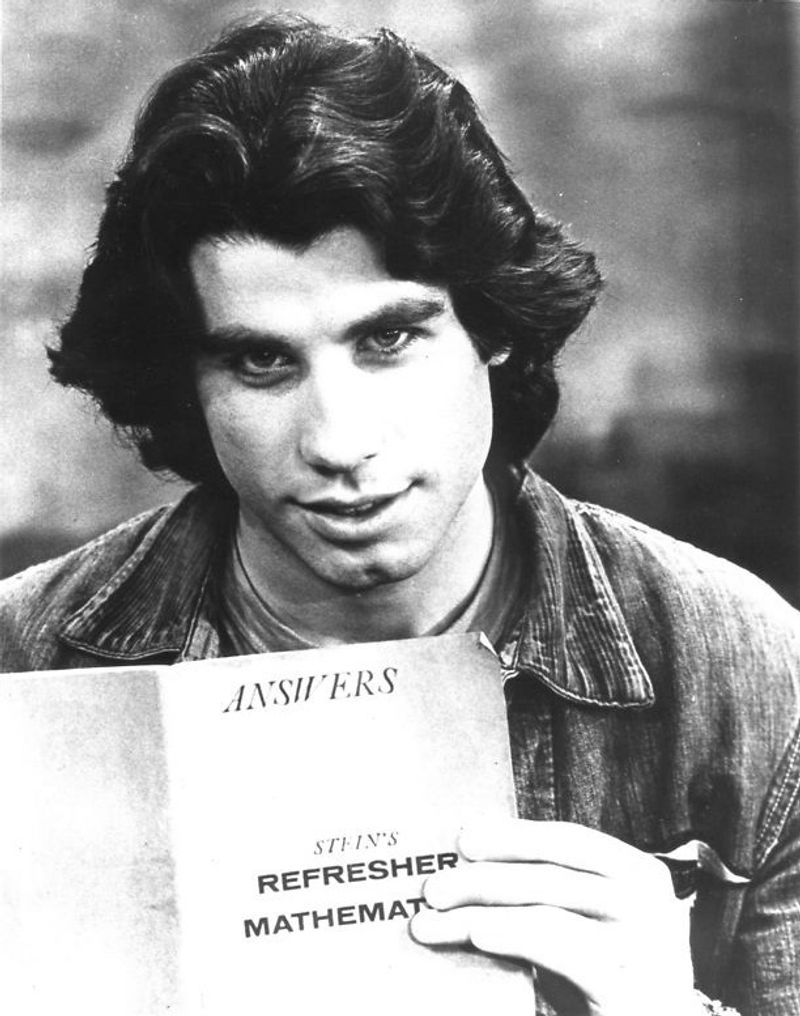
White suit, disco moves, and a smile that launched a thousand crushes. Travolta’s performances in “Saturday Night Fever” and “Grease” made him the ultimate ’70s teen idol.
His dancing skills combined with boyish charm created irresistible appeal for younger audiences. He embodied the fun, carefree spirit of disco culture.
Girls plastered his posters on bedroom walls everywhere, dreaming of dancing with him.
10. Sylvester Stallone — Underdog Grit Turned Romanticized Legend
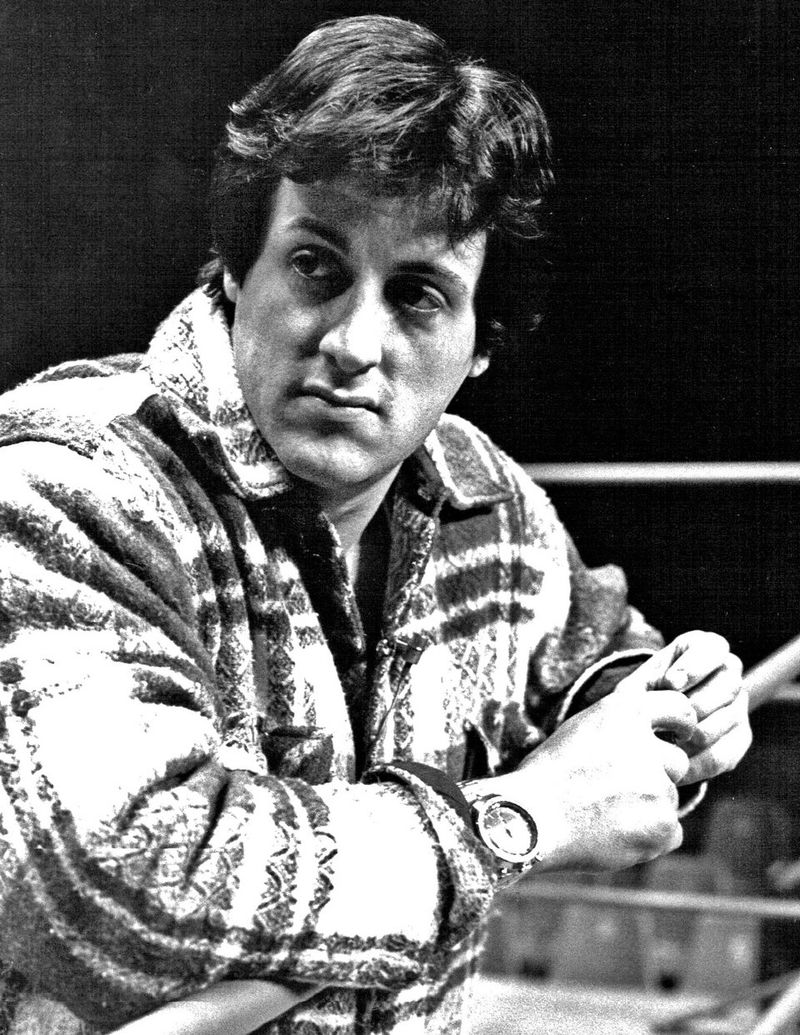
“Rocky” didn’t just launch a franchise – it created a working-class hero everyone could root for. Stallone wrote and starred in the ultimate underdog story, making vulnerability masculine in fresh ways.
His mumbling delivery and bruised-face charm felt authentic and relatable. He proved you didn’t need polish to be appealing – just heart.
Women loved his sensitive side hidden beneath boxing gloves. His rags-to-riches real-life story mirrored Rocky’s journey, making him even more inspiring.
11. Nick Nolte — Scruffy, Rebellious Appeal
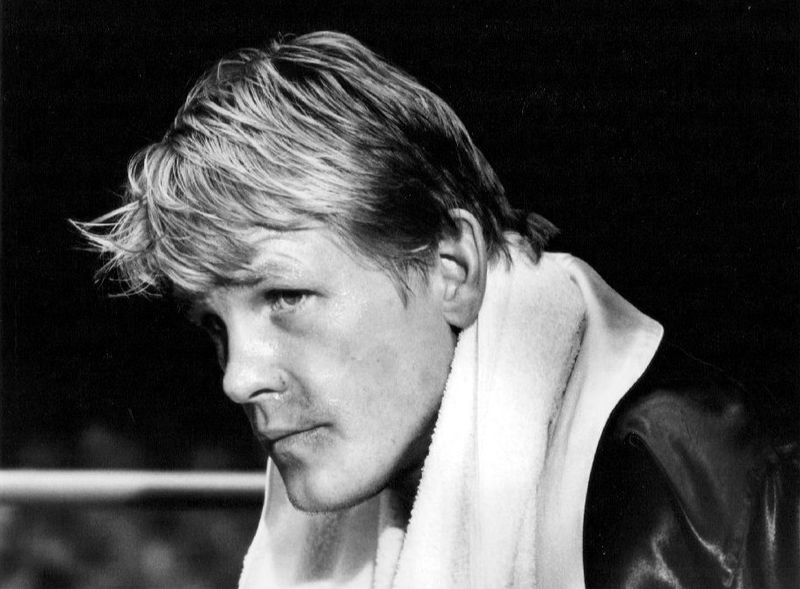
Nolte’s rough-around-the-edges appearance suggested someone who’d lived interesting stories. His breakout TV movie “Rich Man, Poor Man” showcased raw talent that couldn’t be ignored.
His scruffy blonde hair and gravelly voice created distinctive appeal. He represented the anti-establishment spirit still lingering from the ’60s.
Unlike polished Hollywood types, Nolte felt real and accessible. His imperfect charm attracted audiences tired of cookie-cutter leading men looking too perfect.
12. Ryan O’Neal — Soft-Focus Romantic Lead Vibes
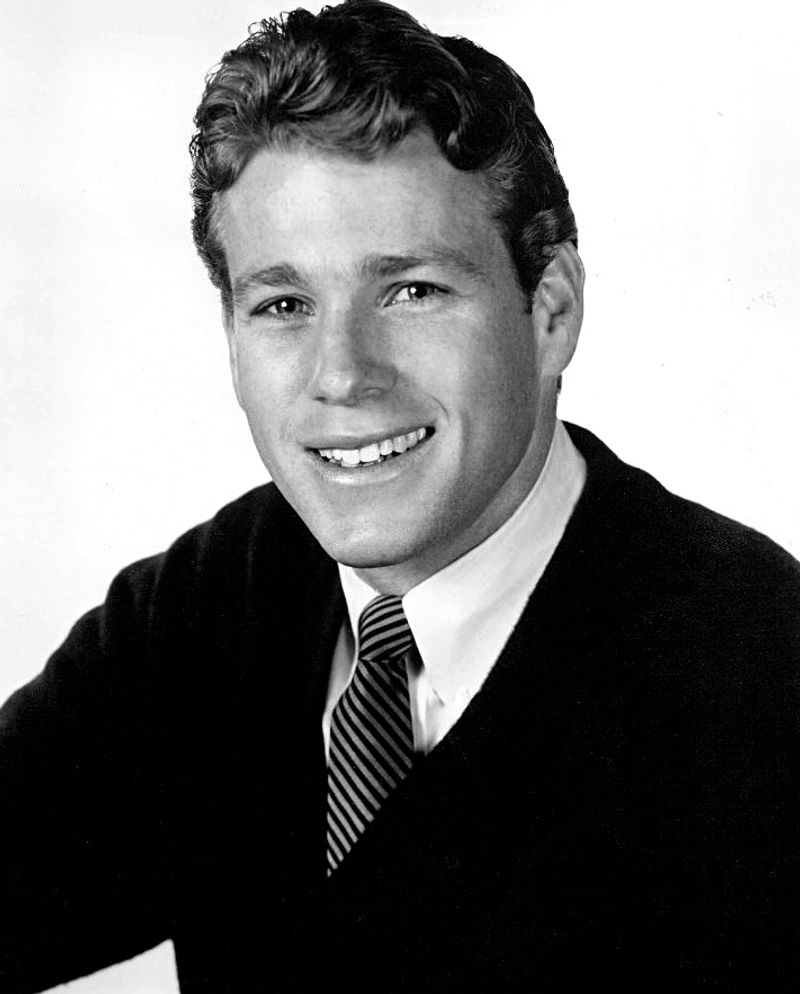
“Love Story” made O’Neal the poster boy for ’70s romance. His blonde good looks and sensitive performances in tearjerkers made him the go-to guy for weepy date movies.
He specialized in playing characters who loved deeply and hurt beautifully.
His soft-spoken delivery felt intimate, like he was sharing secrets. He represented traditional romantic ideals in a decade experimenting with new relationship models.
13. Jon Voight — Serious Leading-Man Heat In Prestige Films
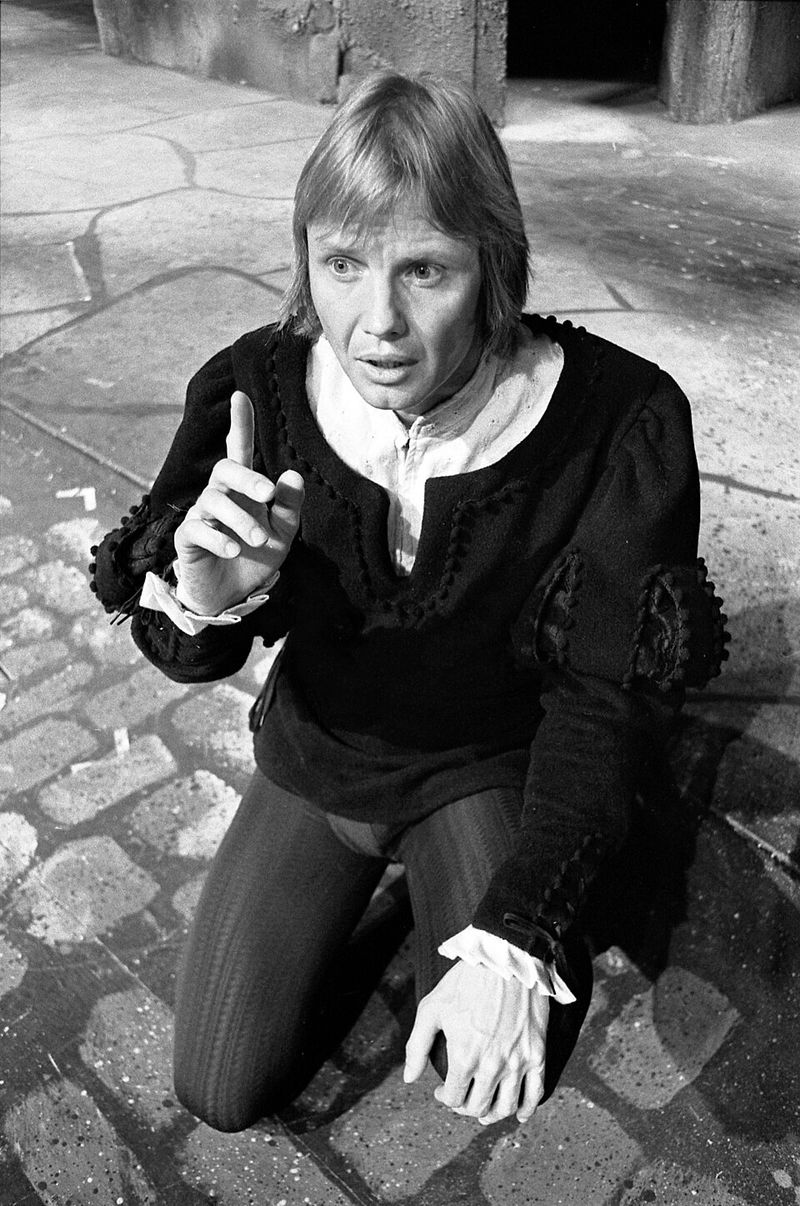
Voight brought intellectual intensity to heartthrob status.
His Oscar-winning performance in “Coming Home” and earlier work in “Midnight Cowboy” showcased acting chops alongside undeniable appeal.
He tackled serious subject matter with emotional depth that moved audiences.
His thoughtful approach to roles suggested intelligence and sensitivity. He proved heartthrobs could be taken seriously as artists, not just eye candy.
14. Gene Hackman — Tough-Guy Charisma With Depth
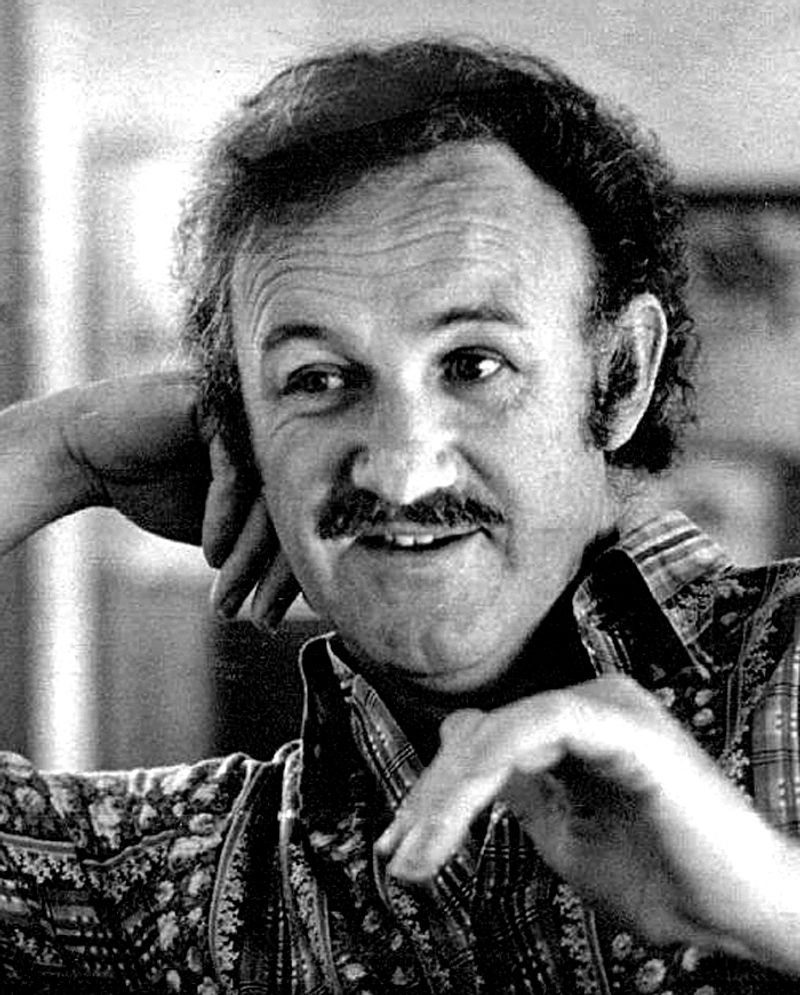
Hackman’s appeal came from authenticity rather than conventional handsomeness.
His work in “The French Connection” and “The Conversation” proved character actors could be leading men.
His no-nonsense attitude and blue-collar toughness felt refreshingly real.
He brought gravitas to every role, making even flawed characters compelling. His unconventional path to stardom inspired others.
15. James Caan — Streetwise Charm And Swagger
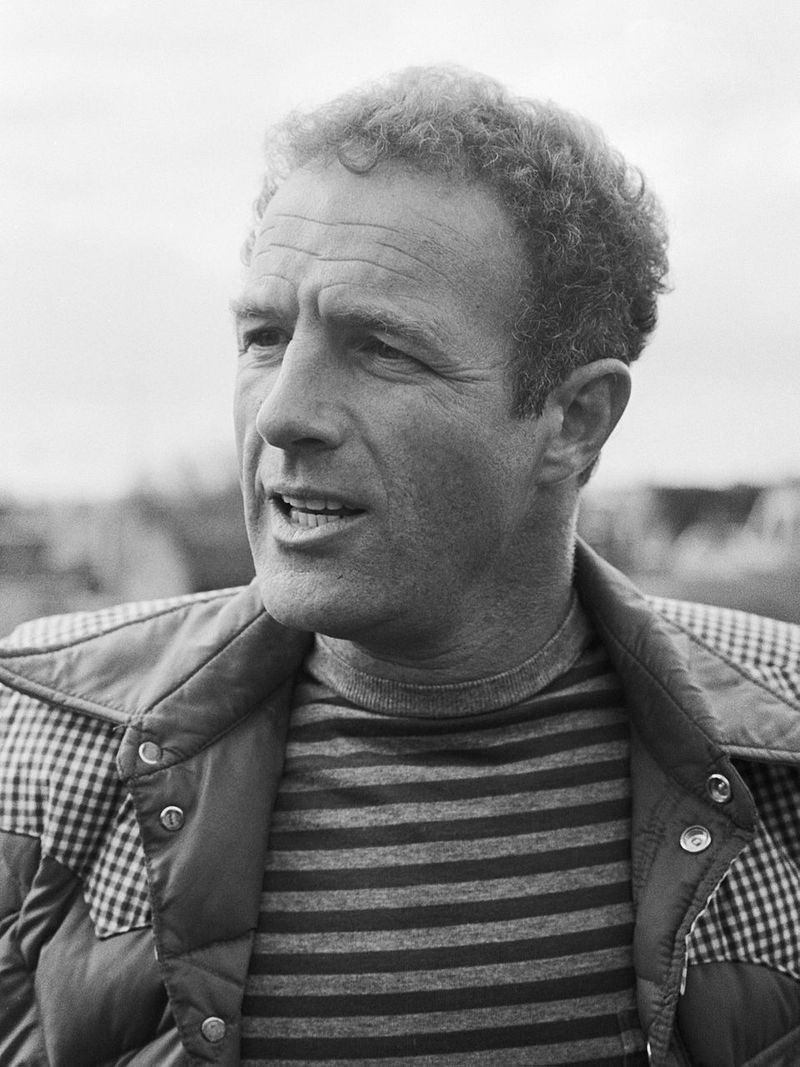
As Sonny Corleone in “The Godfather”, Caan exploded with volatile energy audiences couldn’t resist. His streetwise toughness mixed with surprising vulnerability created complex appeal.
He brought working-class authenticity to every role. His performances suggested someone who’d learned life lessons the hard way.
Women found his protective, passionate nature irresistible despite his characters’ flaws.
16. Peter Fonda — Counterculture Cool Carried Into The Decade
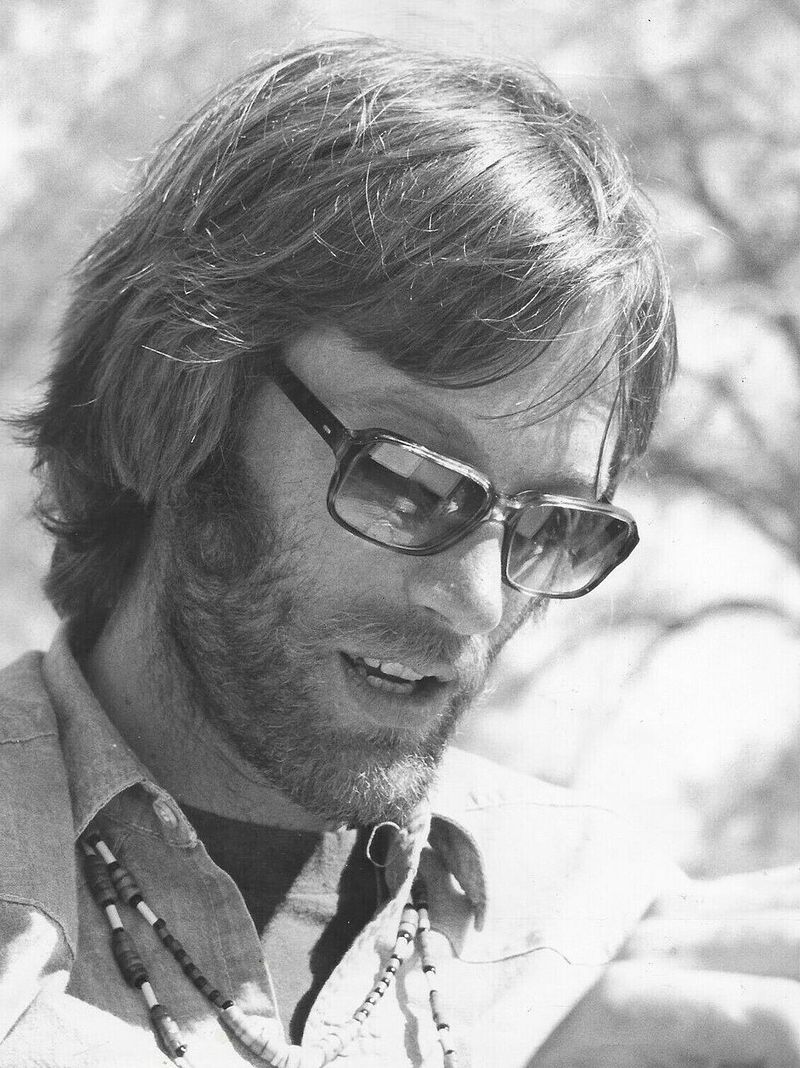
“Easy Rider” made Fonda the face of ’60s rebellion, but his cool factor extended well into the ’70s. His laid-back, anti-establishment vibe resonated with audiences questioning traditional values.
His Fonda family genes gave him natural good looks with edge.
He represented freedom and nonconformity in ways that felt genuinely lived-in. His motorcycle-riding outlaw image attracted free spirits everywhere.
17. Richard Roundtree — Shaft Made Him An Instant Icon
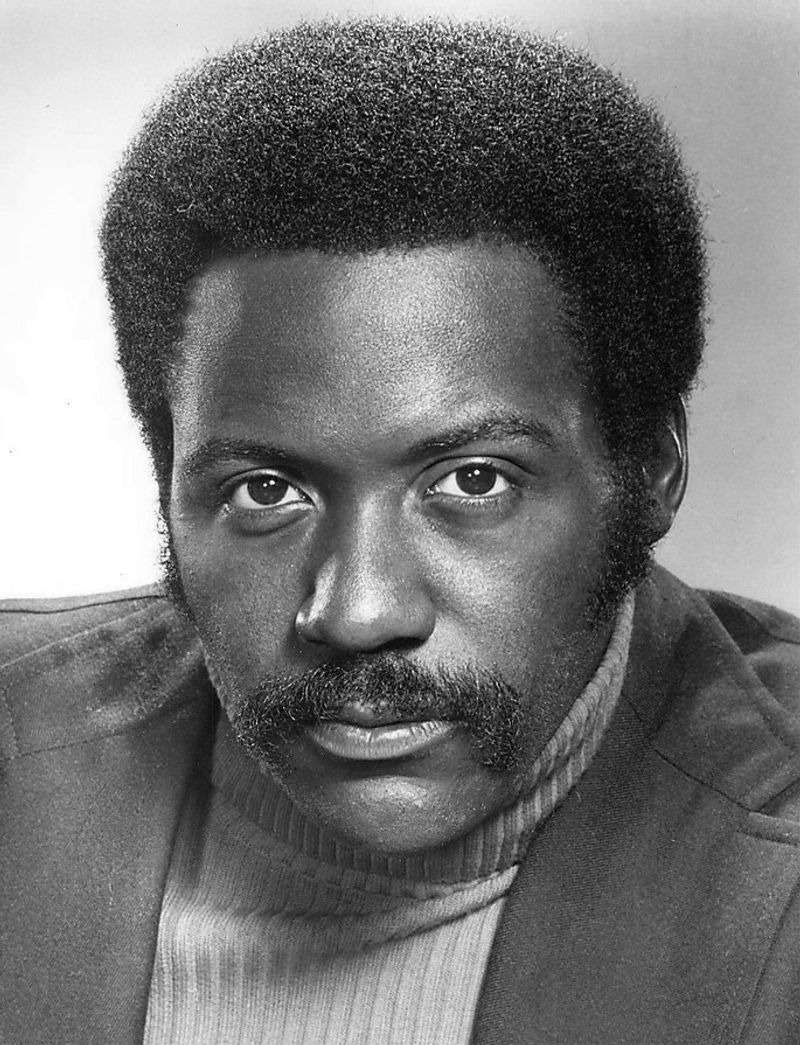
As John Shaft, Roundtree became the epitome of ’70s cool. His groundbreaking role in “Shaft” created a new kind of action hero – confident, stylish, and unapologetically Black.
His leather coats and theme music became cultural touchstones. He walked through scenes with swagger that felt both dangerous and irresistible.
His impact extended beyond entertainment into cultural representation.