Why Marblehead Might Be Massachusetts’ Most Overlooked Coastal Gem
Most people flock to Cape Cod or Nantucket when they think of Massachusetts beaches, but a small town just north of Boston deserves more attention.
Marblehead combines 400 years of history with stunning ocean views, yet it rarely shows up on crowded tourist itineraries.
With colonial homes, world-class sailing, and Hollywood connections, this coastal community offers everything visitors want without the overwhelming crowds.
1. Geography Creates Natural Isolation
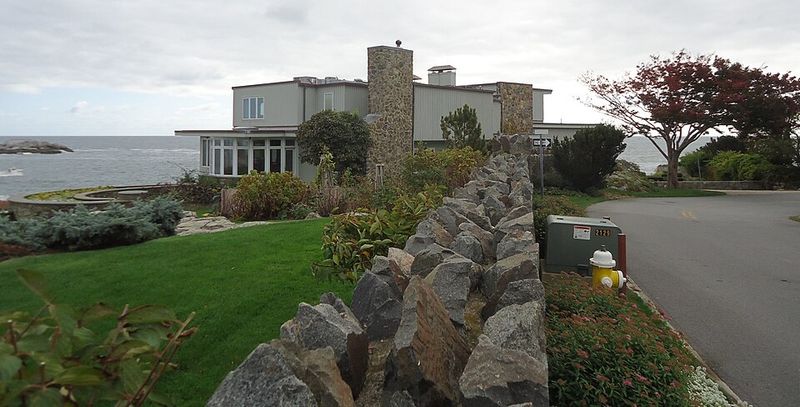
Geography has defined Marblehead’s character from the beginning. Surrounded by ocean on three sides, this 4.4-square-mile community of roughly 20,000 can only be reached by land through Salem or Swampscott.
The isolation has preserved something special: over 200 colonial-era homes create a living museum, with the Ambrose Gale House standing since 1663 as the town’s architectural elder statesman.
The town’s origins trace back to 1629 when settlers from Salem established roots here. Fishing and shoemaking built the early economy, though the waterways would ultimately shape Marblehead’s lasting identity.
2. Hollywood’s Go-To New England Backdrop
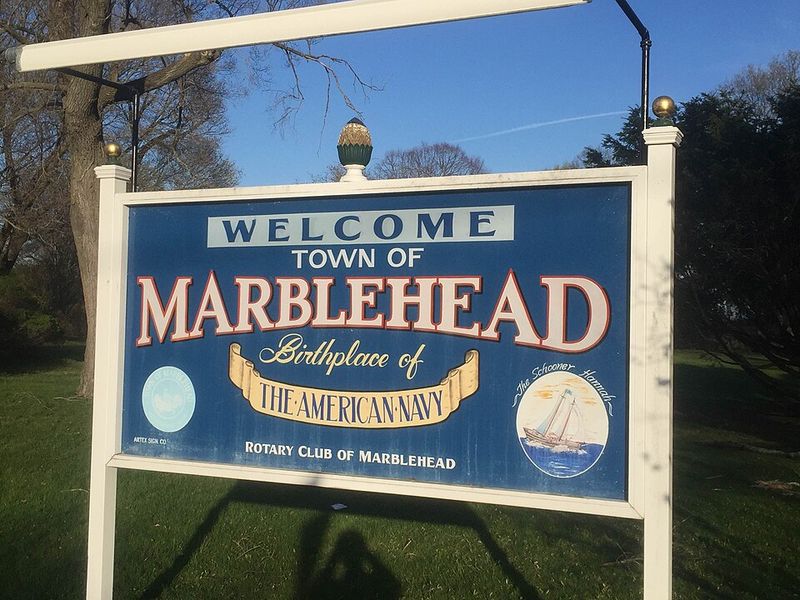
Film scouts have long recognized what locals already know: Marblehead looks like New England is supposed to look. When “Hocus Pocus” needed authentic Salem vibes, production crews came here instead.
The same happened with “Hubie Halloween,” despite its Salem setting. Washington Street, Crocker Park, and The Hotel Marblehead have all earned screen time in productions ranging from “The Witches of Eastwick” to both “Grown Ups” films.
3. Yachting Tradition Runs Deep
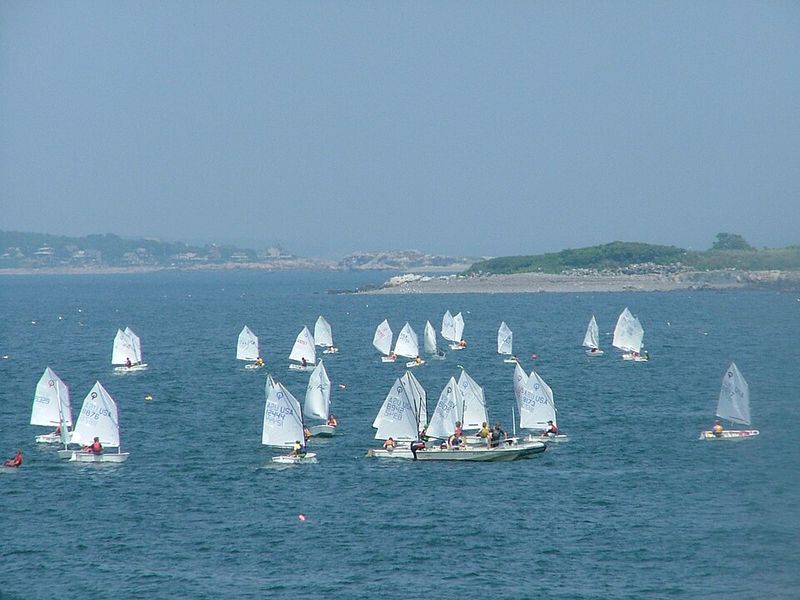
Those international sailing destinations get more press, but Marblehead has earned its title as Massachusetts’ yachting capital.
The Boston Yacht Club has welcomed sailors since 1866, claiming the distinction of being New England’s oldest. Multiple yacht clubs occupy this small community, and international racing circuits regularly use Marblehead Harbor as key waypoints.
Town historian Don Doliber points to maritime connections reaching far beyond recreational sailing. Trade routes once connected this harbor to Europe, the West Indies, and South Africa, establishing commercial networks that brought global influence to this small New England port.
4. Birthplace of American Naval Power
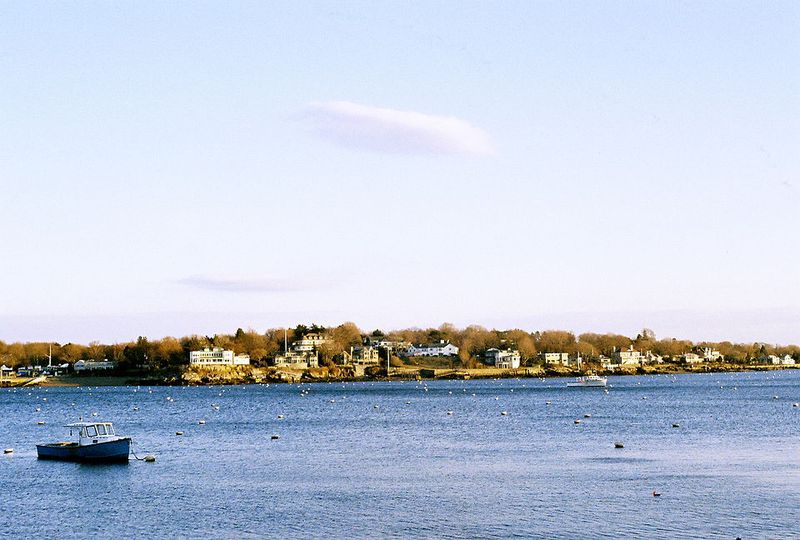
Marblehead’s town motto declares “Where History Comes Alive,” backed by a bold claim about founding the United States Navy. Beverly, the neighboring town, disputes this honor. The facts lie somewhere in the middle: Marblehead owned and operated the schooner Hannah, but George Washington commissioned it while the vessel launched from Beverly in 1775.
Either way, it became America’s first armed ship to engage British forces.
Fort Sewall stands as tangible proof of the town’s military significance. Dating to 1644, this headland fortress predates any other on the northeast coast.
Modern visitors find benches installed among the historic fortifications, offering comfortable spots to absorb Atlantic views and contemplate centuries of maritime defense. The Marblehead Lighthouse presents a different sort of historical curiosity, built in 1835, its brown skeletal structure defies traditional lighthouse aesthetics.
5. Three Sites Tell Four Centuries of Stories
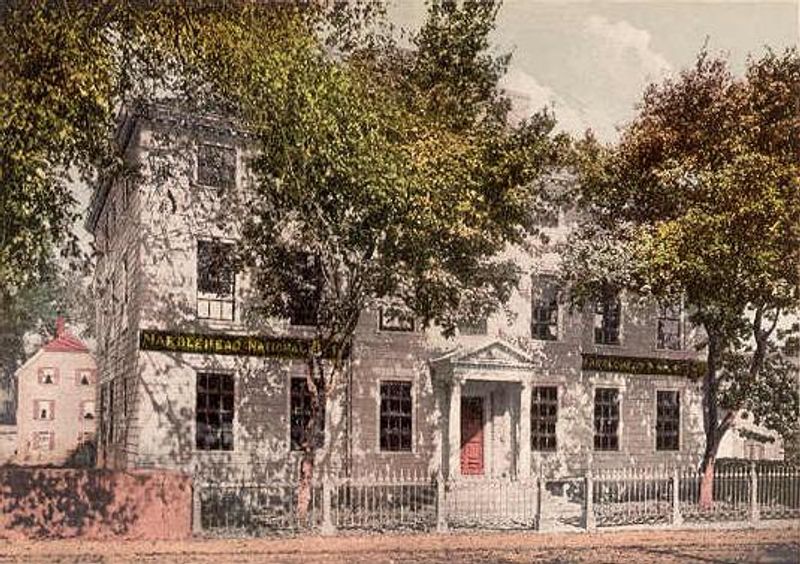
The Marblehead Museum spreads across three Historic District locations, each revealing different chapters. Executive director Lauren McCormack describes the town’s evolution through distinct economic phases: fishing village to mercantile center to shoe manufacturing hub to yachting destination.
The J.O.J. Frost Gallery on Washington Street operates March through December, showcasing John Orne Johnson Frost’s sculptures and artwork alongside lecture spaces. The 1768 Jeremiah Lee Mansion, a Georgian architectural gem, welcomes visitors June through October.
The Civil War Museum occupies the Old Town House’s second floor, where Grand Army of the Republic veterans once gathered in the very same rooms now displaying their uniforms, weapons, and photographs. This final site requires advance appointments.
The museum also provides self-guided walking tour materials covering 19 significant locations, from mansions to churches to public squares.
6. Places to Rest and Refuel
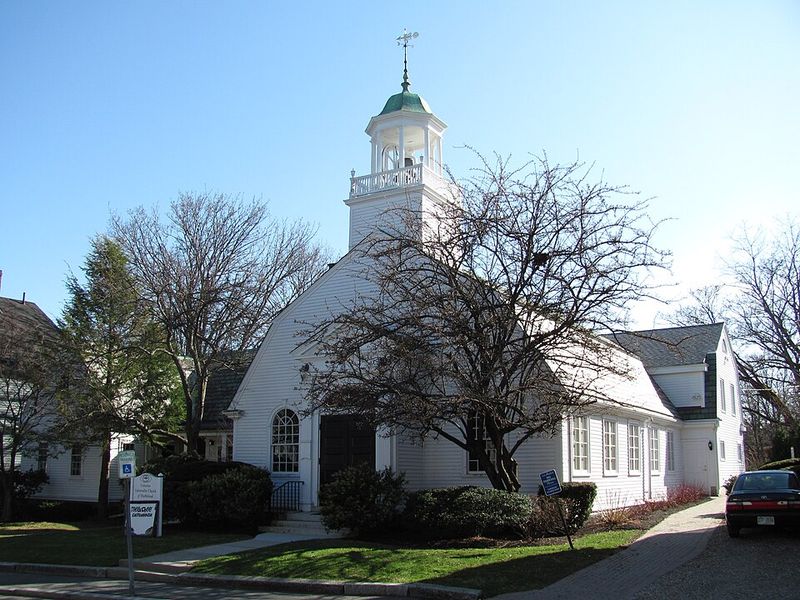
Harbor Light Inn anchors the Harbor District with nautical touches, gas fireplaces, and oversized soaking tubs. TripAdvisor users rate it the town’s best value.
The Hotel Marblehead offers boutique accommodations in an 1871 Victorian that Netflix temporarily transformed into a haunted house for “Hubie Halloween”, though the sailing-inspired interiors feel thoroughly welcoming in reality.
The Barnacle serves casual waterfront dining on a deck extending over the Atlantic. Fresh and fried seafood dominate the menu, with chowder and bisque drawing consistent praise. The Landing has operated since 1972, pairing chef-driven local seafood with international influences in dining room or deck seating.
For upscale bistro fare, 5 Corners Kitchen has collected accolades from Boston Globe, Zagat, and Wine Spectator, offering everything from shellfish platters to Duck Confit.
7. Why This Town Works
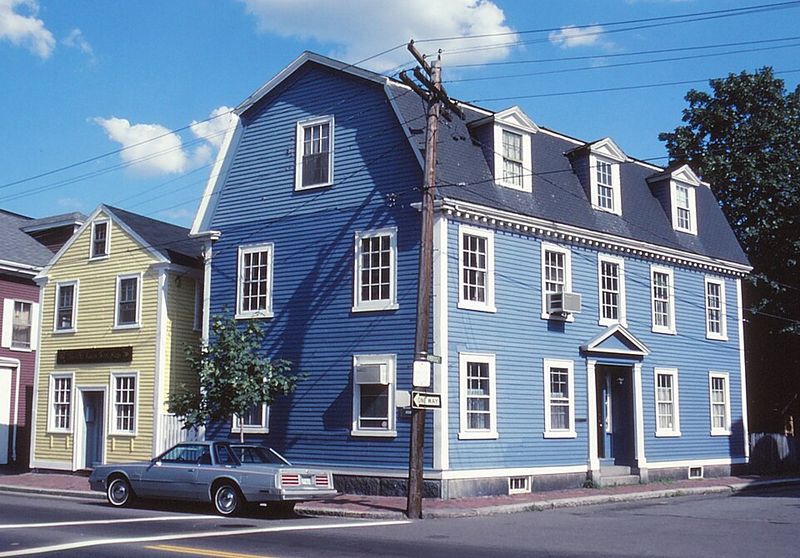
Marblehead succeeds where many coastal destinations stumble: it remains functional rather than performative.
The cobblestoned streets aren’t theme park recreations but actual colonial-era infrastructure. The harbors bustle with working vessels alongside recreational craft.
History isn’t packaged for consumption but woven into daily life, from the Native Naumkeag heritage the museum now acknowledges to the Victorian architecture housing modern businesses.
Twenty thousand people live here year-round, creating rhythms that don’t pause when tourist season ends. That makes all the difference.