Married… With Children Facts About TV’s Most Unfiltered Family
Long before sitcom families worried about setting good examples, one chaotic household happily tore up the rulebook and invited audiences to laugh at life’s messier realities.
Married… With Children arrived at a moment when television comedy still favored warmth and tidy lessons, yet the Bundys thrived on sarcasm, dysfunction, and brutally honest humor that felt shocking and refreshing all at once.
Viewers tuned in not for moral victories but for sharp punchlines, uncomfortable truths, and characters who never pretended to have everything figured out.
Beneath the insults and outrageous situations lived a strange kind of authenticity that helped the show stand apart for more than a decade.
1. That Cheerful Theme Song Is Actually A Brilliant Gag
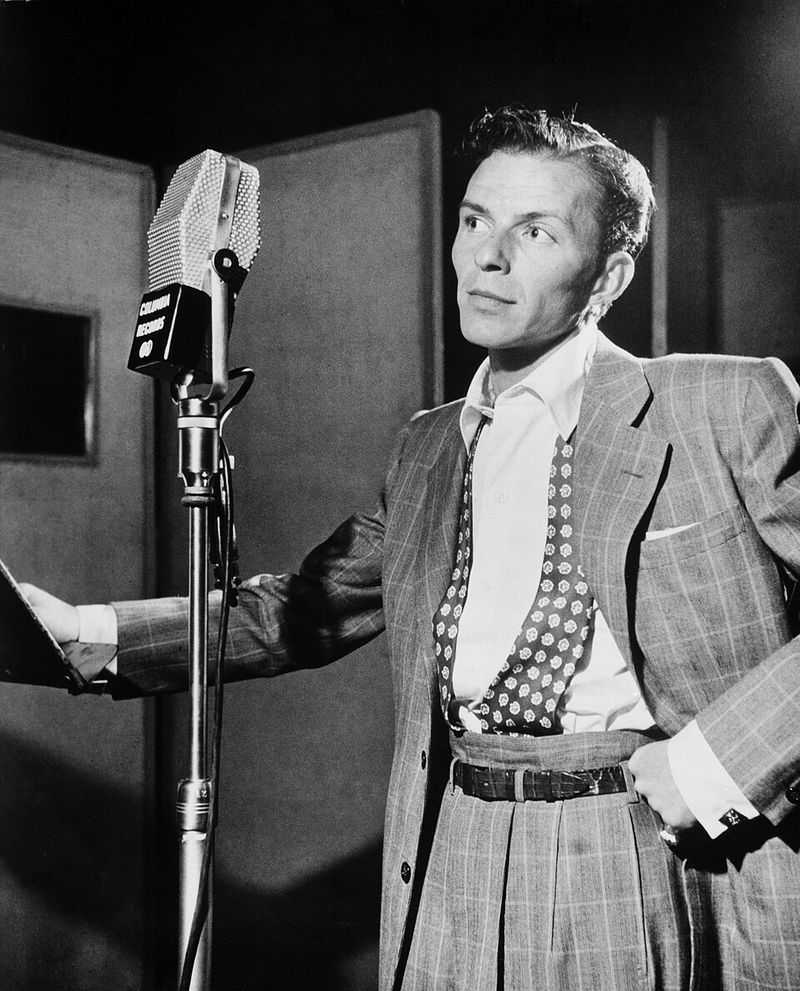
Frank Sinatra’s smooth crooning wasn’t written for the Bundys at all.
“Love and Marriage” dates back to 1955, composed by Sammy Cahn and Jimmy Van Heusen, celebrating wedded bliss in the most optimistic way possible.
Pairing that sunny melody with the Bundy household’s constant bickering is comedy gold.
The contrast between Sinatra’s romantic lyrics and Al’s misery on screen turns a classic standard into the show’s sneakiest running joke, hiding in plain sight every single episode.
2. A Banned Episode Became Legendary Folklore

“I’ll See You in Court” earned instant notoriety when it got pulled from the lineup early in the show’s run.
Networks got cold feet over the episode’s content, and suddenly the Bundys had their very own forbidden chapter.
This “lost” episode became part of the show’s mythology, giving Married… With Children extra street cred as the sitcom “too hot for TV.”
Fans still hunt down bootleg copies like treasure hunters searching for sitcom gold that was deemed too wild for broadcast.
3. Fox Used The Bundys As Their Battle Cry
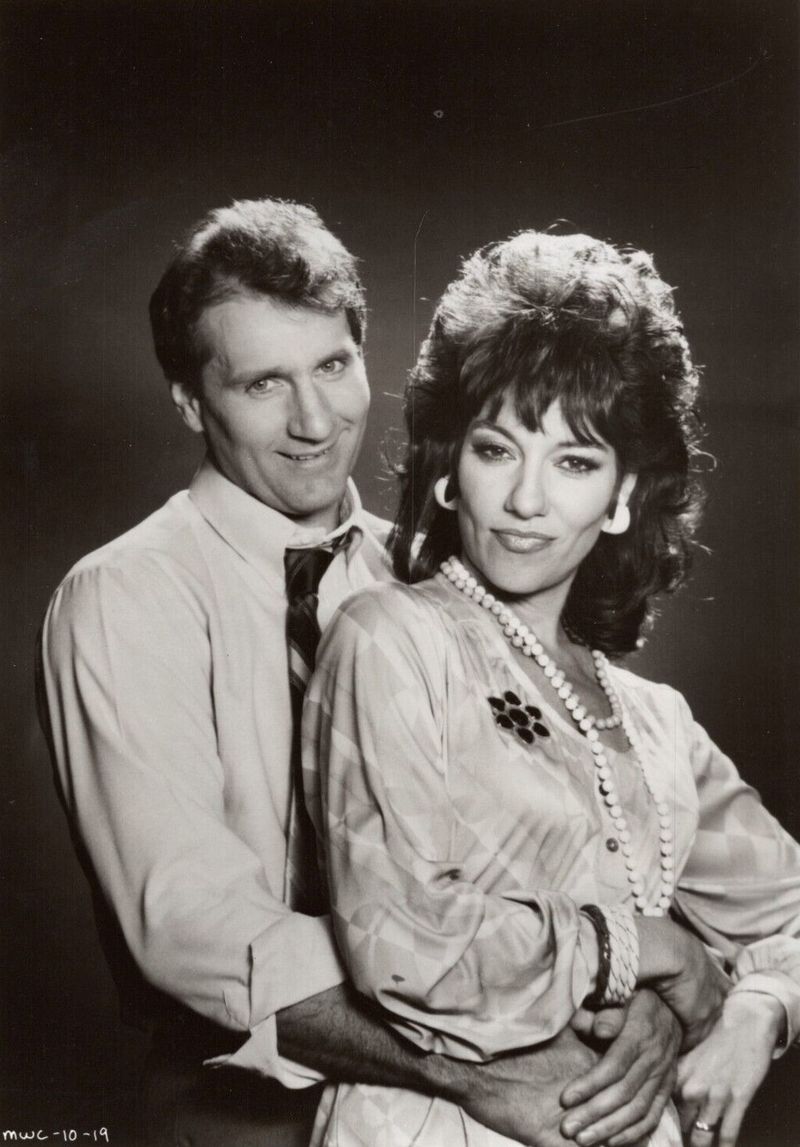
Fox basically threw down the gauntlet with this show.
While NBC, CBS, and ABC played it safe with squeaky-clean families, Fox handed the Bundys a megaphone and said “go wild.”
The network was brand new and needed something bold to stand out.
Al Bundy’s couch-potato grumbling and Peggy’s bonbon binges became Fox’s mission statement: louder, sharper, and way more rebellious than anything the big three networks dared to air at the time.
4. The Bundy House Is A Real Illinois Landmark

Though the magic happened on Hollywood soundstages, the exterior shots came from a genuine home in Deerfield, Illinois.
That modest suburban house became instantly recognizable to millions of viewers every week. Fans still make pilgrimages to see the real Bundy residence in person.
The address has become a sitcom landmark, proof that even fictional families need real-world roots.
For dedicated viewers, spotting that familiar facade feels like visiting an old friend’s place, even if the Bundys never actually lived there.
5. Chicago Vibes Built On A Hollywood Backlot

Despite being filmed entirely in Los Angeles, the show nailed its Chicago blue-collar atmosphere.
Writers and set designers worked overtime to create a believable Windy City world without leaving California.
This deliberate geographical fiction gave the series its unique flavor. The Bundys felt authentically Midwestern even though palm trees were just outside the studio doors.
It’s a stylized version of Chicago, not a documentary, which let the show exaggerate working-class struggles into comedy without worrying about matching real streets or landmarks perfectly.
6. Peggy Bundy Rewrote The Sitcom Wife Playbook
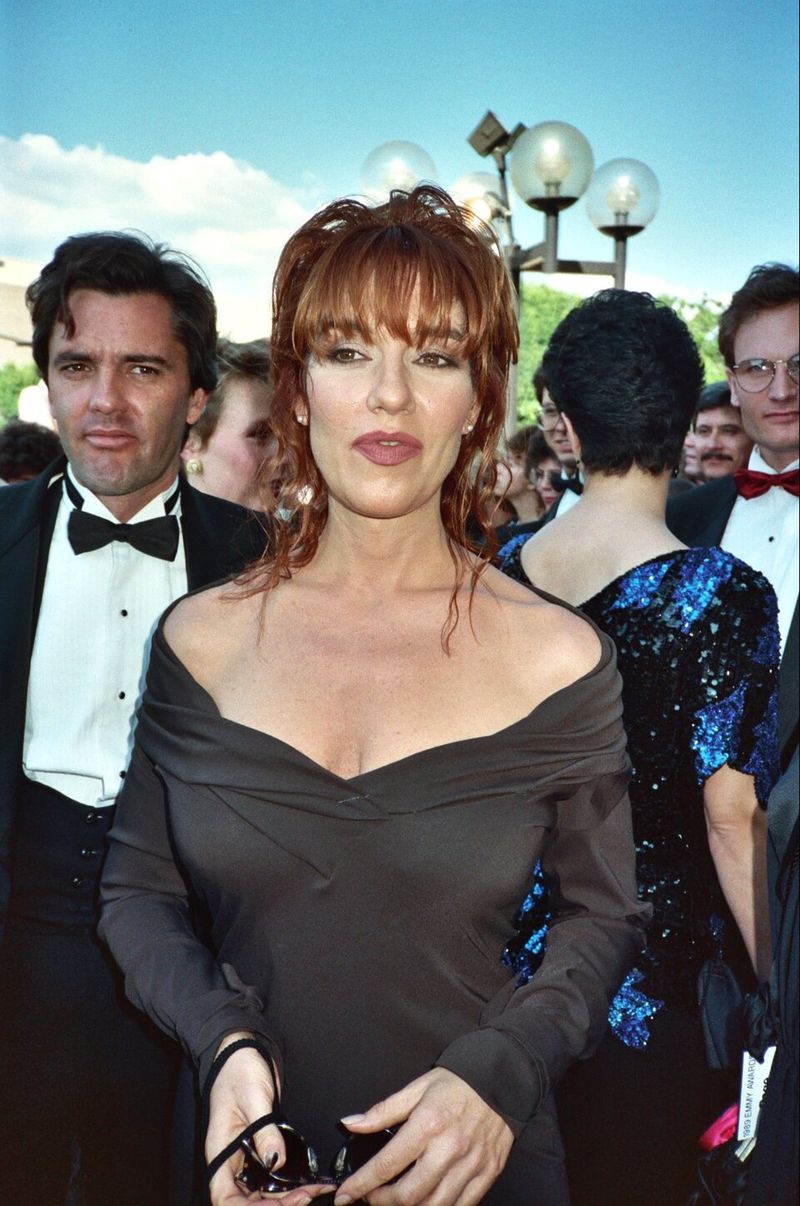
Forget the patient, cookie-baking TV moms of yesteryear.
Peggy Bundy refused to cook, clean, or pretend domestic life was her calling. Her proudly lazy approach to housework was revolutionary for sitcom standards.
Katey Sagal’s character became a direct rebuttal to June Cleaver and Carol Brady. Instead of managing the household with grace, Peggy embraced chaos with leopard print and sky-high hair.
This anti-domestic goddess proved sitcom wives didn’t need to be nurturing saints, making Peggy an icon of unapologetic self-interest.
7. Kelly Bundy Evolved From Punchline To Comedy Powerhouse

Christina Applegate started as the stereotypical “dumb blonde” character, but her comic timing transformed Kelly into so much more.
What began as simple satire became a reliable engine for storylines.
Kelly’s hilariously clueless observations and ridiculous adventures turned her into more than just a one-note joke.
Applegate’s talent elevated the character beyond the initial concept, showing that even satirical stereotypes can become fully realized sitcom stars.
8. Controversy Became The Show’s Secret Superpower
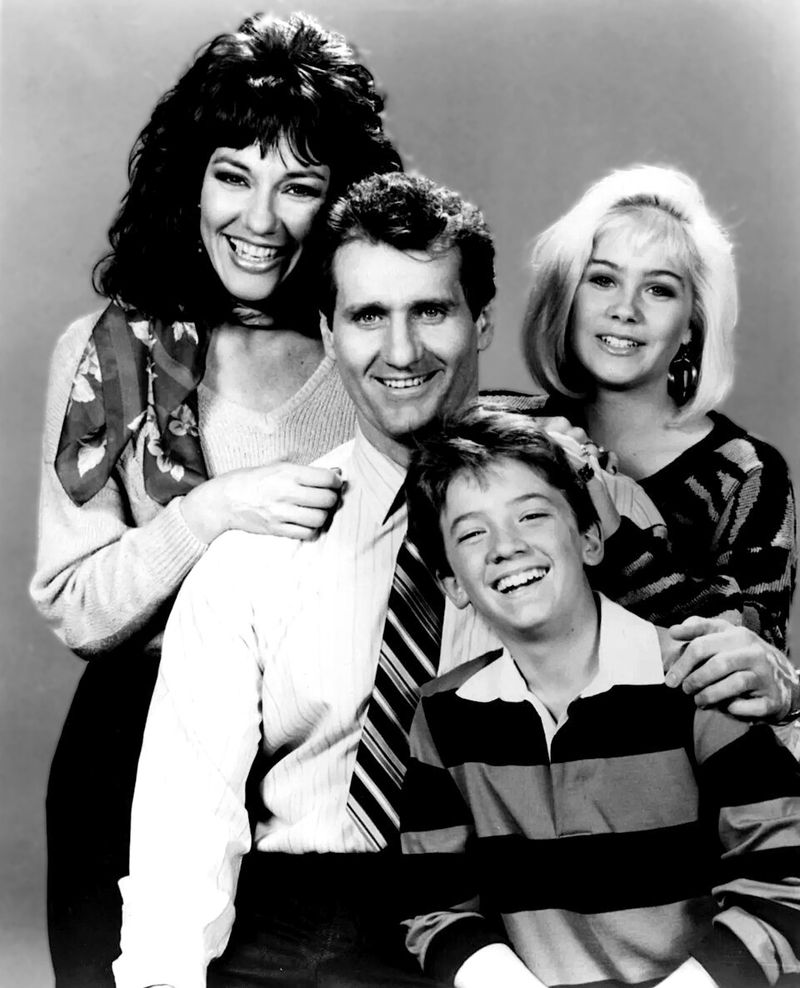
Critics hammered the show’s humor and its “anti-family” tone throughout its entire run. Parent groups complained, watchdog organizations protested, and the controversy never stopped.
Instead of hurting the series, all that outrage became free publicity. Every complaint amplified the show’s reputation as boundary-pushing television.
The Bundys didn’t just break sitcom rules accidentally – they made rule-breaking their brand identity.
Decades later, Married… With Children remains the reference point whenever TV comedy pushes limits, proving controversy can be surprisingly good for business.
9. Marcy Rhodes Kept The Bundys From Going One Note

Amanda Bearse’s Marcy wasn’t just the nosy neighbor. She functioned as the show’s moral compass and aspirational foil, constantly clashing with the Bundy family’s lowbrow lifestyle.
Without Marcy’s uptight counterbalance, the Bundys might have become exhausting.
Her attempts at sophistication and proper living created perfect comedic tension against Al’s slovenly ways.
This structural opposition kept episodes from feeling repetitive, giving the show a necessary yin-yang dynamic that made both sides funnier by highlighting their extreme differences.