17 Massive 1980s Hit Songs With Surprisingly Forgotten Artists
Neon lights and cassette tapes once set the soundtrack for an entire decade obsessed with hooks that refused to leave your head.
Certain songs exploded everywhere at once, filling malls and roller rinks, even as the artists behind them struggled to capture that lightning again.
Decades later, melodies remain instantly familiar, yet the names tied to those voices often slip through memory the moment the chorus fades.
It’s time to rewind the tape and spotlight massive 1980s hits that outshone the names behind them.
Note: This article is meant for entertainment and nostalgia, and “forgotten” is inherently subjective because listener memory varies by region, format, and era.
Chart references reflect widely cited reporting on Billboard Hot 100 performance and other commonly used chart records, but rankings and “one-hit wonder” labels can shift depending on the chart, country, or timeframe used.
1. Mickey (Toni Basil)
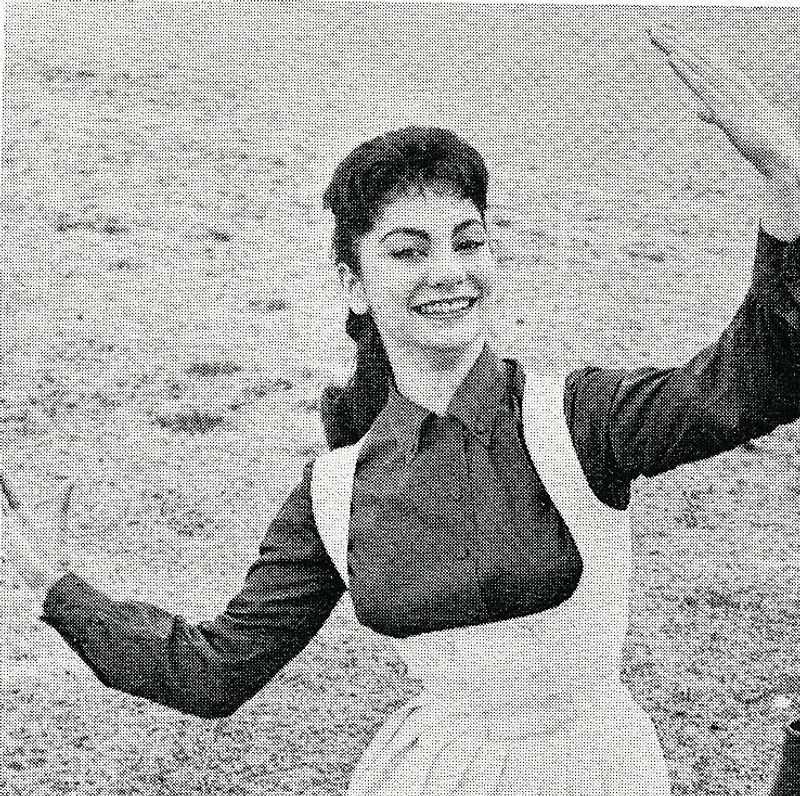
Cheerleaders everywhere adopted this irresistibly catchy anthem as their unofficial theme song when it exploded onto the charts in 1982!
Toni Basil brought her choreography background to the music video, creating an iconic visual that defined early MTV culture.
She never scored another major hit in the United States, despite reaching number one on the Billboard Hot 100.
Echoing through gymnasiums and sporting events decades later, the infectious “Hey Mickey” chant remains even though most people have forgotten the artist behind it!
2. 867-5309/Jenny (Tommy Tutone)

Phone pranks skyrocketed after this power-pop gem hit airwaves, with countless people dialing the number hoping to reach the mysterious Jenny.
Tommy Tutone crafted a perfect earworm that embedded seven digits into the collective consciousness of an entire generation.
The band enjoyed moderate success with this 1981 release, climbing to number four on the charts.
However, they quickly faded into obscurity afterward, leaving many to wonder if Jenny ever actually existed or if the whole story was just clever marketing.
3. Come On Eileen (Dexys Midnight Runners)
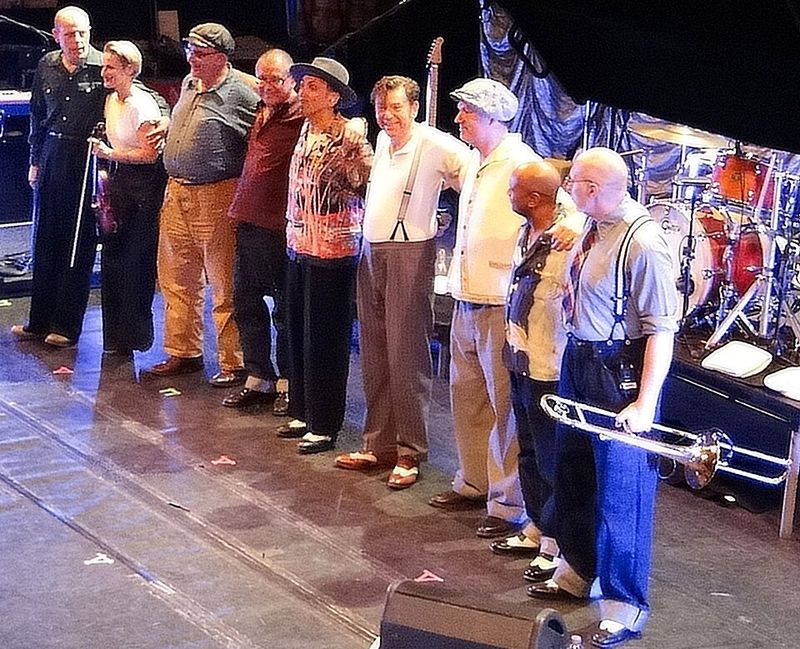
Overalls and violins became surprisingly cool when this Celtic-tinged pop masterpiece dominated 1982!
Dexys Midnight Runners delivered a genre-defying sound that blended folk, soul, and new wave into something completely unique.
Charts on both sides of the Atlantic were topped by the song, making it one of the decade’s most recognizable tracks.
Frontman Kevin Rowland’s passionate vocals and the band’s distinctive fashion sense made them briefly unforgettable, yet they disappeared from mainstream consciousness almost as quickly as they arrived!
4. I Ran (So Far Away) (A Flock Of Seagulls)
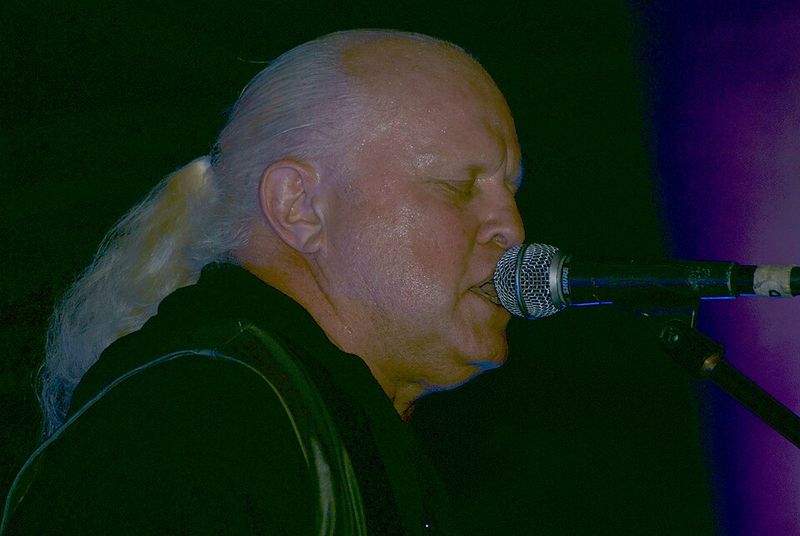
Hairstyles don’t get more memorable than lead singer Mike Score’s gravity-defying wings, which became as iconic as the song itself.
This synth-driven track propelled A Flock of Seagulls into the American top ten in 1982, establishing them as new wave pioneers.
The band’s futuristic sound and space-age aesthetic perfectly captured the decade’s fascination with technology and synthesizers.
Unfortunately, their distinctive look often overshadowed their musical talent, and they’re now remembered more for that legendary haircut than their impressive catalog.
5. The Safety Dance (Men Without Hats)

Quirky doesn’t begin to describe this Canadian band’s breakthrough hit, released in 1982 and rising to major U.S. prominence in 1983.
Men Without Hats created a synth-pop anthem that protested overzealous bouncers who banned pogoing at concerts.
Medieval imagery and dancing dwarves featured in the music video, adding to the song’s wonderfully weird appeal.
The band never managed to replicate this level of U.S. chart success, leaving many listeners to remember the song more readily than the group name.
6. 99 Luftballons (Nena)

Cold War tensions found their way into pop music through this German protest song about balloons mistaken for military threats.
Nena’s powerful vocals and the song’s driving beat made it a worldwide phenomenon in 1983, even in its original German version.
An English version titled “99 Red Balloons” also charted, though the German original remained more popular.
Despite the massive international success, Nena became best known in the U.S. for this song, even as her career continued strongly in Europe.
7. Pass The Dutchie (Musical Youth)

Teenagers taking over the charts seemed impossible until this British reggae group proved otherwise in 1982!
Musical Youth consisted of actual children, with members ranging from eleven to fifteen years old when they recorded this infectious track.
Radio-friendly lyrics were cleverly adapted from the Mighty Diamonds’ “Pass the Koutchie” to create this version.
Novelty act status came from their youth, and as the members grew older, their appeal faded, leaving them remembered only for this single reggae-pop crossover hit!
8. Too Shy (Kajagoogoo)

Limahl’s striking platinum blonde hair and the band’s polished new wave sound made Kajagoogoo instant MTV darlings in 1983.
Producer Nick Rhodes from Duran Duran helped craft their sophisticated sound, which featured intricate bass lines and shimmering synths.
The song topped UK charts and became a top-five hit in America, establishing them as new romantic superstars.
Internal conflicts led to Limahl’s departure shortly after their breakthrough, and the band never recaptured that initial magic, fading quickly from public memory despite their early promise.
9. Obsession (Animotion)
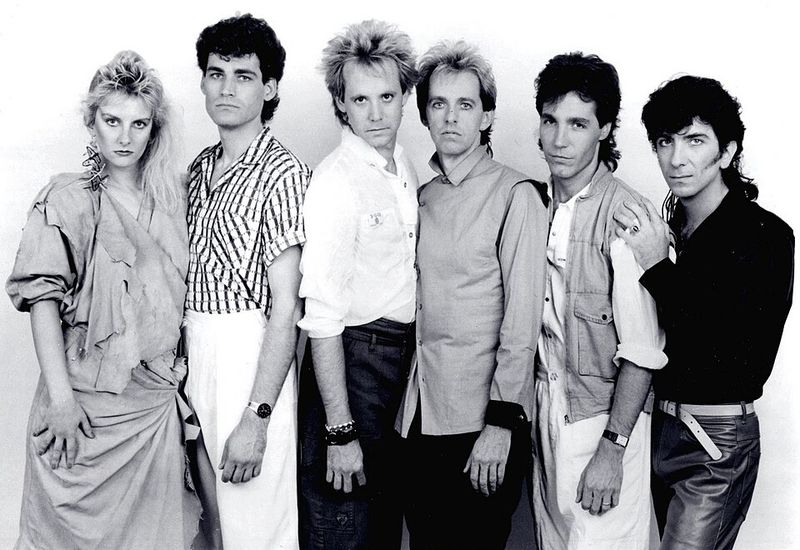
Dark synthesizers and haunting vocals combined to create one of the decade’s most hypnotic dance tracks in 1984!
Animotion’s male-female vocal interplay gave the song an unsettling edge that perfectly matched its stalker-themed lyrics.
Climbing to number six on the Billboard Hot 100, the track became a staple at clubs and on MTV.
Most listeners today would struggle to name even one member, despite the band’s impressive success and a few minor follow-up hits!
10. She Blinded Me With Science (Thomas Dolby)

Laboratory coats and bubbling beakers filled the music video for this quirky 1982 new wave hit.
The song celebrated nerdy romance while using Thomas Dolby’s unique synthesizer wizardry to create an eccentric sound.
It featured famous spoken-word interjections from Magnus Pyke, a real-life scientist who shouted the iconic title.
The track peaked at number five in America and established Dolby as a leading innovator in the synth-pop genre.
While Dolby later became a technology entrepreneur, he remains forever associated with the man who blinded him through science!
11. Take My Breath Away (Berlin)

Top Gun’s romantic scenes wouldn’t have been nearly as memorable without this sweeping power ballad from 1986.
Berlin’s lead singer Terri Nunn delivered vocals that perfectly captured the longing and passion of the film’s love story.
The song won an Academy Award for Best Original Song and topped charts worldwide, becoming one of the decade’s definitive ballads.
Despite this enormous success, Berlin struggled to maintain mainstream relevance afterward, with most people unable to name any of their other songs or even remember the band’s name.
12. I Just Died In Your Arms Tonight (Cutting Crew)
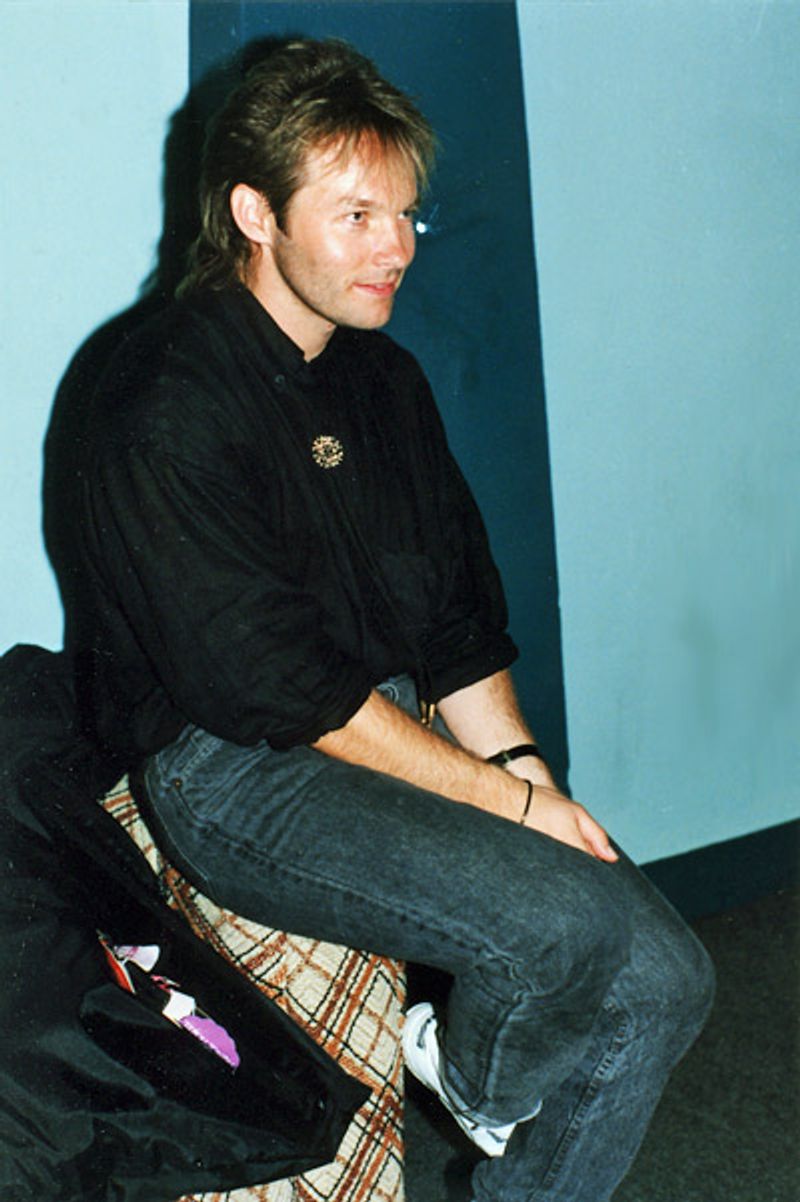
Dramatic and romantic, this British band’s 1986 breakthrough became an instant favorite for proms and weddings!
Polished production and Nick Van Eede’s emotive vocals helped this power ballad define the sound of mid-80s rock radio.
Reaching number one on the Billboard Hot 100, the track briefly made the band look like superstars with long-term staying power.
Changing musical tastes and lackluster follow-up singles eventually left them stranded in one-hit-wonder territory.
Most fans now remember them only for this single melodramatic moment of musical perfection!
13. Your Love (The Outfield)
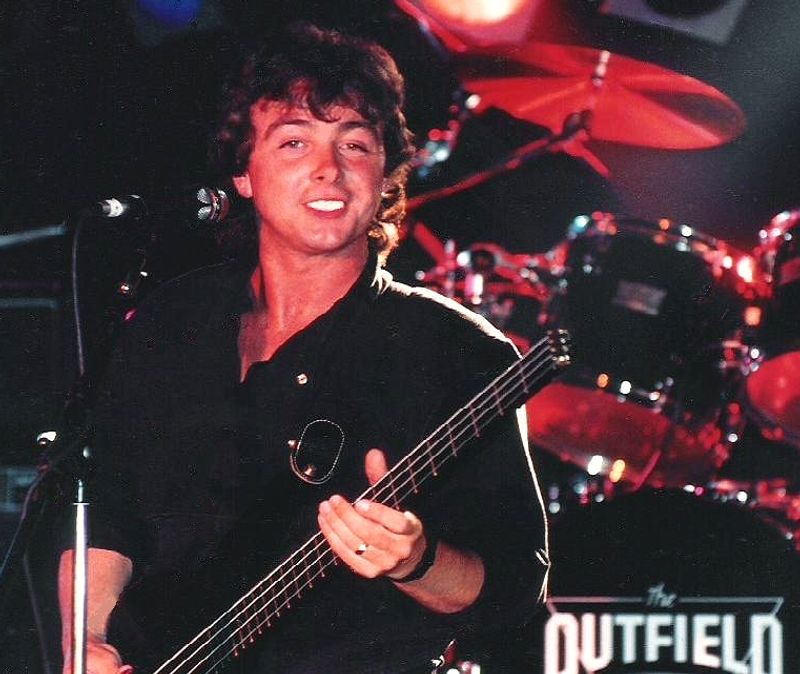
Summer nights and baseball fields come to mind whenever this power-pop gem from 1985 plays on the radio!
Jangly guitars and Tony Lewis’s distinctive vocals combined to create an anthem about secret relationships and youthful rebellion.
Climbing all the way to number six on the Billboard Hot 100, the track became a permanent staple of rock radio for the decade.
Success came much easier in America than in their British homeland, though they are now remembered almost exclusively for this one infectious track.
Most listeners still recognize that opening riff immediately, even if the band’s name has faded into the background of music history!
14. I Melt With You (Modern English)

Post-punk meets dreamy pop in this 1982 track that became synonymous with 80s romance and nostalgia.
Modern English crafted a song that sounded optimistic on the surface but actually dealt with nuclear apocalypse and making love during the end of the world.
The track gained traction slowly, eventually becoming a college radio favorite and MTV staple.
Though it never cracked the top 40 initially, its enduring popularity in movies and commercials has kept it alive, even as the band itself remains largely forgotten.
15. It’s Raining Men (The Weather Girls)
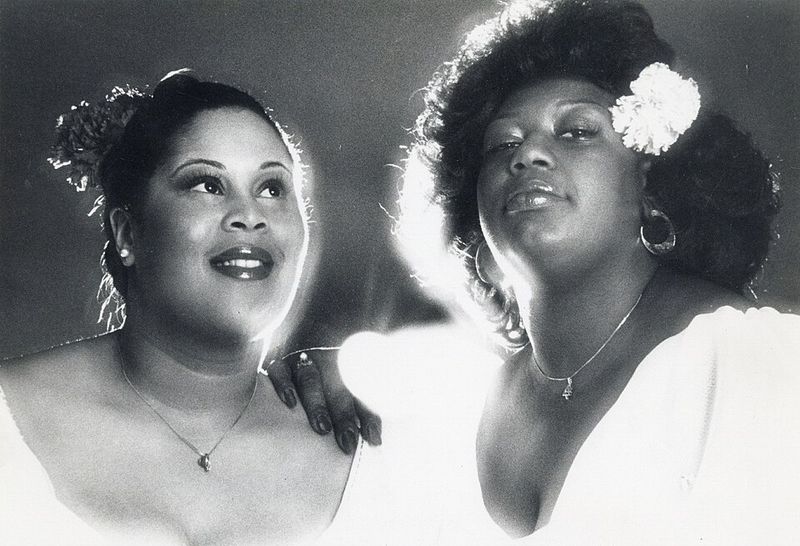
Disco might have been declared dead, but nobody told The Weather Girls when they released this exuberant anthem in 1982!
Martha Wash and Izora Armstead used their powerful vocals to turn this playful song into a dance floor phenomenon and a lasting gay anthem.
Over-the-top production combined with campy lyrics made the track impossible to resist as it climbed charts in multiple countries.
Comparable success never returned for the duo despite the massive impact of this single hit.
They remain widely associated with this meteorologically impossible, high-energy singalong that still fills dance floors.
16. Heart And Soul (T’Pau)

Carol Decker’s powerful voice launched this British band into the American top five in 1987, making them overnight sensations.
T’Pau’s blend of rock and pop, combined with the song’s anthemic chorus, made it a radio favorite on both sides of the Atlantic.
The track gained extra visibility through heavy promotion and airplay, helping it break big in the U.S.
Despite this impressive breakthrough and several UK hits, they never replicated this success in America, leaving them as another talented band remembered for just one shining moment.
17. Down Under (Men At Work)
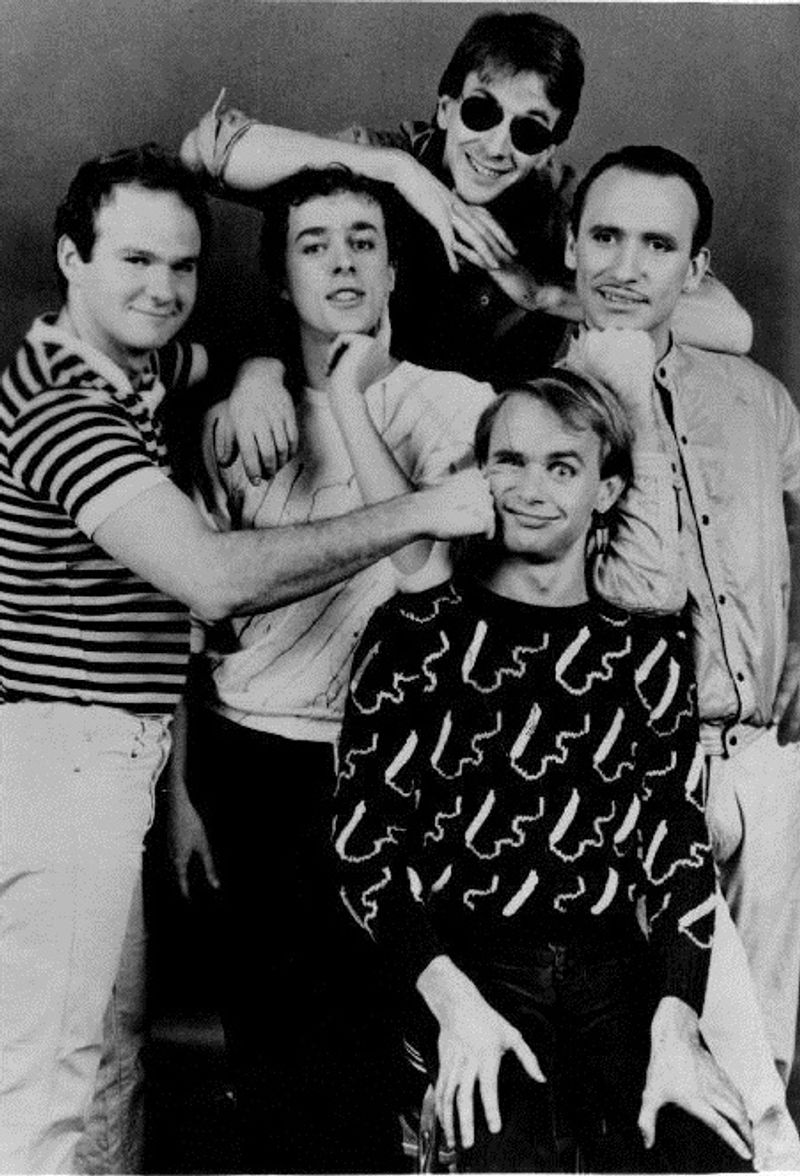
Australia’s unofficial anthem came from this Melbourne band who topped charts worldwide in 1981 with their reggae-influenced rock.
Colin Hay’s distinctive vocals and the song’s quirky lyrics about traveling through Australia made it instantly recognizable.
Men at Work actually enjoyed several hits and won a Grammy for Best New Artist, making them more than typical one-hit wonders.
Later copyright disputes over the flute riff and the band’s breakup reshaped their story, even as they still remain associated with this signature hit for many casual listeners.