10 Quarter Pounder Facts McDonald’s Fans May Not Expect
Menu opens and suddenly this burger is acting like it has a backstory and a fanbase.
Turns out it kind of does, with origins that feel random and upgrades that slipped in like a quiet glow-up nobody noticed at first. Next bite is still messy, still good, and now weirdly loaded with plot.
1. Created By A Franchisee, Not Corporate
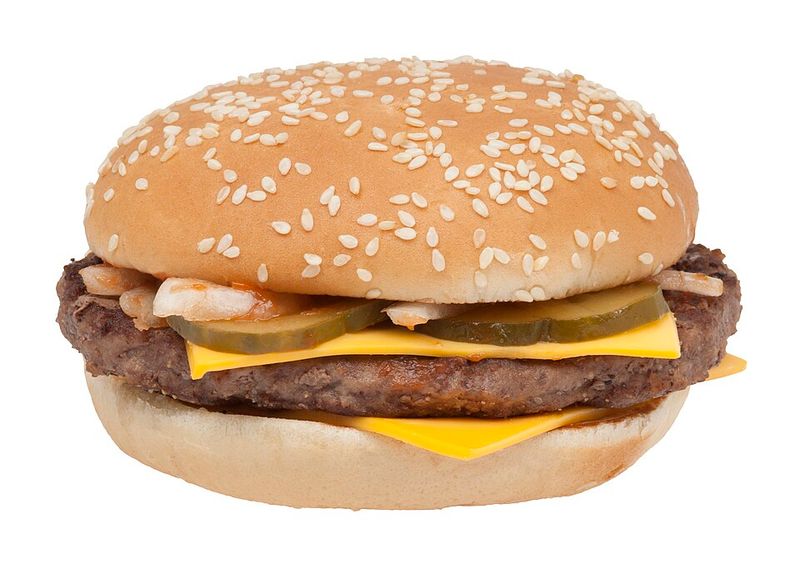
Most people assume Ray Kroc dreamed up the Quarter Pounder, but the real credit belongs to Al Bernardin, a McDonald’s franchisee who cooked up the idea in 1971.
Bernardin wanted a burger with more substance, something that felt like a real meal rather than a quick snack. His instinct paid off in a big way.
Not every legend starts at the top, and this one proves that great ideas can come straight from the counter.
2. It Didn’t Go National Right Away
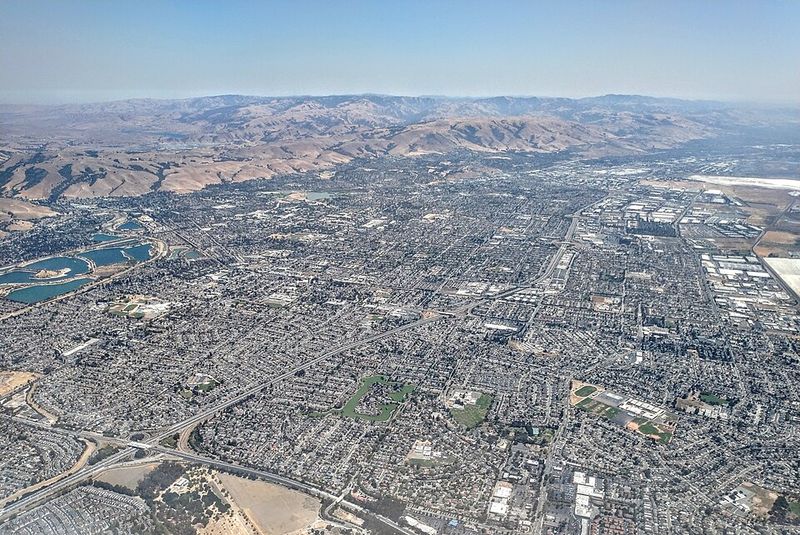
The burger began as a local Fremont idea in 1971 before McDonald’s expanded it nationally in 1973.
National expansion across the U.S. waited until 1973, arriving two full years after the burger first appeared, as if patience had always been part of the recipe. Some classics take the long road, and every mile made the wait for this burger feel completely earned.
3. Quarter Pound Means Before Cooking
Trivia night confusion usually starts right here. Reference points back to the patty’s weight before it ever touches the grill, not what comes out at the end.
Heat pulls moisture out of the beef, so by the time it reaches your bun, the final weight falls well below a full quarter pound.
Comparison lands somewhere between expectation and reality, much like a sweater that comes out of the wash fitting smaller than it did at first.
4. The Patty Got Bigger In 2015
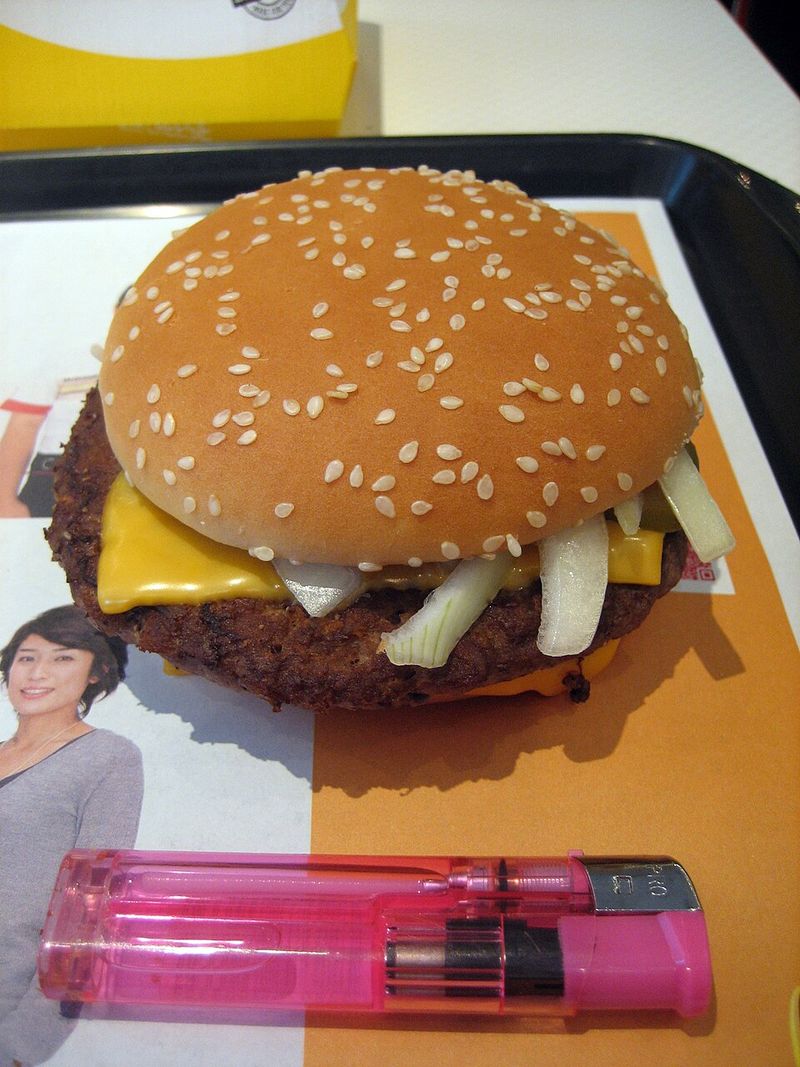
Without much fanfare, McDonald’s nudged the Quarter Pounder patty from 4 ounces to 4.25 ounces in 2015, a small but meaningful upgrade many customers barely noticed.
Even a quarter ounce sounds minor until fast food math kicks in, because tiny menu changes usually go through plenty of testing before they ever reach your tray, making it feel like the burger got a low-key glow-up. No press conference, no parade, only a slightly more satisfying sandwich waiting at the counter.
5. Two Slices Of Cheese In The U.S.
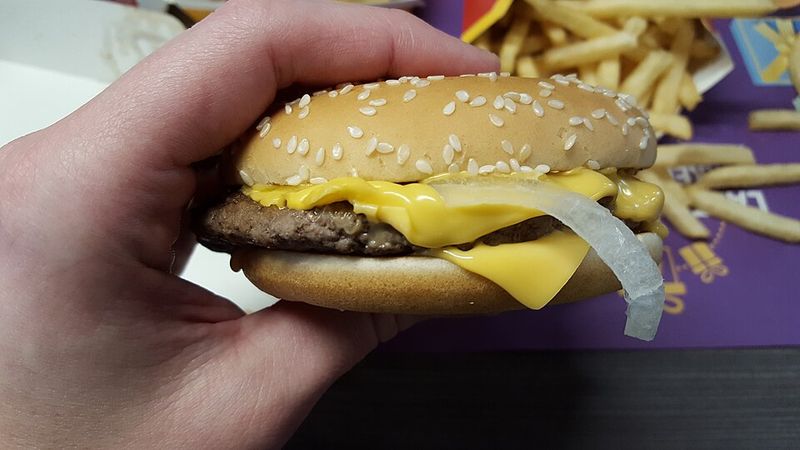
Place an order for a Quarter Pounder with Cheese in the U.S. and two slices of American cheese come standard, not one, two.
Built-in double layering delivers the melty, gooey texture fans keep talking about, a detail that quietly separates the burger from plenty of competitors.
Certain mornings call for exactly that level of commitment from lunch. Across decades, two slices stayed the move, and honestly, always felt like the right call.
6. Fresh Beef Rollout Changed Everything

Back in 2018, McDonald’s made a move that genuinely surprised longtime customers by switching Quarter Pounders in the U.S. to fresh, never-frozen beef.
McDonald’s framed the 2018 shift to fresh beef as a major operational and quality change for Quarter Pounder burgers in the U.S.
For a chain that size, switching to fresh beef was a logistical mountain, and somehow they climbed it without closing a single drive-through lane.
7. It’s 100% Beef With No Fillers
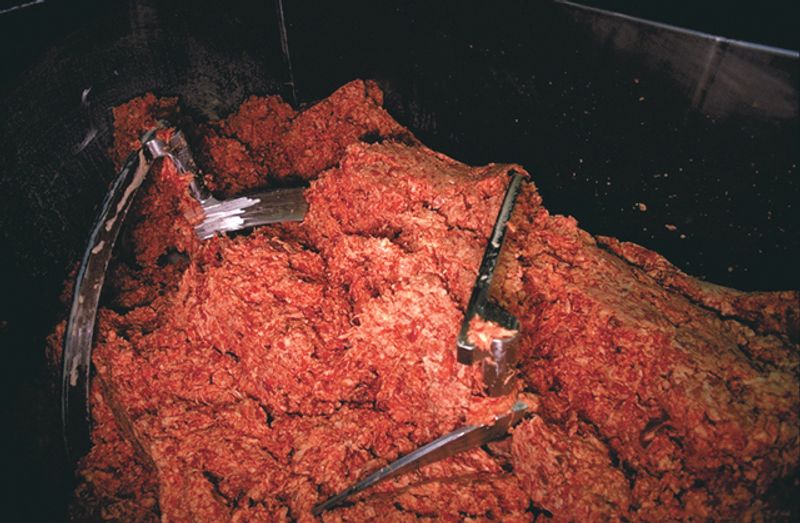
For decades, rumors have swirled around fast food ingredients, yet McDonald’s has held firm on one point: the Quarter Pounder patty is made with only beef. No fillers, no binders, no hidden extras meant to stretch the meat further, only beef seasoned with salt and pepper right on the grill.
Against a backdrop of ingredient lists that can feel more like a chemistry exam, that level of simplicity comes across as genuinely refreshing.
8. It’s Called Royale In Some Countries
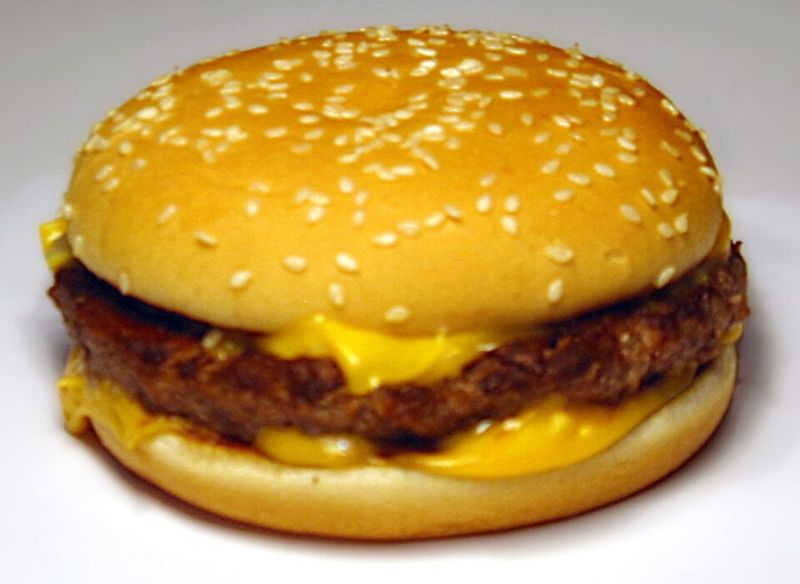
Pop culture gave the Royale with Cheese its moment through Pulp Fiction, and the joke landed because it reflects a real-world detail.
Across metric-system countries, pounds and ounces are not part of everyday measurements, so calling it a Quarter Pounder would confuse local customers.
In some markets that do not use pounds as an everyday unit, McDonald’s has sold the burger under ‘Royal’ branding rather than ‘Quarter Pounder.’ Somewhere behind the scenes, a screenwriter is probably still feeling very pleased about that line.
9. It Replaced Angus Burgers In The U.S.
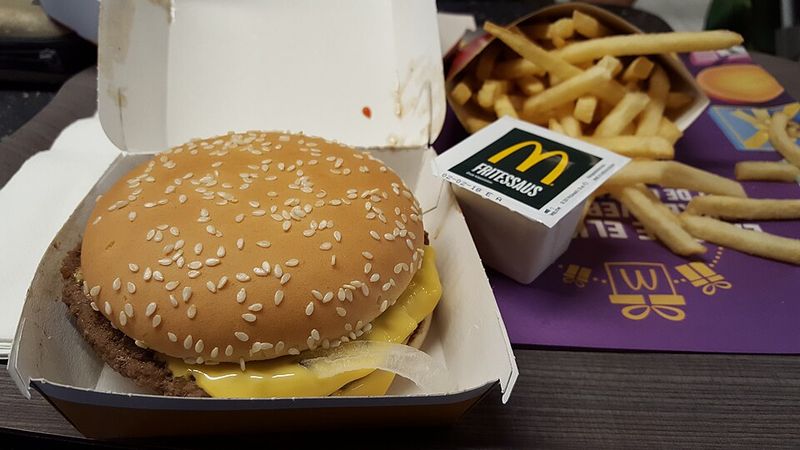
McDonald’s Angus Third Pounder had a good run, but by 2013 it was gone from U.S. menus, and the Quarter Pounder lineup stepped in to fill the premium burger space.
New varieties like the Double Quarter Pounder and bacon versions gave customers the range they were looking for without introducing an entirely new platform. The Quarter Pounder basically absorbed the whole premium tier and made it look easy.
Classic moves differently when it has the whole menu to itself.
10. Japan Launched It With Themed Stores
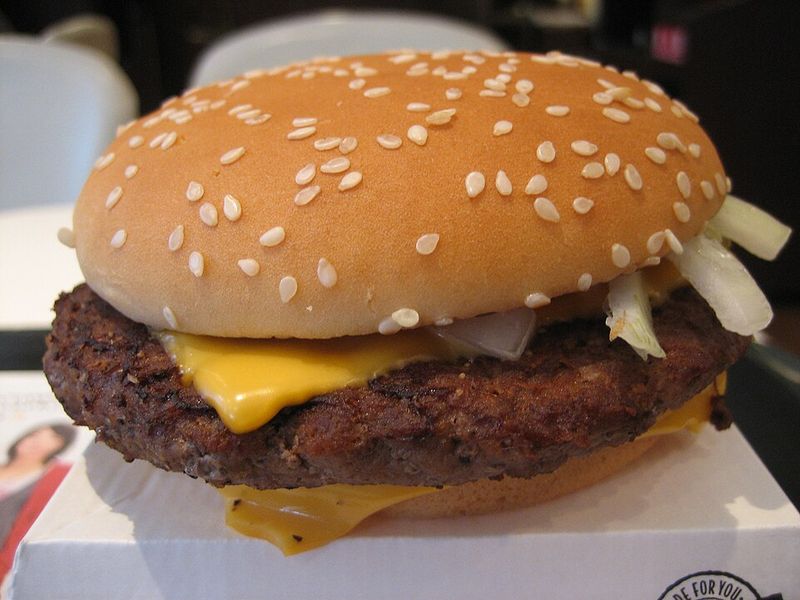
Something unexpected arrived with the 2008 introduction of the Quarter Pounder in McDonald’s Japan, as standalone locations appeared fully branded around the burger.
No Happy Meals, no McNuggets, only Quarter Pounders taking center stage across dedicated Tokyo spots, creating real buzz and long lines in a market known for shaping global fast food trends. More than a simple menu debut, the moment felt like an opening night event built entirely around a burger.
Note: This article is provided for general informational and entertainment purposes.