15 Meals Lumberjacks Were Known To Eat
Picture this: it’s before sunrise, the forest air is freezing cold, and you’ve got a full day of swinging axes and hauling massive logs ahead of you.
You’d need one serious breakfast, right?
Lumberjacks of the 19th and early 20th centuries burned thousands of calories every single day, so their cooks had one job: keep those men fed and fueled.
From towering stacks of flapjacks to bubbling pots of stew, the meals these hardworking folks ate were legendary in their own right.
Disclaimer: This article is intended for general informational and entertainment purposes only. Historical descriptions of lumberjack meals and worksite food traditions are based on available records, regional accounts, and retrospective sources, which may vary by camp, era, and location.
1. Pork and Beans
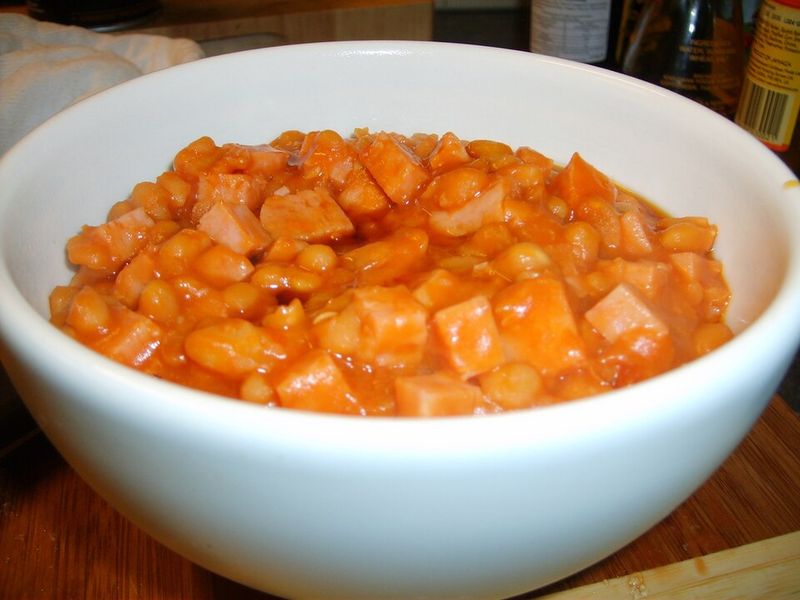
If lumberjack food had a hall of fame, pork and beans would be the first inductee. This combo was practically the official meal of logging camps across North America.
Cheap, filling, and packed with protein, it was a no-brainer for camp cooks feeding dozens of hungry men.
How did it taste? Think smoky, savory, and deeply satisfying after hours of hard labor.
Salt pork added rich flavor while the beans soaked up every drop. Cooks would prep massive batches that lasted all day.
2. Baked Beans
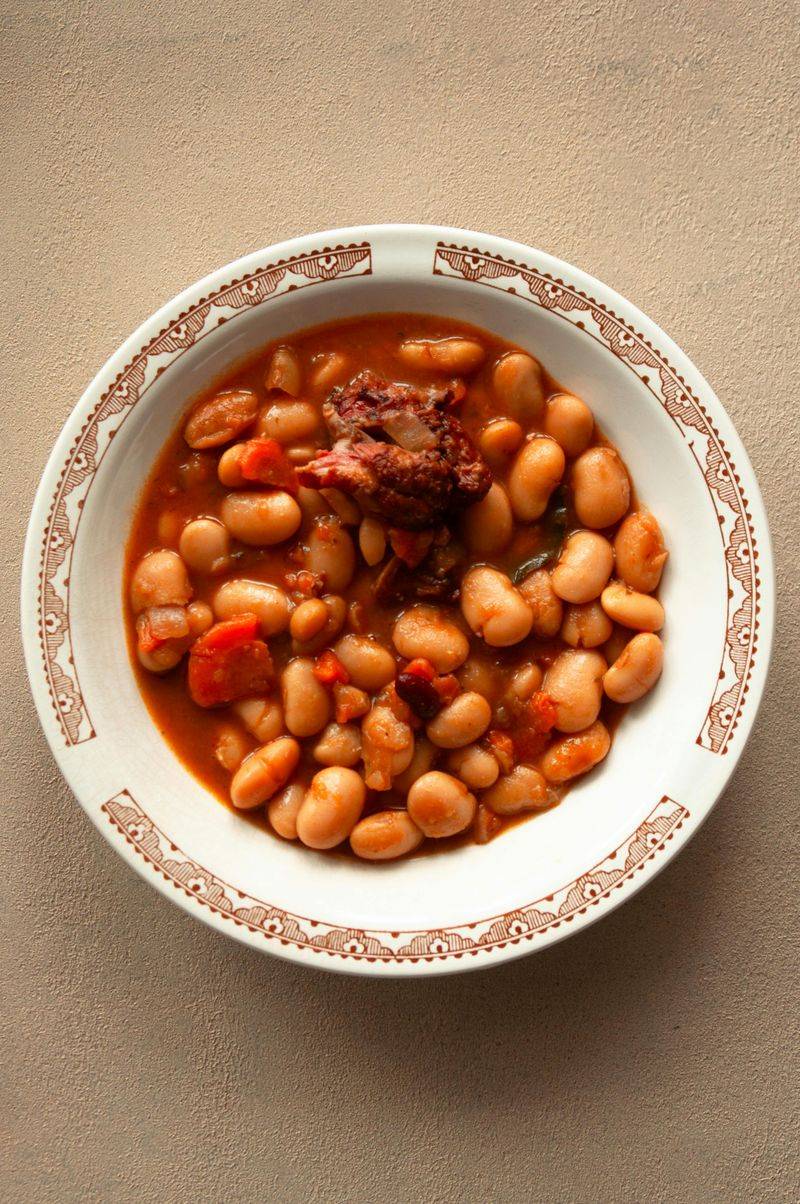
Baked beans were the slow cooker kings of the logging world, long before slow cookers even existed.
Camp cooks would load up a clay pot with beans, molasses, and a chunk of salt pork, then let it bake for hours until everything melded into something magical.
Where pork and beans were quick and savory, baked beans leaned sweeter and richer. The molasses gave them a deep, caramel-like flavor that lumberjacks absolutely loved.
Served alongside bread or biscuits, a bowl of baked beans could power a grown man through a full afternoon of tree-felling.
3. Salt Pork
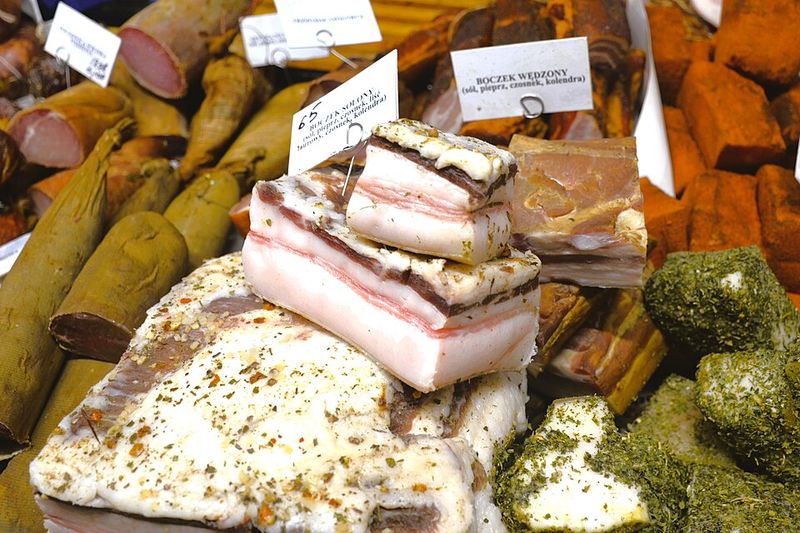
Salt pork was basically the bacon of the wilderness era, and lumberjacks treated it like gold.
Preserved with heavy salting, it could survive long weeks without refrigeration, making it the perfect protein source deep in remote forest camps.
Fried up in an iron skillet, it turned crispy and golden, releasing savory fat that cooks used to flavor everything else in the pan.
Potatoes, beans, greens, you name it, salt pork made it better. Think of it as the original flavor booster.
4. Flapjacks and Sourdough Pancakes
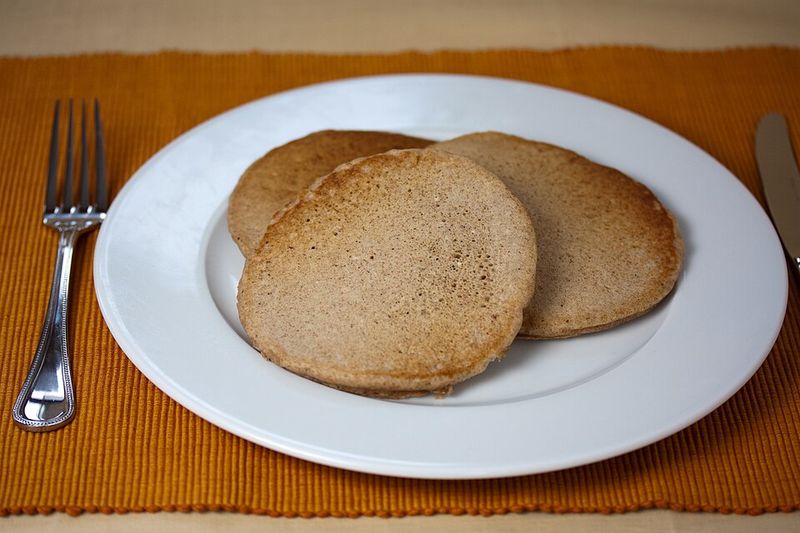
Forget your fancy brunch spots. Lumberjack flapjacks were the real deal, stacked high and served fast before the crew headed into the woods at dawn.
Camp cooks, sometimes called “cookees,” were legendary for cranking out hundreds of pancakes without breaking a sweat.
Sourdough versions were especially popular because the starter could be kept alive for weeks, even in cold weather.
Slathered with butter and real maple syrup, these pancakes delivered a serious carbohydrate punch.
5. Bread
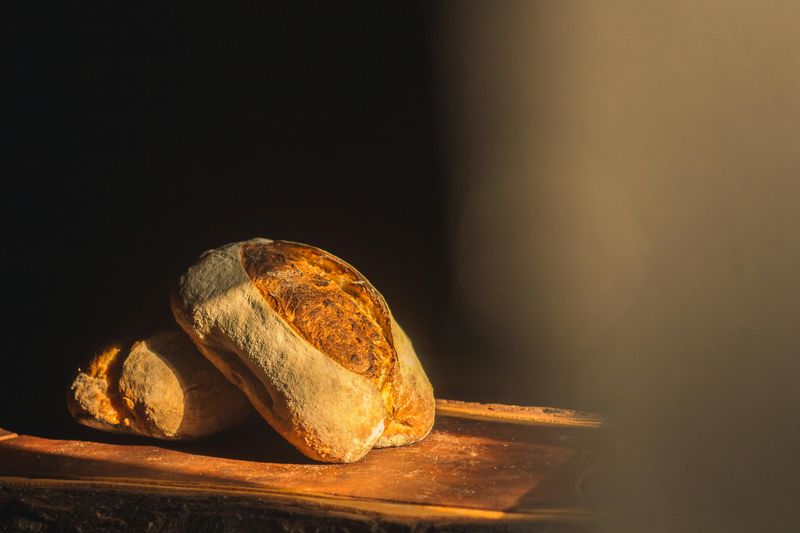
Bread in a logging camp was more than just food. It was a lifeline.
Dense, hearty loaves were baked daily in big wood-fired ovens, and they disappeared almost as fast as they came out. A single lumberjack could put away an astonishing amount of bread in one sitting.
However, this wasn’t the soft sandwich bread you find at a grocery store. Camp bread was thick and chewy, built to fuel bodies doing serious physical work.
6. Fried Potatoes

Fried potatoes were the ultimate crowd-pleaser in logging camps, and honestly, who can blame anyone for loving them?
Sliced thick and cooked in rendered fat or lard, they came out crispy on the outside and tender in the middle, exactly what exhausted men needed after a brutal morning shift.
Potatoes were also incredibly practical. They stored well, traveled easily, and stretched a meal further without breaking the camp budget.
Toss in some onions and a handful of salt, and you had a side dish that could hold its own next to anything.
7. Stew
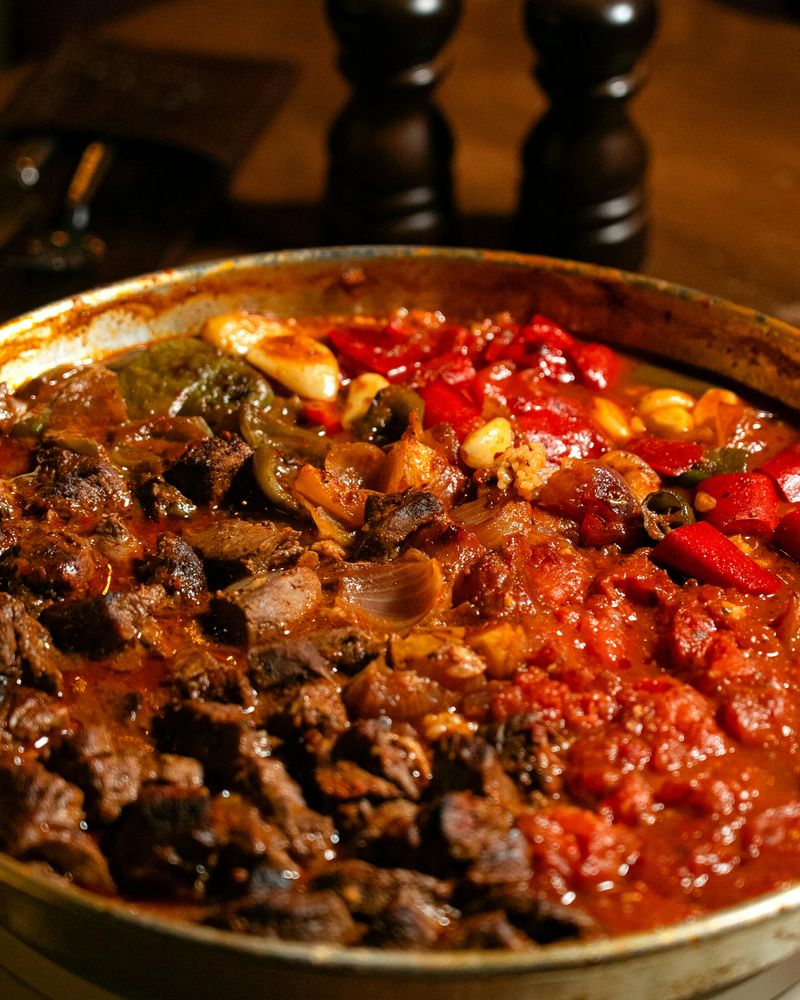
Few things hit harder after a freezing day in the woods than a bowl of thick, hearty stew.
Logging camp cooks threw together whatever was available, salt pork, root vegetables, dried peas, onions, and let it bubble away for hours until the whole camp smelled incredible.
Stew was the ultimate flexible meal. Got leftover roast pork? Toss it in. Extra potatoes?
In they go. Camp cooks were basically the original kitchen improvisers, long before cooking shows made that look cool.
8. Soup
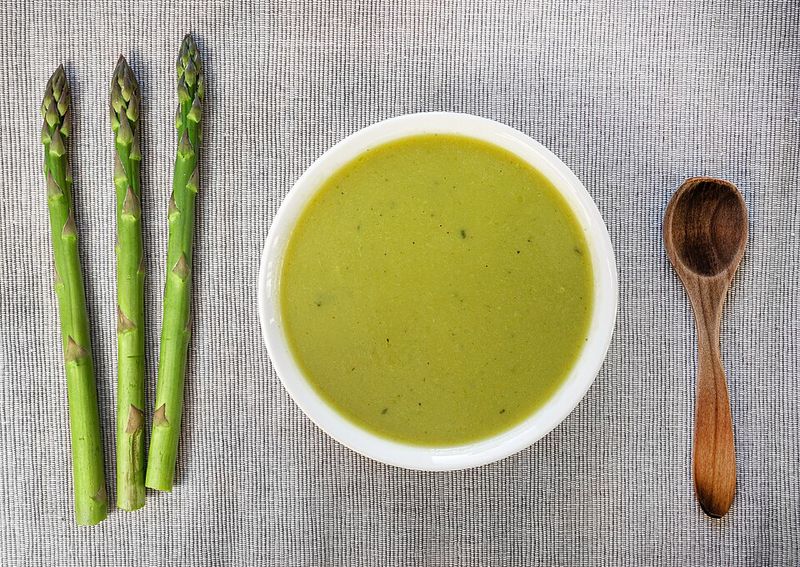
Soup was stew’s slightly lighter cousin, and it showed up at logging camp tables more often than people might expect.
On days when the cook needed to stretch supplies, a big pot of soup could feed the entire crew without anyone going hungry. Smart cooking, really.
Bean soup was especially common, thick with dried legumes and flavored with whatever scraps of meat were handy. Root vegetable soups were popular too, especially in late fall and winter when fresh ingredients were scarce.
9. Fried Cabbage
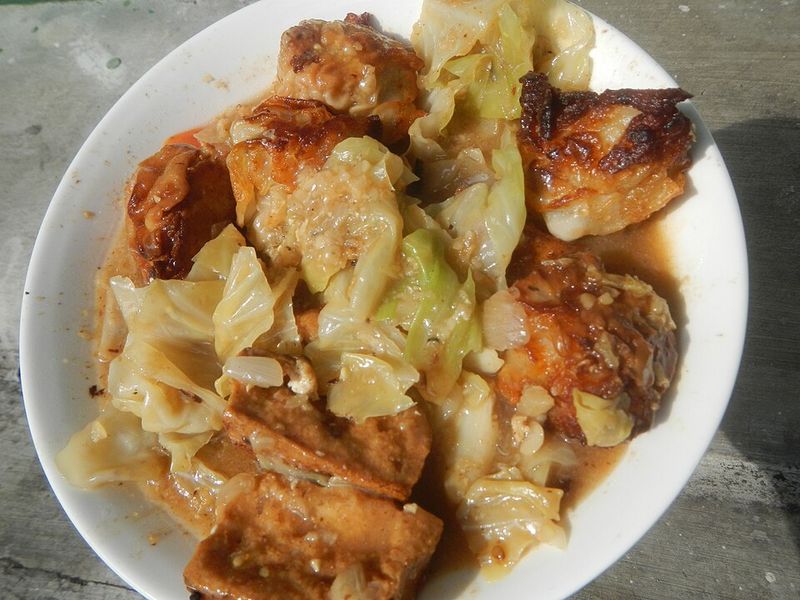
Cabbage doesn’t exactly scream excitement, but in a logging camp, fried cabbage with salt pork was genuinely beloved.
Cabbage stored incredibly well through cold months, making it one of the most reliable vegetables available to camps operating deep in northern forests during winter.
Cooked down in a hot skillet with rendered pork fat, it turned sweet and slightly caramelized, nothing like the raw, crunchy stuff you might picture.
10. Root Vegetables
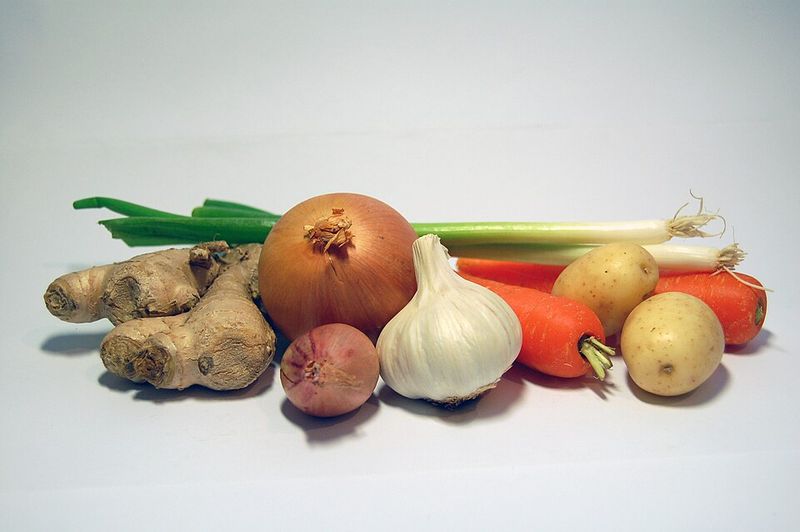
Root vegetables were the backbone of logging camp cooking during fall and winter months.
Turnips, carrots, parsnips, and onions stored in cool cellars or buried pits for months, giving camp cooks a reliable supply of nutrition even when everything else ran low.
Roasted until caramelized, mashed alongside potatoes, or tossed into stews, root vegetables adapted to almost any cooking method.
Turnips in particular were a lumberjack staple, cheap, filling, and surprisingly sweet when properly cooked.
11. Prunes and Dried Fruit
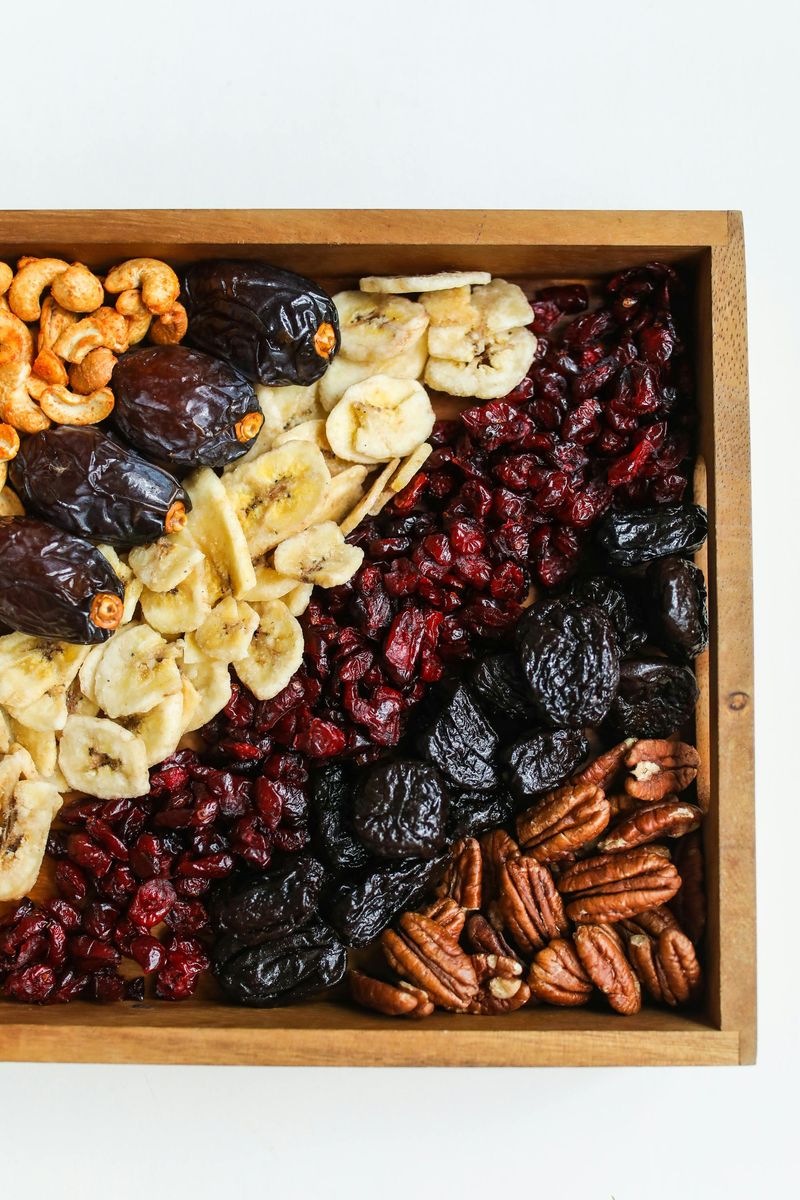
Here’s something that might surprise you: lumberjacks ate prunes. A lot of them.
Dried fruit was one of the few sweet options available in remote logging camps, and it served a very practical purpose beyond just satisfying a sweet tooth.
With very little fresh produce available for months at a time, dried prunes, raisins, and apricots provided vitamins and fiber that kept the crew healthy and, let’s say, functioning properly on a biological level.
12. Applesauce

Applesauce might seem like a side dish for toddlers, but in a logging camp, it was a prized treat.
Apples dried or preserved in barrels could last through long winters, giving camp cooks the ingredients to whip up batches of warm, sweet applesauce that felt like dessert and smelled like a hug.
Served alongside pork, which is a classic pairing by the way, or spooned over biscuits, applesauce added a bright, fruity contrast to all the heavy, savory camp food.
Lumberjacks who got a scoop of it with dinner considered themselves lucky.
13. Doughnuts

Lumberjacks called doughnuts “cold-shuts,” and they were absolutely obsessed with them.
Camp cooks fried up batches in lard, and the results were dense, golden rings of fried dough that delivered a serious sugar and fat boost exactly when the crew needed it most.
Handed out during mid-morning breaks or after dinner, doughnuts were morale in edible form. A camp with good doughnuts kept its workers happy and loyal.
Some cooks became locally famous purely for their doughnut recipe.
14. Pie
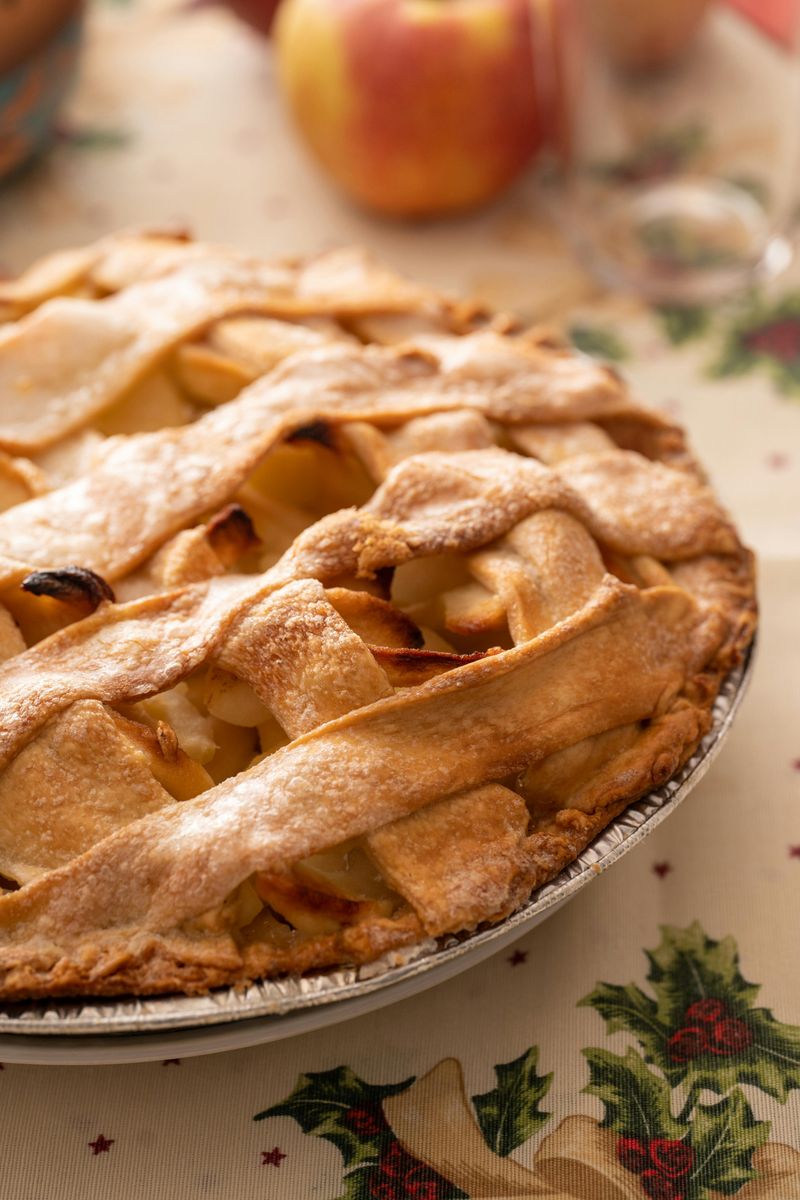
Pie in a logging camp was the stuff of legend. Camp cooks who could bake a solid pie were treated like royalty, and for good reason.
After weeks of beans, salt pork, and bread, a slice of apple or dried fruit pie felt like something from another world entirely.
Though ingredients were limited, creative cooks made it work with dried fruit, molasses, and whatever was stored in the larder. Pies also lasted a few days, making them practical as well as delicious.
15. Gingerbread

Gingerbread was the aromatic superstar of logging camp desserts, and the smell of it baking could probably stop an axe mid-swing.
Made with molasses, ginger, and simple pantry staples, it was affordable to produce in large quantities, which made it a camp cook favorite.
Dense and warmly spiced, gingerbread packed enough sweetness and calories to give tired lumberjacks a genuine energy boost after dinner.
It also stored well for several days without going stale, which was crucial in camps where baking happened only a few times per week.