19 Stars Whose Careers Shifted After Playing Memorable Villains
Playing the villain can do strange things to a career. One role lands, the glare gets colder, the smile more suspicious, and suddenly an actor who once felt familiar starts carrying a whole new kind of screen energy.
Audiences remember a great hero, but they obsess over a great villain.
A truly memorable bad guy can make an actor look riskier and way more interesting than before, especially when the performance has enough bite to follow them into every role after it.
Some stars used that momentum to level up. Others found themselves permanently linked to one deliciously nasty turn that changed how casting, critics, and viewers saw them.
1. Anthony Hopkins as Hannibal Lecter
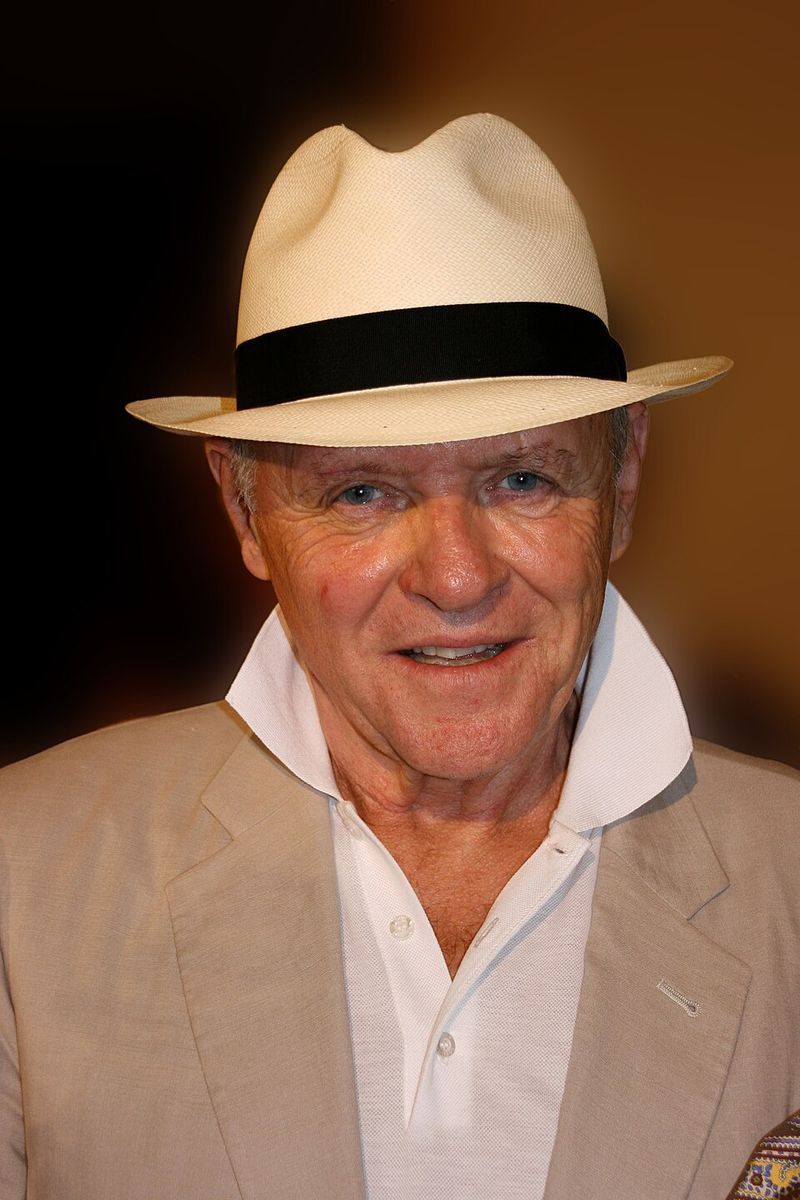
One actor, one role, and an entire career permanently rewritten.
When Anthony Hopkins stepped into the skin of Hannibal Lecter in The Silence of the Lambs (1991), he was already a respected stage and film actor. However, nobody could have predicted what happened next.
Hopkins won the Academy Award for Best Actor despite appearing on screen for only about 16 minutes, which is still a record. That chilling performance made him one of Hollywood’s most magnetic presences.
Lecter remains perhaps his best-known role, proving how completely it reshaped his entire screen legacy.
2. Heath Ledger as the Joker
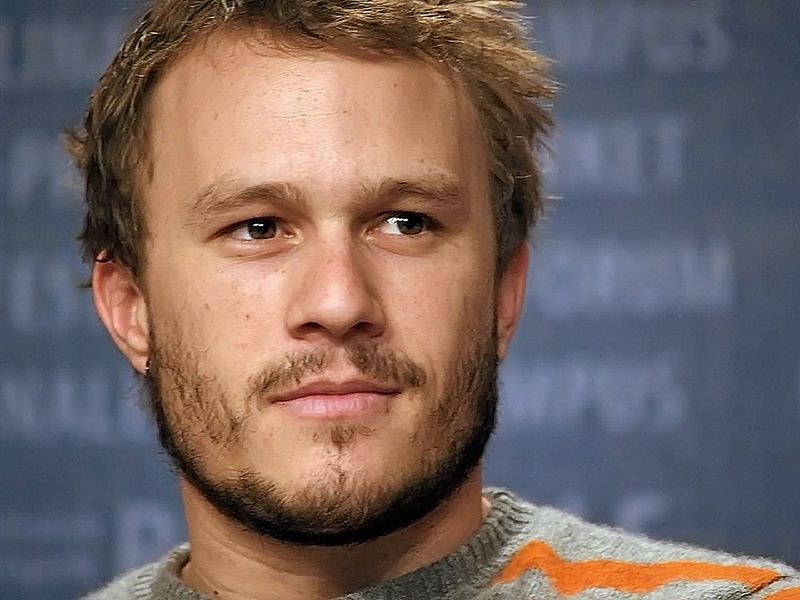
Few performances in modern film history hit as hard as Heath Ledger’s Joker in The Dark Knight (2008).
Ledger completely disappeared into the character, delivering a portrayal so unhinged and magnetic that audiences could barely look away. Honestly, it was terrifying in the best possible way.
Tragically, Ledger passed away before the film’s release, making his posthumous Academy Award for Best Supporting Actor one of cinema’s most emotional moments.
That performance permanently changed how his entire career is remembered.
What started as a promising young actor’s journey became a legendary chapter in Hollywood history that nobody will ever forget.
3. Javier Bardem as Anton Chigurh
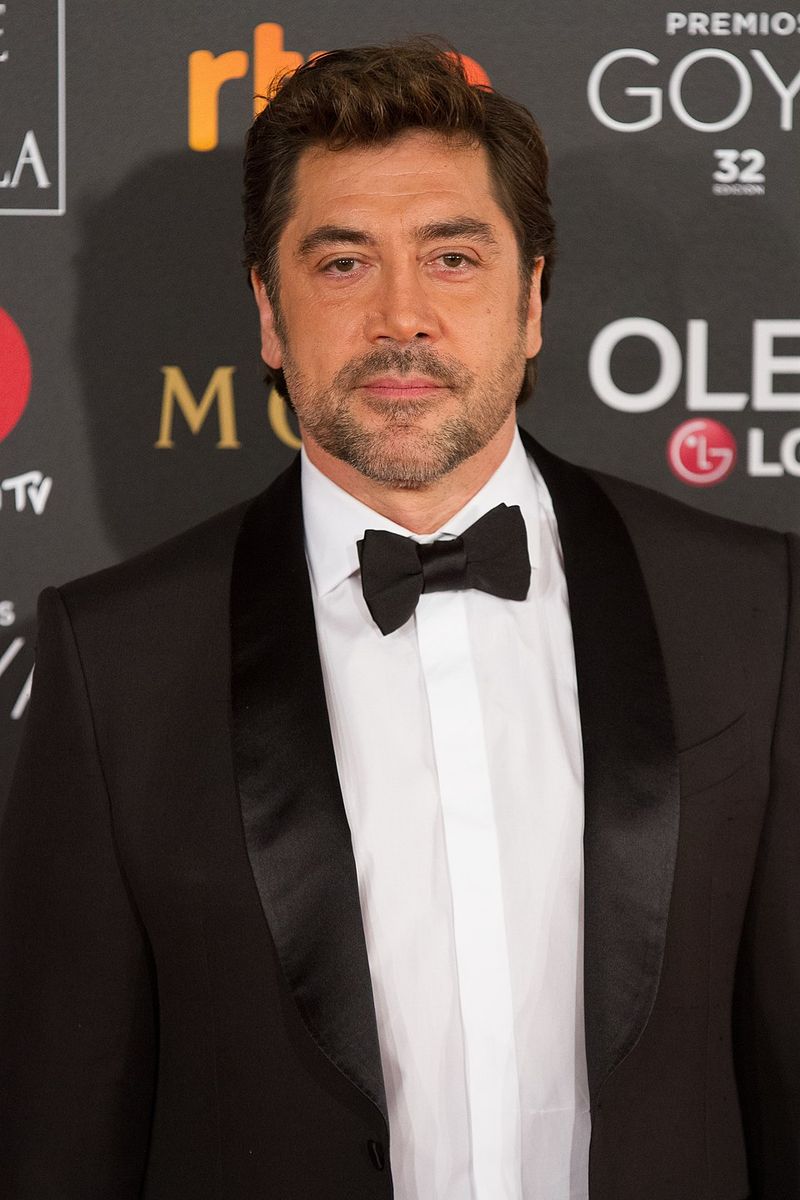
How do you follow up a villain so terrifying that audiences were afraid to blink?
That was the challenge Javier Bardem faced after playing Anton Chigurh in No Country for Old Men (2007). That bowl haircut became the most frightening hairstyle in film history, just saying.
Bardem won the Academy Award for Best Supporting Actor for the role, instantly elevating him to Hollywood’s elite tier.
Reuters later pointed directly to Chigurh when covering his move into Bond-villain territory as Silva in Skyfall.
4. Christoph Waltz as Hans Landa
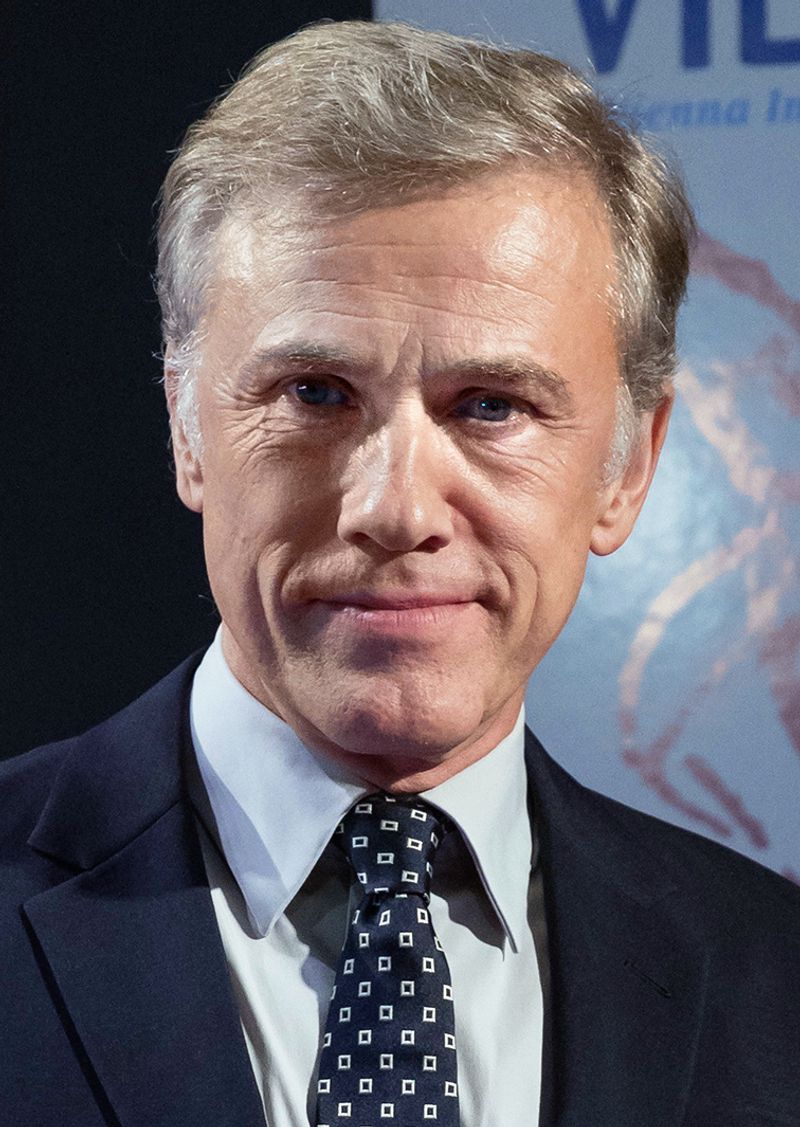
Before Inglourious Basterds (2009), most American audiences had never heard of Christoph Waltz.
Then Quentin Tarantino unleashed him as Hans Landa, arguably the most charming and terrifying officer ever put on film. The result? Pure Hollywood magic, whether you liked it or not.
Waltz won the Academy Award for Best Supporting Actor, and the offers started flooding in immediately. He reteamed with Tarantino for Django Unchained and later played a Bond villain in Spectre.
His career shift was nearly instant after Landa, making it one of the clearest villain-to-stardom transformations the film world has ever seen.
5. Kathy Bates as Annie Wilkes
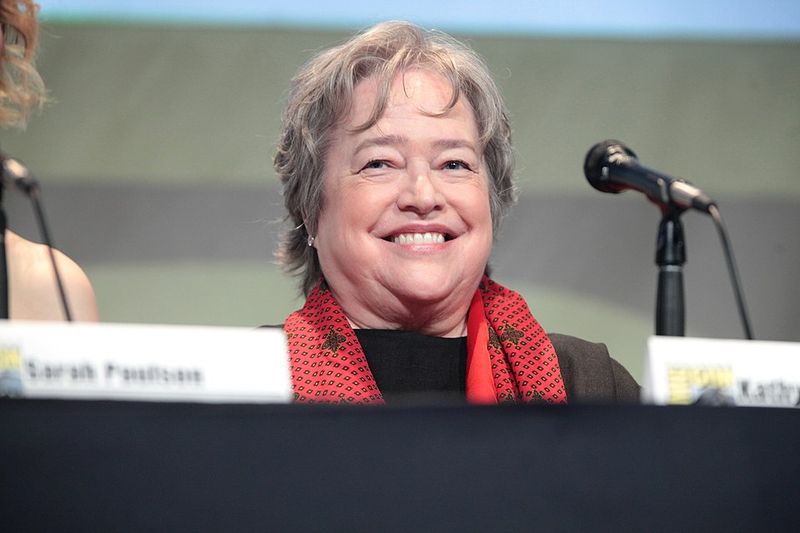
If you have ever read Stephen King’s Misery, you already know Annie Wilkes is one of fiction’s most terrifying superfans.
Kathy Bates brought her to life in 1990 with such ferocious commitment that the performance became an instant classic. Warning: do not get on her bad side.
Bates won the Academy Award for Best Actress, turning a relatively unknown character actress into a bonafide Hollywood name overnight. That role became the clearest career pivot of her entire film life.
Even decades later, major entertainment coverage still treats Annie Wilkes as the performance that changed everything for Bates.
6. Louise Fletcher as Nurse Ratched
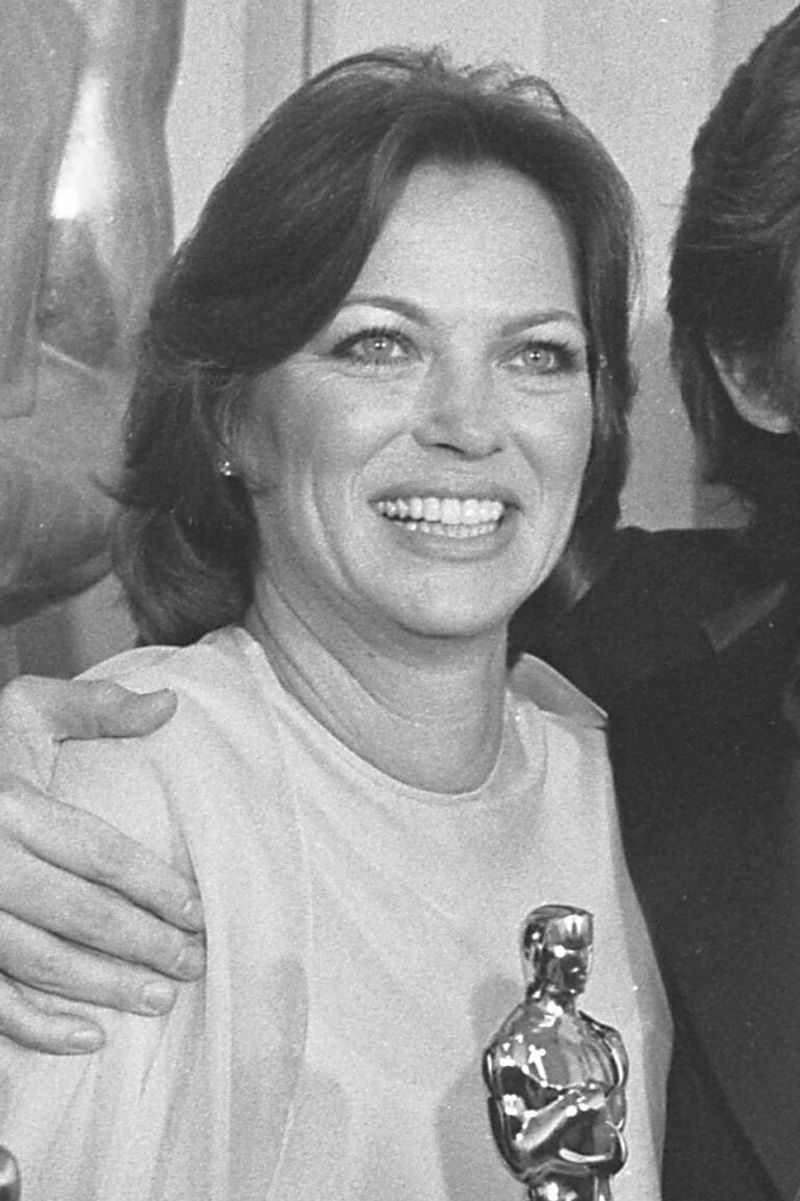
There are villains, and then there is Nurse Ratched.
Louise Fletcher’s portrayal of the cold, controlling head nurse in One Flew Over the Cuckoo’s Nest (1975) set the gold standard for understated screen menace. No explosions needed, just one terrifying smile.
Fletcher won the Academy Award for Best Actress for the role, making it her career-defining performance.
Interestingly, she later admitted that the Oscar did not open as many doors as people assumed, which is a surprisingly honest reflection.
However, Nurse Ratched remained her signature role for life, and the character’s name literally became a cultural shorthand for cruel authority figures everywhere.
7. Ralph Fiennes as Amon Goth and Voldemort
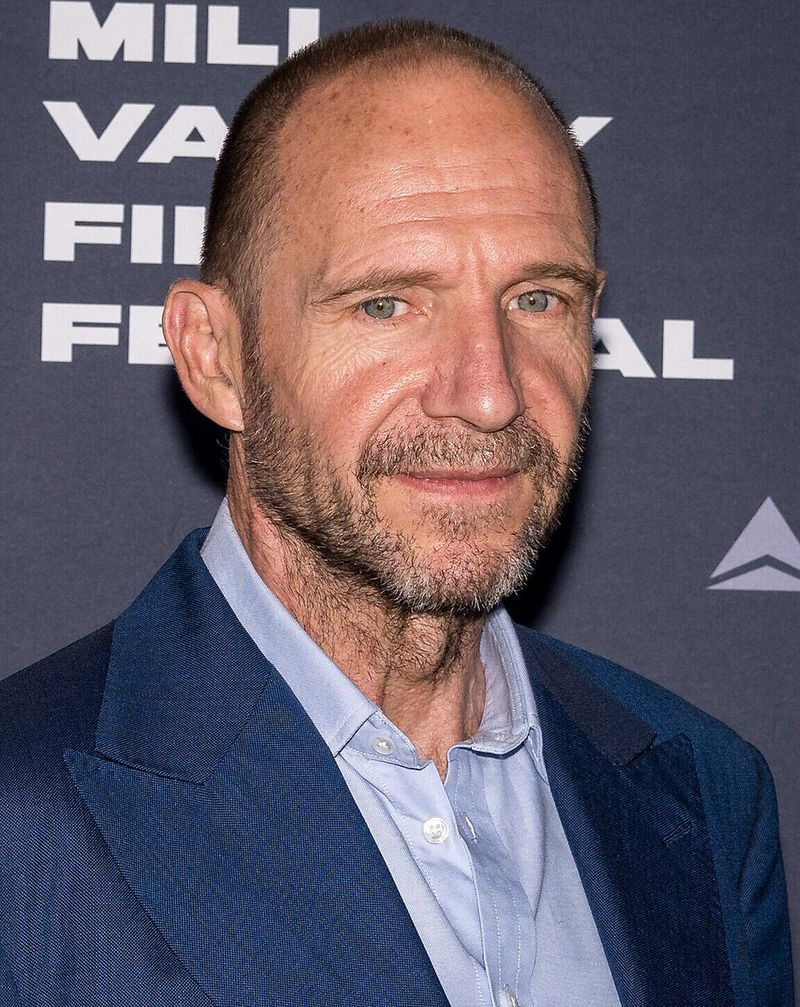
Ralph Fiennes has one of the most fascinating villain resumes in Hollywood history.
First came the Academy Award-nominated turn as the monstrous Amon Goth in Schindler’s List (1993), which shook audiences to their core. That alone would be enough for most careers.
Then came Voldemort in the Harry Potter franchise, giving Fiennes a second iconic villain role that introduced him to an entirely new generation of fans.
He is still described through the lens of those two performances, which tells you everything about how powerfully his villain roles shaped his public image.
8. Tom Hiddleston as Loki
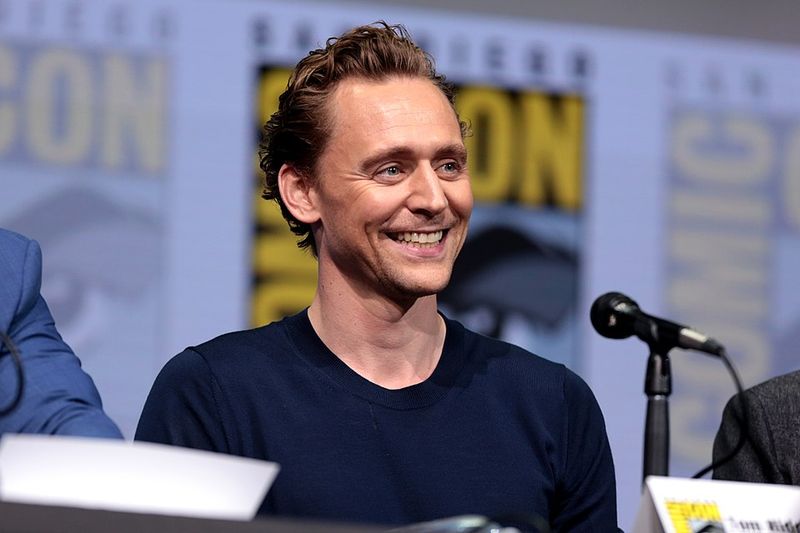
Before Thor arrived in 2011, Tom Hiddleston was best known to British audiences from TV dramas and stage productions.
Then Marvel handed him the role of Loki, the God of Mischief, and the internet basically exploded with fan appreciation. Nobody saw that coming, honestly.
Loki started as a villain and evolved into one of Marvel’s most beloved anti-heroes, earning Hiddleston appearances across multiple franchise films and eventually his own Disney+ series.
9. Hugo Weaving as Agent Smith
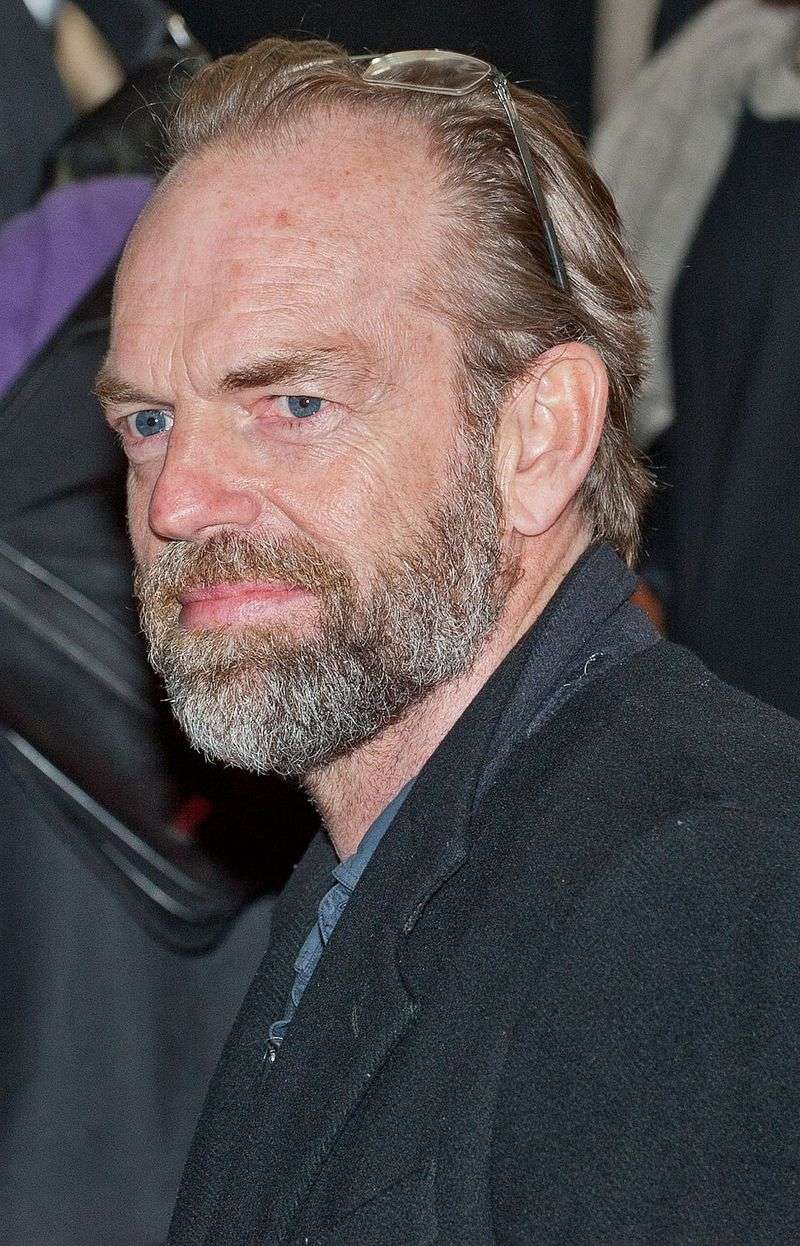
Cool, calculated, and absolutely relentless. Hugo Weaving’s Agent Smith in The Matrix (1999) was the kind of villain who made you feel nervous even when he was just standing still.
That monotone voice delivery became instantly iconic across pop culture.
The role fused so strongly with Weaving’s public image that Reuters literally framed him as the Matrix bad guy when reporting on his potential move to another comic-book villain role years later.
That is not typecasting in the negative sense, it is proof of how completely a single performance can define an actor’s screen persona.
10. Terence Stamp as General Zod
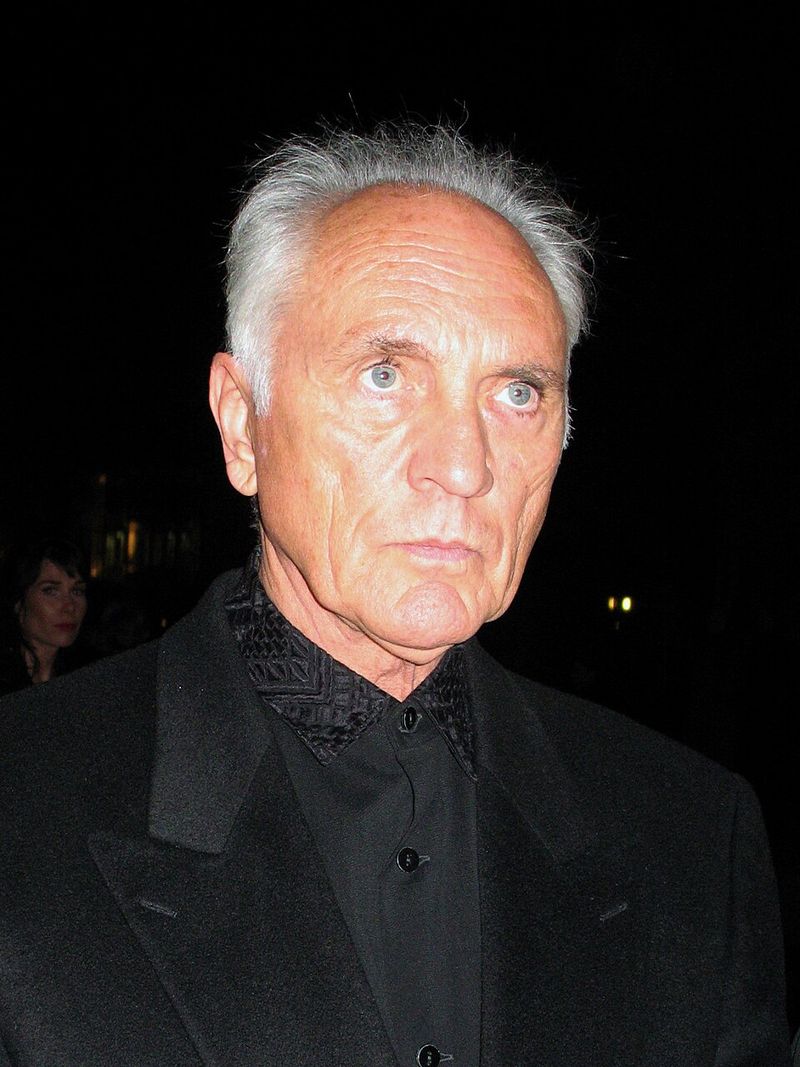
Terence Stamp already had serious Hollywood prestige before Superman came along, with acclaimed work in films like Billy Budd and The Collector.
However, it was his thunderous portrayal of General Zod in Superman II (1980) that burned his name into mainstream pop culture forever.
The line “Kneel before Zod” became one of cinema’s most quoted villain moments.
Sometimes one commanding performance rewrites your entire public story, and Stamp experienced exactly that.
11. Richard Kiel as Jaws
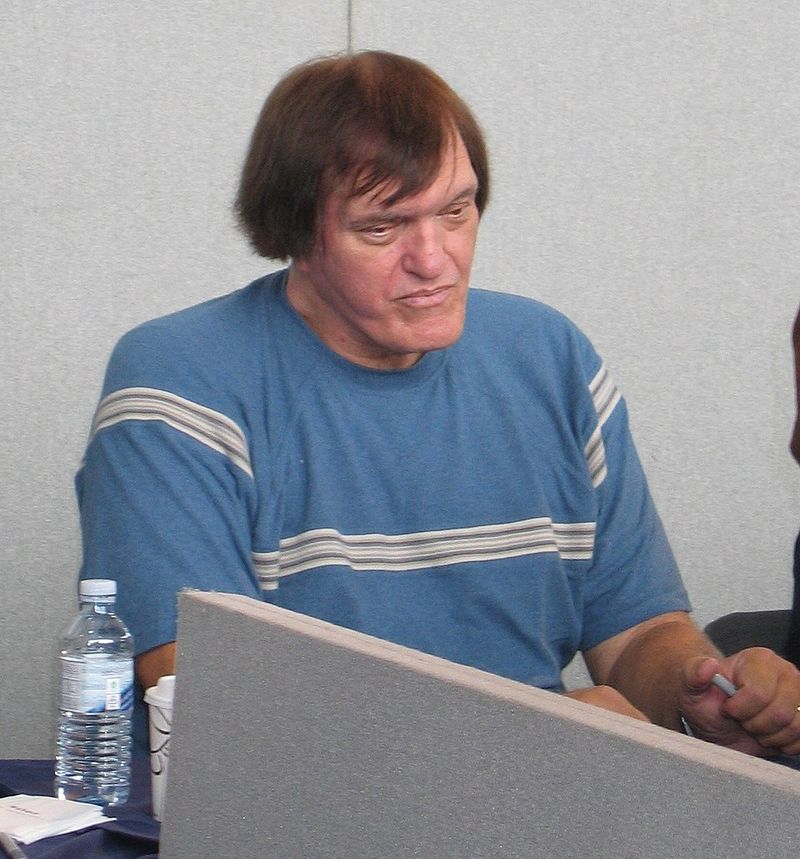
Standing at 7 feet 2 inches tall, Richard Kiel was already hard to miss.
But playing the steel-toothed Bond villain Jaws in The Spy Who Loved Me (1977) and Moonraker (1979) turned him into one of the franchise’s most beloved recurring characters.
Those metal chompers became iconic instantly.
Jaws is exactly the kind of villain role that rewrites an actor’s entire identity in the eyes of audiences worldwide.
Few Bond villains have achieved the same level of affectionate pop-culture recognition that Kiel earned through those two films.
12. Rutger Hauer as Roy Batty
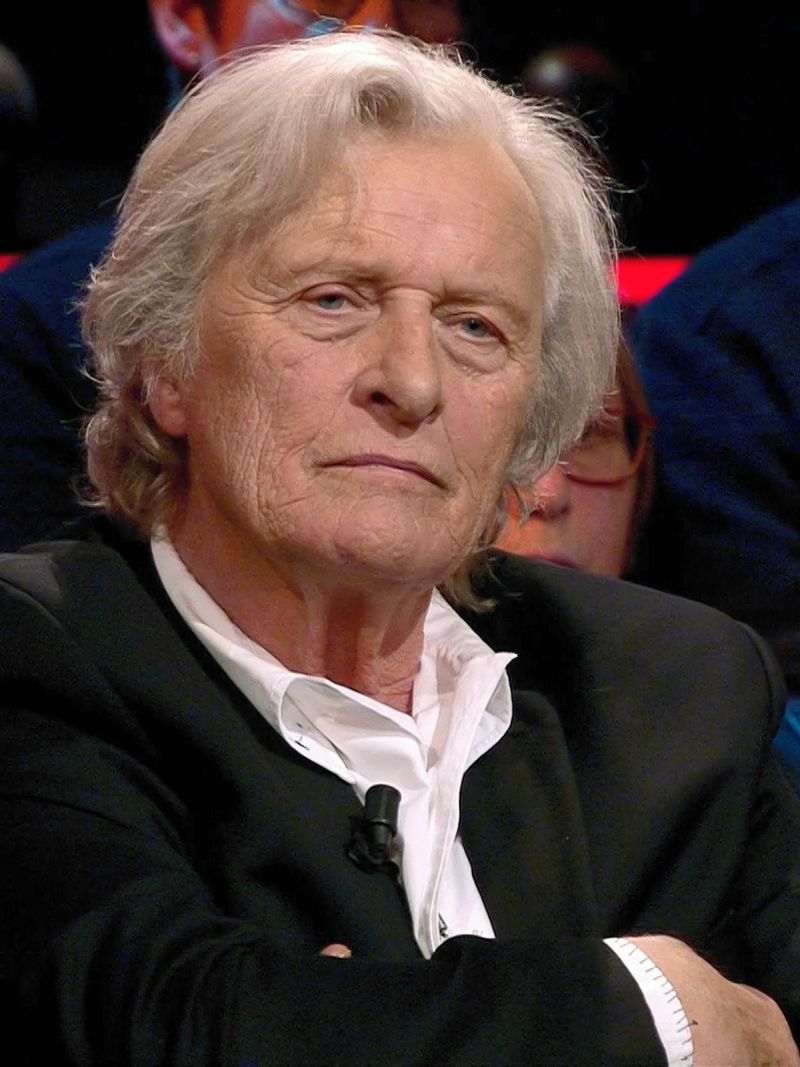
Tears in rain. Those words are enough to send any film fan straight back to Rutger Hauer’s legendary final monologue in Blade Runner (1982).
Roy Batty was technically the villain, but Hauer played him with such raw, poetic humanity that audiences felt genuinely heartbroken watching him fade away.
That performance became one of science fiction cinema’s most enduring moments, and it’s noted that Hauer was subsequently cast as the villain across much of his later film career.
Whether that was a blessing or a limitation depends on your perspective.
13. Joaquin Phoenix as the Joker
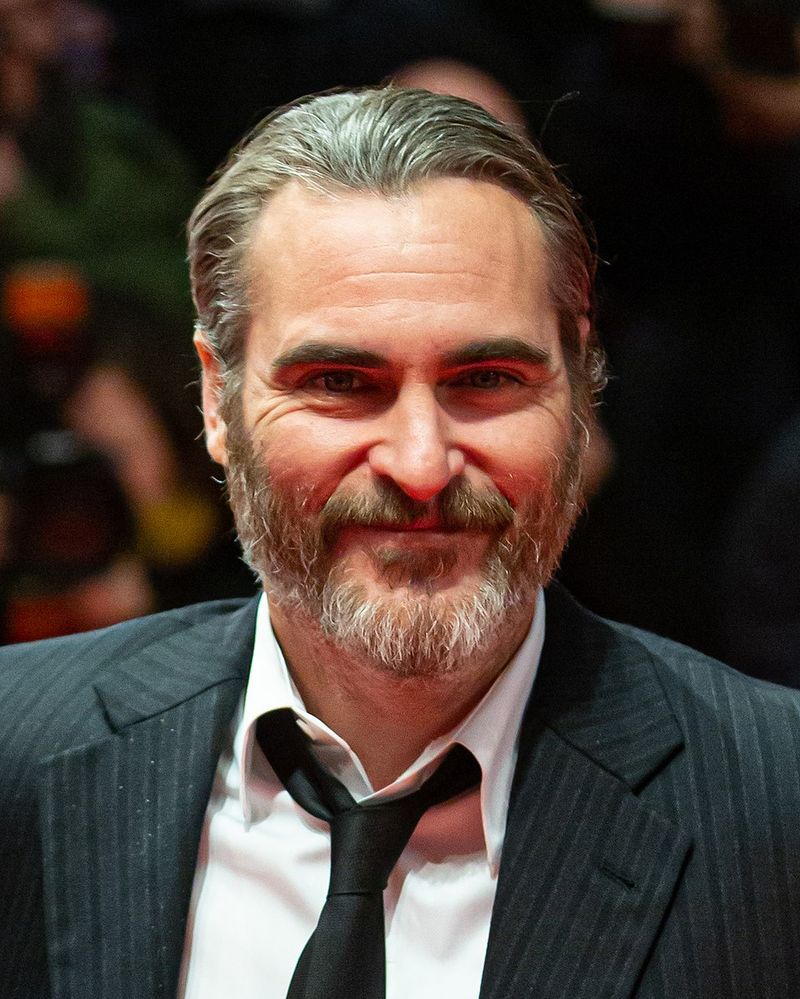
When Warner Bros. announced a standalone Joker film starring Joaquin Phoenix, reactions were mixed.
Could anyone top what Heath Ledger had already done? Spoiler alert: Phoenix did something completely different and equally unforgettable with the role in Joker (2019).
The film won Phoenix the Academy Award for Best Actor and directly triggered a sequel, Joker: Folie a Deux. That is a major career reorientation built entirely around one character.
Phoenix transformed what could have been a risky gamble into his defining mainstream triumph.
14. Imelda Staunton as Dolores Umbridge
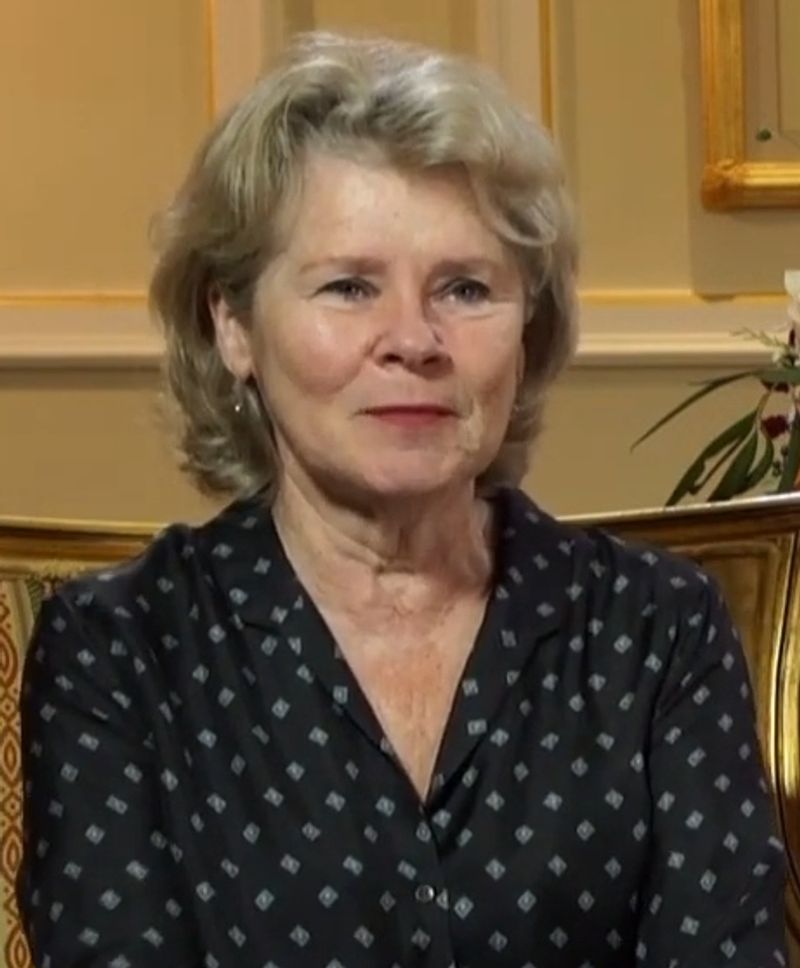
Pink has never been so terrifying.
Imelda Staunton’s Dolores Umbridge in the Harry Potter franchise was the villain audiences genuinely despised more than Voldemort himself, which is quite the achievement when you think about it.
Staunton already had a strong career, including an Academy Award nomination for Vera Drake. However, Umbridge gave her a whole new level of global pop-culture visibility that transcended the arthouse world.
Reuters’ Harry Potter coverage singled Umbridge out as one of the franchise’s nastiest figures, and Variety later called her the ultimate villain.
15. Jack Nicholson as the Joker
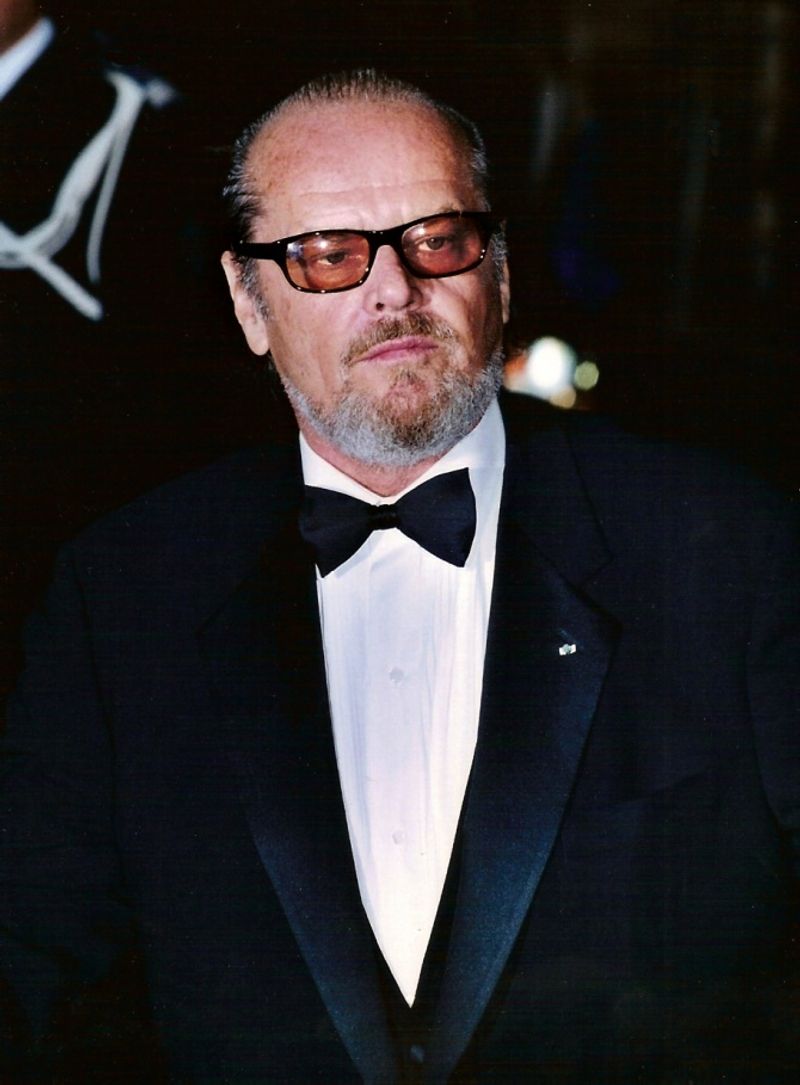
Long before Ledger or Phoenix took the role, Jack Nicholson set the gold standard for the Joker in Tim Burton’s Batman (1989).
Nicholson was already a three-time Oscar winner when he put on that purple suit, so the question was never whether he could do it. The question was how spectacularly he would do it.
Spectacularly turned out to be the right answer. He is described as the best-known enemy of Batman in coverage from that era, showing how powerfully the role fused with his already legendary image.
16. J.K. Simmons as Fletcher in Whiplash
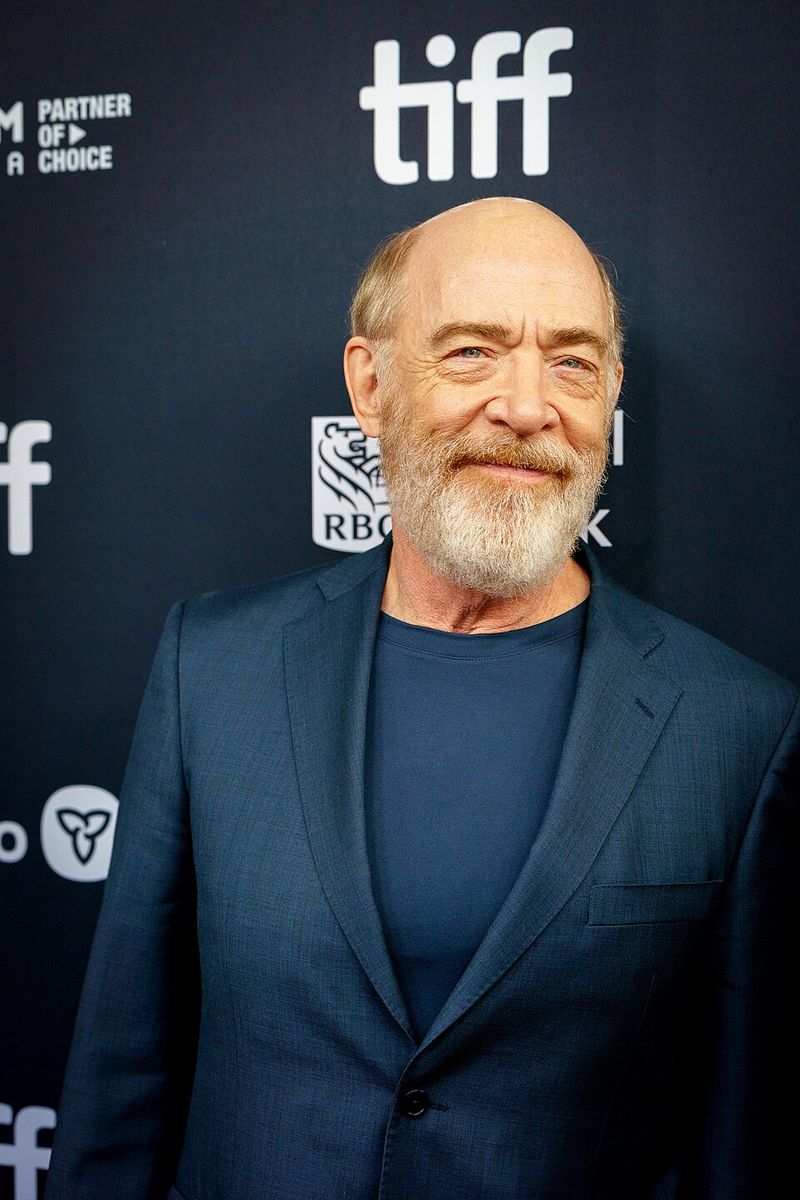
For years, J.K. Simmons was the kind of actor audiences recognized immediately but could never quite name.
He was brilliant in everything, from Oz to the Spider-Man films, but he was always the supporting guy. Then Whiplash (2014) arrived and completely rewrote the story.
His terrifying turn as the abusive music conductor Fletcher was not a traditional villain role, but it carried the same psychological menace.
Simmons won the Academy Award for Best Supporting Actor and suddenly found himself in a very different prestige conversation.
17. Mads Mikkelsen as Le Chiffre
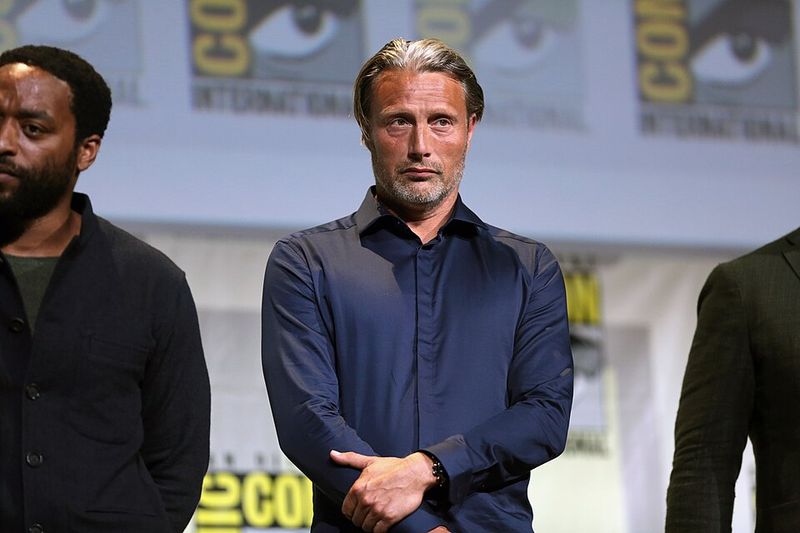
Mads Mikkelsen was already a serious arthouse force in Europe before James Bond came calling. His films with Danish director Nicolas Winding Refn had earned him real critical credibility.
However, international mainstream audiences did not know his name yet, and that was about to change dramatically.
Playing Le Chiffre opposite Daniel Craig in Casino Royale (2006) gave Mikkelsen a global platform that his European work never could.
From there, roles in Hannibal and Doctor Strange followed naturally, building on the momentum that one villainous poker game created.
18. Denzel Washington as Alonzo Harris
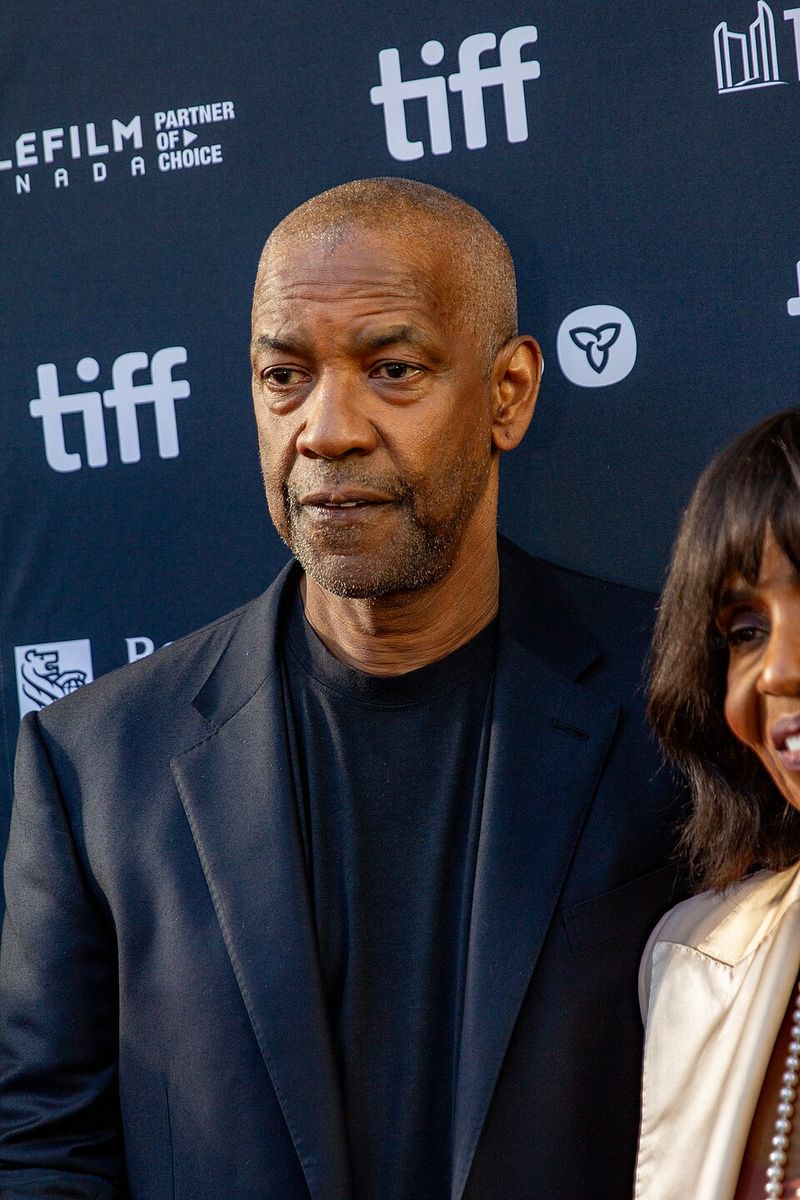
Audiences trusted Denzel Washington completely by 2001. He was the guy you rooted for and the heroic presence who made everything feel safe on screen.
So when he showed up as corrupt detective Alonzo Harris in Training Day, the effect was genuinely electrifying.
Washington weaponized that audience trust in the most brilliant way possible, making Alonzo’s betrayals hit even harder because of everything his previous roles had built.
The gamble paid off with the Academy Award for Best Actor and opened an entirely different lane in his screen image.
19. Helena Bonham Carter as Bellatrix Lestrange
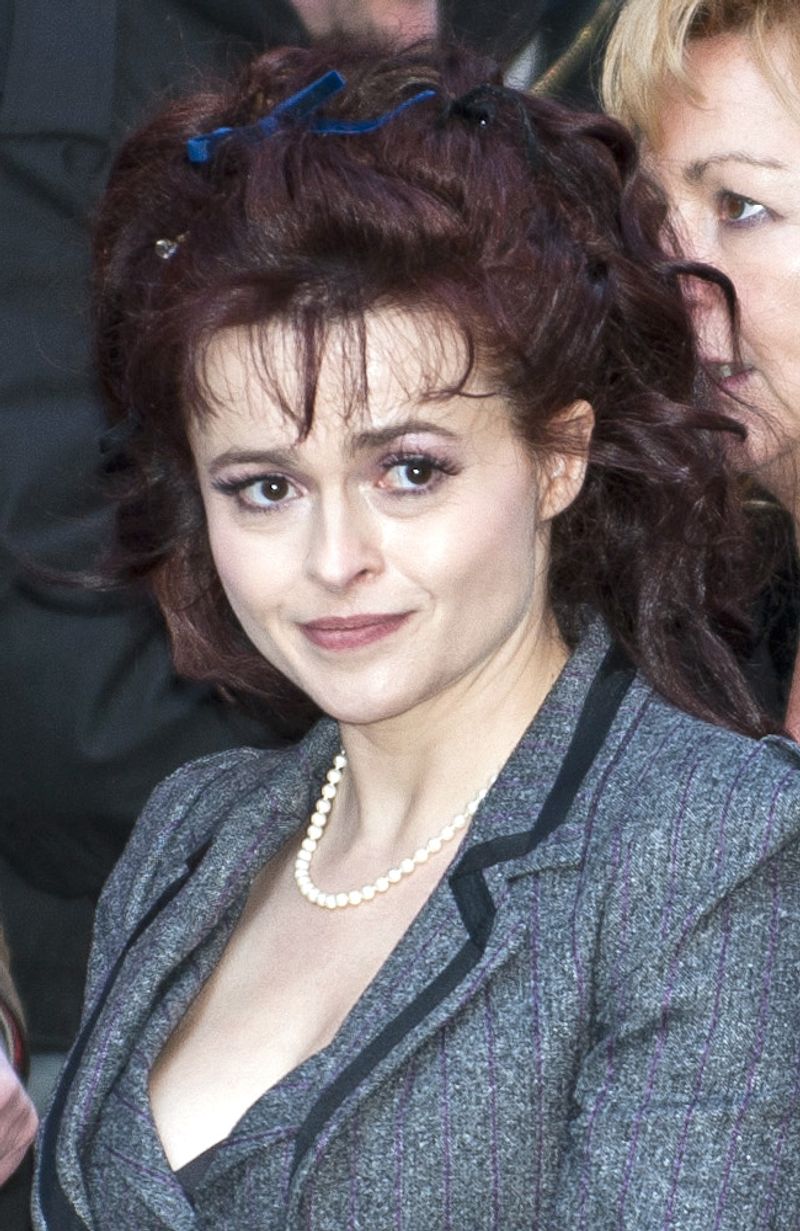
Nobody was born to play Bellatrix Lestrange quite like Helena Bonham Carter.
Her naturally eccentric energy and theatrical intensity made the casting feel almost cosmically obvious the moment it was announced. Even so, she exceeded every expectation fans had going in.
Her portrayal across the Harry Potter franchise became one of her most celebrated roles, introducing her delightfully unhinged talent to millions of younger viewers who might not have seen her earlier work in films.
The role led directly to further high-profile parts in Alice in Wonderland and Les Miserables, cementing her status as Hollywood’s favorite gloriously theatrical scene-stealer.