15 Metal Bands That Are More Popular Than They Are Influential
Not every band that sells millions of albums changes the game forever.
Some groups capture hearts and wallets without necessarily reshaping the sound of metal itself.
Popularity and influence aren’t always twins, and that’s perfectly okay, because great music comes in many forms.
Here are fifteen metal bands whose commercial success outshines their impact on the genre’s evolution.
Disclaimer:
This article reflects general observations about commercial popularity and musical influence within the metal genre.
Musical impact is subjective, and fans may have differing interpretations of each band’s contribution.
15. Disturbed
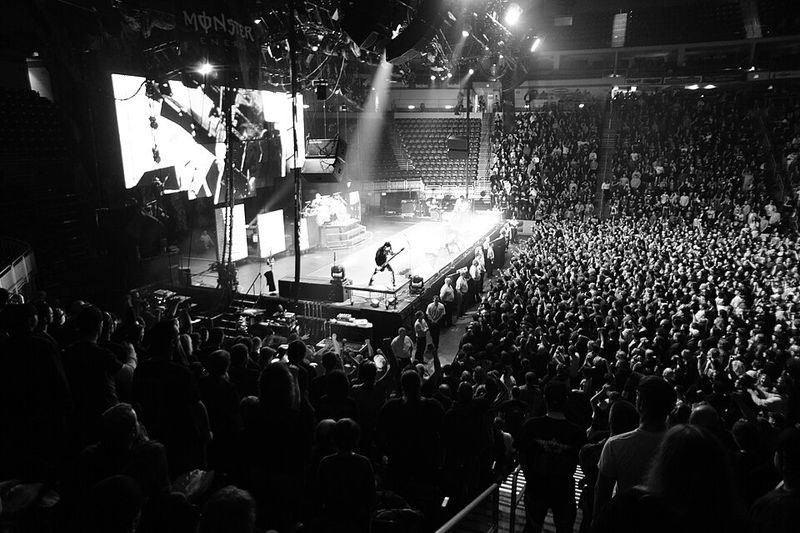
Chicago’s finest brought nu-metal to the mainstream with anthems like “Down with the Sickness.”
Their radio-friendly approach made them arena favorites, but critics argue they perfected rather than pioneered.
Draiman’s vocal style is instantly recognizable, yet the band’s formula rarely ventures beyond established templates.
Still, their ability to connect with massive audiences proves that popularity doesn’t require reinventing the wheel.
Sometimes, delivering what fans crave is its own superpower.
14. Avenged Sevenfold
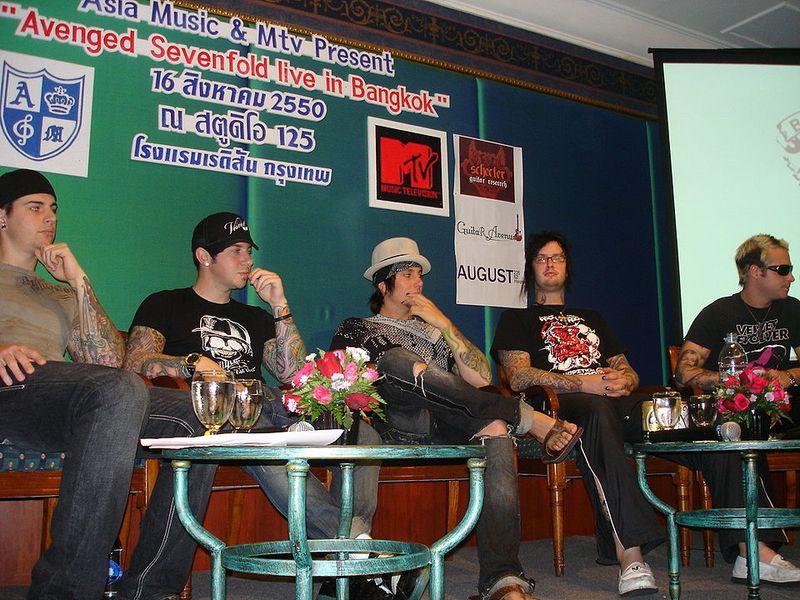
Blending metalcore with classic rock energy, A7X rose to stadium-level status throughout the 2000s.
Technical skills shine brilliantly here, especially during guitar solos that would make any classic rock fan proud.
Influences from giants like Metallica and Iron Maiden sit at the core of their sound, signaling admiration more than groundbreaking reinvention.
Commercial success? Absolutely massive.
Genre-defining innovations?
That’s the part fans still debate, with intensity worthy of dragon fire.
13. Five Finger Death Punch
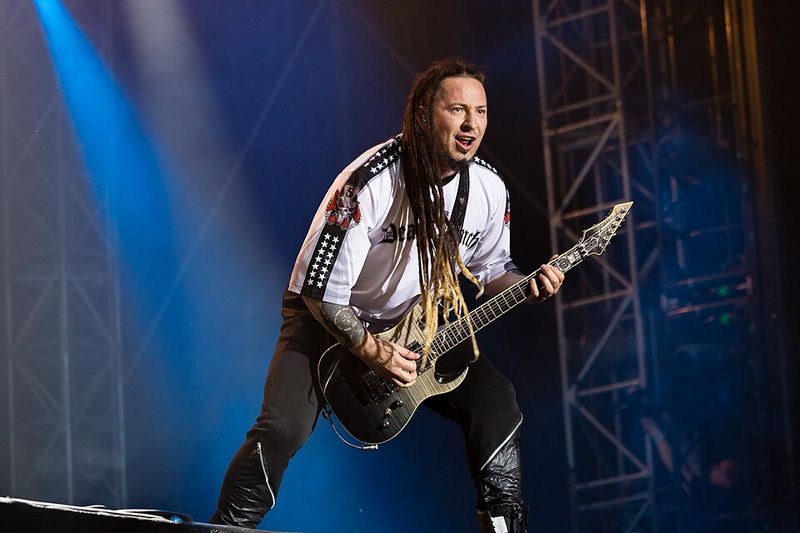
If mainstream metal had a poster child in the 2010s, FFDP would be wearing the crown.
Their straightforward, punch-you-in-the-face approach resonates with millions who stream their anthems daily.
Critics point out that their sound borrows liberally from groove metal pioneers without adding fresh ingredients to the recipe.
Chart dominance? Check.
Revolutionary impact on metal’s evolution?
The jury’s still deliberating in the courtroom of rock history.
12. Sabaton
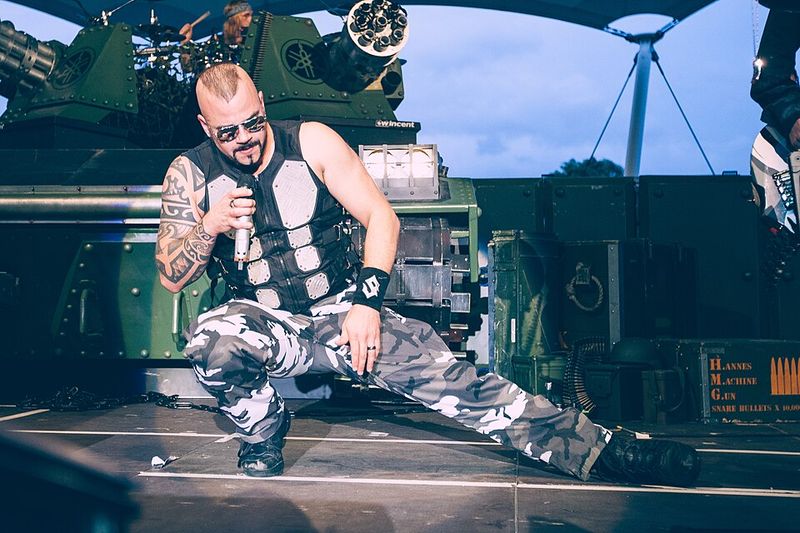
History class never sounded this epic, thanks to Sweden’s battle-obsessed power metal warriors.
Songs about wars and heroes attract legions of fans who appreciate a little educational headbanging.
Musically, the band leans heavily on classic power metal blueprints that were established decades earlier.
Live shows come packed with theatrics that rival full Broadway productions in scale and ambition.
Innovation in songwriting? Not exactly the battlefield specialty here, but entertainment value still lands a perfect ten.
11. Ghost

Imagine if a Scooby-Doo villain started a retro rock band, and you’ve basically got Ghost.
Theatrical satanic imagery paired with catchy melodies generated massive buzz and even earned Grammy wins.
Musically, the group channels classic rock and early metal instead of venturing into unexplored sonic territory.
Visual spectacle remains undeniably captivating, almost like watching a haunted house spring to life.
Influence on metal’s future direction?
Impact here leans far more toward marketing brilliance than true musical revolution.
10. DragonForce

Guitar Hero turned “Through the Fire and Flames” into a household challenge, launching DragonForce into gaming legend status.
Hyper-speed power metal from this band showcases jaw-dropping technical ability that leaves audiences breathless.
The style largely amplifies long-standing power metal conventions instead of carving out brand-new territory.
Speed records? Absolutely shattered. Genre transformation?
Not quite, but watching those fingers fly across fretboards remains pure entertainment magic every single time.
9. Nightwish

Finland’s symphonic metal giants brought opera-worthy vocals to the mosh pit with stunning results.
Their combination of classical elements and heavy guitars created a signature sound that spawned countless imitators.
Yet they refined symphonic metal rather than inventing it from scratch.
Commercial success across Europe? Absolutely undeniable.
Groundbreaking influence on metal’s core evolution?
Their contributions remain debatable among genre historians and passionate fans alike.
8. Bullet For My Valentine
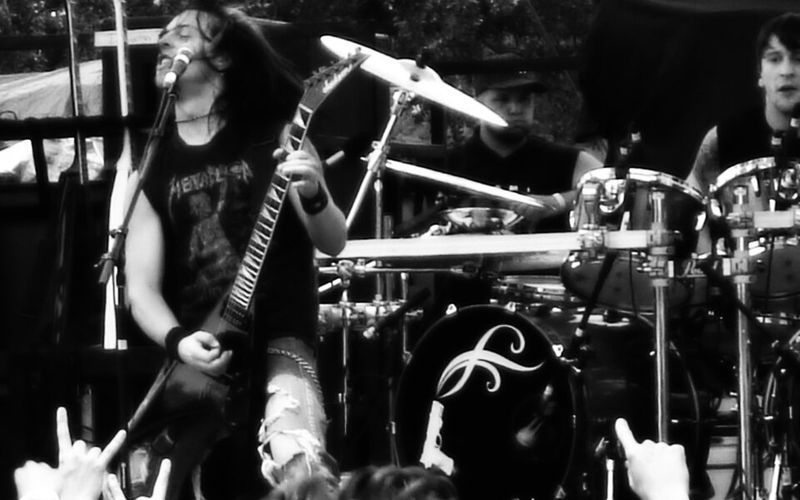
Wales gave us more than castles and dragons – BFMV’s melodic metalcore anthems came from there too.
Polished production and catchy hooks helped make metalcore accessible to mainstream rock audiences across the globe.
Many critics point out that the band’s sound follows well-established metalcore patterns shaped by earlier acts.
Radio play and festival headlining slots? Mission accomplished.
Revolutionary contributions to metal’s DNA?
That trophy goes to the predecessors who laid the original foundation stones.
7. Trivium
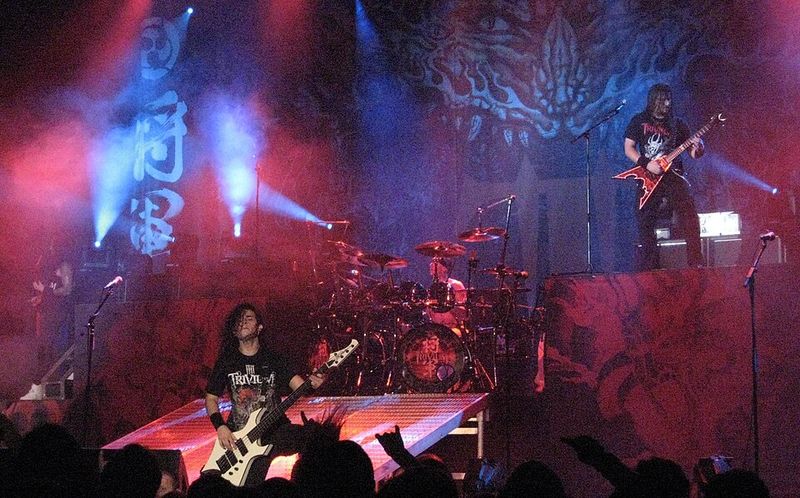
Technical proficiency collides with commercial appeal in this Florida outfit that thrash fans adore.
Musicianship here is absolutely top-tier, with complex compositions that showcase serious instrumental chops.
At the same time, the overall style synthesizes influences from Metallica, In Flames, and others rather than pioneering new territory.
Consistent album releases and touring success? Check and double-check.
Reshaping metal’s future direction?
More a case of excellent execution than groundbreaking innovation.
6. Killswitch Engage

Melodic metalcore found its most commercially successful voice through these Massachusetts metalheads.
Their blend of harsh and clean vocals became a template countless bands copied afterward.
Though wildly popular, they perfected a formula established by earlier metalcore pioneers.
Platinum records and sold-out tours? Absolutely crushing it.
Creating entirely new subgenres?
That honor belongs to the bands who inspired them before they picked up instruments.
5. Parkway Drive
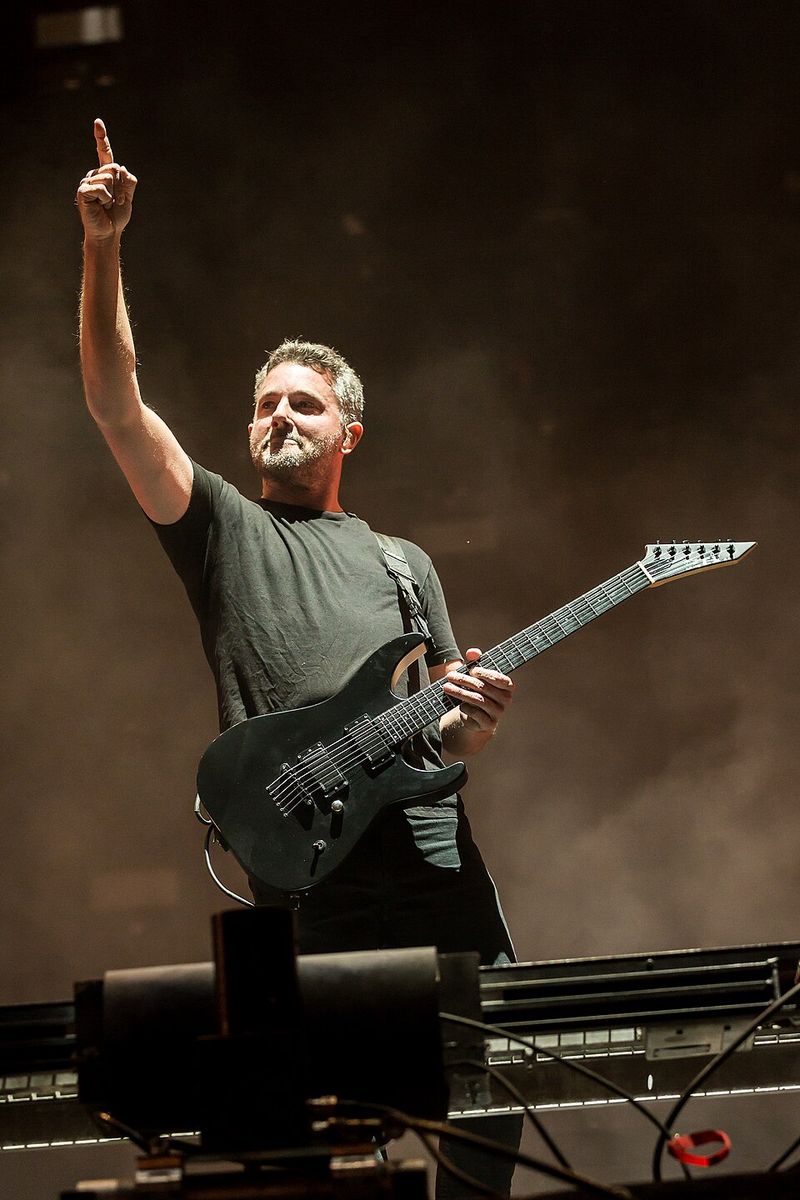
Australia’s metalcore exports arrived with crushing breakdowns and an unstoppable live-show reputation.
An evolution toward arena-sized productions reveals ambition fully matched by impressive technical abilities.
Musically, the group operates within metalcore boundaries established by American and European predecessors.
Festival headliner status worldwide?
Mission accomplished with flying colors.
Fundamental transformation of metal’s sonic landscape?
Strengths here lean more toward execution perfection than revolutionary innovation.
4. Babymetal
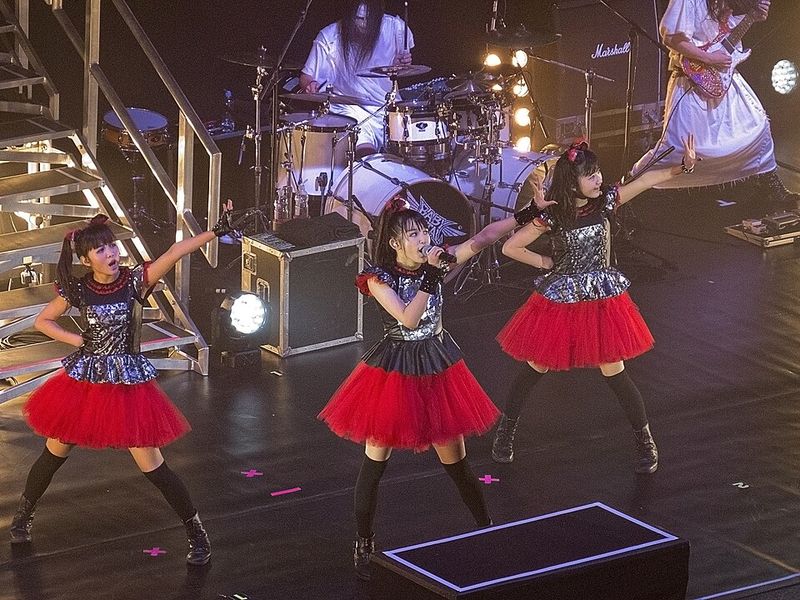
Japan said “hold my sake” and created the wildest metal fusion imaginable with pop idol choreography.
Their unprecedented blend of J-pop and metal created viral moments that confused and delighted audiences globally.
Innovation in presentation? Absolutely groundbreaking and unlike anything before.
Musical influence on metal’s core sound?
Minimal, since they combine existing genres rather than transforming them.
Entertainment value and uniqueness?
Off the charts, like discovering aliens invented headbanging.
3. Slipknot
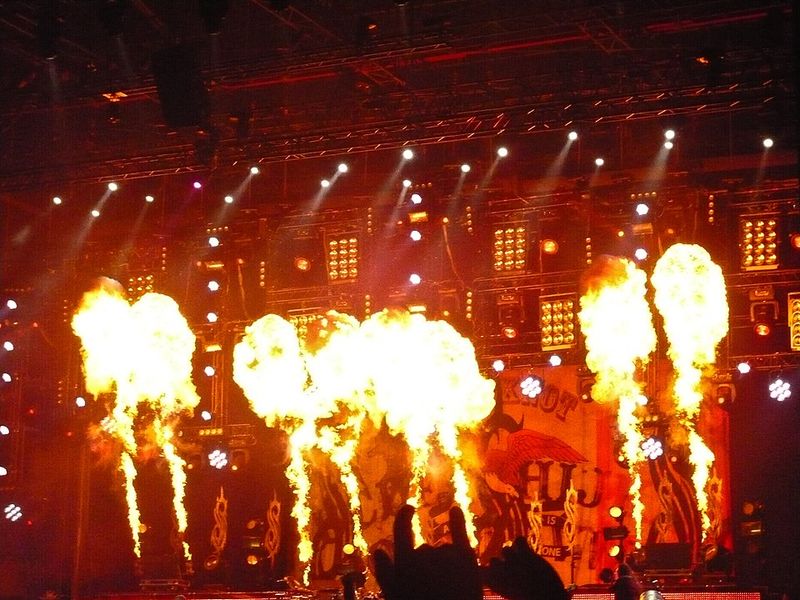
Nine masked maniacs from Iowa turned nu-metal into a theatrical horror show that dominated MTV.
An aggressive sound paired with shocking visuals made this crew impossible to ignore during the late-90s explosion.
Musically, the band blended familiar nu-metal elements instead of inventing entirely new ones.
Cultural impact and commercial success? Absolutely massive.
Fundamental reshaping of metal’s musical direction?
Visual innovation outweighs sonic contributions when it comes to this group’s place in the genre’s evolution.
2. Korn
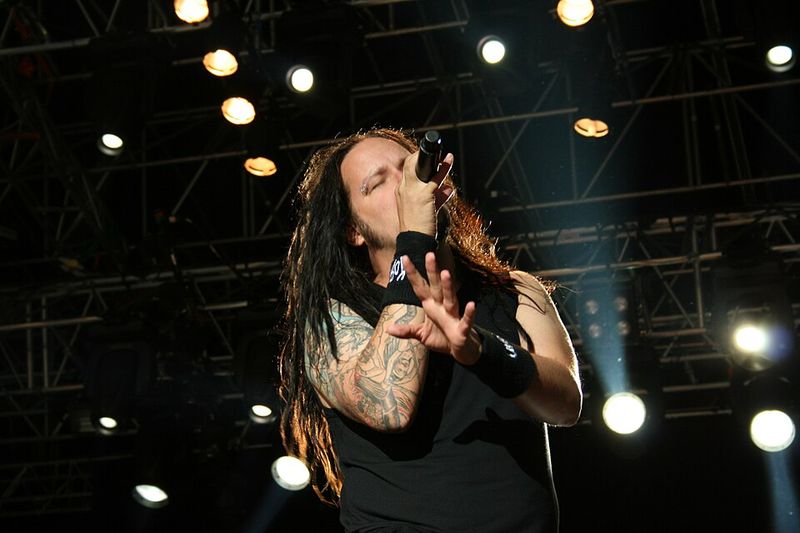
Bakersfield’s finest essentially created nu-metal’s blueprint with their downtuned, bass-heavy sound.
Their emotional lyrics and distinctive style influenced countless bands throughout the late 90s and beyond.
However, their massive popularity eventually exceeded their actual impact on metal’s broader evolution.
Platinum albums and mainstream recognition? Absolutely achieved.
Though influential initially, their commercial success grew larger than their lasting effect on metal’s core development over time.
1. Lamb Of God
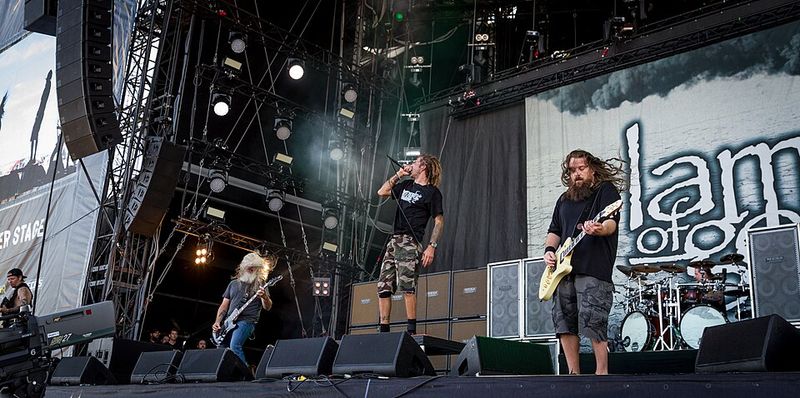
Virginia’s groove metal titans brought Pantera-inspired heaviness to a new generation of metalheads.
Technical precision combined with relentless touring built a dedicated fanbase that packs venues worldwide.
Many critics point out that the band refines groove metal traditions instead of charting revolutionary new paths.
Respect within the metal community?
Absolutely earned through decades of consistency.
Transformative influence on metal’s future?
Excellence here lies in perfecting established styles rather than creating unprecedented ones.