16 Michael Caine Movies Ranked By Career Impact
Who do you trust when everything is unraveling and the plan has gone sideways?
Michael Caine has spent six decades delivering calm authority in the middle of cinematic chaos, gliding through crime stories and blockbuster danger without playing it safe.
These sixteen films prove why his presence always feels like the voice you listen to when everything else is noise.
16. The Quiet American (2002)
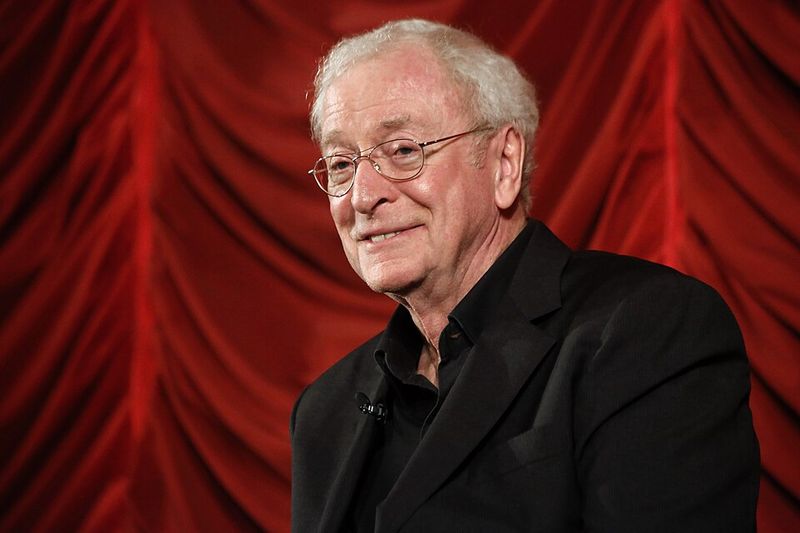
Worn lines and weary eyes place Michael Caine in Saigon as a journalist torn between love, loyalty, and political consequence. Oscar nomination arrived at sixty nine, underlining how experience can sharpen rather than soften talent.
Serious awards attention returned after years of lighter fare, repositioning him firmly in the prestige conversation.
Critical response framed The Quiet American as a late career renaissance built on restraint rather than spectacle. Quiet intensity carries the performance, proving whispers can land harder than shouts and that Caine still had stories worth telling.
15. Children Of Men (2006)
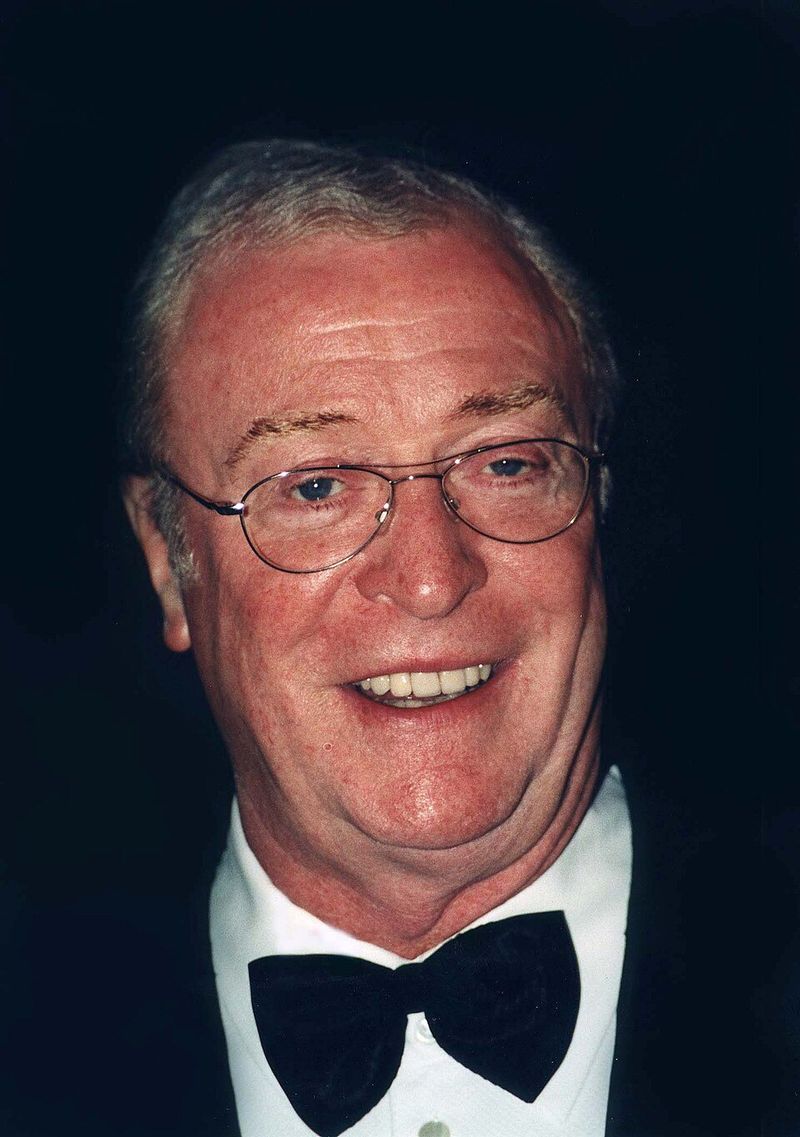
Played by Caine, Jasper is a retired political cartoonist who hides in a cottage in the woods with only tea and Beatles records for company. The role is small but unforgettable, a burst of warmth in a cold, dying world.
His scenes give the bleak thriller its beating heart.
Younger directors started calling after this, wanting his gravitas in their visions of tomorrow. Caine proved he could steal a film in fifteen minutes, no cape required.
14. Educating Rita (1983)
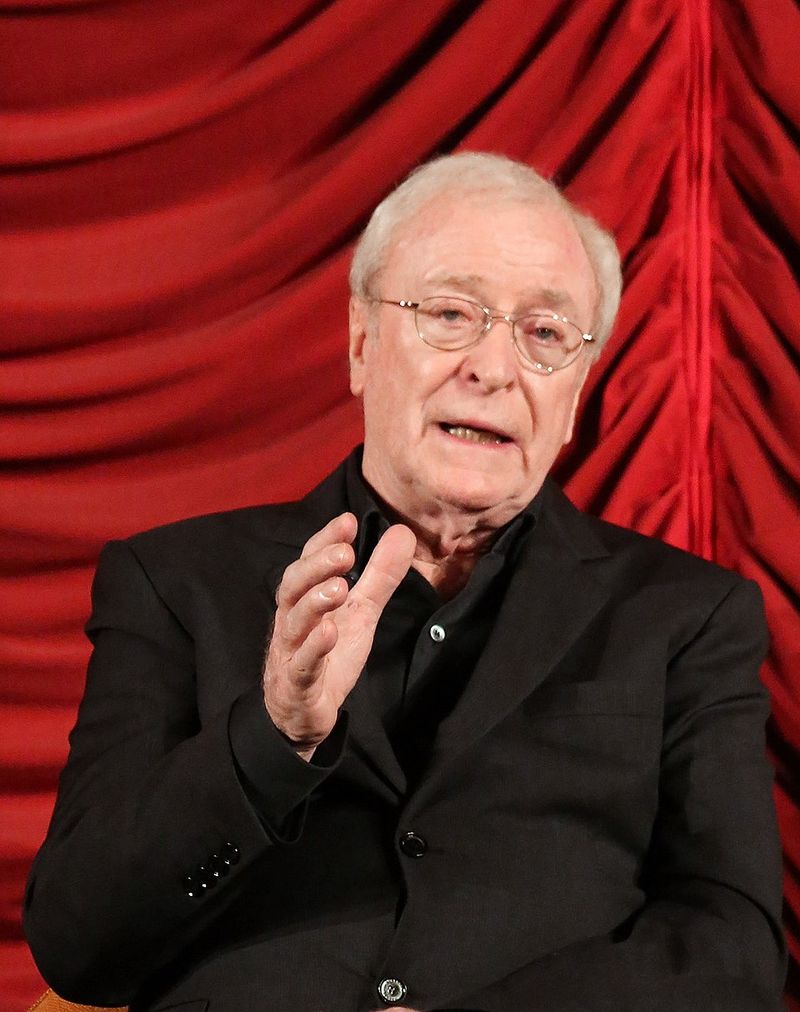
Frank Bryant is a burnt-out professor drowning in regret and self-pity until a hairdresser walks into his office hungry for knowledge. Caine plays him with tender cynicism, every sigh carrying decades of disappointment.
He earned another Oscar nomination, cementing his reputation beyond action heroes and cockney charmers.
The film showed American audiences he could handle wit and heartbreak in equal measure, no car chases needed.
13. The Prestige (2006)
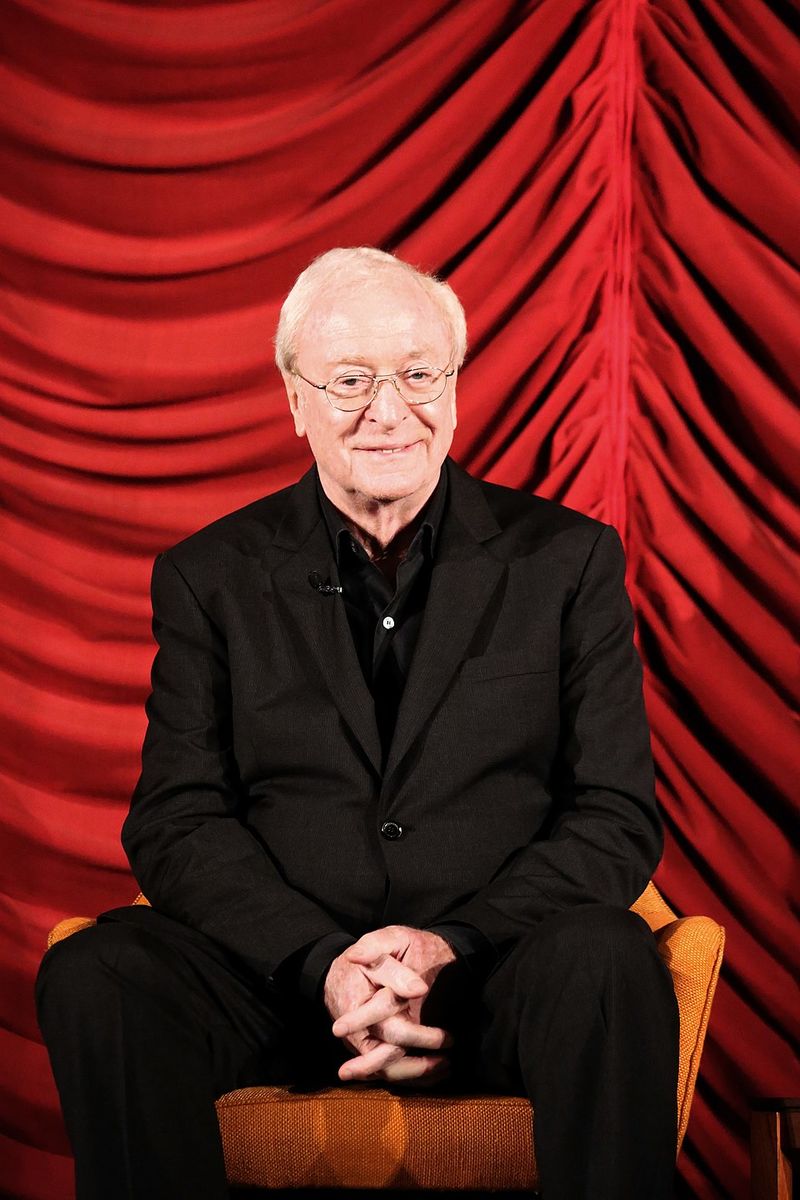
Seasoned stage engineer energy defines Cutter, a man who knows every trick yet still believes in wonder.
Grounding force arrives through Michael Caine, lending calm authority to The Prestige as obsession threatens to consume everyone else.
Moral clarity and lived in presence give weight to a story that might have drifted away on cleverness alone. Recognition followed quickly, with Christopher Nolan returning to him again and again after spotting a rare constant.
Certain actors decorate films, while others make them seaworthy, and Caine belongs firmly to the latter group.
12. A Bridge Too Far (1977)
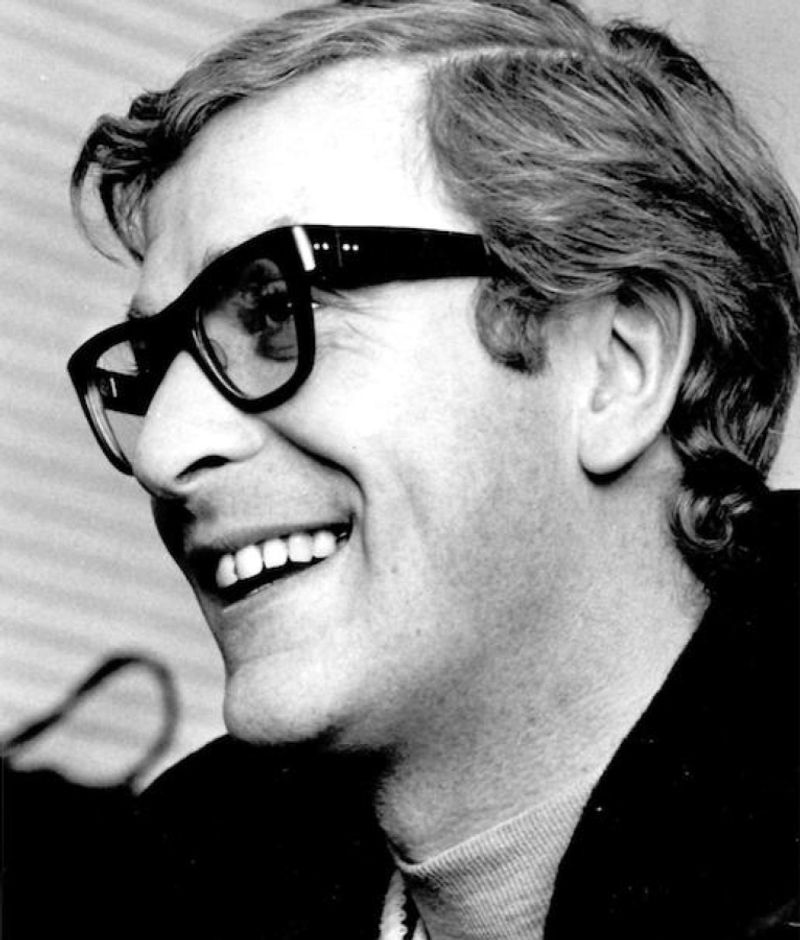
Command presence settles in as Michael Caine plays Lt. Col.
J.O.E. Vandeleur, leading the Irish Guards armored unit through a sprawling World War II epic built on scale and star power.
Sharing the screen with Sean Connery, Robert Redford, and Laurence Olivier never dims his impact, proving presence matters more than billing order.
Stiff upper lip authority turns the officer into a template for British war heroes that cinema kept revisiting. Industry attention followed after A Bridge Too Far, marking Caine as someone who could anchor massive ensemble casts without strain.
11. The Man Who Would Be King (1975)
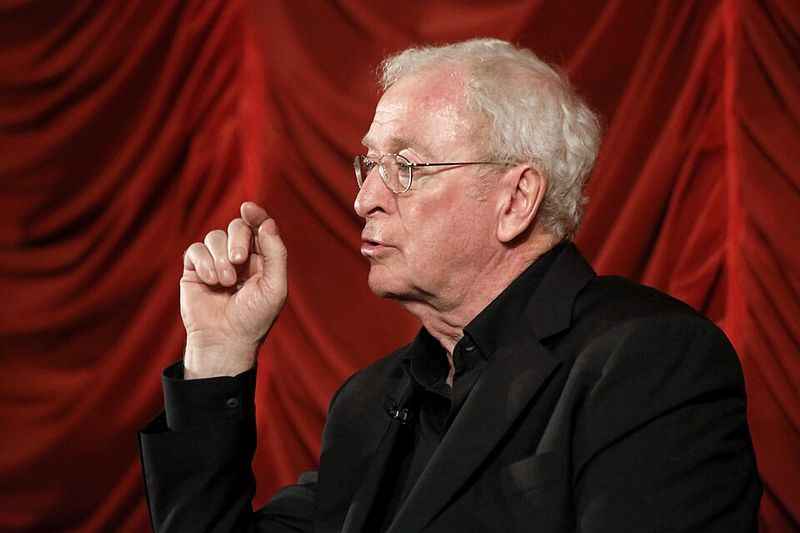
Peachy Carnehan dreams of ruling a kingdom, and Caine plays him with the swagger of a man who believes his own lies.
Paired with Sean Connery, he creates one of cinema’s great buddy-adventure duos, two rogues chasing glory in the Hindu Kush.
The performance reminded Hollywood he could do more than urban grit. Adventure suits fit him as well as tailored suits, and directors started writing parts with his range in mind.
10. Sleuth (1972)
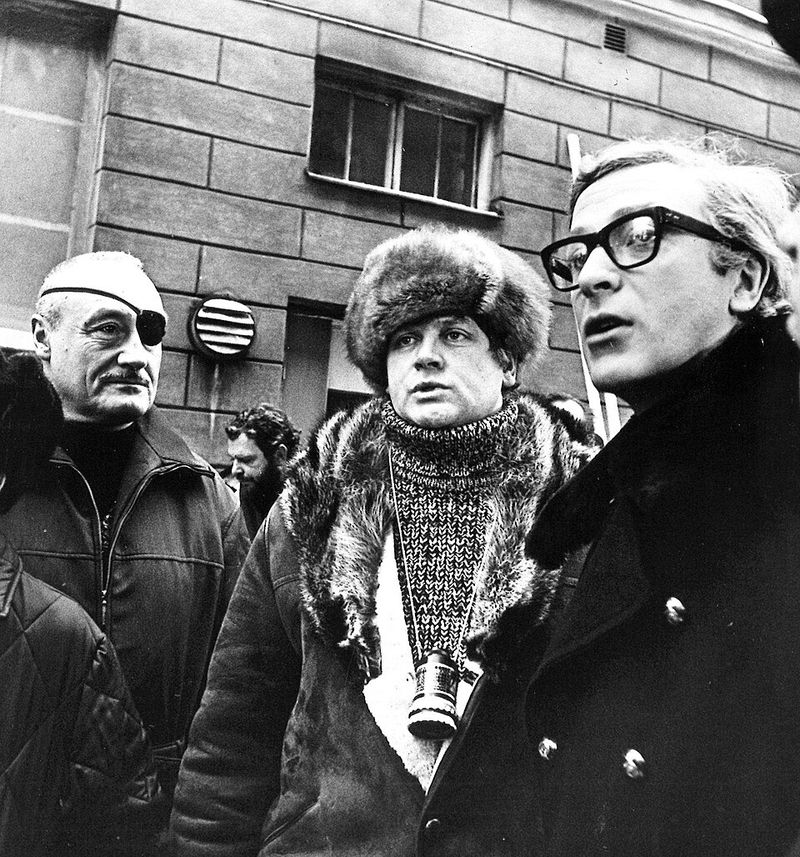
Two men share one house, and every room becomes a battlefield of wit and deception.
Face off unfolds between Michael Caine and Laurence Olivier, a theatrical duel that earned Oscar nominations for both performances. Holding ground opposite one of cinema’s most revered talents confirmed Caine belonged in rarefied company.
Controlled tension defines Sleuth, with glances and pauses carrying as much menace as any line of dialogue.
Industry perception shifted decisively, signaling that Caine was no passing sensation but a serious actor built to last.
9. Zulu (1964)
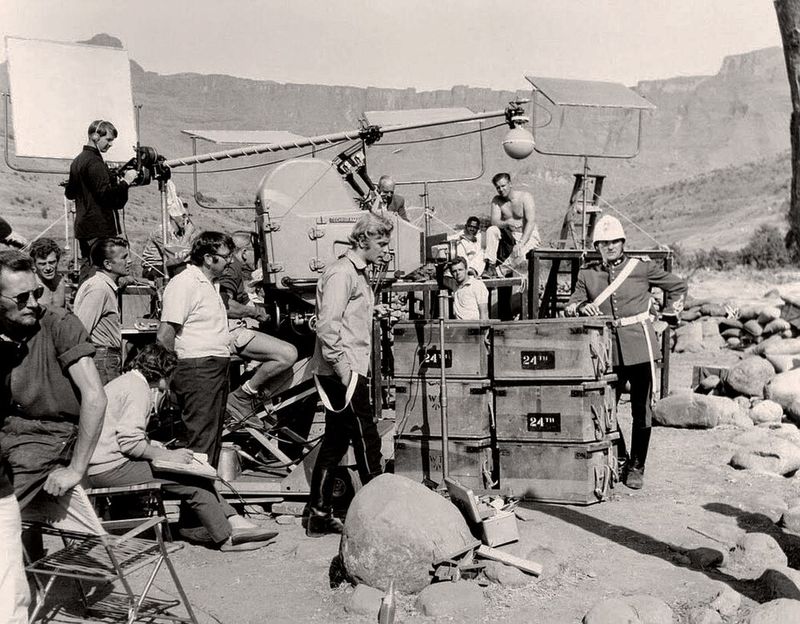
Lieutenant Gonville Bromhead stands at Rorke’s Drift, a posh officer learning courage under fire.
This was Caine’s breakout, his aristocratic accent and nervous energy making him unforgettable among a cast of unknowns. The film launched him from bit parts to leading roles overnight.
Casting directors saw a new kind of British star, one who could play class and grit without choosing sides. Everything that followed started here, on that dusty battlefield.
8. The Italian Job (1969)
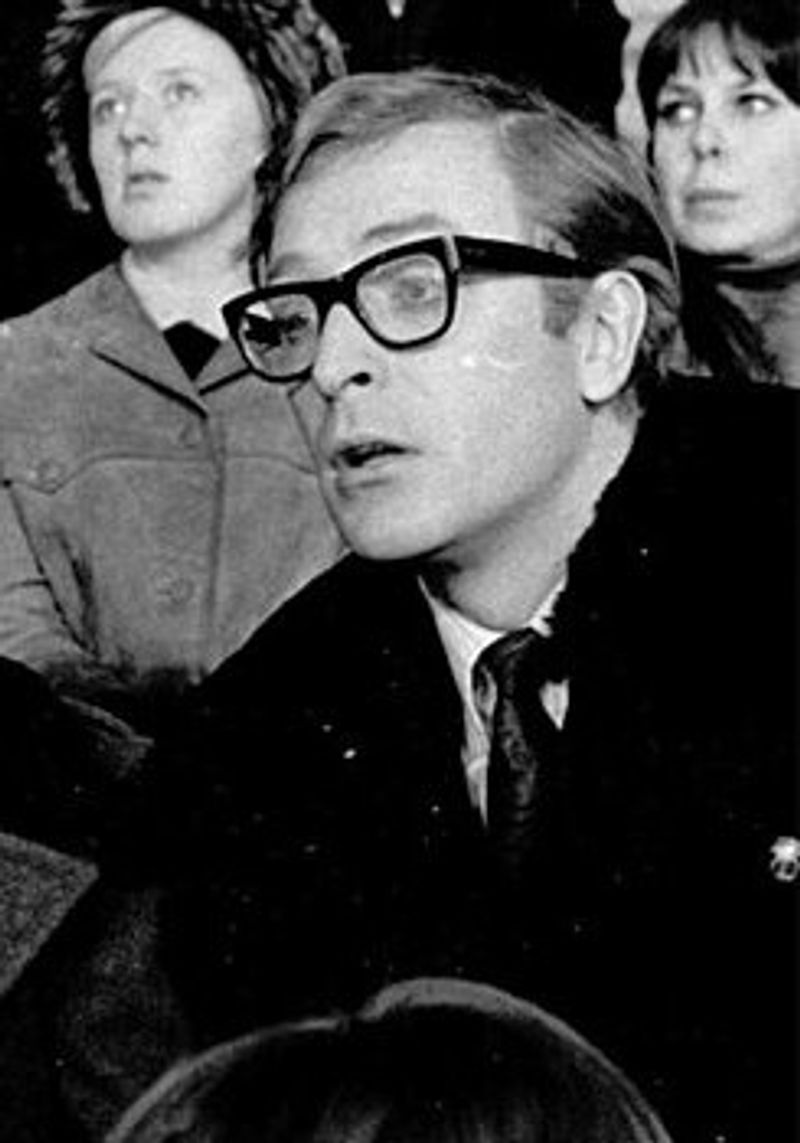
Fresh out of prison, Charlie Croker steps forward with a plan, a grin, and the nerve to steal gold from Turin in broad daylight.
Commanding every frame, Michael Caine turns a clever caper into a full blown cultural moment soaked in Swinging Sixties cool. Household name status followed as British crime comedy proved it could stand toe to toe with Hollywood spectacle.
Style and swagger collide in The Italian Job, where confidence feels contagious and the pacing never lets up.
Mini Coopers roared into icon status right alongside Caine, all sharp suits, cheeky charm, and perfectly timed bravado.
7. Batman Begins (2005)
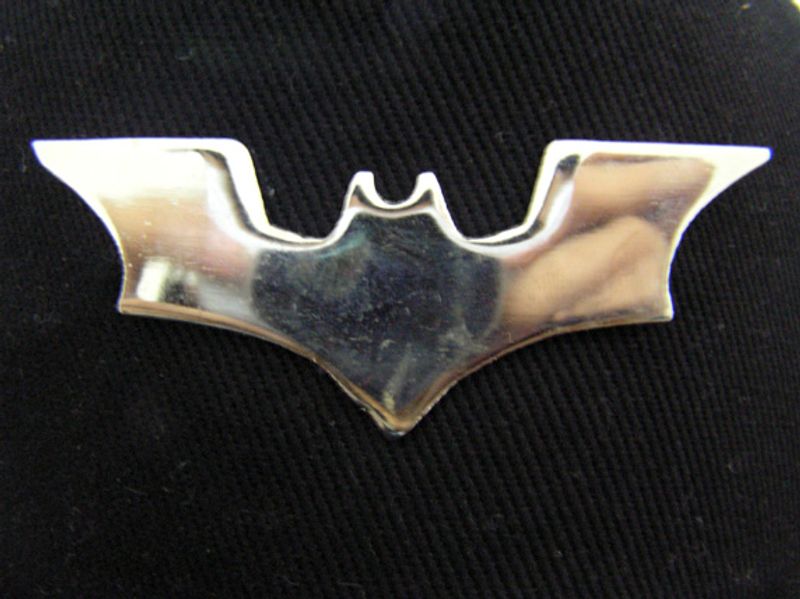
Alfred Pennyworth isn’t just a butler; in Caine’s hands, he’s the moral compass of Gotham, the father Bruce Wayne lost twice.
His warmth and wisdom anchor Christopher Nolan’s dark, operatic vision, giving audiences a reason to care beyond the action. Younger viewers discovered Caine through this role, and suddenly grandparents and teenagers were fans of the same actor.
The trilogy made him relevant across generations, a rare trick in Hollywood.
6. The Cider House Rules (1999)
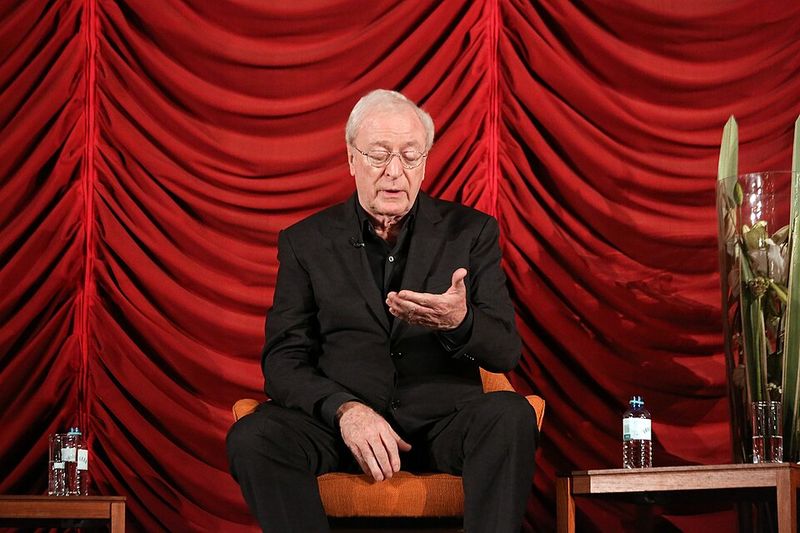
Guiding an orphanage through compassion while carrying a private, dangerous dependency, Dr. Wilbur Larch teaches medicine and morality side by side.
Quiet heartbreak defines the performance that earned Michael Caine a second Academy Award. Disappearing into character never costs presence, with restraint carrying more weight than grand gestures.
Industry perception shifted as The Cider House Rules reminded Hollywood that depth and authority could coexist in a single role.
Long overdue recognition finally arrived, honoring a leading man capable of carrying emotional gravity without demanding the spotlight.
5. Get Carter (1971)
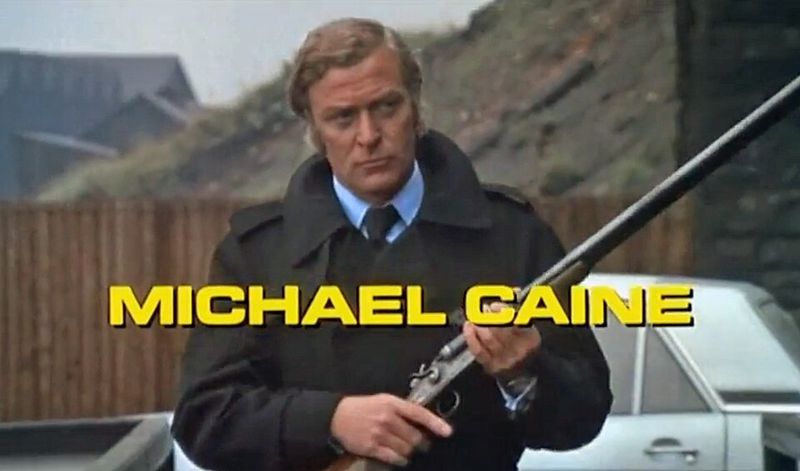
Return to Newcastle begins with a funeral and quickly pivots toward vengeance that refuses to soften.
Cold precision defines Michael Caine’s take on Jack Carter, reshaping the British gangster into something leaner, meaner, and far less romantic. Audience shock followed as violence and moral ambiguity landed without apology, anchored by a performance that made brutality hypnotic rather than chaotic.
Directors around the world studied Get Carter, learning how menace can simmer quietly beneath surface charm.
Iconic status endures as proof that niceness never wins here and that Caine could lead by being first to cross the line.
4. Hannah And Her Sisters (1986)
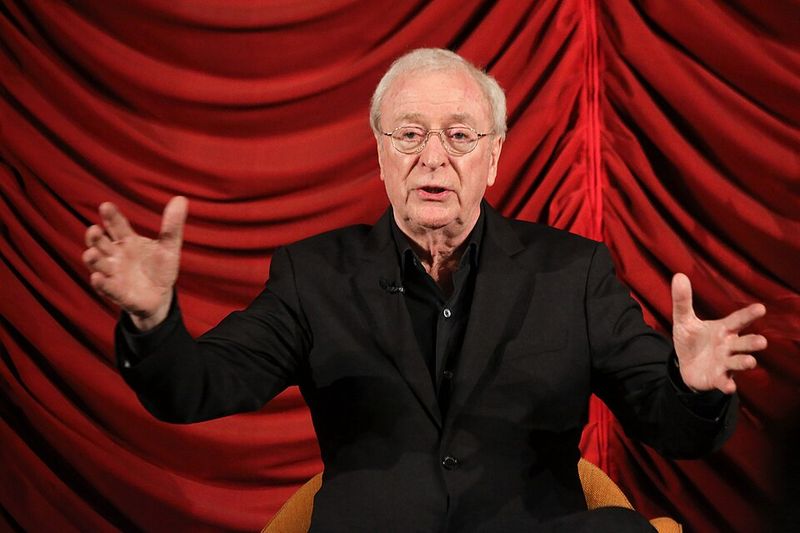
Elliot is a man in love with his wife’s sister, and Caine plays the agony of desire with painful honesty.
Woody Allen cast him against type, and Caine responded with vulnerability that earned him his first Oscar.
The win validated his range, showing American audiences he could handle neurotic comedy as deftly as crime or action. It opened doors to character work that defined his later career, proving leading men can age into something richer.
3. The Dark Knight (2008)
Watching Bruce Wayne drift toward darkness, Alfred offers a lifeline shaped by honesty and affection rather than force.
Gravitas flows through Michael Caine, grounding the chaos with emotional clarity and lived in wisdom.
A quiet monologue about the Joker in Burma lands as the soul of The Dark Knight, reminding audiences that insight can outmatch fists. Cultural juggernaut status followed, yet heart kept the spectacle from collapsing into noise.
Franchise storytelling finds balance when explosions meet empathy, and Caine supplied both with unwavering authority.
2. The Ipcress File (1965)

Harry Palmer isn’t James Bond; he’s a bespectacled spy who shops at supermarkets and cooks his own meals.
Caine created the anti-Bond, a working-class hero in a genre obsessed with aristocrats and glamour.
The film made him a star and gave audiences a spy they could actually believe in. Producers realized Caine could lead a franchise, and suddenly he wasn’t just an actor but a brand, one built on authenticity.
1. Alfie (1966)
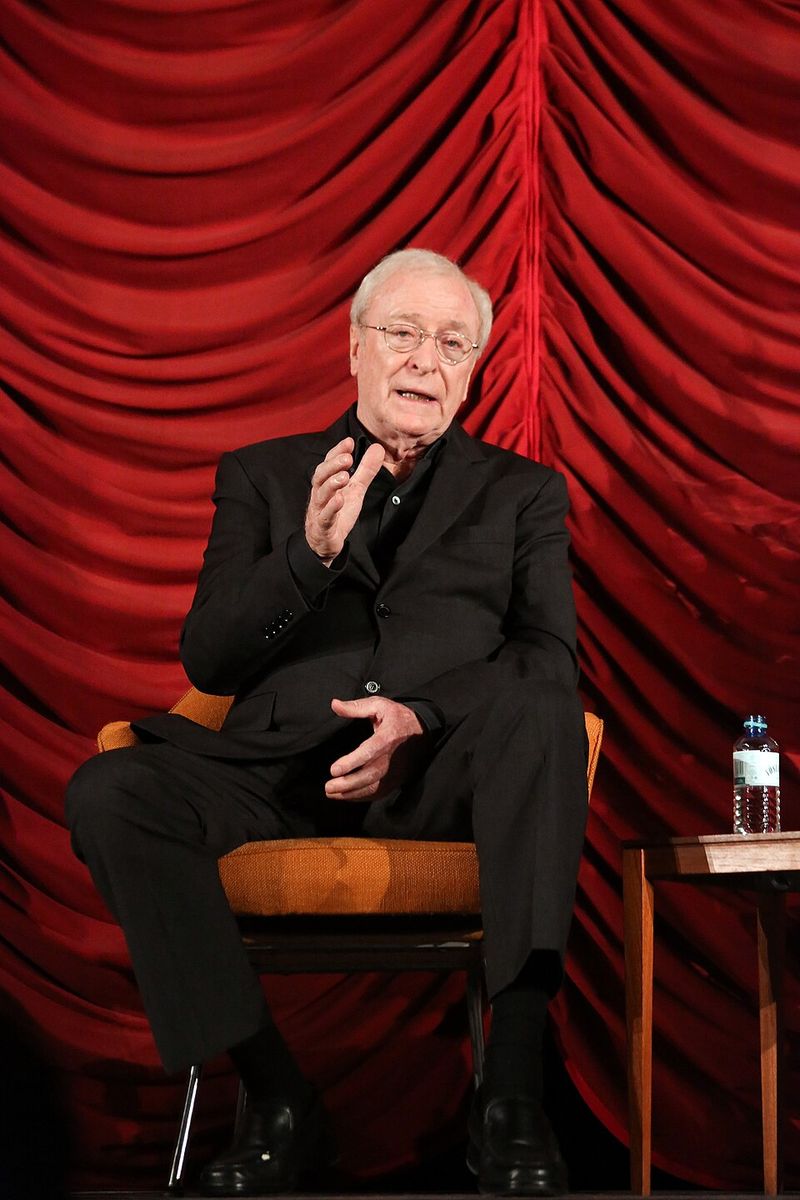
Breaking the fourth wall, Alfie Elkins charms, confesses, and casually shatters hearts like a mate chatting on the street corner.
First Oscar nomination arrived through Michael Caine’s magnetic turn, a performance so disarming it convinced audiences to root for a cad. Star defining impact followed, shaping an image built on cheeky confidence layered with unexpected depth.
Industry doors swung open after Alfie, positioning British cinema with an export capable of standing toe to toe with Hollywood’s best.
Nothing looked the same afterward, as Alfie quietly rewrote the trajectory of Caine’s career.
Important: This article discusses well-known films and performances for general informational and entertainment purposes. Career impact rankings reflect a blend of cultural visibility, critical recognition, and long-term influence, and reasonable viewers may weigh those factors differently.