14 Military-Themed Sitcoms From Television’s Classic Comedy Years
Early television looked at military life and said, “What if… but make it funny?”
Suddenly bases, uniforms, and strict rules turned into setups for punchlines instead of push-ups. Authority figures got outsmarted, plans fell apart, and the jokes clocked in right on schedule.
Who knew marching orders and comedy timing would make such a perfect platoon?
Disclaimer: Publicly available series details and broadcast timelines are reflected as of the time of writing, and some episode-level specifics can vary by source, region, and later releases.
1. M*A*S*H
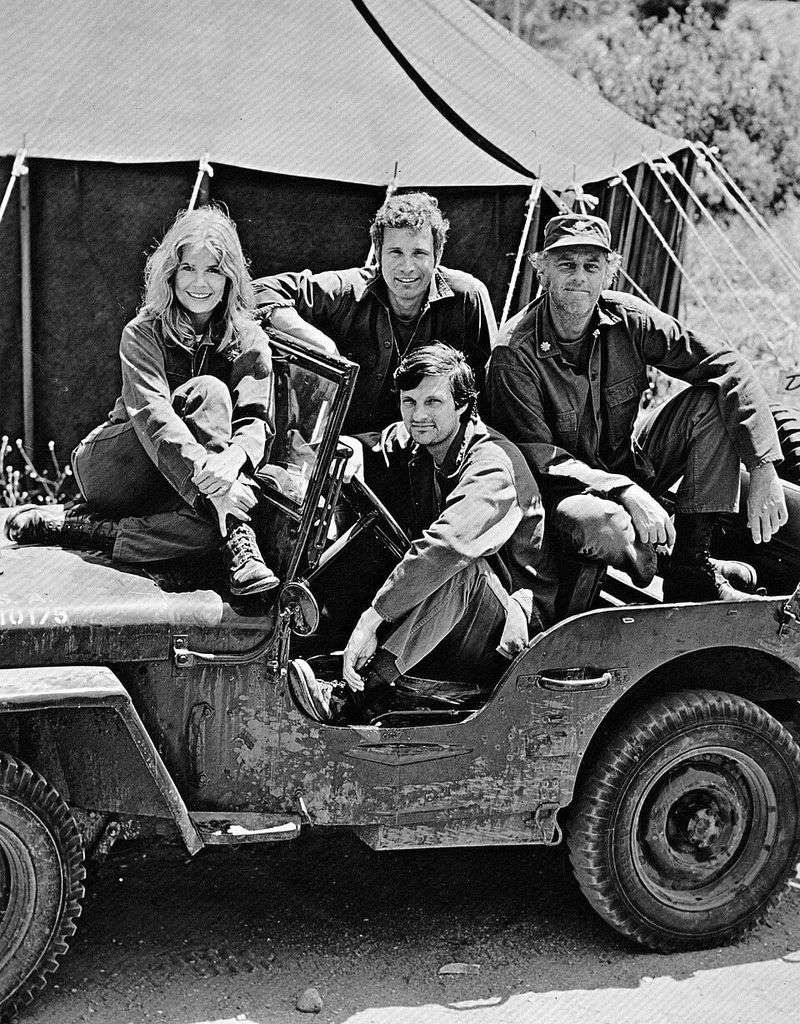
War-weary audiences found a strange kind of comfort at the 4077th Mobile Army Surgical Hospital.
Between surgeries, doctors cracked jokes, nurses rolled their eyes at the chaos, and a loudspeaker often interrupted dinner with news of incoming wounded.
Sharp humor mixed with real heartbreak, proving television comedy could tackle serious subjects without losing its humanity. Wise-cracking surgeon Hawkeye Pierce became the character viewers wished worked at their own hospital.
Rapid-fire one-liners landed beside genuine heartbreak, and that balance helped the series run for 11 seasons.
2. Hogan’s Heroes
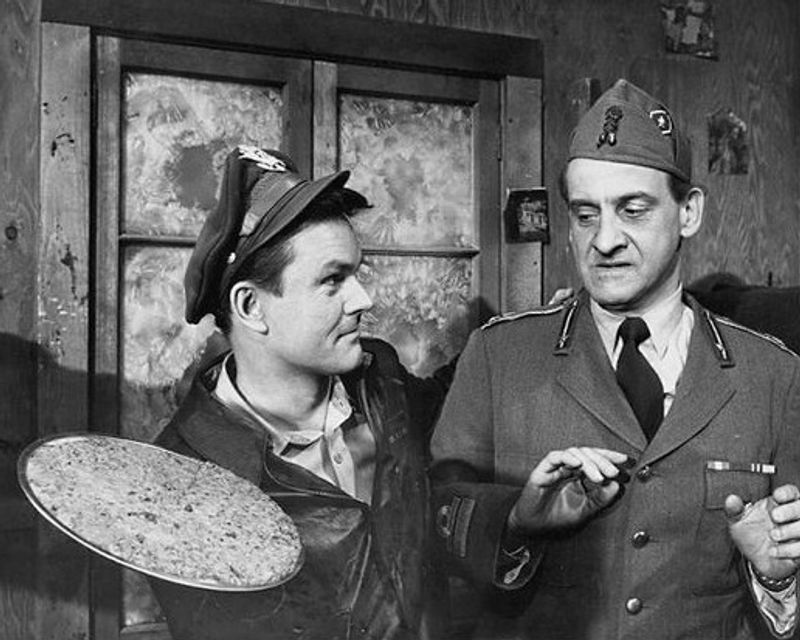
Stalag 13 housed the least obedient prisoners of war ever captured. Colonel Hogan ran an underground operation right under the noses of guards who stayed a step behind the prisoners.
Sergeant Schultz saw nothing, knew nothing, and wanted to keep it that way.
The barracks hid tunnels, radios, and enough espionage equipment to stock a spy shop. Commandant Klink worried more about his reputation than his prisoners, making escape plans almost too easy for Hogan’s crew.
3. McHale’s Navy
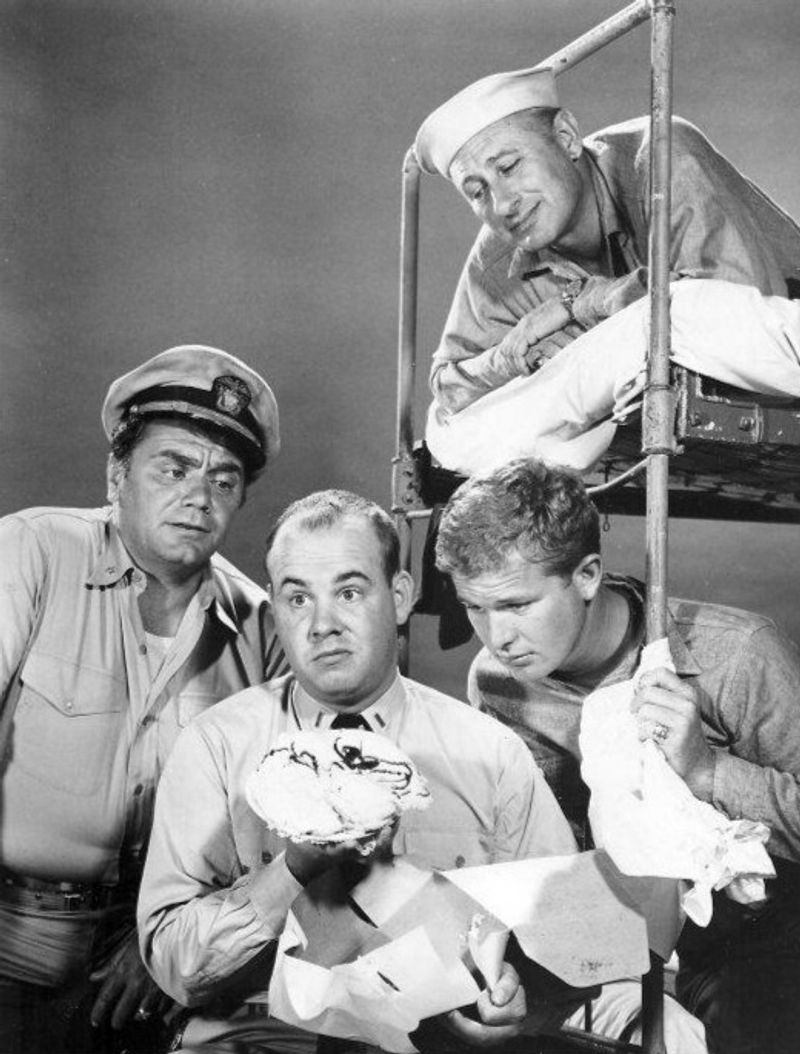
PT-73 sailed the Pacific with the scruffiest crew the Navy ever commissioned. Commander McHale kept his men happy while keeping Captain Binghamton confused, a balancing act that required creativity and occasional rule-bending.
The crew turned their island base into a tropical paradise complete with unauthorized comforts. Ensign Parker meant well but usually made situations worse, his good intentions paving a road straight to chaos.
Schemes and hijinks replaced standard naval protocol.
4. Gomer Pyle, U.S.M.C.
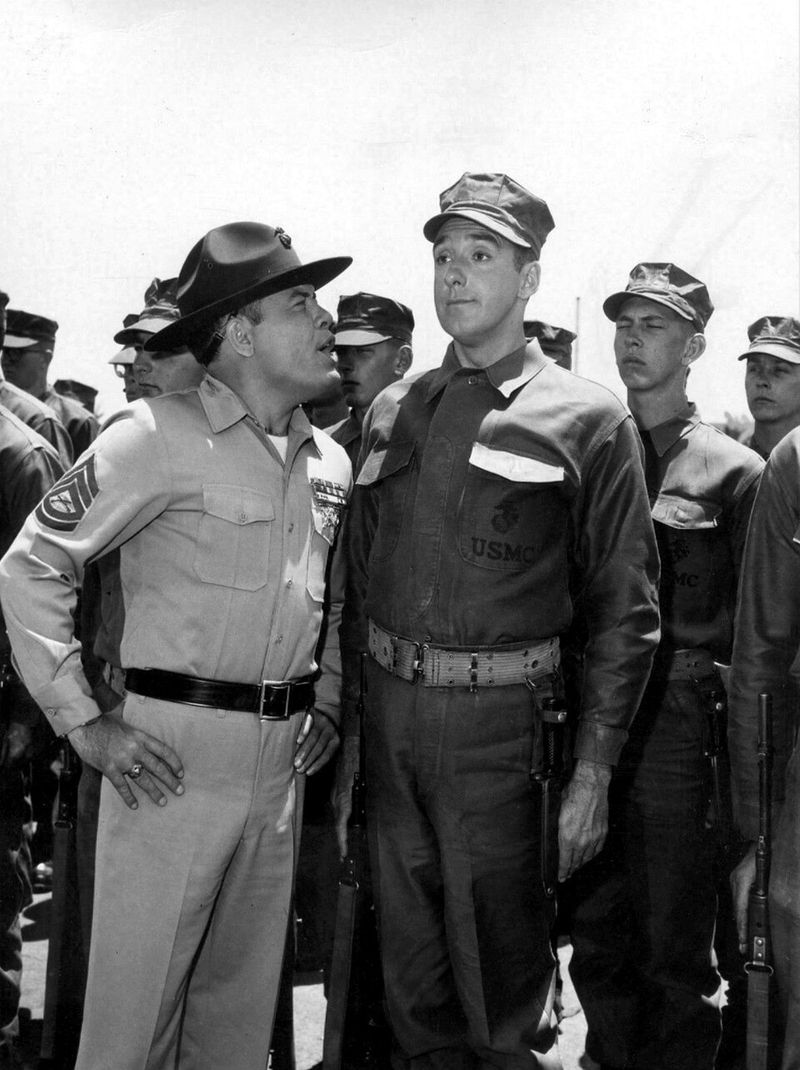
Mayberry’s sweetest gas station attendant swapped a fuel pump for a Marine Corps rifle. In boot camp, Gomer brought wide-eyed small-town innocence that left Sergeant Carter perpetually exasperated by his newest recruit.
“Goll-lee” echoed through the barracks as a catchphrase that somehow traveled far beyond the base.
Pure gold described the private’s heart, even when his train of thought wandered off on unexpected detours. The setting eventually shifted to the fictional Camp Henderson, where nobody encountered anyone quite like Gomer, whose optimism could wear down the toughest drill instructor faster than a forced march in August on Gomer Pyle, U.S.M.C.
5. The Phil Silvers Show
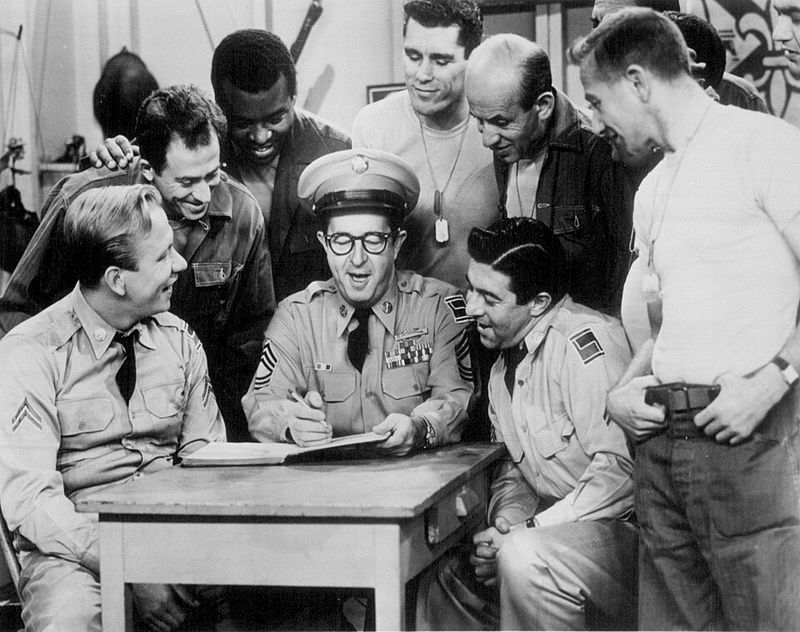
Sergeant Ernie Bilko ran the motor pool like a personal casino.
Fort Baxter became his playground for schemes, scams, and get-rich-quick plans that usually backfired spectacularly. His platoon loved him despite knowing every card game was rigged in his favor.
Colonel Hall suspected everything but could rarely prove anything.
Bilko’s smooth talk could convince a fish to buy an umbrella, making him television’s most charming con artist in khaki. The Army never met a hustler quite this lovable.
6. F Troop
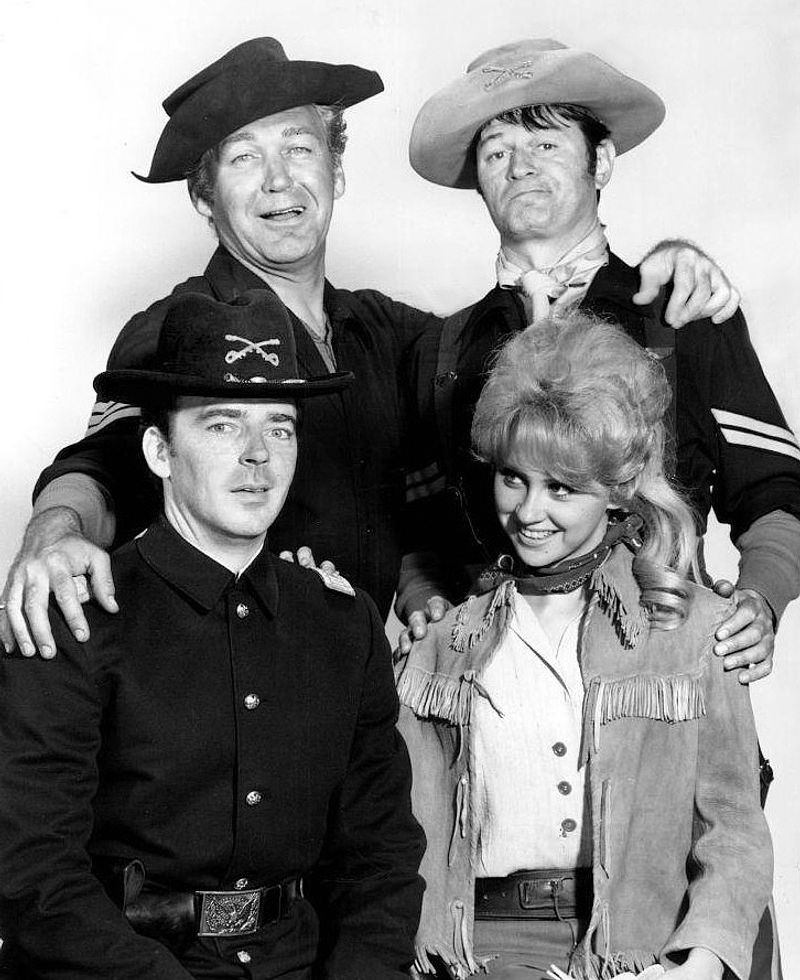
Fort Courage served as home base for the cavalry’s most comically incompetent soldiers, where Captain Parmenter landed in command more by accident than ability.
Entrepreneurial spirit flourished as Sergeant O’Rourke ran side businesses with the local Hekawi tribe, showing that even the frontier had room for hustle.
Corporal Agarn contributed plenty of muscle and very little brainpower. Misfiring cannons echoed the unit’s overall military skill level, missing targets with impressive consistency.
Keeping peace proved better for business, so conflicts stayed safely in the realm of comedy rather than real danger on F Troop.
7. Dad’s Army

Coastal town of Walmington-on-Sea relied on a Home Guard unit fueled by enthusiasm far more than skill.
Captain Mainwaring drilled his platoon of overage volunteers through exercises that rarely unfolded according to plan. Posh politeness from Sergeant Wilson masked a gentle habit of undermining authority with effortless aristocratic charm.
Mother’s boy Private Pike marched along with packed lunches in tow, never quite shaking his family ties.
Patriotic hearts beat bravely beneath creaky knees and fading eyesight, giving Dad’s Army its enduring mix of warmth and gentle comedy.
8. It Ain’t Half Hot Mum

The Royal Artillery Concert Party entertained troops in India while sweating through their makeup.
Sergeant Major Williams bellowed at his performers, who preferred lipstick to rifle drills and spent more time rehearsing than soldiering. The British Raj provided a steamy backdrop for musical numbers and military mishaps.
Colonel Reynolds remained blissfully unaware of most chaos. Battery Sergeant Major Williams treated the concert party like proper soldiers, a losing battle against men more comfortable in costumes than combat boots.
9. Operation Petticoat
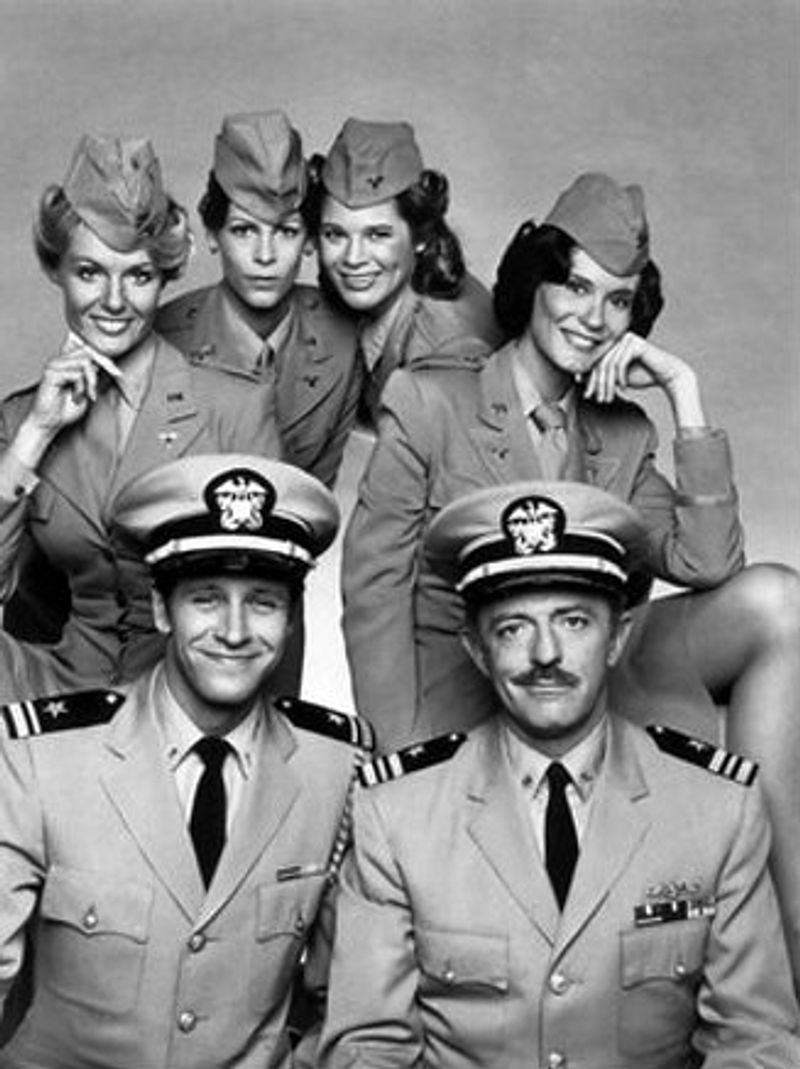
The Sea Tiger became the Navy’s only pink submarine after a creative paint job.
Commander Sherman tried maintaining dignity while his sub carried Army nurses and attracted trouble like a magnet. Lieutenant Holden’s schemes rivaled any con artist, turning military supply channels into personal shopping networks.
The crew sailed the Pacific solving problems with ingenuity and bending every regulation imaginable.
A pink sub stood out in combat zones, making stealth missions hilariously impossible for this misfit vessel.
10. Hennesey
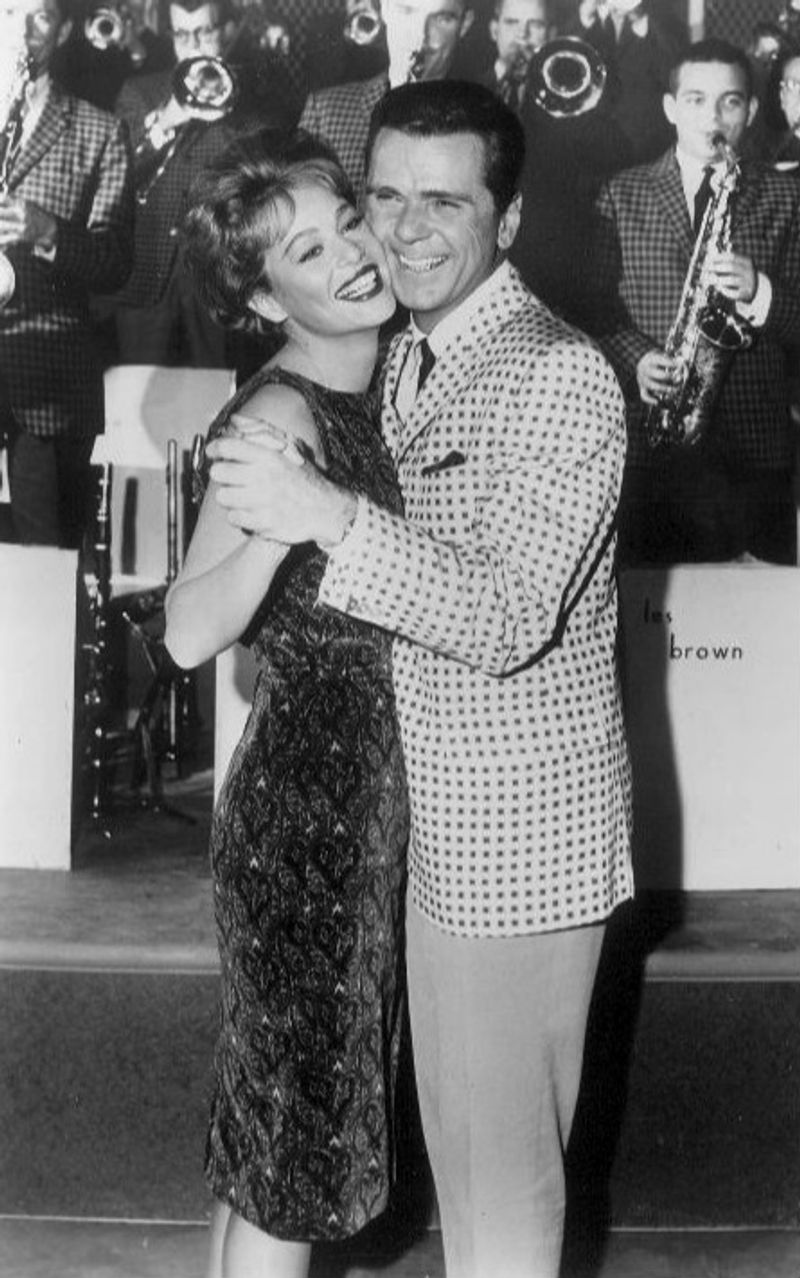
At a naval dispensary, Lieutenant Commander Chick Hennesey treated sailors while medical emergencies tangled with romantic complications. Balancing his Hippocratic oath against Navy protocol, he often found humor in the clash between medicine and military routine.
Steady leadership from Nurse Martha Hale kept the dispensary running smoothly, even when Hennesey’s absent-minded streak caused trouble.
Command of the base fell to Captain Shafer, whose patience for his medical staff’s misadventures varied from day to day. Shore leave mix-ups and busy sick call hours created comedy that felt grounded in everyday service life on Hennesey.
11. Mister Roberts
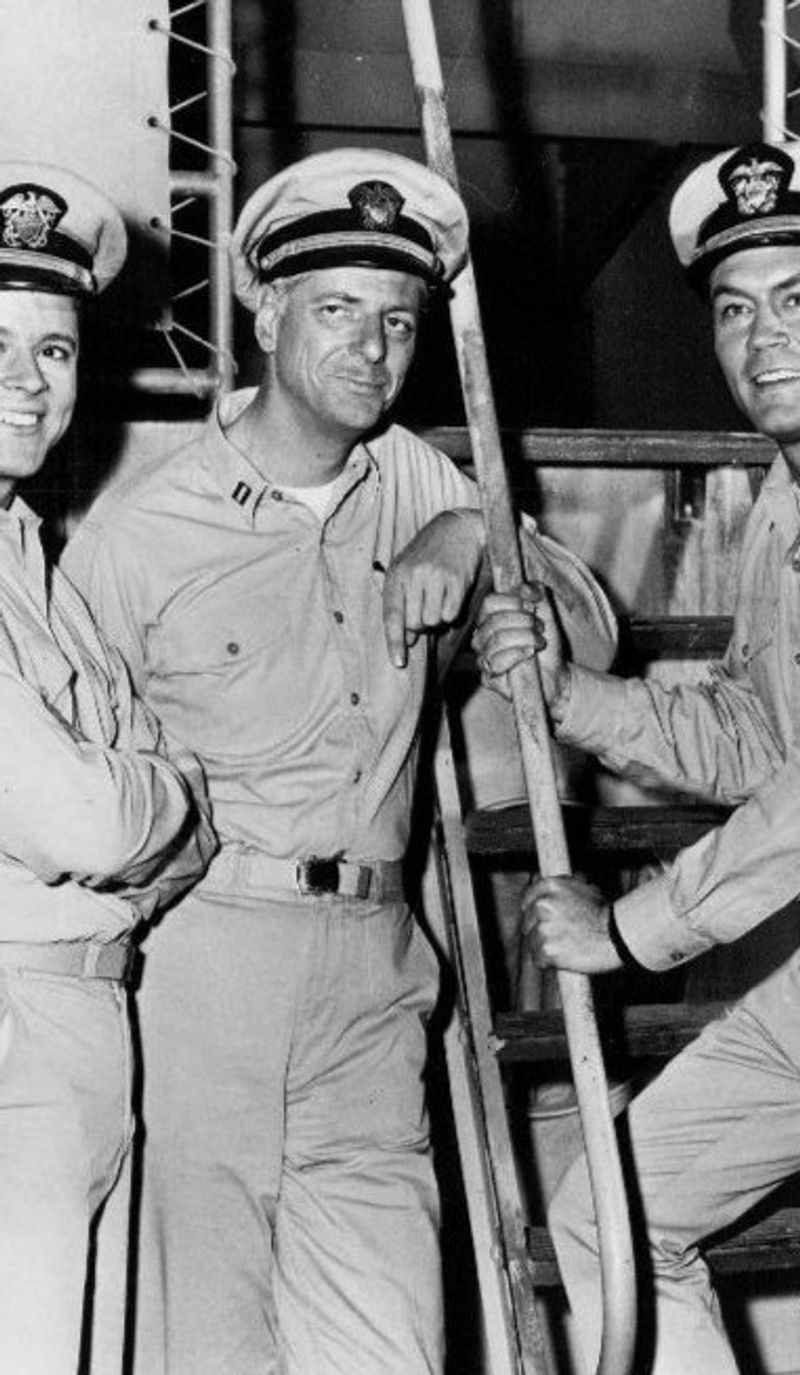
The USS Reluctant hauled cargo across the Pacific while Lieutenant Roberts dreamed of real action.
Captain Morton was a petty tyrant obsessed with his palm tree, making life difficult for a crew stuck in the backwaters of war. Ensign Pulver hid in the laundry room plotting revenge that never quite materialized.
Doc dispensed wisdom along with medicine, keeping spirits up on a ship going nowhere important. The crew’s boredom bred creativity in finding entertainment between ports.
12. No Time For Sergeants
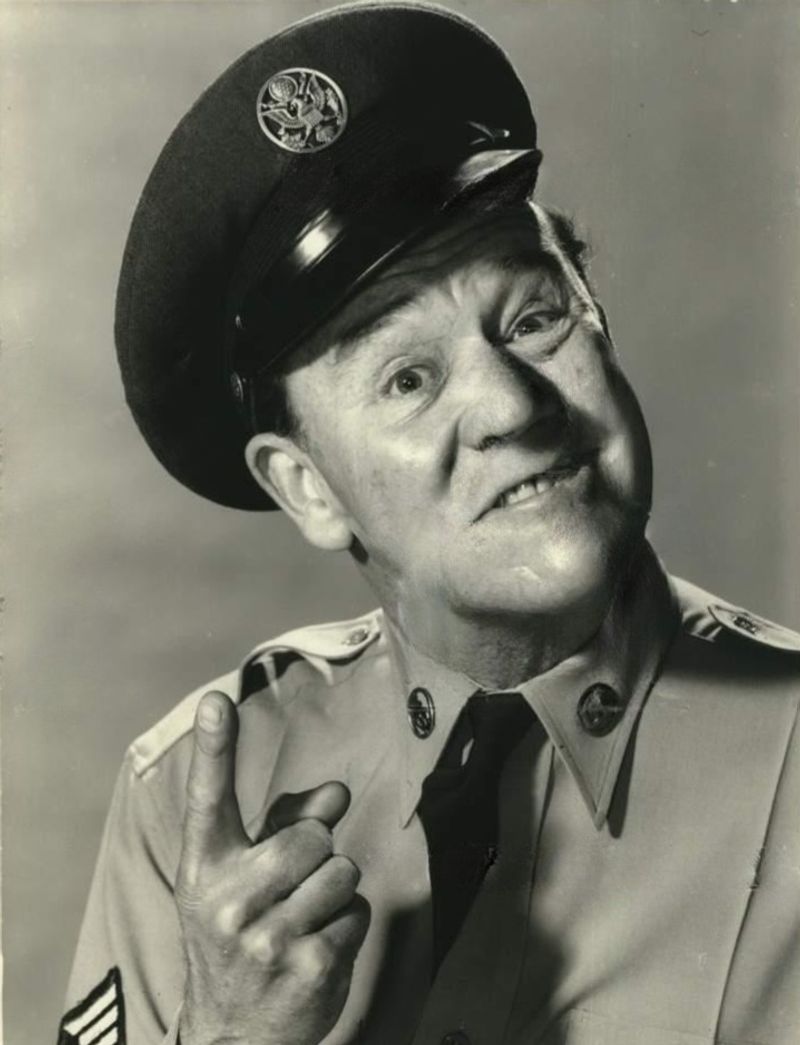
Backwoods simplicity followed Will Stockdale into the Air Force, leaving everyone from his sergeant to the base psychiatrist completely baffled. Literal thinking shaped the Georgia farm boy’s approach to military life, turning straightforward orders into spectacularly complicated disasters.
Stress lines deepened on Sergeant King’s face as he tried to mold Will into something resembling a proper airman.
Slightly sharper instincts belonged to Ben Whitledge, although that advantage never rose very high above the baseline.
Military structure and country common sense rarely spoke the same language, which fueled much of the comedy on No Time for Sergeants.
13. McKeever And The Colonel
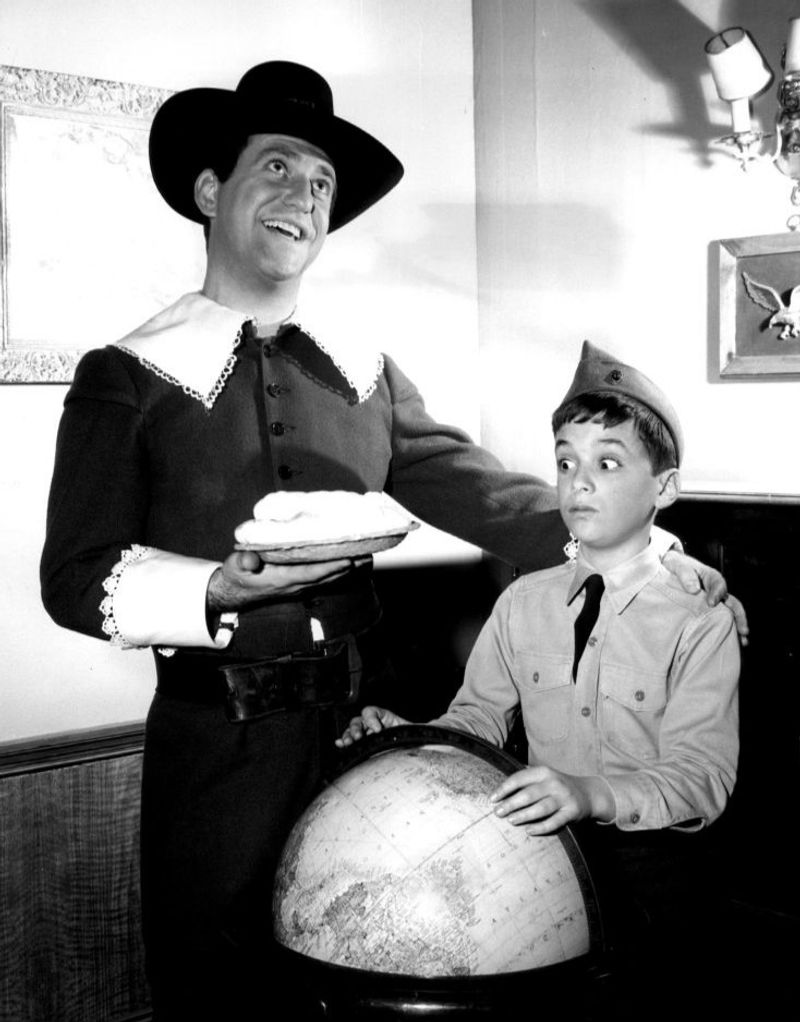
Gary McKeever attended Westfield Military Academy where he drove Colonel Blackwell to distraction daily.
The cadet’s entrepreneurial spirit clashed with academy regulations, creating conflicts that required creative solutions and fast talking. Monk was McKeever’s partner in schemes that ranged from clever to rule-bending.
The colonel represented old-school discipline meeting new-generation cleverness, a battle he rarely won. Military school became a laboratory for testing how much mischief one cadet could generate before lights out.
14. The Wackiest Ship In The Army
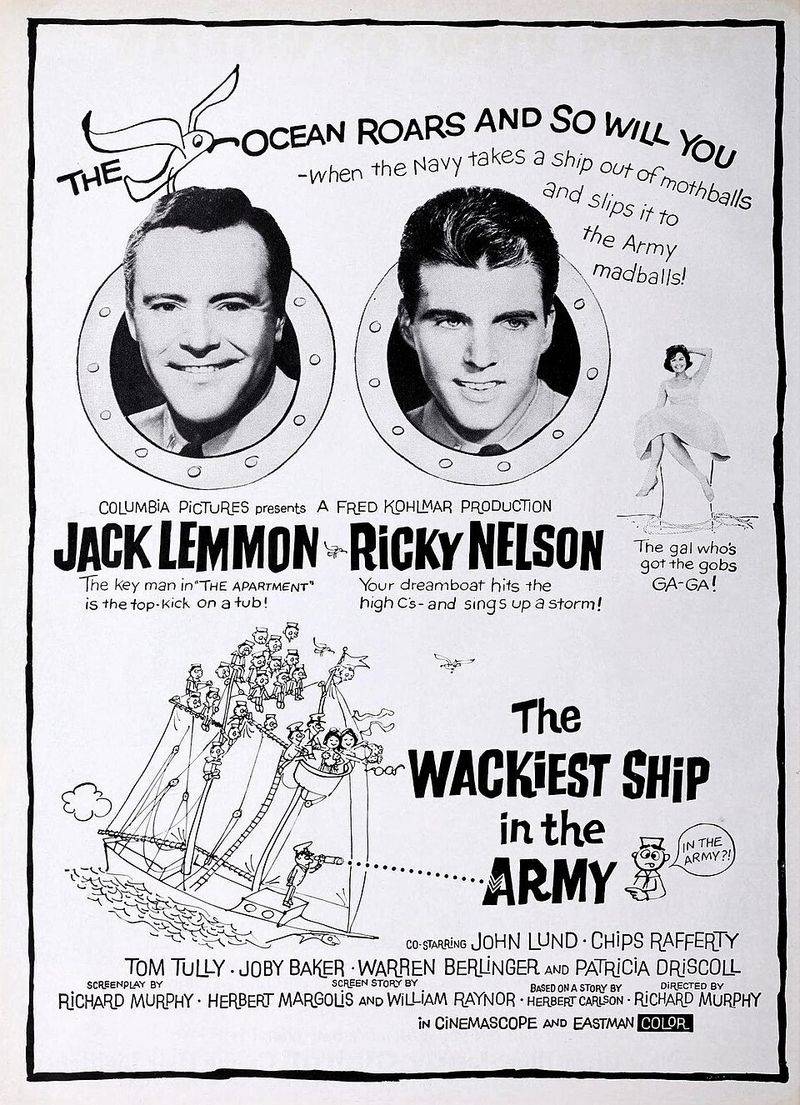
The Kiwi sailed the Pacific as the Army’s most unlikely vessel, a decrepit schooner on covert missions.
Major Simon Butcher commanded a crew that included sailors more comfortable with canvas than camouflage. Lieutenant Rip Riddle brought Navy expertise to Army operations, creating interservice confusion that somehow got results.
The ship’s condition suggested retirement more than active duty, but desperate times called for desperate vessels. Espionage and adventure mixed with mechanical failures that kept the crew improvising constantly.