14 Most Famous Figures Who Ruled The 1700s
History has never been short on larger-than-life personalities, but the 1700s delivered some real showstoppers. Kings, emperors, and revolutionary leaders rewrote borders, toppled old ideas, and built empires that still echo in classrooms and history books worldwide.
One ruler turned a frozen land into a powerhouse, while another commanded armies across continents like a real-life chess grandmaster. Crowns carried enormous responsibility, and entire nations often felt the weight of a single decision.
These leaders shaped politics, culture, and society in ways that resonate centuries later. The 1700s were defined by bold, brilliant, and occasionally baffling figures who changed everything.
Learning about their triumphs, failures, and quirks offers a vivid glimpse into a world before smartphones, satellites, and instant communication. Meet the rulers whose ambition, strategy, and personalities left a mark that still fascinates and inspires today.
1. Louis XIV of France
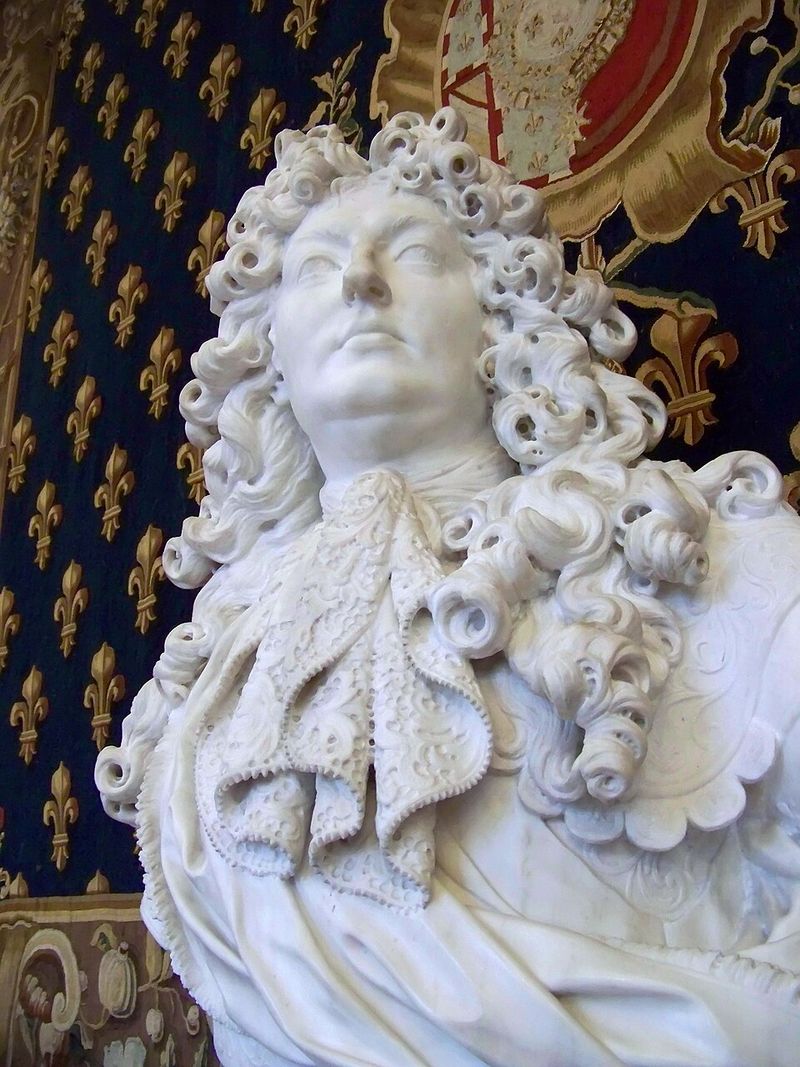
Seventy-two years on the throne sounds like a world record, and honestly, it was. No European monarch has ever ruled longer than Louis XIV of France, who took power so seriously he reportedly declared himself the state itself.
His palace at Versailles was less a home and more a jaw-dropping symbol of absolute power, all glittering chandeliers and endless golden hallways.
Louis believed kings answered only to God, not to parliaments or nobles. Yet, his lavish lifestyle drained France financially.
Still, his influence on art, architecture, and European politics was enormous. Calling him the Sun King was not just flattery, it was strategy.
2. Peter the Great of Russia
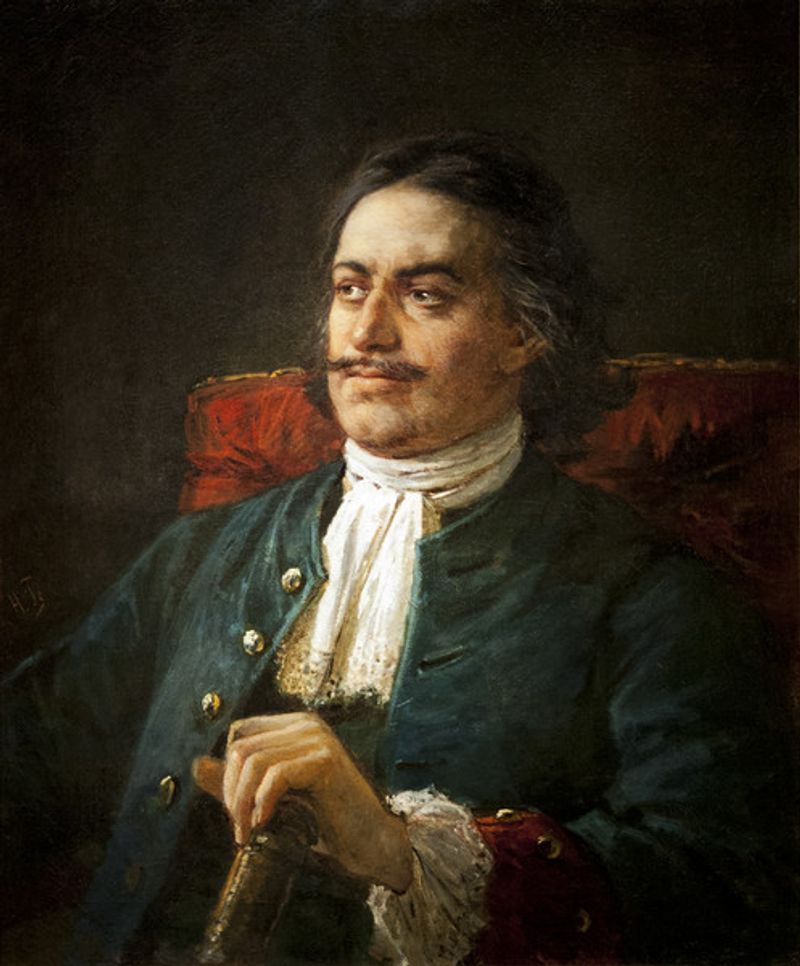
Standing nearly seven feet tall, Peter the Great was hard to miss in a crowd, or in history. Ruling Russia in the early 1700s, he made it his personal mission to drag his country into the modern age, borrowing ideas, technologies, and even fashion from Western Europe after traveling there in disguise.
He built Saint Petersburg almost from scratch, calling it his “window to the West.” Nobles were ordered to shave off traditional beards or pay a tax. Seriously.
How dedicated do you have to be to reform a nation by taxing facial hair? Incredibly dedicated, apparently.
3. Frederick the Great of Prussia
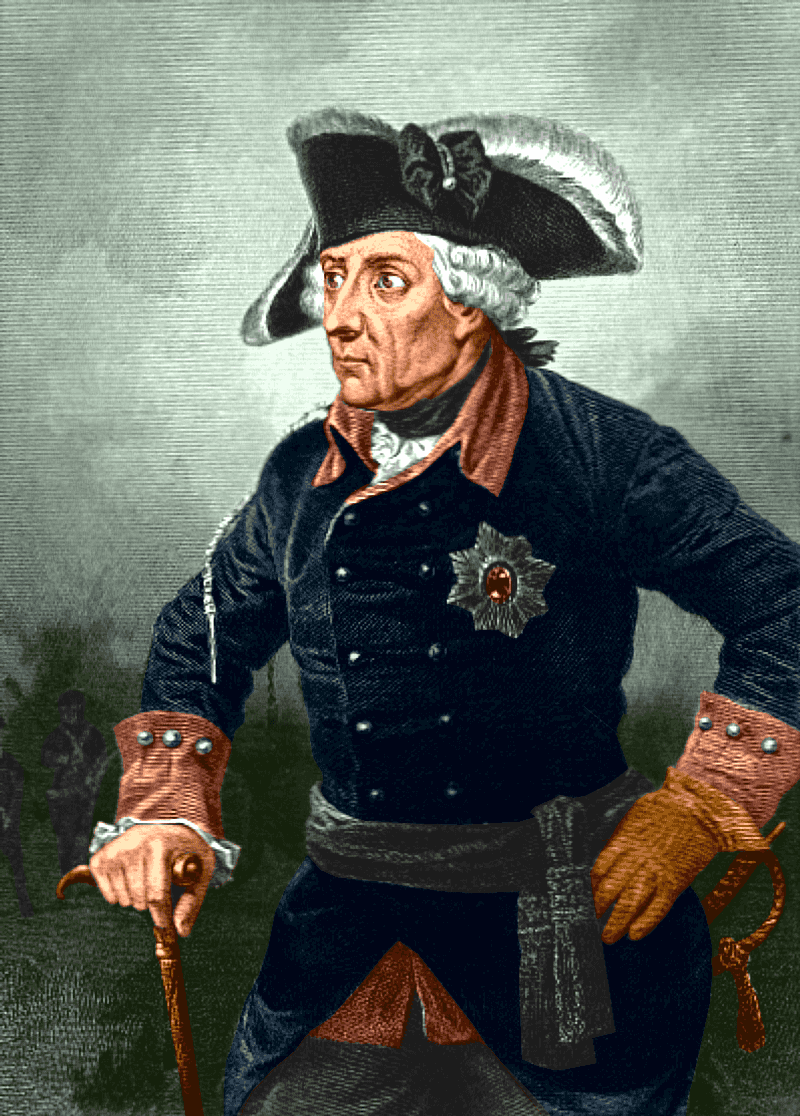
A flute-playing philosopher who also happened to be one of history’s sharpest military commanders, Frederick II of Prussia was a walking contradiction in the best possible way. He expanded Prussia’s territory significantly through bold battlefield strategies, most famously during the Seven Years War, which played out across multiple continents.
Off the battlefield, Frederick championed religious tolerance, reformed the justice system, and corresponded regularly with Enlightenment thinkers like Voltaire. If that sounds like a superhero origin story, it sort of is.
Ruling a kingdom smartly requires both brains and boldness, and Frederick had both in remarkable supply throughout his long reign.
4. Catherine the Great of Russia
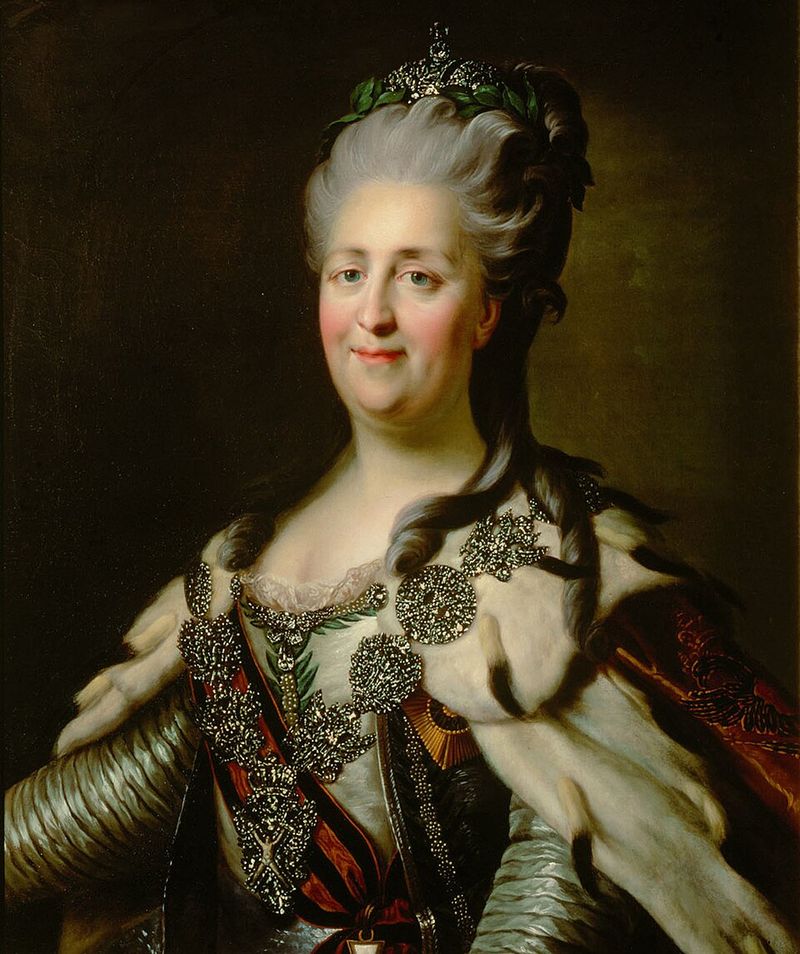
Born a German princess, Catherine II somehow ended up ruling the largest country on Earth, and ruling it brilliantly. After a palace coup removed her husband, Peter III, from power in 1762, Catherine stepped up and never looked back.
Her reign lasted 34 years and transformed Russia into a major European force.
Art, science, and education flourished under her leadership. She expanded Russian territory significantly, pushing borders into Crimea and parts of Poland.
Correspondence with Enlightenment philosophers like Voltaire showed her intellectual side. Serfdom also worsened during her rule, a complicated chapter in an otherwise remarkable story of ambition meeting opportunity.
5. George Washington
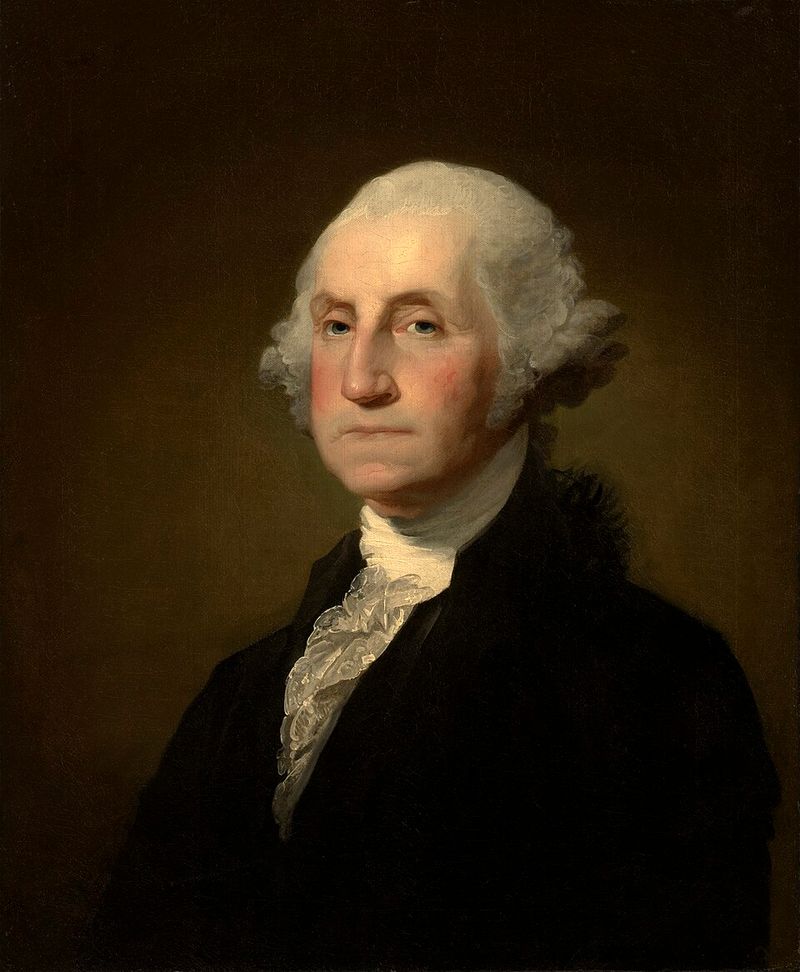
Before becoming the first President of the United States, George Washington was already a legend on the battlefield. Leading the Continental Army against the most powerful military force of the era, the British Empire, was no small assignment.
Somehow, against all odds, Washington kept his ragtag army together through brutal winters and crushing defeats.
Victory at Yorktown in 1781 sealed American independence. After the war, Washington could have become a king, and some people actually suggested it.
He said no, stepped aside, and set a democratic precedent that still defines American leadership. Choosing restraint over power?
Now that is genuinely impressive stuff.
6. Napoleon Bonaparte
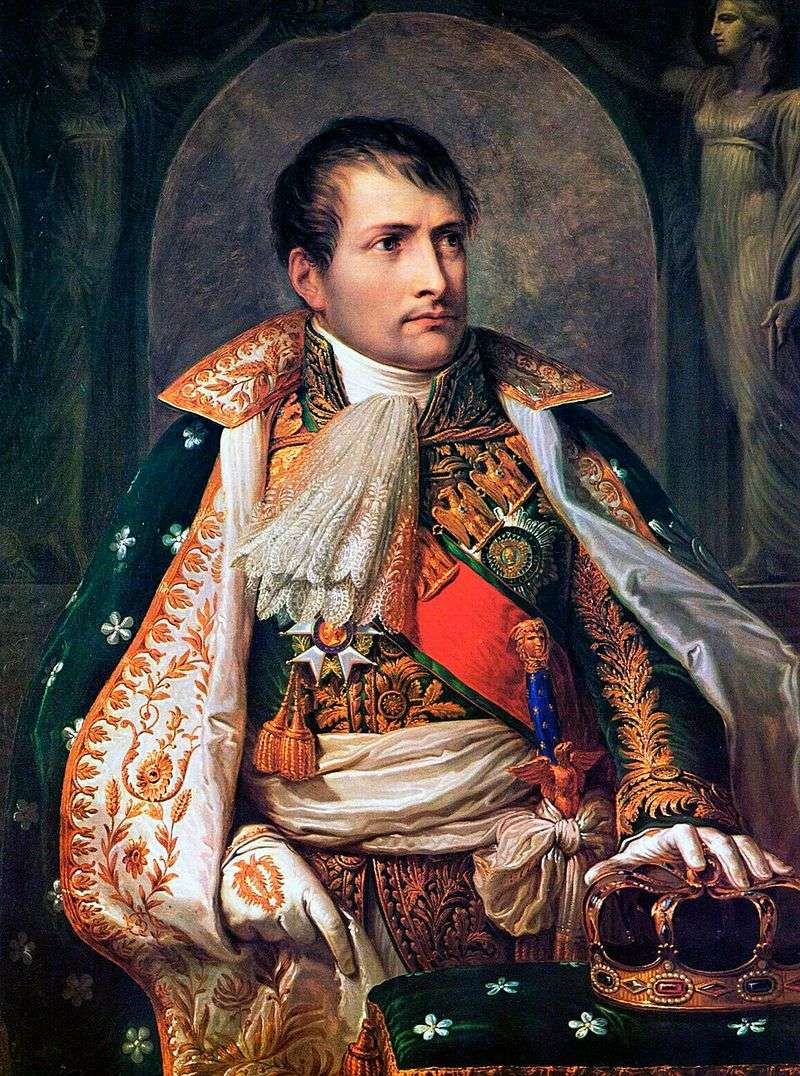
Short in stature, enormous in ambition, Napoleon Bonaparte rewrote the map of Europe before most people had even figured out their careers. Rising through military ranks during the chaos of the French Revolution, he crowned himself Emperor of France in 1804, a move so bold it left the entire continent speechless.
Military campaigns swept across Europe, rewriting borders and toppling monarchies. Legal reforms introduced the Napoleonic Code, still influencing laws in many countries.
The disastrous invasion of Russia in 1812 began his downfall. Exiled twice, he passed away on the remote island of Saint Helena in 1821.
Few stories in history hit harder or faster.
7. Maria Theresa of Austria
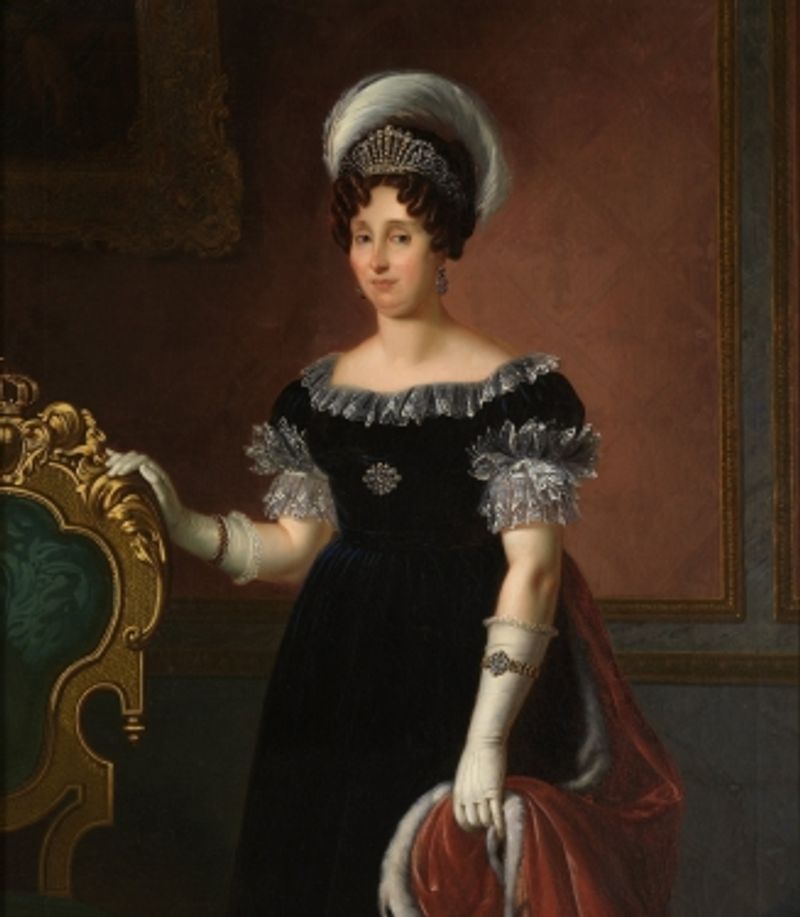
Ruling the Habsburg Empire at a time when female monarchs were practically unheard of, Maria Theresa proved every skeptic spectacularly wrong. Becoming ruler in 1740 at just 23, she immediately faced wars from neighboring rulers who assumed a young woman would be easy to push around.
Big mistake.
Maria Theresa fought back fiercely, preserved most of her empire, and then spent decades reforming it. Education, taxation, and military organization all improved significantly under her steady hand.
A mother of sixteen children while running a major European empire, her multitasking skills were honestly superhero-level. Historians consistently rank her among the most capable rulers of the entire century.
8. Emperor Kangxi of China
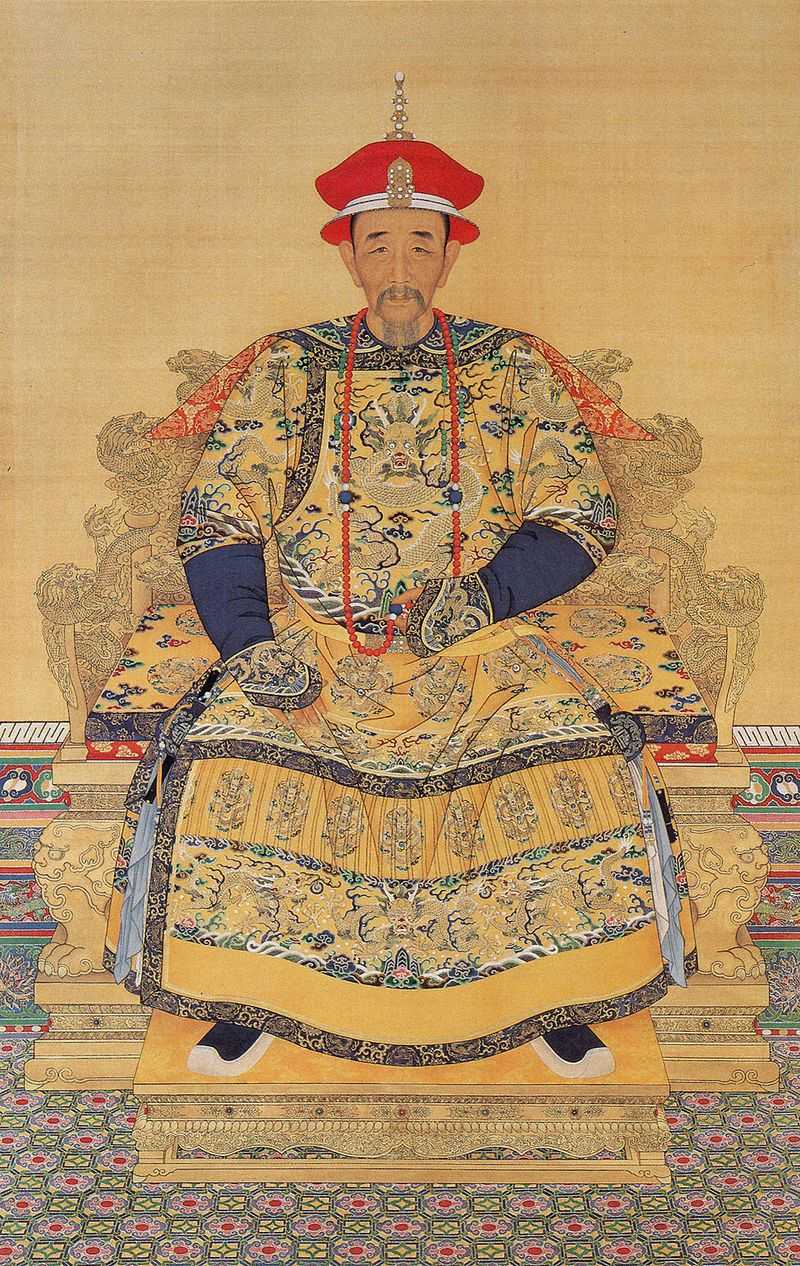
Sixty-one years on the throne made Emperor Kangxi one of the longest-ruling monarchs in Chinese history, and arguably one of the most accomplished anywhere on Earth during the 1700s. Taking power at age seven and ruling independently from his late teens, Kangxi consolidated Qing dynasty control across an enormous territory.
Military campaigns brought Taiwan, Mongolia, and parts of Central Asia under Chinese rule. Kangxi was equally passionate about scholarship, personally writing poetry and studying Western science brought by Jesuit missionaries.
A ruler who fought battles and wrote poems? Absolutely a historical multitasker.
His reign set the foundation for over a century of Qing prosperity.
9. Emperor Qianlong of China
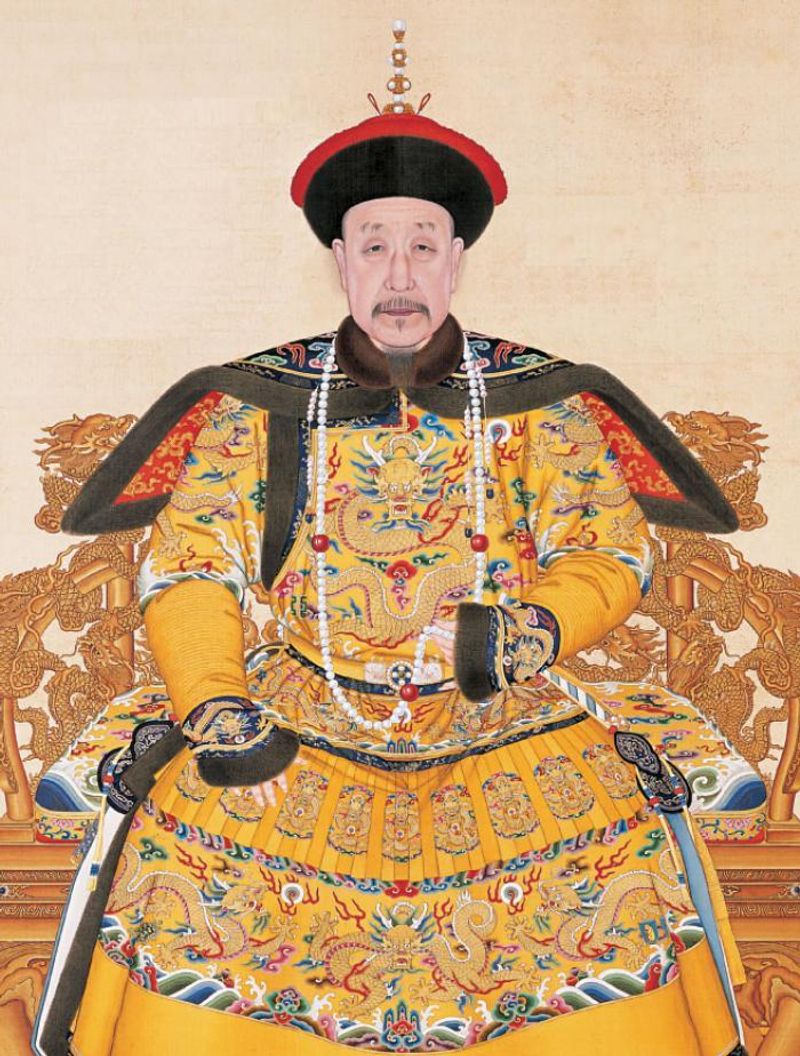
If confidence had a historical mascot, Emperor Qianlong might just claim the title. Ruling China for 60 official years before voluntarily stepping down to avoid surpassing his grandfather Kangxi’s record, Qianlong oversaw a peak of Qing dynasty power and cultural brilliance that left historians genuinely dazzled.
Art collections, poetry, military campaigns, and territorial expansion all defined his long reign. China grew to its largest size in history under his leadership.
Qianlong also resisted foreign trade and influence, a decision that planted seeds of future challenges. Still, during his lifetime, China was arguably the wealthiest and most populated nation on the planet.
Hard to argue with results.
10. George III of Great Britain
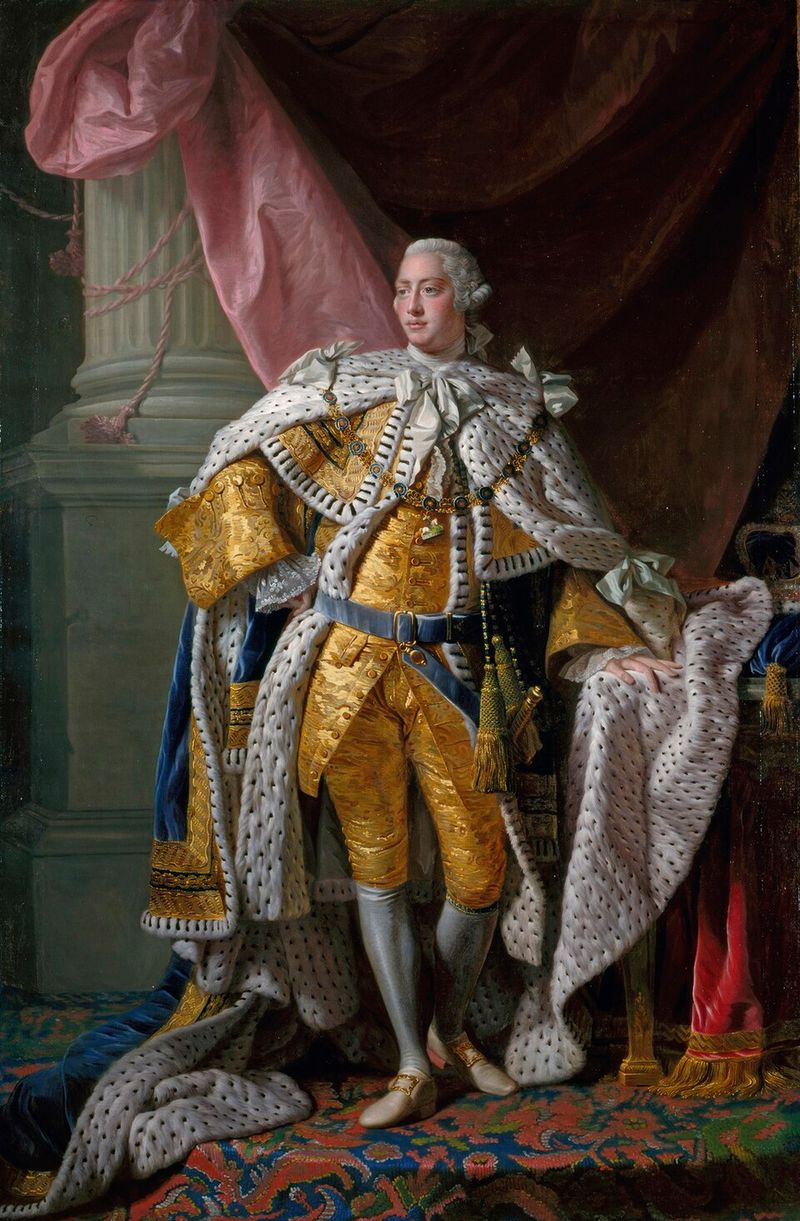
King George III had the unfortunate historical timing of ruling Britain during two of its most turbulent events: the American Revolution and the Napoleonic Wars. Losing thirteen American colonies was a massive blow, though British power still expanded elsewhere during his reign, particularly in India and Australia.
Later in life, George suffered serious mental illness, possibly caused by a blood disorder called porphyria, which led to periods of confusion and erratic behavior. His son eventually took over as regent.
Despite personal struggles and political setbacks, George III reigned for 59 years, making him one of Britain’s longest-serving monarchs. History has judged him both harshly and sympathetically, sometimes simultaneously.
11. King Charles XII of Sweden
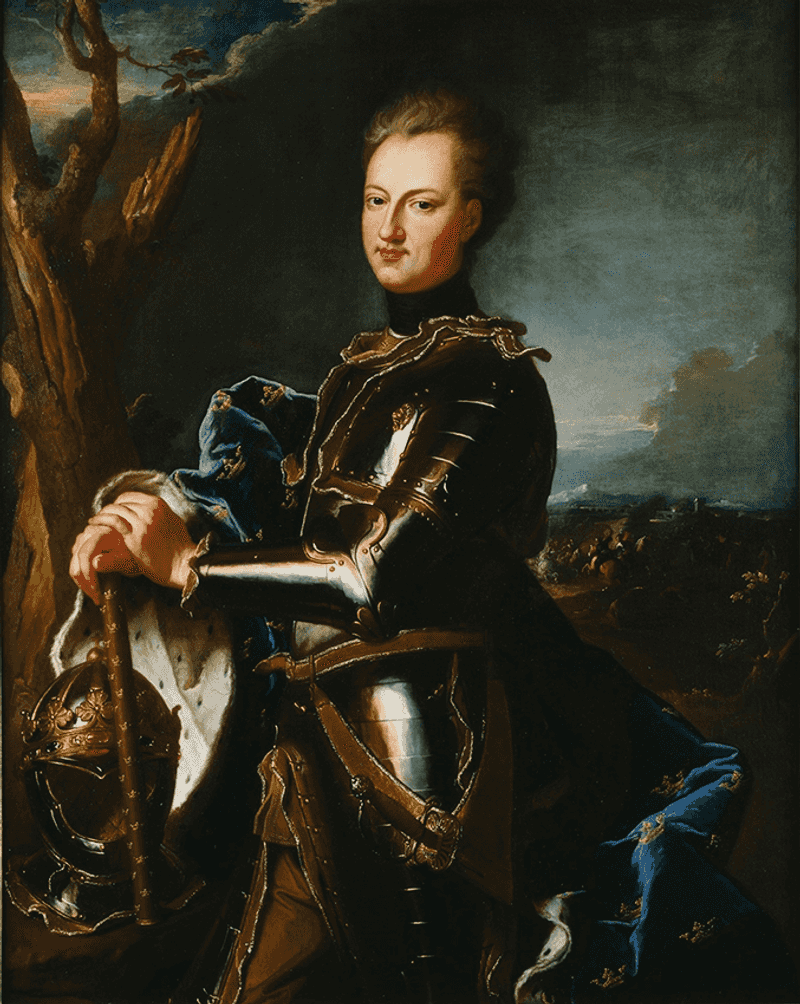
Crowned King of Sweden at just 15, Charles XII spent almost his entire reign on the battlefield, earning a reputation as one of the most daring military commanders of the 1700s. Early victories against Denmark, Poland, and Russia seemed almost effortless, turning a young king into a feared legend across Europe.
However, the catastrophic defeat at the Battle of Poltava in 1709 against Peter the Great shattered Swedish dominance in Northern Europe. Charles spent years in exile before returning to fight again.
A stray bullet ended his life in 1718 during a siege in Norway. Bold, fearless, and ultimately tragic, his story reads almost like a dramatic action film.
12. King Philip V of Spain
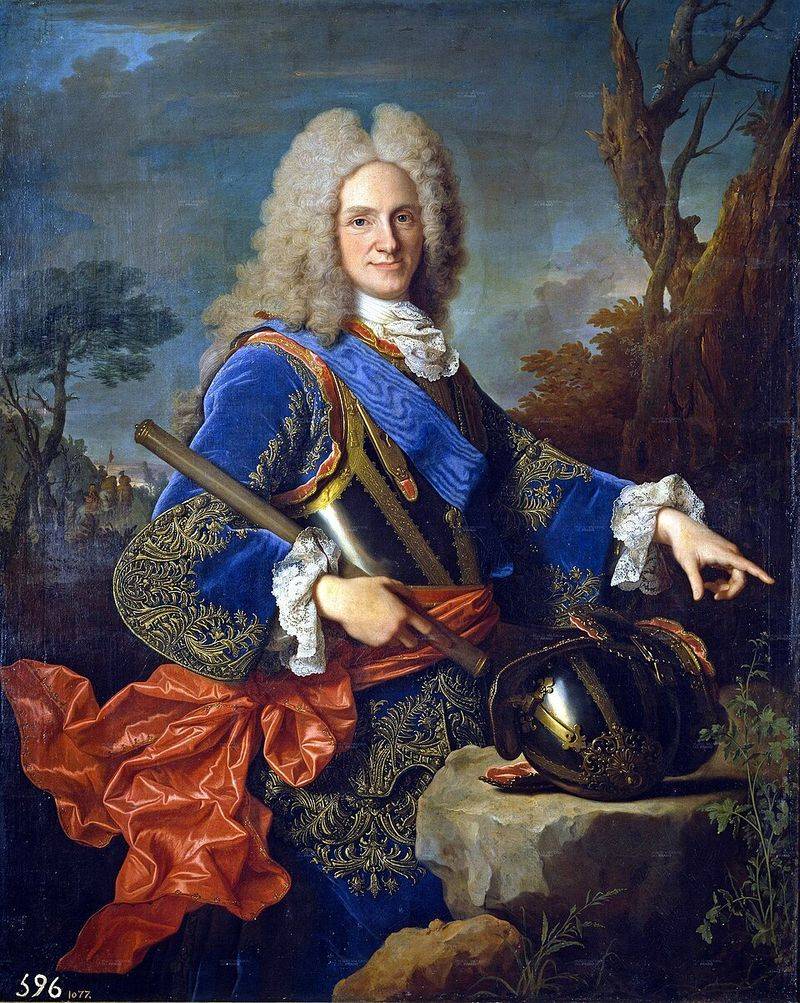
Becoming Spain’s first Bourbon king in 1700 was not exactly a smooth transition. Philip V’s claim to the Spanish throne sparked the War of the Spanish Succession, pulling in nearly every major European power and lasting over a decade.
Not the warmest welcome for a new monarch.
Despite the turbulent start, Philip ruled for 46 years, introducing French-style administrative reforms that centralized Spanish government. He also struggled deeply with depression, reportedly refusing to change clothes for months during low periods.
His second wife, Elisabeth Farnese, wielded enormous political influence behind the scenes. How much did she shape policy?
Historians still debate it, and the answer is probably quite a lot.
13. King George II of Great Britain
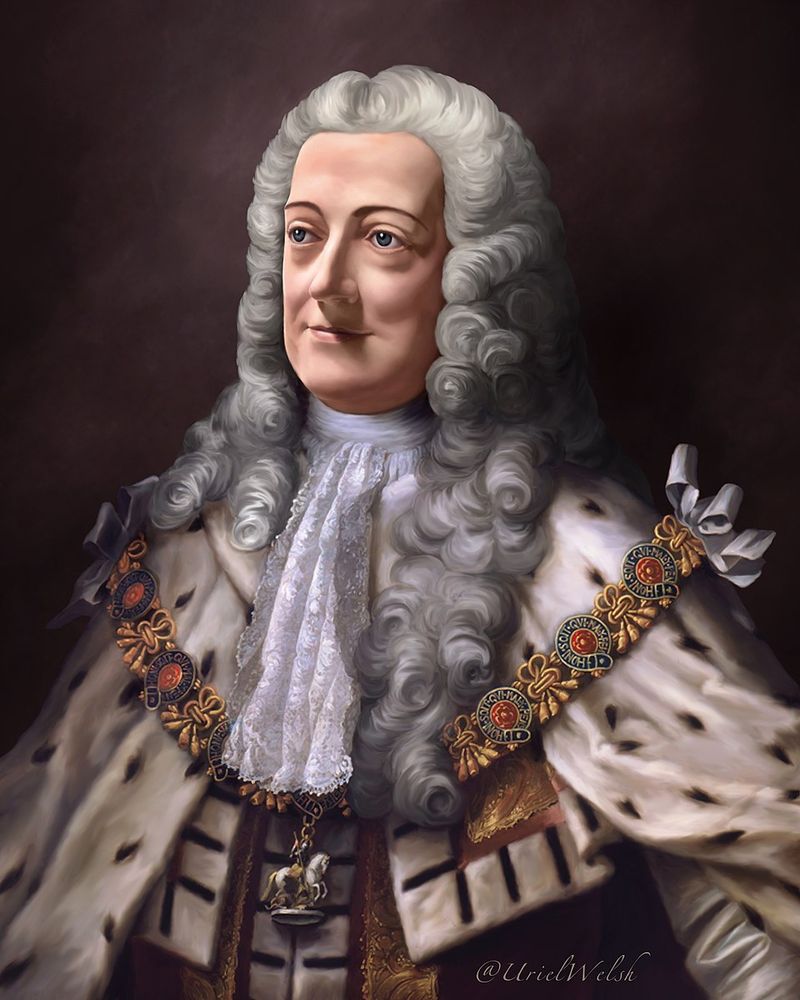
Holding the curious distinction of being the last British monarch born outside Great Britain, George II came into the world in Hanover, Germany, and never entirely lost his German accent or sensibilities. Taking the throne in 1727, his reign was defined by near-constant warfare across multiple continents.
The War of the Austrian Succession and the Seven Years War both erupted during his rule, reshaping global power dynamics significantly. George II was also the last British monarch to personally lead troops in battle, fighting at Dettingen in 1743, sword in hand.
If that image does not impress you, perhaps nothing will. His reign quietly made Britain a dominant world power.
14. Tokugawa Tsunayoshi of Japan
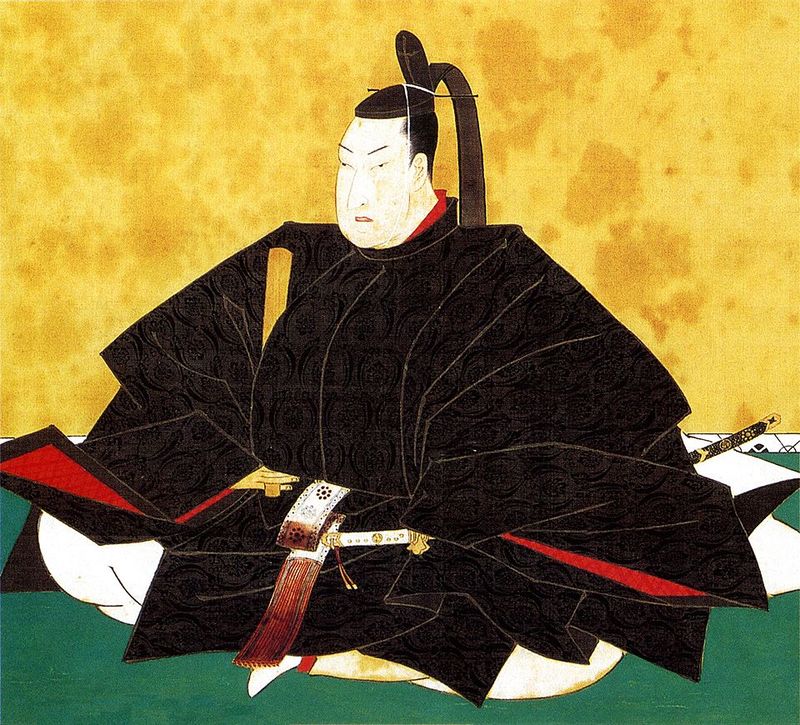
Running Japan as its fifth Tokugawa shogun, Tsunayoshi ruled during a fascinating and occasionally bizarre chapter of Japanese history. Coming to power in 1680, he promoted Confucian values and education, earning early praise as an enlightened ruler.
Scholars and artists flourished under his patronage during this period.
Tsunayoshi became infamous for his Laws of Compassion, a series of edicts protecting animals, especially dogs, so strictly that harming a dog could mean exile or termination. Critics nicknamed him the Dog Shogun, not affectionately.
Still, his policies revealed deep philosophical beliefs about life and compassion. Few rulers have ever generated such wildly mixed historical reviews for such unusual reasons.