11 Movie And TV Moments That Totally Trick You
Ever watched a movie and realized the ending completely outsmarted you? Filmmakers are masters of misdirection, carefully hiding clues in plain sight and flipping the story just when it seems fully understood.
Some of cinema’s most memorable twists rely on subtle illusions, planting red herrings, misremembered quotes, or hints hidden in the very first scene. These clever tricks make even the sharpest viewers feel delightfully fooled, proving that great storytelling often rewards attention to detail.
Every layer, every subtle visual cue, and every line of dialogue can be part of a carefully constructed puzzle. Spotting these hidden elements transforms a familiar movie into an entirely new experience, adding depth and appreciation for the craft behind the camera.
Once noticed, the magic of filmmaking becomes even more apparent, and rewatching favorite films turns into a thrilling hunt for the secrets that were hiding in plain sight all along.
1. The Others (2001) Ghost Twist
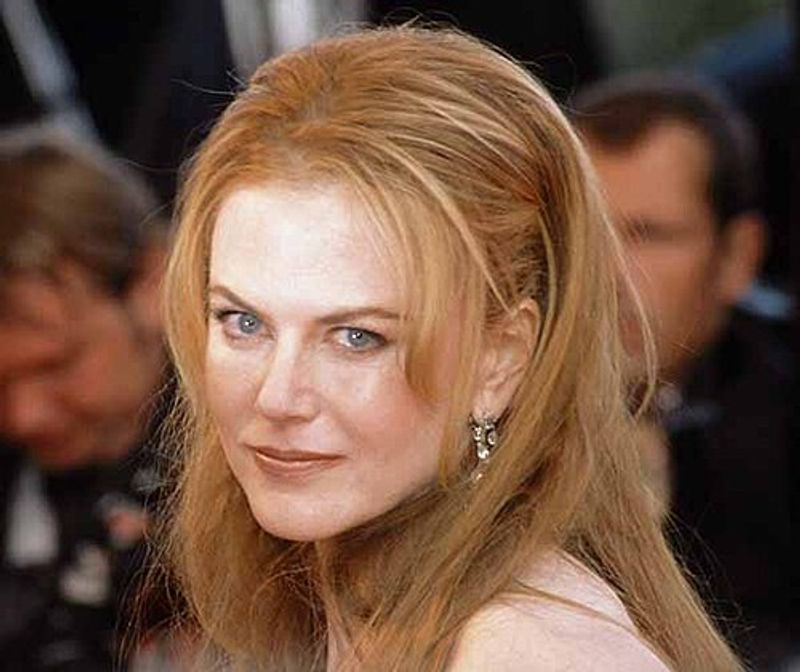
Audiences spent the entire film convinced Nicole Kidman’s character was being haunted by terrifying intruders. Every creaking floorboard, every locked door, every strange sound pointed straight toward a classic ghost story setup.
Viewers were completely fooled.
However, the jaw-dropping reveal flips everything upside down: Grace and her children are actually the ghosts themselves. The “intruders” were simply the living family trying to reclaim their home.
Suddenly, every earlier scene rewrites itself in your memory.
Watching a second time feels like an entirely different movie. Director Alejandro Amenabar masterfully planted every clue in clear view, trusting audiences to miss them completely.
2. The Prestige (2006) Cloning Reveal
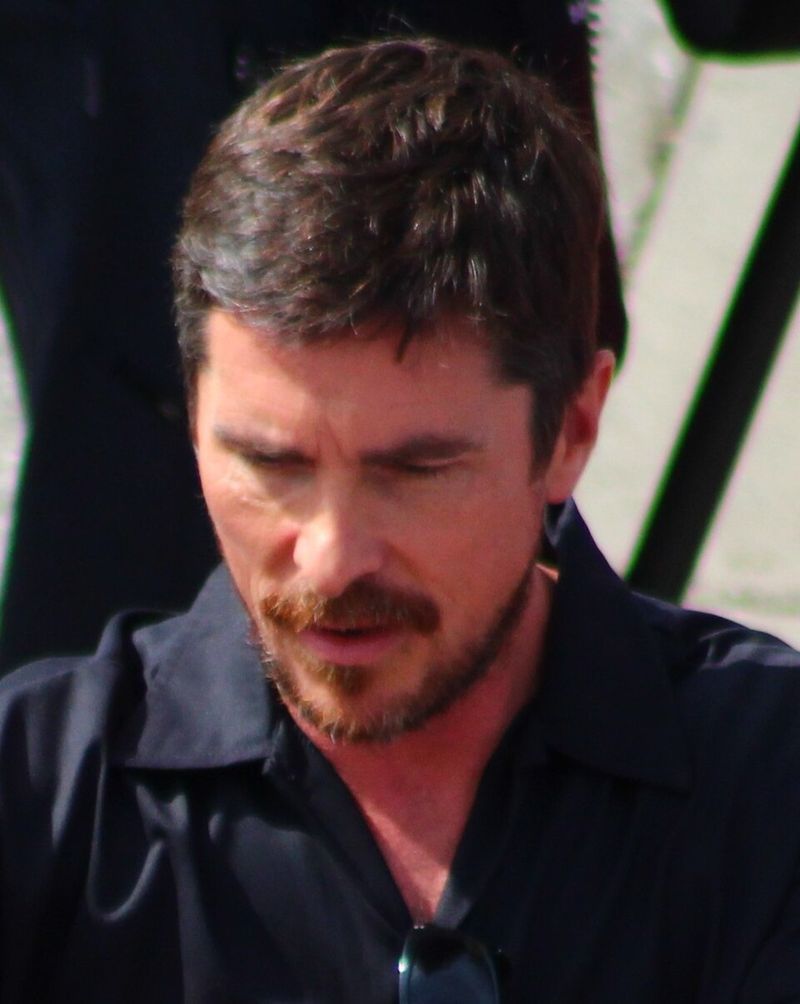
Christopher Nolan basically dared audiences to pay attention, and most still missed it entirely. Alfred Borden and Robert Angier compete to perform the ultimate magic trick, a man teleporting across a stage instantly.
Sounds impossible, right?
The secret hiding in plain sight is wild: Angier used actual cloning technology, drowning a copy of himself every single night just to take a bow. Meanwhile, Borden was secretly a twin all along, sharing one identity.
Both answers were whispered in the very first scenes. Nolan practically handed viewers the solution, wrapped it in misdirection, and watched everyone miss it anyway.
Magicians would be proud.
3. Planet Of The Apes (1968) Earth Ending
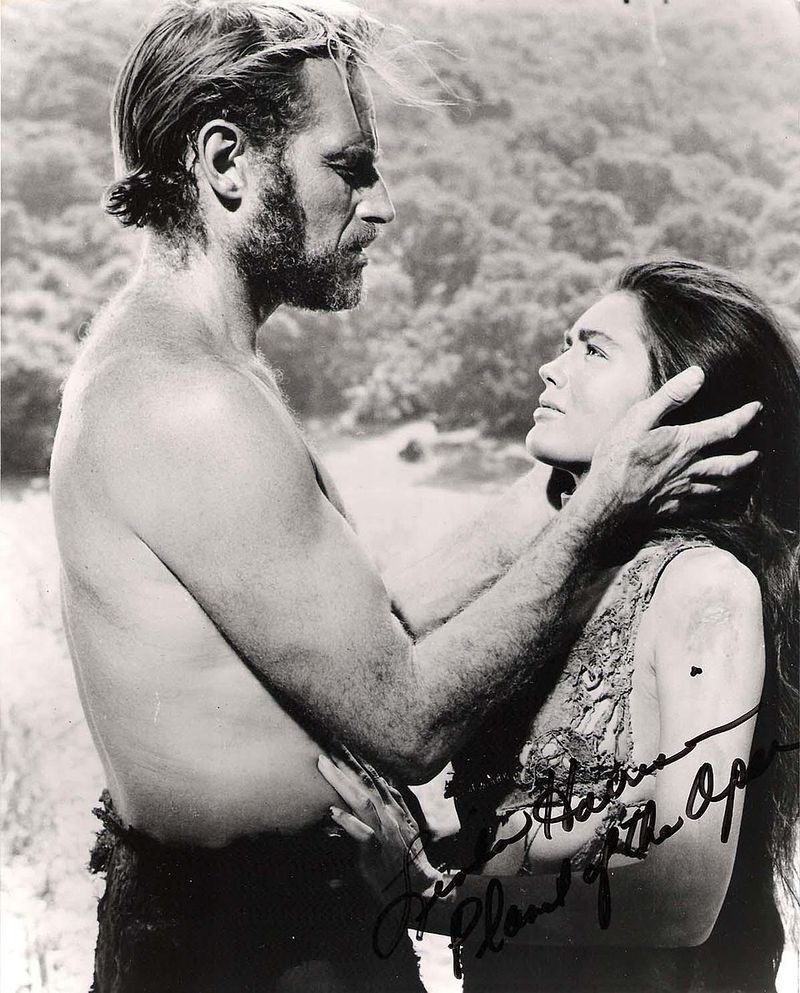
Charlton Heston’s astronaut character crashes on what appears to be a completely alien world where apes rule and humans are treated like animals. For nearly two hours, audiences accepted it as straightforward science fiction adventure.
Then came one of cinema’s most legendary final shots: a crumbling Statue of Liberty buried in the sand. The shocking truth hits hard.
He never left Earth at all. Humanity had destroyed itself, and civilization had collapsed completely.
Few endings in film history pack such a gut-punch of irony. The audience was tricked because they trusted the character’s perspective entirely, never questioning what planet actually surrounded him.
4. Pikachu’s Tail Color Mandela Effect
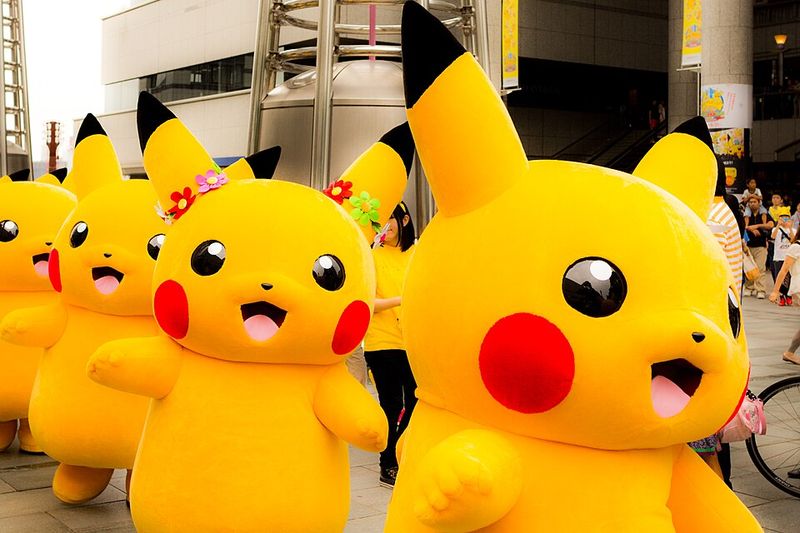
Ask almost anyone, and a huge number of people will confidently insist Pikachu has a black-tipped tail. It feels so real, so vivid, so absolutely certain in collective memory.
Except it simply never happened.
Pikachu’s tail has always been completely solid yellow, no black tip anywhere. Every episode, every trading card, every official artwork confirms it.
Yet millions of people share this identical false memory, a classic example of what researchers call the Mandela Effect.
How does a detail so specific get implanted into so many minds simultaneously? Possibly confusion arose because Pikachu’s ears do have black tips.
Close, but not quite the same thing at all.
5. Snow White Mirror Quote Misremembered
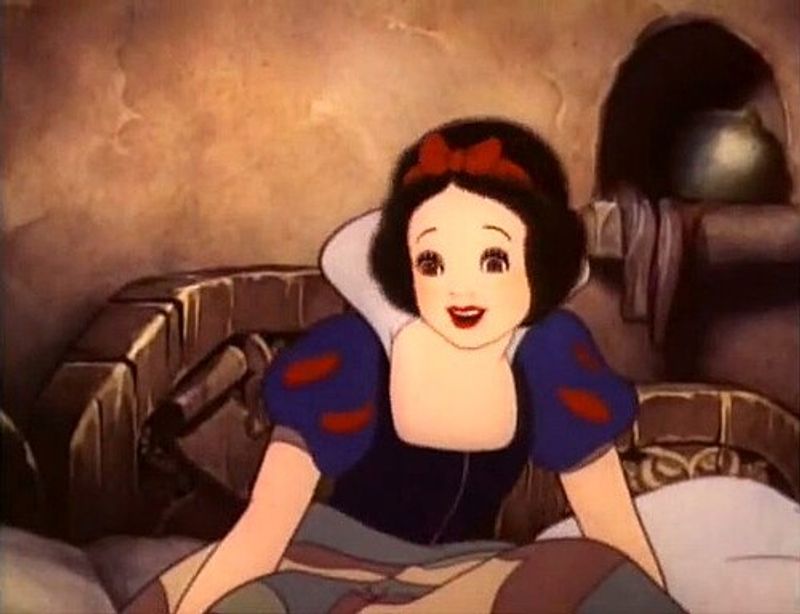
Say it out loud: “Mirror, mirror on the wall, who’s the fairest of them all?” Feels perfectly right, doesn’t it? Almost every person on Earth would bet money on that quote being exact.
Surprise! In Disney’s original 1937 animated film, the Evil Queen actually says “Magic mirror on the wall.” Not mirror, mirror.
Magic mirror. Two completely different words, yet virtually nobody remembers it correctly.
Somehow, the misquoted version became so culturally embedded across parodies, Halloween costumes, and casual conversations that it buried the real line. Sometimes pop culture rewrites history more effectively than the original creators ever could.
Wild stuff.
6. Fight Club Tyler Durden Reveal
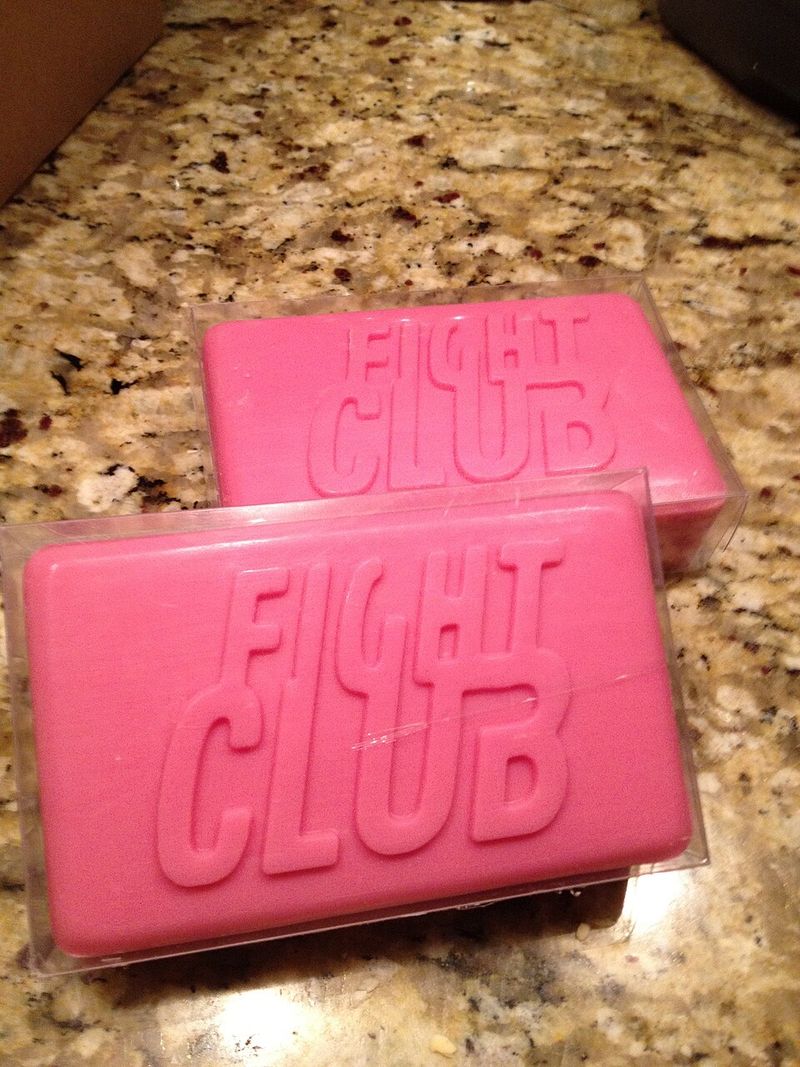
For most of Fight Club, audiences assume they are watching two very different men navigate a chaotic underground world together. Edward Norton’s unnamed narrator and Brad Pitt’s magnetic Tyler Durden seem like total opposites sharing one wild adventure.
The bombshell drops hard: Tyler Durden is not real. He is a dissociated alternate personality living inside the narrator’s own mind.
Every scene featuring both characters together suddenly becomes physically impossible and brilliantly recontextualized.
Director David Fincher planted visual clues throughout, including brief single-frame flashes of Tyler appearing before the narrator “meets” him. Most viewers catch none of it.
A second viewing feels like solving a puzzle you already failed spectacularly.
7. Psycho Marion Crane Passing Away Fake-Out
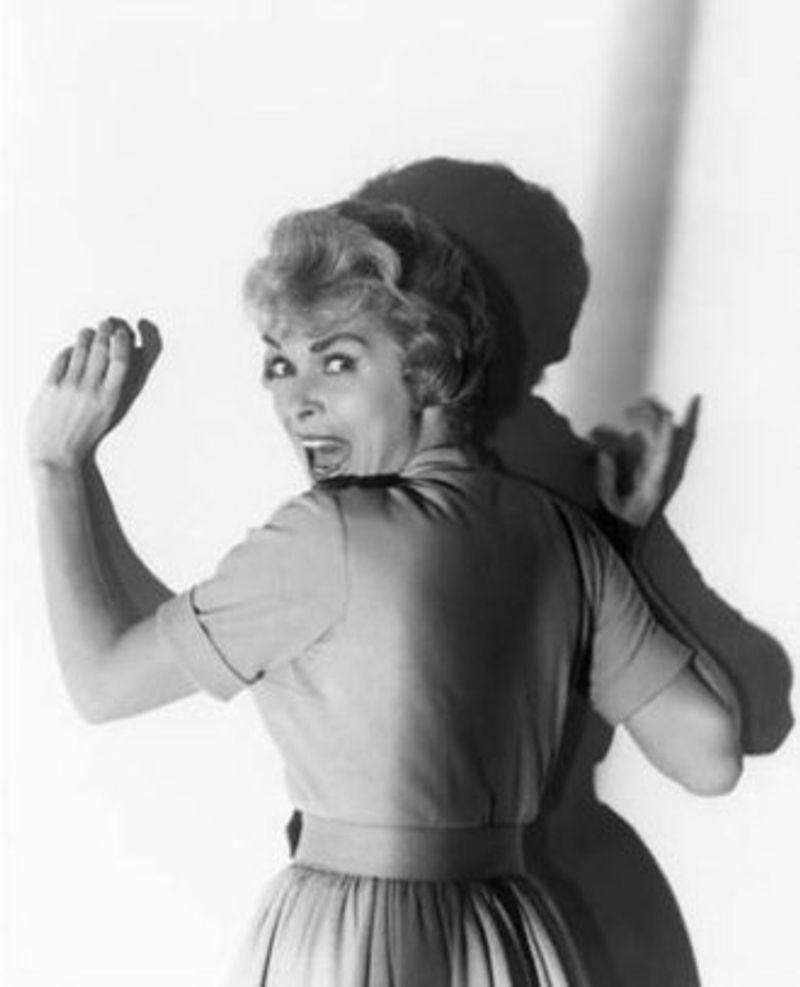
Alfred Hitchcock committed what may be cinema’s boldest misdirection ever. Marion Crane, played by Janet Leigh, is clearly set up as the main character of Psycho.
Audiences follow her story, root for her escape, and invest completely in her survival.
Shockingly, Hitchcock ends her off in the famous shower scene less than halfway through the film. Audiences in 1960 were absolutely stunned.
Main characters simply did not pass away that early. Ever.
Hitchcock even required theaters to enforce strict no-late-entry policies so nobody could walk in after the twist and accidentally ruin it. Brilliant manipulation of audience expectations, wrapped in pure cinematic nerve.
Nobody saw it coming.
8. Breaking Bad Ozymandias Misdirection
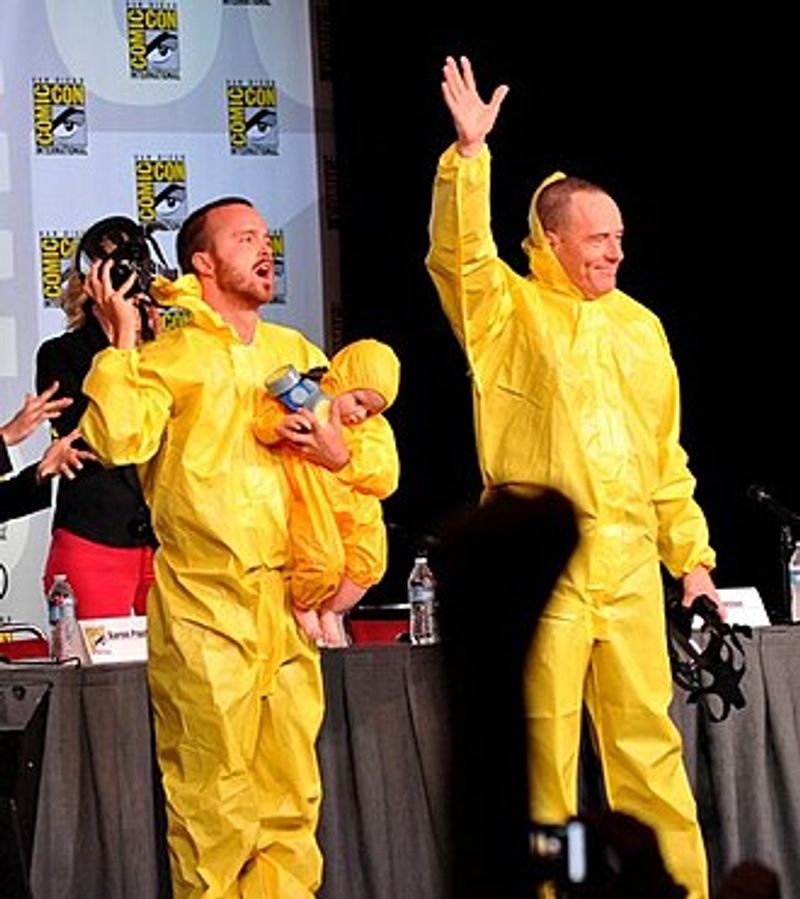
Breaking Bad spent five seasons carefully building Walter White as the central protagonist audiences could follow, even root for, despite his increasingly dark choices. By the time Ozymandias aired, most viewers still believed Walt might find a way out.
Instead, the episode delivered a catastrophic emotional gut-punch. Hank died.
Walt’s family fell apart. Everything he built crumbled spectacularly in under an hour.
The show had tricked viewers into rooting for a villain all along.
Creator Vince Gilligan famously described the show as turning Mr. Chips into Scarface. Audiences were so invested in Walt’s survival that many missed how completely monstrous he had already become.
A masterclass in slow-burn audience manipulation.
9. Game Of Thrones Red Wedding Shock

George R.R. Martin and showrunners David Benioff and D.B.
Weiss had spent three seasons training audiences to expect main characters to survive. Sure, Ned Stark died in season one, but surely that was a one-time shock lesson, right?
Wrong. The Red Wedding arrived in season three and obliterated every safety assumption viewers carried.
Robb Stark, his pregnant wife Talisa, and his mother Catelyn were all gone in a single devastating scene. Audiences genuinely wept, screamed, and posted reaction videos that went completely viral.
What made it brilliant misdirection was the false sense of safety created by wedding celebrations. Happiness in Westeros, it turns out, is almost always a warning sign.
Nobody learned fast enough.
10. Shutter Island Sanatorium Deception
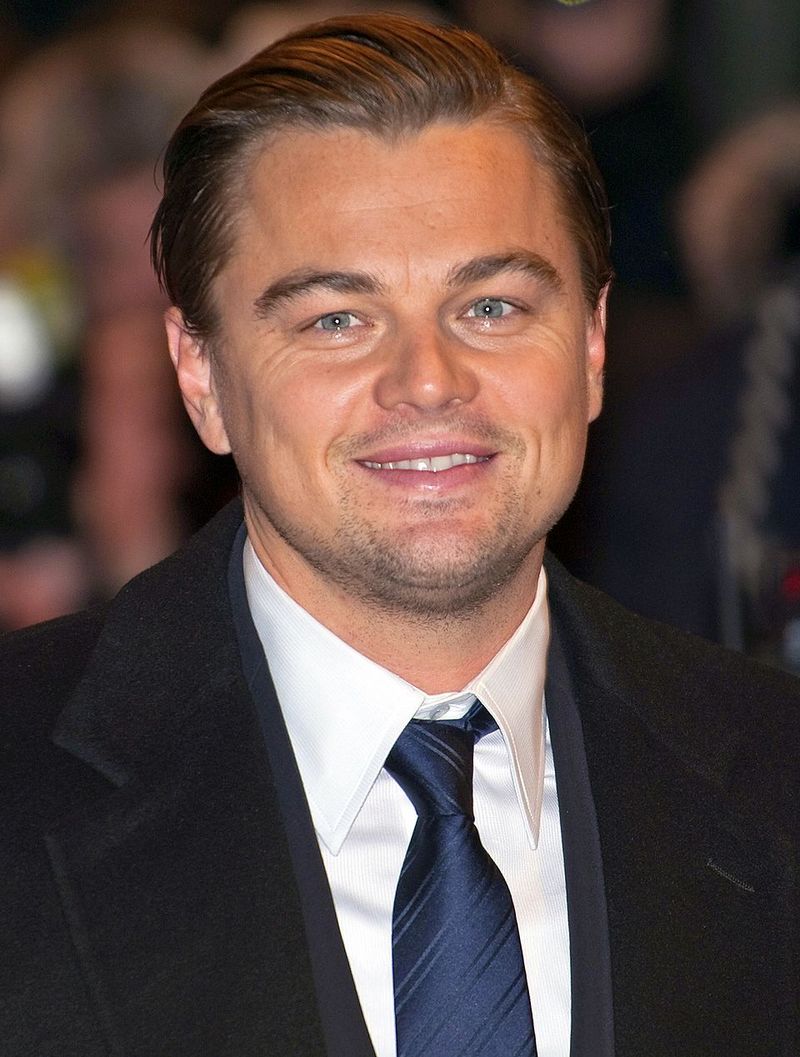
Leonardo DiCaprio plays U.S. Marshal Teddy Daniels investigating a disappearance at a remote psychiatric facility in Shutter Island.
For nearly two hours, audiences follow a tense, moody mystery built around the island’s dark secrets and suspicious staff members.
However, the entire investigation was an elaborate role-play designed by doctors to help Teddy confront his own devastating truth: he IS a patient, not a marshal. He ended his wife’s life after she drowned their three children.
His mind invented the investigation as a coping mechanism.
Director Martin Scorsese hid clues in plain sight throughout. Character names were anagrams.
Visual details whispered the truth quietly. Most viewers, fully absorbed in the mystery, never stopped to check.
11. Toy Story Andy’s Room Perspective Trick
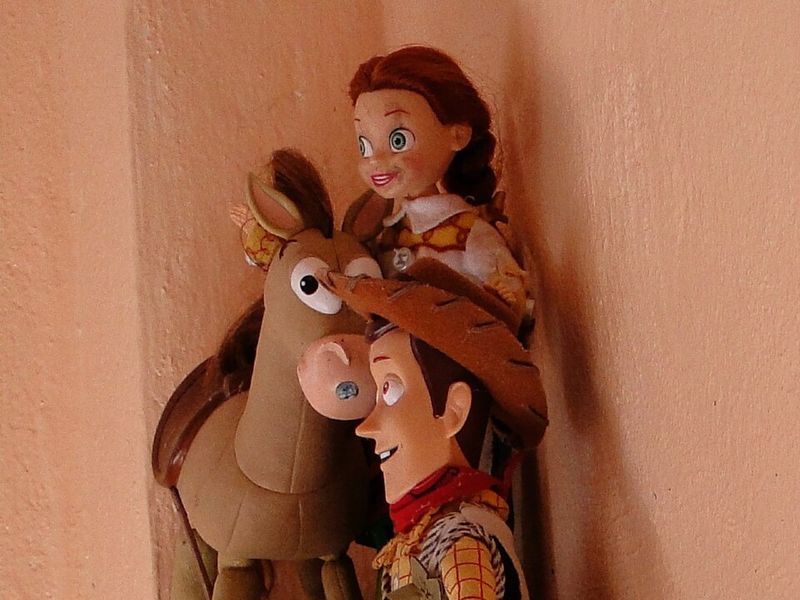
Pixar pulled off something sneaky right from the very first Toy Story scene in 1995. When Woody and Buzz interact inside Andy’s room, everything looks perfectly normal sized and proportioned, at least until a human walks in.
Suddenly, every object snaps into true perspective. Viewers had been unconsciously accepting the toys’ scale as the room’s natural size.
Pixar deliberately kept camera angles low and tight to maintain the illusion for as long as possible.
It sounds simple, but it fundamentally rewired how audiences experienced the film’s world. By making viewers emotionally adopt the toys’ perspective so naturally, Pixar guaranteed nobody ever questioned whether plastic figures could actually feel friendship.
Sneaky geniuses, all of them.