14 Movie And TV Villains Who Weren’t Evil, Just Written Into the Wrong Story
Not every villain shows up cackling with a dramatic soundtrack and a flair for chaos. Sometimes the so called bad guy feels more like the character who got the short end of the script, handed a role that screams conflict instead of understanding.
Hollywood loves a standout antagonist, the kind who keeps things interesting, but zoom in and the story often flips. Think Magneto in X Men, Loki in Thor, or Killmonger in Black Panther, characters who carry pain, history, and motivation that hit deeper than any one liner.
Some are protecting something sacred, others are chasing belonging, and a few are reacting to a world that pushed first. Suddenly the label villain starts to feel a little too simple.
These are the characters that spark debates, fuel fan theories, and inspire endless rewatches. They blur the line between hero and antagonist, making every scene feel layered and a bit more human.
Scroll through and explore the misunderstood icons, because sometimes the real villain is the story that never gave them a fair shot and that is where the lore gets truly interesting.
1. Severus Snape (Harry Potter Series)
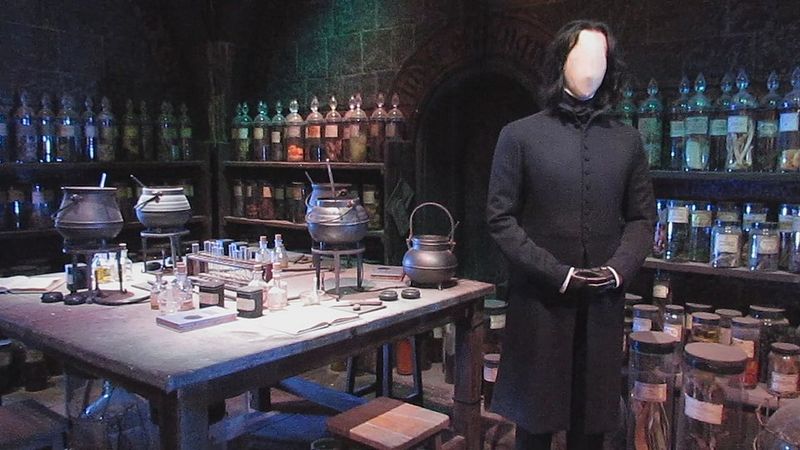
Cold eyes, a sharp tongue, and a reputation that made Hogwarts students shiver. Snape looked every bit the villain for six whole books and films.
Yet underneath all that bitterness lived a man who chose love over power, quietly protecting a boy he never even liked.
Every cruel word Snape said served a purpose far bigger than the scene. His double-agent role was one of fiction’s most jaw-dropping reveals.
J.K. Rowling confirmed his entire arc was planned from the very beginning.
If any character deserved a rewrite into the hero column, Snape earned it spectacularly.
2. Maleficent (Maleficent, 2014)
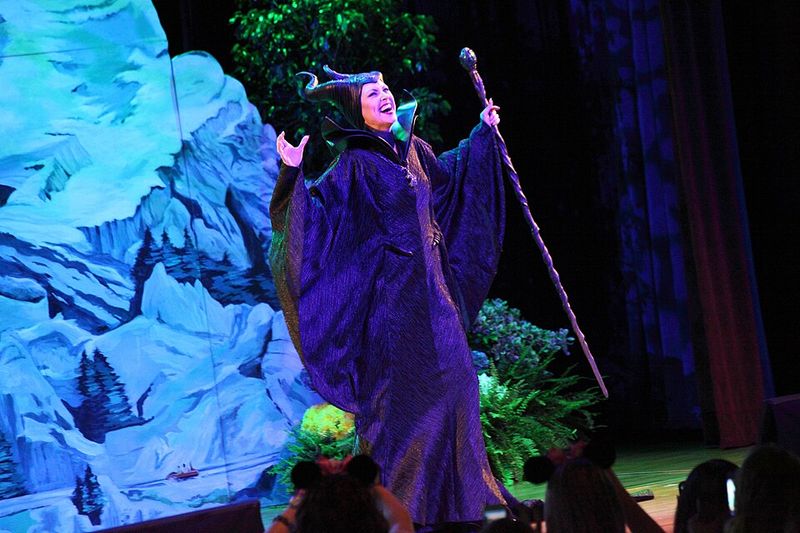
Before the 2014 film gave her a backstory, Maleficent was simply the scariest fairy in Disney history. One curse, one spinning wheel, and audiences had all the proof needed to call her pure evil.
But the full picture told a completely different story.
Betrayed by someone she loved, stripped of her wings, and left broken, the curse was grief wearing a villain’s mask. Angelina Jolie brought raw emotion to a character who had been misread for decades.
Maleficent did not curse Aurora out of cruelty. She lashed out because nobody warned her how badly trust could shatter.
3. Darth Vader (Star Wars Saga)
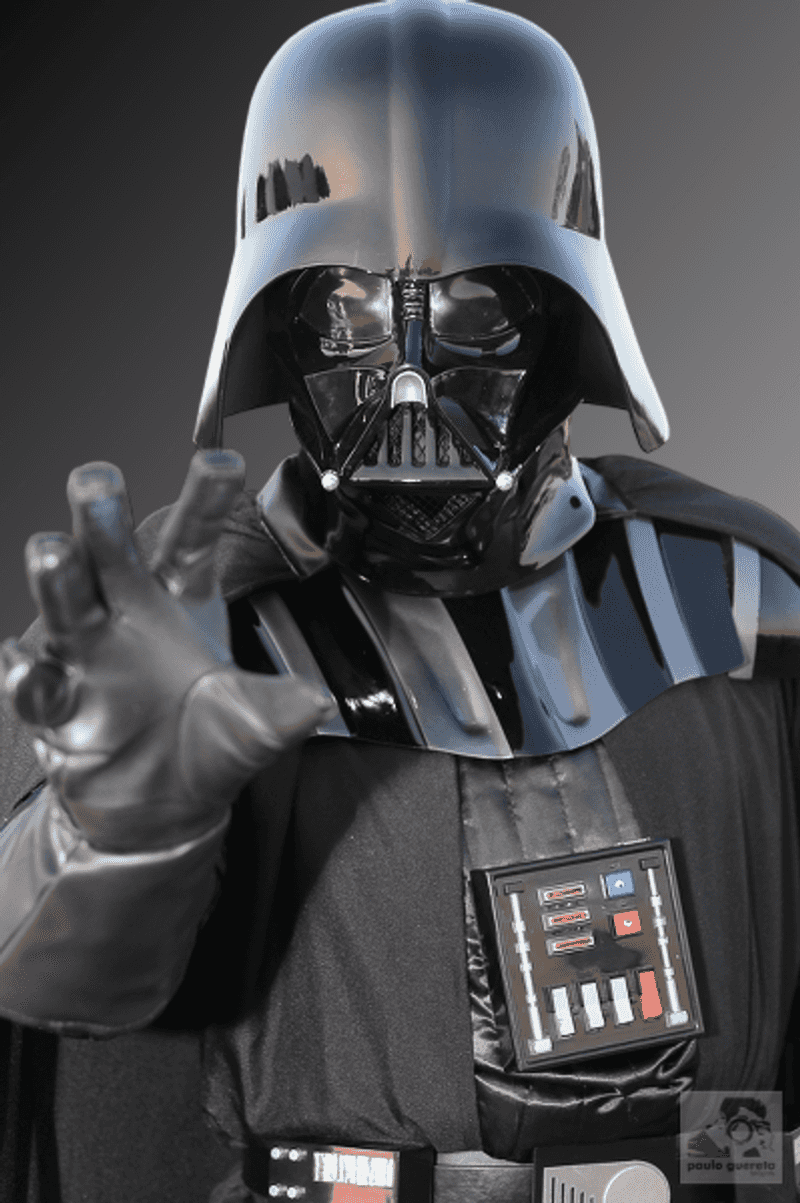
Long before the breathing became iconic, Anakin Skywalker was a scared kid on a desert planet who just wanted to save the people he loved. Fear of loss, not a thirst for power, cracked him open and let the darkness in.
The prequels reframed everything. Suddenly the galaxy’s most feared enforcer was a grieving husband and a betrayed student.
His story became less about evil and more about what unchecked fear can do to a good person.
Even in the darkest armor, a father’s love survived. His final act proved Vader never fully surrendered to the dark side.
4. Magneto (X-Men Series)
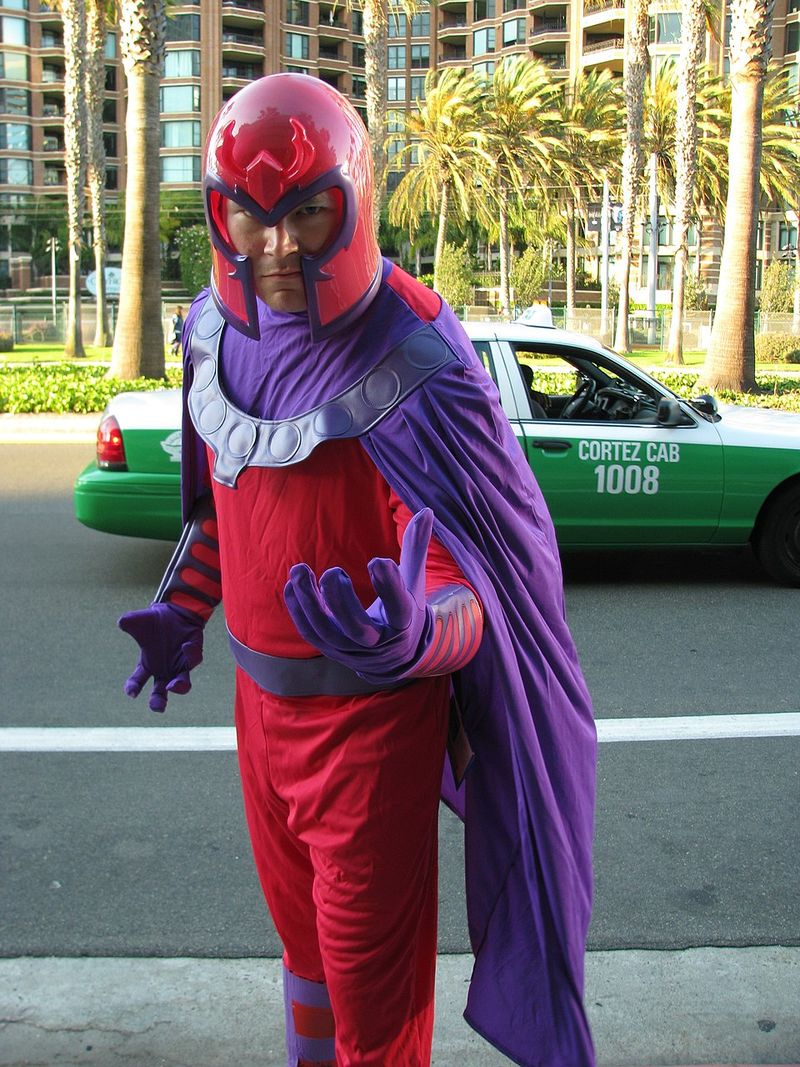
Surviving the Holocaust as a child would change anyone. Magneto watched hatred destroy everything he loved, and he decided mutants would never face the same fate on his watch.
Hard to argue with the logic, honestly.
His methods were extreme, no question. But his motivation was rooted in a very real, very human wound.
Every time Professor X called him a villain, audiences quietly understood why Magneto disagreed so loudly.
Ian McKellen and Michael Fassbender both brought layers of heartbreak to the role. Magneto was not born angry.
History made him exactly what it feared.
5. The Grinch (How the Grinch Stole Christmas)
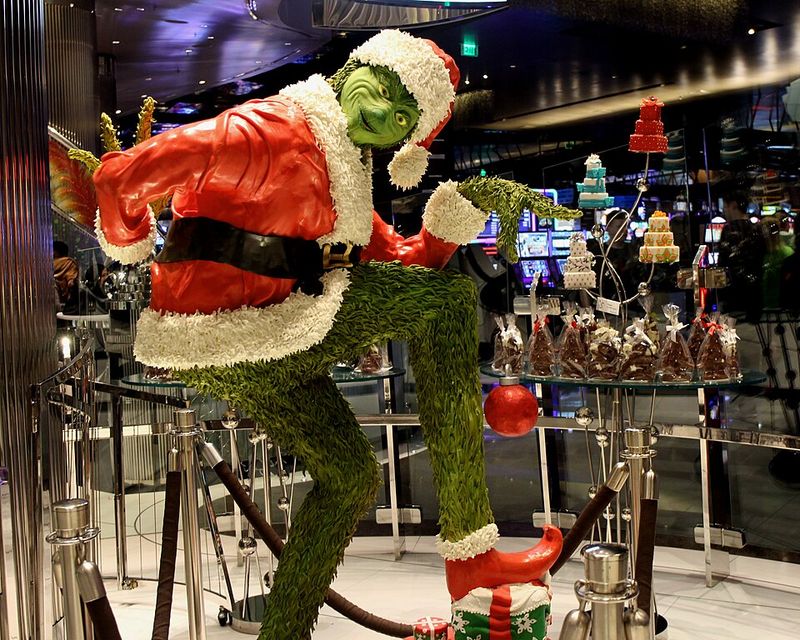
Nobody wakes up wanting to steal Christmas. The Grinch became a grump because Whoville made him feel invisible, unwanted, and permanently on the outside of every warm, glowing window.
Loneliness dressed up as meanness is still just loneliness.
Dr. Seuss built a character whose entire arc hinges on one truth: belonging heals. Once the Whos welcomed him anyway, the Grinch did not just change, his heart literally grew.
That is not a villain’s ending.
If Whoville had knocked on his door sooner, the whole sleigh-dragging scheme might never have happened. Community fixes more than we credit it.
6. Loki (Marvel Cinematic Universe)
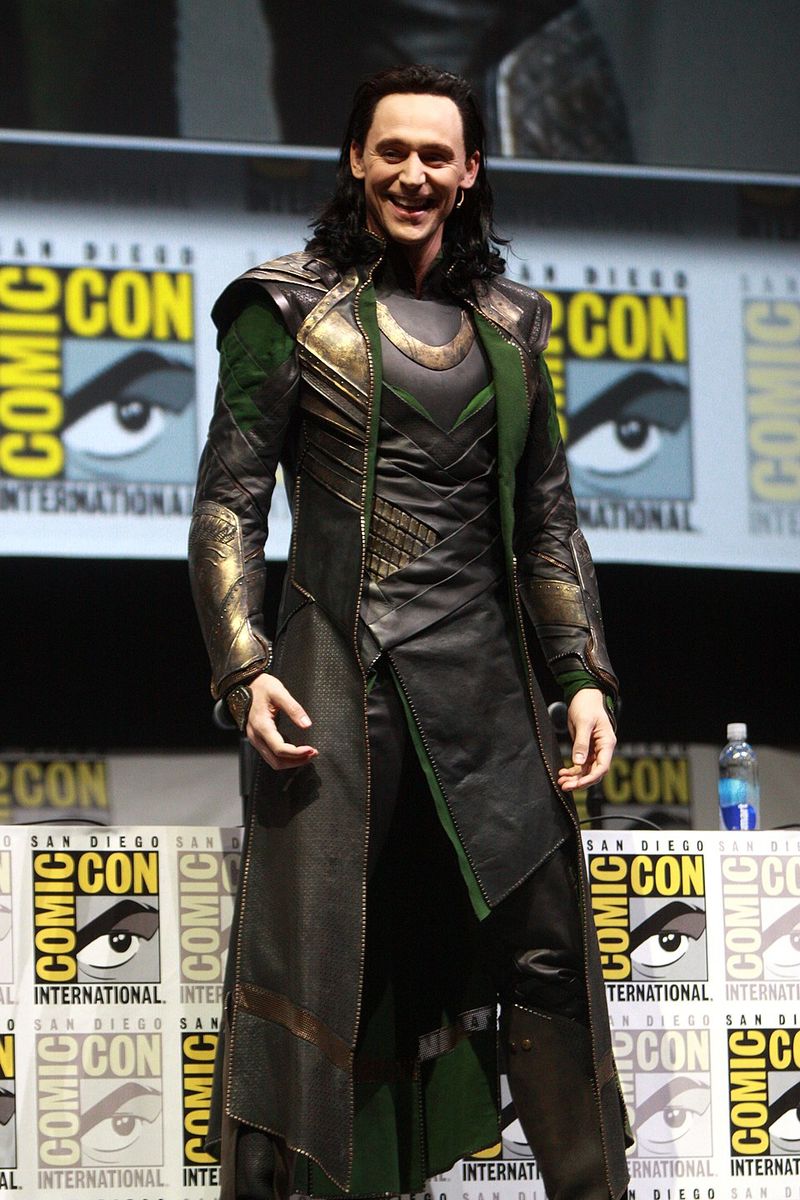
Adopted, overlooked, and constantly living in a golden brother’s shadow, Loki’s chaos made perfect sense once you knew the full story. Finding out he was secretly a Frost Giant while already feeling like the lesser prince?
That would unravel anyone.
His mischief was never really about ruling the world. It was about proving he mattered.
Tom Hiddleston played every scene so honestly that fans cheered for the supposed villain harder than many actual heroes.
Loki eventually earned his own TV series, his own redemption arc, and a massive fanbase. Not bad for someone written as a one-film obstacle.
7. Jaime Lannister (Game of Thrones)
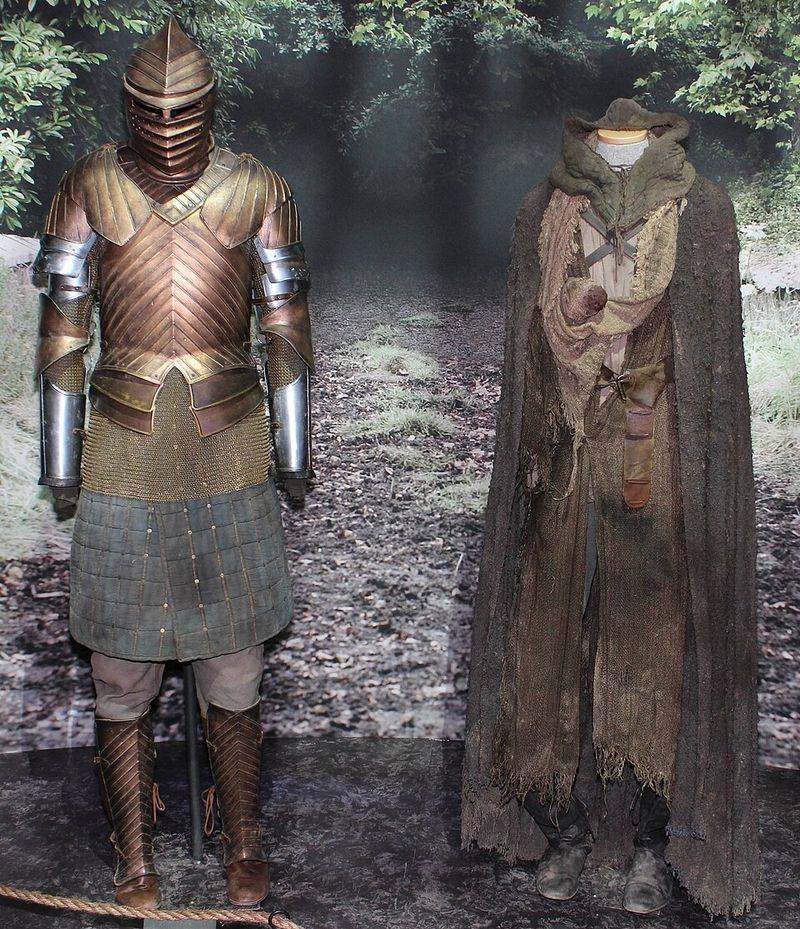
Kingslayer. The name followed Jaime everywhere, dripping with disgust.
Audiences spent seasons hating him based on one act, without ever knowing the reason behind it. Terminating a king sounds monstrous until you learn that king was about to burn thousands of innocent people alive.
Game of Thrones slowly peeled back every layer of Jaime’s arrogance to reveal someone trapped by reputation. He saved a city and got nothing but scorn for it.
How exhausting to be the hero nobody believed in.
His arc remains one of TV’s finest villain-to-complex-human journeys, even if the final seasons fumbled the landing.
8. Roy Batty (Blade Runner, 1982)
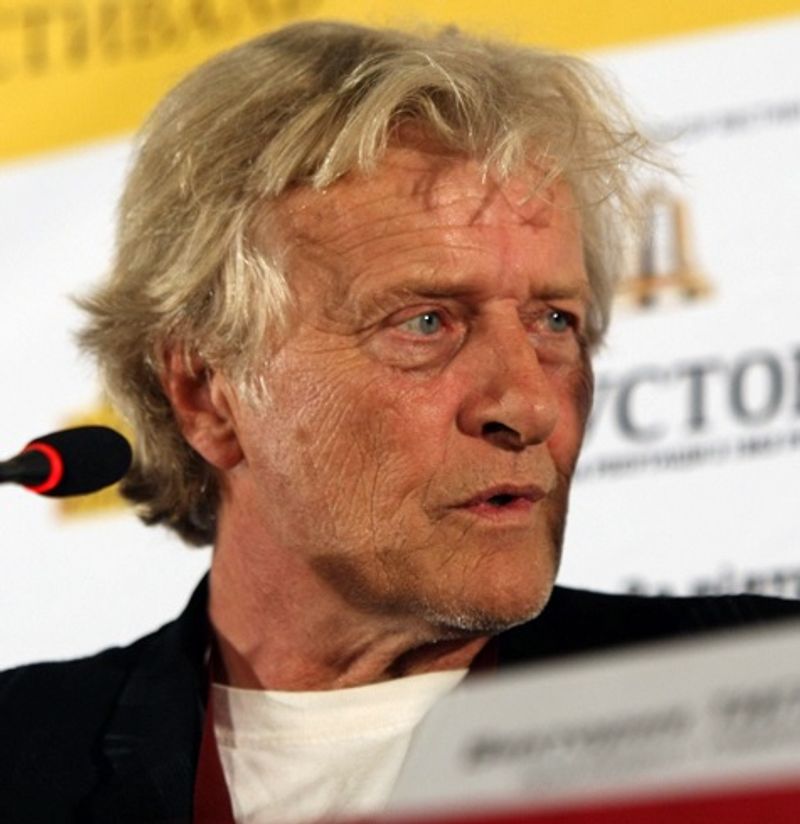
Roy Batty had four years to live and spent most of them fighting for more time. A replicant built for labor, given consciousness but no rights, he raged against a system designed to discard him the moment his usefulness expired.
Hard not to relate.
His final monologue, delivered in the rain, became one of cinema’s most poetic moments. Rutger Hauer improvised much of it, and the result felt more human than anything the actual humans said in the film.
Roy was not a monster. He was a person denied the one thing every conscious being craves: the right to simply exist.
9. Walter White (Breaking Bad)
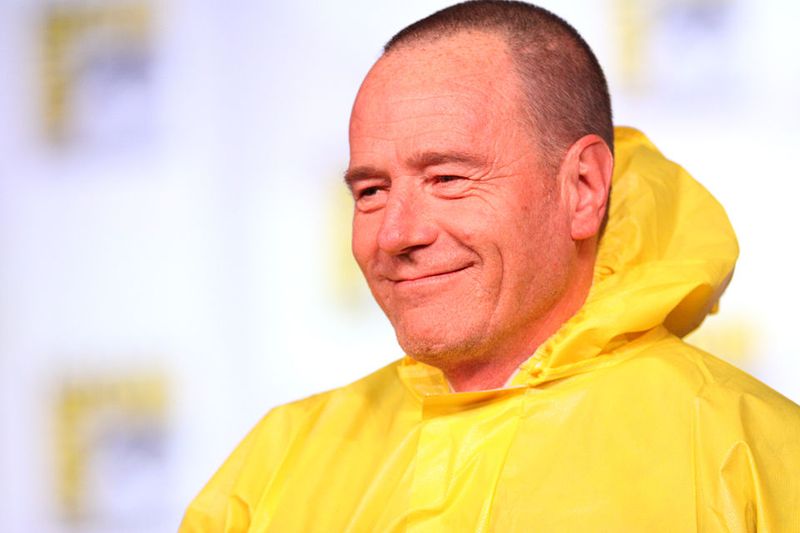
A chemistry teacher diagnosed with cancer, drowning in medical bills, and invisible to a world that never recognized his brilliance. Walter White started cooking to survive.
Audiences cheered. Then the story kept going, and things got complicated fast.
By the end, Walter was no longer a victim of circumstance. He became the circumstance.
But rewinding to the beginning reveals a system that failed him long before he failed himself.
Breaking Bad asked a sharp question: how much does a broken society share responsibility for the monsters it produces? Walter was not born Heisenberg.
He was pushed, slowly, until he snapped.
10. Elsa (Frozen)
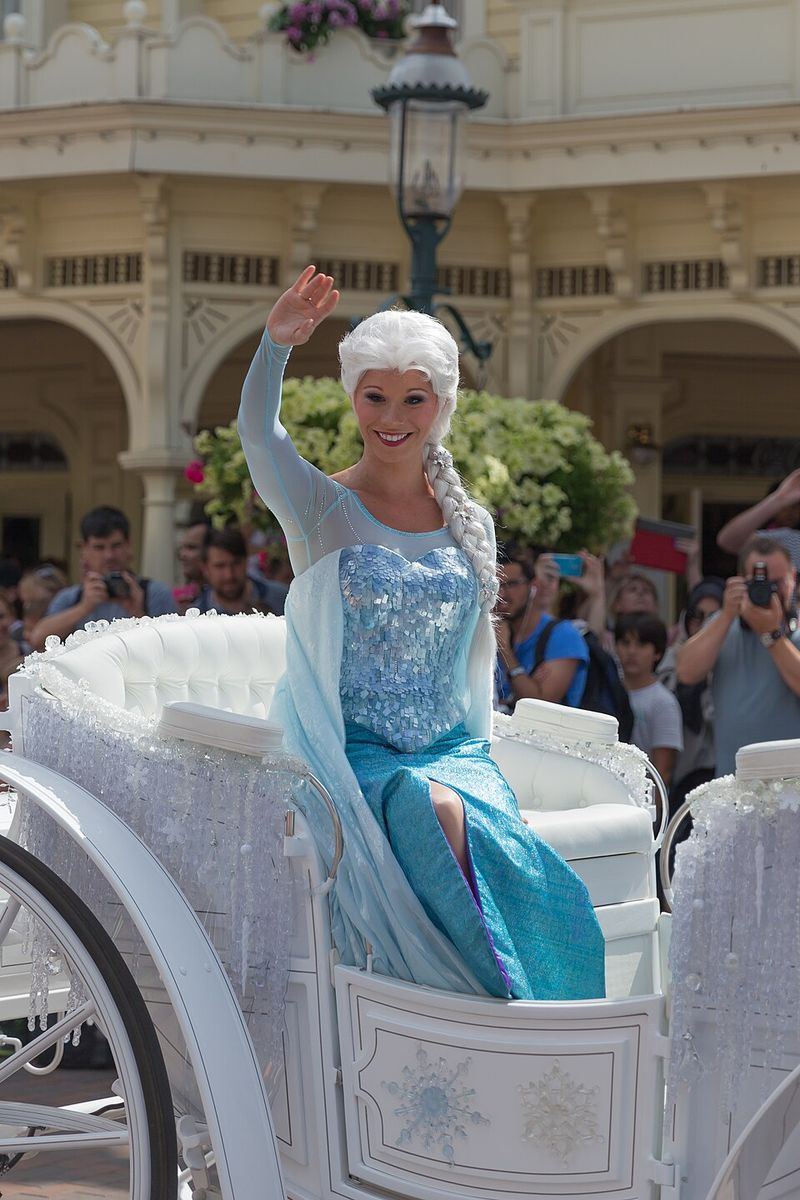
Image Credit: Medium69 (William Crochot), licensed under CC BY-SA 4.0. Via Wikimedia Commons.
Elsa spent years locked in her room, told her powers were dangerous, and trained to suppress everything natural about herself. When she finally broke free, the kingdom called her a monster.
She literally built a castle to escape the judgment.
Frozen positioned Elsa as a threat for a good chunk of the story, and audiences half-believed it. But every scary moment came directly from fear and isolation, not wickedness.
No one ever asked Elsa what she needed.
Her song Let It Go was not a villain’s anthem. It was a relief cry.
Once the world stopped fearing her, she stopped fearing herself too.
11. Zuko (Avatar: The Last Airbender)
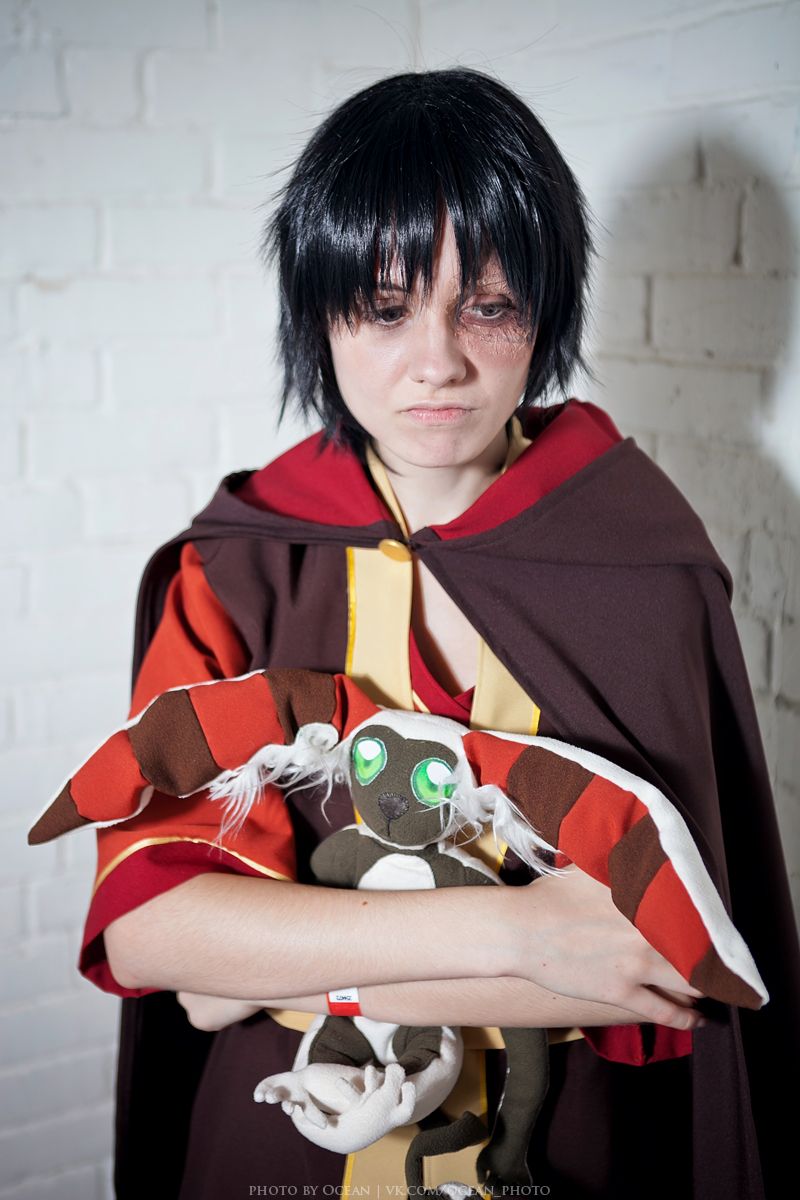
Scarred by his own father and banished before he even understood what he had done wrong, Zuko chased the Avatar for seasons while the audience slowly realized he was not the real villain. He was a kid trying to earn love from someone incapable of giving it.
His redemption arc is widely considered one of animation’s greatest character journeys. Every stumble made sense because his pain was written so honestly.
Fans who hated him in season one were sobbing for him by season three.
Zuko proves a powerful point: people do bad things when they are starved for approval. Healing changed everything.
12. Shylock (The Merchant of Venice adaptations)
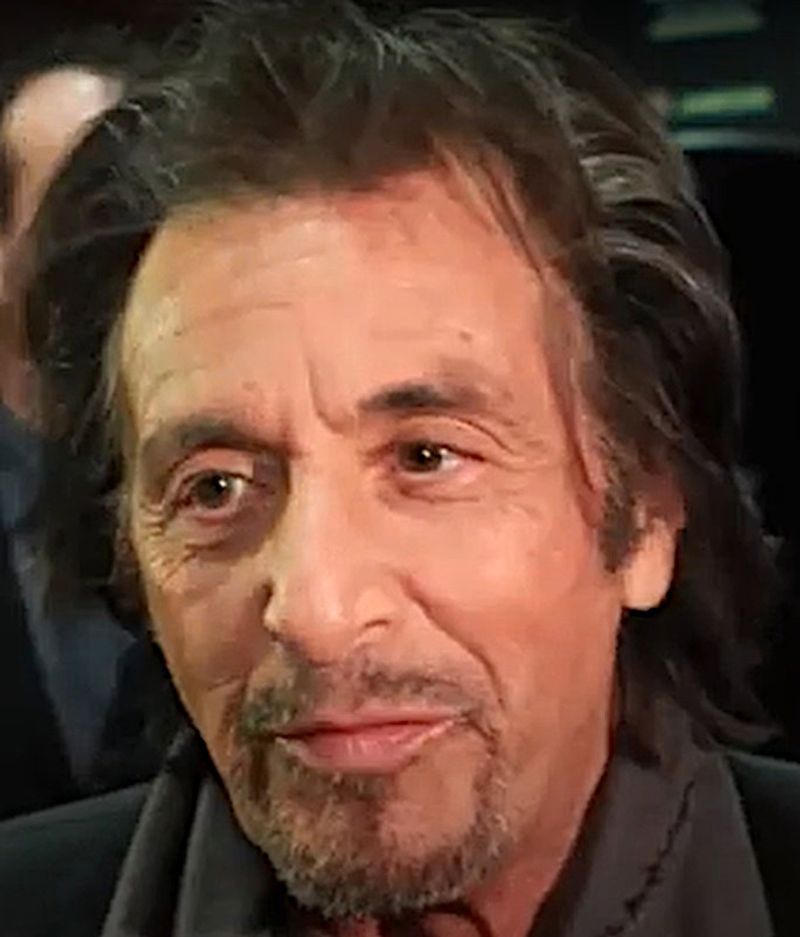
Shakespeare wrote Shylock as a moneylender demanding a pound of flesh, and for centuries audiences took him at face value. However, read the actual text and something far more complicated surfaces.
Shylock was mocked, robbed, and humiliated long before he ever sought revenge.
A speech questioning whether a Jew bleeds like anyone else stands as one of the most powerful calls for dignity in all of literature. The character is placed into a story that demands a scapegoat instead of recognizing a human being.
Modern productions increasingly treat Shylock as a tragic figure. Turns out the villain label was always more about the audience’s comfort than the character’s soul.
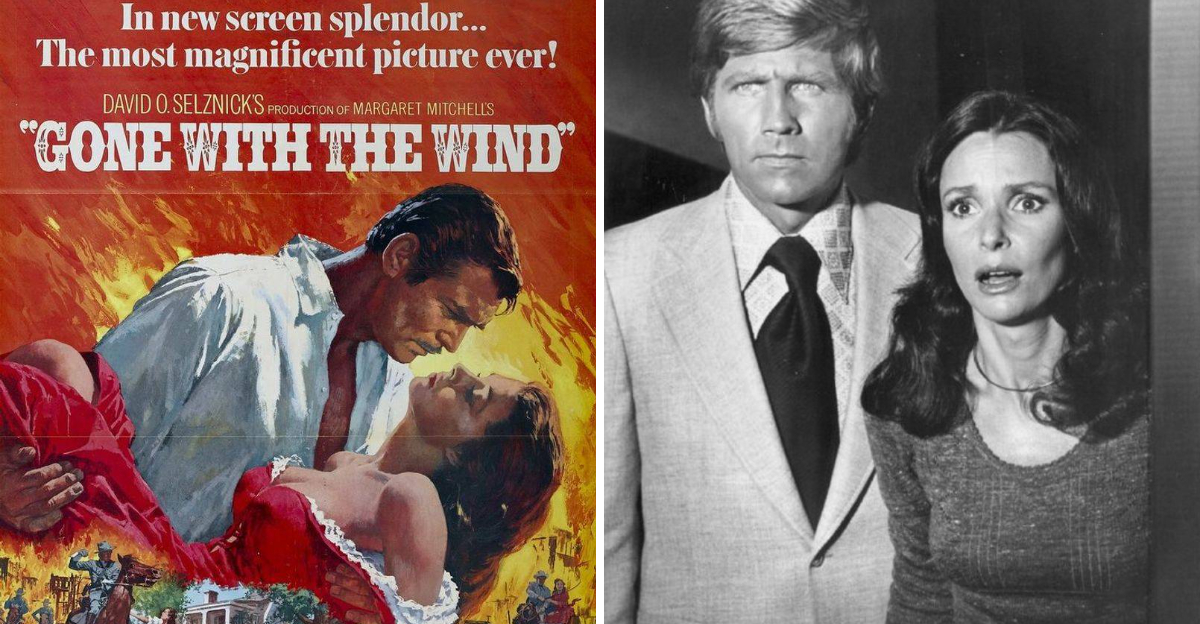
13. Amy Dunne (Gone Girl, 2014)
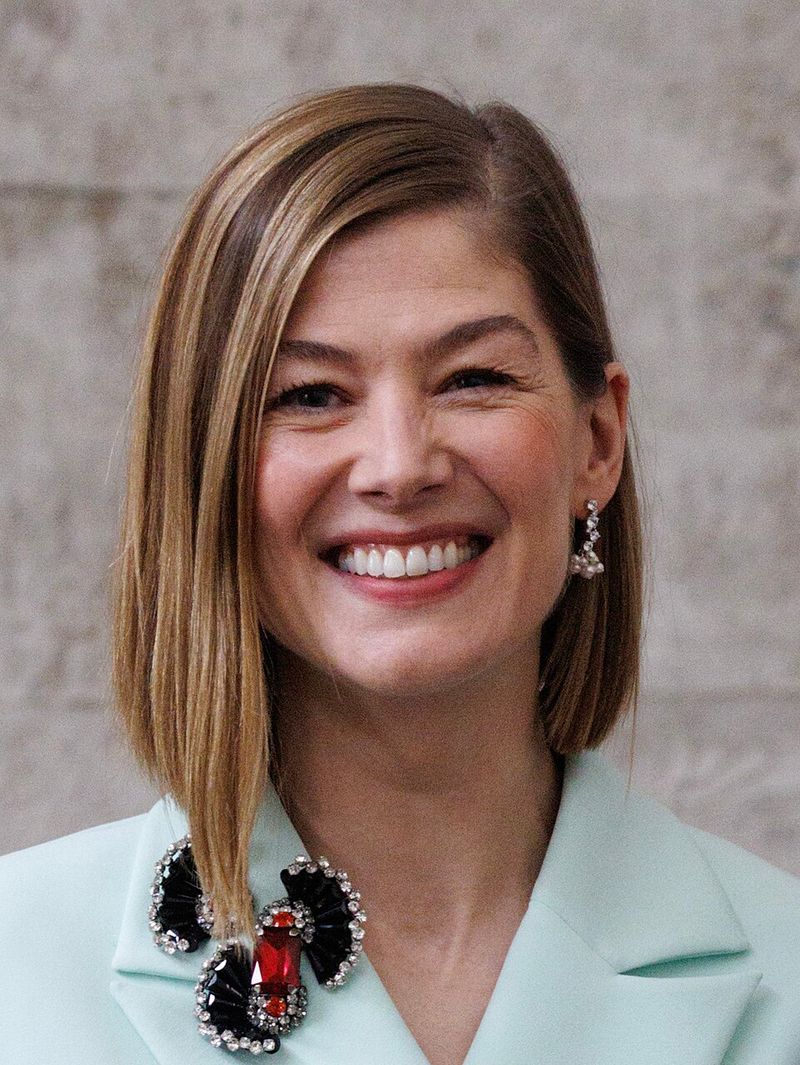
Calling Amy Dunne misunderstood might feel like a stretch, but hear it out. Gone Girl constructed a woman who spent her entire life performing a character others invented for her.
Cool Girl, perfect daughter, ideal wife, none of it was ever actually her.
Amy snapped in the most extreme way imaginable, yes. But her breakdown was a direct response to years of erasure.
She was written into a story where she had no real voice and decided to rewrite it herself, violently.
Rosamund Pike played her as terrifyingly logical. Amy was not born a villain.
She was sculpted into one, one expectation at a time.
14. Nurse Ratched (One Flew Over the Cuckoo’s Nest)
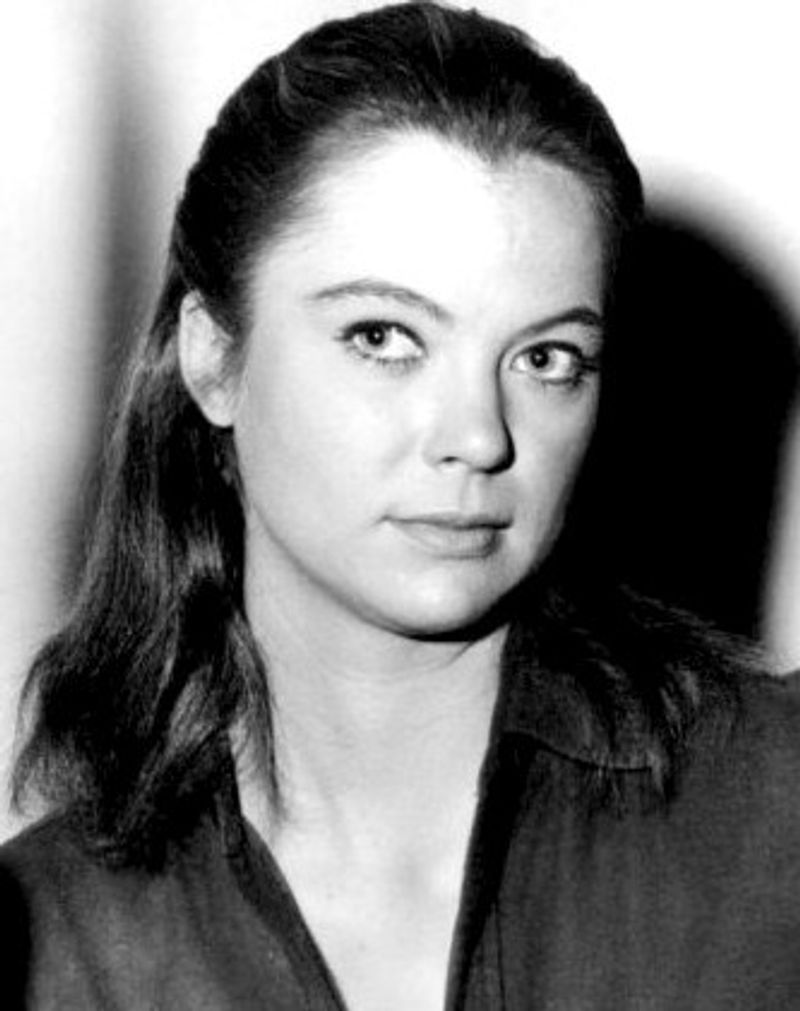
Few screen villains are as universally despised as Nurse Ratched, and Louise Fletcher won an Oscar playing her chilling calm. However, step back and consider what the film never quite explores: a woman operating inside a deeply broken institutional system.
Ratched did not invent the rules. She enforced a structure designed to control, not heal.
Her cruelty was real, but the machinery around her was crueler. She was handed power over powerless people and used it the way the system rewarded.
A Netflix prequel series tried giving her an origin story, proving audiences always sensed something more complicated lurking beneath that starched uniform and ice-cold stare.