14 Movie Details Fans Never Noticed
Movies are packed with secrets hiding in plain sight, and most people never notice them on the first watch. Filmmakers love slipping in tiny details, whether it is a hidden joke, a real-life reference, or a blink-and-you-miss-it Easter egg meant for sharp-eyed fans.
Some discoveries took years to surface, while others were sitting quietly in scenes everyone has watched countless times. A spinning top left open to interpretation, a pair of reading glasses resting on a buffalo, or a character habit inspired by real life can completely change how a scene feels.
These small touches show how much thought goes into every frame. Once the clues become visible, favorite movies suddenly feel richer, smarter, and more layered.
Watching again turns into a hunt for hidden meaning, proving that great films always have something new waiting to be noticed.
1. Maui Was Inspired by a Real Wrestling Legend

Image Credit: © CC BY-SA Thomas Tunsch / Māui Performer Merrie Monarch Parade DSC9524.jpg, licensed under CC BY-SA 4.0. Via Wikimedia Commons.
Few animated characters carry as much swagger as Maui in Moana, but his look did not come purely from imagination. The creative team at Disney partly modeled his powerful build and magnetic presence after Peter Maivia, a legendary Samoan-American professional wrestler and the grandfather of Dwayne “The Rock” Johnson.
How cool is it that a family-friendly animated film carries a quiet tribute to a real wrestling icon? Maivia was celebrated for strength and charisma, qualities Maui radiates in every scene.
Next time you watch Moana, look at Maui and think: there is a little wrestling royalty right there on screen.
2. Chief Bogo’s Glasses Were No Accident
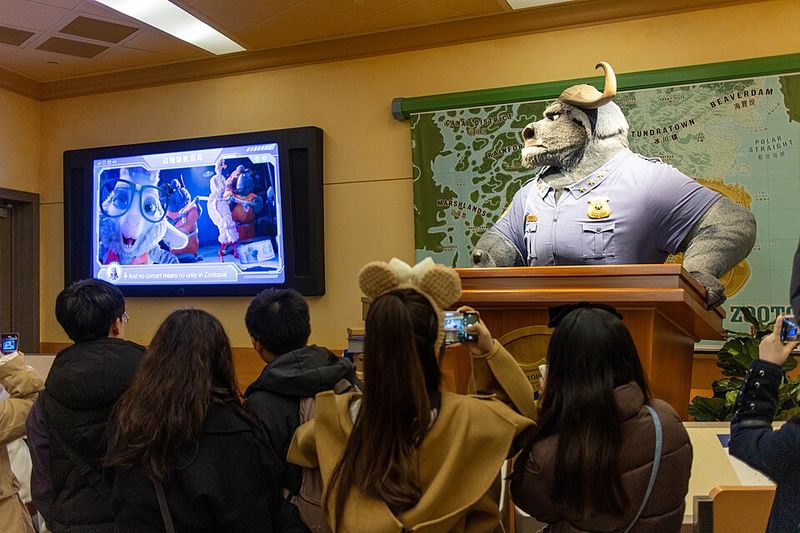
Buffalo are not exactly famous for sharp eyesight, and the directors of Zootopia knew exactly what they were doing when they put reading glasses on Chief Bogo. It is a small, blink-and-miss detail that doubles as a biology lesson hiding inside a blockbuster animated film.
The directors confirmed during a Q&A session that the glasses were a deliberate nod to real-world animal biology. If you rewatch the film, notice how Bogo only reaches for his glasses when reading documents closely.
It is the kind of layered storytelling that makes Zootopia feel richer every single time you sit down and revisit it.
3. Mulan’s Hair Habit Came From Real Life
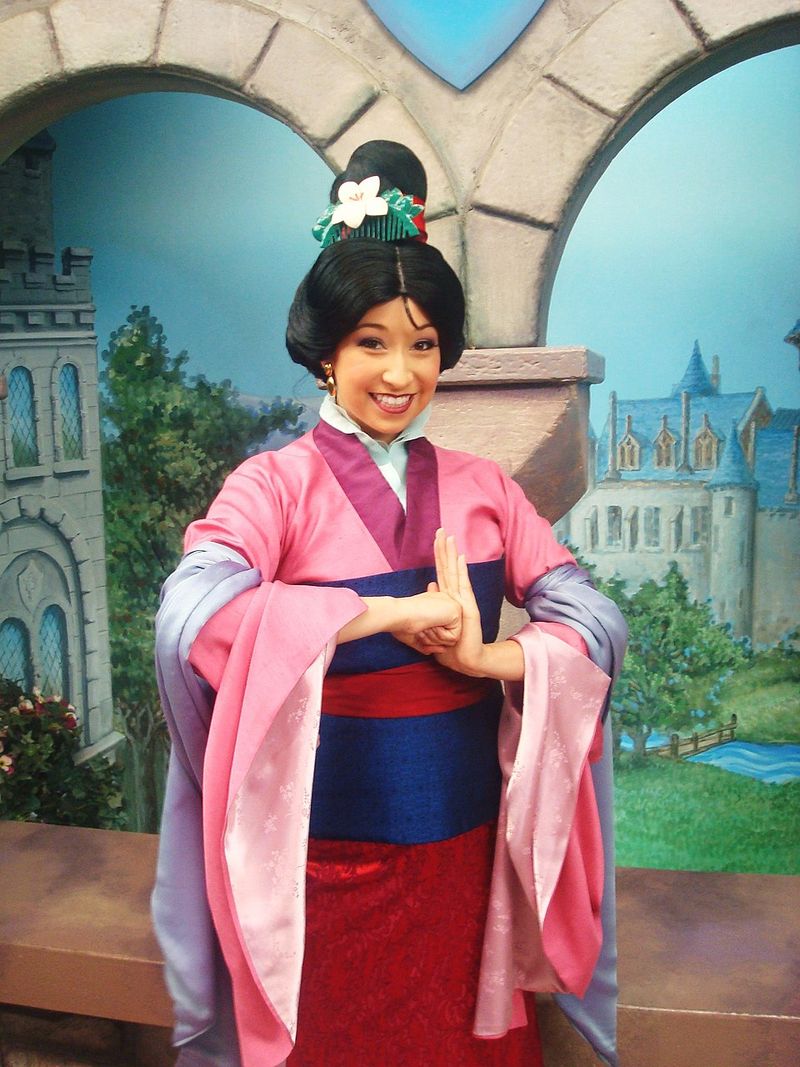
Ever notice how Mulan constantly touches and adjusts her hair throughout the 1998 Disney classic? Animators did not invent that quirk out of thin air.
Voice actress Ming-Na Wen had a habit of touching her own hair during recording sessions, and the animators found it so natural and charming, they built it directly into Mulan’s personality.
How often does a real person’s nervous habit end up immortalized in animation? Probably not as often as it should.
It makes Mulan feel wonderfully human, because in a very real sense, part of her actually is. Keep an eye on those scenes and you will absolutely notice it every time.
4. Titanic Recreated a Real 1912 Photograph
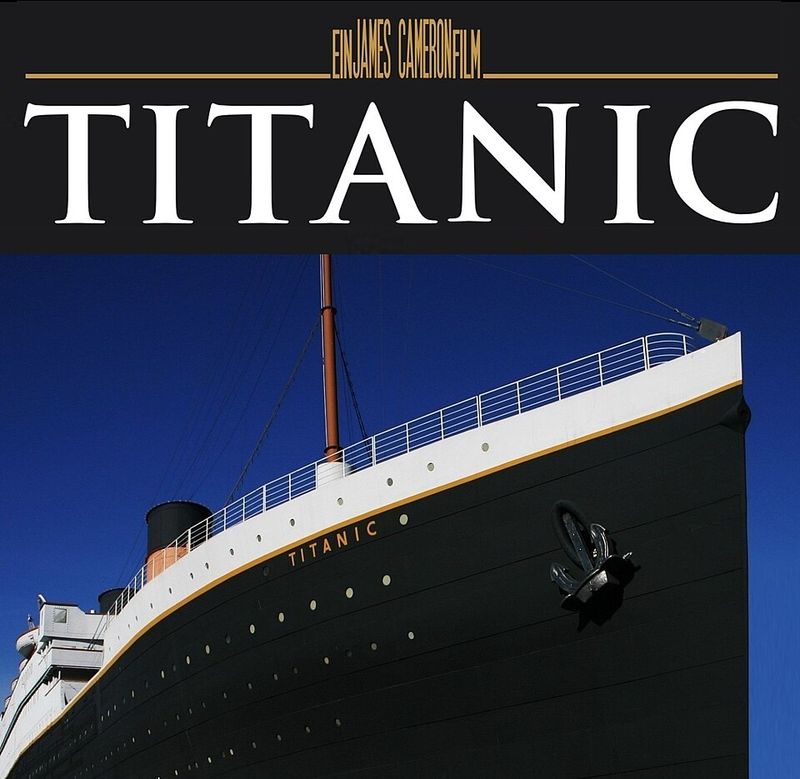
James Cameron’s obsession with historical accuracy in Titanic (1997) ran deeper than most fans realize. One particular deck scene shows a small boy happily spinning a top, and it was not invented for the film.
Cameron recreated a real photograph taken on April 11, 1912, by passenger Francis Browne aboard the actual RMS Titanic.
The boy in the original photo was six-year-old Douglas Spedden, playing under his father Frederic’s watchful eye. Remarkably, both father and son survived the disaster.
Spotting a real historical moment quietly embedded inside a fictional blockbuster feels almost magical, and Cameron clearly wanted history to breathe inside every frame.
5. Goodfellas Used Real Cash on Camera

Robert De Niro has a reputation for committing fully to his roles, and in Goodfellas (1990), that commitment extended all the way to the money on screen. De Niro refused to handle prop money because the feel was completely wrong, so the film’s prop master withdrew several thousand dollars of real cash from his own personal bank account.
After every single take, crew members carefully counted and returned every bill. It sounds exhausting, honestly.
However, the result speaks for itself: De Niro’s scenes carry a weight and authenticity that fake bills simply could not deliver. Sometimes the smallest insistence on realism produces the most unforgettable performances.
6. The Dark Knight’s Joker Has No Mirror Scenes

Heath Ledger’s Joker in The Dark Knight (2008) is one of cinema’s most unforgettable villains, and director Christopher Nolan packed layers of meaning into every scene. One quietly brilliant choice: the Joker never once appears in front of a mirror throughout the entire film.
Nolan made this deliberate decision to reinforce the character’s complete lack of vanity or self-awareness. Most people check mirrors constantly, but the Joker simply does not care about his own reflection.
If you rewatch the film specifically looking for mirrors, you will not find a single one near him. Small directorial choices like this quietly build a character more powerfully than any line of dialogue ever could.
7. Wall-E’s Boot Sequence Mirrors an Apple Mac
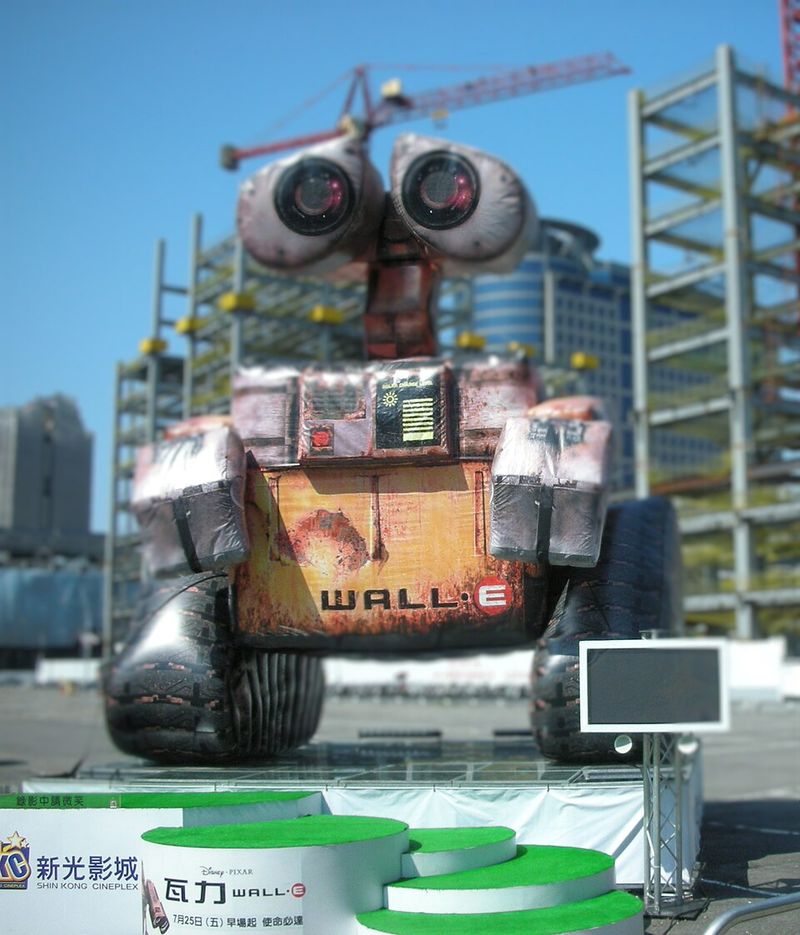
Pixar slipped a delightful tech Easter egg into Wall-E (2008) that Apple fans would instantly recognize. When Wall-E powers up after recharging his solar batteries, the startup sound he makes is the exact same chime used by Apple Macintosh computers since the 1990s.
Steve Jobs co-founded Pixar before leading Apple, so the connection is more than a coincidence. It is a loving nod to the man behind both companies.
How many kids watching Wall-E realized they were hearing a Mac startup sound? Probably very few.
However, adults who grew up clicking through early Mac desktops likely felt a warm wave of nostalgia hit them completely out of nowhere.
8. Pixar Hid a Pizza Planet Truck in Almost Every Film
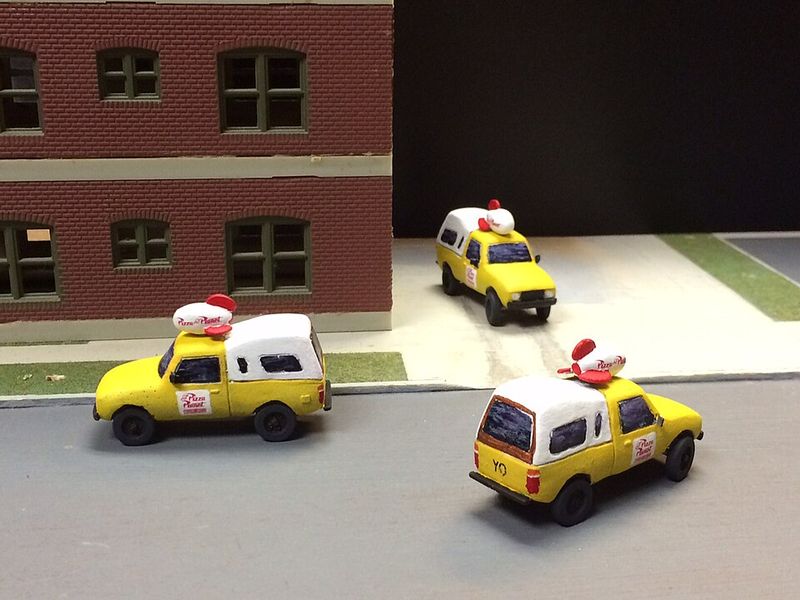
Starting all the way back in Toy Story (1995), Pixar’s animators began hiding a yellow Pizza Planet delivery truck somewhere in nearly every single movie studio has produced. Spotting it became a beloved tradition among big Pixar fans worldwide.
How sneaky is it that a toy-sized truck has appeared in films ranging from A Bug’s Life to Coco? Sometimes it rolls through a background blink-and-you-miss-it fast.
Other times it sits parked casually, daring viewers to notice. Cars is technically the only Pixar film where the truck does not appear, because every character already is a vehicle.
If you have never played Pizza Planet Truck bingo during a Pixar marathon, you are truly missing out on a legendary movie tradition.
9. Fight Club’s Tyler Durden Appears Before You Meet Him
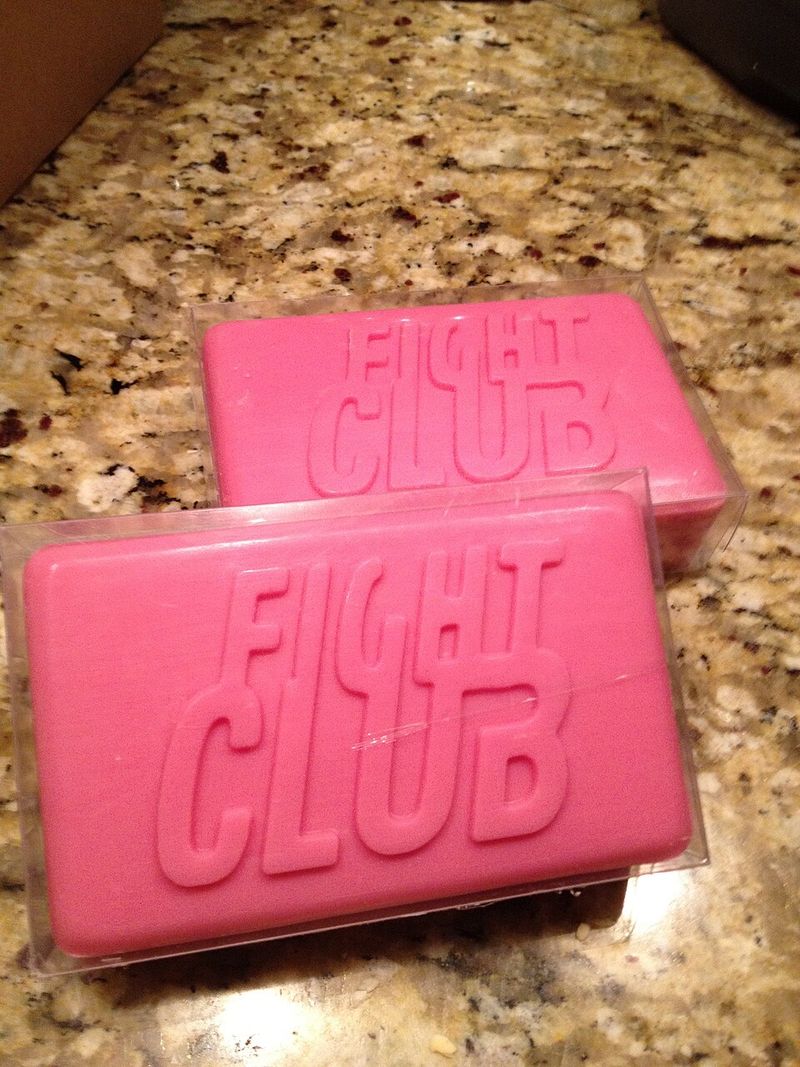
Fight Club (1999) is famous for its jaw-dropping twist, but director David Fincher actually warned audiences about it long before the reveal. Tyler Durden, played by Brad Pitt, flashes on screen for just a single frame several times before the narrator officially meets him.
Fincher used subliminal editing to plant Tyler in the narrator’s workplace, a doctor’s office, and other early scenes. Most viewers never consciously register it.
However, once you know where to look and pause the film precisely, the brief appearances are completely visible and absolutely mind-bending. Rewatching Fight Club after knowing the twist transforms every early scene into something far more layered and cleverly constructed.
10. Aladdin’s Genie Foreshadows His Own Freedom
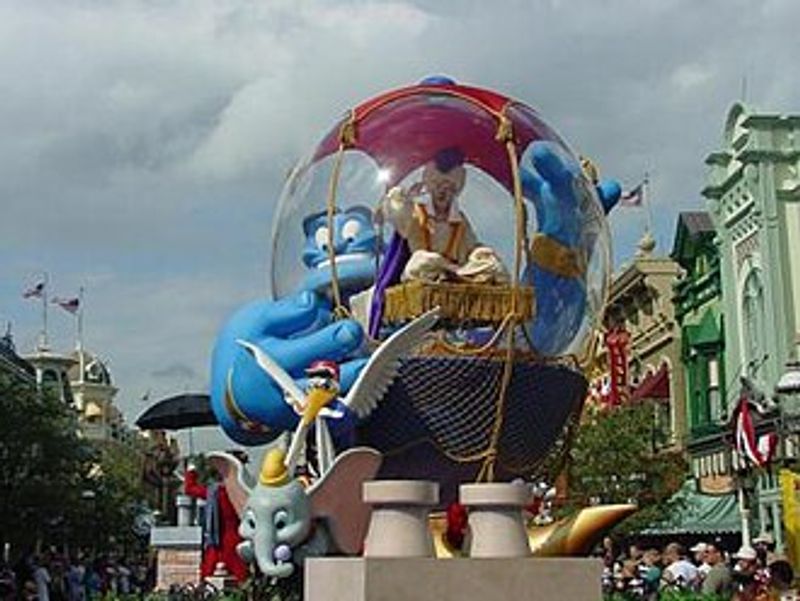
Robin Williams voiced the Genie in Aladdin (1992) with electrifying energy, but sharp-eyed fans noticed something hiding in plain sight all along. During the “Friend Like Me” musical number, the Genie briefly appears wearing a graduation cap and holding a diploma, a small visual joke that quietly foreshadows his eventual wish for freedom at the film’s end.
Animators at Disney loved sneaking story hints into musical sequences where audiences are too dazzled to analyze every frame. Knowing what the graduation imagery means makes rewatching the song feel genuinely emotional.
It is playful, clever, and a little bittersweet all at once. Classic Disney storytelling at its absolute sneakiest best.
11. The Shining’s Carpet Pattern Appears in Toy Story
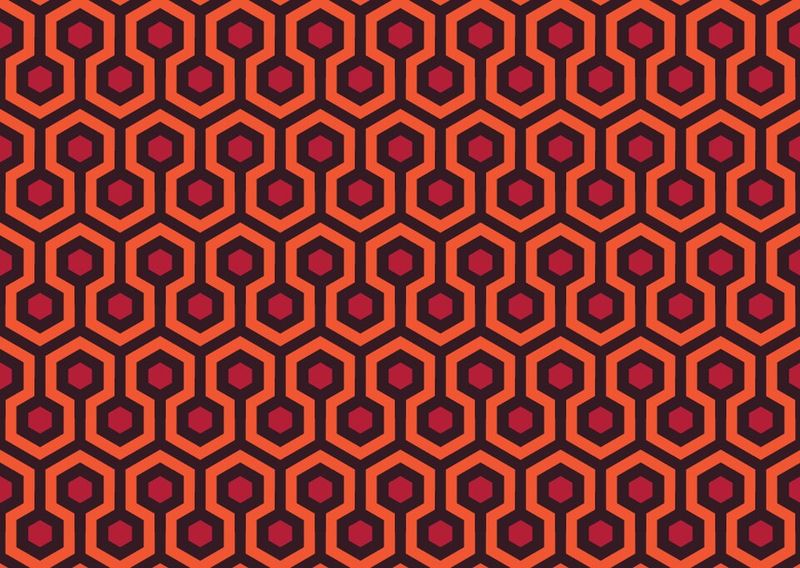
Horror fans and Pixar fans collided when sharp viewers noticed something unexpected in Toy Story (1995). The carpet in Sid’s creepy bedroom features the exact same iconic hexagonal pattern as the hallway carpet in the Overlook Hotel from Stanley Kubrick’s The Shining (1980).
Pixar’s animators have never officially confirmed whether it was intentional or a coincidental design choice, which somehow makes it even more delightful to debate. If it was on purpose, it is a wonderfully dark little wink hiding inside a children’s film.
If accidental, it is one of cinema’s greatest unplanned Easter eggs. Either way, Sid’s room hits very differently once you make the connection.
12. Forrest Gump’s Feather Was Filmed Separately

Image Credit: Timothy A. Gonsalves, licensed under CC BY-SA 4.0.
Via Wikimedia Commons.
Not many movie openings are as quietly magical as the white feather drifting through the air at the start of Forrest Gump (1994). However, very few viewers know how technically complicated that shot actually was to pull off.
The feather was filmed separately against a blue screen and then digitally composited into the real-world footage of a small town street.
Director Robert Zemeckis wanted the feather to feel effortless and dreamlike, almost like fate itself floating into view. Achieving that took hours of careful work and digital editing that was genuinely cutting-edge for 1994.
For a single feather lasting roughly one minute, that level of dedication is both impressive and a little hilarious.
13. Iron Man’s Suit-Up Sound Uses Real Metal
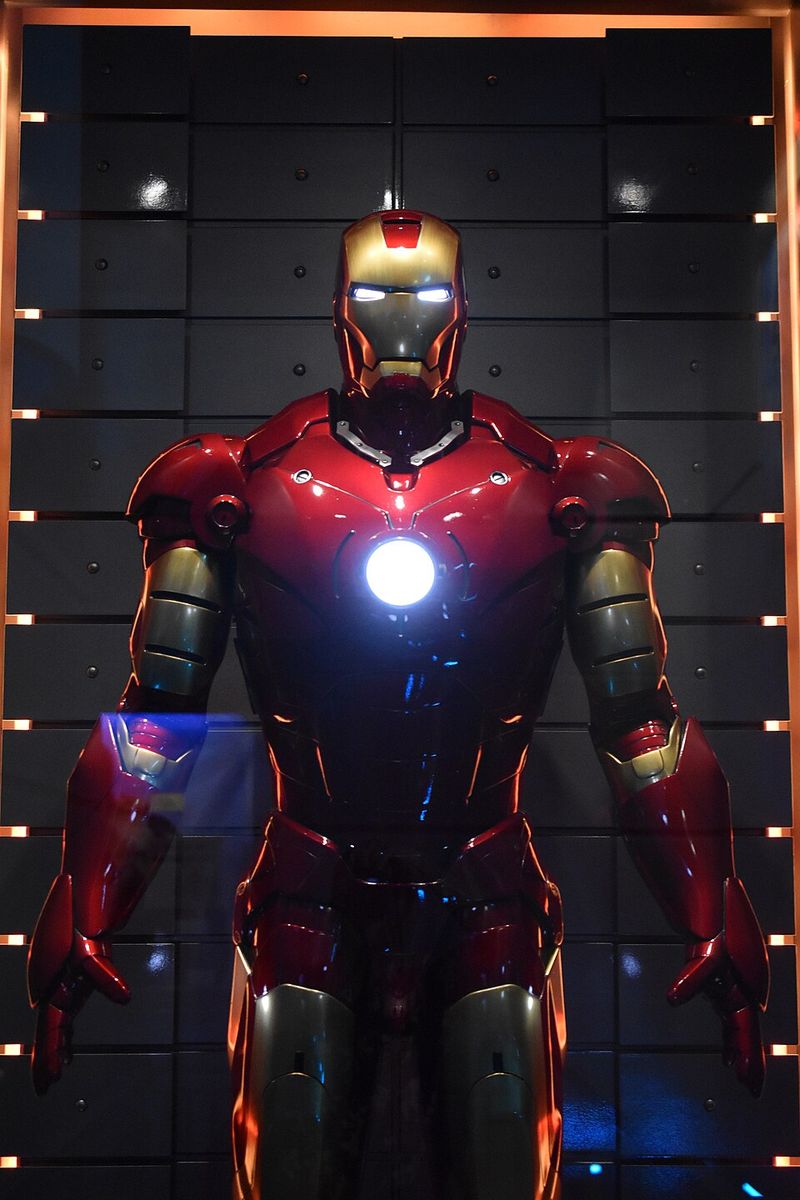
Sound design in Marvel films rarely gets the credit it deserves, but the Iron Man suit-up sequences in the original Iron Man (2008) are a masterclass in audio storytelling. Sound designers recorded actual metal clanking, clicking, and locking to build the iconic assembly sounds heard whenever Tony Stark suits up.
No digital shortcuts were used for the core mechanical sounds. Real metal pieces were physically manipulated in a studio to capture the authentic weight and clunk of heavy armor.
Every click feels satisfying because it literally is the sound of real metal. How many viewers ever stopped to think about where those perfect mechanical sounds actually came from?
Probably very few.
14. Up’s Opening Montage Was Designed to Make Adults Cry
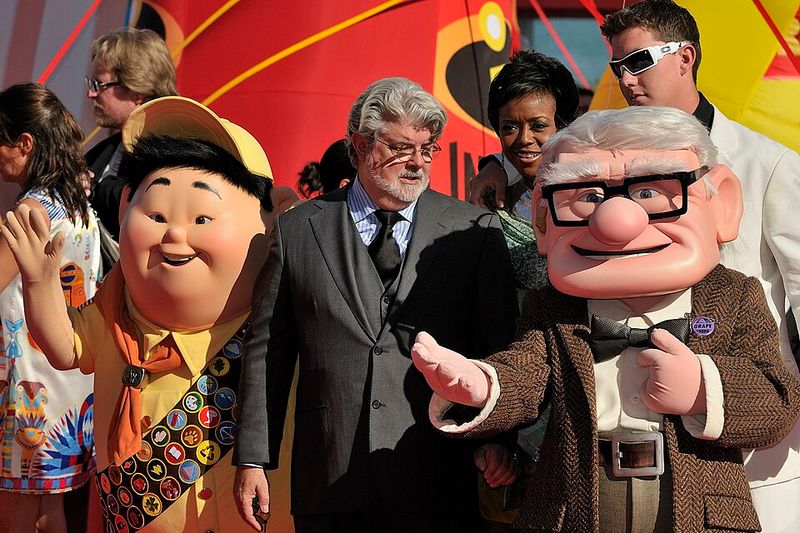
Pixar’s Up (2009) opens with a four-minute montage showing Carl and Ellie’s entire life together, and it is widely considered one of the most emotionally powerful sequences in animated film history. However, the creative team designed it specifically to hit adult viewers harder than children.
Co-director Pete Docter wanted grown-ups to instantly connect Carl’s grief to real personal memories of love and loss. Children experience the montage as a sweet story setup, while adults often feel it like a punch straight to the heart.
How a children’s animated film managed to capture the weight of a full human lifetime in under five minutes remains genuinely remarkable. Pixar truly plays no games.