16 Movie Endings That Left Almost No Hope Behind
Most movies like to leave a little light on by the door. Maybe the hero survives, the music swells, or everyone stares into the distance looking bruised but weirdly at peace.
Then there are the endings that slam that door, lock it, and casually throw the key into emotional deep water.
There is no last-minute comfort or tidy sense that things will probably work out after the credits. Just dread and the rude realization that some stories were never interested in making anyone feel better.
A bleak ending can turn an already good movie into something people argue about for years, mostly because part of the audience is still sitting there thinking, wow, they really went with that.
And honestly, there is something impressive about a film confident enough to leave hope in the hallway and shut the door behind it.
1. The Mist (2007)

What if you made the worst decision of your life in the very last second of a movie? That is exactly what happens here.
A father, desperate to protect his son from monsters lurking in a supernatural mist, makes an unthinkable choice, only to discover salvation was just moments away.
Director Frank Darabont reportedly said Stephen King, who wrote the original novella, loved the ending more than his own. That detail makes it sting even harder.
2. Se7en (1995)

“What’s in the box?” became one of cinema’s most quoted lines, and honestly, once you find out, you wish you never asked.
A methodical villain uses the seven sins as his blueprint, and in the final act, he delivers his most devastating move yet directly to the detective hunting him.
The genius of this ending is how it turns the hero into the villain’s final instrument. Brad Pitt’s raw, anguished scream is almost impossible to watch.
Morgan Freeman quietly quoting Hemingway afterward feels like a bandage on a wound that will never fully close.
3. Requiem for a Dream (2000)

Few films have ever committed this fully to showing exactly where bad choices lead.
Four characters chase their dreams through increasingly destructive paths, and by the end, every single one of them is completely broken. There is no redemption arc, no last-minute rescue, no silver lining hiding anywhere.
Director Darren Aronofsky wanted viewers to feel the consequences physically, not just emotionally. Mission accomplished, perhaps a little too well.
Many people have reported never wanting to watch this film a second time. Honestly?
That reaction might be the highest compliment a movie this brutally honest could ever receive.
4. The Road (2009)

Carrying the fire sounds poetic until you realize the fire is all they have left.
Based on Cormac McCarthy’s Pulitzer Prize-winning novel, this film follows a father and son crossing a burned, lawless America after an unnamed catastrophe has ended civilization.
Every step forward feels like a battle against the inevitable.
Viggo Mortensen’s performance is raw and exhausted in the best possible way.
The ending offers the tiniest flicker of something that might be hope, but McCarthy being McCarthy, even that feels fragile enough to blow away in the ash-filled wind.
5. Melancholia (2011)

How do you face the literal end of the world? Lars von Trier answered that question in the most quietly devastating way possible.
A rogue planet named Melancholia is on a collision course with Earth, and the film spends its final act watching people respond to absolute, unavoidable extinction.
Kirsten Dunst plays a deeply depressed woman who, strangely, becomes the calmest person when true catastrophe arrives. There is something darkly fascinating about that.
The final shot, three figures holding hands as the planet consumes everything, is simultaneously terrifying and oddly peaceful.
6. Dancer in the Dark (2000)

Selma sings to survive. A Czech immigrant working in 1960s America is slowly going blind, saving every penny for her son’s eye surgery, and clinging to musical fantasies to get through the pain.
Then things get catastrophically, irreversibly worse, and the film never lets her back up.
Bjork won the Best Actress award at Cannes for this role, reportedly vowing never to act again afterward because it broke her completely.
Watching the final scene, you completely understand why.
7. Chinatown (1974)

“Forget it, Jake. It’s Chinatown.” Those six words might be the most despairing sign-off in all of classic Hollywood.
Private detective Jake Gittes thinks he is saving a woman from a powerful, corrupt man, only to trigger the very tragedy he was trying to prevent. Corruption wins. Evil survives. The innocent suffer.
Director Roman Polanski reportedly insisted on the bleak ending over screenwriter Robert Towne’s objections.
Polanski knew something about how the world actually works, and that hard-earned cynicism bleeds into every frame.
8. Hereditary (2018)

Family trauma rarely gets portrayed this literally. What begins as a grief drama about a mother processing her own mother’s passing slowly, horribly reveals itself as something far worse.
By the time the final act arrives, no character is safe, no relationship is sacred, and no outcome is remotely survivable.
Ari Aster’s debut film ends with a coronation scene so deeply strange and terrifying it feels like falling into a nightmare you cannot wake from.
Toni Collette’s performance throughout is one of the most raw, unhinged turns in modern horror.
9. Eden Lake (2008)

Sometimes the most terrifying creatures are the ones who go home for dinner afterward.
A couple on a romantic weekend getaway in the English countryside runs into a gang of feral teenagers, and what follows is a relentless, escalating nightmare with zero mercy built in.
The final scene is a gut punch delivered with surgical precision.
Just when you think survival is possible, the film reveals its cruelest trick, and the screen goes dark on something almost impossible to shake.
10. Funny Games (1997)

Director Michael Haneke made this film as a direct argument against violent entertainment, and he made it as punishing as possible to prove his point.
Two polite, well-dressed young men hold a family hostage in their vacation home, and the film never once lets the audience enjoy the tension the way a typical thriller would.
Attempts at escape are reversed with a remote control, literally. The villains wink at the camera and acknowledge you, the viewer, as complicit.
Haneke wanted you to feel guilty for watching. Mission absolutely, uncomfortably accomplished.
11. No Country for Old Men (2007)
Anton Chigurh is one of cinema’s great creatures, a hitman with a cattle gun and a philosophy built around fate and inevitability.
The Coen Brothers spend the whole film making you believe someone will stop him, and then they simply do not bother. Evil moves on. The good guy retires, defeated.
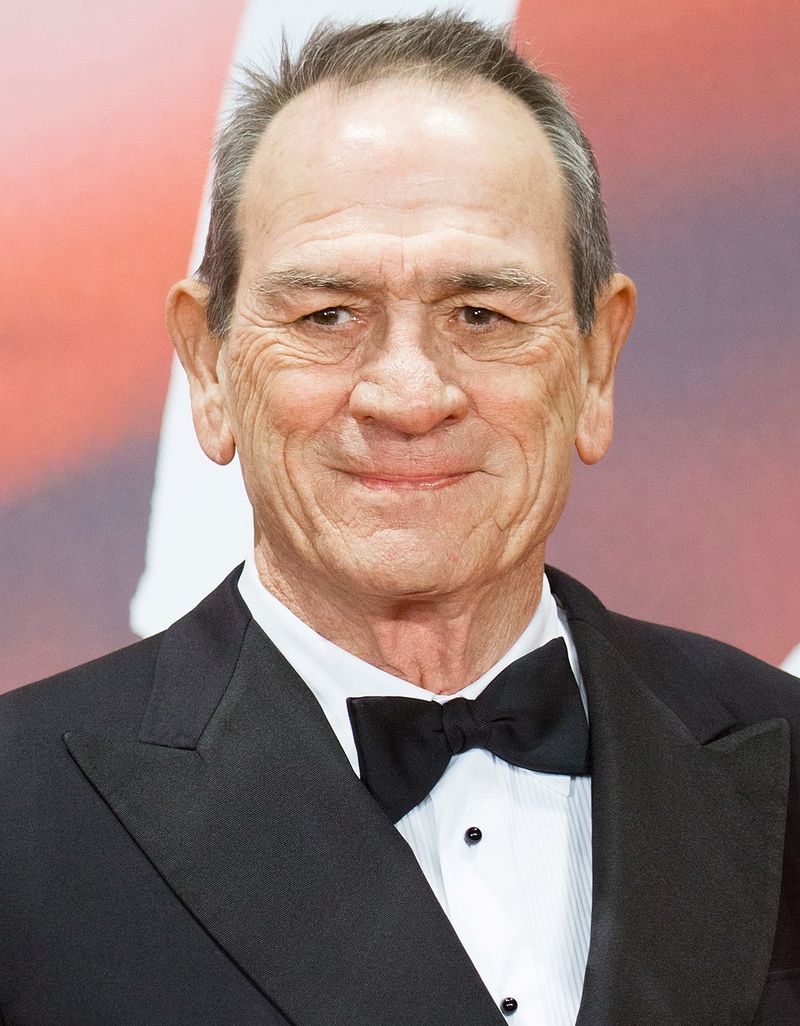
Tommy Lee Jones delivers a monologue about a dream in the final scene that sounds simple but carries enormous weight.
There is no shootout, no justice, no satisfying conclusion. The film ends mid-thought, as if the story itself gave up.
12. The Wrestler (2008)

Randy “The Ram” Robinson is a man who only truly exists inside a wrestling ring, and outside of it, everything falls apart.
Mickey Rourke’s comeback performance is so raw and personal it barely feels like acting. By the final act, Randy has lost his job, his daughter, and the woman he loves.
The last scene shows him climbing the ropes for a signature move despite a failing heart. The camera cuts before he lands.
13. Million Dollar Baby (2004)
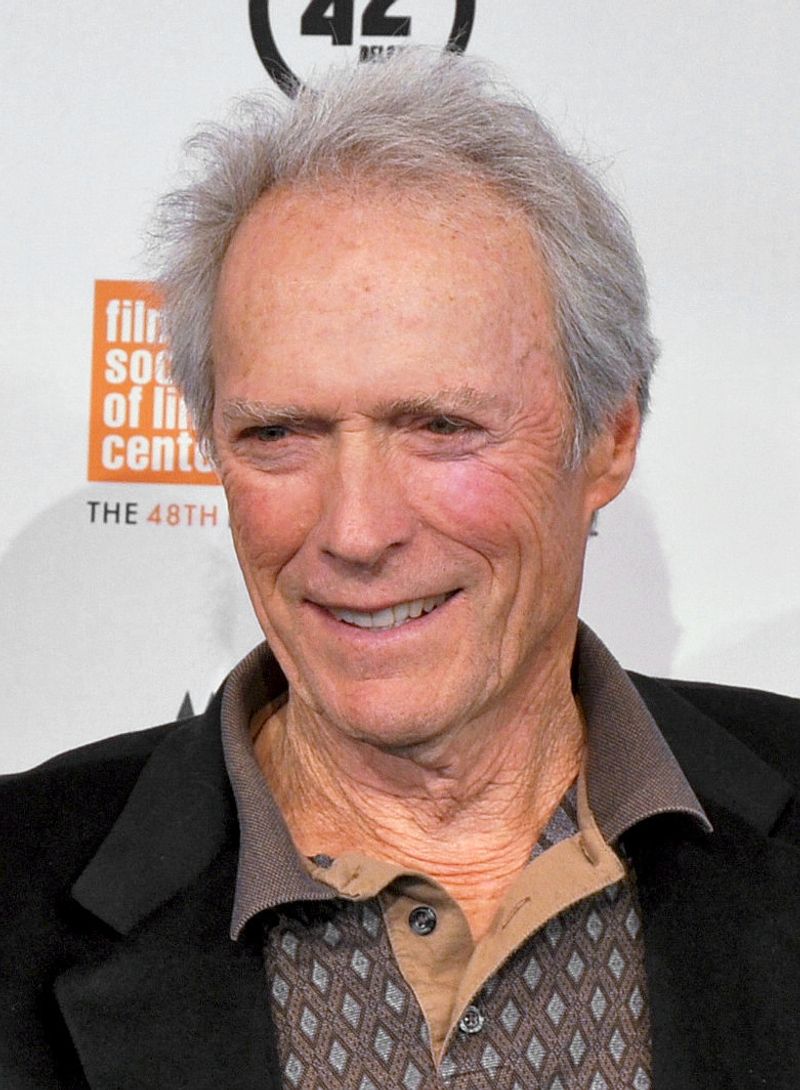
Clint Eastwood built this film into what felt like a triumphant sports story, and then completely changed the rules.
A young female boxer achieves everything she ever wanted, and then a single moment in the ring takes it all away in the most permanent, irreversible way imaginable.
What follows is not an action climax but a quiet, devastating moral crisis that asks enormous questions about love and what we owe the people we care about most.
14. Manchester by the Sea (2016)
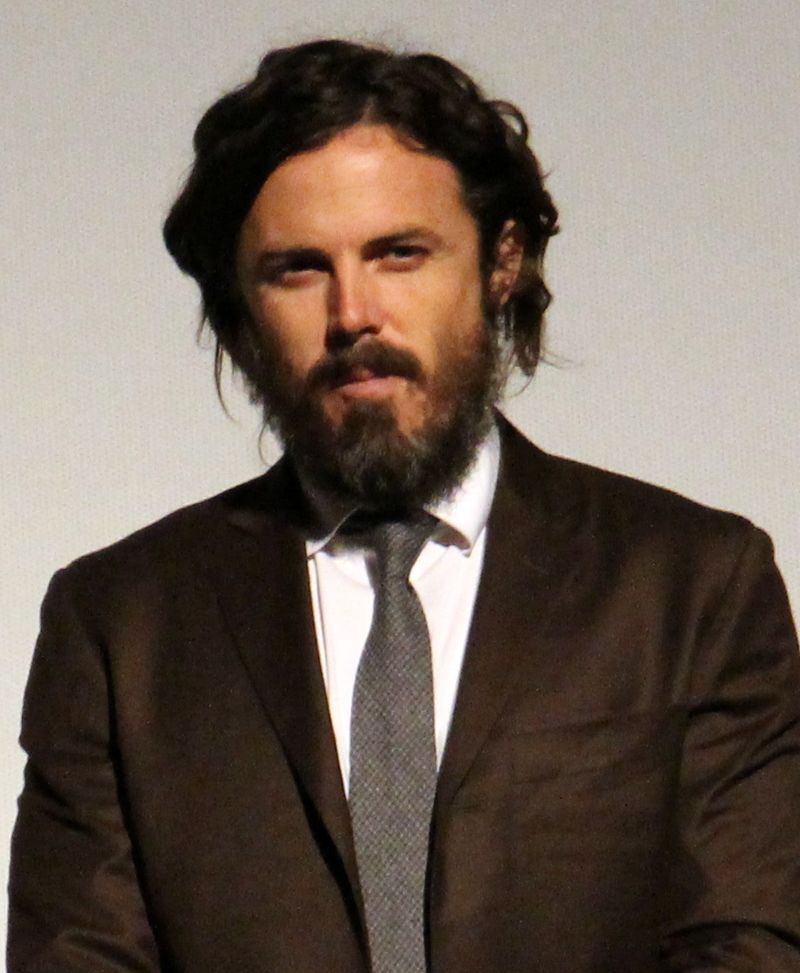
Some grief simply does not heal, and this film is brave enough to say so out loud.
Lee Chandler returns to his Massachusetts hometown after a family tragedy and is asked to become guardian to his teenage nephew, which forces him to face a past loss so catastrophic it has permanently shut him down.
Casey Affleck won an Oscar for a performance built almost entirely on absence, on what his character cannot say or feel anymore.
The ending offers no breakthrough, no tearful reconciliation, no recovered self.
15. Beneath the Planet of the Apes (1970)
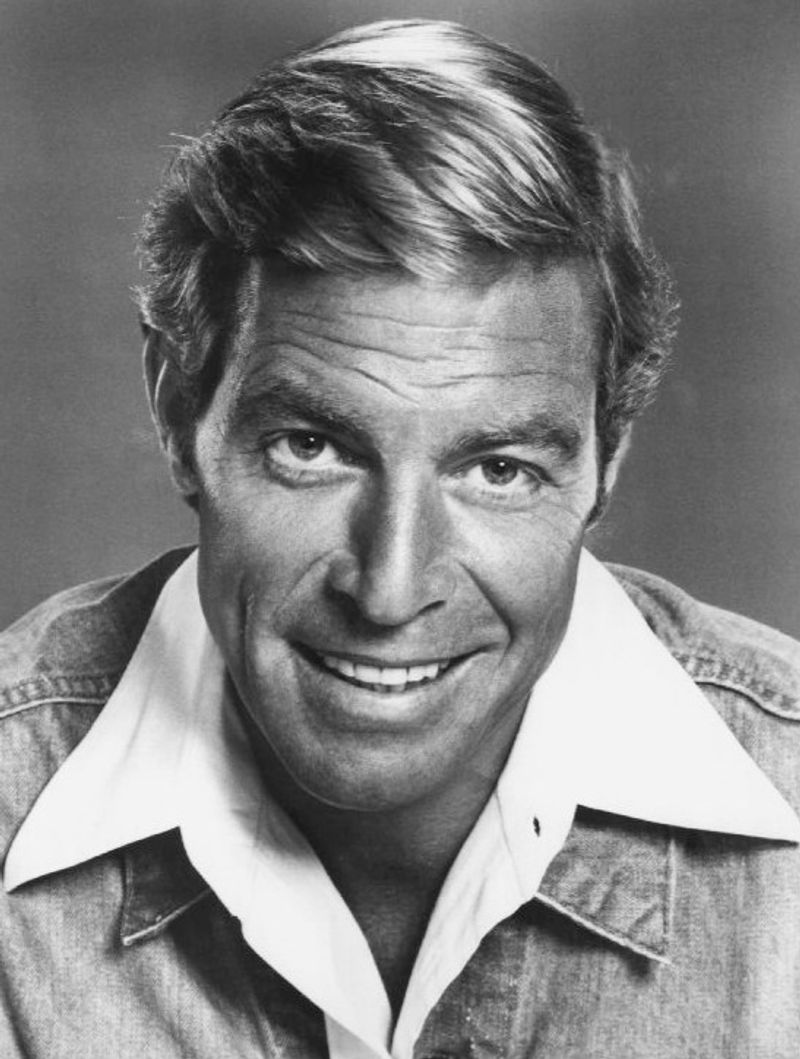
Most sequels try to top the original. This one decided to destroy everything, and we mean that literally.
The follow-up to the classic 1968 film ends with a mutant cult detonating a doomsday bomb and an on-screen narrator calmly announcing that a life-bearing planet has been completely obliterated. Roll credits.
Charlton Heston reportedly agreed to return only if his character passed away, so the filmmakers went even further.
It is arguably the most nihilistic ending in mainstream studio filmmaking history.
16. Brazil (1985)
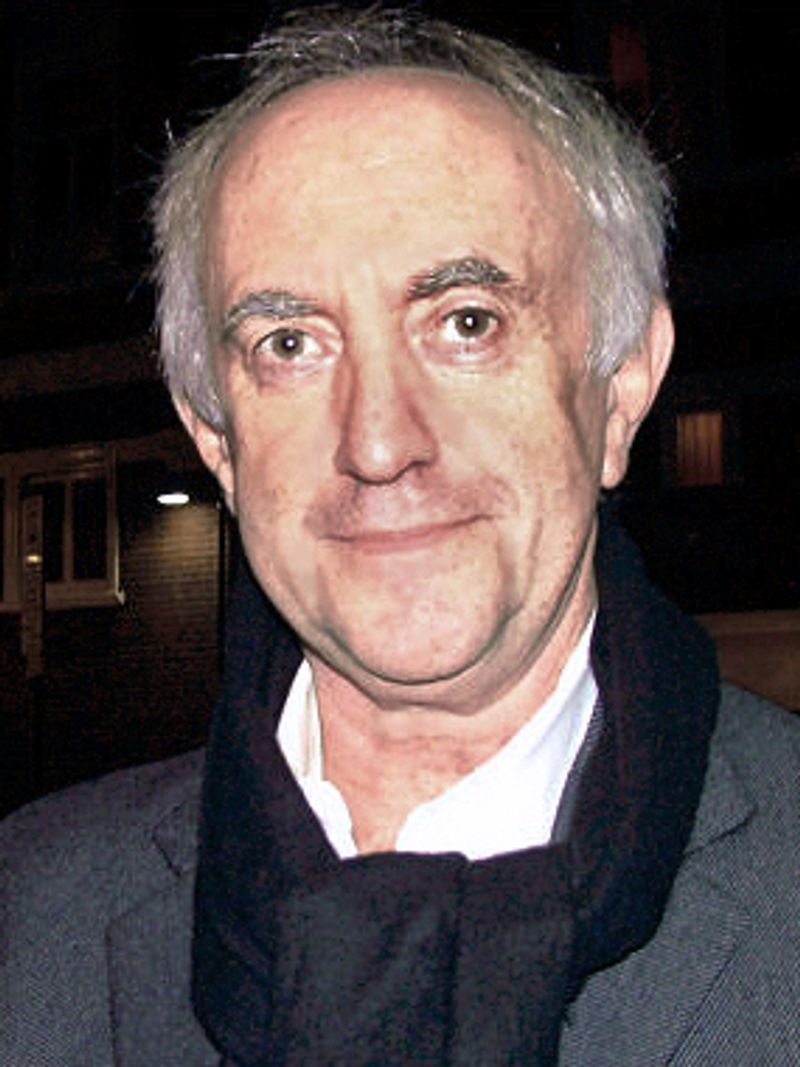
Terry Gilliam built a dystopian bureaucratic nightmare so absurd it almost feels like satire, and then revealed it was always a tragedy.
Sam Lowry is a low-level government worker who escapes his suffocating world through elaborate fantasies, and the film lets those fantasies feel genuinely wonderful before yanking the rug away completely.
The final scene shows Sam smiling blankly in a torture chair, his mind having retreated permanently into delusion to escape the horror of reality.