18 ’80s Movie Flops That Ended Up Winning Everyone Over
Box office numbers can be brutally unromantic.
A movie arrives with studio hopes, flashy promotion, and at least one executive already practicing a victory smile, only to stumble hard once tickets go on sale.
The 1980s gave plenty of films that lived through exactly that kind of rough start. Audiences missed them, critics shrugged at them, or timing simply worked against them.
Then something changed. Cable reruns, VHS shelves, late-night rewatches, and years of loyal word of mouth gave these once-dismissed titles a second life that felt far more affectionate than their original reception.
A flop usually sounds final, yet these movies proved that a cold opening weekend does not always get the last word.
1. Blade Runner (1982)

Few films have aged as gracefully as this rain-soaked, neon-drenched masterpiece.
When Ridley Scott’s sci-fi vision hit theaters in 1982, it earned a modest $32.2 million against a $21.6 million budget.
Critics were split, and audiences expecting a fun space adventure got something far more philosophical instead.
Over the decades, Blade Runner became the gold standard for science fiction filmmaking. Its questions about what it means to be human feel just as urgent today.
2. The Thing (1982)

Imagine releasing a terrifying creature movie the same summer as the warm and fuzzy E.T. Yeah, that was John Carpenter’s nightmare scenario.
The Thing earned just $15.9 million on a $12 million budget, and critics called it gross and mean-spirited. Audiences wanted huggable aliens, not shape-shifting horrors from Antarctica.
However, horror fans eventually discovered what they had been missing. The practical special effects remain jaw-dropping even by today’s standards.
3. Big Trouble in Little China (1986)

Kurt Russell playing a truck driver who accidentally stumbles into an ancient mystical battle beneath San Francisco’s Chinatown sounds like the best Saturday night ever.
Somehow, 1986 audiences disagreed, and the film flopped hard at the box office. John Carpenter was so disappointed he swore off big studio movies afterward.
If you watch it today, the wild energy and self-aware humor feel completely ahead of their time.
Russell’s Jack Burton is basically a parody of action heroes who doesn’t realize he’s the sidekick. Pure, chaotic gold.
4. Heathers (1989)

Dark, sharp, and unapologetically savage about high school politics, Heathers was unlike anything audiences had seen in teen cinema.
It earned a painfully small $1.1 million against a $3 million budget during its limited theatrical run.
Winona Ryder and Christian Slater were electric together, but the film was too edgy for mainstream 1989 tastes.
Years later, it became required viewing for anyone who ever rolled their eyes at cliques or popularity contests.
5. Clue (1985)

A crime mystery comedy based on a board game with multiple different endings depending on which theater you attended? That is either genius or madness, and in 1985, audiences voted madness.
Clue bombed at the box office, and the gimmick of three separate endings confused more people than it delighted.
Today, Clue is the ultimate party movie and a genuine comedy classic. Tim Curry’s performance as Wadsworth the butler is nothing short of legendary.
6. Labyrinth (1986)

How does a Jim Henson fantasy film starring David Bowie as a glitter-covered Goblin King flop? Somehow, Labyrinth managed to do exactly that in 1986, failing to recoup its $25 million budget.
Critics found it confusing, and kids weren’t sure if it was meant for them or adults.
Now it’s practically a rite of passage for every imaginative kid who ever felt a little out of place.
The puppetry is stunning, Bowie’s songs are genuinely catchy, and Jennifer Connelly is wonderful as Sarah. Magic, pure and simple.
7. Brazil (1985)
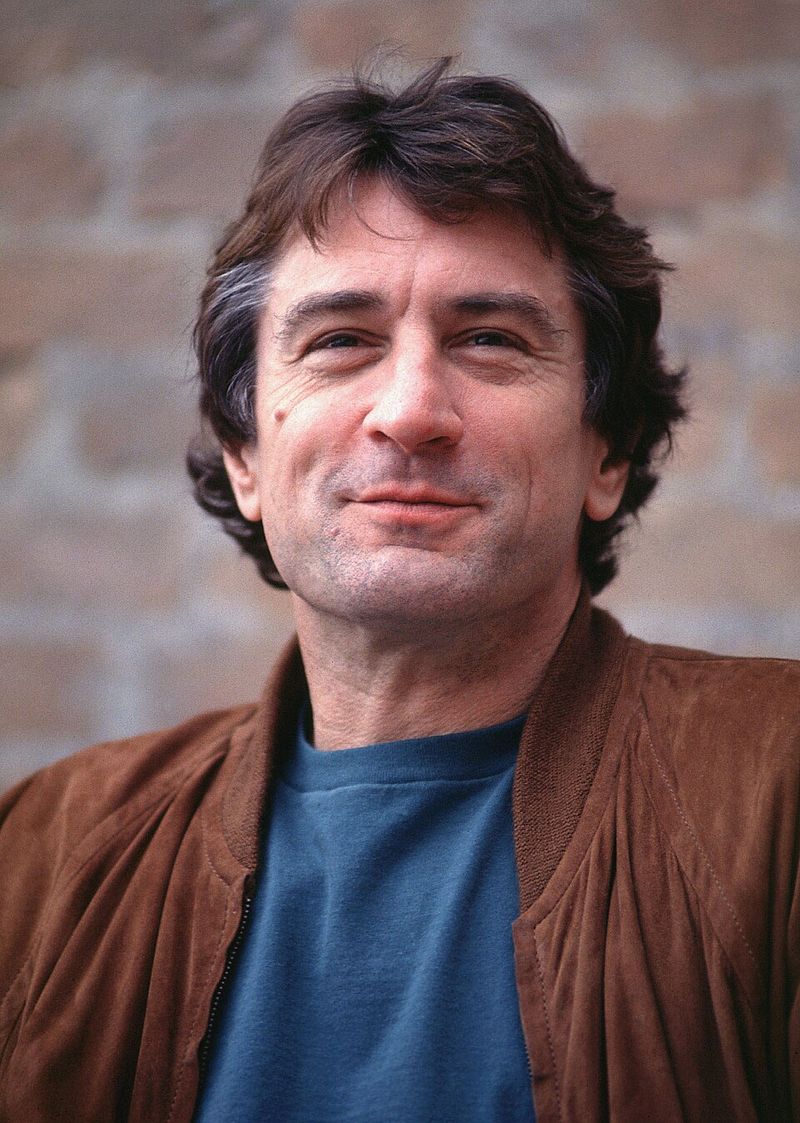
Terry Gilliam’s nightmarish vision of a future buried under bureaucratic paperwork was so unusual that the studio tried to re-edit it into something more cheerful.
Brazil barely made a dent at the box office, and its notoriously troubled production became Hollywood legend. Gilliam literally had to fight to release his own cut of the film.
Though the battle was messy, the result was worth it. Brazil is now regarded as one of the most imaginative and daring films of the entire decade.
8. The King of Comedy (1982)

Robert De Niro playing a delusional wannabe comedian who kidnaps a late-night TV host to get his big break sounds disturbingly familiar in today’s social media age.
Back in 1982, audiences found it too uncomfortable to enjoy, and the film was a commercial failure. Martin Scorsese considered it one of his most personal projects.
Decades later, The King of Comedy reads like a prophecy about fame-obsessed culture. Joaquin Phoenix even cited it as a major influence on his Oscar-winning Joker performance.
9. After Hours (1985)

One terrible night in downtown Manhattan spiraling completely out of control makes for one of the most bizarrely funny films Scorsese ever directed.
After Hours won the Best Director prize at Cannes but barely registered at the American box office. It was too weird for mainstream audiences and too small for arthouse crowds.
If you enjoy cringe comedy where everything that can go wrong absolutely does, this movie is your spirit animal. Scorsese clearly had a blast making it, and it shows.
10. The Adventures of Buckaroo Banzai Across the 8th Dimension (1984)

Where do you even start with a movie about a neurosurgeon-physicist-rock star who drives a jet car through solid matter and battles alien invaders?
Buckaroo Banzai confused nearly everyone in 1984 and earned less than $7 million at the box office. The studio had planned a sequel that never happened, leaving fans genuinely heartbroken.
However, the film found passionate devotees on cable TV and VHS who appreciated its gleeful absurdity.
Peter Weller leads a cast that includes Jeff Goldblum in a cowboy outfit. That alone earns cult status.
11. The Last Starfighter (1984)
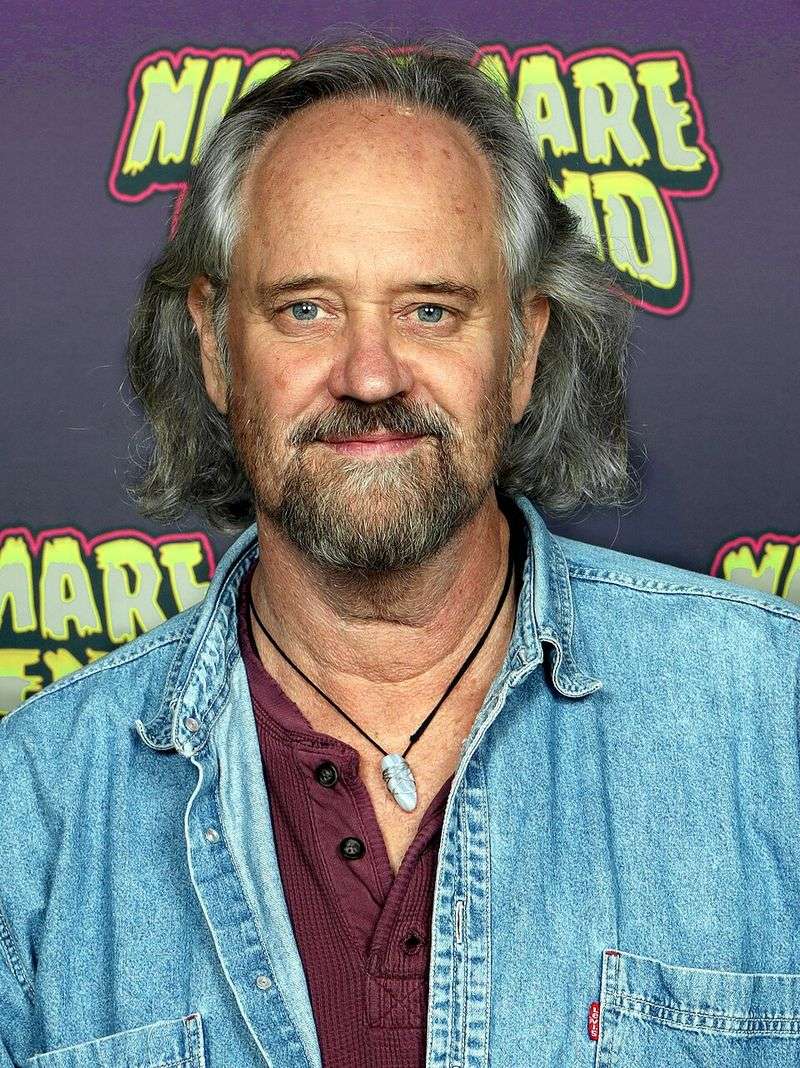
Every kid who ever played video games in the ’80s dreamed of being recruited by aliens because of their high score.
The Last Starfighter made that dream a movie, and it was one of the first films to use extensive computer-generated imagery for its space battles.
Despite being genuinely charming, it underperformed against the summer competition.
Today it holds a special nostalgic place for anyone who grew up in that era of arcade cabinets and big imaginations.
12. Tron (1982)

Disney took a massive gamble in 1982 by creating a film set entirely inside a computer, using groundbreaking visual effects that had never been attempted before.
Critics were dazzled by the look but found the story thin, and Tron was actually disqualified from visual effects Oscar consideration because the Academy thought computers were cheating. Ouch.
Though the box office numbers were modest, Tron planted a seed in the imagination of an entire generation of tech lovers and gamers.
13. UHF (1989)

Weird Al Yankovic running a struggling UHF television station and airing the most gloriously bizarre programming imaginable is exactly as wonderful as it sounds.
UHF opened against Batman and Indiana Jones and the Last Crusade in the summer of 1989, which was basically showing up to a sword fight with a rubber chicken. It flopped spectacularly.
On VHS, though, it found an audience that practically memorized every scene. Weird Al’s fanbase never forgot, and neither should you.
14. The Beastmaster (1982)

A warrior who can communicate telepathically with animals, including a black tiger and a pair of ferrets, sounds like the most epic Saturday morning cartoon ever made.
The Beastmaster earned a disappointing $9.4 million at the box office in 1982 and was largely dismissed as a cheap Conan the Barbarian knockoff by critics.
HBO and cable TV changed everything. The film aired so frequently on cable that it earned the nickname “Been Shown Most” among viewers.
15. Little Shop of Horrors (1986)

A blood-drinking alien plant that sings and slowly takes over the world is the kind of premise that either works brilliantly or crashes completely.
Little Shop of Horrors split the difference, earning decent reviews but underwhelming box office returns in 1986.
The original dark ending was replaced after test audiences rejected it, which left director Frank Oz frustrated.
16. Pee-wee’s Big Adventure (1985)

Tim Burton’s feature film debut was a road trip movie starring a grown man-child on a quest to find his stolen bicycle, and somehow it is completely magical.
Pee-wee’s Big Adventure earned solid numbers but was critically dismissed as too strange and childish for serious consideration. Studios weren’t sure what to make of Burton’s surreal visual style.
If you’ve seen Large Marge, you already know this film lives rent-free in your brain.
Paul Reubens created one of cinema’s most unique characters. Burton never looked back, and neither did audiences who rediscovered this gem on video.
17. Near Dark (1987)
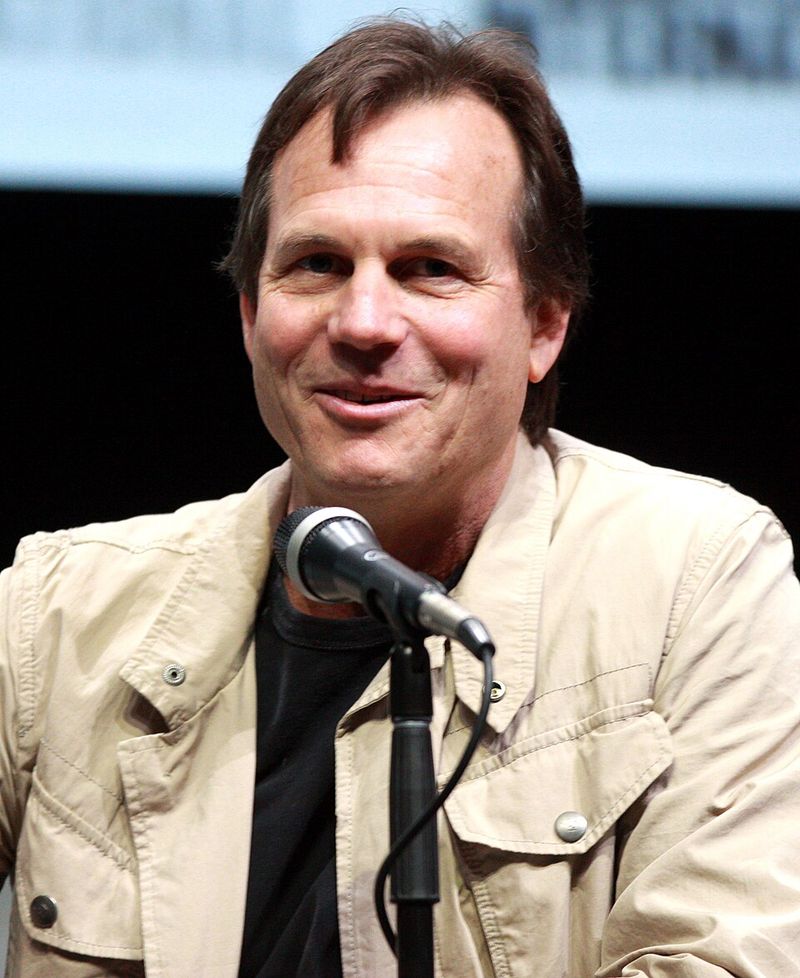
Vampires as nomadic outlaws roaming the American Southwest in beat-up vehicles is such a cool concept it is almost unbelievable that Near Dark flopped on release.
Director Kathryn Bigelow blended the western genre with horror in a way nobody had attempted before, but 1987 audiences weren’t buying it. The film made less than $3.4 million theatrically.
However, the film’s reputation grew steadily through video rentals and midnight screenings.
Bigelow would go on to win the Academy Award for The Hurt Locker, and fans look back at Near Dark as proof she was always exceptional.
18. The Road Warrior (1981/1982)

George Miller’s ferocious post-apocalyptic sequel arrived in Australian cinemas in 1981 and hit American screens in 1982, where it earned strong reviews but struggled to find the massive mainstream audience it deserved.
American distributors were nervous about marketing a foreign action film with minimal dialogue and maximum vehicular carnage.
Word of mouth eventually made it a phenomenon. Mel Gibson’s Max became one of cinema’s iconic anti-heroes, and the film’s influence on action movies, video games, and even fashion is immeasurable.