15 Movie Meals So Good They Practically Deserve A Seat At The Table
Food hits different on screen, serving moments that linger long after the credits roll. Think Ratatouille turning a simple bite into pure art, Lady and the Tramp giving spaghetti a whole new level of romance, and Friends making cheesecake feel like a personality trait. Movies and TV know how to turn a plate into a pop culture icon, where a bowl of ramen can carry emotion, a cake can steal the spotlight, and a shared meal can say more than dialogue ever could.
Every detail matters, from steam rising off a dish to a perfect bite timed with a dramatic score. Chefs, animators, and directors go all in, creating food that looks so real it almost pulls viewers through the screen.
These moments stick because they mix comfort, nostalgia, and storytelling in the most delicious way. 15 unforgettable movie meals are waiting ahead, each one carrying its own flavor of cinematic magic. Grab a snack, settle in, and enjoy a scroll that is serving looks, serving story, and absolutely serving appetite.
1. Spaghetti and Meatballs from Lady and the Tramp
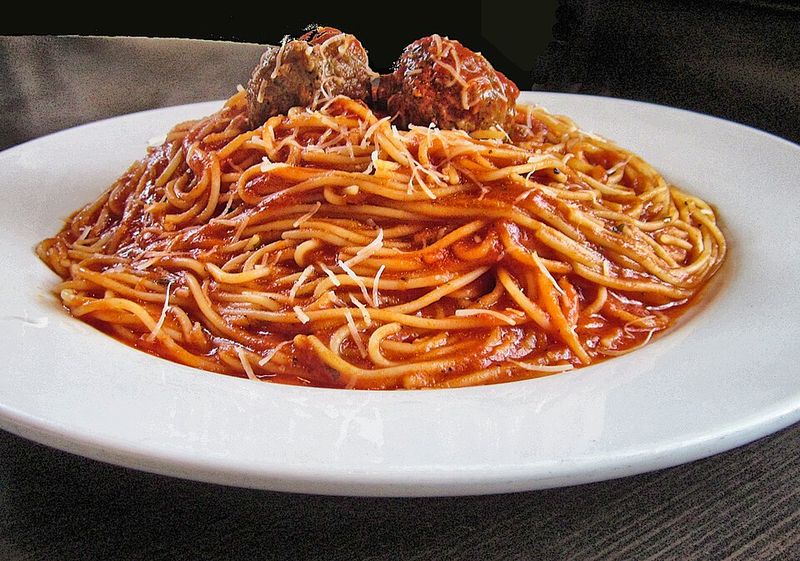
One accidental noodle slurp and suddenly two dogs are nose-to-nose in the most romantic dinner scene ever put to film. The 1955 Disney classic Lady and the Tramp gave us a shared plate of spaghetti and meatballs so charming it rewired how everyone thinks about pasta.
Tony the chef serenades the couple while candles flicker in a cozy alley behind an Italian restaurant. Honestly, no human dinner date has ever looked this sweet.
How did a cartoon meal become a cultural icon? Pure heart.
Cooks and romantics alike have been recreating this dish ever since, hoping to bottle just a little of that movie magic.
2. Ratatouille from Ratatouille
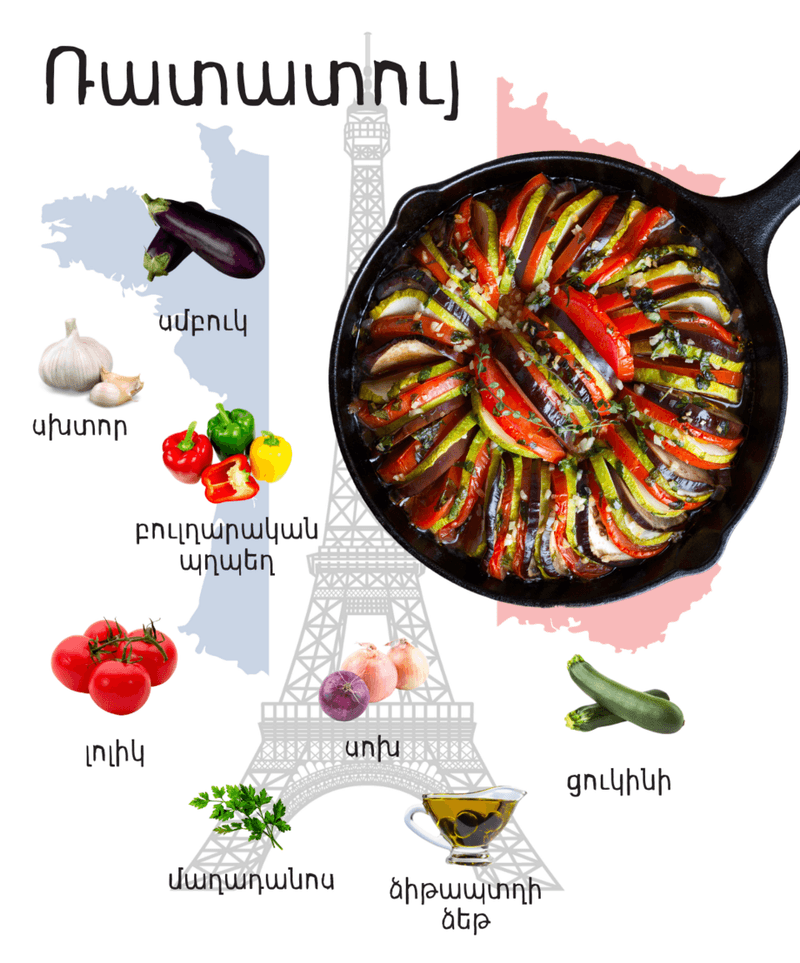
A rat cooking in a five-star Paris kitchen sounds like a health inspector’s nightmare, but somehow Remy pulls it off. The 2007 Pixar film Ratatouille features a dish so visually stunning it made a grumpy food critic burst into childhood tears on the spot.
Thinly sliced vegetables layered in a spiral over a silky tomato reduction, the ratatouille served to Anton Ego is practically a painting. Food stylists and home cooks immediately rushed to recreate it after the credits rolled.
If a movie can make vegetables emotional, it deserves serious applause. Pixar clearly did its homework on French cuisine.
3. Beignets from The Princess and the Frog
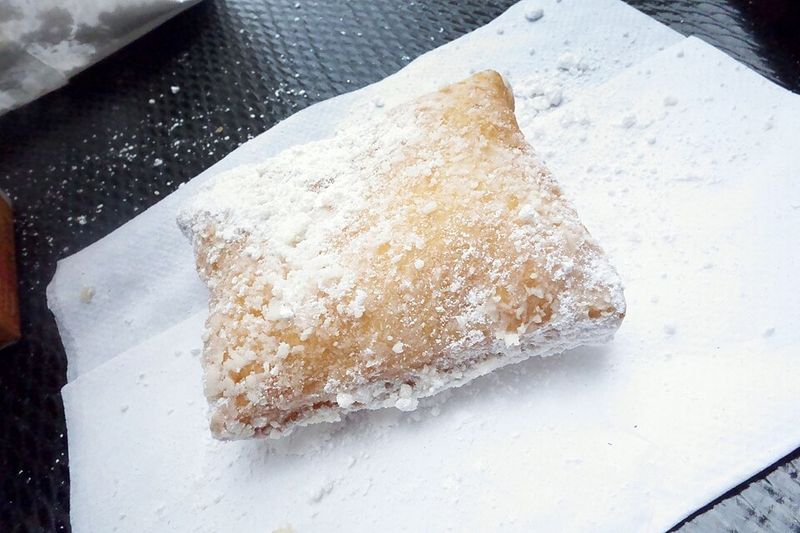
Hot, golden, and buried under a snowstorm of powdered sugar, Tiana’s beignets in The Princess and the Frog are basically edible dreams. Set in 1920s New Orleans, the film captures the soul of the city through its food, and Tiana’s passion for her craft shines brightest in every puff of fried dough.
Beignets are a real New Orleans staple, most famously served at Cafe Du Monde, which has been open since 1862. So the film was not exaggerating one bit.
Watching Tiana flip and fry while singing makes the kitchen feel like the happiest room alive. No wonder everyone wanted a bite.
4. Ram-Don (Chapaguri) from Parasite
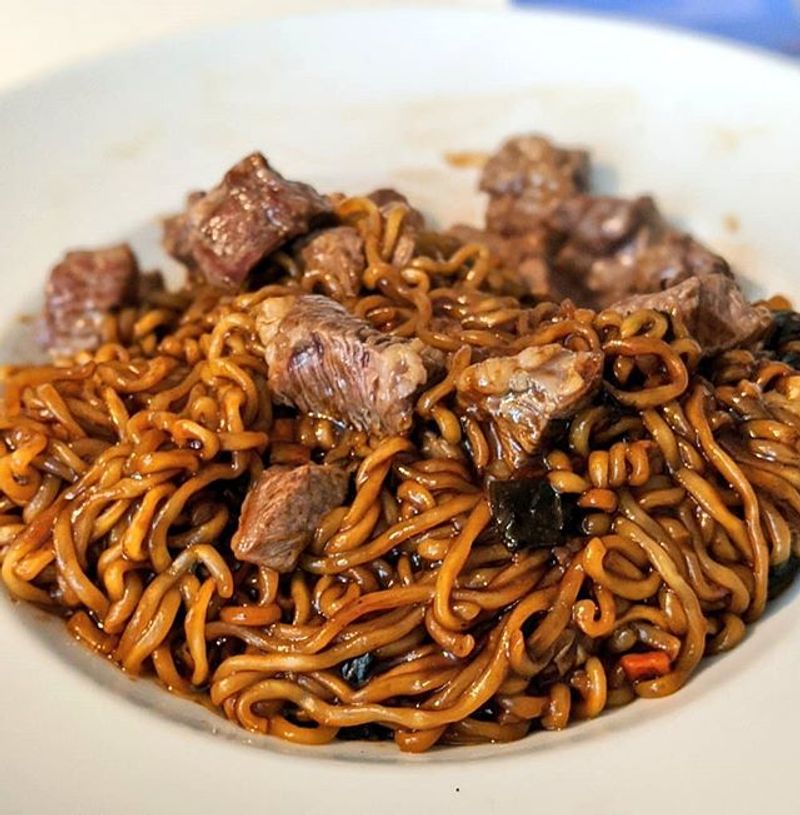
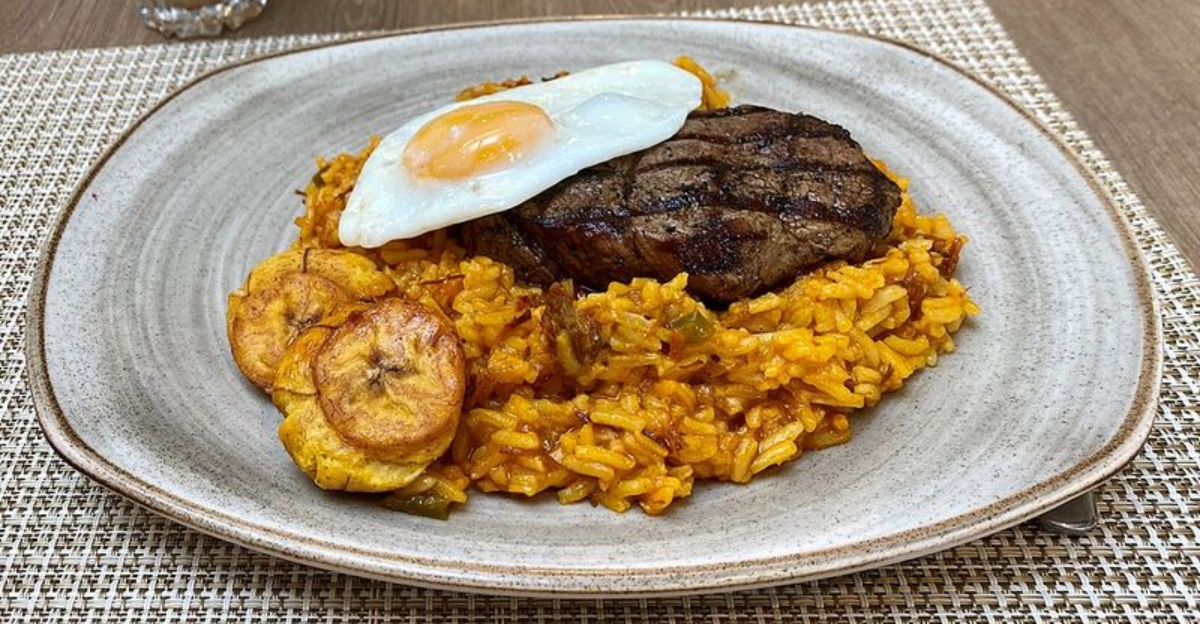
Ram-Don sounds casual, but Parasite turns it into a class statement that cuts deeper than any kitchen knife. Director Bong Joon-ho invented the term Ram-Don for the English subtitles of his 2019 Oscar-winning film, combining two Korean instant noodle brands, Chapagetti and Neoguri, topped with premium sirloin.
The dish perfectly captures the film’s tension between wealth and poverty. A rich wife casually demands the snack while a working-class family scrambles to prepare it perfectly.
Instant noodles plus expensive steak is a wild combo, but somehow it works. After the film won Best Picture, searches for chapaguri spiked globally overnight.
5. Turkish Delight from The Chronicles of Narnia
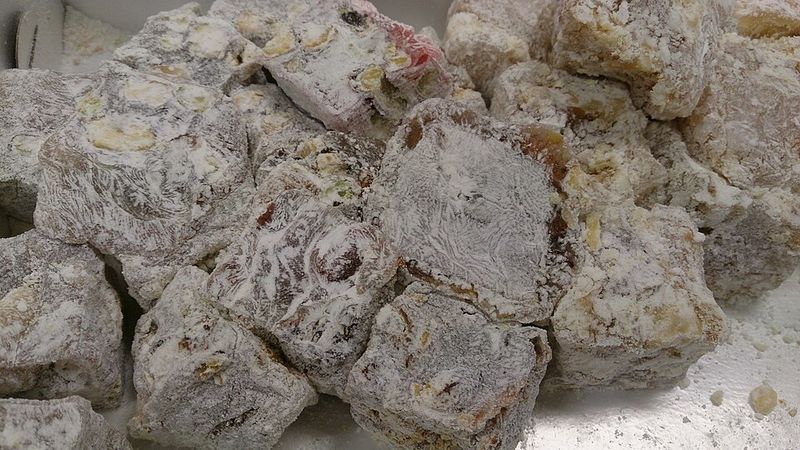
Edmund Pevensie betrayed his entire family for a box of candy, and honestly, the White Witch made it look worth it. In The Chronicles of Narnia: The Lion, the Witch and the Wardrobe, enchanted Turkish delight is used as a magical lure, and audiences everywhere suddenly needed to try the real thing.
Turkish delight is an actual confection, a gel-like candy made of starch and sugar, popular in Turkey and across the Middle East for centuries. It is often rose-flavored and dusted in powdered sugar.
How powerful is food in storytelling? One enchanted box of sweets drove an entire plot.
Candy has never felt so dramatically dangerous.
6. The Breakfast Club Lunches from The Breakfast Club
Five students. One detention.
Completely different lunches. The 1985 John Hughes classic The Breakfast Club uses the midday meal as a mirror for each character’s personality and home life.
Claire unpacks sushi. Andrew has a mountainous athlete’s feast.
Allison dumps pixie sticks onto a cereal-and-Cap’n-Crunch sandwich.
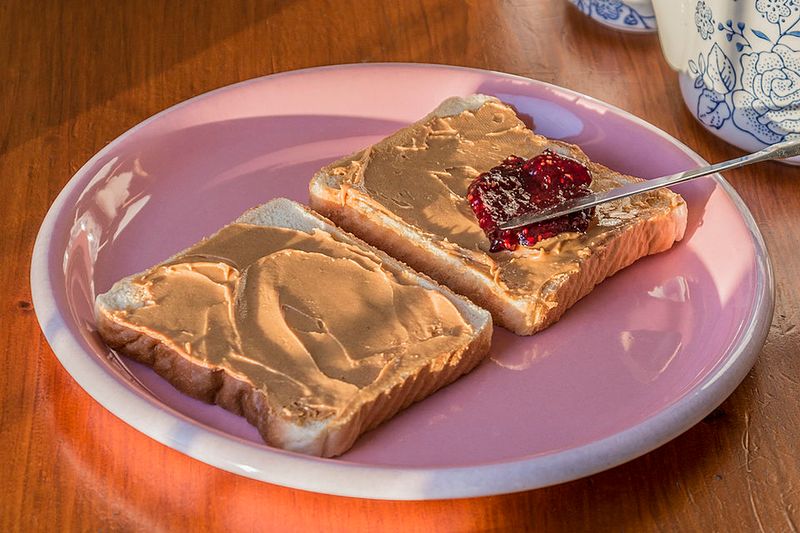
Brian has a simple PB&J. Bender has nothing at all, which says everything without a single word of dialogue.
Food as social commentary hits differently when you are stuck in a library all Saturday. Hughes understood that what is in your lunchbox tells a story.
Viewers still debate which lunch they would steal.
7. Krabby Patty from The SpongeBob SquarePants Movie
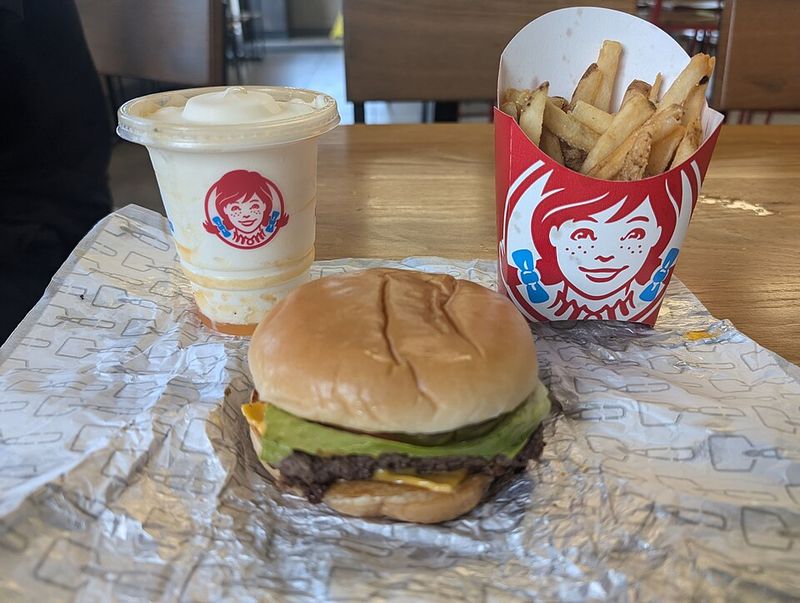
No burger in the history of fiction has inspired more obsession than the Krabby Patty. In The SpongeBob SquarePants Movie from 2004, the secret formula becomes the centerpiece of an entire underwater conspiracy, and somehow it all makes perfect sense.
SpongeBob flips patties with the kind of joy most people save for birthdays. The Krabby Patty looks like a regular cheeseburger, but its legendary status in Bikini Bottom makes it feel mythical.
Food scientists and fans have spent years trying to decode the secret formula. Nobody has cracked it yet.
But the fact a cartoon burger sparks real-world culinary curiosity says everything about how powerful movie food can be.
8. Chocolate Cake from Matilda
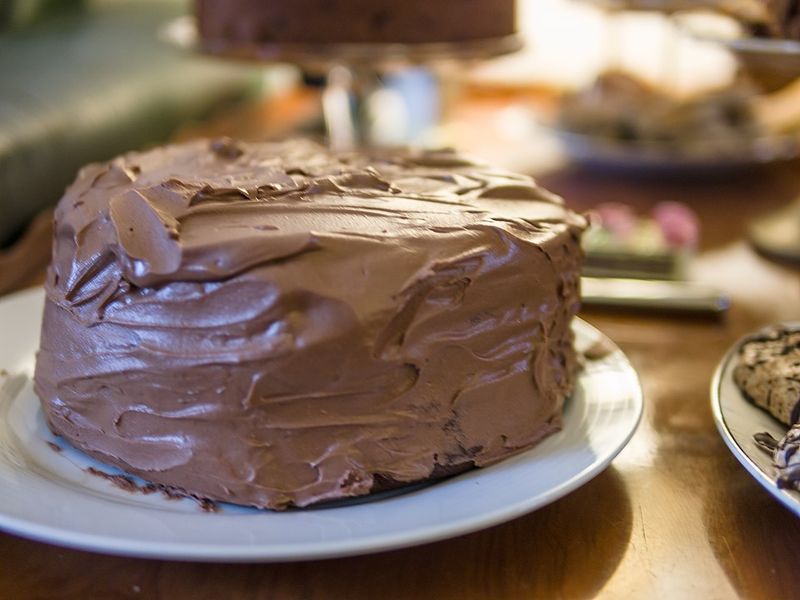
Chocolate cake should never be used as punishment, and yet Matilda made one of cinema’s most brutal scenes revolve around dessert. Miss Trunchbull forces young Bruce Bogtrotter to eat an enormous chocolate cake in front of the entire school as humiliation.
It backfires spectacularly.
Bruce finishes every last crumb, earning a thunderous standing ovation from his classmates. The cake goes from weapon to victory symbol in about three minutes flat.
Roald Dahl wrote the original scene to show that kindness and resilience can turn cruelty on its head. Watching Bruce triumph through sheer chocolate determination is one of the most satisfying moments in 1990s cinema.
9. Prison Sauce from Goodfellas
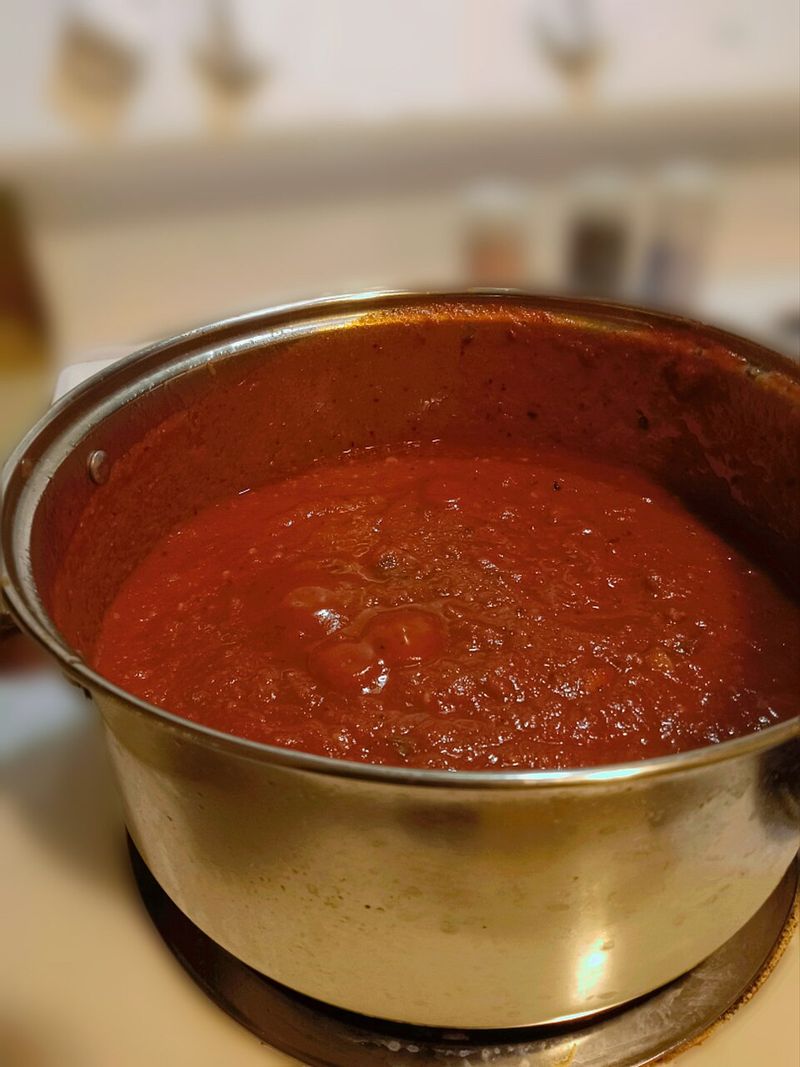
Making red sauce in prison sounds impossible, but Henry Hill and his crew in Goodfellas turned their cell block into a five-star Italian kitchen. Director Martin Scorsese based the 1990 film on real events, and the cooking scenes were drawn directly from stories by the actual Henry Hill.
Paulie shaves garlic so thin it melts right into the oil. The attention to technique mid-incarceration is both absurd and oddly impressive.
Food here is power, comfort, and culture all stirred into one pot. Scorsese used the cooking scene to show that no matter the setting, some people carry their identity in a recipe.
10. Butterbeer from Harry Potter and the Half-Blood Prince
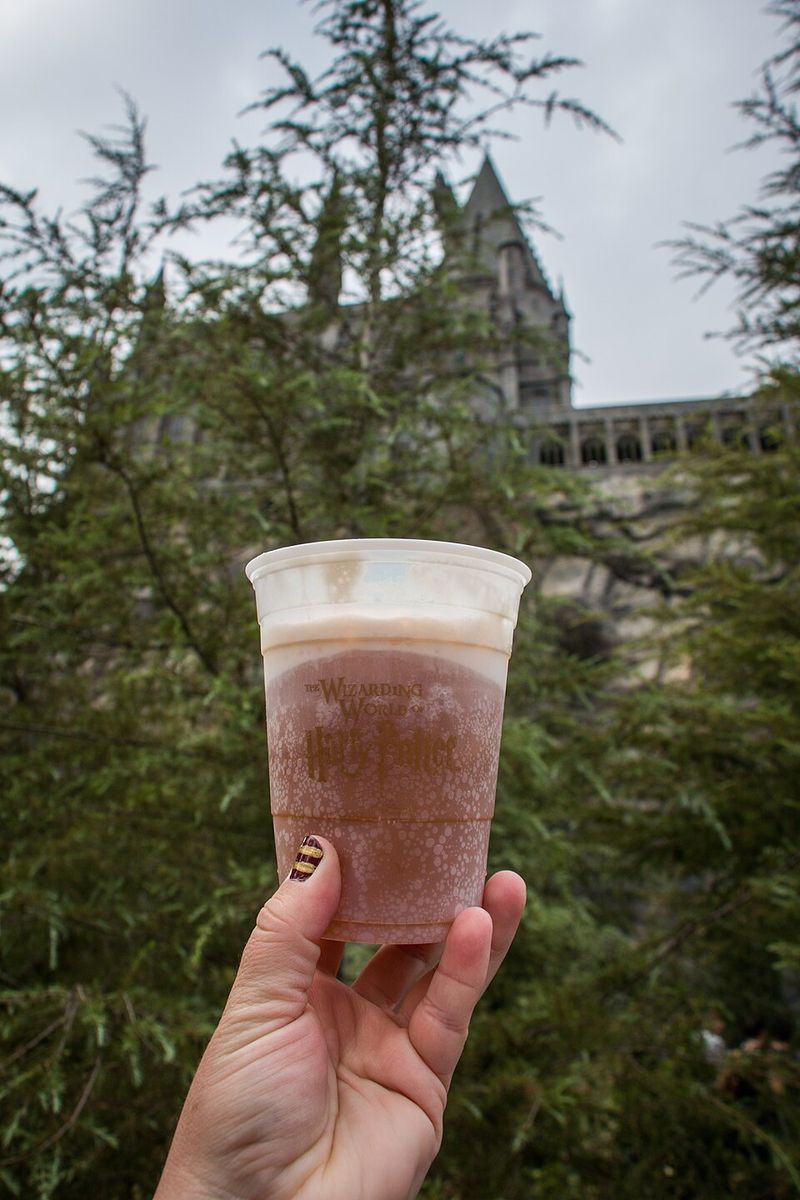
Warm, frothy, and tasting like butterscotch mixed with happiness, butterbeer became one of the most craved fictional drinks in pop culture history. Featured prominently throughout the Harry Potter series, it gets its most memorable spotlight in The Half-Blood Prince during scenes at The Three Broomsticks.
Universal Studios eventually made butterbeer a real beverage at its Wizarding World of Harry Potter theme park, and it became an instant sensation. Fans line up for it daily.
Homemade versions flooded food blogs for years, most involving cream soda and butterscotch syrup. How a fictional pub drink sparked a global recipe craze is a testament to just how immersive the wizarding world truly feels.
11. Roast Chicken from Spirited Away
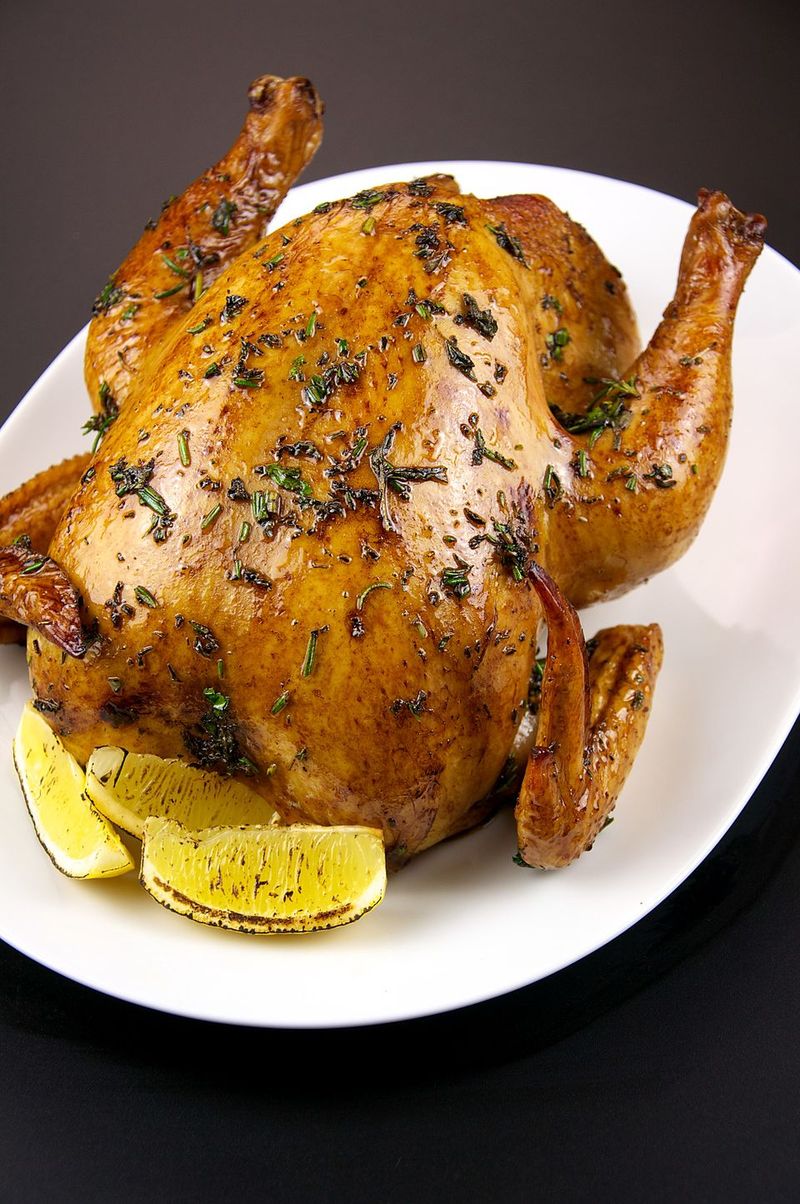
Studio Ghibli has a legendary reputation for making animated food look more appetizing than anything in real life, and Spirited Away is the ultimate proof. When Chihiro’s parents discover a mysteriously empty restaurant and start eating without permission, the feast laid out looks absolutely irresistible.
Roasted meats, colorful soups, steaming dumplings, and sauces of every shade pile the table in a visual overload of deliciousness. Of course, eating spirit-world food without permission turns the parents into pigs.
Director Hayao Miyazaki reportedly insisted every dish be based on real Japanese cuisine. The food in Ghibli films feels so real because it actually is, just drawn with extraordinary love.
12. Pizza from Home Alone
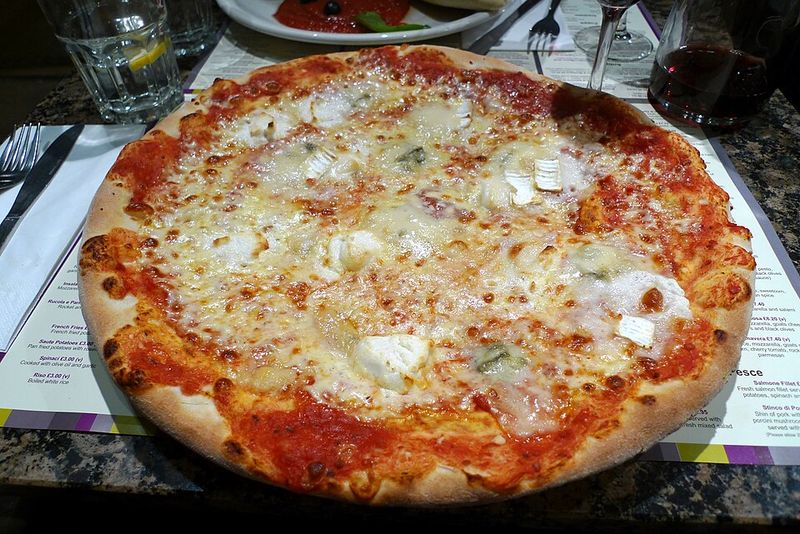
Eating a whole cheese pizza alone while watching gangster movies sounds like a dream vacation for most eight-year-olds. Kevin McCallister made it look like the ultimate act of independence in the 1990 holiday classic Home Alone.
One kid, one pizza, zero parental supervision.
The scene is so simple yet so iconic because it captures every child’s fantasy of total freedom. No sharing.
No vegetables on the side. Just pure, melty, cheesy joy.
Macaulay Culkin revisited the moment in a 2018 Google commercial, proving the pizza scene never lost its cultural grip. Cheese pizza has never looked so rebellious or so deeply satisfying.
13. Egg and Soldiers from Paddington
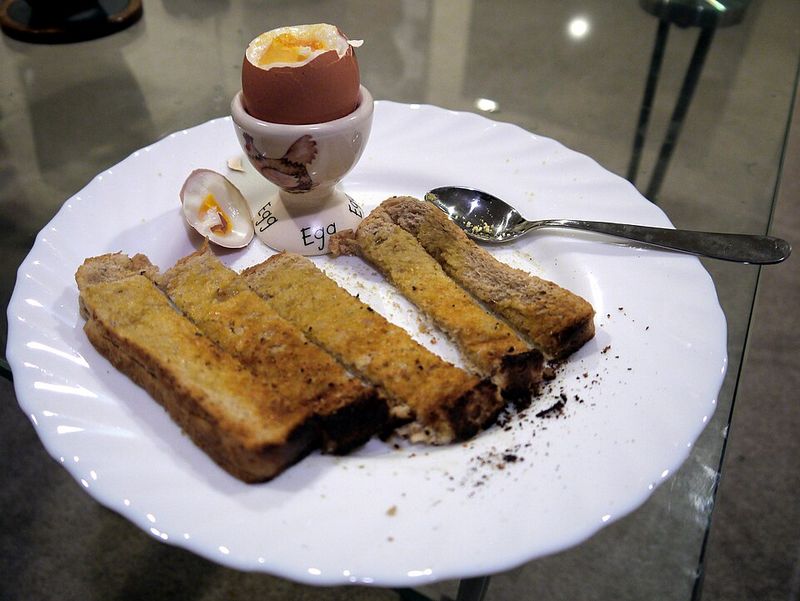
Paddington Bear introduced a whole generation of viewers to the joy of soft-boiled eggs and toast soldiers in the 2014 film Paddington. Watching the Brown family sit down to a proper British breakfast made the whole scene feel like a warm hug wrapped in marmalade.
Toast soldiers, strips of buttered toast cut for dipping into a runny yolk, are a classic British breakfast tradition enjoyed by children and adults alike for generations.
Paddington’s wide-eyed wonder at ordinary human food is part of his irresistible charm. A simple egg-and-toast breakfast somehow becomes a symbol of belonging, kindness, and the joy of finding a home.
14. Taco Tuesday from The LEGO Movie
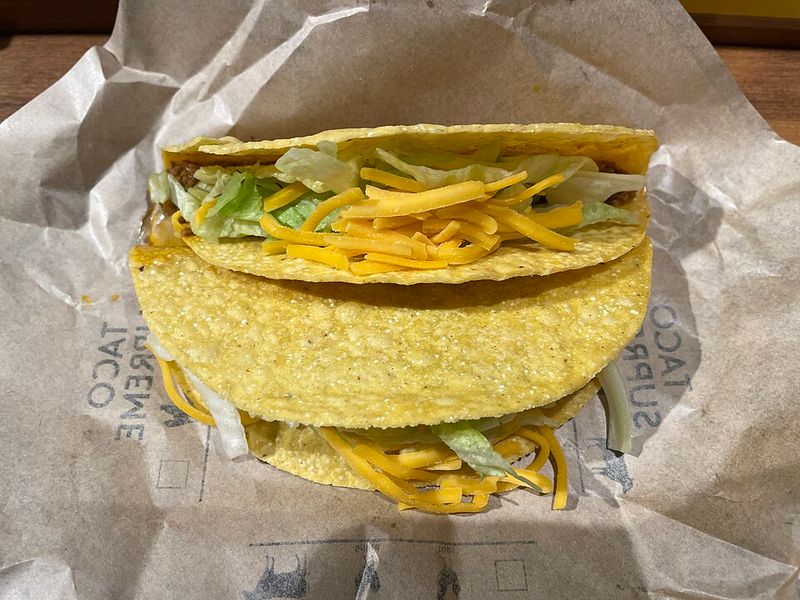
No animated film has ever made tacos feel like a revolutionary act quite like The LEGO Movie did in 2014. President Business declares Taco Tuesday an official holiday, and somehow it feels both ridiculous and deeply relatable at the same time.
The joke caught fire in real life. Restaurants and families started treating Taco Tuesday like a genuine weekly celebration, because honestly, why not?
Tacos deserve a holiday. The film’s playful energy around food culture tapped into something universal: everyone loves a good taco, and everyone loves an excuse to celebrate one.
Emmet would absolutely approve of extra guacamole on top.
15. Ramen from Tampopo
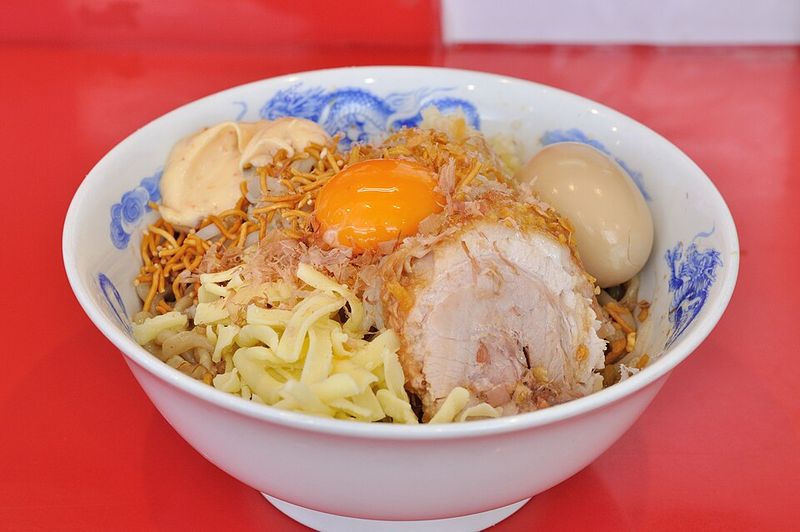
Japan’s most famous food film, Tampopo from 1985, is basically a love letter to ramen. Director Juzo Itami crafted an entire story around a widow’s quest to perfect her ramen recipe, and the result is one of cinema’s most passionate tributes to a single dish.
A bowl of tonkotsu ramen in the film looks so deeply comforting, so carefully constructed, it practically glows. Every ingredient is placed with the precision of a surgeon and the heart of an artist.
Watching characters eat ramen in Tampopo feels almost sacred. Food lovers and film fans alike consider it required viewing for anyone who takes both noodles and cinema seriously.