13 Movie Remakes You Probably Thought Were Original And Totally Missed
Ever watched a film and felt that spark of originality, only to discover the idea had a longer history waiting in the wings? Cinema loves a good illusion, and some of the most iconic stories on screen began life in another language, on a smaller stage, or inside a book that quietly shaped the script.
Hollywood has long borrowed, adapted, and reimagined, turning earlier visions into new experiences for global audiences. Some remakes elevate the material, adding polish, star power, and a fresh perspective that resonates across generations.
Others invite comparison, sparking debates about tone, style, and storytelling choices that shape the final result. In many cases, the earlier version holds a raw energy that still surprises anyone willing to explore its roots.
Each film carries a hidden lineage, a creative trail that connects past and present in unexpected ways. Discovering the origin story behind a familiar favorite feels like uncovering a hidden scene after the credits roll.
Suddenly, familiar moments carry new meaning, and every frame feels richer. Explore the lineup, revisit a few classics, and decide which version deserves the spotlight.
Press play on curiosity and see which story rewrites the script in your mind.
1. The Wizard of Oz (1939)
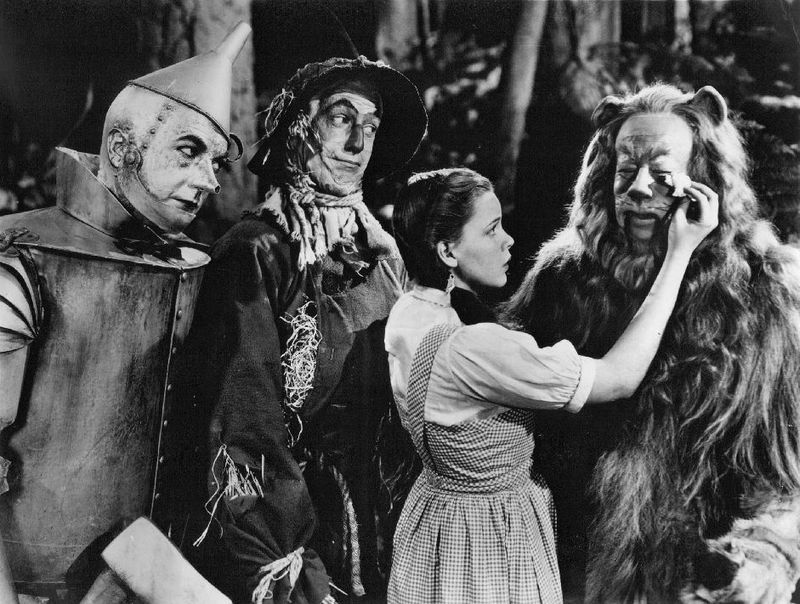
Somewhere over the rainbow, a surprising secret hides in plain sight. Most people assume the 1939 classic starring Judy Garland was a totally fresh Hollywood invention, but it was actually the seventh film adaptation of L.
Frank Baum’s 1900 novel. Silent versions existed long before Dorothy ever clicked her ruby slippers.
Several earlier films tackled Baum’s story, including a quirky 1925 version. The 1939 production simply had the budget, the color, and the star power to make everyone forget everything before it.
How wild is that? A story told seven times, yet one version became the definitive cultural landmark.
2. The Magnificent Seven (1960)
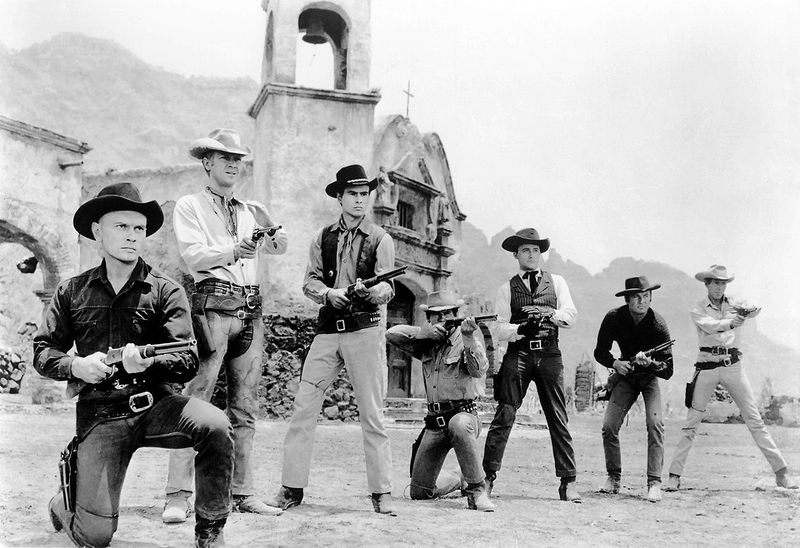
Cowboys, tumbleweeds, and showdowns at high noon, yet the soul of this story was born in feudal Japan. The Magnificent Seven is a direct remake of Akira Kurosawa’s legendary 1954 samurai epic Seven Samurai.
Hollywood simply swapped the katanas for six-shooters and moved the setting to Mexico.
Kurosawa’s original film is considered one of cinema’s greatest achievements. Yul Brynner led the Western version, and it became a massive hit.
If you watch both films side by side, the story beats are almost identical. Kurosawa himself reportedly admired the remake, which says everything about how well the story translated across cultures.
3. The Departed (2006)
Martin Scorsese won his first Best Director Oscar for a film that started life as a Hong Kong thriller. The Departed, starring Leonardo DiCaprio, Matt Damon, and Jack Nicholson, is a remake of the 2002 Hong Kong film Infernal Affairs.
Both films follow undercover cops and mob moles trying to expose each other.
Infernal Affairs is genuinely brilliant and worth watching on its own. Scorsese relocated the story to Boston and added his trademark intensity.
Surprisingly, many American viewers had no idea a Hong Kong original even existed. Sometimes the remake wins the Oscar while the original quietly waits for its proper recognition.
4. The Ring (2002)

A cursed videotape, a terrifying phone call, and seven days to live. When The Ring hit American theaters in 2002, audiences were absolutely petrified.
However, Japan had already experienced this nightmare four years earlier through Ringu, the 1998 J-horror masterpiece directed by Hideo Nakata.
Ringu was based on a 1991 novel by Koji Suzuki and became a cultural phenomenon across Asia before Hollywood noticed. The American remake kept the core story intact but adjusted cultural details for Western audiences.
Naomi Watts delivered a powerhouse performance. Ringu remains scarier to many fans, proving that sometimes the original version hits differently in its home country.
5. A Star Is Born (1937, 1954, 1976, 2018)
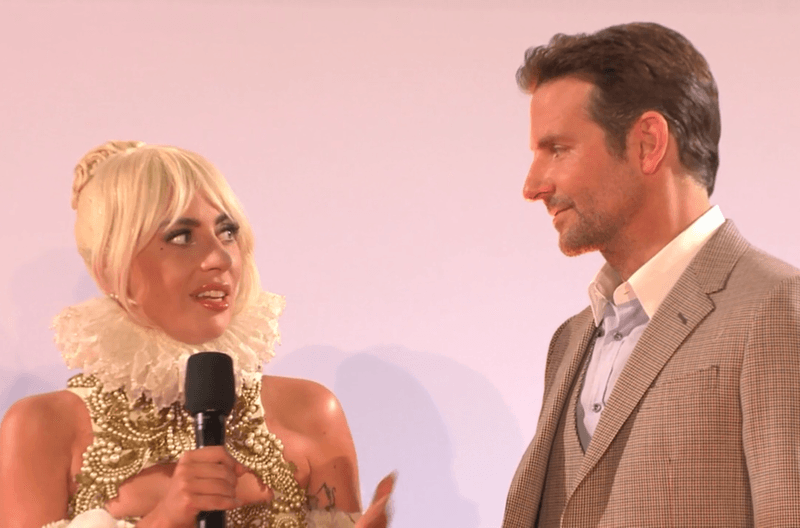
Four versions, one unstoppable story. A Star Is Born has been remade so many times it practically has its own sequel franchise.
The original 1937 film followed a rising actress and a fading star, and Hollywood liked the formula so much it kept returning to it every few decades.
Janet Gaynor starred in the original, Judy Garland tackled the 1954 musical version, Barbra Streisand updated it in 1976, and Lady Gaga absolutely owned the 2018 remake. Each version reflects the era it was made in.
If a story survives four complete remakes across eight decades, it is clearly doing something right.
6. Scarface (1983)

Say hello to the little fact most Scarface fans never knew. Al Pacino’s iconic 1983 film about Cuban immigrant Tony Montana is actually a remake of a 1932 gangster classic also called Scarface.
The original starred Paul Muni and was directed by Howard Hawks during Hollywood’s golden gangster era.
Both films follow a ruthless criminal rising to power before spectacular self-destruction. Brian De Palma modernized the story, moved the setting to Miami, and cranked up the intensity to eleven.
The 1983 version became so culturally dominant that most people forgot a 1932 original even existed. Funny how remakes sometimes completely erase the memory of what came before.
7. True Lies (1994)

Arnold Schwarzenegger playing a secret agent hiding his double life from his wife sounds like a purely American Hollywood invention, right? Nope!
True Lies is actually a remake of the 1991 French comedy La Totale! Director James Cameron discovered the French film and immediately saw blockbuster potential hiding inside it.
La Totale was a modest French hit about an ordinary spy living a secret life. Cameron kept the comedic premise but added jaw-dropping action sequences, a massive budget, and Schwarzenegger’s larger-than-life screen presence.
Most American audiences had zero awareness of the French original. Cameron turned a charming comedy into one of the biggest action films of the nineties.
8. The Lion King (1994)
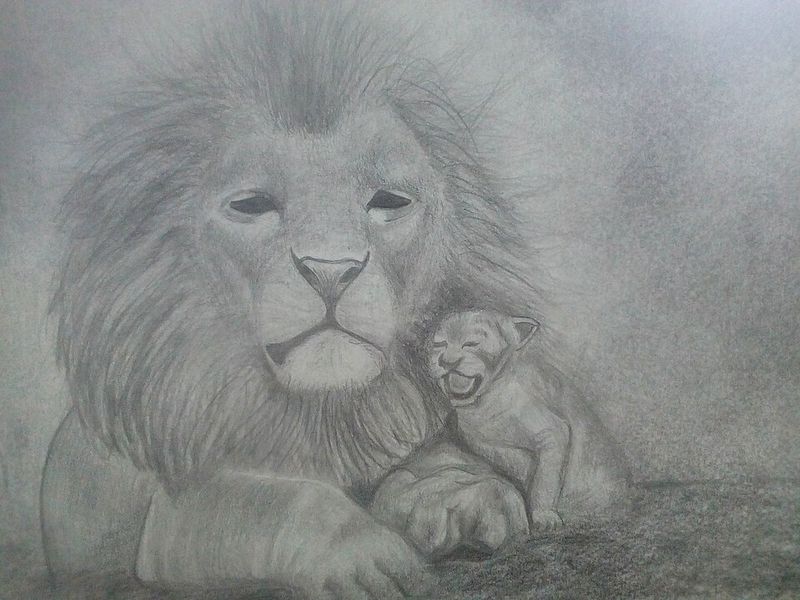
Hakuna Matata! No worries, except for the fact that Simba’s story is basically Hamlet set in the African savanna.
Disney’s beloved 1994 animated classic draws enormous inspiration from Shakespeare’s tragic play about a prince whose father is murdered by a treacherous uncle.
Simba, Mufasa, and Scar map almost perfectly onto Hamlet, King Hamlet, and Claudius. Disney added talking animals, catchy songs, and a happier ending, but the structural bones are unmistakably Shakespearean.
Some film scholars also point to similarities between The Lion King and the 1960s Japanese anime series Kimba the White Lion. Either way, classic stories have a funny habit of traveling through time in new costumes.
9. The Birdcage (1996)
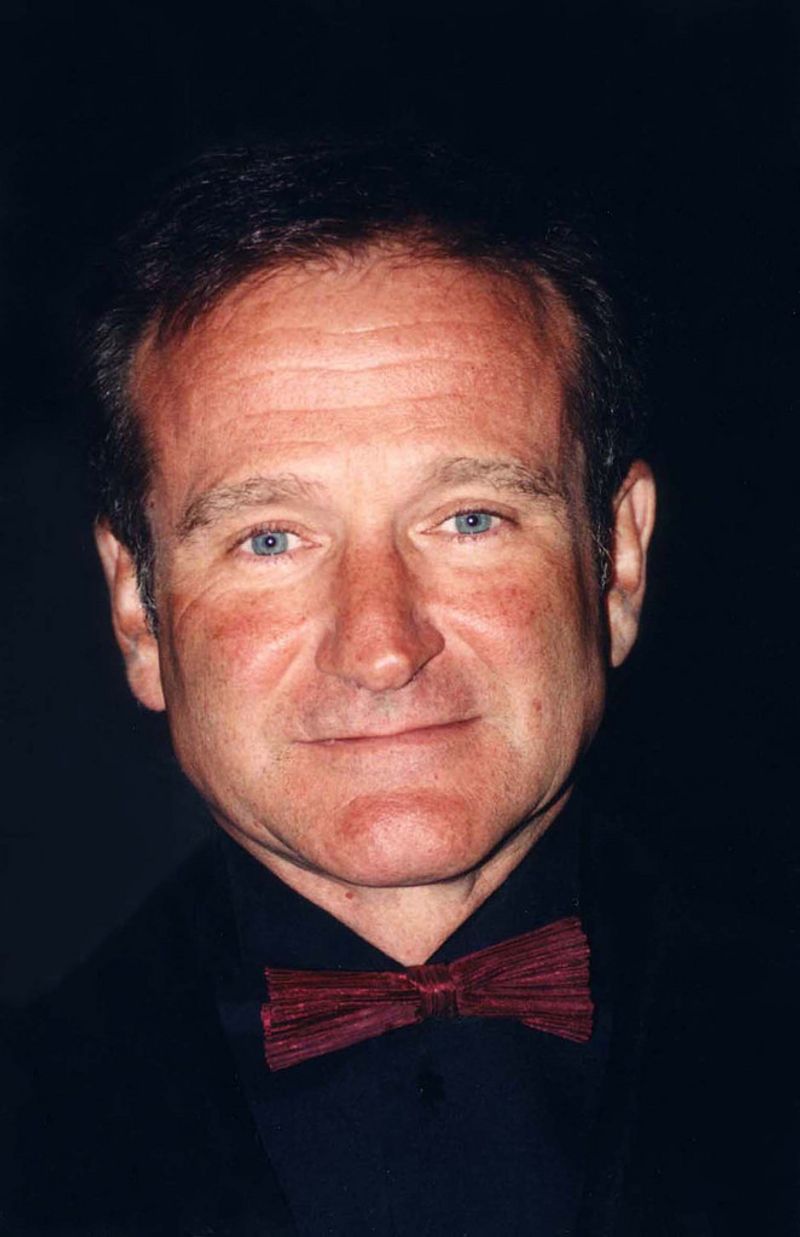
Robin Williams and Nathan Lane made audiences howl with laughter in this 1996 comedy about a gay couple navigating a hilariously awkward family dinner. What most viewers never realized is that The Birdcage is a remake of the 1978 French-Italian film La Cage aux Folles, which was itself based on a stage play.
La Cage aux Folles was a massive international hit and spawned two sequels before Hollywood came calling. The Birdcage relocated the story to Miami’s South Beach and updated the humor for nineties audiences.
Both versions share the same warm heart and sharp comedic timing. The stage musical version later became a Broadway smash, proving the story simply refuses to stop entertaining people.
10. Meet the Parents (2000)
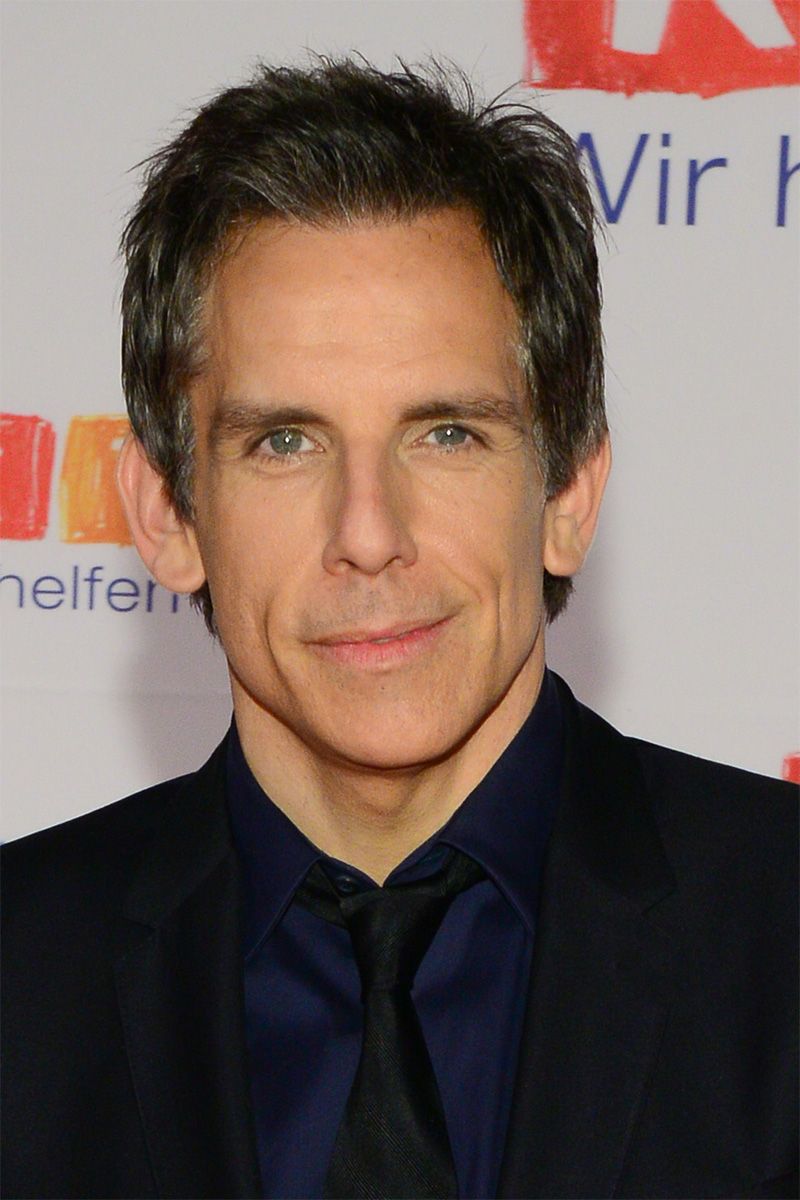
A cringe comedy about meeting an intimidating girlfriend’s father feels like pure original genius. However, Meet the Parents is actually a remake of a 1992 independent film of the same name, directed by Greg Glienna, who also co wrote the original screenplay.
Glienna made the original low-budget version and later sold the rights to Universal Pictures. The studio brought in Stiller, Robert De Niro, and director Jay Roach to supersize the concept.
De Niro’s portrayal of the suspicious ex-CIA father figure became instantly iconic. Stiller’s awkward chemistry carried the film to massive box office success.
Glienna received co-writing credit, at least ensuring the original creator did not walk away completely empty-handed.
11. 3:10 to Yuma (2007)
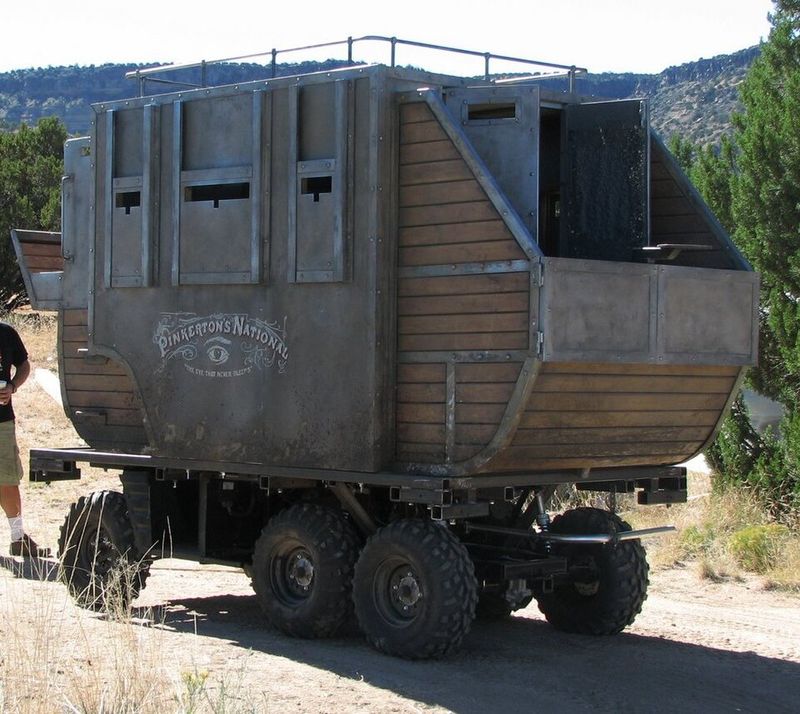
Russell Crowe and Christian Bale facing off in the American West makes for riveting cinema, but the story was not born in 2007. The film is a remake of a 1957 Western of the same name, starring Glenn Ford and Van Heflin.
Both versions trace back to a short story by legendary author Elmore Leonard.
Leonard’s original 1953 story was lean and tense, and the 1957 adaptation captured that perfectly. The 2007 version expanded the story considerably, adding deeper character development and more elaborate action sequences.
Bale and Crowe brought enormous star power to the material. Fans of classic Westerns who discover the 1957 original often find a quiet masterpiece waiting for them.
12. The Girl With the Dragon Tattoo (2011)
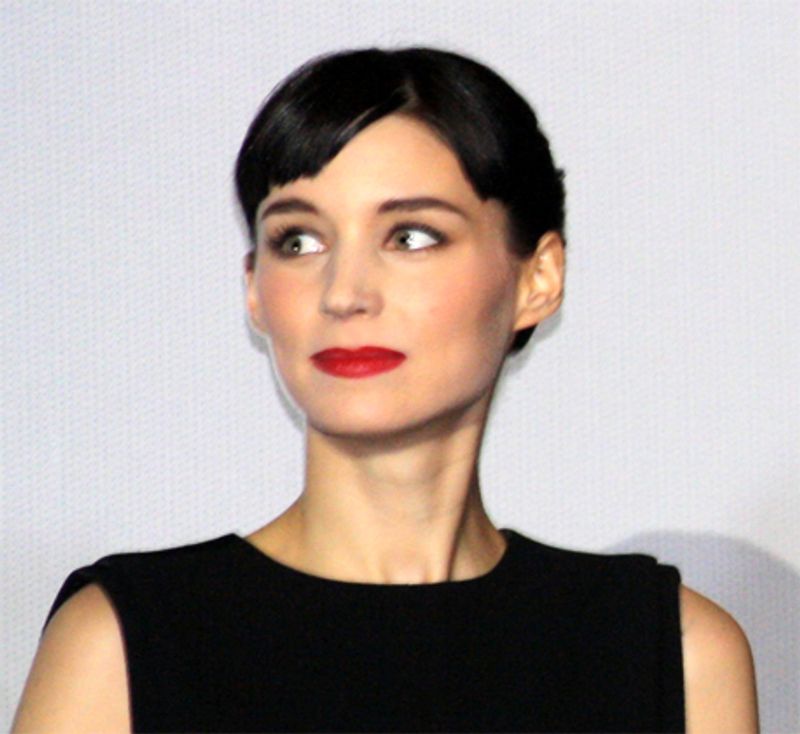
The sleek and chilling 2011 thriller starring Rooney Mara and Daniel Craig arrived in American theaters looking like a fresh new mystery. However, Swedish filmmakers had already adapted Stieg Larsson’s bestselling novel in 2009, just two years earlier, starring Noomi Rapace as the iconic Lisbeth Salander.
The Swedish version was part of a trilogy and became a global sensation long before Hollywood came calling. Rapace’s raw, fierce portrayal earned enormous critical praise worldwide.
Fincher’s version had a larger budget and a glossier look, but many devoted fans of the books prefer Rapace’s interpretation. Both versions are genuinely worth watching, and arguing about which is better is practically a sport among thriller fans.
13. Cape Fear (1991)
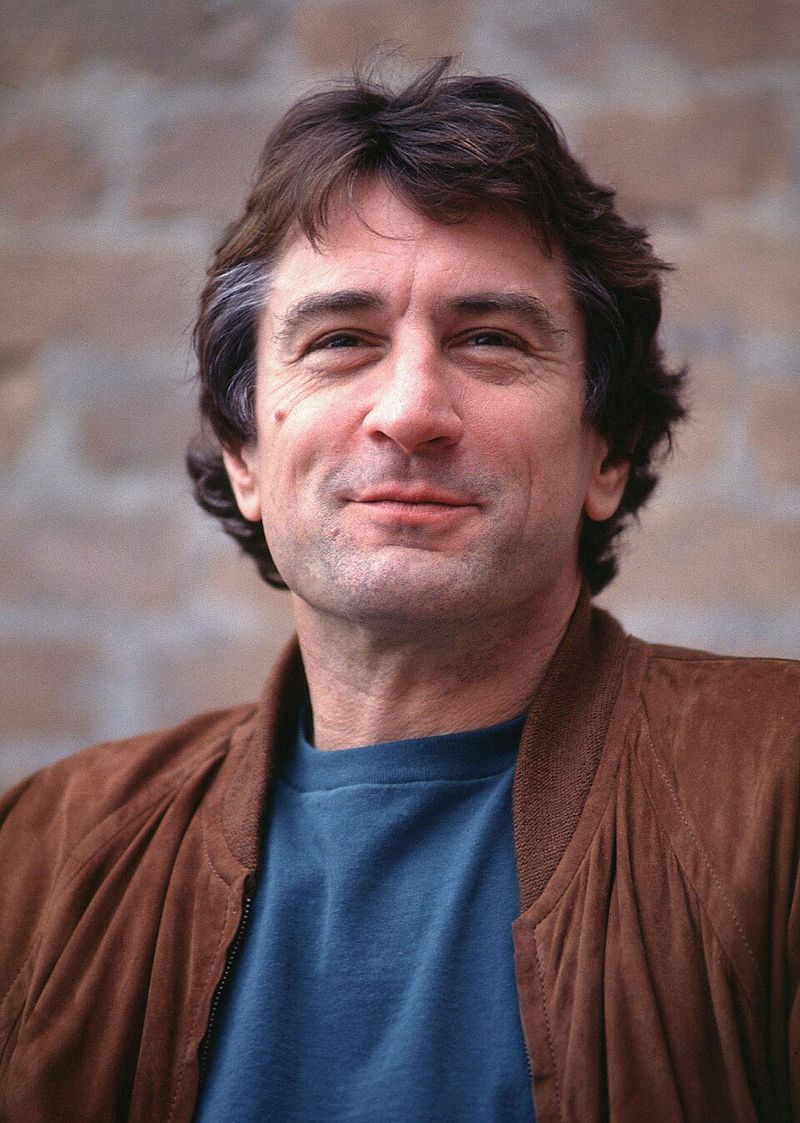
Robert De Niro’s terrifying portrayal of Max Cady in Martin Scorsese’s 1991 thriller is so iconic it is hard to believe someone else played the role first. Cape Fear is a remake of a 1962 film of the same name starring Robert Mitchum, who played the same vengeful ex-convict stalking a lawyer’s family.
Scorsese paid homage to the original by casting both Mitchum and original lead Gregory Peck in small roles in the remake. How cool is that?
The 1962 version is lean, atmospheric, and genuinely unsettling in its own right. De Niro’s version amplified the menace dramatically, but the quiet dread of the original proves that sometimes subtlety is the scariest tool of all.