10 Movie Villains We Can’t Help But Romanticize
Some villains refuse to stay in their lane, crashing every scene with style, schemes, and a grin that lingers long after the credits roll. Loki, The Joker, and Darth Vader show how chaos can feel oddly irresistible when wrapped in confidence and flair.
A great antagonist does more than cause trouble, they command attention. Sharp dialogue lands like a perfectly timed punchline, dramatic entrances feel like showstoppers, and every move carries a sense of control that pulls audiences closer.
That blend of danger and charisma creates a strange pull, a feeling that teeters between admiration and mischief. Behind the darkness often sits something more human, a trace of pain, ambition, or longing that adds depth to every decision.
That contrast turns a simple villain into a complex force, one that lingers in memory long after the story ends. Cinema thrives on that tension, where the line between hero and villain starts to blur.
A confident smirk, a clever plan, a moment of vulnerability, each piece builds a character who refuses to be forgotten.
1. Hannibal Lecter
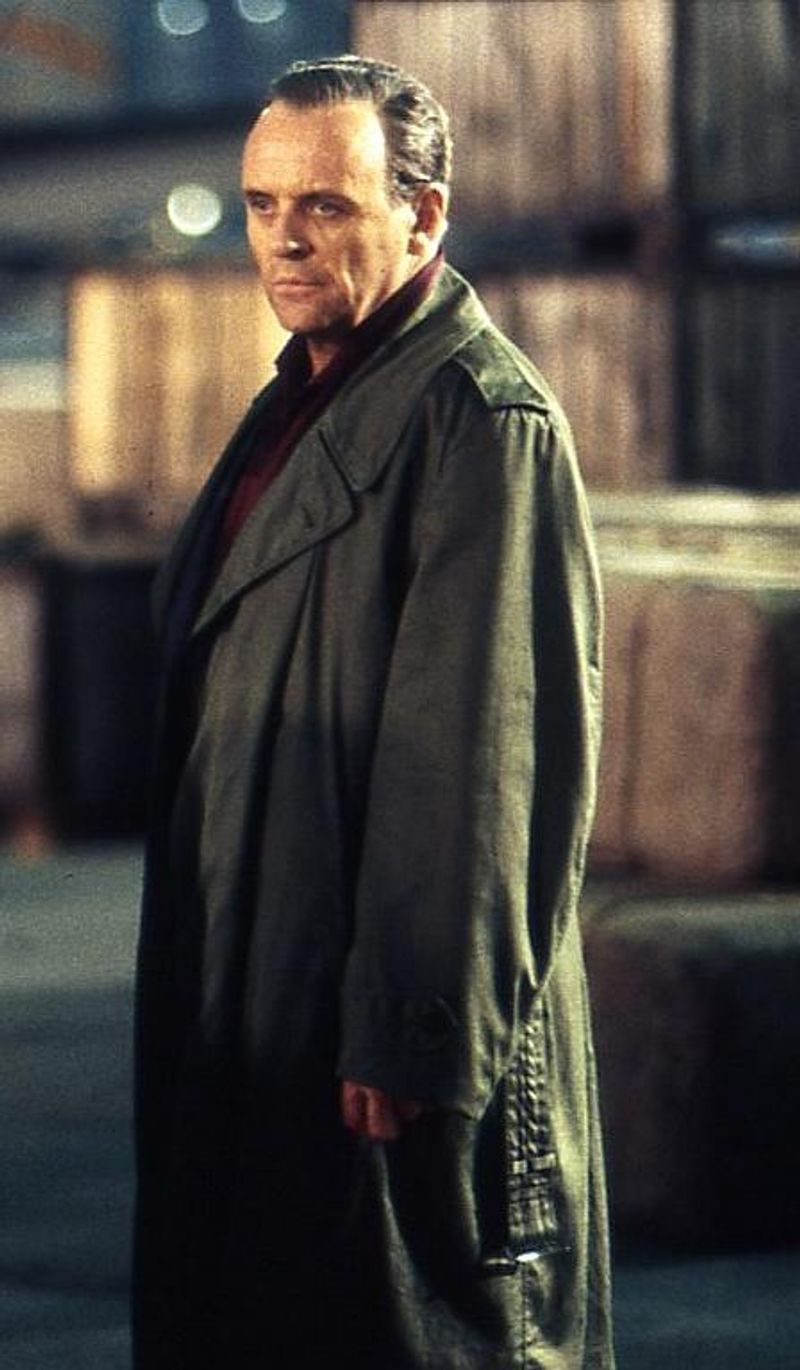
Brilliant, terrifying, and oddly polite, few characters in film history have managed to make audiences feel simultaneously charmed and deeply unsettled. Anthony Hopkins brought Dr. Hannibal Lecter to life in “The Silence of the Lambs” (1991), earning a Best Actor Oscar for a role featuring barely 16 minutes of screen time.
A record that still stands!
His razor-sharp intellect and impeccable taste in art, music, and cuisine create a strange kind of admiration. Audiences find themselves hanging on every word he delivers.
Somehow, a cannibalistic serial villain became one of cinema’s most magnetic personalities. Go figure.
2. Dracula
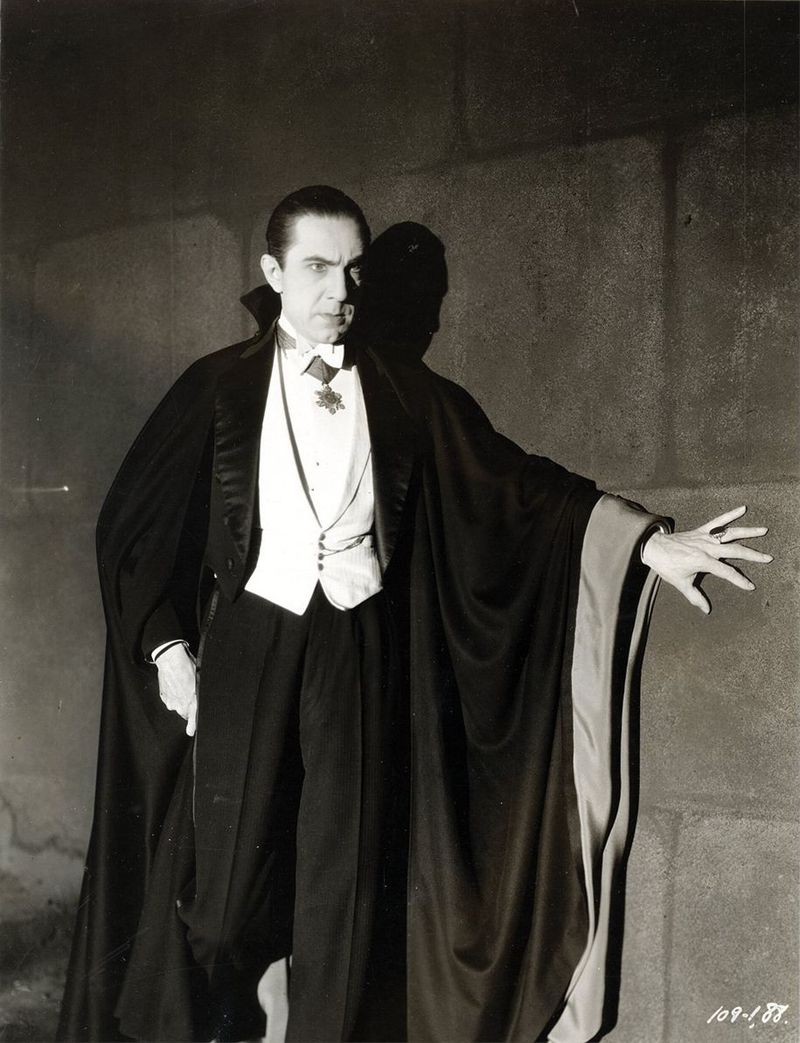
Long before sparkly vampires became a thing, Count Dracula was the original dark romantic. Rooted in Bram Stoker’s 1897 novel and inspired loosely by the historical Vlad the Impaler, Dracula has been portrayed on screen over 200 times, making him the most depicted fictional character in film history.
What draws audiences in is not the fangs but the tragedy underneath. Eternal life sounds appealing until loneliness becomes the price tag.
Gary Oldman’s 1992 portrayal in “Bram Stoker’s Dracula” leaned hard into heartbreak and passion, turning a monster into a love story audiences could not look away from.
3. Loki
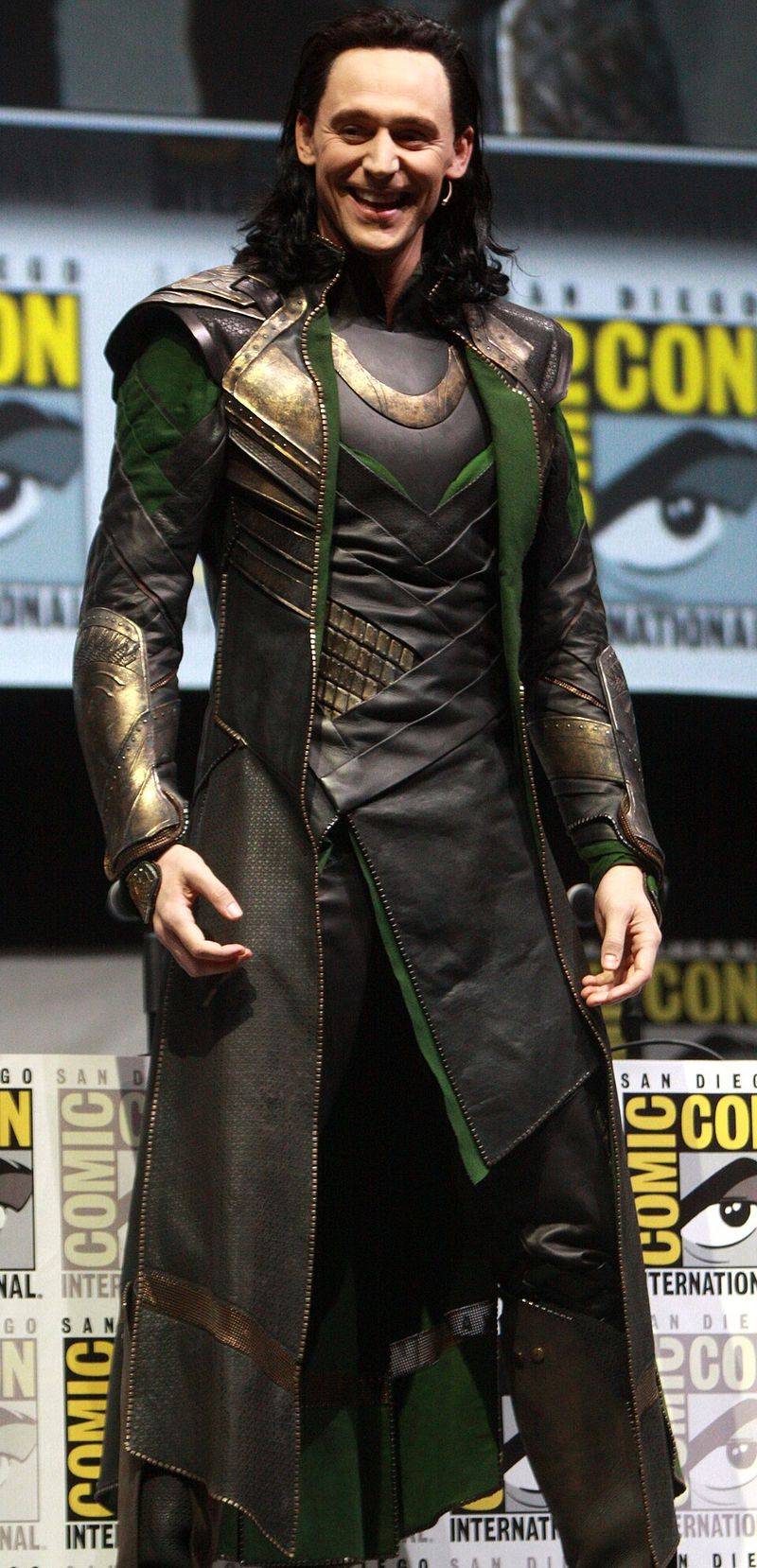
If mischief had a face, it would absolutely belong to Loki. Introduced in the Marvel Cinematic Universe as Thor’s scheming adopted brother, Tom Hiddleston’s portrayal turned a god of chaos into one of the franchise’s most beloved figures almost overnight.
Audiences saw past the manipulation and megalomania to the wounded younger sibling desperate for approval. Hard not to sympathize, honestly.
Loki became so popular that Marvel gave him a solo Disney+ series, a rare honor usually reserved for heroes. Proof positive that a well-written villain can outshine almost anyone sharing the screen.
4. Regina George
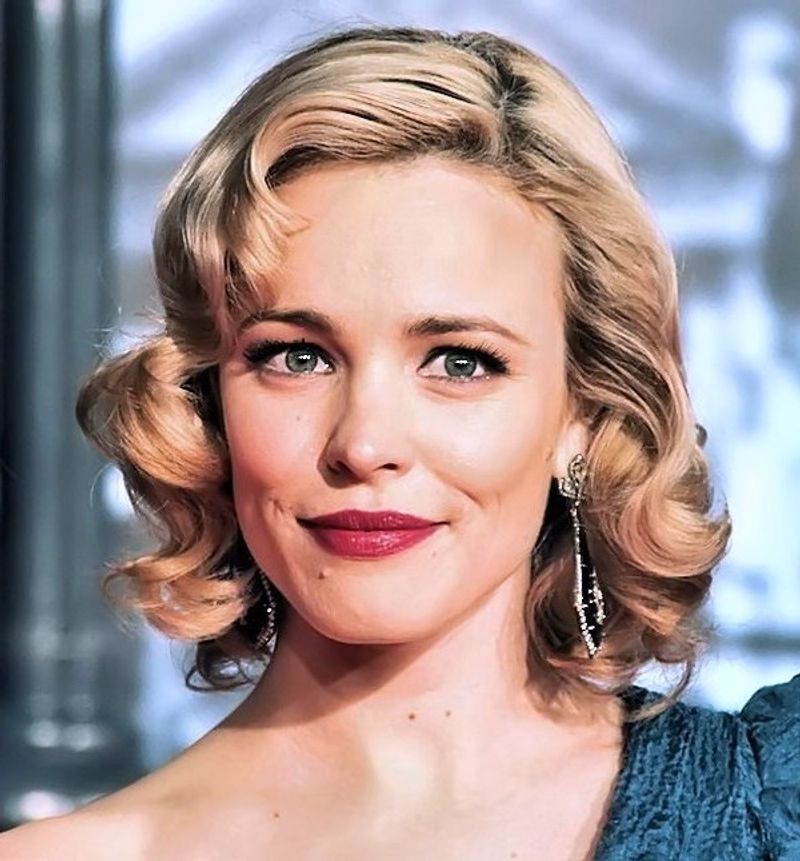
Walking into a room like she owns it, the hallways, and probably the entire zip code, Regina George redefined what a villain could look like in a high school setting. Rachel McAdams delivered a performance in “Mean Girls” (2004) so sharp it practically left paper cuts on the audience.
What makes Regina fascinating is how achingly real she feels. Everyone has met someone like her, or maybe nervously admired her from a safe distance.
Underneath all the calculated cruelty lives a girl working overtime to maintain control. Oddly relatable, uncomfortably so, and impossible to forget even twenty years later.
5. Magneto
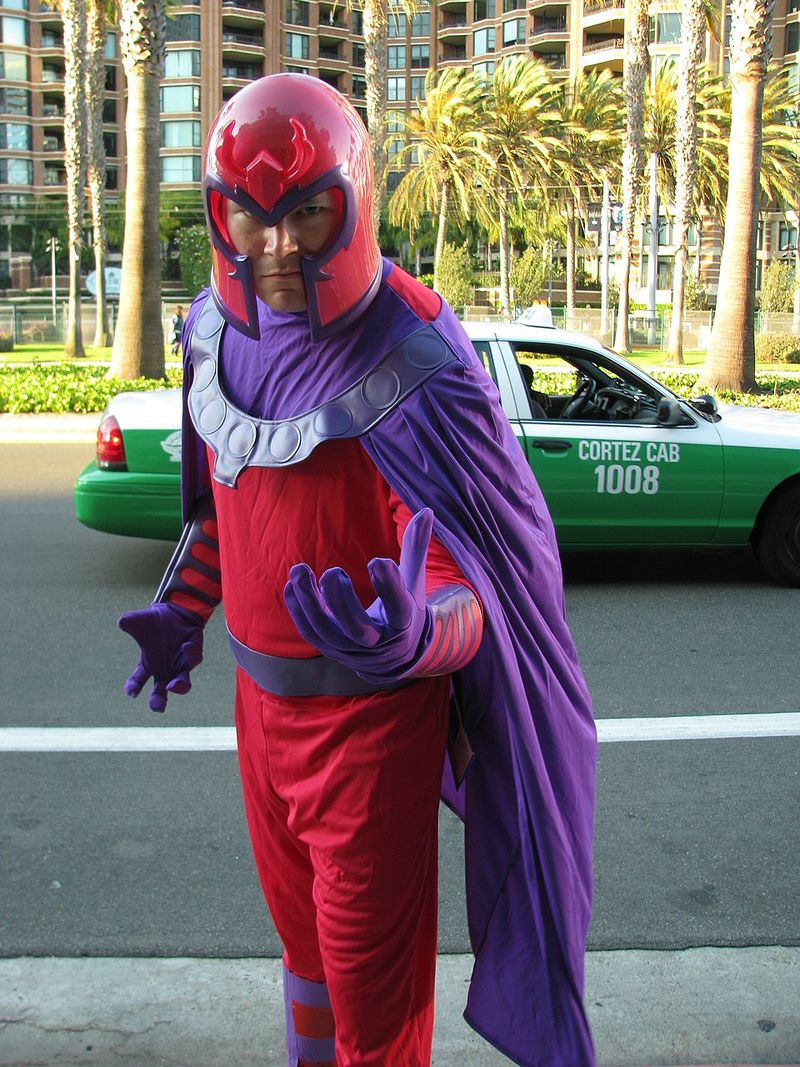
A Holocaust survivor who watched hatred destroy everything he loved, Magneto’s path toward villainy is arguably the most understandable origin story in superhero cinema. Sir Ian McKellen and Michael Fassbender both portrayed the character across different X-Men timelines, each bringing heartbreaking depth to the role.
His goal, protecting mutants from human persecution, is not exactly wrong. The methods just get a little… extreme.
Magneto consistently ranks among cinema’s greatest villains precisely because audiences can follow his logic even while disagreeing with his actions. A villain who makes you question your own moral compass is the rarest kind of cinematic achievement.
6. The Joker
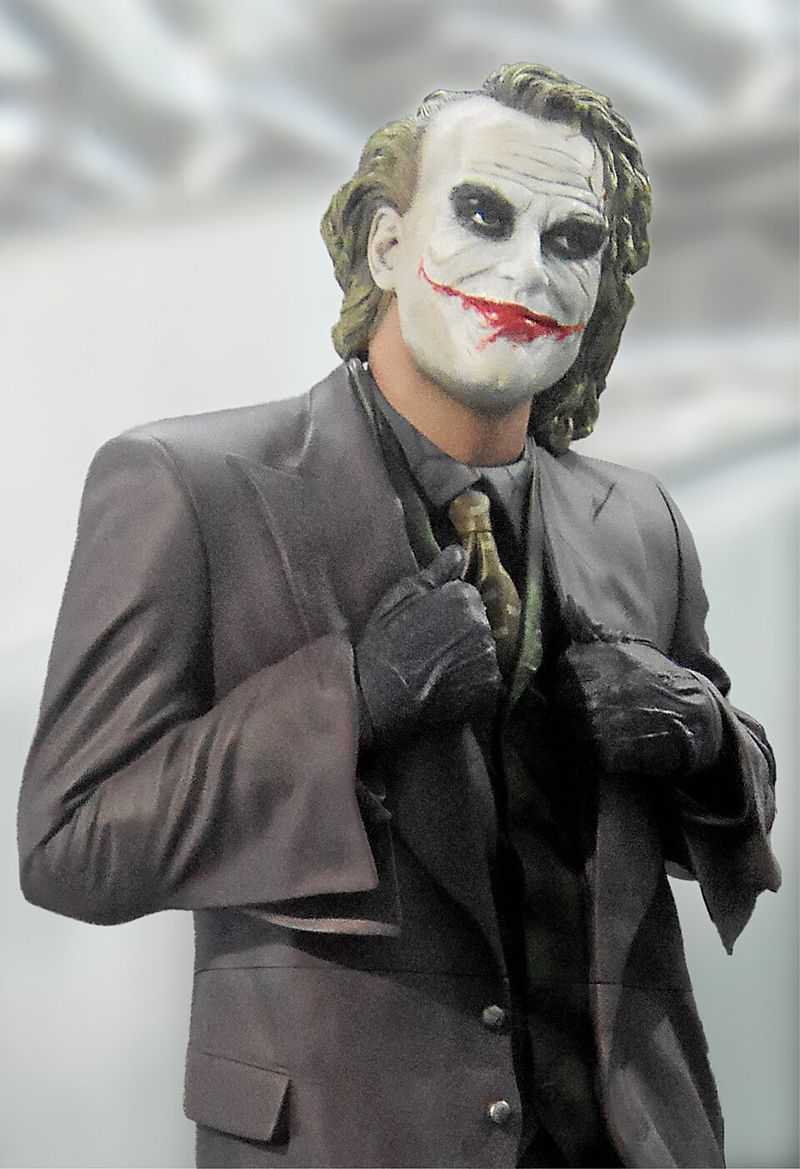
Joaquin Phoenix’s Arthur Fleck in “Joker” (2019) did something genuinely unprecedented: turned one of Batman’s most chaotic enemies into a deeply sympathetic figure. The film earned over one billion dollars worldwide and sparked intense debate about empathy, mental health, and societal neglect.
Arthur is not celebrated for his violence but mourned for everything that led him there. A crucial distinction audiences felt in their bones.
Phoenix won the Academy Award for Best Actor, a first for a comic book movie role. Proof audiences hunger for villains who feel human, broken, and uncomfortably familiar rather than cartoonishly evil.
7. Maleficent
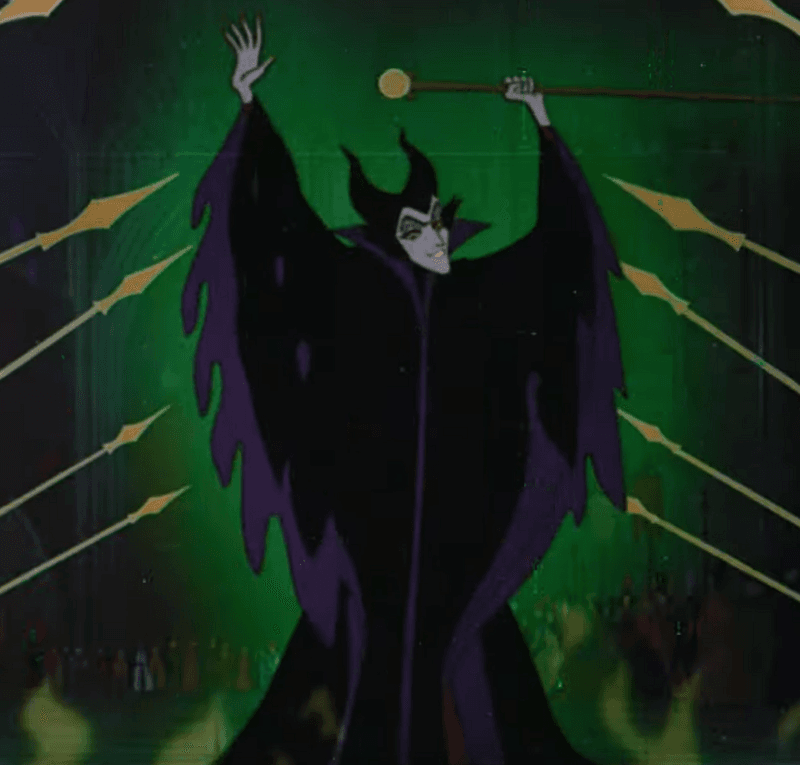
Sleeping Beauty’s original villain got a stunning makeover when Angelina Jolie stepped into those iconic horns for Disney’s “Maleficent” (2014). Rather than simply rebranding evil as misunderstood, the film reconstructed Maleficent’s entire story around betrayal, grief, and eventual redemption.
Jolie brought such regal ferocity to the role audiences practically forgot she was supposed to be the bad guy. Practically.
The film grossed over 758 million dollars globally, proving audiences were hungry for a villain’s perspective. Maleficent became proof positive that every story has multiple sides, and sometimes the most interesting one belongs to the person wearing the dramatic headgear.
8. Hans Landa
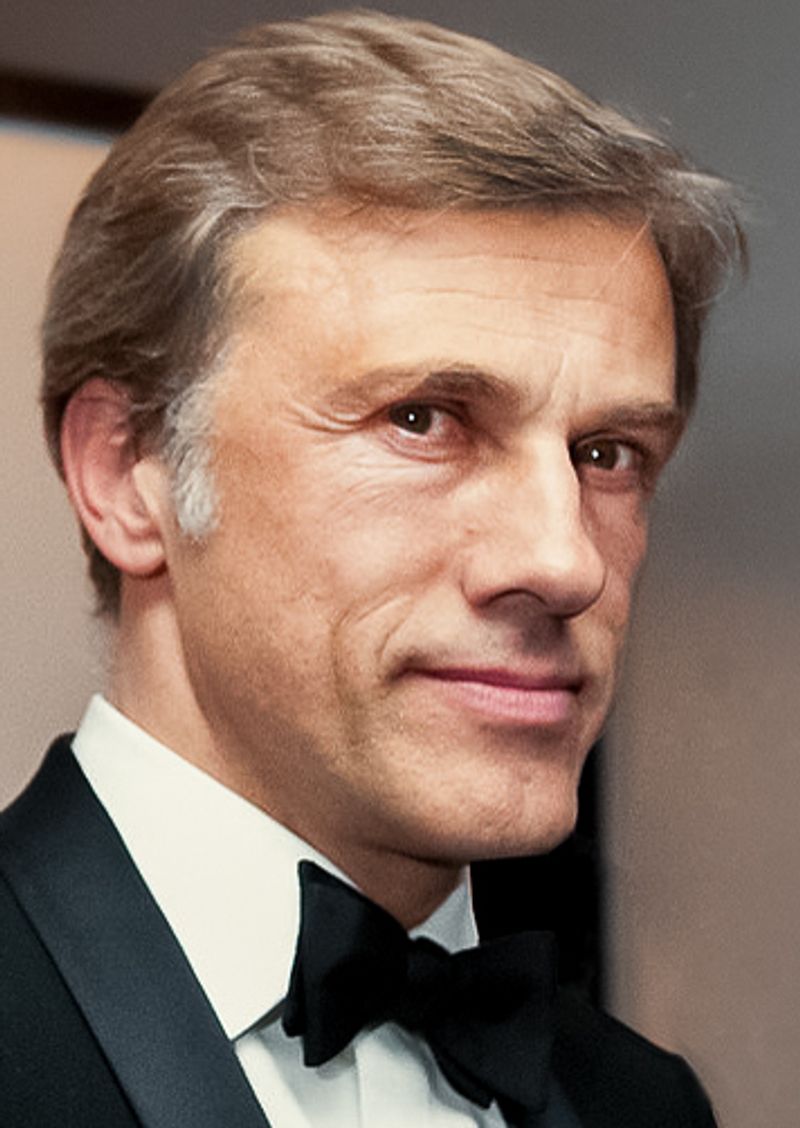
Charming, multilingual, and utterly terrifying, Col. Hans Landa earned the nickname “The Jew Hunter” in Quentin Tarantino’s “Inglourious Basterds” (2009).
Christoph Waltz won the Academy Award for Best Supporting Actor for portraying a man whose politeness functions as the most effective weapon imaginable.
Watching Landa work a room feels like watching a cat play with something unfortunate. Fascinating and deeply uncomfortable simultaneously.
Tarantino has called Landa the best character he ever wrote, high praise considering the source. Audiences agree almost universally, ranking him among cinema’s most chilling antagonists while somehow never quite looking away from the screen.
9. Alex DeLarge
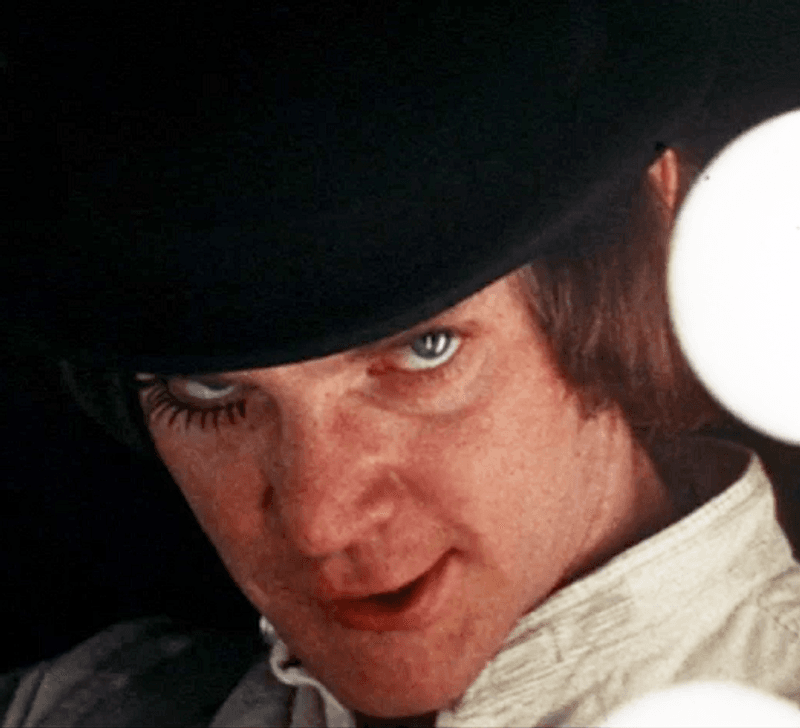
Stanley Kubrick’s “A Clockwork Orange” (1971) introduced audiences to Alex DeLarge, a character so disturbingly charismatic Malcolm McDowell reportedly improvised many of his most memorable moments. Alex narrates his own crimes so eloquently audiences become reluctant passengers on a very uncomfortable ride.
The film was so controversial Kubrick voluntarily withdrew it from UK distribution for 27 years. Context appreciated.
Alex’s appeal lies in his absolute authenticity: no excuses, no pretense, just raw personality turned up to eleven. Audiences are drawn not to his actions but to his unapologetic ownership of exactly who he is.
Unsettling admiration fully acknowledged.
10. Nurse Ratched
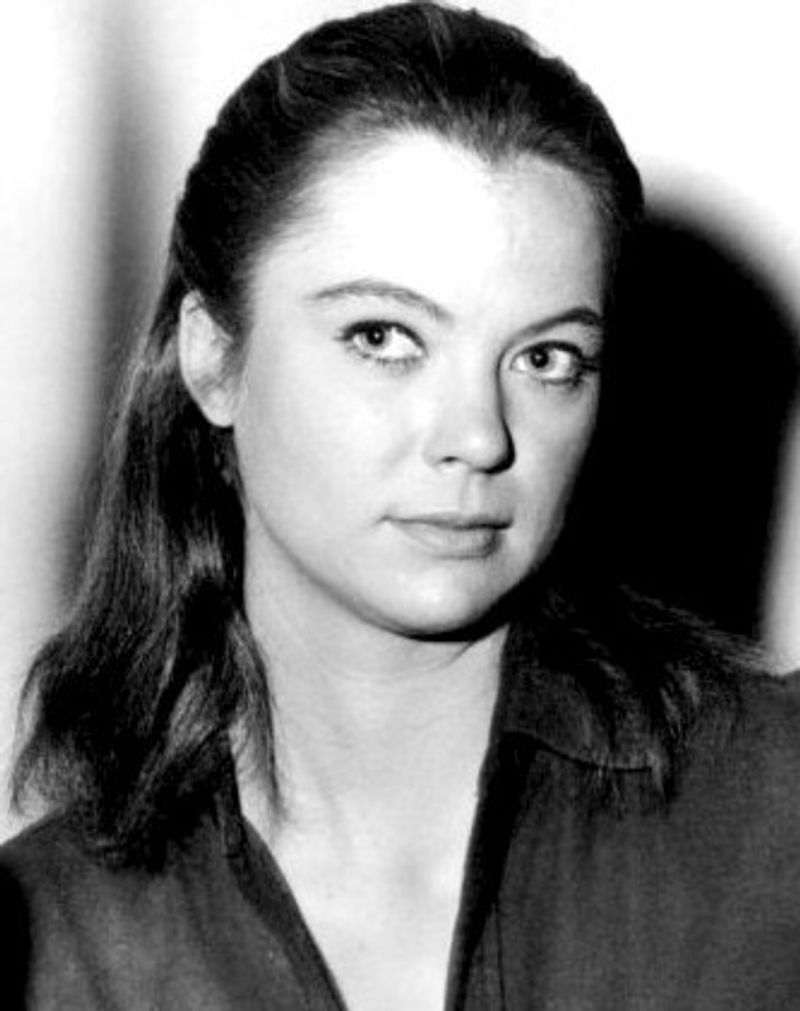
Power has never looked more clinical than through Nurse Ratched’s perfectly pressed uniform. Louise Fletcher won the Academy Award for Best Actress for her portrayal in Milos Forman’s “One Flew Over the Cuckoo’s Nest” (1975), making audiences shiver without ever raising her voice above a polite murmur.
What makes Ratched so magnetic is the absolute control she wields while maintaining perfect composure. Terrifying and oddly impressive.
She operates entirely within the rules, which somehow makes everything worse. Audiences find themselves fascinated by her precision even while despising her cruelty, a contradictory response Ratched herself would probably approve of with a chilly, measured smile.