11 Movies So Controversial They Were Banned Around The World
Cinema has the power to challenge, provoke, and sometimes shock audiences in ways that ignite heated debate. Certain films push boundaries so far that governments across the world block them entirely, thanks to graphic violence, unsettling themes, or religious controversy.
These banned movies became legendary for their daring content and cult status. Dare to explore the most infamous films ever banned and see what makes them unforgettable.
1. Cannibal Holocaust
Found footage horror reached terrifying new heights with this 1980 Italian nightmare that blurred the line between fiction and reality. Director Ruggero Deodato created something so convincing that he actually had to prove in court that his actors were still alive.
Banned in over 50 countries, including the UK under the Obscene Publications Act, this film’s graphic violence and real animal deaths sparked outrage worldwide. The controversy made it infamous, though many argue whether shock value equals artistic merit.
2. Salò, or the 120 Days of Sodom

Pier Paolo Pasolini’s final film became his most notorious, adapting the Marquis de Sade’s disturbing novel into a cinematic experience few could stomach. Released in 1975, it depicts fascist Italy through scenes of extreme cruelty that still shock modern audiences.
Countries like the UK, Australia, and New Zealand banned it for decades due to its graphic content. However, some film scholars defend it as a powerful political allegory about the abuse of power, proving art and controversy often walk hand in hand.
3. The Last Temptation of Christ
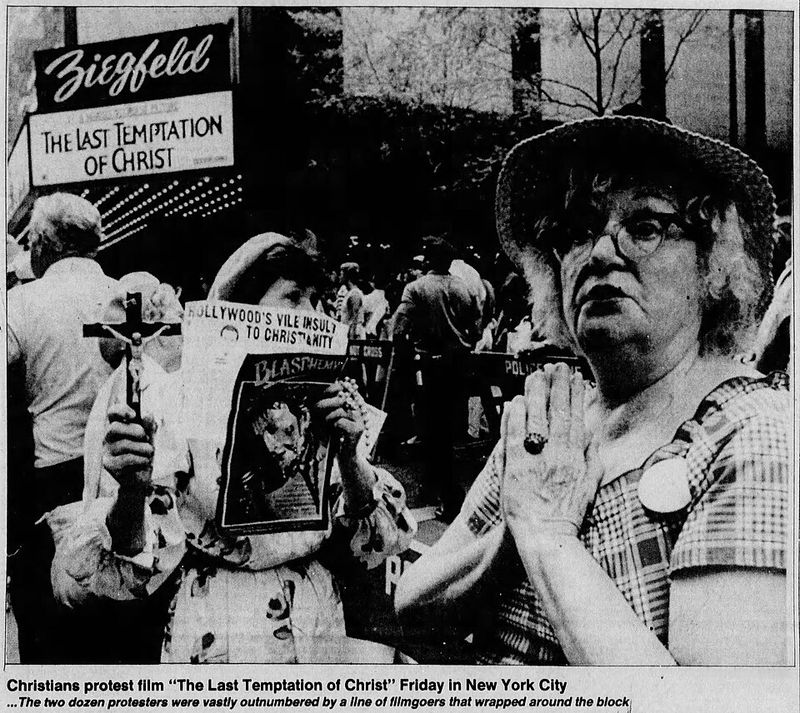
Martin Scorsese faced massive protests when he dared to portray Jesus as a man struggling with human desires and doubts. Based on Nikos Kazantzakis’s novel, this 1988 film imagined Christ experiencing temptation in ways that enraged religious communities worldwide.
Greece, South Africa, the Philippines, and other nations banned it outright, while theaters showing it faced bomb threats and protests. Though many theologians praised its exploration of faith, the controversy overshadowed any serious discussion about its artistic merits.
4. Natural Born Killers
Oliver Stone’s 1994 satire about media glorification of violence became accused of inspiring the very thing it criticized. Starring Woody Harrelson and Juliette Lewis as murderous lovers, the film’s hyperkinetic style and dark humor sparked intense debate.
Ireland banned it completely, while the UK delayed its release for months amid fears of copycat crimes. Several real-life criminals claimed the movie inspired their actions, creating a disturbing irony that haunts discussions about art’s responsibility to society even today.
5. The Texas Chain Saw Massacre
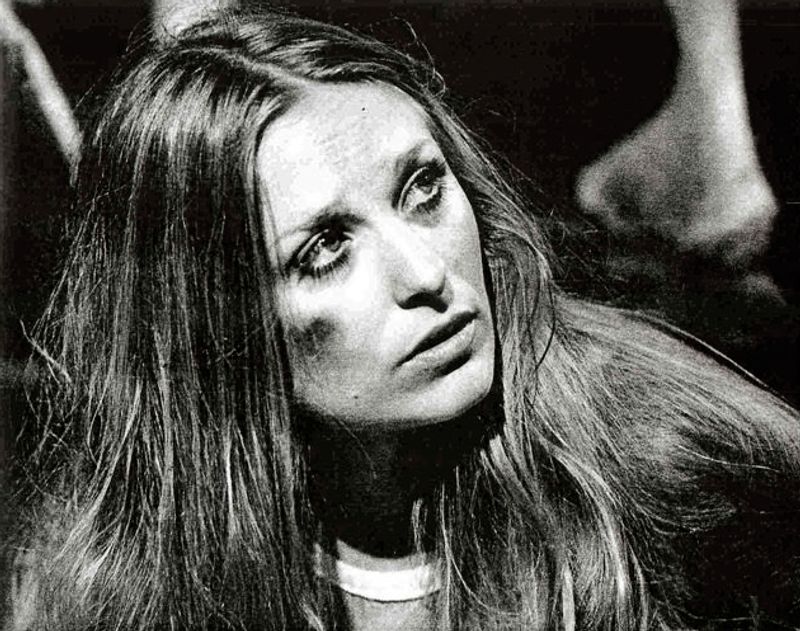
Tobe Hooper’s 1974 masterpiece of terror revolutionized horror cinema while getting banned across multiple countries. Despite showing relatively little actual blood, its relentless intensity and implied violence proved too much for censors in numerous nations.
Australia, the UK, Brazil, and West Germany all restricted or banned it at various points. The raw, documentary-style filming made everything feel disturbingly real, creating nightmares for viewers and headaches for film boards trying to decide if art could be this disturbing and still deserve protection.
6. A Clockwork Orange
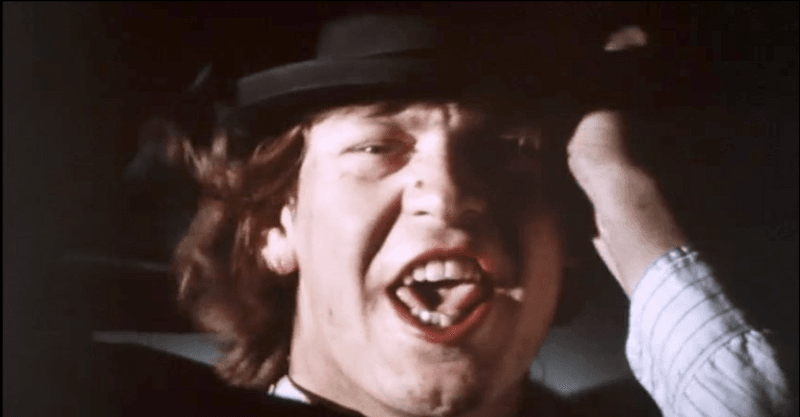
Stanley Kubrick’s dystopian masterpiece became so controversial that the director himself withdrew it from UK distribution for 27 years. Based on Anthony Burgess’s novel, this 1971 film follows violent gang leader Alex through a disturbing future society.
Though never officially banned in Britain, Kubrick pulled it after receiving death threats and reports of copycat violence. The film’s stylized ultra-violence and psychological conditioning themes sparked debates about free will, morality, and cinema’s influence that continue resonating with audiences worldwide.
7. The Exorcist
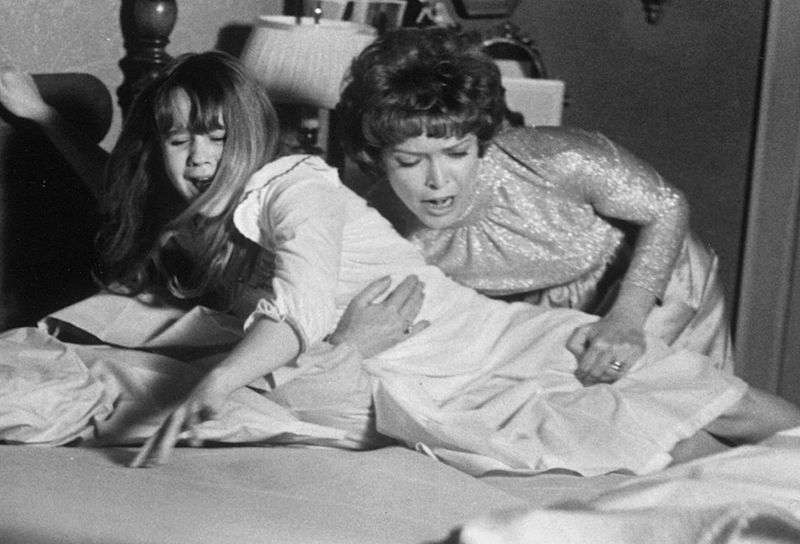
William Friedkin’s 1973 supernatural horror became a cultural phenomenon and a censorship nightmare simultaneously. Reports of audience members fainting, vomiting, and suffering psychological distress during screenings made headlines worldwide, prompting immediate government attention.
Several countries banned it outright, while others heavily edited the most disturbing scenes of demonic possession. The UK didn’t allow home video release until 1999, keeping an entire generation from experiencing this groundbreaking film that redefined what horror cinema could achieve artistically.
8. Pink Flamingos
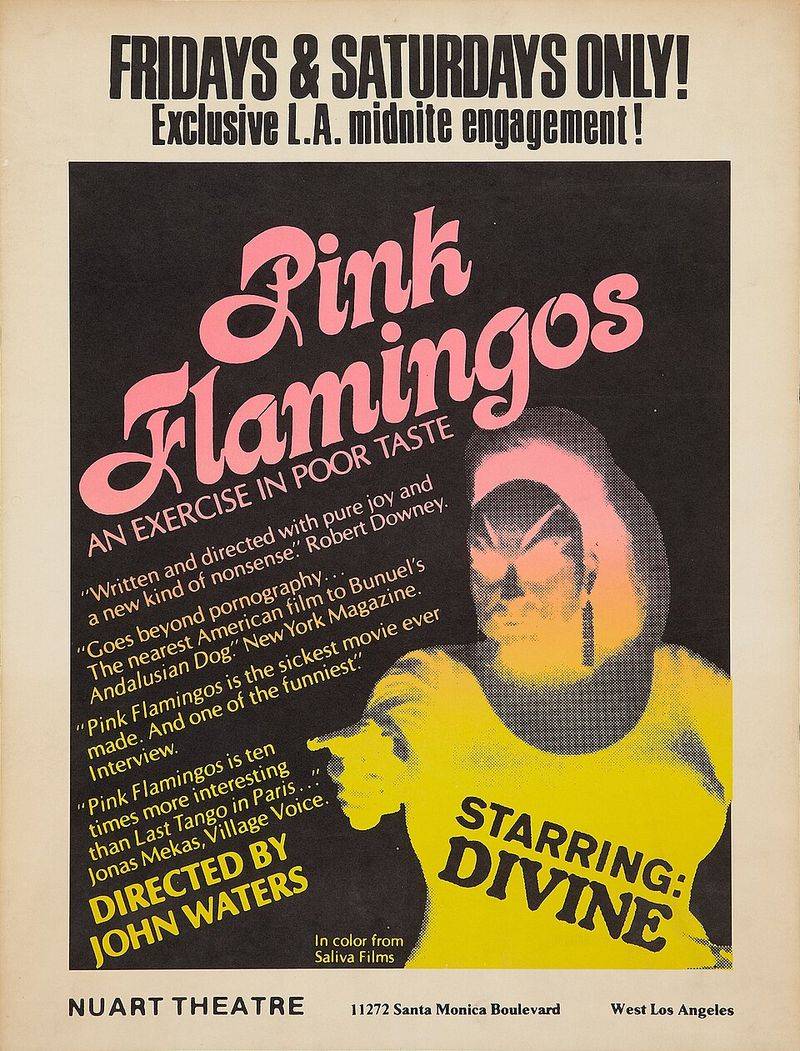
John Waters proudly called this 1972 midnight movie “an exercise in poor taste,” and censors worldwide agreed wholeheartedly. Starring Divine as a criminal competing for the title of “filthiest person alive,” it features scenes designed specifically to disgust and offend.
Australia banned it for years, while many other countries refused to allow theatrical distribution at all. Waters achieved exactly what he intended: creating something so transgressive that discussing it became almost as shocking as watching it, cementing his reputation as cinema’s pope of trash.
9. Battle Royale
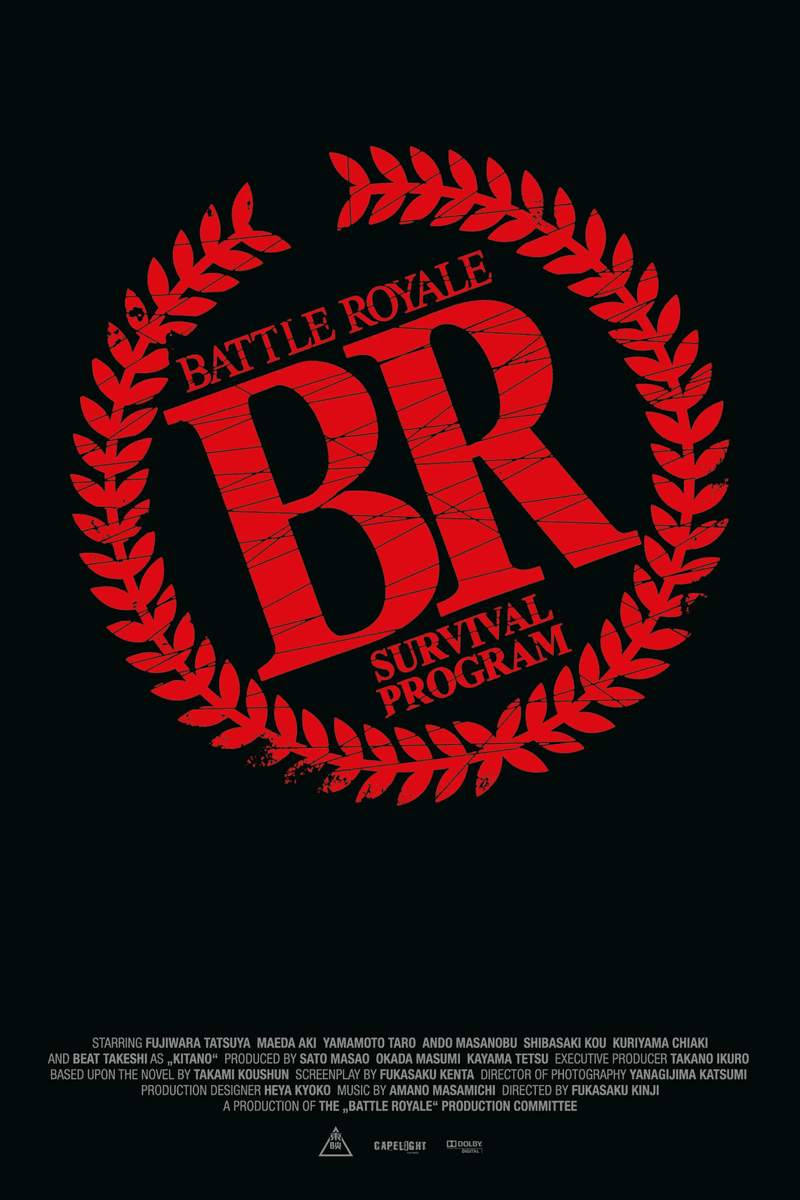
Years before The Hunger Games made dystopian death games mainstream, this 2000 Japanese film shocked the world with its premise of teenagers forced to kill each other. Director Kinji Fukasaku created a brutal commentary on youth, society, and violence that many countries deemed too extreme.
Though never officially banned in the United States, no major distributor would touch it for over a decade. Several countries restricted it heavily, arguing that showing children engaged in graphic violence crossed moral lines regardless of the film’s satirical intentions or artistic merit.
10. The Evil Dead
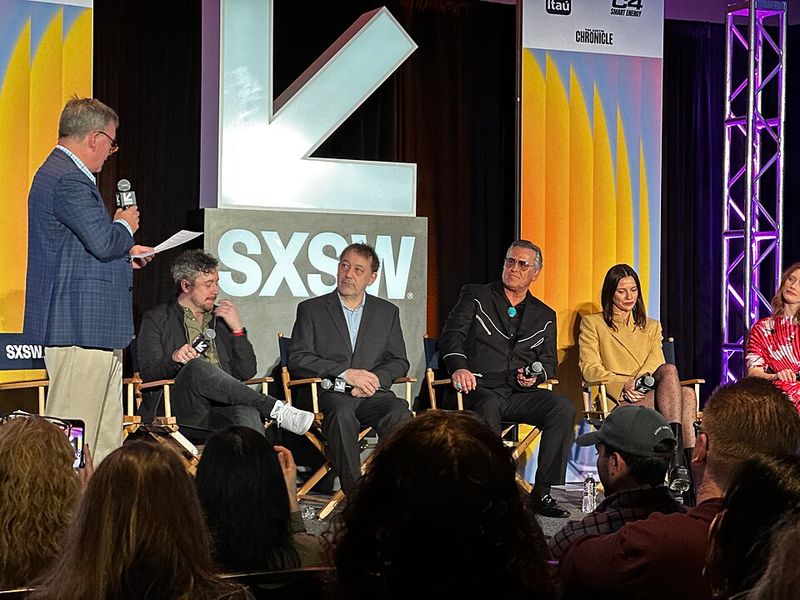
Sam Raimi’s 1981 low-budget horror masterpiece launched his career while getting banned in multiple countries for its intense gore and demonic possession themes. Made for just $350,000, it became one of the most profitable independent films ever, despite censorship efforts.
Germany, Finland, Iceland, and Ireland all banned it, while the UK prosecuted it as a “video nasty” during the 1980s moral panic. The film’s creative camera work and relentless intensity influenced countless filmmakers, proving that artistic innovation sometimes requires pushing boundaries that make authorities uncomfortable.
11. The Passion of the Christ
Mel Gibson’s 2004 biblical epic became one of the highest-grossing R-rated films ever while sparking intense religious and political controversy worldwide. Its graphic depiction of Christ’s crucifixion, shown in excruciating detail, proved too much for some countries to allow.
Malaysia and the Maldives banned it for religious reasons, while other Muslim-majority nations heavily restricted screenings. Critics debated whether the extreme violence served spiritual purposes or simply exploited religious subject matter, creating divisions even among Christian communities about appropriate ways to depict sacred events.