15 Movies Considered Cultural Touchstones In Film History
Ready for the movies that didn’t just raise the bar, but moved it somewhere no one saw coming?
These films hit like a shock to the system, forcing directors and studios to rethink what cinema could even be. After them, nothing on screen felt quite the same.
Note: This article highlights films that are widely discussed as major milestones in cinema history, but reputations and “most influential” claims can vary by source, region, and critical perspective.
15. A Trip To The Moon (1902)
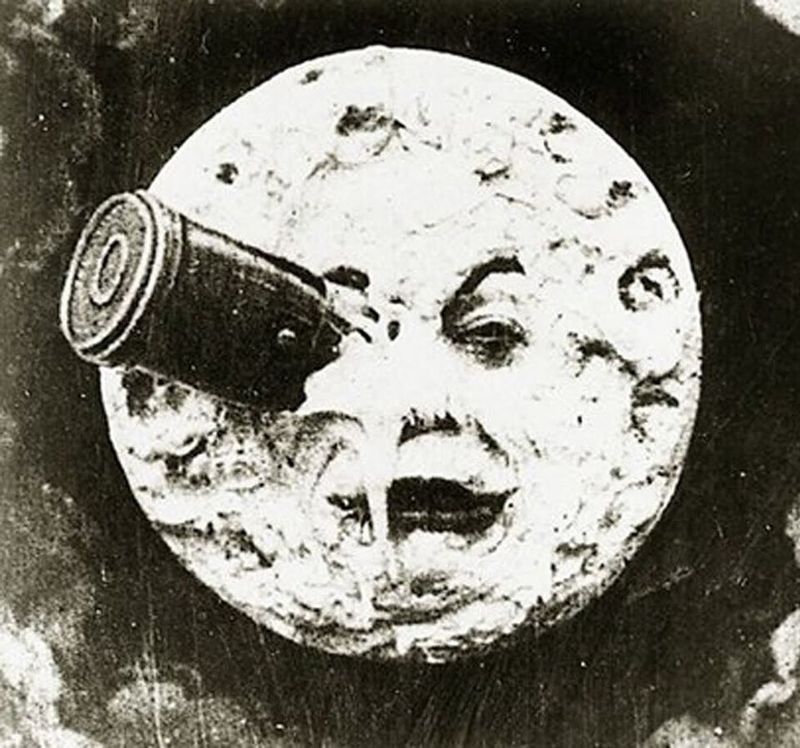
Long before modern superhero spectacles filled multiplexes, Georges Méliès demonstrated that cinema could travel anywhere, even to the moon. His fourteen minute silent short, A Trip to the Moon, used groundbreaking effects like stop-motion and substitution-splice effects and hand painted color to spin a whimsical tale of astronomers blasting off for the lunar surface.
The iconic image of a rocket ship lodged in the moon’s eye remains one of the most recognizable visuals in film history.
Méliès showed that movies could be pure illusion and wonder rather than simple recordings of real life.
Playful creativity in this early fantasy helped lay the groundwork for generations of science fiction and adventure films that followed.
14. The Great Train Robbery (1903)
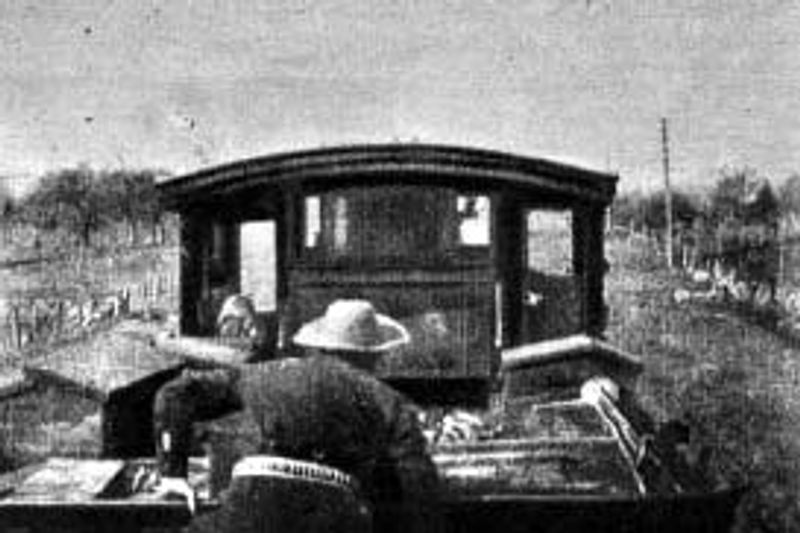
Early audiences saw outlaws charging onto a moving train, overpowering the crew, and fleeing on horseback while early audiences sat stunned. Director Edwin S.
Porter pushed storytelling forward with The Great Train Robbery, one of the first narrative films to use multiple locations and a clear, suspenseful plot.
Legendary closing image shows a bandit firing straight at the camera, a moment often credited with startling early audiences.
Innovations in cross-cutting and on location shooting from this short film became foundational techniques for generations of filmmakers who followed.
13. The Cabinet Of Dr. Caligari (1920)
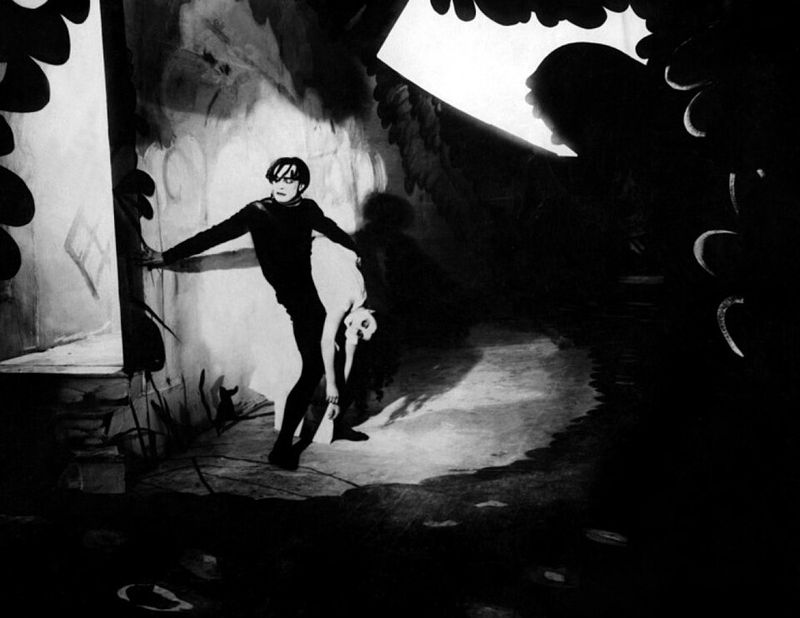
Twisted buildings lean at impossible angles while painted shadows stretch across distorted walls.
German director Robert Wiene created a nightmarish visual style that matched his story about a hypnotist and his sleepwalking puppet. The film’s deliberately artificial sets and exaggerated acting turned the screen into a canvas for psychological horror.
This groundbreaking approach influenced everything from film noir to Tim Burton movies. Wiene proved that cinema didn’t need to copy reality – it could create entirely new worlds that reflected the darkness inside the human mind.
12. The Kid (1921)
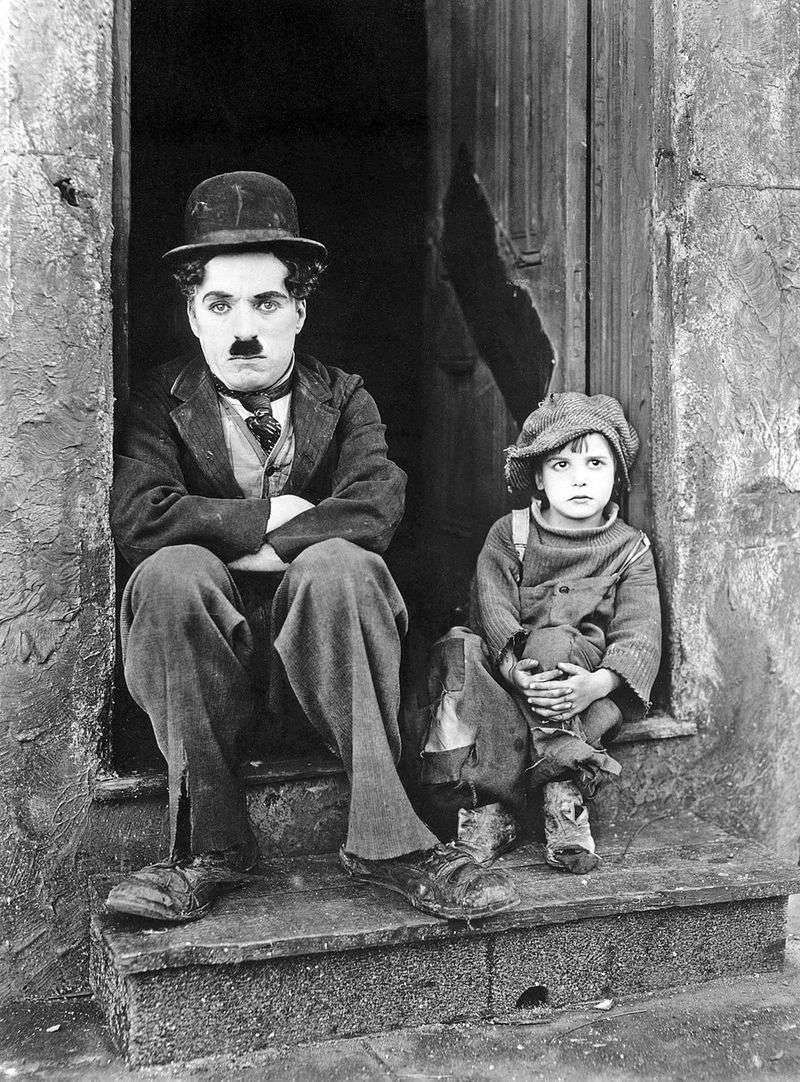
Beloved silent era icon from Charlie Chaplin begins with the Little Tramp finding an abandoned baby and choosing to raise the child as his own. Heartfelt story in The Kid blends slapstick humor with real emotion, giving audiences plenty of laughs along with unexpected tears.
Chaplin handled directing, writing, and starring duties, showing that silent cinema could deliver layered, deeply human storytelling.
Onscreen bond between Chaplin and young Jackie Coogan creates a warmth that still resonates with viewers more than a century later. Their relationship gently suggests that family can be defined by love and care rather than shared blood.
11. Nosferatu (1922)

From a coffin in the shadows, Count Orlok rises as his twisted silhouette crawls up a stairway like death itself. German expressionist landmark Nosferatu from F.
W. Murnau reimagined Bram Stoker’s tale with imagery so eerie it still unsettles viewers a century later.
Location shooting instead of elaborate studio sets gave the film a stark realism that made its supernatural horrors feel disturbingly plausible. Unforgettable performance by Max Schreck, with rodent-like features and unnaturally long fingers, helped define how cinema would visualize vampires for decades.
Through shadow and silence, Murnau turned a monster story into a haunting reflection on plague, mortality, and the darkness waiting just outside the door.
10. Battleship Potemkin (1925)
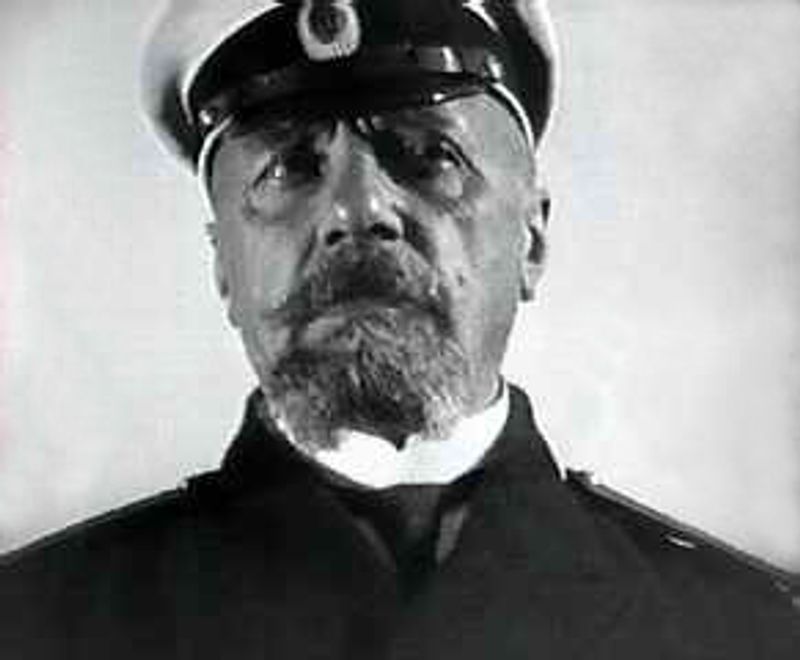
Soldiers march down the Odessa Steps, opening fire as people rush down the Odessa Steps.
Sergei Eisenstein’s montage technique – cutting rapidly between different shots to create emotional impact – revolutionized how movies tell stories. The famous steps sequence has been studied, copied, and referenced by filmmakers from Brian De Palma to Francis Ford Coppola.
Eisenstein proved that editing could be as powerful as acting or cinematography. His film about a 1905 naval mutiny became a masterclass in visual storytelling that film schools still teach today, showing how rhythm and juxtaposition can move audiences in ways words never could.
9. The Gold Rush (1925)
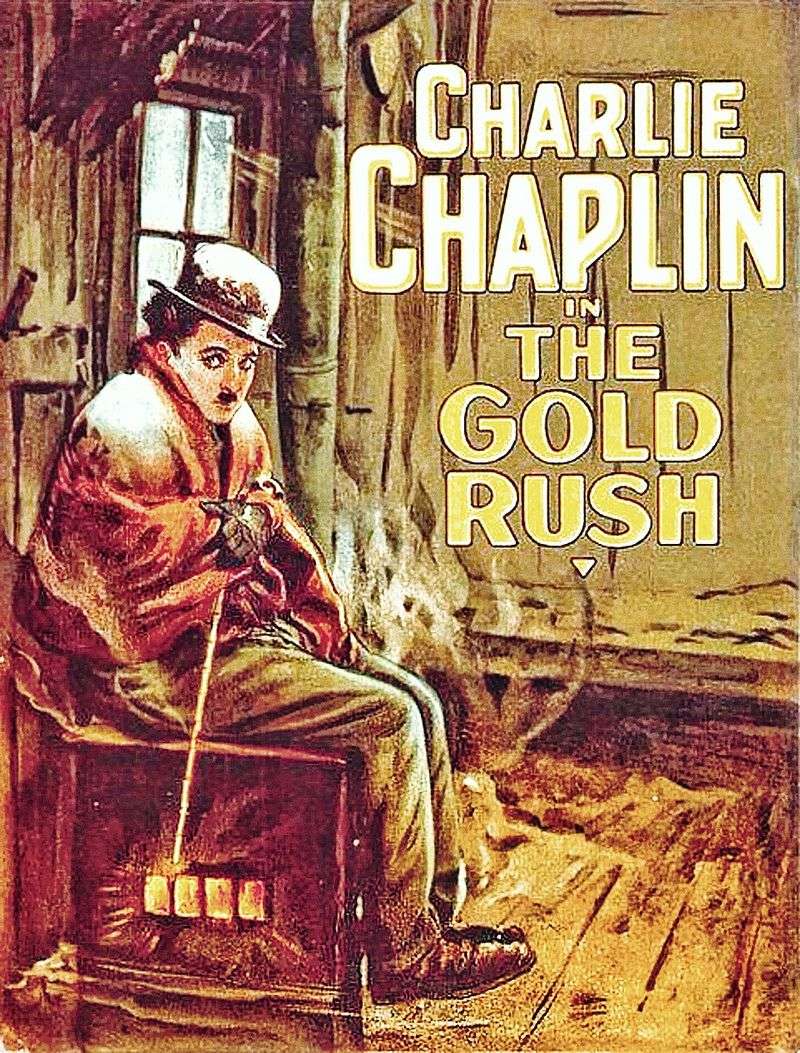
Hungry Tramp in a snowbound cabin famously cooks and eats his own leather boot as if it were fine dining.
Classic silent feature The Gold Rush finds Charlie Chaplin setting his comedy among lonely prospectors chasing fortune in the Klondike. Blend of slapstick gags and quiet heartbreak gives the story an emotional weight that goes beyond simple laughs.
Iconic “dance of the rolls” scene, where Chaplin turns dinner rolls into tiny dancing partners, still stands as one of film history’s most delightful moments.
Humor drawn from hardship and dignity found in poverty helped the film comfort audiences of its era while celebrating human resilience.
8. The General (1926)
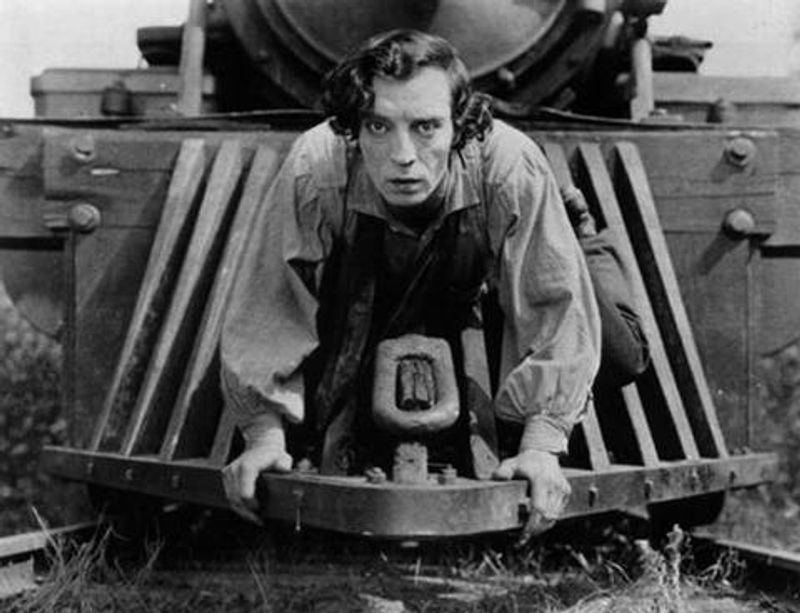
Buster Keaton stands stone-faced on a speeding locomotive, performing death-defying stunts that modern stunt coordinators wouldn’t attempt even with safety equipment.
This Civil War comedy about a train engineer trying to rescue his stolen locomotive featured some of the most expensive and dangerous stunts in silent film history.
Keaton’s athletic genius and perfect comic timing created sequences that still amaze viewers today. The film drew a muted response at first and delivered only modest box office results
7. Metropolis (1927)
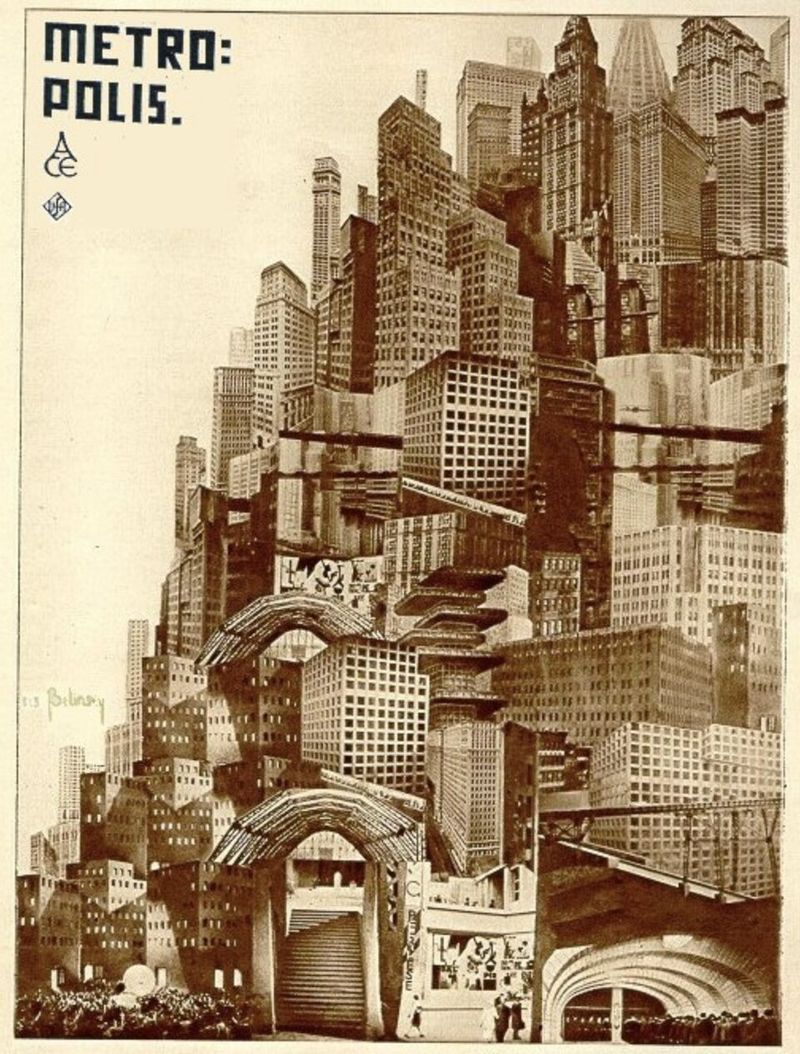
Skyscrapers stretch toward the heavens while workers toil in underground factories.
Fritz Lang’s vision of a dystopian future city created images so powerful they’ve influenced everything from Blade Runner to modern music videos. The film’s robot character, designed to look like a beautiful woman, became an instant icon of science fiction cinema.
Filming stretched for about 17 months and a fortune creating elaborate sets and special effects that still look impressive today. His story about class division and the dehumanizing effects of technology feels eerily relevant nearly a century later, proving that great science fiction always reflects present-day concerns.
6. The Jazz Singer (1927)
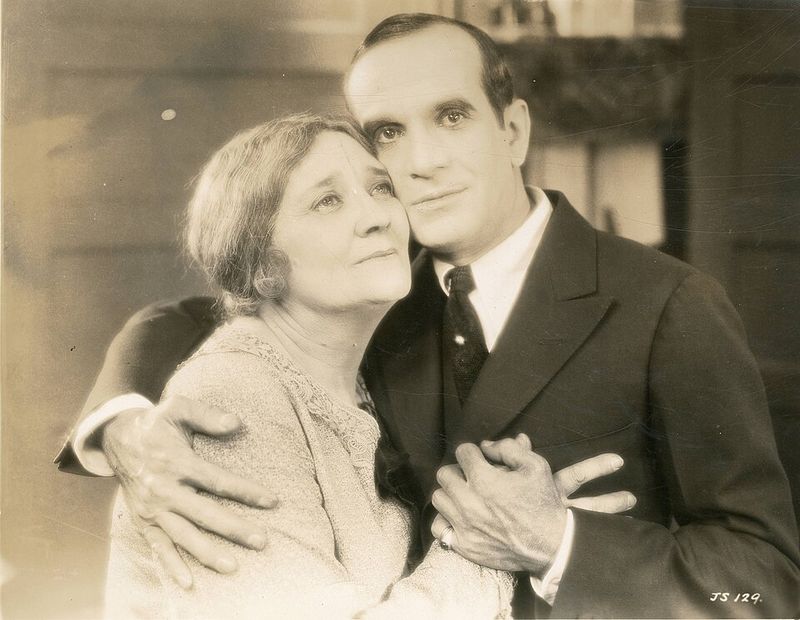
Famous line “You ain’t heard nothin’ yet” signaled a turning point that would reshape movies forever. Landmark feature The Jazz Singer starring Al Jolson was not the first project with synchronized sound, yet it became the first feature-length film to pair synchronized music with lip-synchronous singing and speech in key sequences, and to become a major breakthrough hit.
Concerns from silent film purists about sound ruining cinema quickly faded as audiences embraced hearing performers speak and sing.
Rapid industry shift followed, and within only a few years silent productions largely disappeared from mainstream theaters.
Moment when movies found their voice forever expanded what filmmakers could express and how stories could reach viewers.
5. The Passion Of Joan Of Arc (1928)
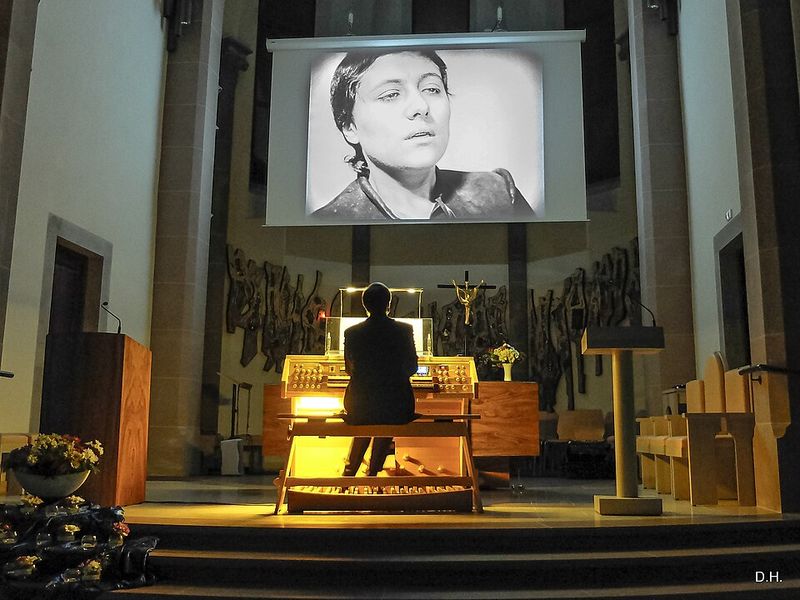
Tear streaked face of Renée Jeanne Falconetti fills the frame as she endures the trial and execution of Joan of Arc. Visionary director Carl Theodor Dreyer shot The Passion of Joan of Arc largely in extreme close ups, capturing the smallest shifts in expression with startling intimacy.
Falconetti’s performance, delivered without makeup under punishing conditions, remains widely regarded as one of the finest ever recorded on film.
Minimal sets and stripped down staging removed theatrical excess, allowing a raw, spiritual intensity to dominate every moment.
Achievement stands as proof that silent cinema had reached extraordinary artistic heights just before sound permanently transformed the medium.
4. The Circus (1928)
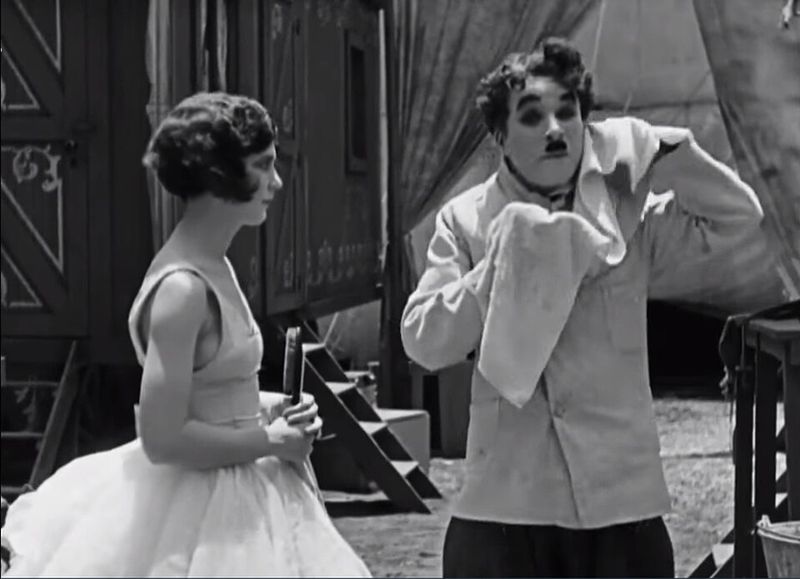
Chaplin’s Tramp accidentally becomes a circus star when his clumsy antics make audiences roar with laughter.
Production was disrupted by serious setbacks, including a studio fire and tax disputes, alongside personal strain during the period. Yet somehow he channeled all that chaos into a bittersweet comedy about performance, love, and the thin line between success and disaster.
The film’s tightrope-walking sequence, filmed without special effects or safety nets, showcases Chaplin’s incredible physical skills. His ability to find poetry in pratfalls and meaning in slapstick reached new heights in this underrated masterpiece.
3. Un Chien Andalou (1929)
A cloud slices across the moon, then a razor slices across an eyeball.
Luis Buñuel and Salvador Dalí created this seventeen-minute fever dream with one goal: to shock and confuse audiences who expected movies to make logical sense. The filmmakers drew from their dreams and subconscious minds, creating images that defy rational interpretation but burrow deep into viewers’ psyches.
This collaboration between two surrealist masters proved that cinema could be as experimental and provocative as any modern art. Their film opened the door for every weird, wonderful, and challenging art film that followed.
2. City Lights (1931)
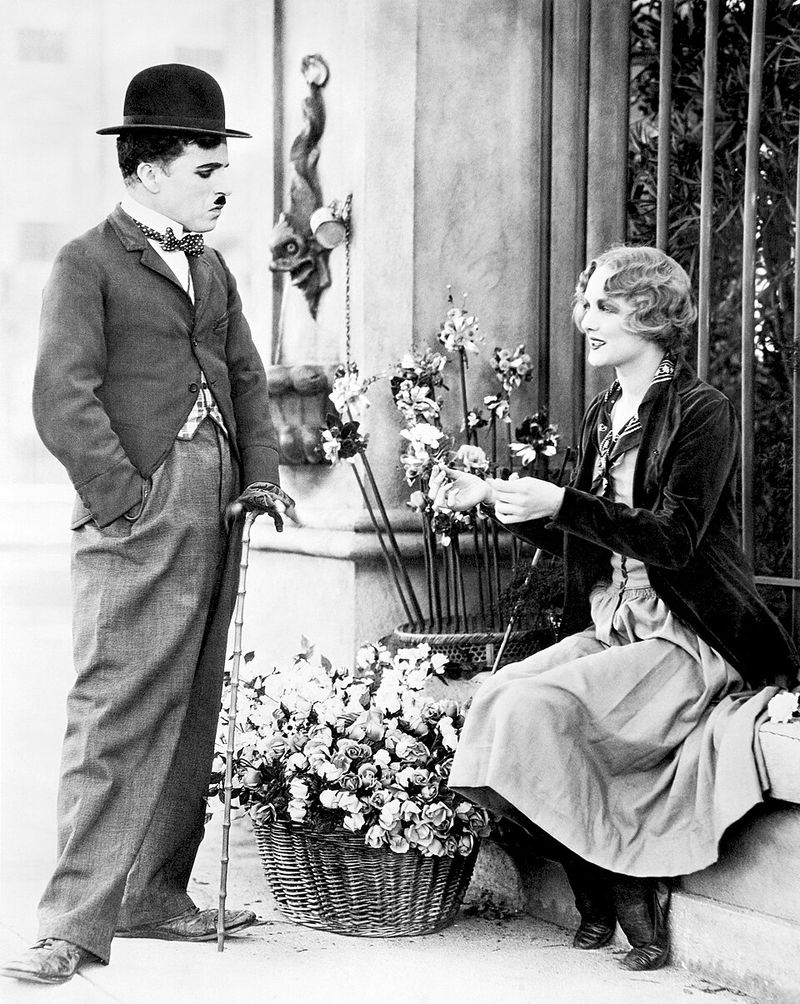
By 1931, talking pictures dominated Hollywood, yet Charlie Chaplin defiantly released City Lights as a silent feature.
Bold decision paid off in a story where the Tramp falls for a blind flower girl and quietly sacrifices to help her regain her sight.
Emotional depth in this film is often cited as the peak of Chaplin’s career, blending humor with aching tenderness.
Legendary closing scene, in which the girl finally sees the Tramp, stands among the most moving moments in film history, uniting comedy, romance, and heartbreak without spoken words. Through this work, Chaplin proved that silent cinema still had profound things to express even as the industry raced toward sound.
1. Citizen Kane (1941)
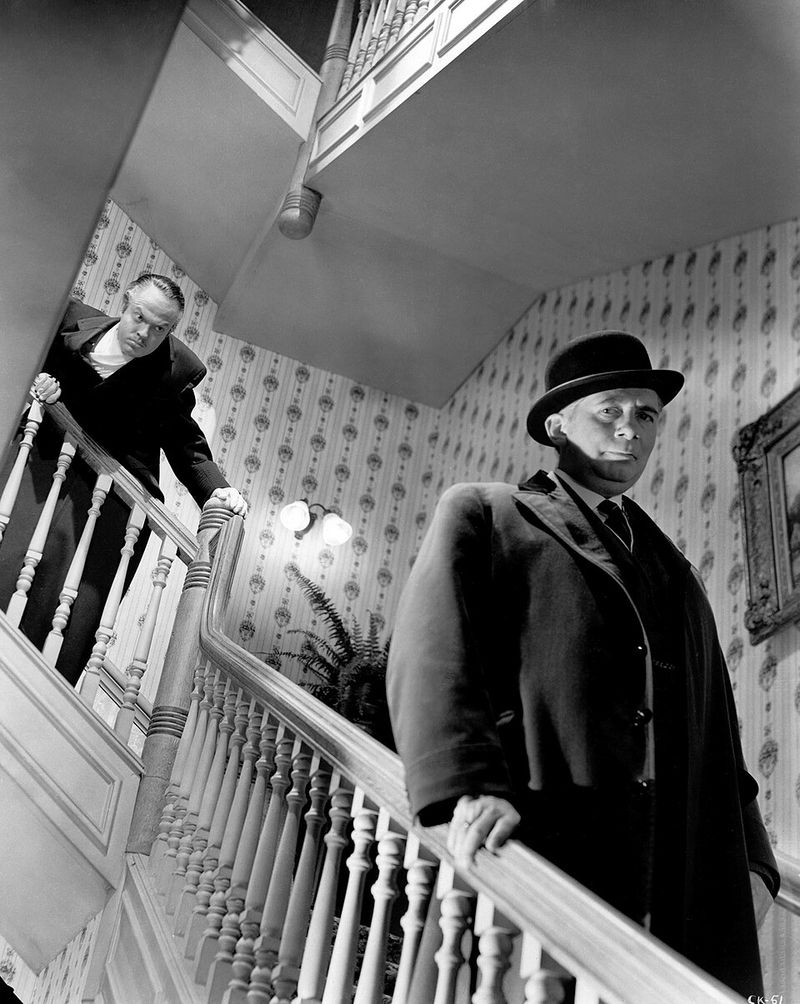
Dying newspaper tycoon murmurs a single word, “Rosebud,” sending reporters on a quest to decode its meaning. At just twenty five, Orson Welles co wrote, directed, produced, and starred in Citizen Kane, a bold meditation on wealth, power, and the American Dream.
Collaboration with cinematographer Gregg Toland introduced deep focus photography, allowing foreground and background to remain sharply visible in the same frame.
Initial release struggled at the box office, yet later critics and filmmakers regularly ranked it among the greatest films ever made. Welles demonstrated that a young creative outsider could reshape cinematic language almost overnight.