15 Movies Made Under Demanding Conditions And Risky Shoots
Some movies earn their reputation long before the audience ever sees a single frame.
Stress shows up in the schedule, the weather, the location, the stunts, and the endless problem-solving required to keep cameras rolling when conditions refuse to cooperate.
A “risky shoot” doesn’t always mean one big headline moment. It can be the slow grind of cold nights, remote terrain, technical failures, tight timelines, and physical demands that push a cast and crew to the edge of their patience.
When it works, the result can feel electric on screen, as if the tension got sealed into the film itself. When it doesn’t, the behind-the-scenes stories can become just as famous as the movie.
1. Apocalypse Now (1979)

What started as a movie became a real-life meltdown in the Philippine jungle.
Director Francis Ford Coppola battled typhoons, a heart attack from his lead actor Marlon Brando showing up overweight and unprepared, and a complete script crisis mid-shoot.
The production dragged on for over a year, burning through millions of dollars. Coppola reportedly broke down crying on camera.
The documentary Hearts of Darkness captured the chaos beautifully. Honestly, it is a miracle this film exists at all.
2. Fitzcarraldo (1982)
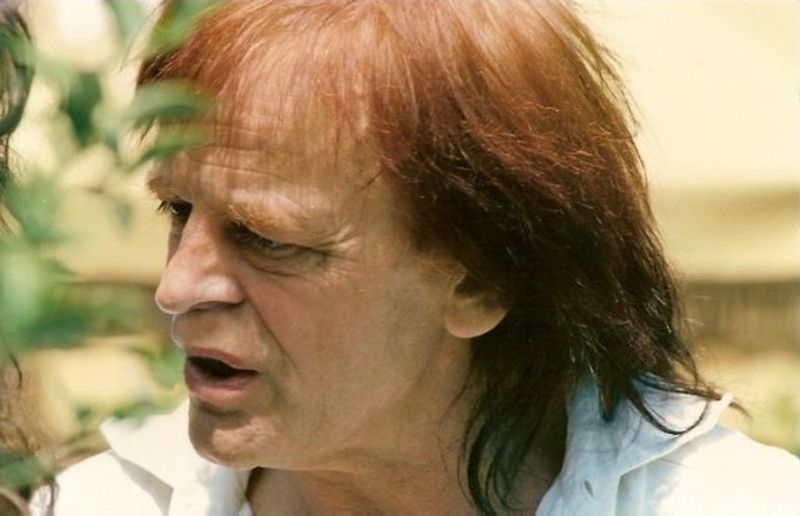
How do you move a 320-ton steamship over a steep hill in the Amazon rainforest? If you are director Werner Herzog, you do it for real, no CGI, no tricks.
Indigenous workers and cast members pulled an actual ship over a mountain, and the process nearly ended lives of several people.
Original star Jason Robards got sick and had to leave. Mick Jagger, yes, that Mick Jagger, was also in early scenes before dropping out.
Klaus Kinski stayed, and the madness continued.
3. Aguirre, the Wrath of God (1972)

Filming on actual Amazon River rafts with a volatile lead actor sounds like a recipe for disaster, and it basically was.
Werner Herzog and Klaus Kinski clashed violently throughout production, with Kinski reportedly threatening to quit multiple times.
Herzog later admitted he once considered shooting Kinski to stop him from leaving.
The crew had almost no budget and improvised everything. Yet somehow, the film became a masterpiece.
4. The Revenant (2015)

Leonardo DiCaprio famously crawled through freezing rivers, slept inside a fake animal carcass, and ate raw bison liver for this film.
Director Alejandro Inarritu insisted on using only natural light, meaning the crew had a tiny window each day to film. Production moved from Canada to Argentina chasing actual snow.
Crew members quit. Budgets exploded.
Yet DiCaprio finally got his Oscar. Sometimes suffering for your art pays off, and sometimes it just gets really, really cold.
5. Roar (1981)
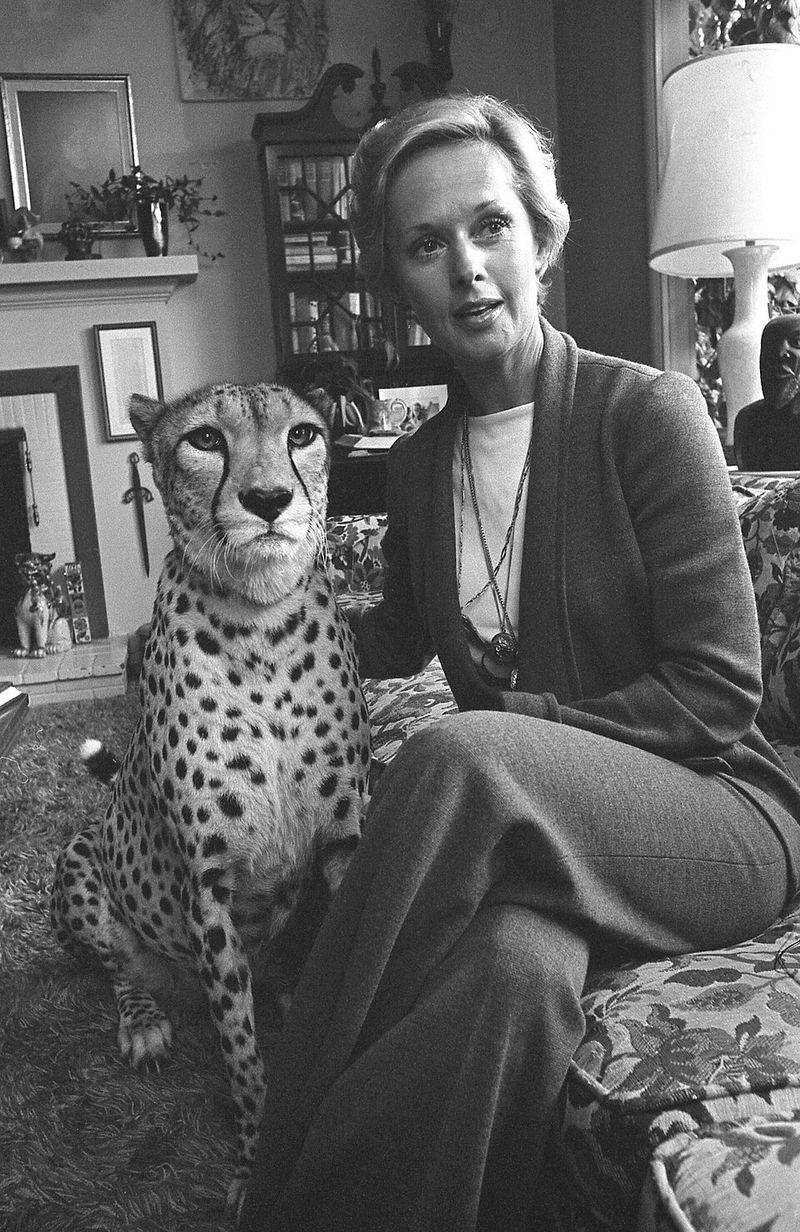
No film in history has injured more cast and crew members during production than this one.
Over 70 people were seriously hurt, including director Noel Marshall, actress Tippi Hedren, and her daughter Melanie Griffith, who required reconstructive facial surgery after a lion attack.
The production used over 150 untrained big cats roaming freely on set.
Filming lasted 11 years due to constant animal-related accidents and budget collapses. Amazingly, no one passed away.
The film’s tagline was literally No animals were harmed in the making of this film, which feels spectacularly ironic.
6. Mad Max: Fury Road (2015)

Over a decade went into George Miller’s effort to get the sequel made. When filming finally started in Namibia, cast tensions boiled over almost immediately.
Tom Hardy and Charlize Theron reportedly refused to be on set at the same time during certain periods, requiring creative scheduling solutions from the exhausted crew.
The desert heat was punishing, and nearly every stunt was performed practically. Over 480 hours of raw footage were shot.
The film won six Academy Awards, proving the desert madness was absolutely worth it.
7. Titanic (1997)
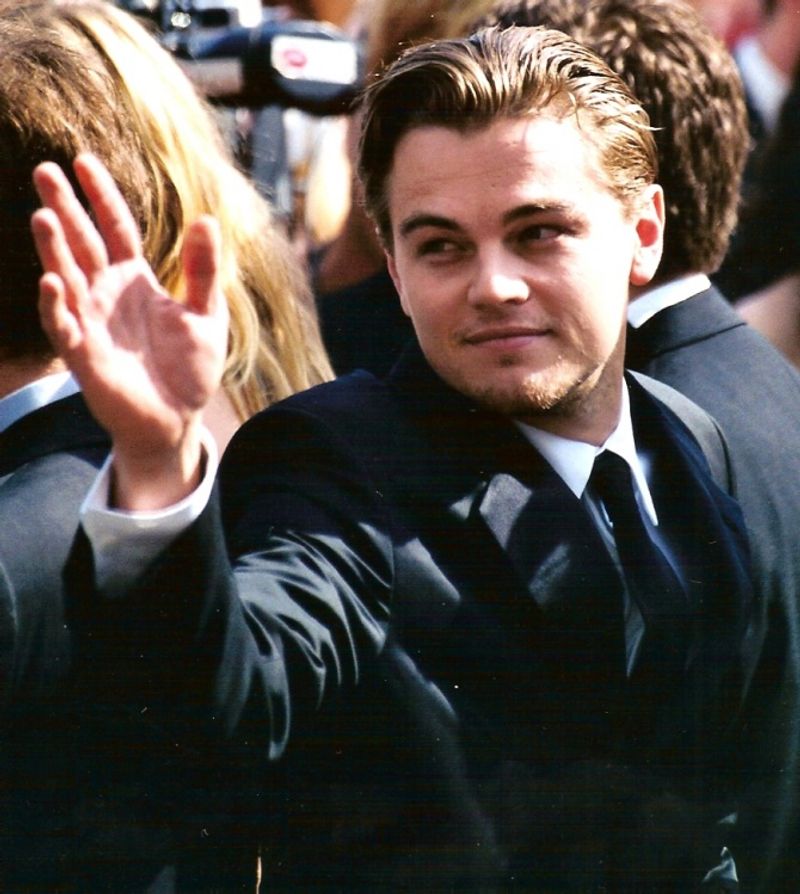
James Cameron built a nearly full-scale replica of the Titanic in a massive outdoor tank in Mexico. The shoot lasted so long that the studio nearly pulled funding multiple times.
Cameron himself skipped his own salary to keep the production alive, which is either heroic or slightly unhinged, possibly both.
During one infamous night shoot, a disgruntled crew member spiked the food with a substance that sent over 80 people to the hospital. The film still broke box office records worldwide.
8. The Abyss (1989)

Cameron strikes again! For this underwater sci-fi thriller, the crew filmed inside a partially completed nuclear reactor containment vessel filled with six million gallons of water.
Actors spent so many hours underwater that their skin was constantly pruned. Chlorine levels made eyes sting constantly.
Lead actress Mary Elizabeth Mastrantonio had a breakdown on set and walked off mid-scene.
The production was nicknamed The Abuse by the cast and crew, which honestly tracks.
9. Jaws (1975)
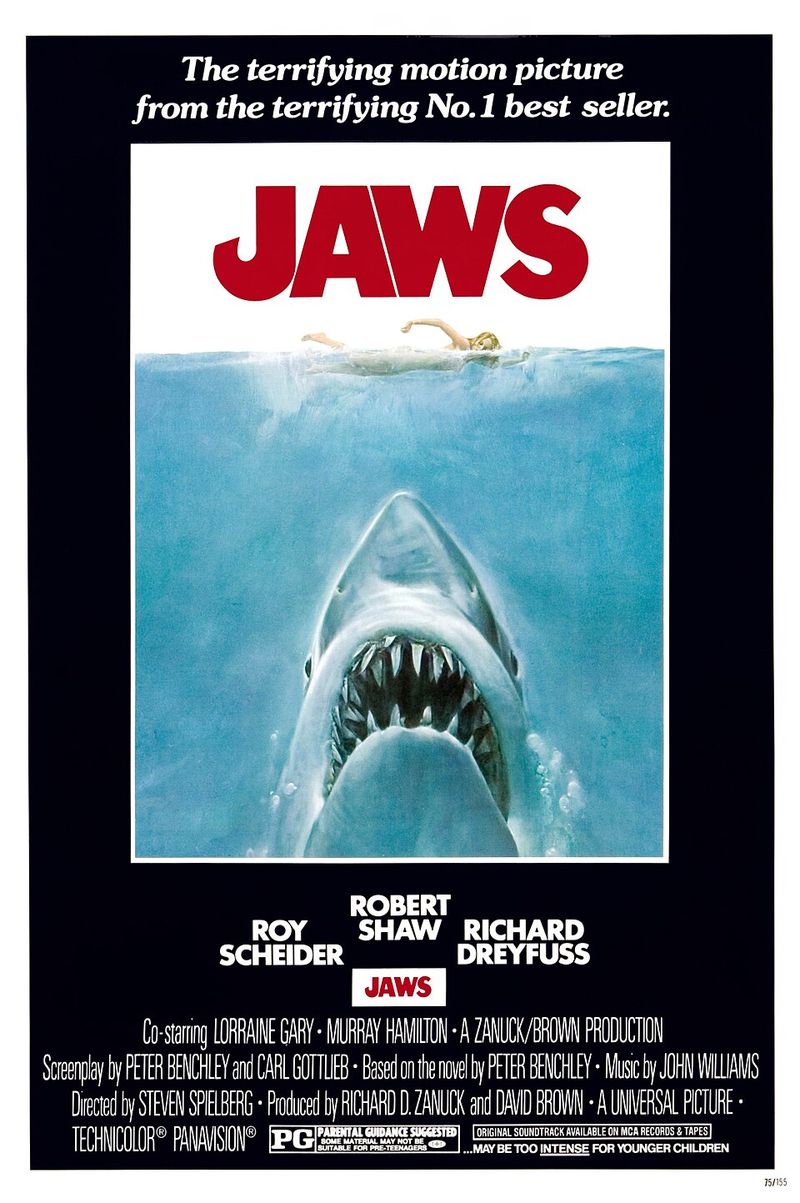
Saltwater wreaked havoc on the mechanical shark nicknamed Bruce, creating constant breakdowns during Steven Spielberg’s shoot. The production schedule stretched from 55 days to 159 days.
Budget overruns were enormous, and Universal Pictures executives were furious watching costs spiral out of control on the open Atlantic waters near Martha’s Vineyard.
However, Bruce’s constant failures forced Spielberg to hide the shark, which made the film far scarier. The film essentially invented the summer blockbuster as we know it today.
10. The Lord of the Rings Trilogy (2001-2003)

Roughly 438 days of back-to-back filming across New Zealand went into Peter Jackson’s three-movie shoot.
Actors wore prosthetic ears and feet daily for hours. Viggo Mortensen broke two toes kicking a helmet in a scene and kept acting through the pain, which director Jackson kept in the final cut.
Sean Astin stepped on a piece of glass walking barefoot on set and needed emergency care.
The sheer scale of this production remains jaw-dropping even by today’s standards.
11. Saving Private Ryan (1998)
A brutally unflinching realism shaped Spielberg’s recreation of the D-Day beach landing.
Over a thousand extras, many of them Irish Army reserve soldiers, stormed a beach in County Wexford, Ireland.
Real amputees were hired to portray soldiers who had lost limbs, adding gut-wrenching authenticity to the chaos.
The opening 27-minute sequence was so intense that veterans watching screenings reportedly had flashbacks and had to leave theaters. Spielberg deliberately avoided a traditional musical score for that sequence.
12. Lawrence of Arabia (1962)
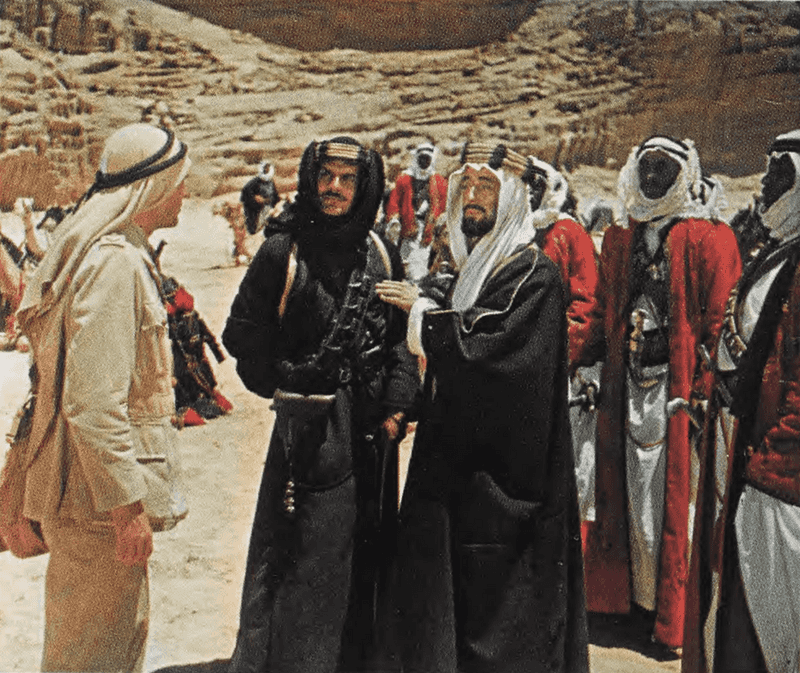
Filming across the Jordanian desert, Moroccan sand dunes, and Spain meant enduring temperatures that regularly hit 130 degrees Fahrenheit on set.
Peter O’Toole, playing T.E. Lawrence, spent months on camelback and suffered serious physical exhaustion throughout the grueling shoot.
The production lasted nearly two years across multiple continents.
Director David Lean was notoriously demanding, pushing crew and cast to their limits daily. The result was one of cinema’s greatest epics.
13. The Bridge on the River Kwai (1957)
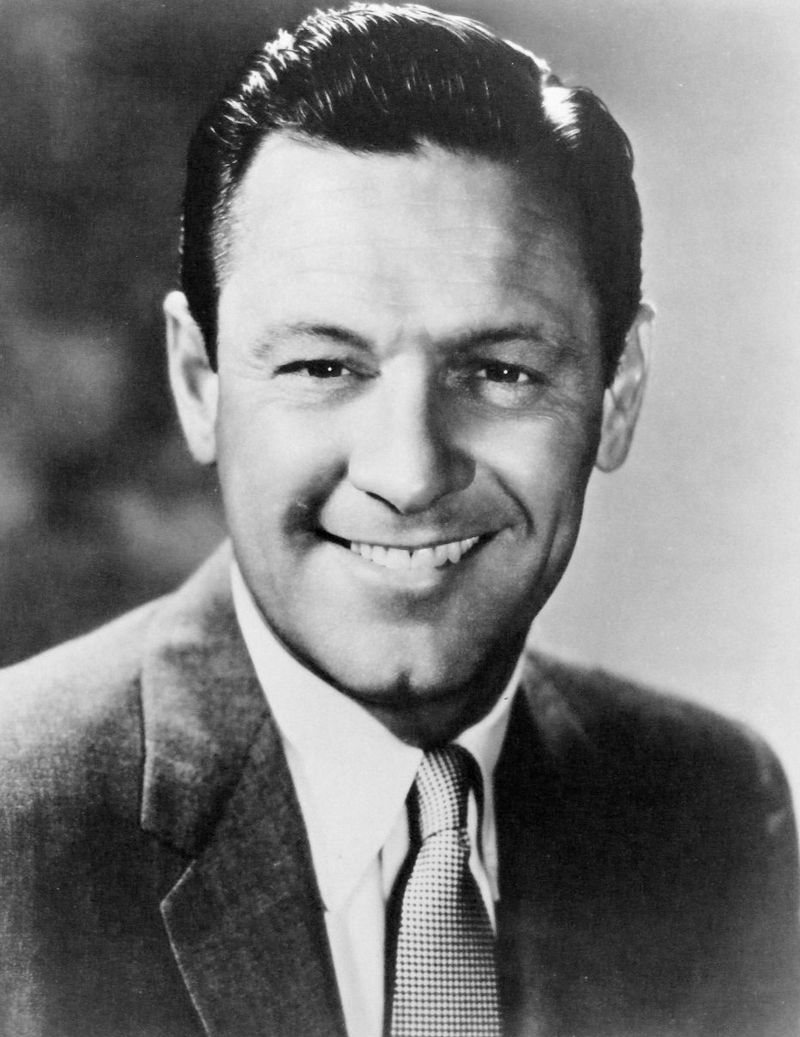
Director David Lean built a real, functional 425-foot wooden bridge in the jungles of what was then Ceylon, now Sri Lanka. The bridge actually worked, with real trains running across it.
Blowing it up required meticulous coordination with the Ceylon government and military because it was a genuine structure.
The explosion sequence could only be filmed once, and a camera operator reportedly started rolling too late. Lean was furious.
William Holden and Alec Guinness endured extreme tropical heat throughout the months-long jungle shoot.
14. Ben-Hur (1959)
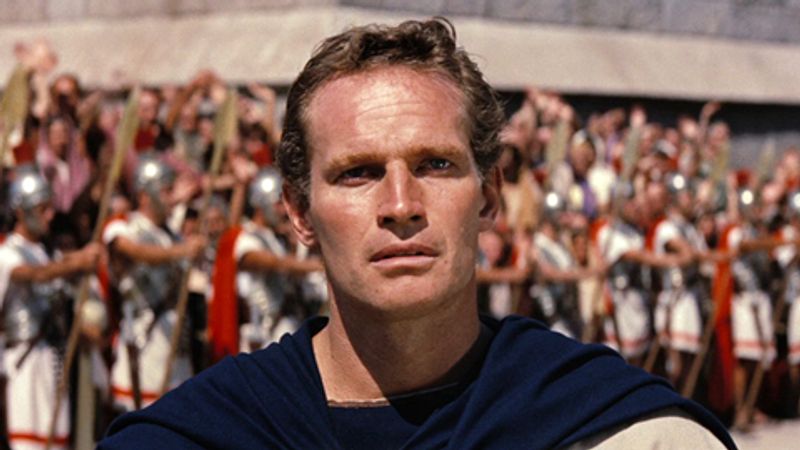
The chariot race sequence remains one of the most dangerous stunts ever filmed in Hollywood history.
Over 8,000 extras filled the massive arena set built in Rome. Stuntmen were seriously injured during rehearsals.
Charlton Heston trained for weeks to handle the horses. The sequence took three months to film and used 78 horses.
Director William Wyler shot it with multiple cameras, knowing he could never safely recreate the chaos of a real take.
15. Waterworld (1995)

Nicknamed Fishtar and Kevin’s Gate by a merciless press, this production became Hollywood’s biggest cautionary tale about runaway budgets.
Filming on the open Pacific Ocean near Hawaii meant dealing with real storms, seasick crew members, and a floating set that sank during one particularly rough stretch of weather.
Kevin Costner reportedly helped fund cost overruns from his own pocket. The budget ballooned to around 175 million dollars.