8 Famous Movies That Faced Bans And Backlash
Movies have the power to move us, entertain us, and sometimes make us super uncomfortable.
Some films push boundaries so far that governments, religious groups, and audiences fought back with bans, boycotts, and heated protests.
Controversial films spanning horror shockers and religious dramas sparked debates that echoed far beyond the theater.
1. A Clockwork Orange (1971)
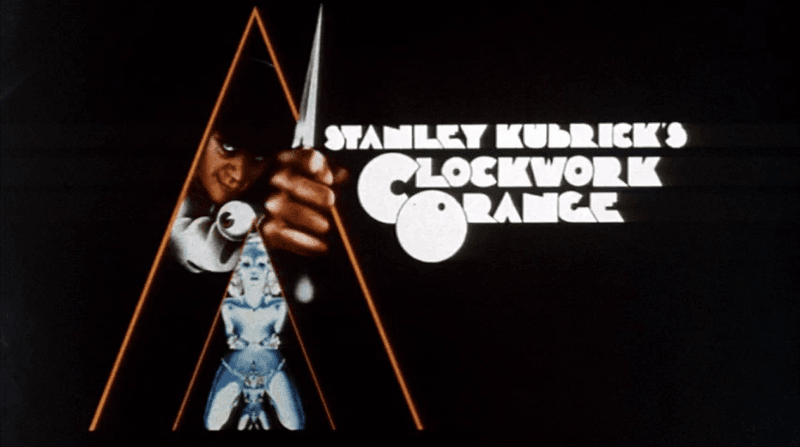
Stanley Kubrick’s dystopian nightmare became so linked to real-life violence that he personally pulled it from UK theaters.
Copycat crimes terrified communities, and the director faced death threats at his own home.
For nearly three decades, British audiences couldn’t legally watch it. However, its bold vision of free will versus control cemented its status as a cinematic masterpiece worldwide.
2. The Exorcist (1973)
Audiences literally fainted, vomited, and fled theaters during screenings of this demonic possession horror.
Singapore banned it entirely, while UK censors slapped heavy restrictions on it for years.
Religious leaders condemned its terrifying portrayal of evil battling faith.
Just saying, watching a young girl’s head spin 360 degrees still haunts viewers decades later, making it horror royalty.
3. Salò, or the 120 Days of Sodom (1975)
Pier Paolo Pasolini created perhaps cinema’s most disturbing film, depicting fascist cruelty in graphic detail. Over 40 countries banned it, and some still refuse screenings today.
Extreme violence and degradation pushed boundaries beyond what most viewers could stomach.
Tragically, Pasolini was murdered before the film’s release, adding another dark layer to its notorious legacy.
4. The Battle of Algiers (1966)
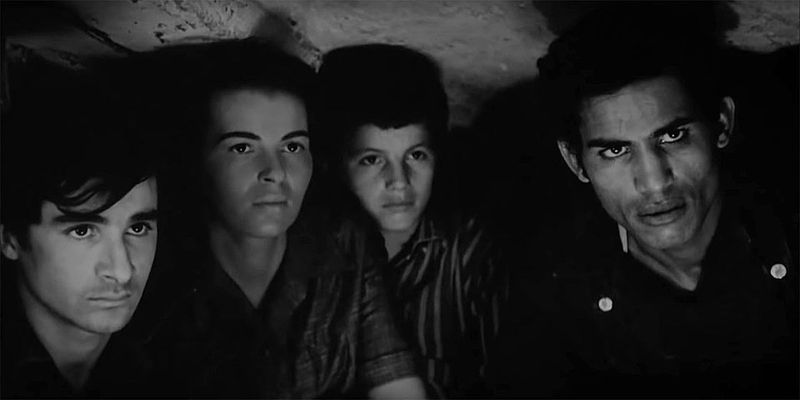
Gillo Pontecorvo’s documentary-style masterpiece portrayed guerrilla warfare so realistically that France banned it for years. Military and revolutionary groups worldwide studied its tactical depictions.
Governments feared it would inspire insurgencies, while film scholars praised its unflinching honesty.
Eventually, even the Pentagon screened it to understand asymmetric warfare, proving art’s power transcends entertainment.
5. Last Tango in Paris (1972)

Bernardo Bertolucci’s explicit drama landed him and his lead actor in Italian court on obscenity charges. Several countries banned it, while others demanded heavy cuts before allowing screenings.
Controversy intensified years later when Bertolucci admitted an infamous scene wasn’t fully consensual with the actress.
What seemed artistically daring became ethically troubling, reshaping its legacy forever.
6. The Passion of the Christ (2004)
Mel Gibson’s ultra-violent depiction of Jesus’s crucifixion divided religious communities sharply.
Some praised its devotional intensity, while others condemned its graphic brutality.
Certain countries restricted or banned it, fearing religious tensions.
Despite controversy, it became one of history’s highest-grossing R-rated films, proving passionate audiences existed on both sides.
7. The Birth of a Nation (1915)
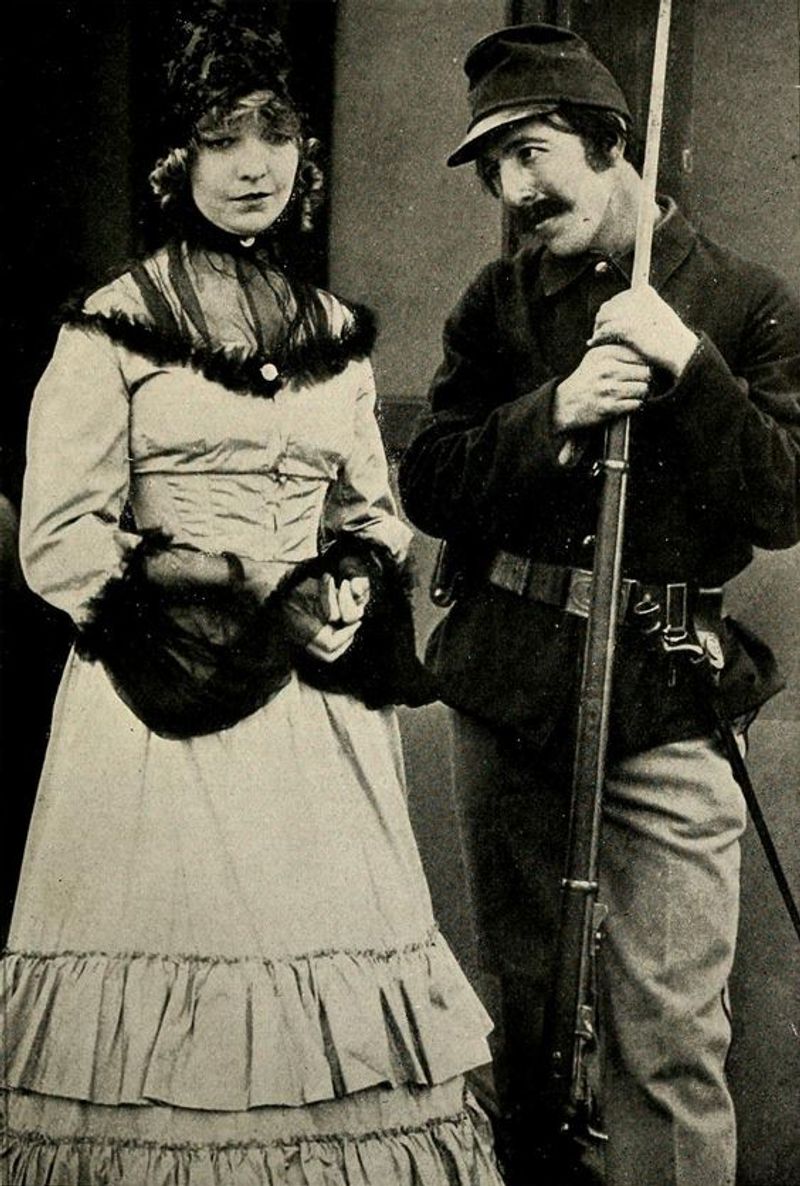
D.W. Griffith’s technical achievement came wrapped in horrifying racism, glorifying the KKK and demonizing African Americans.
Cities including Chicago and Denver banned it amid massive protests.
Despite groundbreaking cinematography, its hateful message sparked riots.
Film historians wrestle with acknowledging its influence while condemning its reprehensible ideology and lasting harm.
8. Brokeback Mountain (2005)

Ang Lee’s tender love story between two cowboys faced bans across the Middle East and parts of Asia.
Even some American theaters refused screenings, citing community values.
China, the Bahamas, and numerous other countries censored or prohibited it entirely. Yet its critical acclaim and cultural impact helped advance LGBTQ representation in mainstream cinema significantly.