13 Movies That Failed To Kick Off Big Franchises
Hollywood loves a good sequel, and studios often spend enormous budgets hoping to launch the next big cinematic universe. For every blockbuster that grows into a massive franchise, many others fail before a second chapter ever happens.
Some films arrived with huge marketing campaigns, famous actors, and years of anticipation, yet audiences showed little interest once they reached theaters. Critics were unimpressed, ticket sales dropped quickly, and plans for follow-ups disappeared almost overnight.
This side of the film industry can be surprisingly harsh, showing how unpredictable success really is. Even projects that looked unstoppable on paper sometimes could not connect with viewers.
Failed franchise starters reveal how difficult it is to build a long-running series, no matter how much money or talent stands behind it. Looking back at these misfires offers a fascinating glimpse into Hollywood ambition, risk, and the reality that not every movie is meant to become a saga.
1. The Mummy (2017)
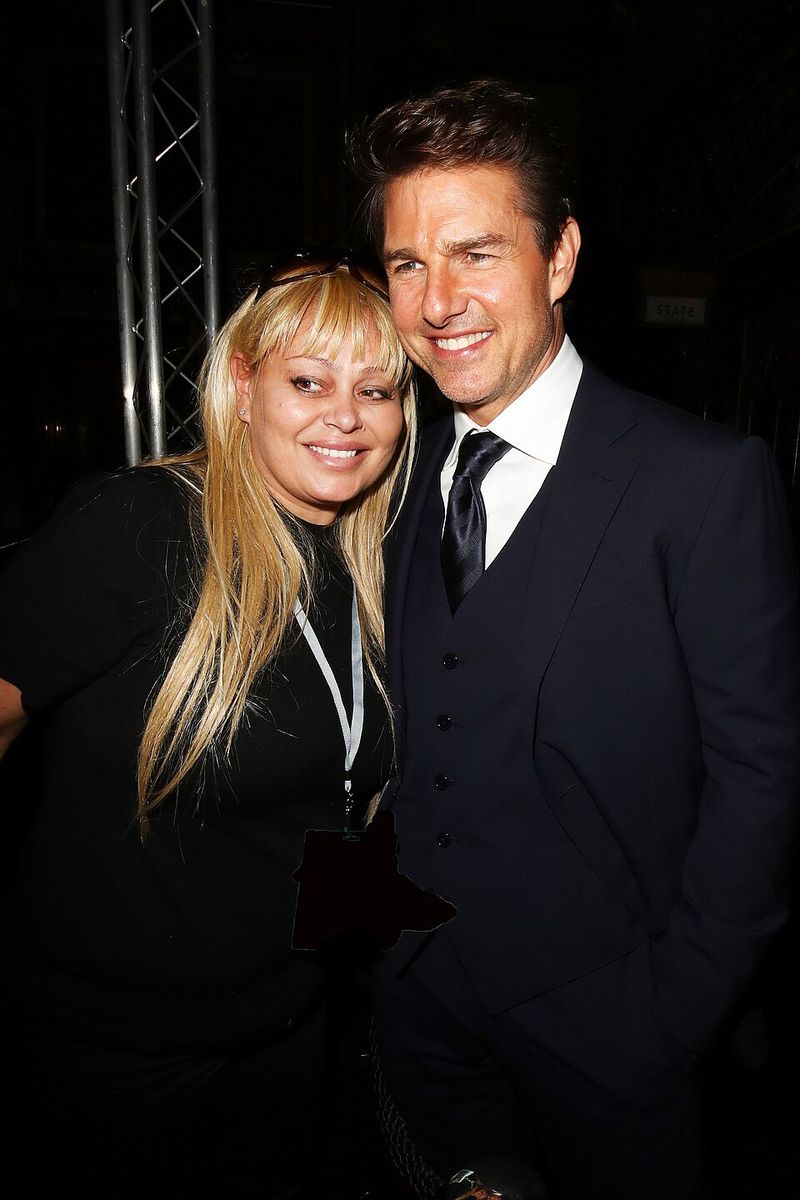
Universal Studios had enormous dreams when it launched its ‘Dark Universe,’ a shared monster movie world meant to rival Marvel. Tom Cruise, around age 54 at filming, was supposed to anchor the whole thing as the face of a brand-new franchise.
However, audiences were not impressed. Critics tore the film apart, calling it confusing and overstuffed.
It earned $410 million worldwide, which sounds like a win, but the $125 million budget plus massive marketing costs made it a financial disaster.
Universal quietly shelved every planned Dark Universe film afterward. Poor Dracula, the Wolfman, and Frankenstein never got invited to the party.
2. Fantastic Four (2015)
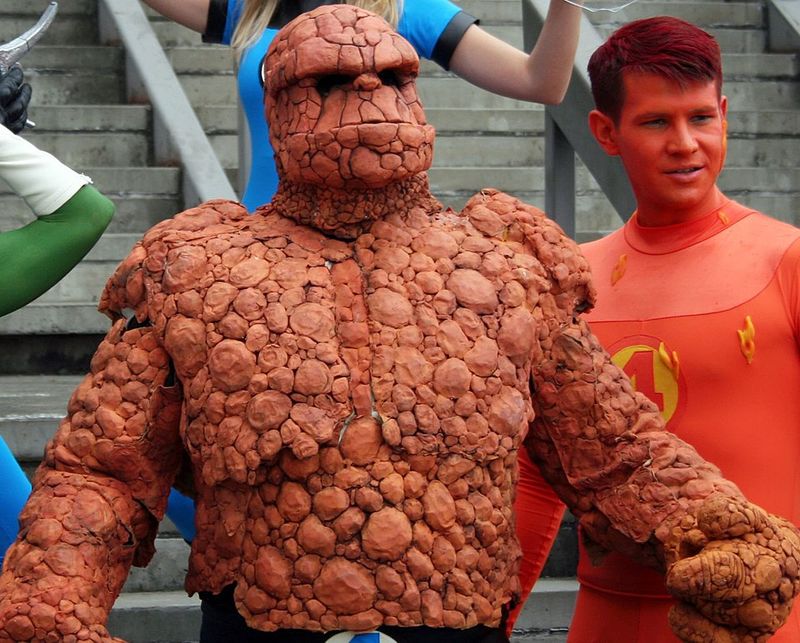
Few superhero reboots have crashed as spectacularly as the 2015 Fantastic Four. Fox Studios desperately wanted a new franchise to compete in the superhero gold rush, so it hired Josh Trank to direct a gritty, grounded reimagining of Marvel’s first family.
Behind the scenes, things fell apart fast. Reports of on-set chaos, major reshoots, and creative clashes turned the production into a legendary Hollywood horror story.
Critics gave it a brutal 9% on Rotten Tomatoes.
Grossing only $168 million against a $120 million budget, the sequel was cancelled immediately. Marvel eventually reclaimed the rights and rebooted the team properly in 2025.
3. John Carter (2012)
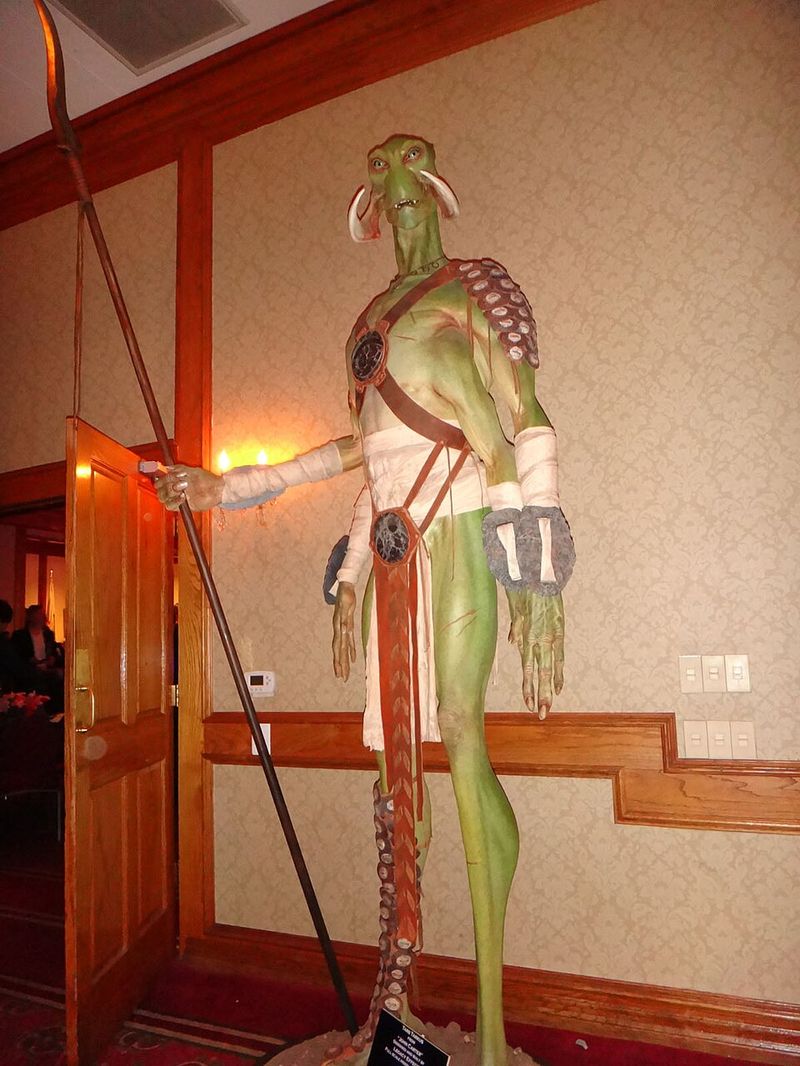
Long before Star Wars and Avatar existed, Edgar Rice Burroughs wrote about a Civil War soldier transported to Mars. John Carter should have been a triumphant cinematic event celebrating one of science fiction’s founding stories.
Disney spent $250 million making it, and the result was… fine. Not terrible, actually fairly entertaining!
But confusing marketing, a bland title, and poor audience awareness doomed it before opening weekend even ended.
Worldwide earnings of $284 million could not cover production and promotional costs. Disney lost an estimated $200 million, making it one of the biggest box office bombs ever.
A trilogy never happened.
4. The Golden Compass (2007)
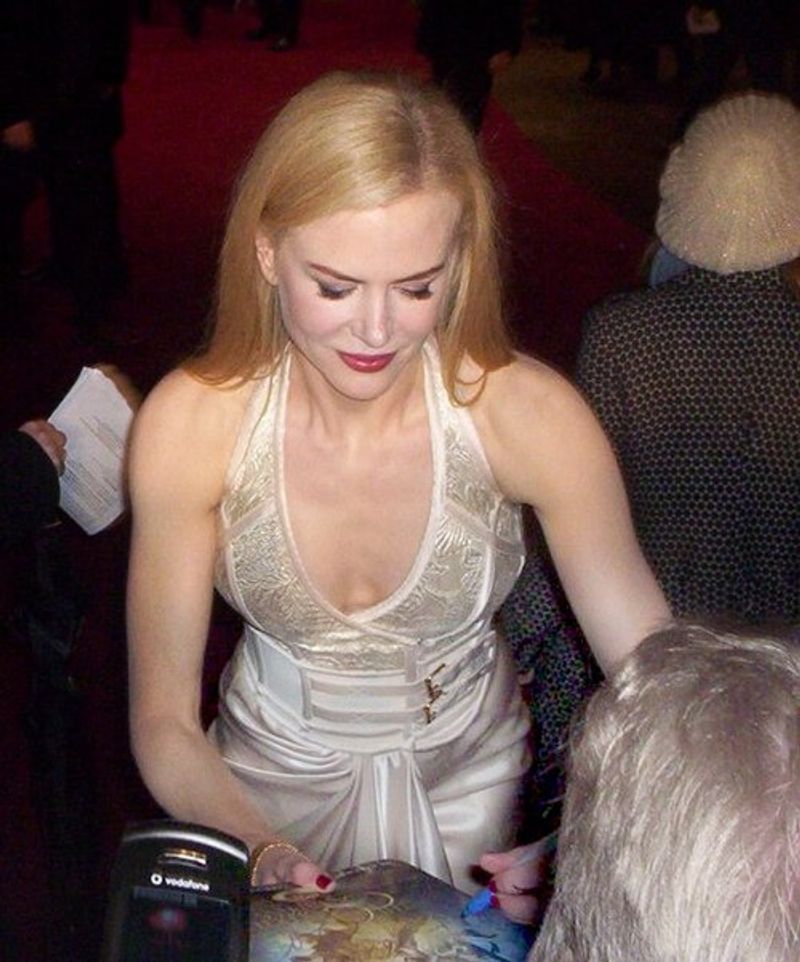
Philip Pullman’s His Dark Materials trilogy is beloved, imaginative, and absolutely ripe for big-screen adaptation. New Line Cinema bet big on The Golden Compass becoming the next Lord of the Rings, spending $180 million to bring Lyra’s world to life.
Controversy stirred early, as religious groups protested the film’s themes. Critics found the story rushed and emotionally flat.
Audiences in North America stayed away, though European viewers were more enthusiastic.
Earning $372 million globally sounds decent, but North American returns were so weak that New Line cancelled the planned sequels entirely. Years later, HBO successfully adapted the books as a TV series instead.
5. King Arthur: Legend of the Sword (2017)

Guy Ritchie brought his signature hyper-stylized filmmaking to one of history’s greatest legends, and honestly, the result was kind of fun. Snappy editing, zippy dialogue, and a surprisingly charming Charlie Hunnam as Arthur made for an entertaining ride.
Warner Bros. planned six films in a connected Arthurian universe. Six!
Clearly, someone was feeling very optimistic about round tables and magic swords.
Sadly, audiences disagreed. Only $148 million was earned against a $175 million production budget, making the whole venture a financial catastrophe.
Every planned sequel vanished faster than Excalibur back into the stone. The six-film plan became a zero-film reality.
6. The Lone Ranger (2013)
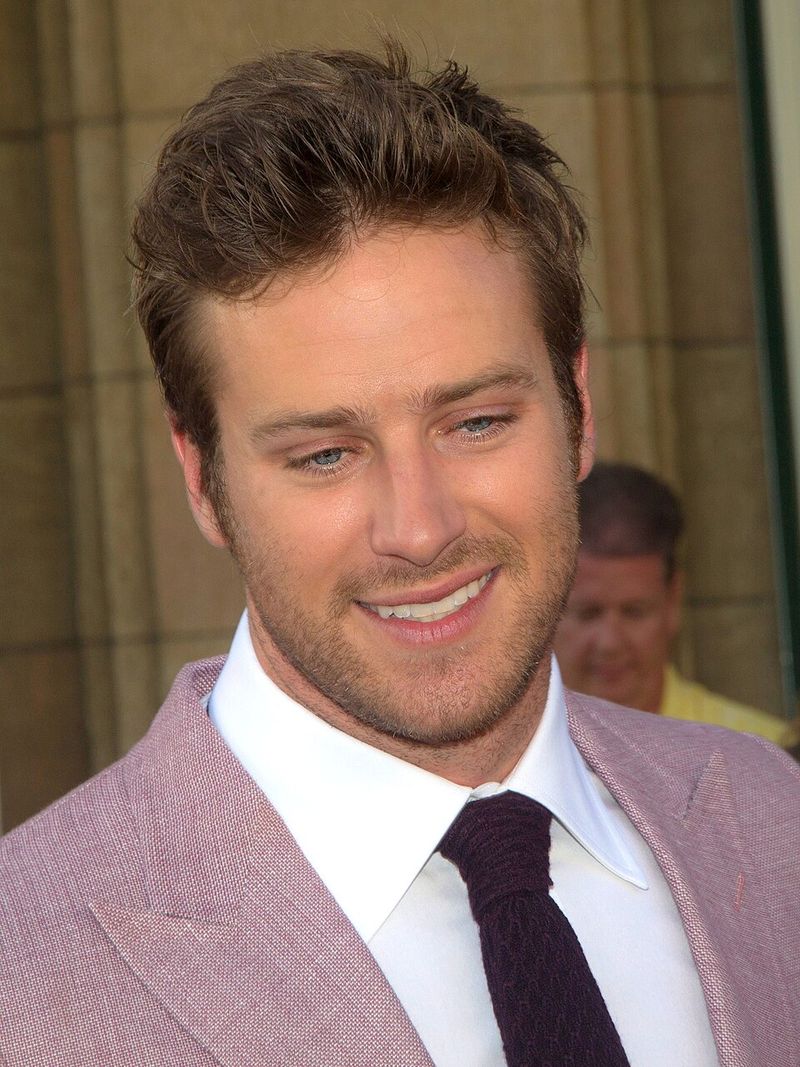
After Pirates of the Caribbean struck gold, Disney tried repeating the formula by reuniting producer Jerry Bruckheimer and star Johnny Depp in a big, swashbuckling Western adventure. The Lone Ranger had all the ingredients for a blockbuster hit.
Critics were not kind, calling it bloated, overly long, and tonally confused. At nearly two and a half hours, audiences felt every single minute.
A $215 million budget needed massive box office returns, but only $260 million came back worldwide.
Disney absorbed losses estimated at $190 million. Tonto and the Ranger never rode again, and the planned franchise quietly disappeared into the sunset like a tumbling tumbleweed.
7. Green Lantern (2011)
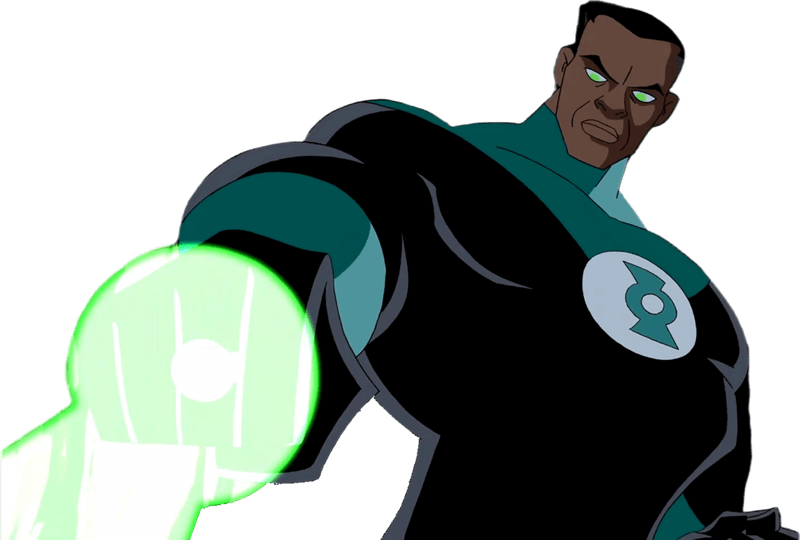
Before Ryan Reynolds became Deadpool and won the internet forever, he starred in what many consider one of the worst superhero movies ever made. Green Lantern cost $200 million and was supposed to launch DC’s own cinematic universe years before Justice League existed.
The CGI costume looked cartoonish, the villain was a giant CGI cloud, and the story felt rushed and hollow. Critics demolished it, giving it a 26% on Rotten Tomatoes.
Audiences followed the critics’ lead and stayed home.
Earning only $219 million worldwide, the sequel was cancelled. Reynolds himself later joked about the film in Deadpool, earning massive laughs by roasting his own career choice.
8. The Mortal Instruments: City of Bones (2013)

Cassandra Clare’s Mortal Instruments book series has millions of devoted fans worldwide, making it seem like a guaranteed hit for the big screen. Constantin Film invested heavily, hoping to capture the same magic as Twilight or The Hunger Games.
Reviews were harsh, calling the story confusing for non-readers and derivative for everyone else. Box office returns of only $90 million against a $60 million budget were deeply underwhelming for a would-be franchise starter.
A planned sequel was cancelled before production even began. Interestingly, the story got a second life as a TV series called Shadowhunters, which ran for three seasons on Freeform.
Books win again!
9. Warcraft (2016)
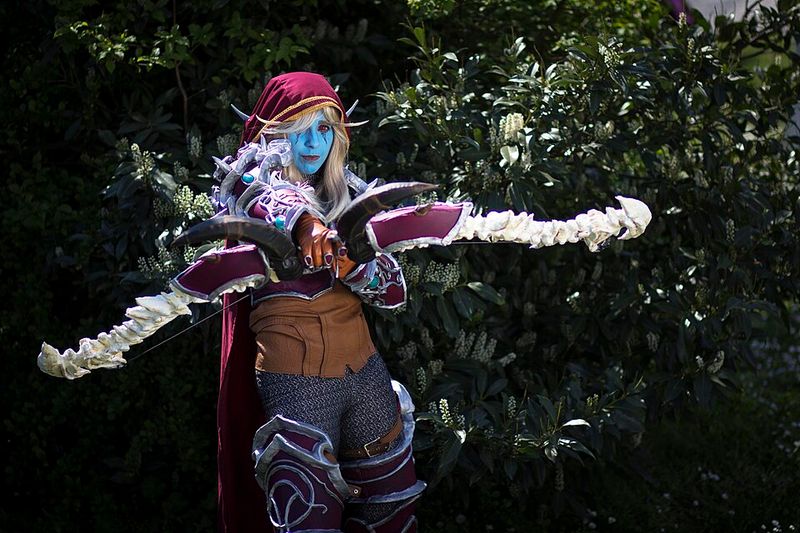
Video game adaptations have a notoriously rough history, and Warcraft arrived hoping to break the curse. Based on Blizzard’s massively popular game franchise, it had a passionate built-in fanbase of millions of players worldwide eagerly awaiting its release.
Director Duncan Jones crafted a visually stunning world full of orcs, magic, and epic battles. Critics were mixed, but fans in China absolutely loved it, driving the global total to $439 million.
However, North American audiences were lukewarm, earning only $47 million domestically. Without strong US performance, Legendary Pictures could not justify sequel production costs.
A planned follow-up was cancelled, leaving the story permanently unfinished mid-adventure.
10. The Dark Tower (2017)
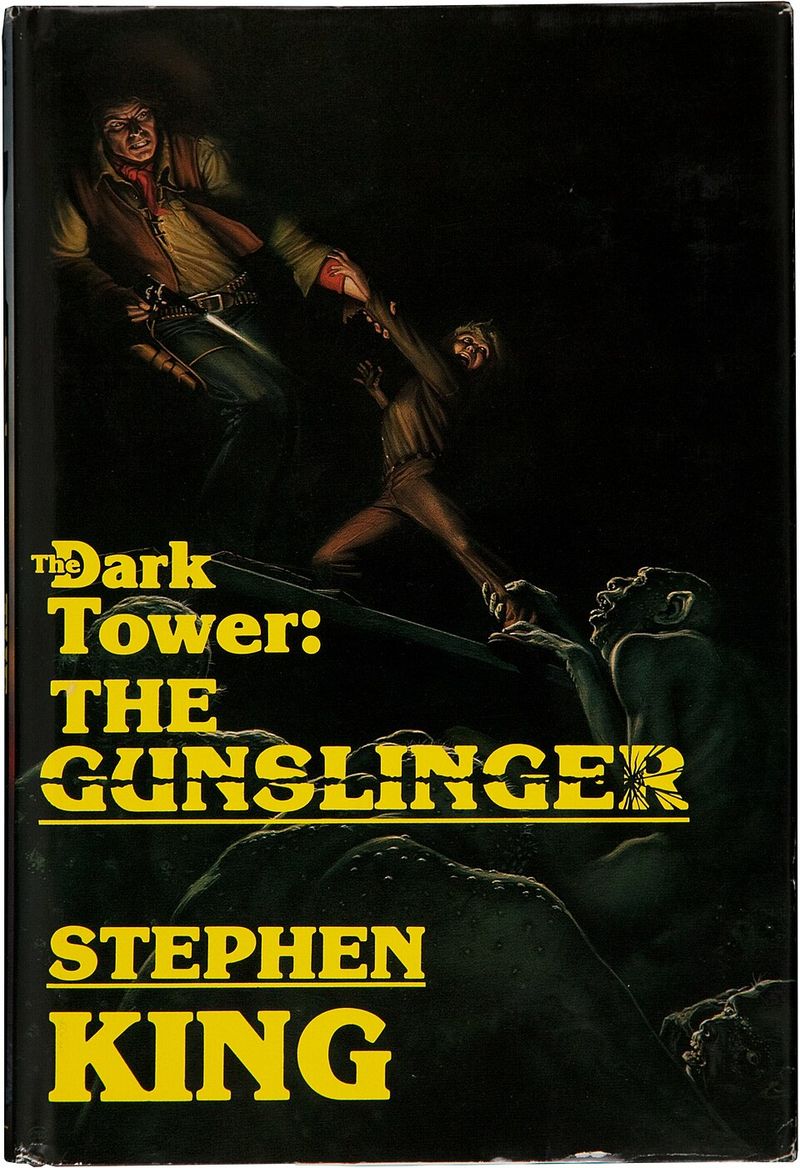
Stephen King’s Dark Tower series is considered his magnum opus, a sprawling eight-book saga connecting virtually every story he has ever written. Hollywood spent decades trying to adapt it, and when Sony finally pulled the trigger, expectations were sky-high.
Fans were immediately confused. Rather than a straightforward adaptation, the film served as a sequel to the books, requiring audiences to understand decades of complex lore.
Critics called it rushed and disappointingly generic at only 95 minutes long.
A $60 million budget returned only $113 million worldwide, far below expectations. A planned TV series never materialized.
King’s most ambitious universe remains frustratingly unfilmed to proper satisfaction.
11. Valerian and the City of a Thousand Planets (2017)

Luc Besson spent over 25 years trying to bring the beloved French comic series Valerian and Laureline to the big screen. When he finally did, he created the most expensive European film ever made at $180 million.
Ambition? Absolutely overflowing.
Visually, it was breathtaking. The alien city sequences were genuinely jaw-dropping, packed with hundreds of bizarre creatures and dazzling colors.
However, audiences found the two lead actors unconvincing, and the story felt thin beneath all the spectacle.
Earning only $225 million worldwide against enormous production and marketing costs, the film lost money badly. No sequel was ever discussed seriously.
Sometimes gorgeous visuals cannot save a shaky foundation.
12. A Wrinkle in Time (2018)

Ava DuVernay made history as the first Black woman to direct a film with a budget over $100 million when she helmed A Wrinkle in Time for Disney. Madeleine L’Engle’s beloved novel finally got its big-screen moment after decades of fan requests.
Reviews were polarizing. Some praised the film’s visual ambition and diverse casting.
Others felt it stripped too much depth from the source material, leaving an emotionally hollow experience despite stunning imagery.
A $100 million budget earned only $133 million worldwide, a significant underperformance for Disney standards. Sequels covering the remaining books were never developed.
L’Engle’s rich universe remains mostly unexplored on the big screen.
13. The BFG (2016)
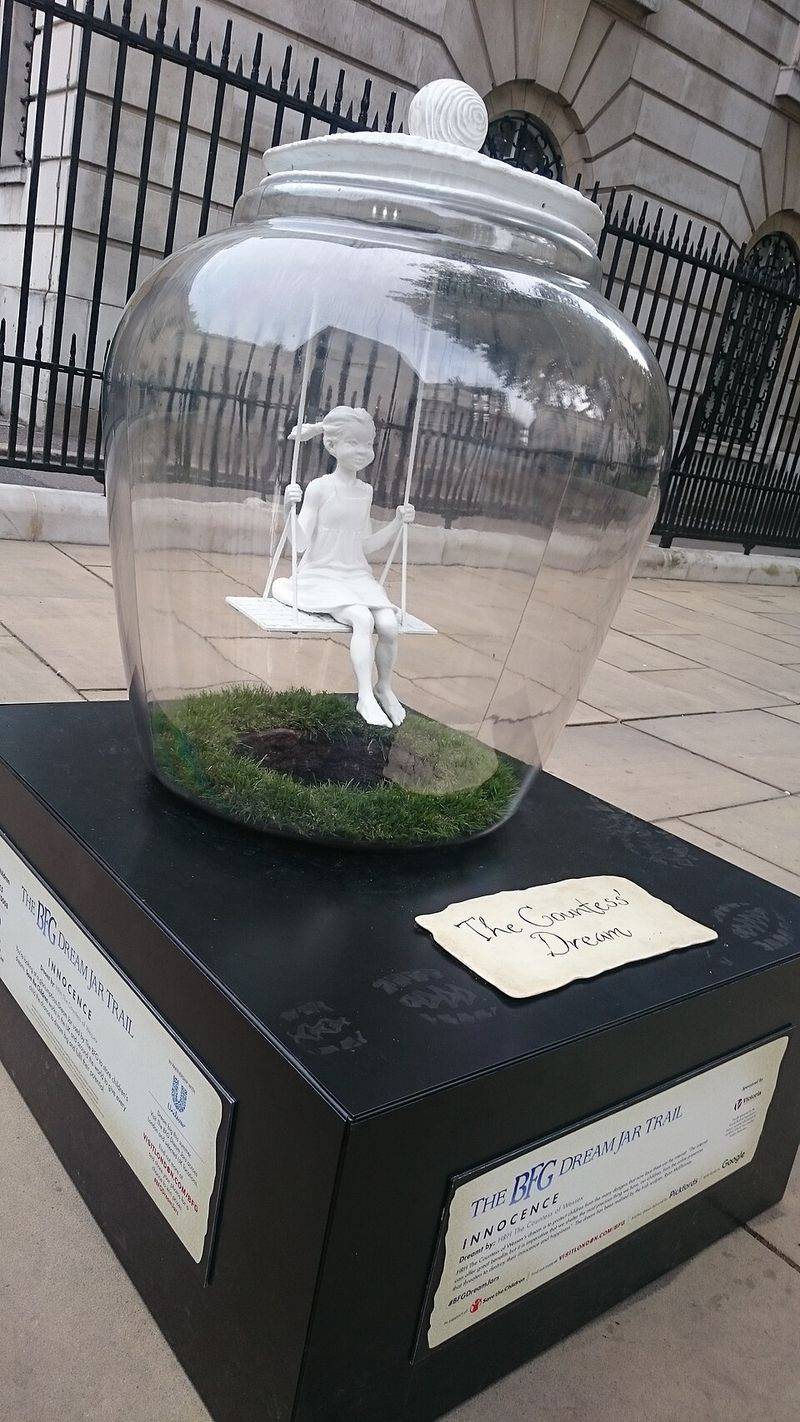
Steven Spielberg directing a Roald Dahl adaptation sounds like an absolute recipe for magic. Mark Rylance brought extraordinary warmth to the Big Friendly Giant, and the technical artistry of the film was genuinely remarkable, earning widespread admiration from critics.
However, families did not show up in expected numbers. A $140 million budget against $183 million worldwide earned was a genuine surprise disappointment for Disney and Spielberg alike.
No follow-up Dahl adaptations were pursued under Spielberg’s direction afterward. The BFG deserved a bigger audience, honestly.
Sometimes even a masterful director and a beloved children’s book cannot guarantee franchise-launching box office numbers. Snozzcumbers for everyone, apparently.