17 Movies That Influenced Global Trends In Unexpected Ways
Movies love to leave an impression, but every now and then one escapes the screen and starts rearranging real life a little.
A hairstyle suddenly shows up everywhere, travel spikes, products fly off shelves, and an entire audience collectively decides a fictional vibe deserves real-world commitment.
Nobody walks into a theater expecting a movie to start shaping weddings, workouts, furniture, food orders, or the way people look at a city they had barely thought about before. Then it happens anyway.
Pop culture has a funny habit of taking one memorable scene or one irresistible attitude and turning it into a full-blown trend people swear was their own idea.
Some of these shifts were huge, some were oddly specific, but all of them prove that a movie can do a lot more than score at the box office.
1. Top Gun (1986)
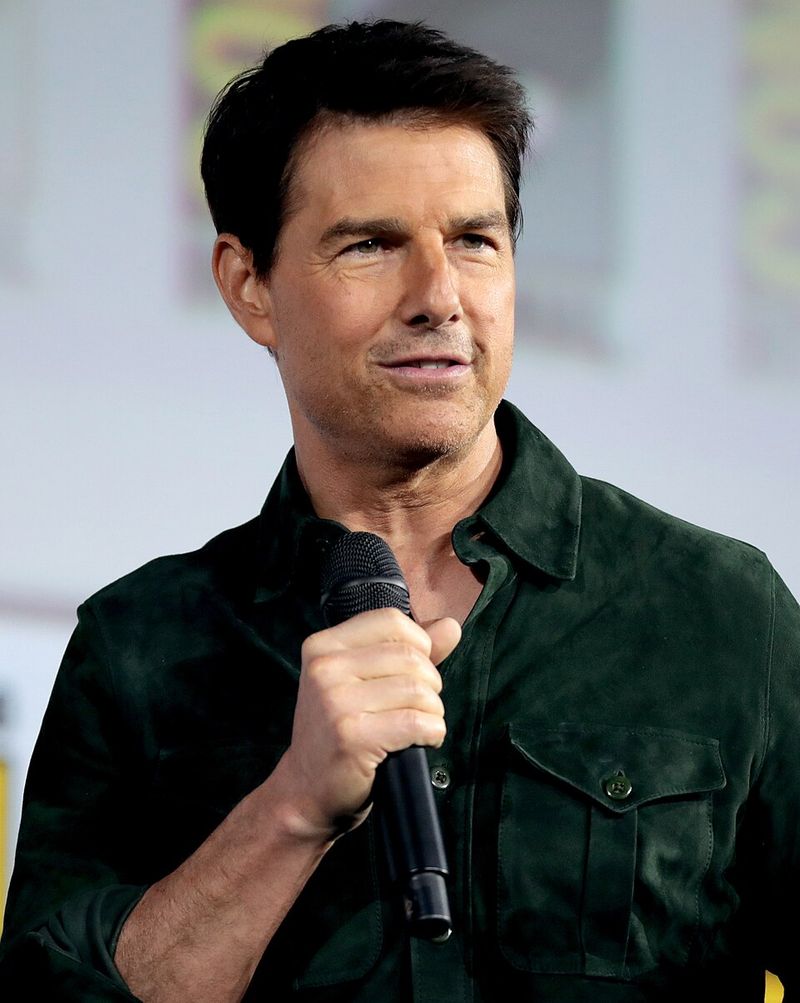
If you owned aviator sunglasses in 1986, blame Tom Cruise.
Top Gun sent U.S. Navy recruitment numbers soaring by over 500% after its release, and the Navy actually set up recruitment booths outside movie theaters.
Talk about the ultimate movie tie-in deal!
Ray-Ban reported that sales of aviator sunglasses jumped 40% within weeks of the film opening. Beyond fashion, the movie reshaped how Americans viewed military service, turning pilots into rock stars.
Where military ads once felt dry and formal, Top Gun made jets look cooler than any music video ever could.
2. Saturday Night Fever (1977)
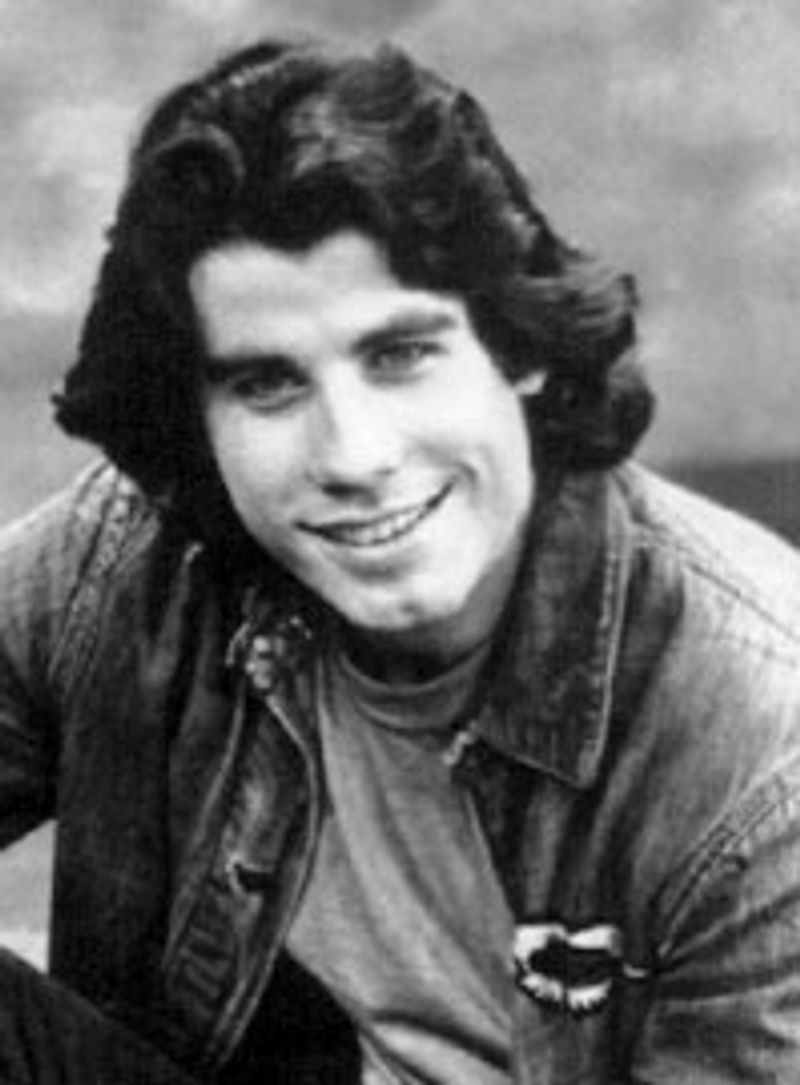
Disco was already bubbling underground before Saturday Night Fever arrived, but John Travolta’s white suit turned it into a global explosion.
Overnight, disco became the soundtrack of an entire generation, with clubs opening in cities that had never even heard a DJ spin before.
How big was the impact? The soundtrack album became one of the best-selling records in history at the time.
Polyester suits flew off store shelves, and dance schools reported massive enrollment spikes worldwide. Even countries far from New York suddenly had their own disco scenes popping up.
3. The Matrix (1999)
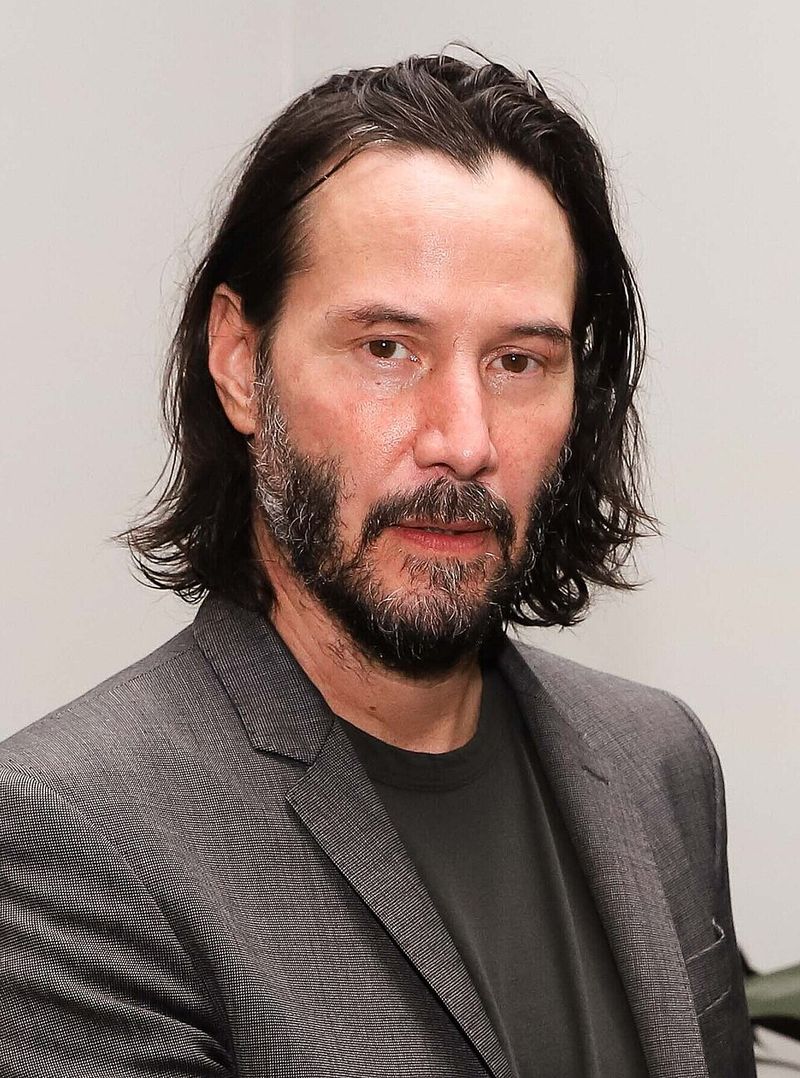
Few films have rewired human thinking quite like The Matrix. Suddenly, philosophy professors were using it in classrooms, and tech companies were hiring people inspired by its vision of virtual reality.
The leather trench coat became the unofficial uniform of every self-proclaimed deep thinker in 1999.
Beyond fashion, the film sparked real conversations about artificial intelligence, simulation theory, and machine ethics that are still raging today.
The bullet-time camera technique invented for the film changed action movie production permanently. Red pill or blue pill? Either way, nothing looked the same after this one.
4. Jaws (1975)
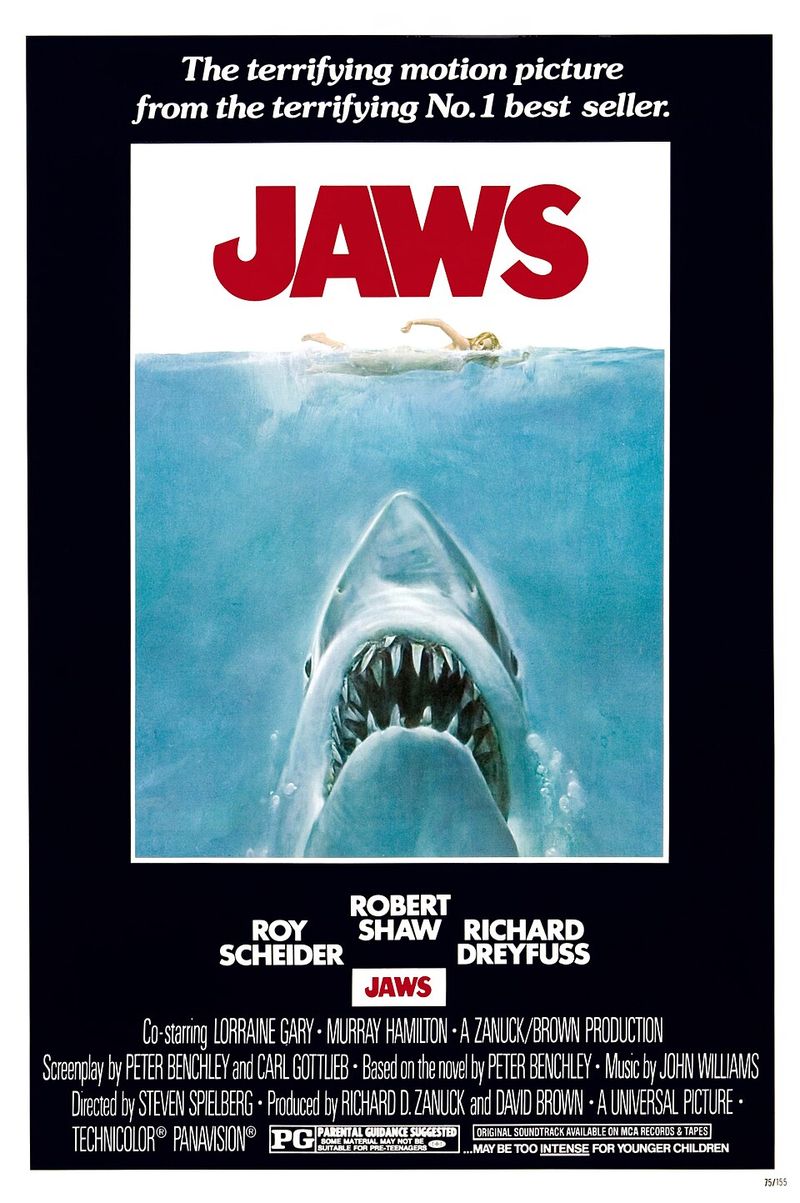
Before 1975, most people had no idea great white sharks even existed. After Jaws hit theaters, beach attendance dropped dramatically across the United States that summer.
Steven Spielberg accidentally created one of history’s most powerful fear campaigns without trying.
However, the film’s real unexpected impact was on shark conservation. Scientists noticed that public fear led to massive shark hunting, nearly wiping out several species.
Researchers now credit Jaws with unintentionally launching modern shark science, because suddenly everyone wanted to study them.
5. Black Panther (2018)
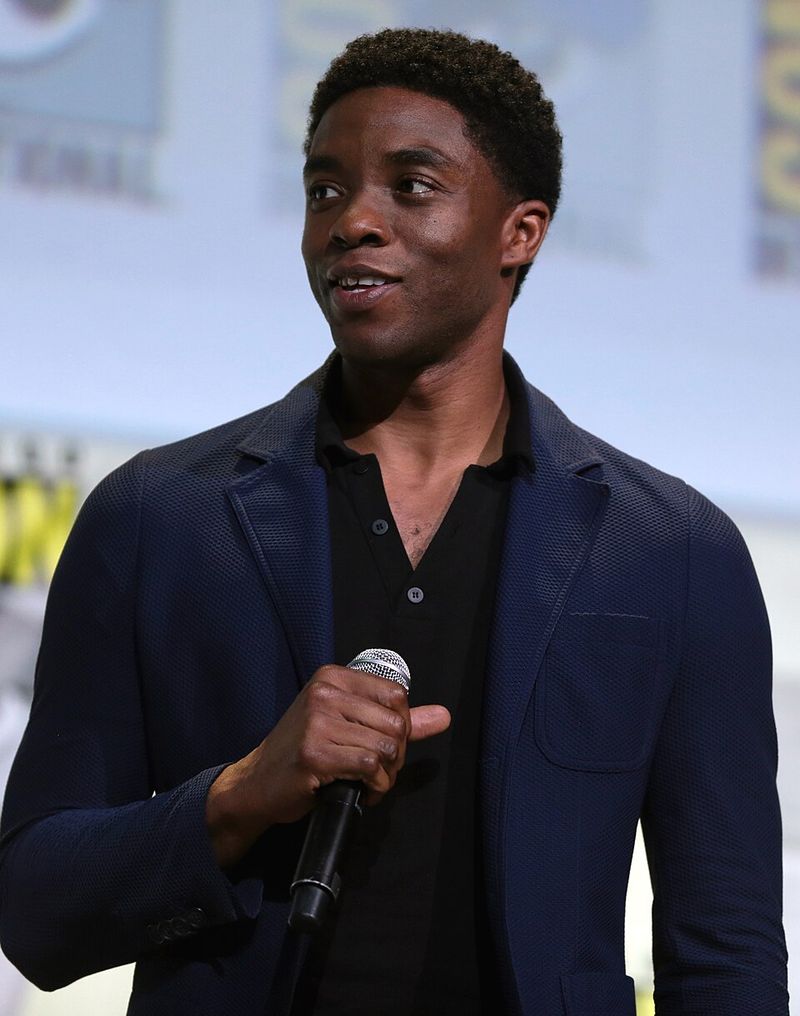
Black Panther was not just a superhero film. It was a cultural moment so massive that schools organized field trips to see it, and people wore traditional African attire to screenings in joyful celebration.
Wakanda Forever became a rallying phrase heard worldwide almost instantly.
The film sparked a genuine global interest in African fashion, with designers reporting surges in demand for Afrocentric clothing and jewelry.
Tourism interest in several African countries jumped noticeably after the film released. Beyond commerce, it shifted Hollywood’s understanding of what diverse storytelling could earn at the box office.
6. The Blair Witch Project (1999)
Shot on a shoestring budget of roughly $60,000, The Blair Witch Project earned nearly $250 million worldwide and accidentally invented modern viral marketing.
The filmmakers convinced audiences the footage was real, launching one of cinema’s first internet-based mystery campaigns before social media even existed.
Where Hollywood once relied solely on TV ads, this film proved that mystery, user-generated content, and online forums could sell a movie better than any billboard.
Paranormal Activity, REC, Cloverfield? All children of Blair Witch.
7. Bambi (1942)
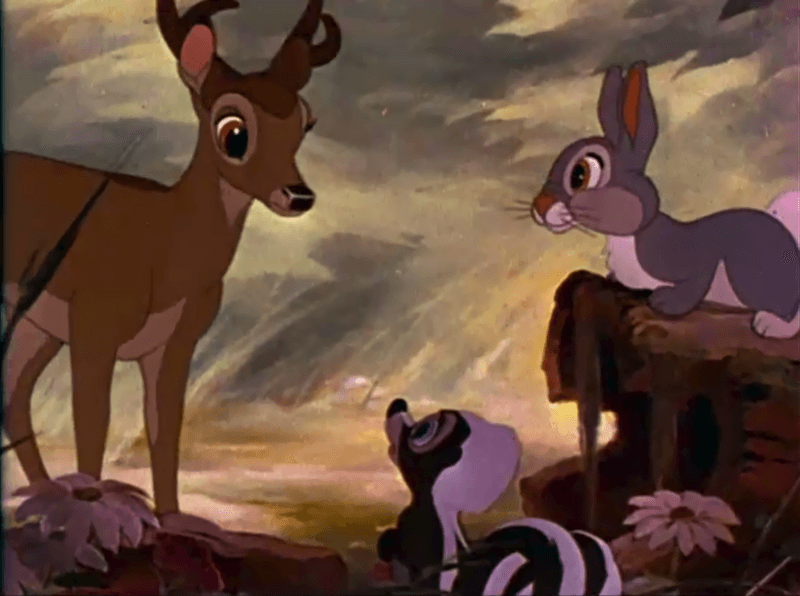
When Bambi’s mother was shot in 1942, millions of children cried, and without realizing it, Disney accidentally launched the modern environmental movement.
Researchers have actually named a psychological phenomenon after this film: the Bambi Effect, describing how emotional storytelling shifts public attitudes toward wildlife protection.
Hunting became culturally taboo in many communities directly after the film’s release, and conservation groups saw membership grow steadily throughout the 1940s.
Environmental education in schools began incorporating animal empathy in ways that mirrored Bambi’s emotional impact.
8. Roman Holiday (1953)
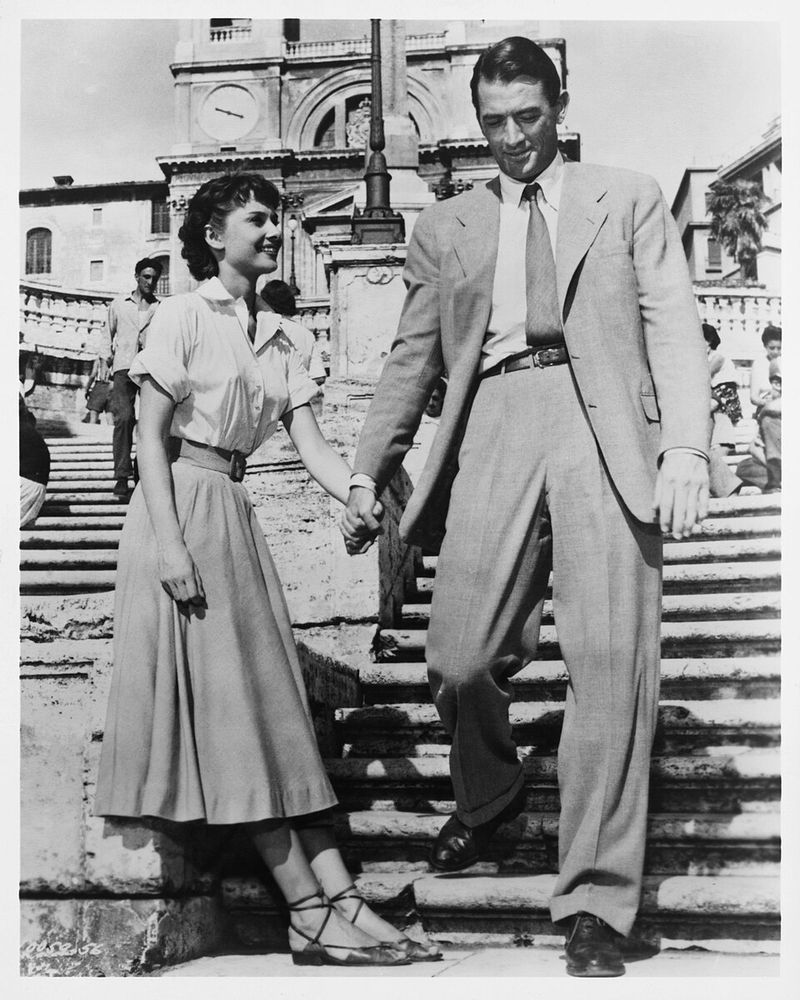
Audrey Hepburn chopped her hair into a short pixie cut for Roman Holiday, and within months, salons across the world were flooded with women requesting the same style.
One fictional princess accidentally created a hairstyle revolution that lasted decades. Beyond hair, the film turned Rome into one of the world’s most coveted tourist destinations.
The Spanish Steps, the Trevi Fountain, and the Mouth of Truth all became pilgrimage sites for travelers chasing that cinematic magic.
Vespa scooter sales surged internationally too, which the Italian company gleefully capitalized on.
9. Breakfast at Tiffany’s (1961)
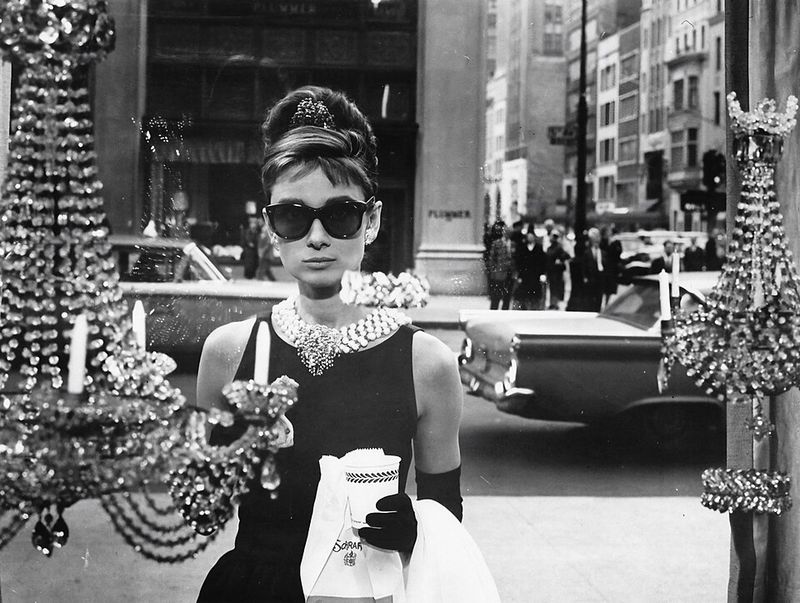
Hubert de Givenchy designed the little black dress Audrey Hepburn wore in the opening scene, and fashion was never the same again.
That single outfit is consistently ranked as one of the most influential garments in fashion history, cementing the little black dress as a wardrobe essential for generations.
Tiffany and Co. reportedly saw a massive boost in cultural prestige and brand recognition directly tied to the film’s release.
Though the film had complicated elements, its fashion legacy remains undeniably enormous.
10. Easy Rider (1969)
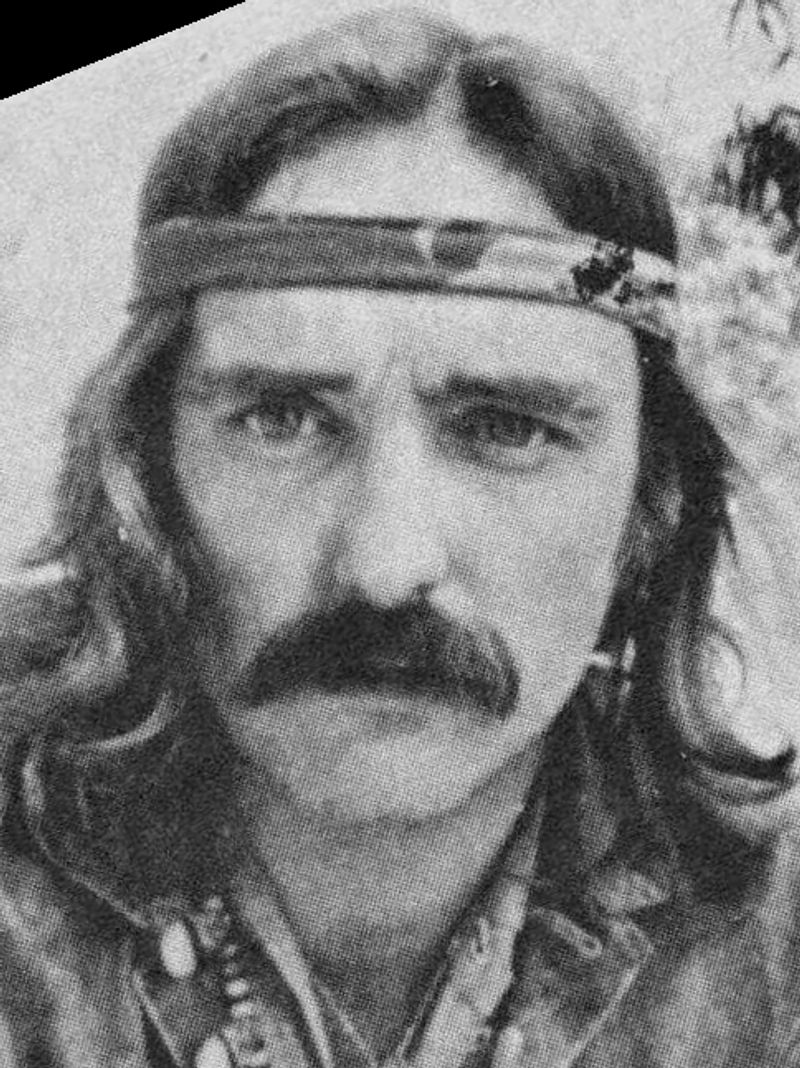
Easy Rider did not invent the road trip, but it absolutely made it a countercultural religion.
Released at the peak of 1960s social upheaval, the film turned motorcycles, long hair, and open highways into symbols of freedom that an entire generation latched onto fiercely.
Harley-Davidson motorcycle sales climbed significantly in the years following the film, and the chopper customization industry exploded into a full-blown cultural phenomenon.
Beyond bikes, Easy Rider proved that independent, low-budget filmmaking could compete with Hollywood studios, essentially creating the blueprint for indie cinema as we know it today.
11. Clueless (1995)
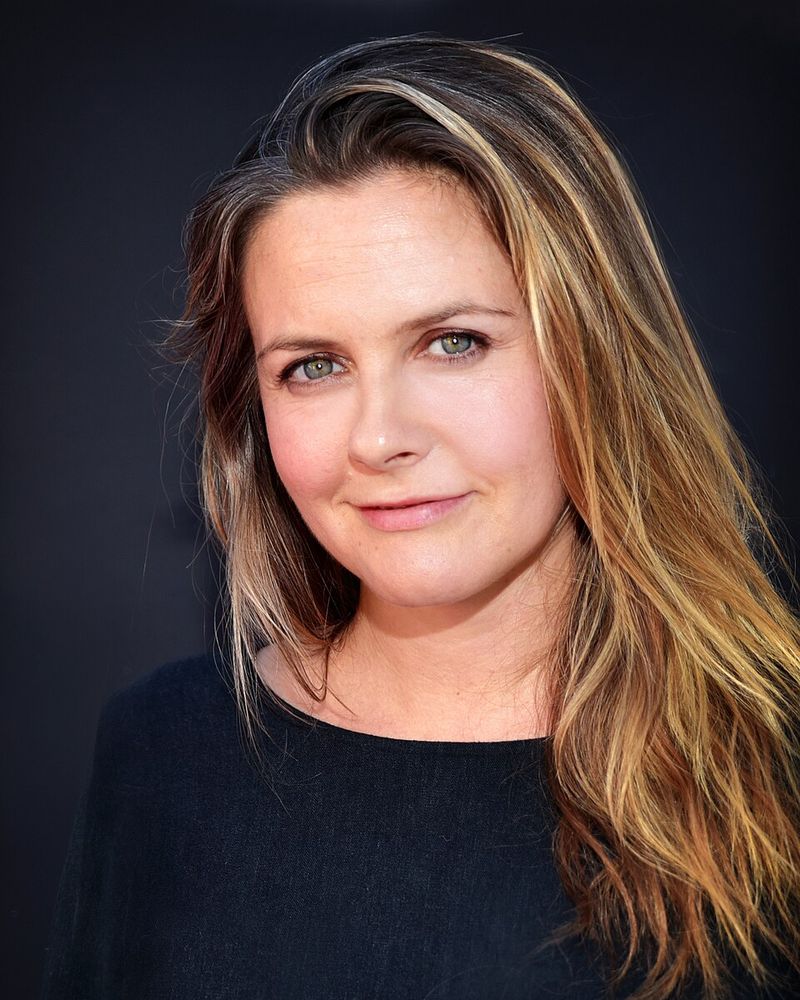
As if! Clueless did not just predict fashion trends, it created them.
The yellow plaid suit worn by Alicia Silverstone’s Cher Horowitz became one of the most iconic teen fashion moments in cinema history, inspiring countless Halloween costumes and runway collections decades later.
Interestingly, the film also popularized a whole wave of Valley Girl slang that entered everyday American speech almost immediately.
Words like whatever, as if, and totally random spread from theaters into classrooms and offices at remarkable speed.
12. The Fast and the Furious (2001)
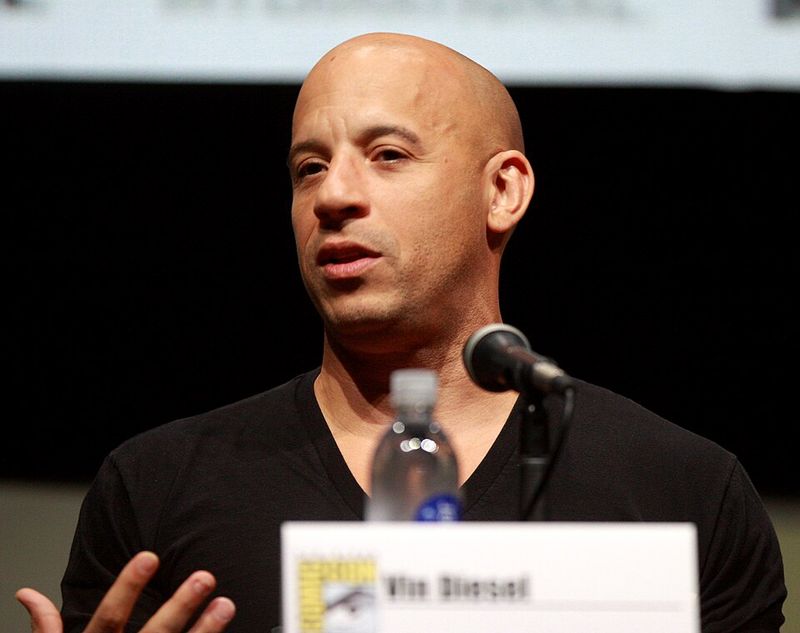
Street racing culture existed long before 2001, but The Fast and the Furious turned it into a global obsession overnight.
Car modification shops reported enormous sales spikes following the film’s release, and illegal street racing incidents increased so noticeably that law enforcement agencies in multiple countries publicly blamed the movie.
Beyond the legal headaches, the film created an entirely new automotive subculture that generated billions in merchandise, video games, and aftermarket car parts worldwide.
13. Frozen (2013)
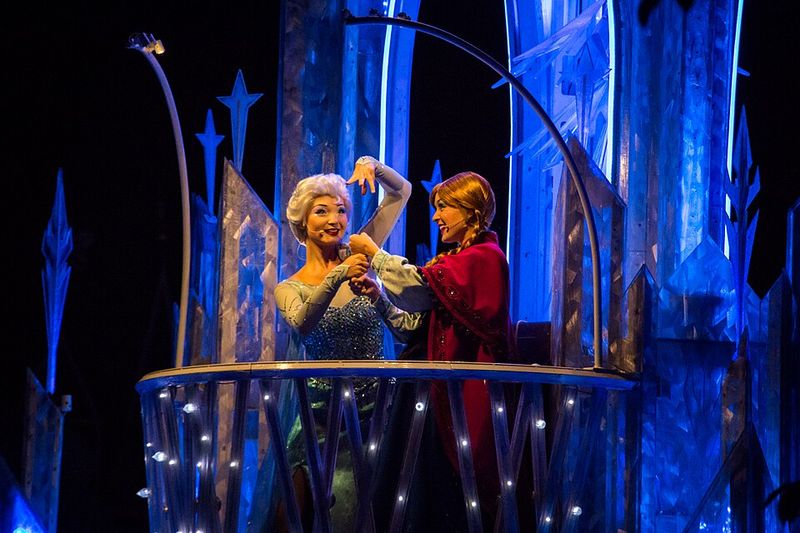
Let it go! Frozen did not just conquer the box office.
It conquered every kindergarten classroom, every birthday party, and every parent’s sanity for approximately three straight years.
Sales of Elsa costumes surpassed every previous Disney character record by a staggering margin, and the name Elsa shot up dramatically in baby name popularity charts worldwide.
Norway and Scandinavia saw measurable tourism increases as families sought out the real landscapes that inspired the film.
14. The Devil Wears Prada (2006)
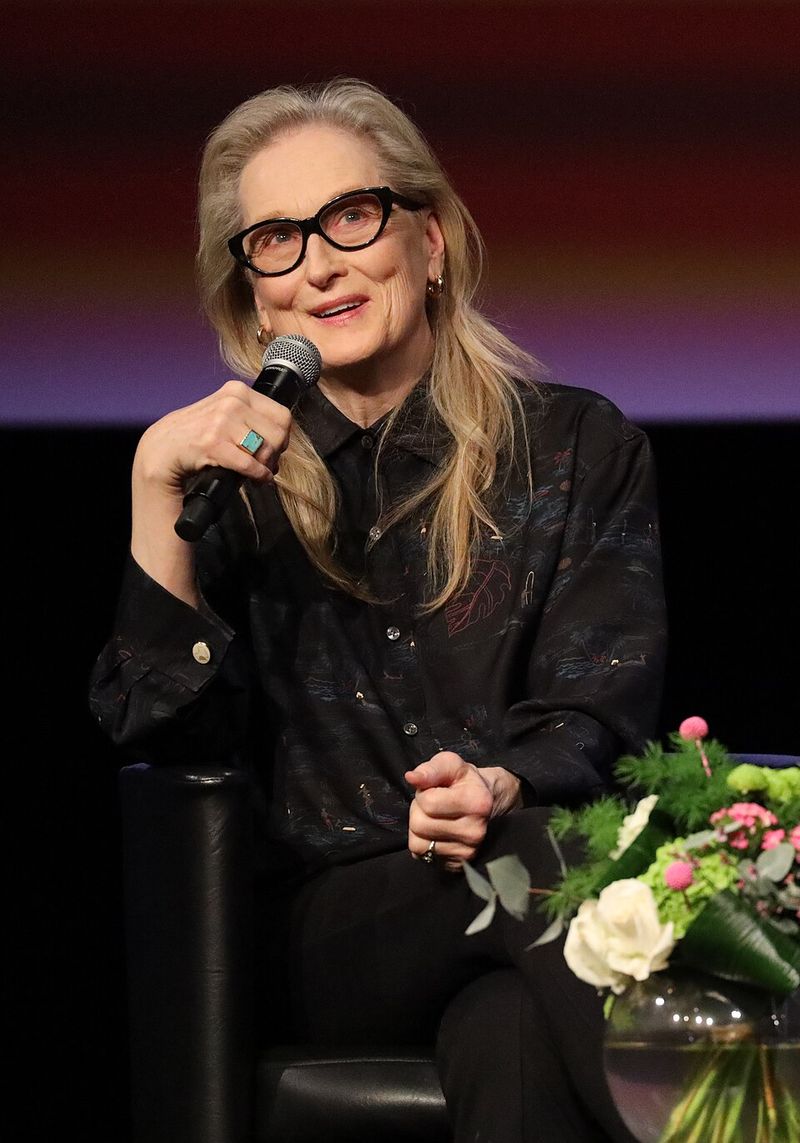
Miranda Priestly did not ask for your opinion on cerulean blue, and yet, after The Devil Wears Prada hit screens, fashion became a topic that millions of people previously uninterested in suddenly cared deeply about.
The film pulled back the curtain on the fashion industry in a way that fascinated and horrified people equally.
Applications to fashion schools spiked noticeably following the film’s release, and Vogue magazine reported increased readership and cultural relevance directly tied to its popularity.
The film also sparked a broader conversation about workplace culture and toxic bosses that resonated far beyond fashion circles.
15. Titanic (1997)
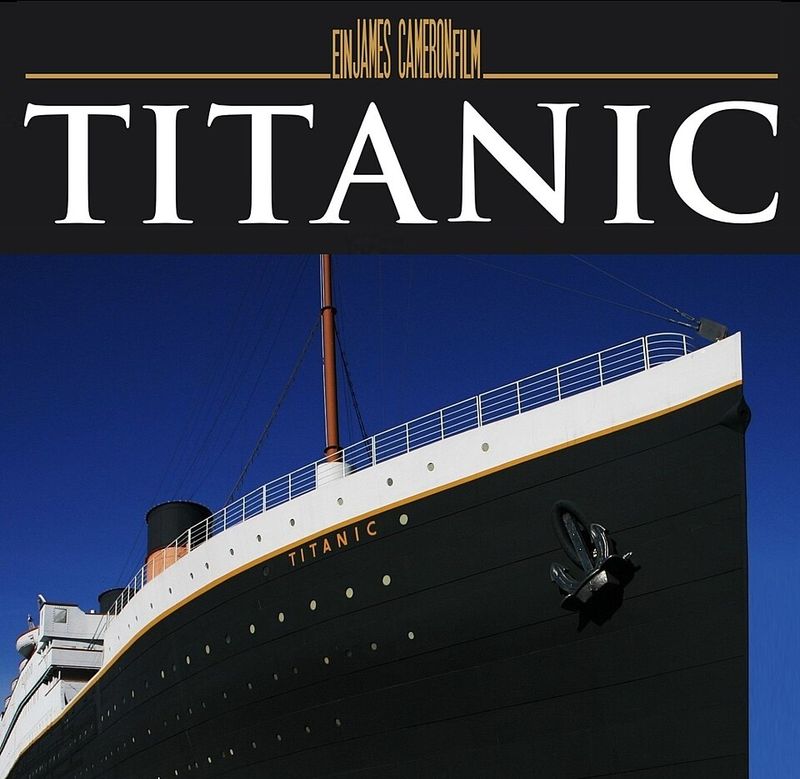
Before Titanic, most people knew the ship sank but could not tell you much else.
James Cameron’s film turned a 1912 maritime tragedy into a global obsession, sparking a renewed wave of historical research, documentaries, and even undersea expeditions to the actual wreck site.
Celine Dion’s My Heart Will Go On became one of the best-selling singles in music history almost entirely on the film’s coattails.
Heart-shaped necklaces, inspired by the film’s fictional blue diamond, flew off jewelry store shelves worldwide. Tourism to Belfast, where the Titanic was built, increased dramatically in the years that followed.
16. The Hunger Games (2012)
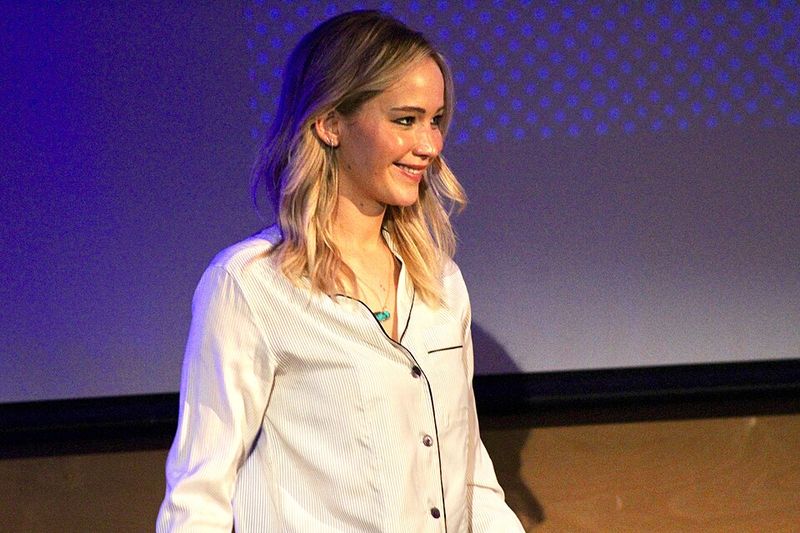
Katniss Everdeen did something remarkable: she made archery cool again for an entire generation. Bow and arrow sales spiked so sharply that sporting goods stores genuinely struggled to keep stock.
Beyond sports, the film’s political themes resonated powerfully with real-world protest movements.
Activists in Thailand literally adopted the three-finger salute from the film as a symbol of resistance against authoritarian government, using it in public demonstrations.
A fictional dystopia accidentally handed real protesters a globally recognized symbol of defiance.
17. Barbie (2023)
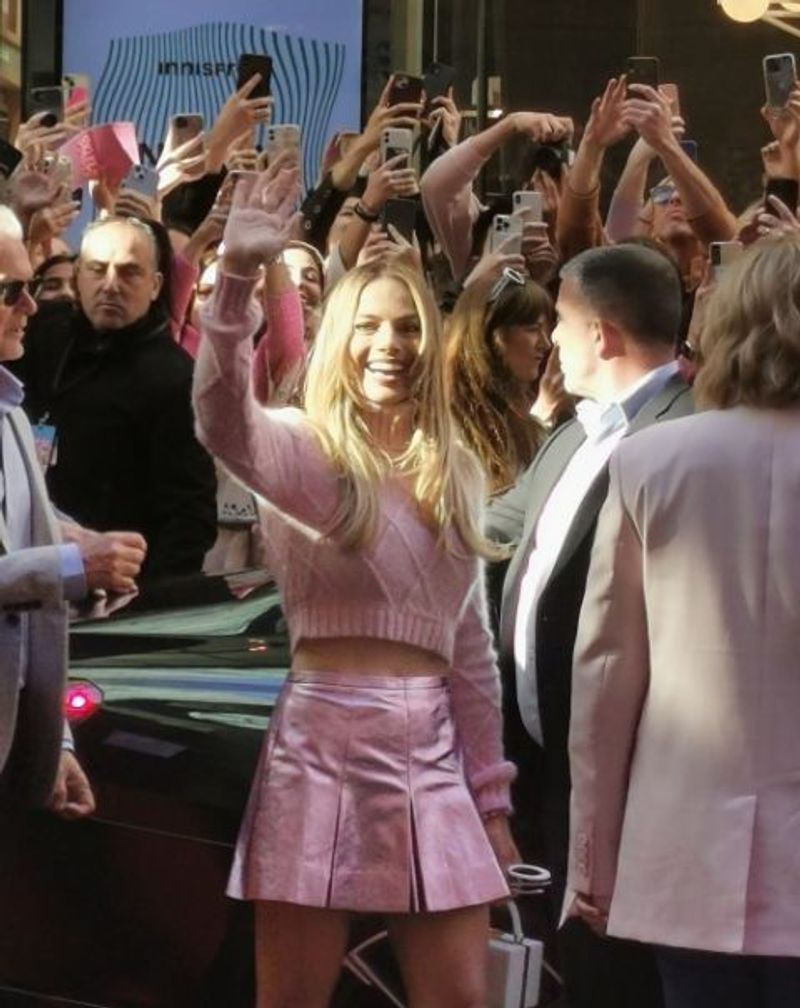
Pink was supposedly an almost gone trend before Barbie arrived in 2023 and single-handedly caused a global shortage of Rosco fluorescent pink paint.
Production designer Sarah Greenwood confirmed the film used so much pink paint that supply chains were genuinely disrupted. A movie about a doll stressed out the paint industry. Absolutely iconic.
Mattel’s stock price surged, and Barbie merchandise sales hit record highs worldwide within weeks of release.
The film also sparked serious cultural conversations about feminism, identity, and gender expectations that trended globally on social media for months.