20 Movies From The 90s That Still Hold Up 30 Years Later
The 1990s produced a lot of movies people loved once, quoted into the ground, and left sitting in a nice little nostalgia box.
Then there are the ones that still work. No mercy from time or rescue from sentimental affection, just genuinely solid movies that can survive a modern rewatch without looking awkward and dated.
A film hits differently when it is not merely remembered fondly, but still feels sharp, funny, stylish, moving, or wildly entertaining three decades later.
These are the films that did more than define an era, they outlived it, which is a much harder trick than nostalgia alone would like to admit.
Disclaimer: This article is intended for general informational and entertainment purposes only. Assessments of which 1990s films still hold up reflect editorial opinion, and individual viewers may disagree on which titles have aged best.
1. Goodfellas (1990)

Few films make crime look so thrillingly complicated. Martin Scorsese’s Goodfellas follows Henry Hill’s rise through the mob world with a storytelling energy that feels like a runaway train you cannot stop watching.
Ray Liotta, Robert De Niro, and Joe Pesci deliver performances that film students still study today.
Scorsese’s camera moves like it’s dancing, weaving through crowded restaurants and back-alley deals with electric confidence.
If you have ever wondered why people call this one of the greatest films ever made, one viewing answers that question instantly.
2. The Silence of the Lambs (1991)
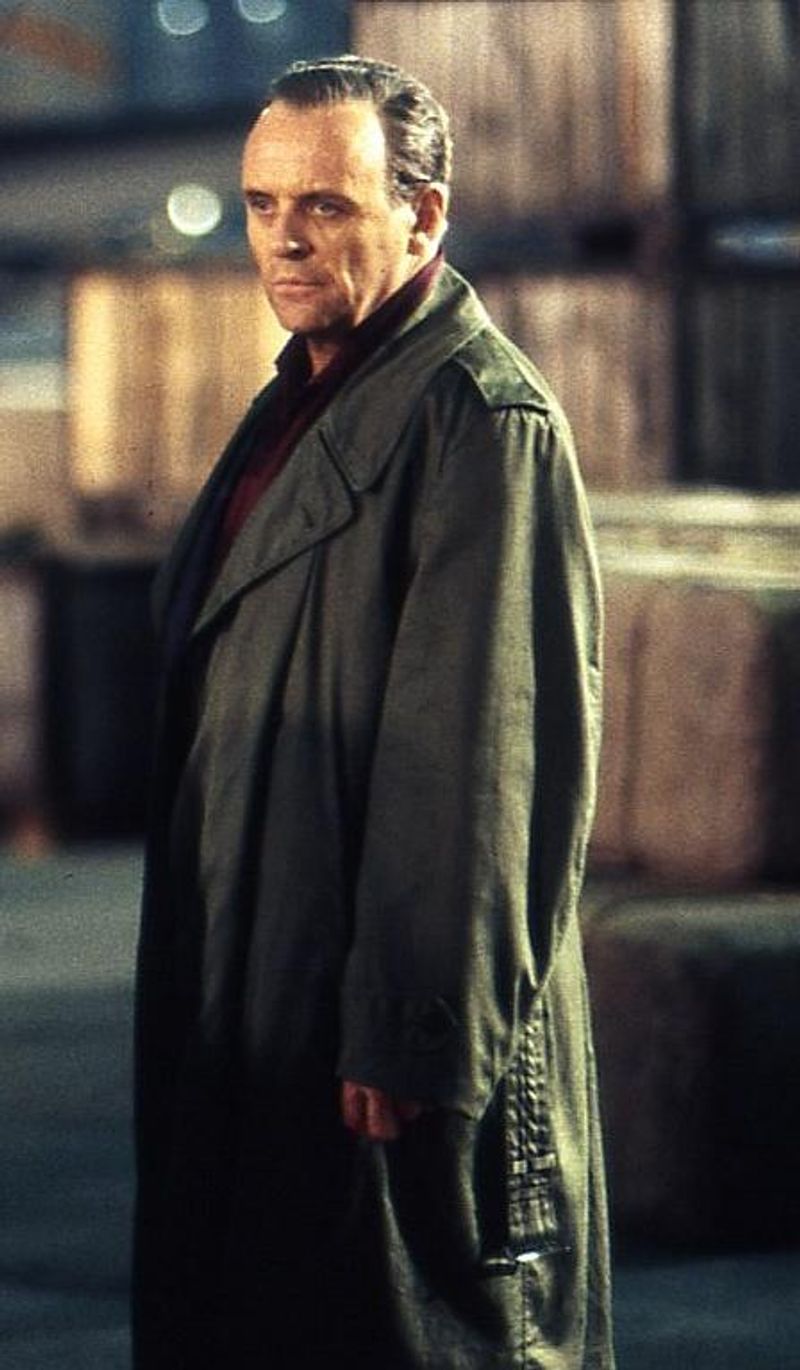
What happens when the only person who can help you catch the villain is another villain? That chilling question sits at the heart of this legendary thriller.
Jodie Foster plays FBI trainee Clarice Starling, and Anthony Hopkins plays the unforgettable Hannibal Lecter, a character so creepy he became a pop-culture icon overnight.
Remarkably, Hopkins appears on screen for fewer than 25 minutes total, yet completely dominates every scene he is in.
The film won all five major Academy Awards, a feat only two other films in history have matched.
3. Terminator 2: Judgment Day (1991)
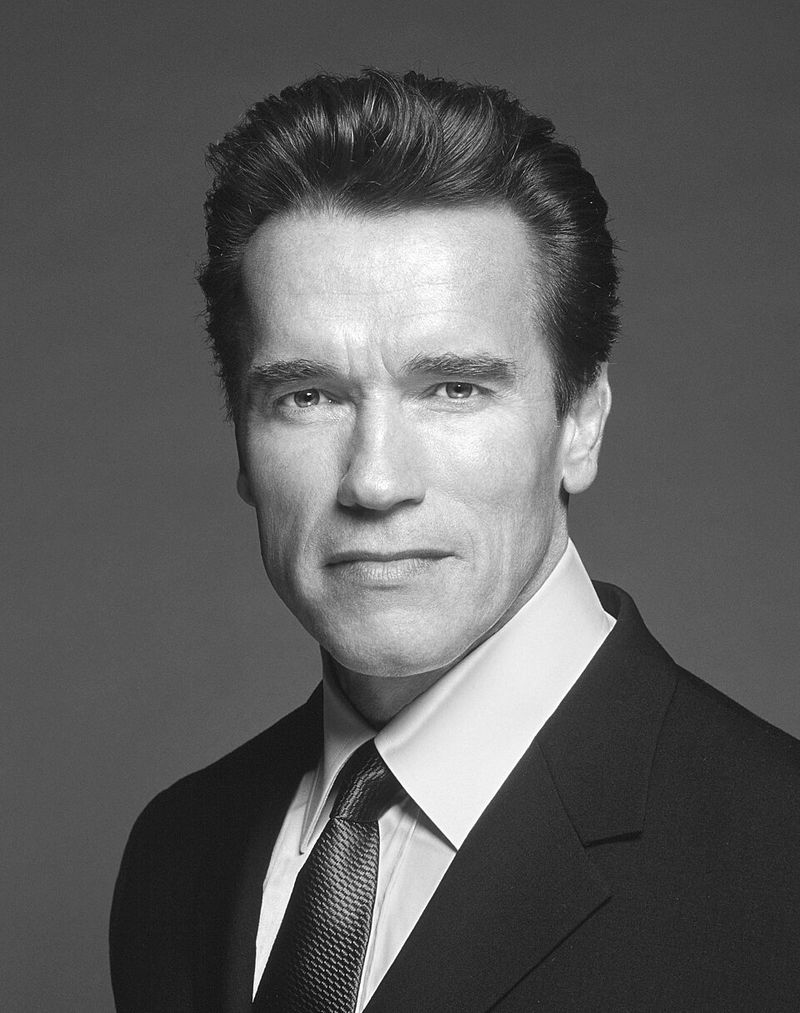
Bigger, faster, and somehow smarter than its predecessor, T2 flipped the script in the most satisfying way possible.
Arnold Schwarzenegger’s Terminator went from villain to protector, and young John Connor suddenly had the coolest bodyguard in cinema history.
The film’s special effects were so groundbreaking that they changed Hollywood forever.
Director James Cameron spent a then-record-breaking budget to bring the liquid-metal T-1000 to life, and audiences absolutely lost their minds.
4. Beauty and the Beast (1991)

Animated films rarely get nominated for the Academy Award for Best Picture, but this Disney masterpiece earned that honor and deserved every bit of it.
Belle became one of Disney’s most beloved heroines, celebrated for her love of books and her courage in the face of the unknown. Alan Menken’s music still gives listeners goosebumps.
The ballroom scene, with its sweeping camera movement and gorgeous orchestration, was one of the first times CGI was used in an animated Disney film.
If that sounds like a fun piece of trivia to drop at dinner, you are welcome!
5. Unforgiven (1992)
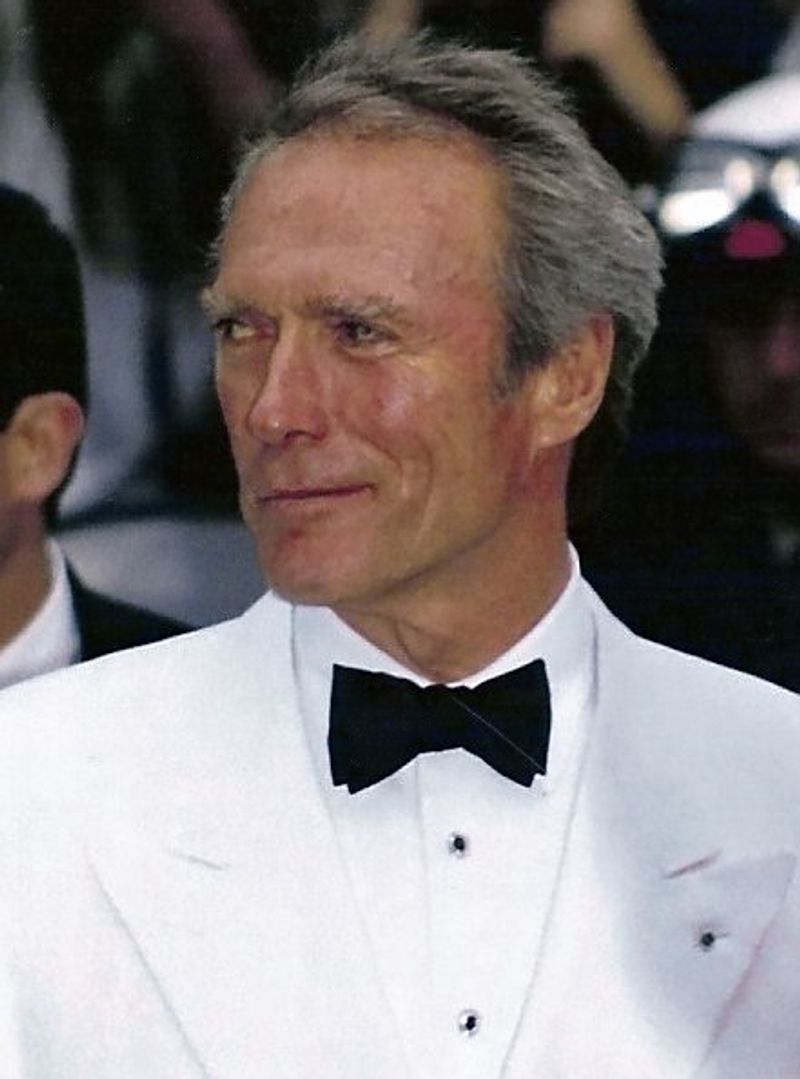
Clint Eastwood made a Western that asks hard questions about guilt and what it really means to be a hero.
Playing a retired outlaw dragged back into a dangerous world, Eastwood gave one of his career-best performances in a film he also directed. Unforgiven won four Academy Awards, including Best Picture and Best Director.
Where most Westerns glorify gunfights, this one makes them feel heavy and costly.
Gene Hackman’s villain is so menacing that audiences booed him at screenings, which is actually the highest compliment for a movie bad guy.
6. Jurassic Park (1993)
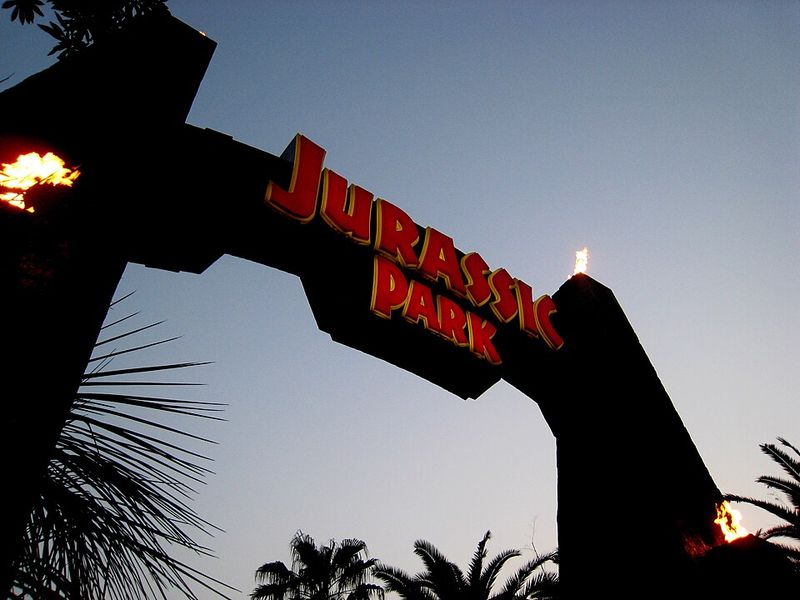
Steven Spielberg looked at audiences in 1993 and said, how about living, breathing dinosaurs? The crowd went absolutely wild, and honestly, who could blame them?
Jurassic Park blended practical animatronics with early computer-generated imagery so seamlessly that the dinosaurs felt terrifyingly real. That T-Rex reveal is still one of cinema’s greatest moments.
The film grossed over one billion dollars worldwide, making it the highest-earning movie of 1993.
Interestingly, Spielberg consulted with real paleontologists to make the dinosaurs as accurate as possible for the time.
7. Schindler’s List (1993)
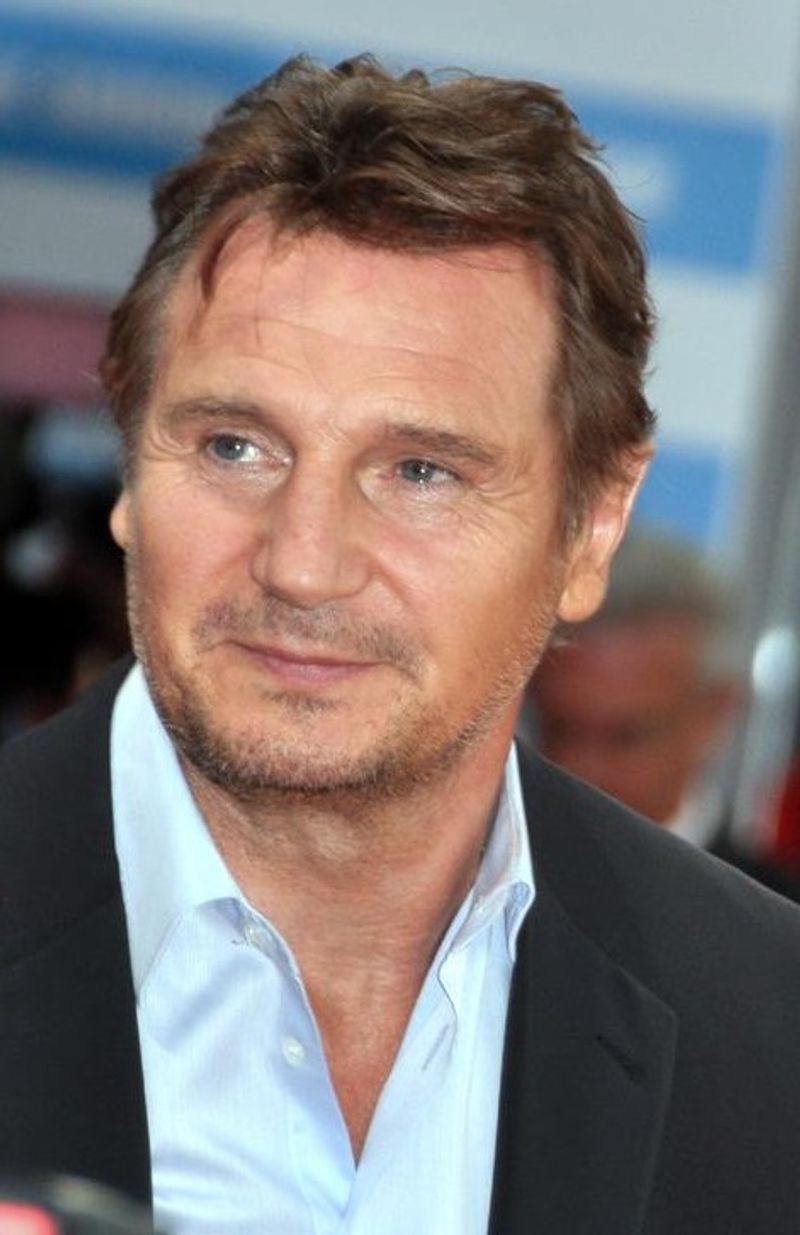
Shot almost entirely in black and white, this devastating masterpiece from Steven Spielberg tells the true story of Oskar Schindler, a German businessman who saved over 1,100 Jewish lives.
It is one of those rare films that feels less like entertainment and more like a responsibility to watch.
The film won seven Academy Awards, including Best Picture, and Spielberg donated his entire director’s fee to Holocaust education. That single detail says everything about the seriousness with which this story was treated.
Powerful and absolutely essential, Schindler’s List is filmmaking at its most courageous and its most humane.
8. Pulp Fiction (1994)

Quentin Tarantino basically rewrote the rulebook on storytelling with this genre-bending masterpiece.
Told in non-chronological order, Pulp Fiction weaves together multiple storylines featuring hitmen, a boxer, and a gangster’s wife in ways that felt completely unlike anything audiences had seen before.
Every line of dialogue crackles with energy.
John Travolta’s career was practically revived overnight after his performance here, which is a fun Hollywood comeback story.
The film won the Palme d’Or at the Cannes Film Festival in 1994, cementing Tarantino’s status as a major filmmaking force.
9. The Shawshank Redemption (1994)

Here is a wild fact: The Shawshank Redemption was considered a box-office disappointment when it first released.
Today, it sits at the very top of IMDb’s all-time greatest films list, voted there by millions of passionate fans. Funny how time works, right?
Tim Robbins and Morgan Freeman deliver performances that feel like warm, wise conversations.
Based on a Stephen King novella, the film explores hope, friendship, and resilience within the brutal walls of Shawshank Prison. Director Frank Darabont creates a world that feels lived-in and real.
10. Se7en (1995)
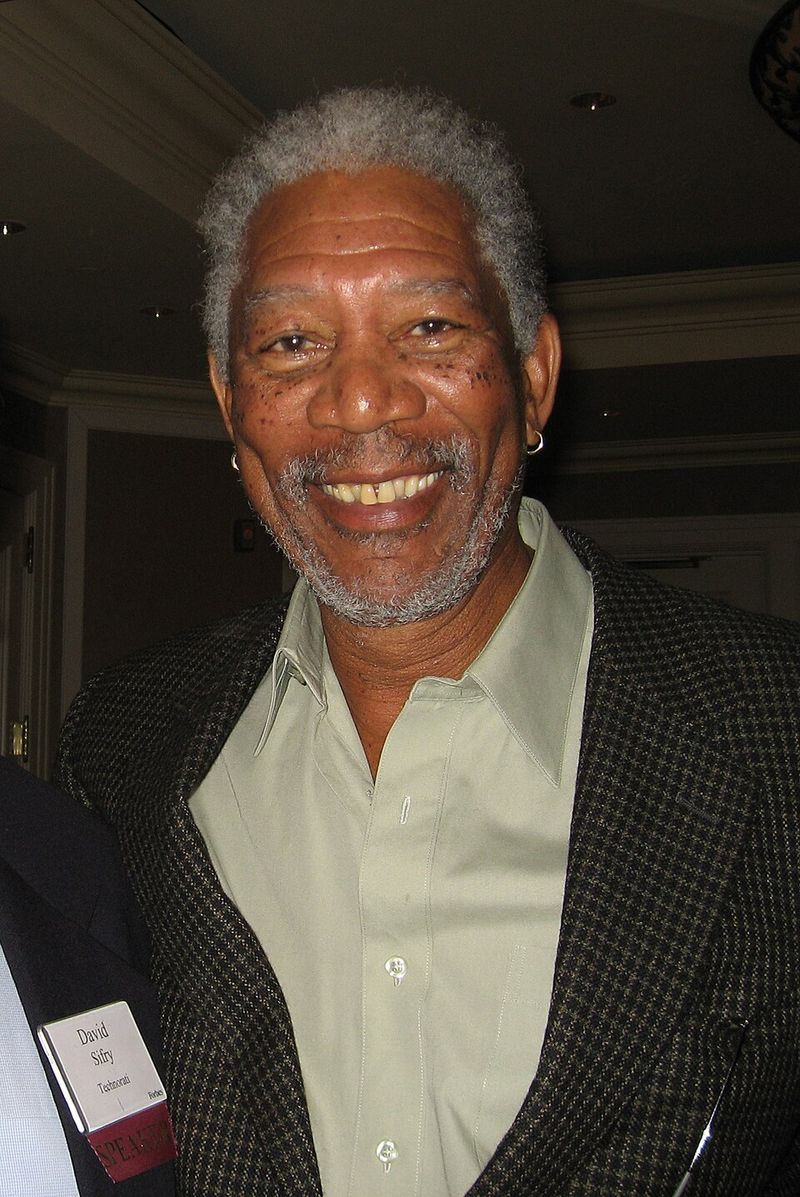
Rain. Darkness. A mystery that gets more unsettling with every clue.
David Fincher’s Se7en follows two detectives hunting a man whose crimes are based on the seven deadly sins, and the film makes sure you feel the weight of every single discovery.
Brad Pitt and Morgan Freeman are a perfectly matched pair of opposites.
The ending is one of the most shocking and discussed finales in movie history. No spoilers here, but the phrase “what’s in the box” has been echoing through pop culture ever since 1995.
11. Toy Story (1995)
Pixar changed animation forever with a simple but brilliant idea: what if your toys came alive when you left the room?
Toy Story was the world’s first fully computer-animated feature film, and it arrived looking like nothing audiences had ever seen before.
Woody and Buzz Lightyear instantly became two of cinema’s most beloved characters.
The story about friendship, jealousy, and finding your place is just as meaningful for adults as it is for kids. To infinity and beyond might be the most motivational phrase ever spoken by a plastic space toy!
12. Fargo (1996)
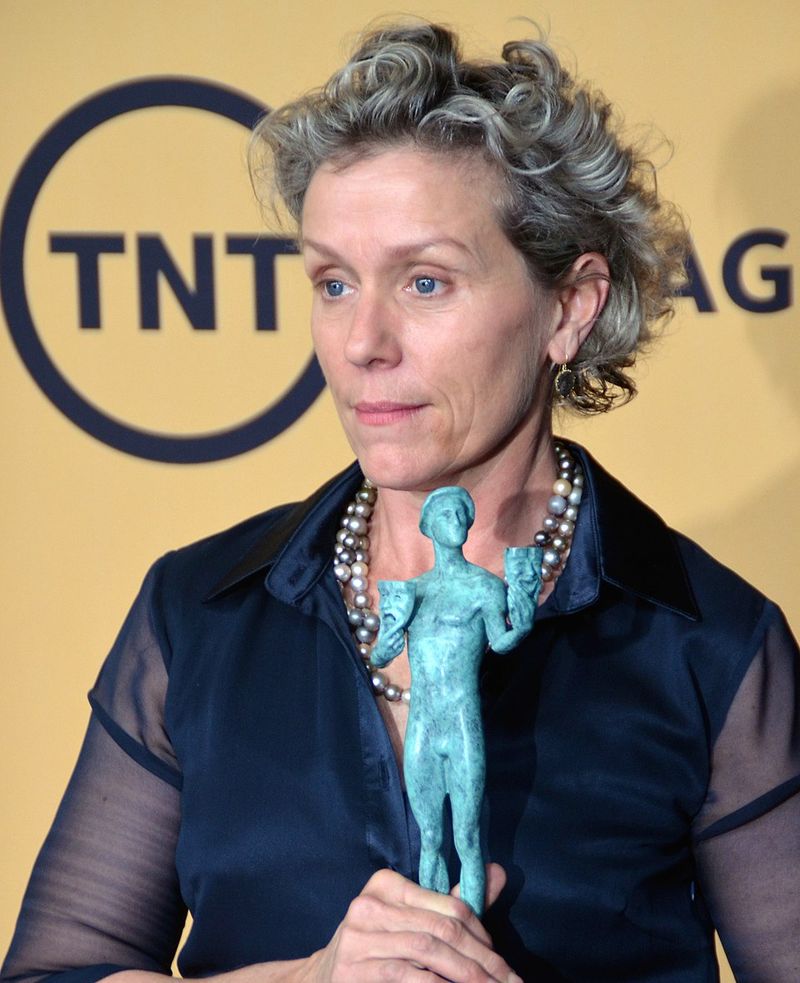
Few films are as quietly funny and deeply unsettling at the same time as Fargo.
Joel and Ethan Coen set their darkly comic crime story in the freezing, flat landscapes of Minnesota and North Dakota, where the politeness of the locals creates a hilarious contrast with the terrible things happening around them.
Frances McDormand won the Academy Award for Best Actress playing Marge Gunderson, a pregnant police chief who is smarter than every criminal she encounters.
It is one of the most refreshing hero characters in 90s cinema.
13. Scream (1996)

Horror movies were getting a little predictable by the mid-90s, so director Wes Craven and writer Kevin Williamson decided to make a horror film that was fully aware of how horror films work.
The result was Scream, a self-referential, genuinely scary, and surprisingly funny movie that revived an entire genre.
The opening sequence with Drew Barrymore is still considered one of the most effective horror scenes ever filmed.
By making characters who actually know the rules of scary movies, Craven created something both clever and terrifying.
14. L.A. Confidential (1997)
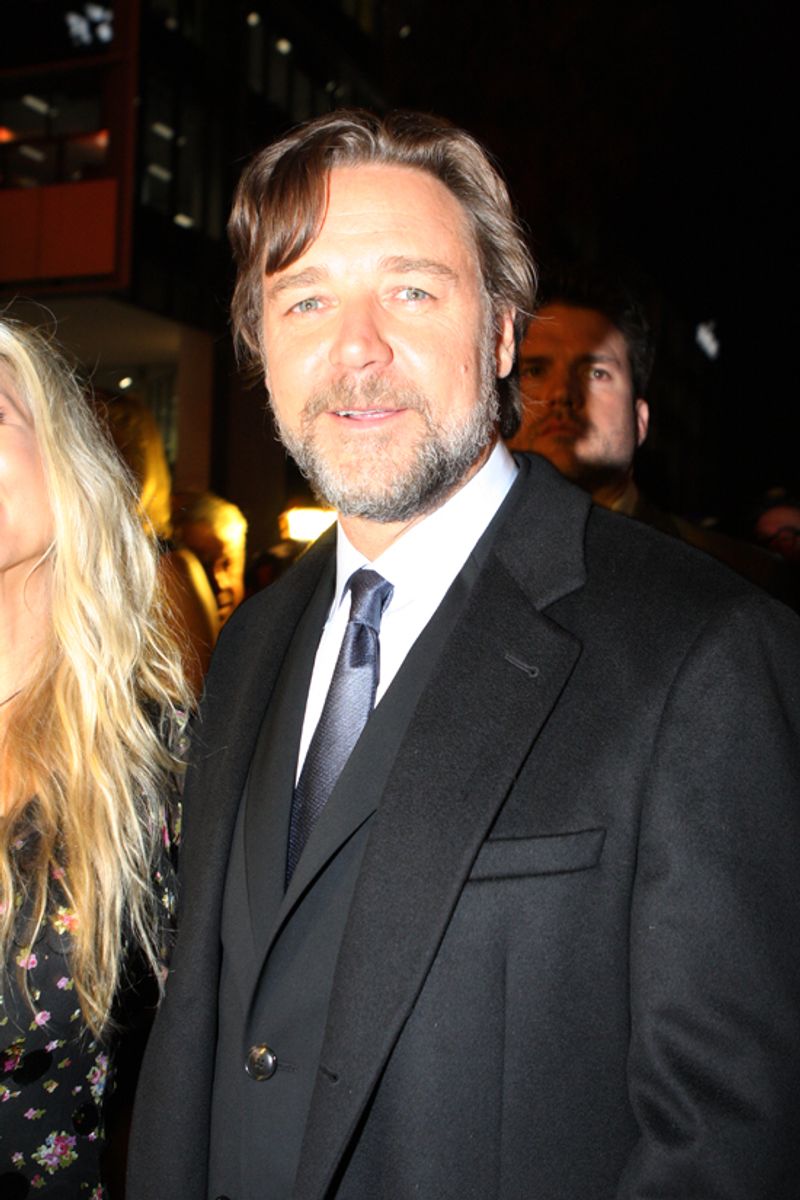
Hollywood rarely makes crime films this layered and this morally complicated at once.
Set in 1950s Los Angeles, L.A. Confidential weaves together corrupt cops, tabloid scandals, and a mystery that keeps unraveling in the most satisfying way.
Russell Crowe, Guy Pearce, and Kevin Spacey are all at the very top of their game.
Director Curtis Hanson created a film that feels like classic Hollywood noir but with modern storytelling sharpness. It beat out Titanic at the BAFTA Awards that year, which tells you something about its quality.
15. Titanic (1997)
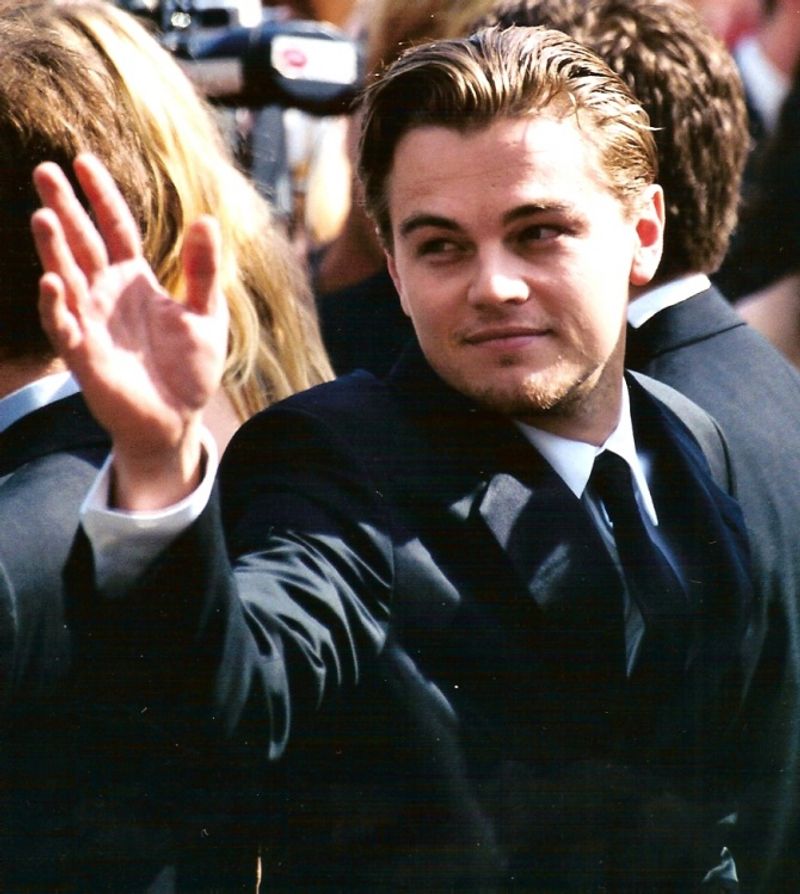
James Cameron reportedly told studio executives the film would cost over 200 million dollars, and they nearly fainted.
Then Titanic became the highest-grossing film in history at the time, earning over 2.1 billion dollars worldwide, so Cameron had the last laugh.
Leonardo DiCaprio and Kate Winslet created one of cinema’s great romantic partnerships.
Beyond the love story, Cameron obsessively recreated the actual RMS Titanic with stunning historical accuracy.
Nearly three decades later, that heart-pounding final hour still makes audiences reach for tissues every single time.
16. The Truman Show (1998)
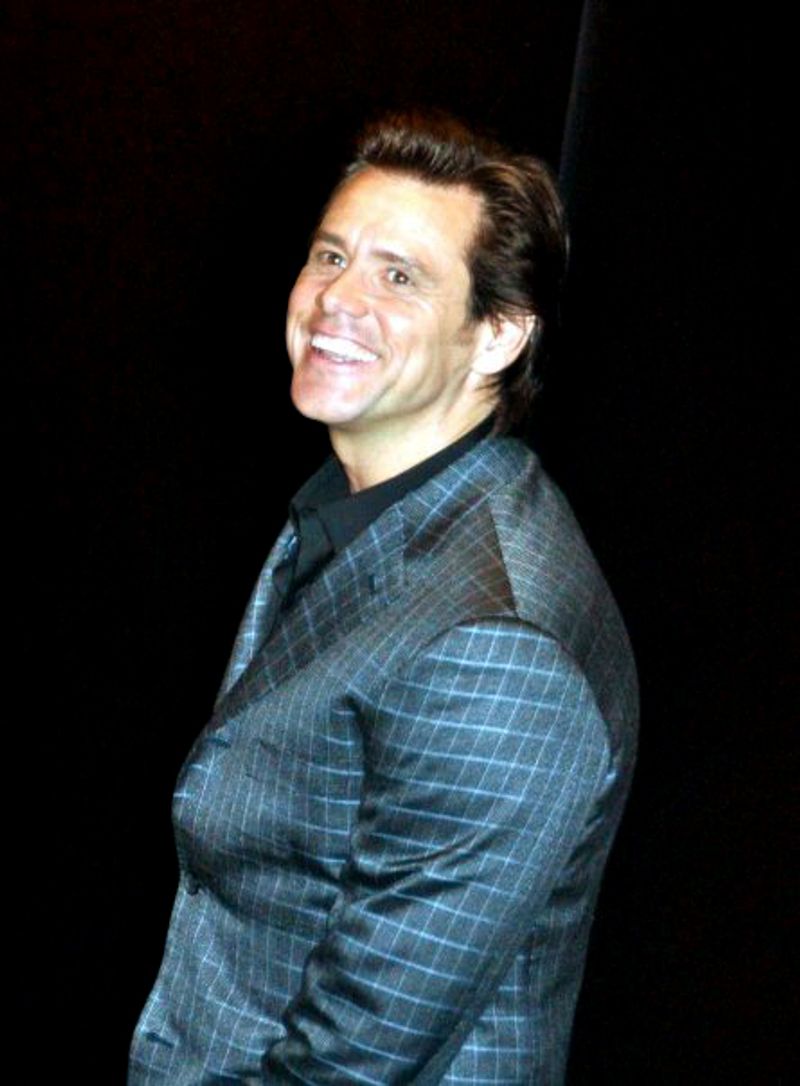
Long before reality television became the cultural phenomenon it is today, The Truman Show imagined a world where one man’s entire life was broadcast as entertainment without his knowledge.
Jim Carrey, known mostly for wild comedies, delivered a surprisingly tender and heartbreaking dramatic performance that genuinely shocked critics and audiences alike.
Director Peter Weir created a film that feels more relevant every single year as social media makes public performance part of everyday life. The concept is both hilarious and deeply eerie when you think about it too long.
17. Saving Private Ryan (1998)
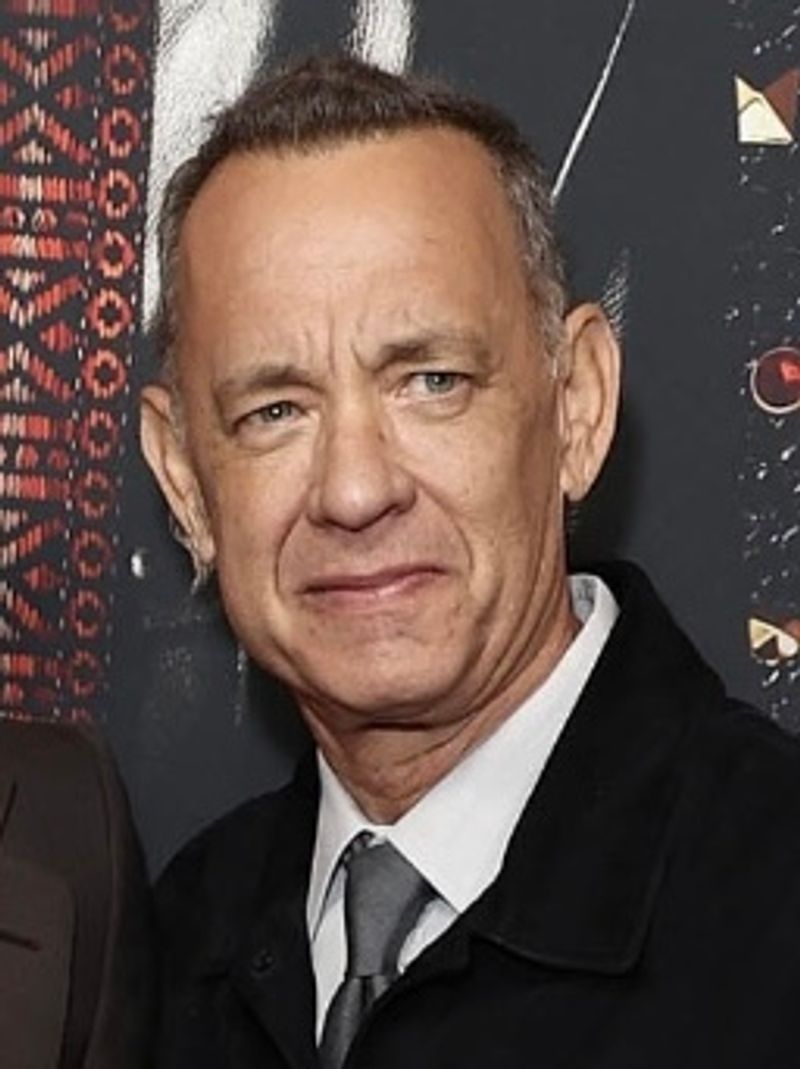
Steven Spielberg’s war epic opens with one of the most harrowing, realistic battle sequences ever committed to film.
The Omaha Beach D-Day landing is so viscerally intense that many veterans who watched it reported experiencing vivid emotional reactions.
Spielberg wanted audiences to truly understand the chaos and courage of that historic moment.
The film won five Academy Awards and is widely considered the definitive modern war film. However, its real legacy is making sure no one ever forgets the sacrifice of that generation.
18. The Matrix (1999)
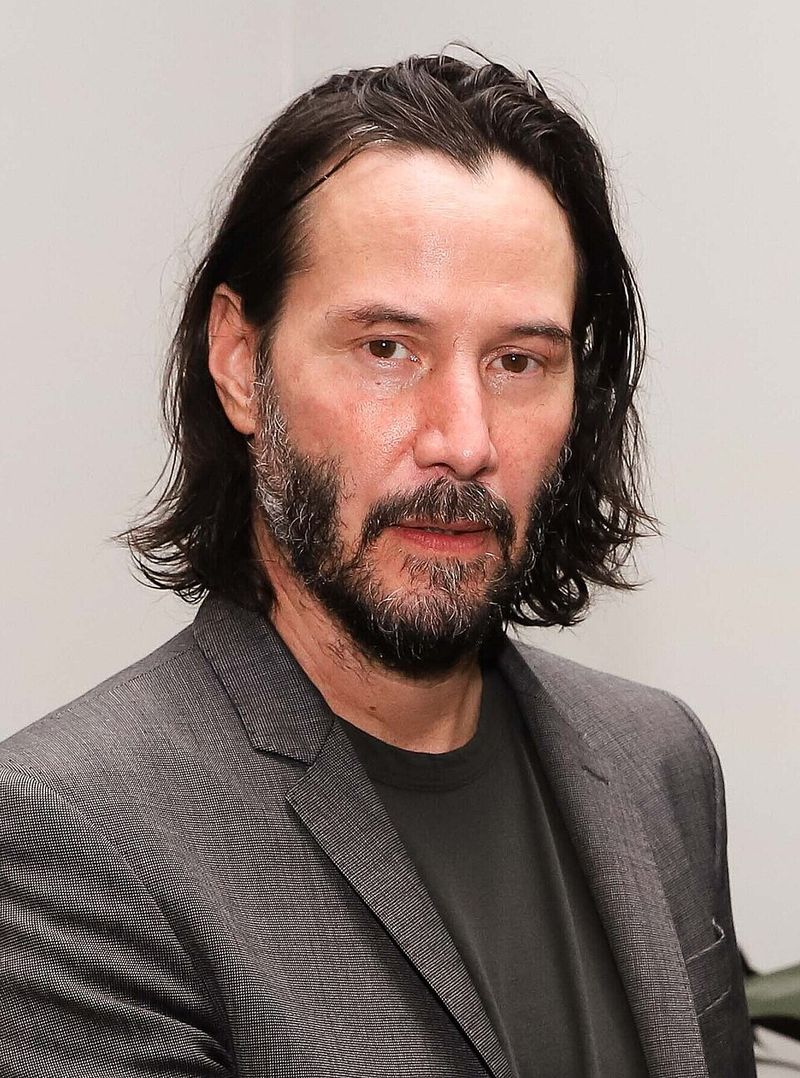
What if everything you thought was real was actually a computer simulation?
The Wachowskis asked that mind-bending question and then answered it with some of the most revolutionary action sequences cinema had ever seen.
Keanu Reeves as Neo became one of the defining heroes of an entire generation, dodging bullets in slow motion like nobody’s business.
The “bullet time” camera technique invented for this film was immediately copied by movies, commercials, and video games worldwide.
The Matrix also sparked genuine philosophical conversations about reality and perception that still pop up in college classrooms today.
19. The Sixth Sense (1999)
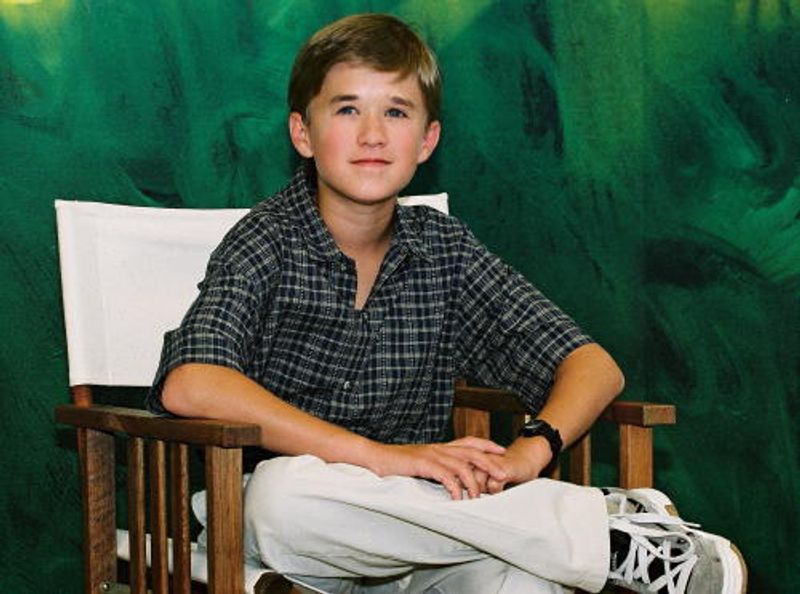
Director M. Night Shyamalan crafted a ghost story so emotionally rich and carefully constructed that its legendary twist ending requires you to immediately rewatch the film to catch all the brilliant clues hiding in plain sight.
Haley Joel Osment’s performance as young Cole is genuinely extraordinary, earning him an Academy Award nomination at just eleven years old.
Bruce Willis brings quiet, restrained emotion to a role quite different from his usual action hero persona.
Though the twist has been widely known for decades now, the film’s emotional core remains deeply moving every single time.
20. Fight Club (1999)

David Fincher’s adaptation of Chuck Palahniuk’s novel arrived in 1999 and divided audiences right down the middle.
Some called it brilliant, others called it dangerous, and that debate alone tells you the film was doing something genuinely interesting.
Edward Norton’s unnamed narrator and Brad Pitt’s charismatic Tyler Durden create one of cinema’s most fascinating duos.
At its core, Fight Club is a sharp critique of consumerism and the pressure society puts on identity. If you think you know where the story is going, prepare to be completely wrong.