6 Movies You Only Survive Once
Some movies hit you so hard that watching them again feels like reopening an old wound.
These films burrow deep into your soul, leaving marks that time can’t erase.
Whether they’re heart-wrenching dramas or nightmare-inducing thrillers, these cinematic experiences demand everything from you emotionally.
Buckle up for a journey through films that audiences universally agree: once is absolutely enough.
1. Schindler’s List

Steven Spielberg crafted something extraordinary when he brought Oskar Schindler’s story to life in 1993.
This German businessman transformed from profit-seeker to hero, saving over 1,100 Jewish lives during humanity’s darkest chapter.
Shot mostly in haunting black and white, every frame feels like a documentary from hell itself.
The film doesn’t shy away from showing the Holocaust’s brutal reality, making viewers witness unspeakable horrors.
Though it won seven Oscars including Best Picture, most people can’t bear revisiting its three-hour emotional gauntlet.
2. The Road
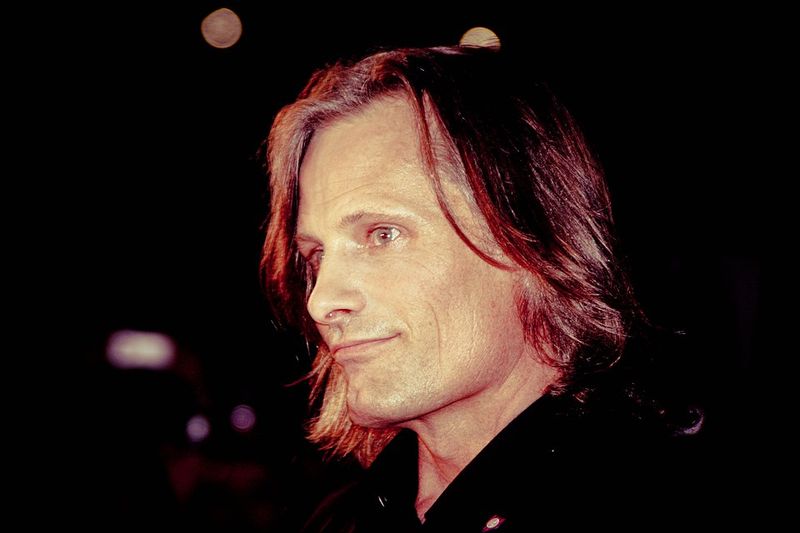
Cormac McCarthy’s novel became an equally bleak film in 2009, starring Viggo Mortensen as a father protecting his son.
The world has ended, and they’re walking through ash-covered remains toward an uncertain coast.
Every scene drips with hopelessness as they encounter cannibals, starvation, and the constant threat of death.
Yet somehow, their bond shines through the darkness like the last candle in an eternal night.
Beautiful cinematography can’t soften the gut-punch of watching humanity at its absolute lowest point.
3. 12 Years a Slave
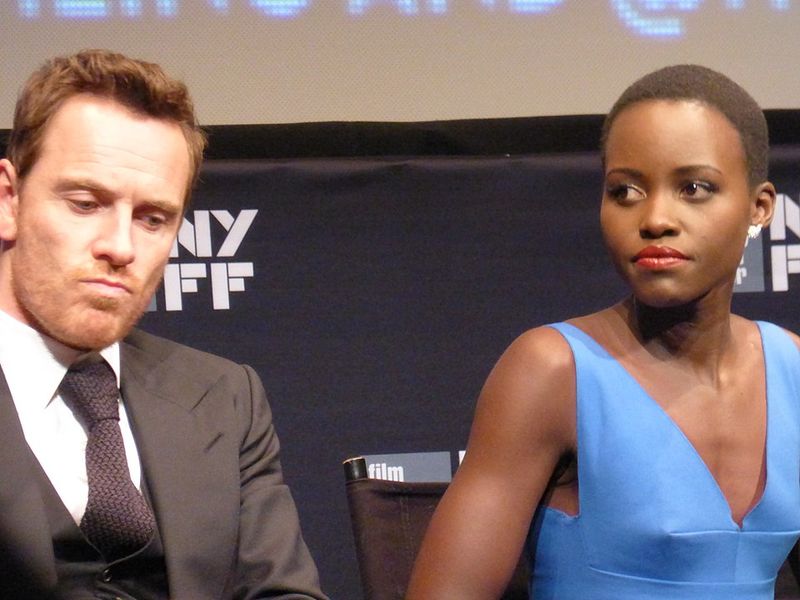
Solomon Northup lived free in New York until kidnappers sold him into slavery in 1841.
Director Steve McQueen refused to sanitize history, showing slavery’s brutal reality without filters or mercy.
Chiwetel Ejiofor delivers a performance so raw it feels like watching someone’s soul break in real-time.
The film earned three Oscars, but its true achievement is forcing audiences to confront America’s ugliest chapter.
However important this movie is for education, watching it once extracts an emotional toll that lasts forever.
4. Irreversible

French director Gaspar Noé tells this story completely backward, starting with the ending and moving toward the beginning.
Why does structure matter?
Because you witness horrific violence before understanding what caused it, creating unbearable tension.
The film contains one of cinema’s most disturbing assault scenes, shot in a single unbroken take that feels endless.
Low-frequency sound waves were deliberately added to make audiences physically uncomfortable.
Though artistically ambitious, this 2002 film crosses lines that most viewers never want to approach again.
5. Dancer in the Dark
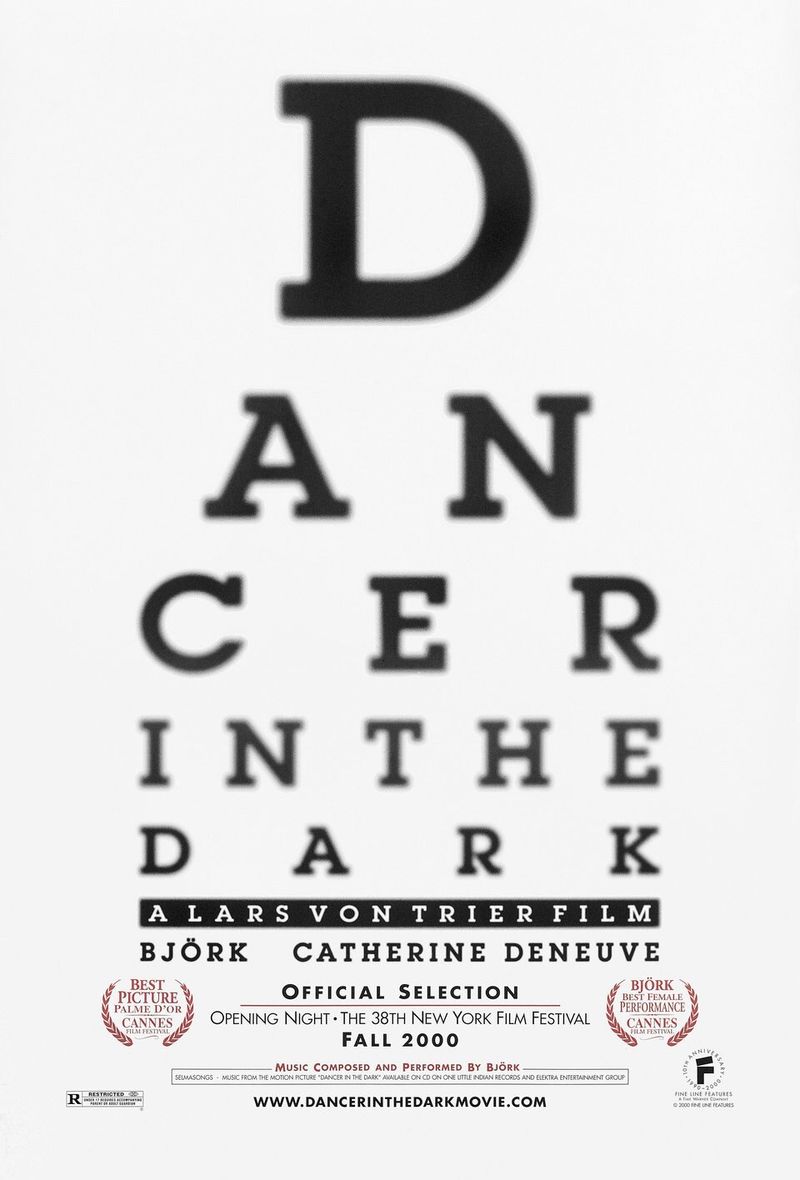
Björk stars as Selma, a Czech immigrant losing her eyesight while working in a factory.
She escapes her harsh reality through elaborate musical fantasies, but director Lars von Trier has cruelty planned.
The film’s final act delivers such devastating injustice that even the cast struggled emotionally during filming.
Björk won Best Actress at Cannes but swore she’d never act again after this traumatic experience.
Musical numbers make the tragedy somehow worse, like humming a happy tune while your world burns down.
6. The Boy in the Striped Pajamas
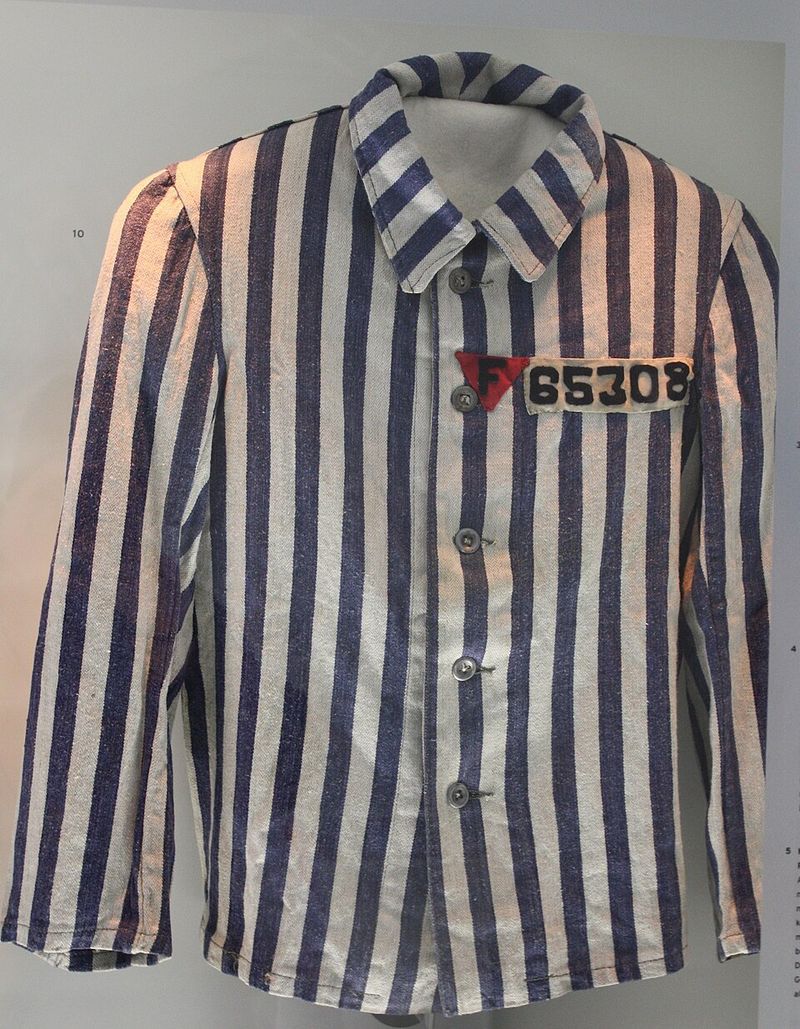
Innocence meets horror when a Nazi officer’s son befriends a Jewish boy through a concentration camp fence.
Both children are too young to understand the evil surrounding them, which makes their friendship simultaneously beautiful and terrifying.
The 2008 film maintains a child’s perspective, slowly revealing the camp’s true purpose.
Its ending arrives like a freight train, delivering one of cinema’s most shocking and heartbreaking final scenes.
Parents and teachers use it for Holocaust education, but nobody volunteers to watch it twice.