Movies That Capture The Same Red Dawn Mood
In a world where the warning comes too late… Red Dawn turned quiet towns into battlegrounds and ordinary lives into survival stories.
When the invasion hits, panic spreads, resistance rises, and hiding is no longer an option. That heart-pounding, bunker-down intensity fueled a wave of films built on fear, grit, and defiance.
Prepare for more movies that strike the same nerve, because fighting an invasion is exhausting, and watching it is way safer.
Note: This article discusses fictional portrayals of invasion, survival, and disaster themes in classic films, which may not be suitable for all audiences. Film availability, versions, and image licensing can vary by platform and region, and specific image credits should match the exact file used.
The content is provided for general informational and entertainment purposes.
15. Invasion Of The Body Snatchers (1956)
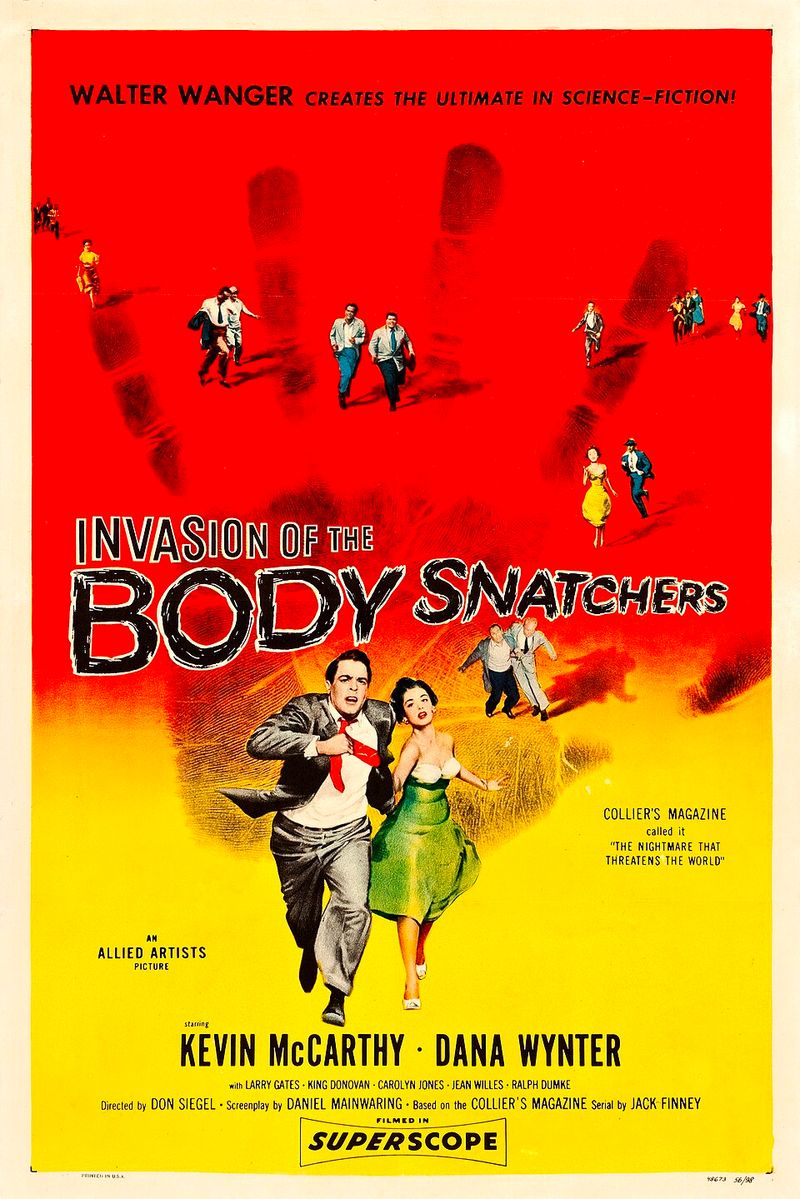
Your neighbor waves from the porch, but something behind the smile feels wrong.
Paranoia becomes the real enemy when you can’t prove what you see, and trust dissolves faster than morning fog. That creeping “who can you trust” tension lands close to the same nerve Red Dawn hits, turning everyday streets into psychological battlegrounds.
Fear spreads through whispers and sideways glances, not explosions. The dread builds in quiet moments, the kind that make coffee go cold while a stare out the kitchen window lasts a beat too long.
14. The War Of The Worlds (1953)
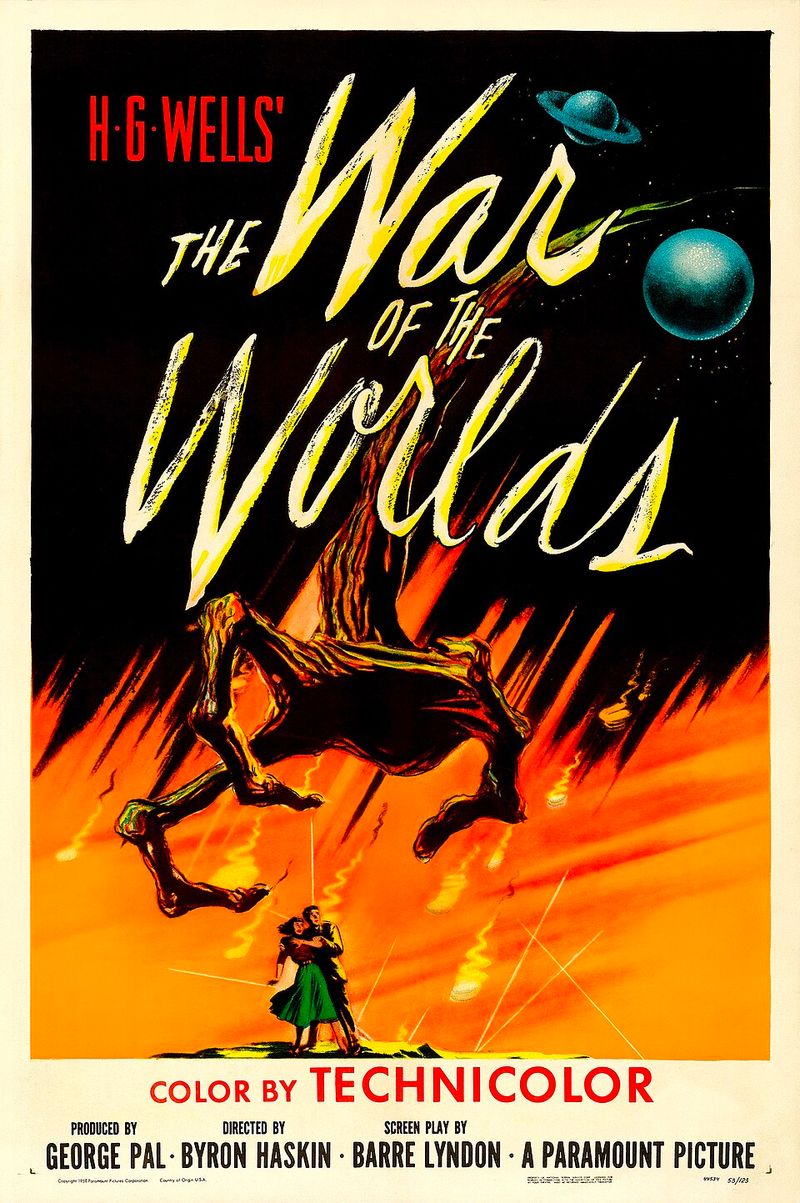
One minute dinner plans feel routine, the next a heat ray vaporizes the block. A full-scale attack crashes into normal routines, then forces survival mode to take over faster than you can grab your keys.
The helpless-to-resistance arc carries the same adrenaline and dread Red Dawn fans crave.
Watching familiar landmarks crumble onscreen hits different when the threat feels immediate. The scramble from shock to action mirrors that gut-punch moment when safety evaporates and instinct kicks in.
13. The Day The Earth Stood Still (1951)
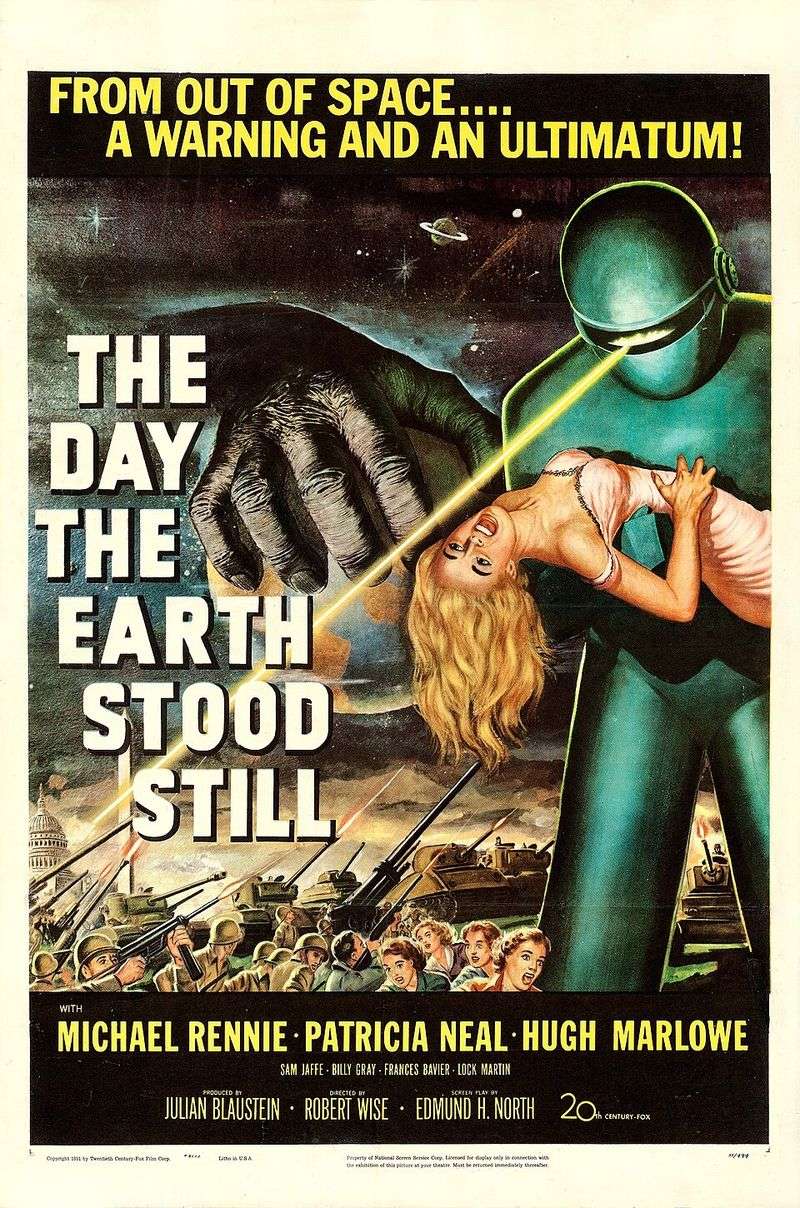
A spaceship touches down on the National Mall, and suddenly every choice carries consequences measured on a planetary scale. Cold War anxiety and high stakes ultimatums shape a tense, watchful atmosphere where one wrong move could end everything.
Vibe leans less guerrilla and more pressure cooker as restraint tightens every scene.
Match feels natural once realization hits that danger rarely announces itself loudly. Polite dread can arrive in a silver suit, calmly asking humanity to prove it deserves another sunrise.
12. Invasion U.S.A. (1952)
Calendar pages still list next week’s dentist appointment while radio reports enemy troops crossing into three states. Worst case invasion energy drives the film with a blunt urgency that mirrors Red Dawn’s alarm bell mood without apology or subtlety.
Every scene slams the “what if it happened here” button with relentless force.
No time gets wasted on build up as the story drops straight into nightmare territory and dares viewers to stare at the wreckage without looking away.
11. Day The World Ended (1955)
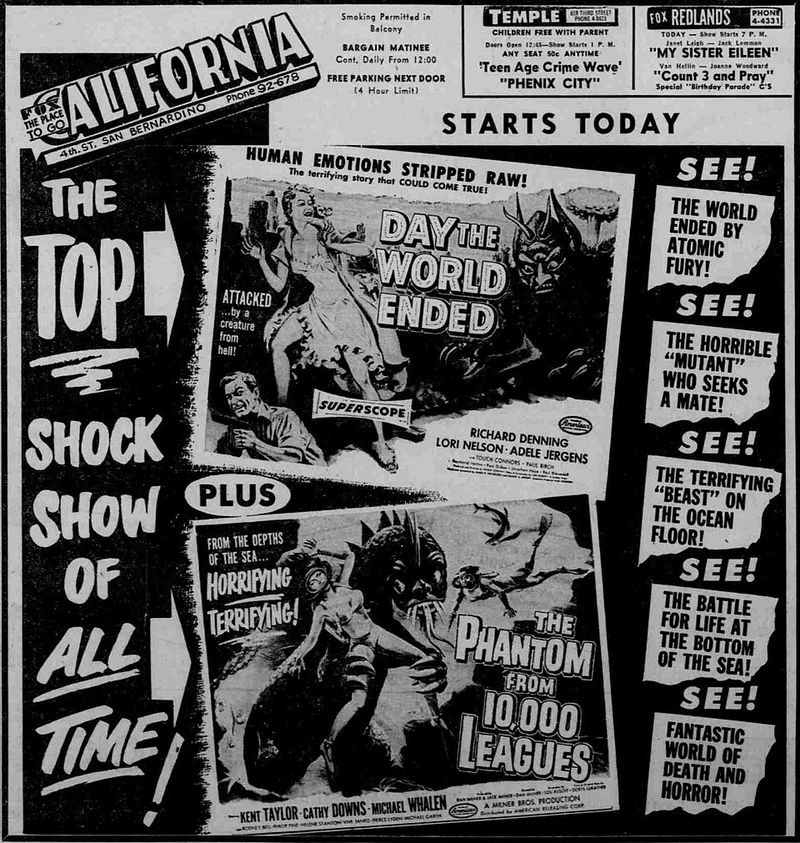
Yesterday ended everything; today becomes a lesson in survival. Post disaster tension takes over as characters face suffocating uncertainty and choices that offer no clean outcomes.
Survivalist appeal lines up neatly for Red Dawn fans, trading invasion trucks for radioactive dread without losing intensity.
Resources dwindle, trust erodes faster, and bunker mindset problem solving pushes every decision into a familiar, teeth gritting danger zone.
10. Earth Vs. The Flying Saucers (1956)
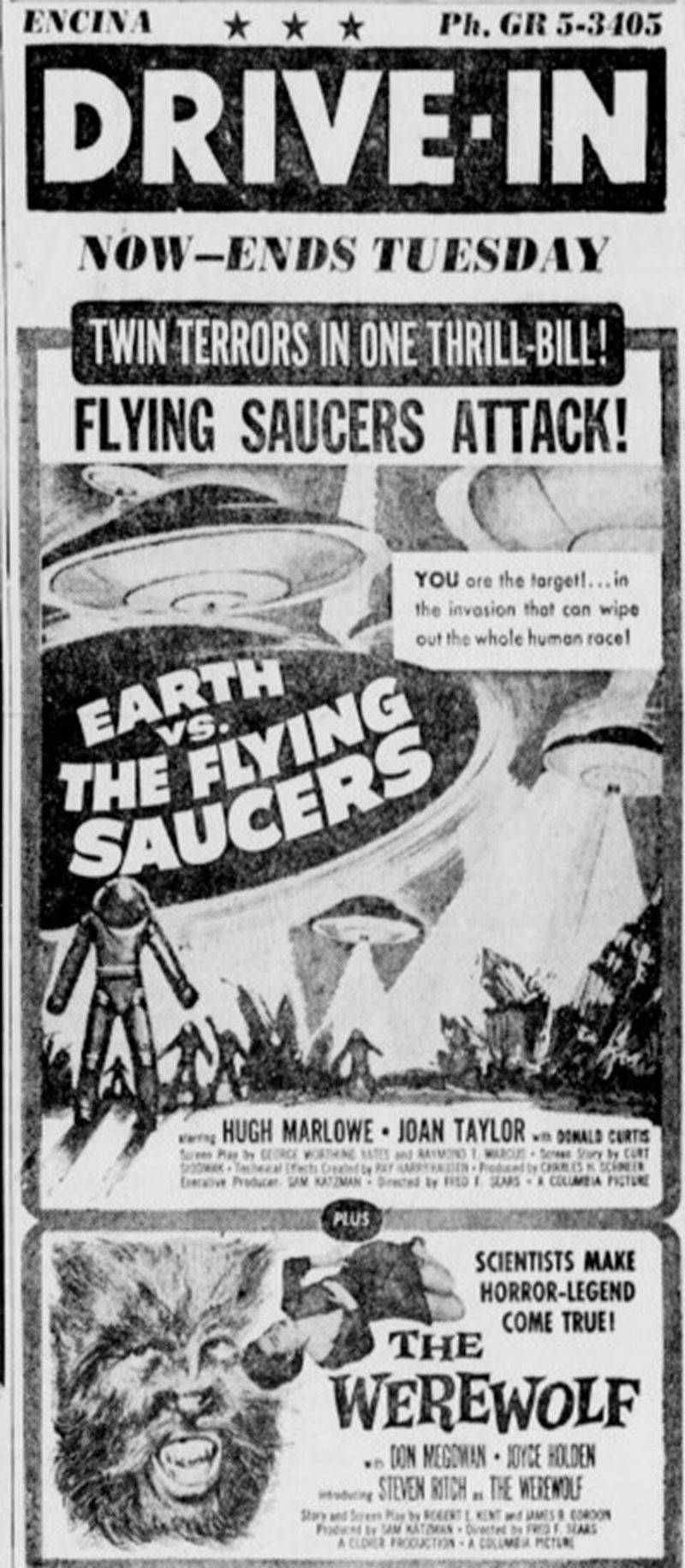
Saucers circle the Capitol, and panic spreads faster than any official statement can contain.
Mass chaos, a visible outside threat, and a race to understand what’s happening before it’s too late drive the whole story. The attack-at-home intensity lines up perfectly with the Red Dawn mood, swapping Cold War paranoia for silver discs in the sky.
Watching familiar skylines under siege hits that same defensive nerve. The scramble to fight back, even when outgunned, feels urgently, desperately human.
9. Night Of The Living Dead (1968)
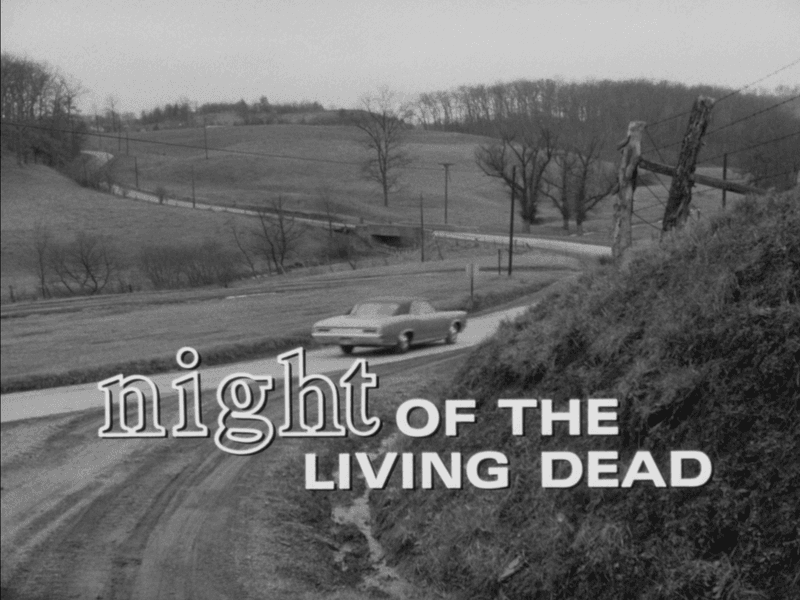
Pressure mounts as a small group tries to hold position while chaos grows outside, with consequences stacking up fast after every choice.
Different threat delivers the same siege mentality and relentless tension. Farmhouse shifts into a fortress as windows turn into weak points and trust becomes the rarest resource in the room.
Forced cooperation under pressure mirrors Red Dawn’s bunker down, backs against the wall energy without needing a single paratrooper.
8. Plan 9 From Outer Space (1957)
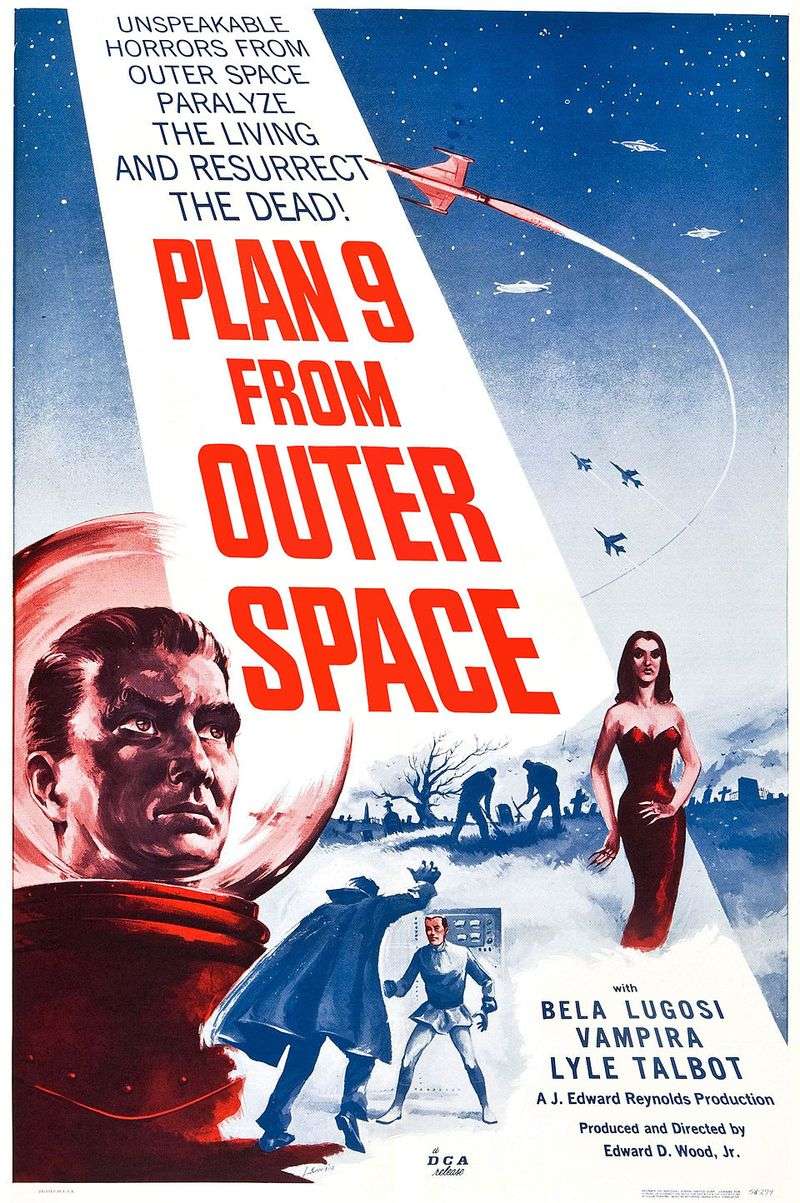
The “invasion” premise is front and center, and the small-town unease is familiar even when the tone drifts campy enough to raise eyebrows.
It still captures that outsiders-arrive, normal-life-shatters setup, just with a budget that barely covered the tinfoil.
Sometimes charm beats polish, and the scrappy, desperate vibe shines through the wobbly sets. The fear of the unknown invading the known remains, even if the execution makes you grin instead of gasp.
7. Invaders From Mars (1953)

Fear filters through a child’s perspective as suspicion seeps into familiar spaces like a backyard sandbox and a parent’s workshop.
That “safe town turning strange” feeling aligns with Red Dawn’s disruption of ordinary life, replacing soldiers with a far harder threat, people you love acting wrong. Trust drains away once those who tuck you in begin to feel like strangers.
Helplessness tied to being small and unheard pushes dread to levels many adults forget they ever felt.
6. Invasion Of The Saucer Men (1957)
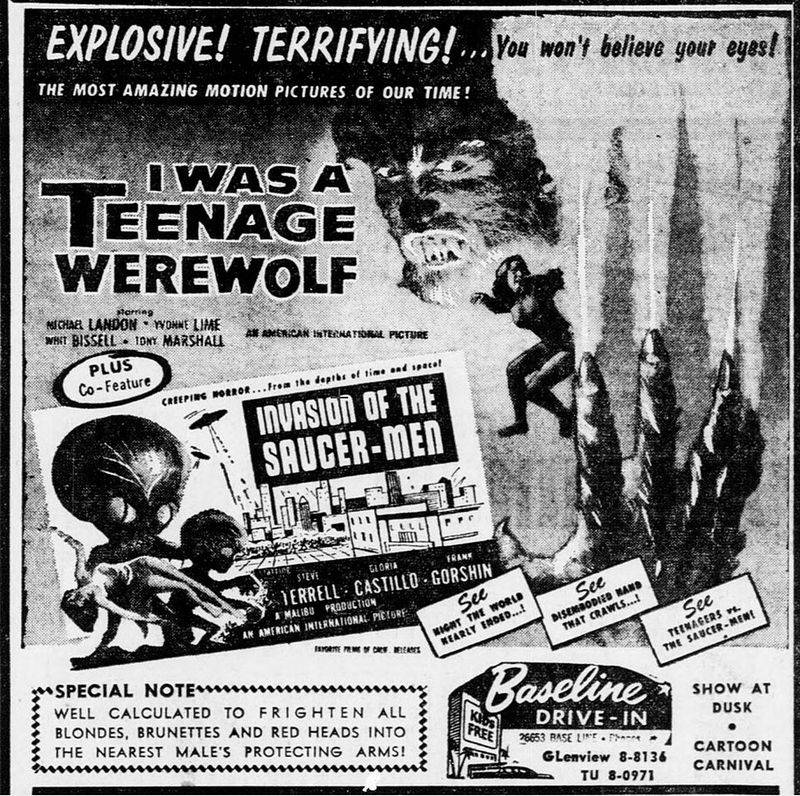
It leans lighter, yet it still hits the essentials: sudden arrival, local panic, and a community reacting in real time without a playbook or a backup plan.
The tone might wink at the audience, but the structure stays true.
Teenagers versus aliens plays like a dress rehearsal for bigger invasion stories, with all the scrambling and none of the heavy artillery. The scrappy, make-it-up-as-you-go energy still lands in the same neighborhood as Red Dawn’s improvisational resistance.
5. The Thing From Another World (1951)
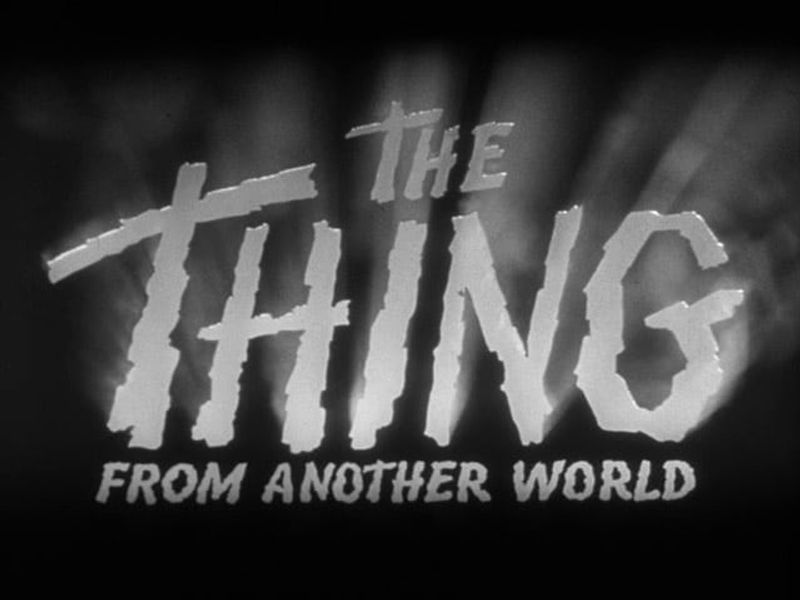
Isolation, mistrust, and an escalating threat generate bunker level pressure that feels closely aligned with Red Dawn, only colder and far more claustrophobic.
Holding the line becomes the entire objective once retreat disappears and rescue never arrives. Every decision carries weight when ice, darkness, and a hostile presence close in from all sides.
Paranoia and resource management tension echo guerrilla survival instincts, making underdogs easy to root for when surrender means freezing or something even worse.
4. The Steel Helmet (1951)
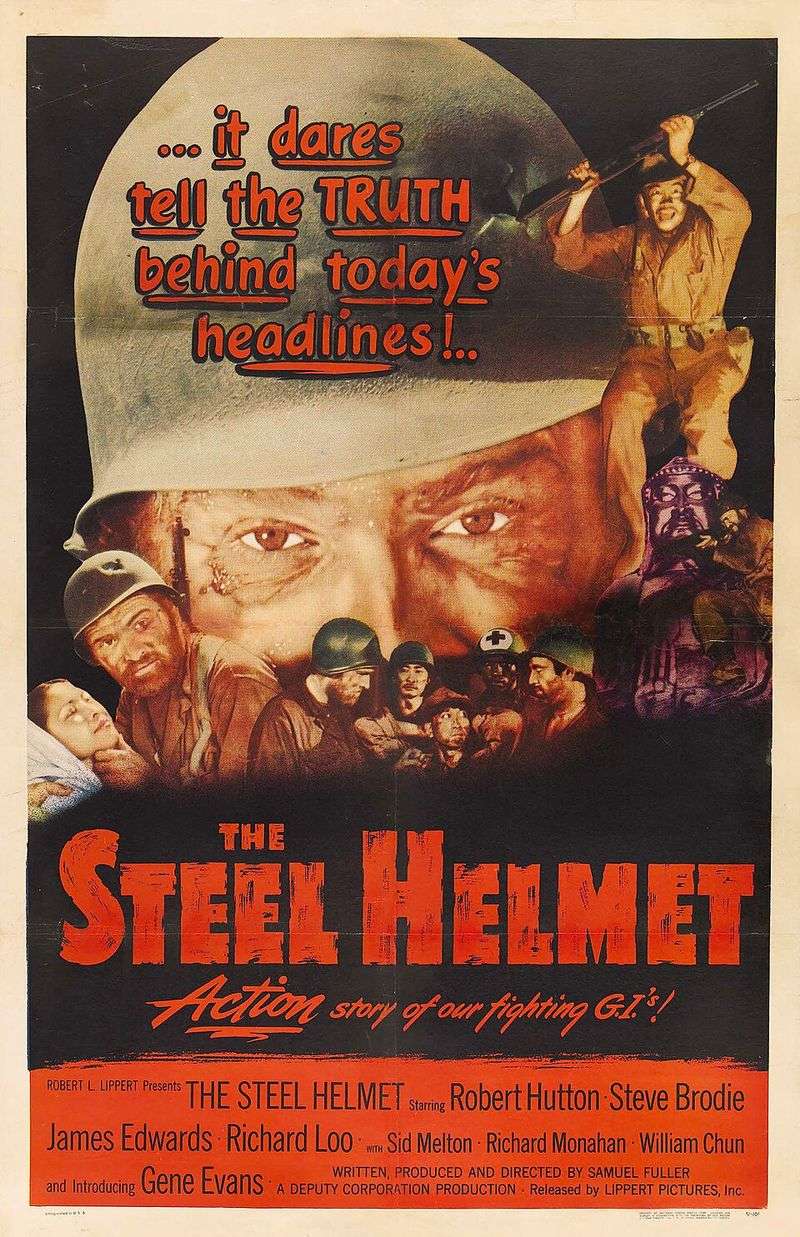
Relentless, ground level survival drives a story built on dug in tension that never loosens its grip.
War takes priority over invasion fantasy, yet endurance and resolve echo the same scrappy, outgunned energy associated with Red Dawn.
Watching a small unit hold position against overwhelming odds strikes identical emotional notes. Dirt, sweat, and stubborn refusal to quit keep everything immediate even decades later, as if the fight never truly ended.
3. Robot Monster (1953)
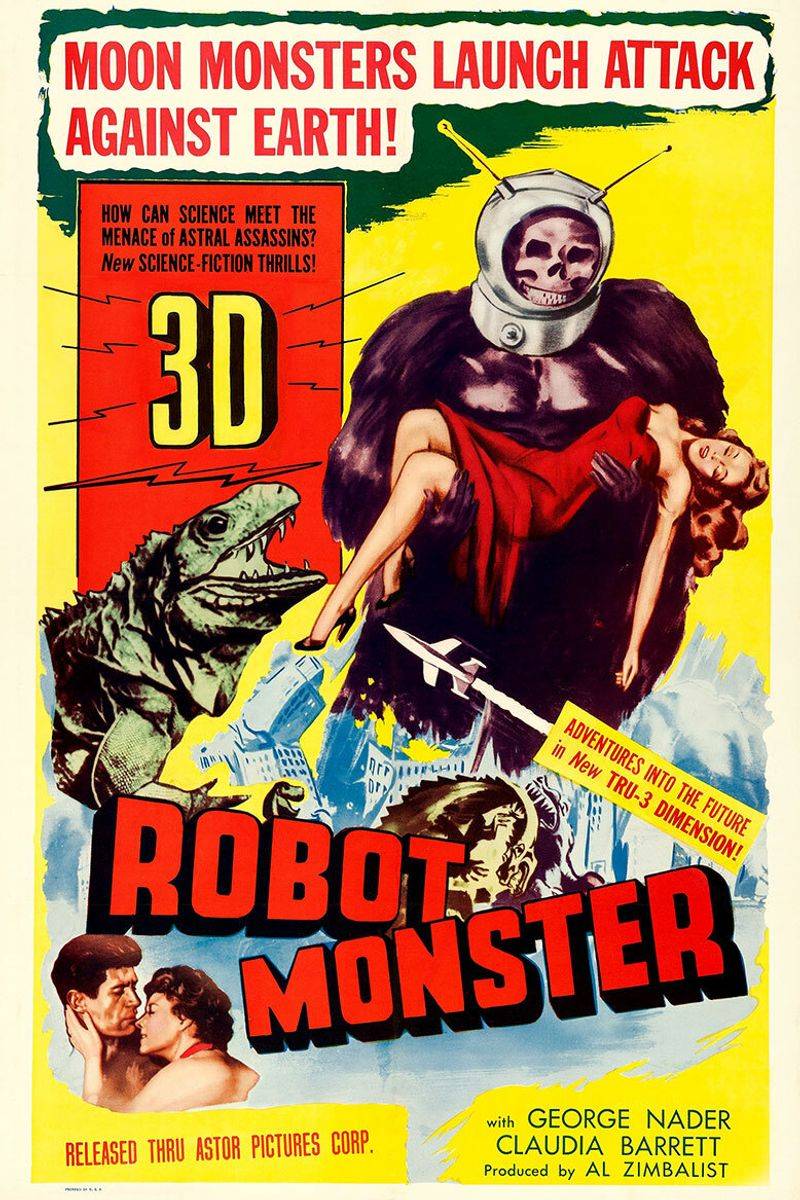
A hostile force stalks survivors, pushing a scrappy, last-stand tone that refuses to quit even when the budget clearly did.
The scale is different, but the survival-and-resistance rhythm is similar, with humanity down to its last few fighters and zero room for error.
Sometimes the vibe matters more than the effects, and this one nails the desperate, cornered feeling. You root for the survivors because they’re all that’s left, gorilla-suit alien or not.
2. Gorgo (1961)
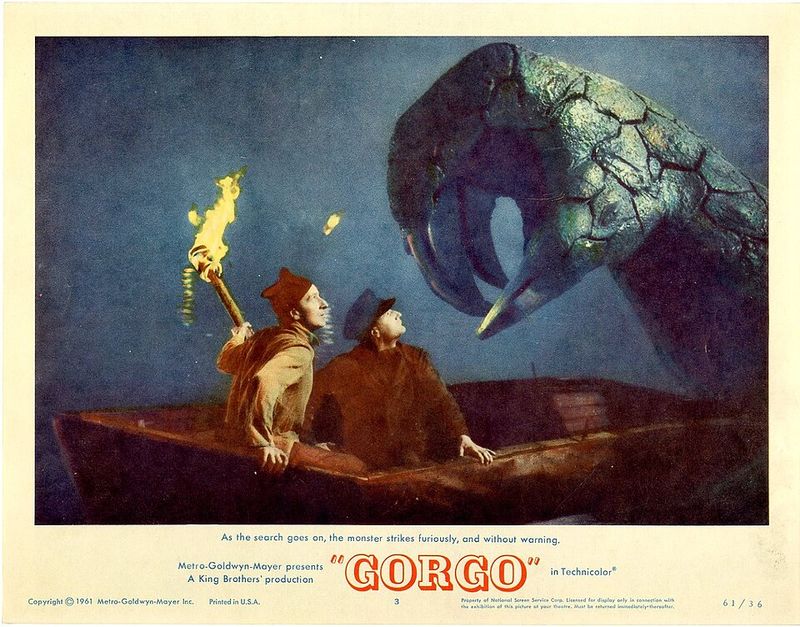
Civilian danger, emergency response urgency, and a city under threat create an everything is at stake pulse that syncs directly with a racing heartbeat.
Urgent, defensive momentum mirrors what Red Dawn fans recognize, trading rifles for roaring scale without losing intensity.
Watching people scramble against a force beyond negotiation taps a primal fight or flight instinct. Personal chaos still cuts deep, even when the threat towers fifty feet tall and breathes fire.
1. REPTILICUS (1961)
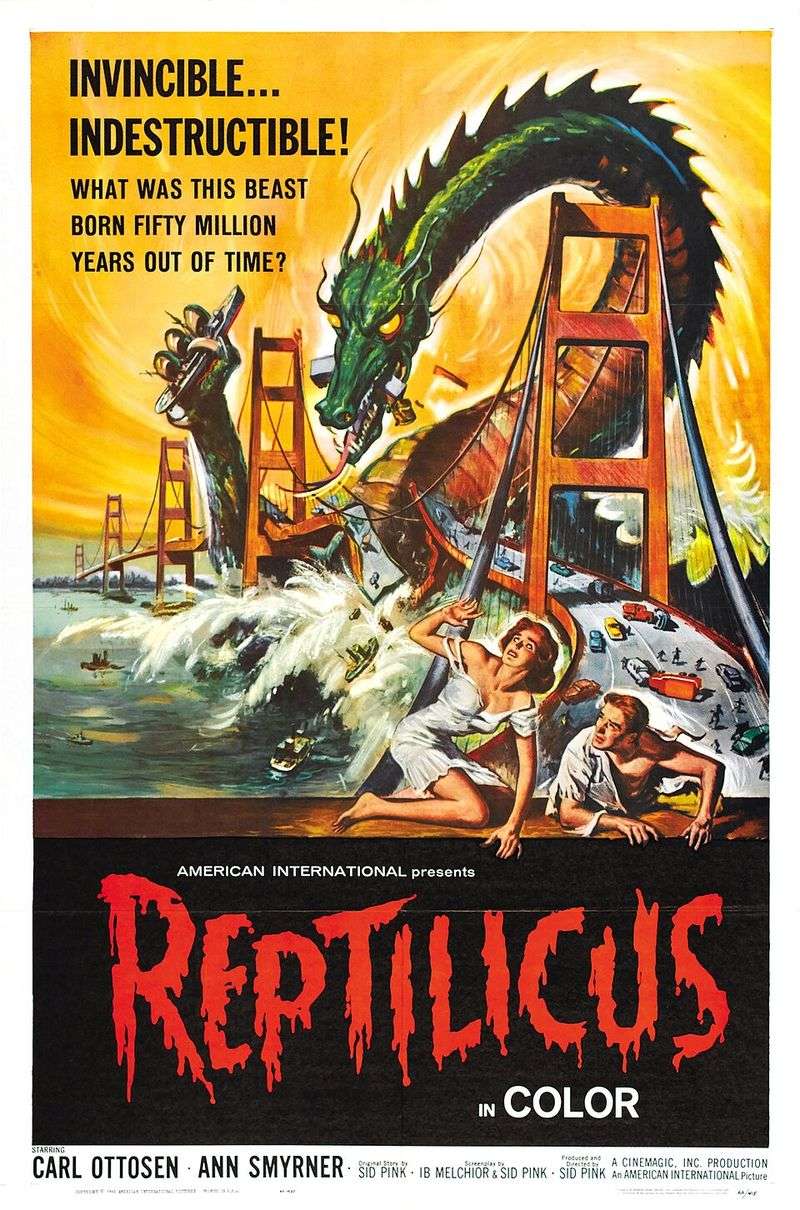
Escalating danger forces entire communities into survival mode as panic spreads and a threat arrives without warning.
Monster focus replaces ideology, yet a home front under attack feeling lands firmly in familiar Red Dawn territory.
Defensive urgency kicks in as protecting home turf becomes the only option against an unstoppable force. Ordinary people rise because someone has to, and waiting no longer exists as a viable choice.