Movies That Sparked Debate Over The Use Of AI
AI really said “what if we help make the movie too,” and Hollywood was like, wait a second. One minute it’s smoothing faces, next minute people are zooming in like detectives trying to figure out what’s real and what’s not.
These movies did not just drop, they came with built-in arguments and a comment section ready to fight.
1. The Brutalist (2024)
Awards-season buzz surrounded The Brutalist, a slow-burn story about a Hungarian architect chasing the American dream. Behind the scenes, AI-assisted voice tools were used to refine parts of the Hungarian dialogue for Adrien Brody and Felicity Jones, which sparked widespread debate across the industry and beyond.
Some saw a clever technical solution, while others raised concerns about where that kind of shortcut might lead.
Signature takeaway almost writes itself, accent coaching just picked up a software update.
2. Emilia Pérez (2024)
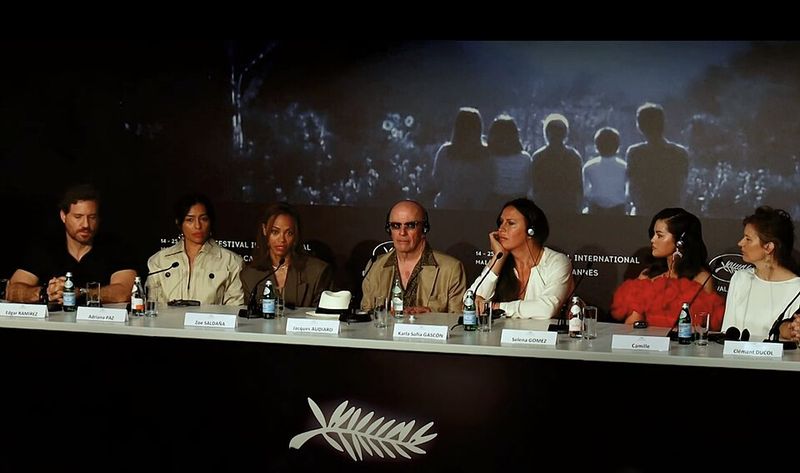
Bold, musical, and unapologetically flashy, a French-language thriller tore through Cannes with the energy of a glitter bomb.
Critical praise came quickly, yet the conversation shifted once it emerged that AI voice-cloning technology had been used to enhance Karla Sofía Gascón’s singing voice. Debates around cultural representation and digital shortcuts collided, turning the moment into something much louder than a typical premiere reaction.
Even a standing ovation carried a small asterisk when technology started blurring the line between craft and convenience.
3. Late Night With The Devil (2023)
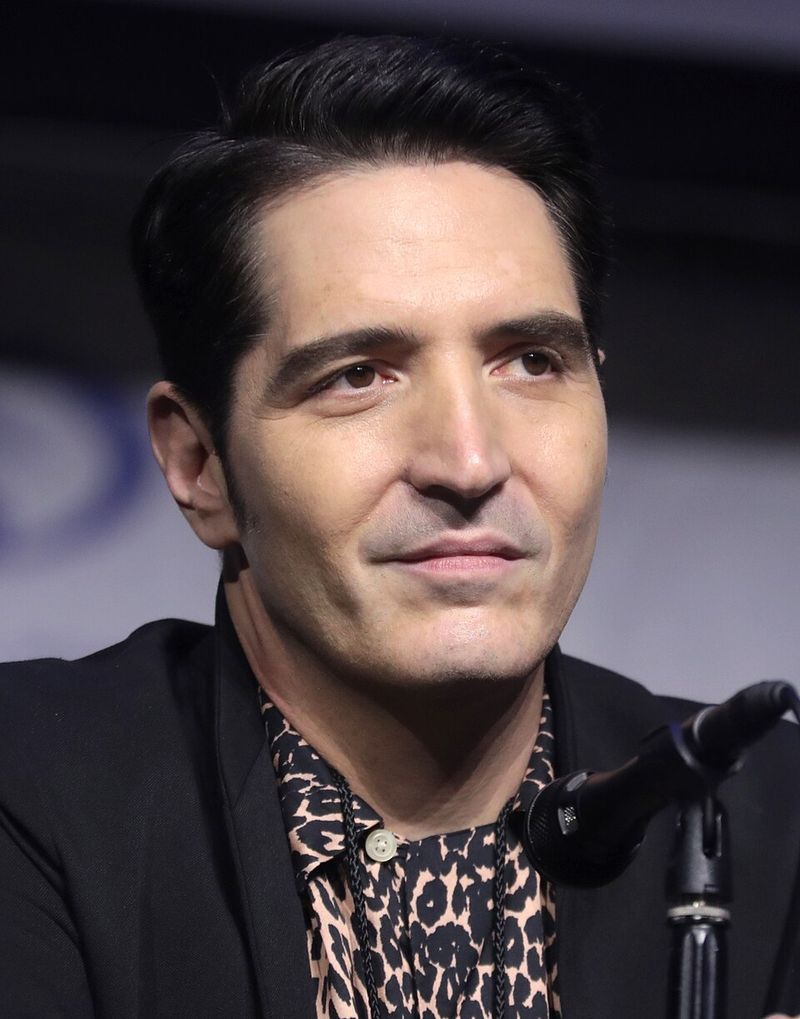
Late-night television in 1977 sets the stage for Late Night with the Devil, where a broadcast slowly unravels into something deeply unsettling.
Strong reviews followed the release, until it became clear that AI-generated images had been used in a small number of interstitial title-card-style graphics.
Backlash moved quickly, with criticism spreading faster than any moment on screen. The directors later clarified how the images were used, but the backlash had already taken hold.
Image of a curtain pulling back fits perfectly, revealing the algorithm quietly holding the paintbrush behind the scenes.
4. Here (2024)

Reuniting Tom Hanks and Robin Wright across decades, Robert Zemeckis used AI-driven de-aging and face-swapping tools to move them through a story that unfolds across time in one fixed location.
Results impressed some viewers on a technical level, yet also sparked sharp debate over whether this kind of digital de-aging serves the story or risks normalizing AI replacement of performers.
Suddenly, even a quiet Tuesday morning family drama carries a new question in the background: is that truly the actor on screen, or a remarkably convincing algorithm wearing their face?
5. Alien: Romulus (2024)
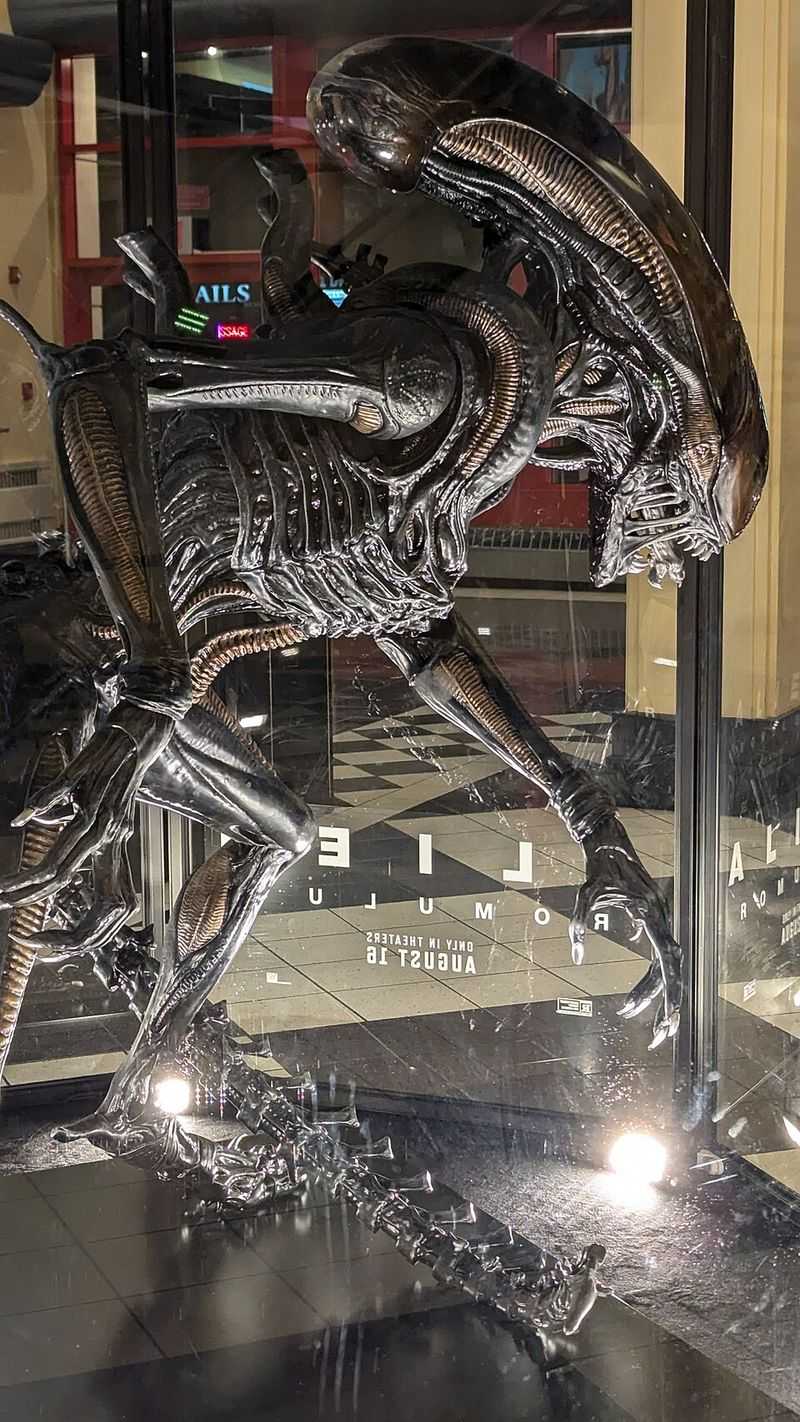
Few franchises carry as much weight as Alien, so when Romulus used AI-assisted tools to recreate Ian Holm’s likeness and voice for the android Rook, fans reacted immediately.
The estate of the original actor approved the decision, but audiences were split right down the middle between appreciation and deep discomfort.
Using software to recreate a late actor’s screen presence is the kind of move that leaves viewers sharply divided.
6. Furiosa: A Mad Max Saga (2024)
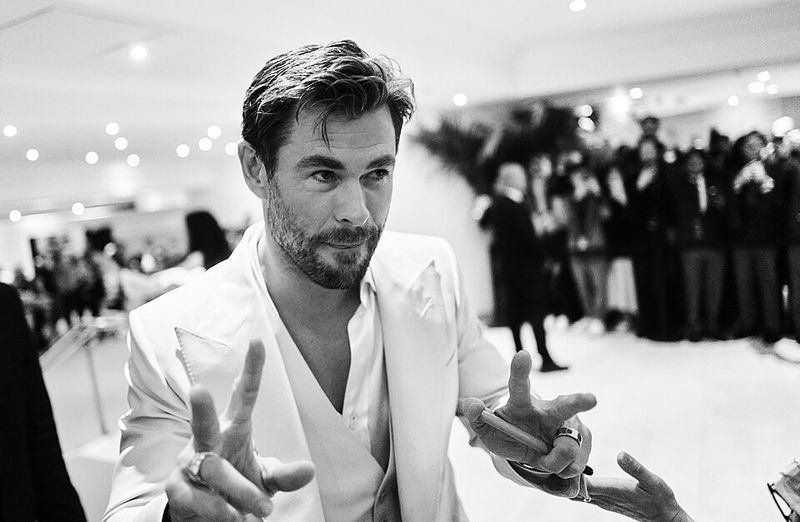
High-octane spectacle returns in Furiosa: A Mad Max Saga, with Anya Taylor-Joy stepping into a defining role shaped by George Miller. Conversation around the film included reported use of AI to help Alyla Browne more closely resemble Anya Taylor-Joy in parts of the production.
Ongoing discussions from industry strikes fed into that reaction, turning the film into another example in a much larger debate.
Legacy of Mad Max: Fury Road set a high bar with practical intensity, while this chapter adds a few digital sparks alongside the fire.
7. A Complete Unknown (2024)

Channeling Bob Dylan already puts Timothée Chalamet in headline territory, yet the film later became part of the broader AI conversation because reporting indicated some AI was used in post-production, even though Timothée Chalamet also recorded and sang live for the role.
Purists winced, while others shrugged and argued the story carried more weight than the method behind it.
In the end, a biographical film about an artist known for authenticity leaning on digital voice tools felt like the universe setting up a very pointed joke. Somewhere in that irony, it is easy to imagine Dylan simply tuning another guitar and letting the moment pass without comment.
Note: This article is intended for general informational and entertainment purposes and reflects an editorial overview of films that drew public discussion about artificial intelligence in production, post-production, or performance-related workflows.