
15 Movies That Sparked Debates About Message Vs Story
Hollywood has long mirrored cultural shifts, yet some recent films turned that reflection into a full-scale debate.
Audiences and critics found themselves arguing not just about performances or visuals, but about whether powerful social messages strengthened the story or quietly overshadowed it.
Love them or dislike them, these films became flashpoints where storytelling, cultural commentary, and public opinion collided in ways few releases ever do.
Disclaimer: Interpretations of a film’s themes and perceived emphasis on social commentary are inherently subjective and can vary by viewer, cultural context, and time.
1. Ghostbusters (2016)

Expectations weighed heavily on the reboot, carrying baggage thicker than a proton pack.
Debate erupted over whether replacing the original crew with an all-female team strengthened the story or simply fueled headlines.
Long before anyone arrived at the concession stand on opening weekend, the talk was dominated by online debates.
Mixed box office results followed as op-eds and commentary pieces followed quickly in a haunted hotel. Some viewers felt comedy slipped behind messaging, leaving nostalgia caught in the middle of a larger cultural debate.
2. Charlie’s Angels (2019)
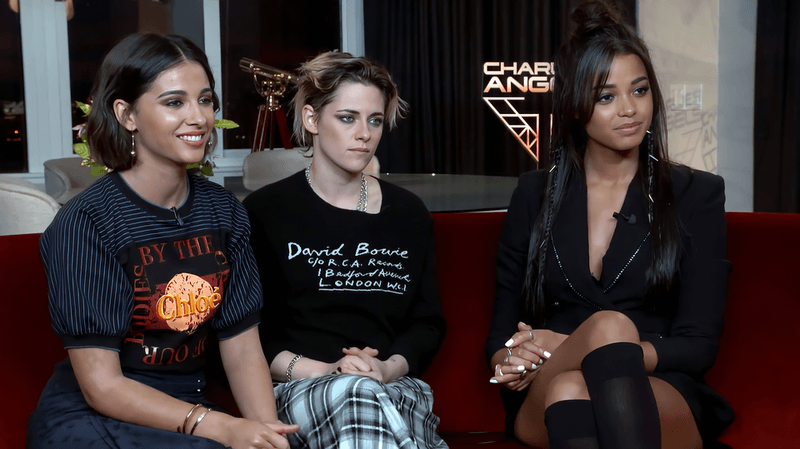
Elizabeth Banks set out to refresh the franchise with a modern, feminist perspective, yet the intended audience never fully materialized.
Marketing focused heavily on empowerment themes, leaving some viewers feeling the spy thriller fun that defined earlier entries took a back seat. Disappointing box office results quickly sparked debate over whether messaging overshadowed adventure.
Across reviews and online discussions, critics questioned whether audiences were seeking pure escapism rather than commentary, even when packaged with high kicks and explosive action.
3. The Marvels (2023)

Three heroes team up, powers swap mid-fight, and suddenly everyone’s talking about everything except the plot. The Marvel machine stumbled when this ensemble piece arrived to mixed reviews and a box office run widely reported as an underperformance for Marvel.
Online discourse quickly turned to representation debates rather than whether the story actually delivered thrills. Some viewers felt the narrative got tangled in trying to juggle too many messages alongside too many characters, leaving both underdeveloped.
4. Captain Marvel (2019)

Online battle lines formed well before the film reached theaters. Viral comments about critics and representation turned the movie’s star into a lightning rod for controversy.
Suddenly, a superhero origin story carried the weight of cultural debates far beyond its plot.
Strong box office numbers did little to quiet arguments over whether the character felt too invincible, overly preachy, or perfectly fine depending on which corner of the internet weighed in. Financial success followed, yet the release became a broader referendum on Hollywood’s direction.
5. Star Wars: The Last Jedi (2017)

Rian Johnson’s bold creative swing divided the fanbase almost instantly, cutting opinion in two like a lightsaber through durasteel. New characters and deliberately subversive plot choices ignited debates that continued long after the credits rolled.
For some viewers, the film seemed more focused on deconstructing Star Wars mythology than celebrating it.
Online conversations soon grew heated, as discussions about representation, character arcs, and storytelling became tangled with broader online debates that went beyond the movie itself.
Agreement proved elusive, leaving many fans feeling that the Force was not entirely with everyone this time around.
6. Lightyear (2022)
Brief same-sex kiss lasting only seconds became the headline that overshadowed Buzz Lightyear’s origin story. Some groups criticized the inclusion, while others defended it as straightforward representation.
Amid the noise, the film itself struggled for attention as box office disappointment drew blame from controversy as well as questions about necessity.
Parents debated theater trips while critics wondered if Pixar’s creative spark had begun to fade.
7. The Little Mermaid (2023)
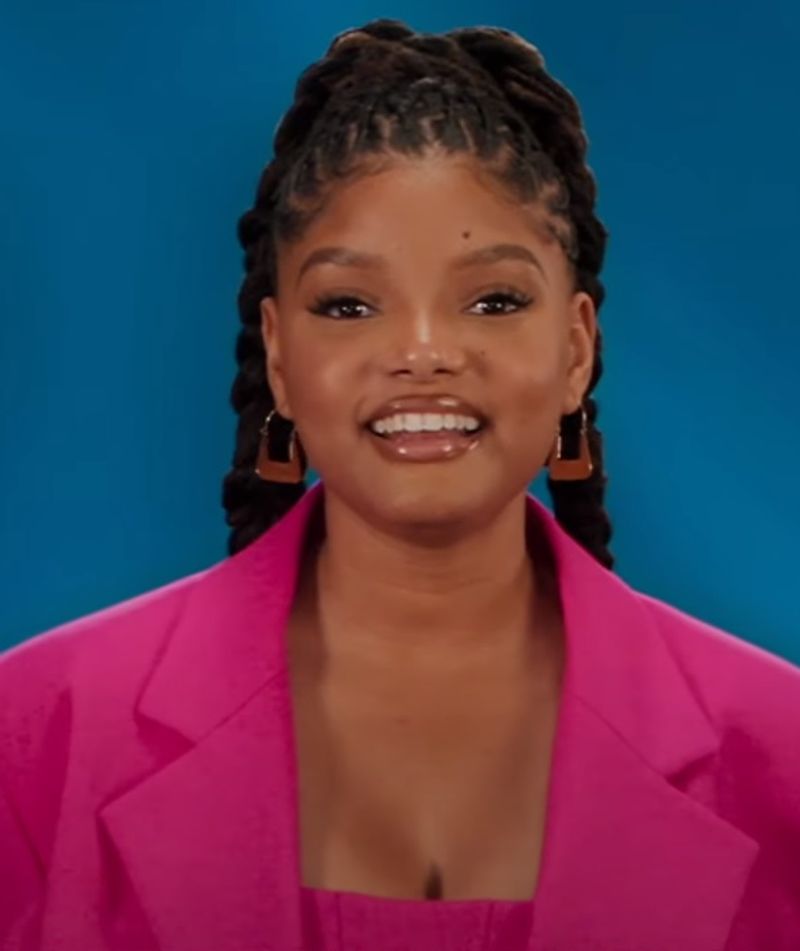
Casting announcements triggered a tidal wave of online arguments long before anyone saw a frame of footage.
The live-action remake became a flashpoint for debates about representation versus source material fidelity. Box office success didn’t stop the controversy from dominating every conversation about the film.
Some viewers embraced the fresh take while others insisted the changes served agendas over storytelling, turning a Disney classic into a high-profile lightning rod where opinions often spread faster than discussion of the film itself.
8. The Woman King (2022)
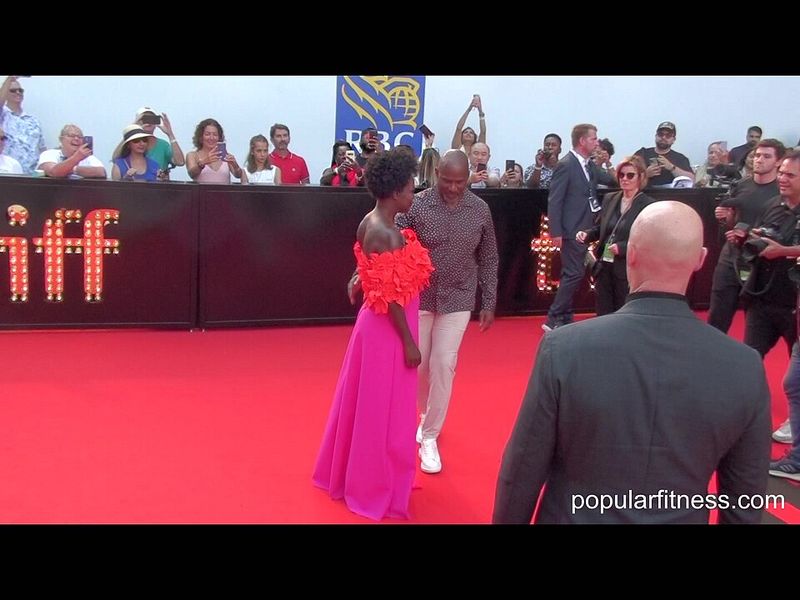
Debates over historical accuracy quickly intersected with celebrations of representation when this action epic reached theaters.
While critics praised the performances and direction, some historians raised questions about the portrayal of the Dahomey Kingdom and its historical debates about the Dahomey Kingdom’s role in the regional and transatlantic slave trade.
Calls for boycotts appeared alongside glowing reviews, creating a layered conversation about how historical films balance entertainment, education, and difficult truths. Amid the controversy surrounding creative liberties and thematic choices, the movie still found commercial success and a strong audience response.
9. Snow White (2025)
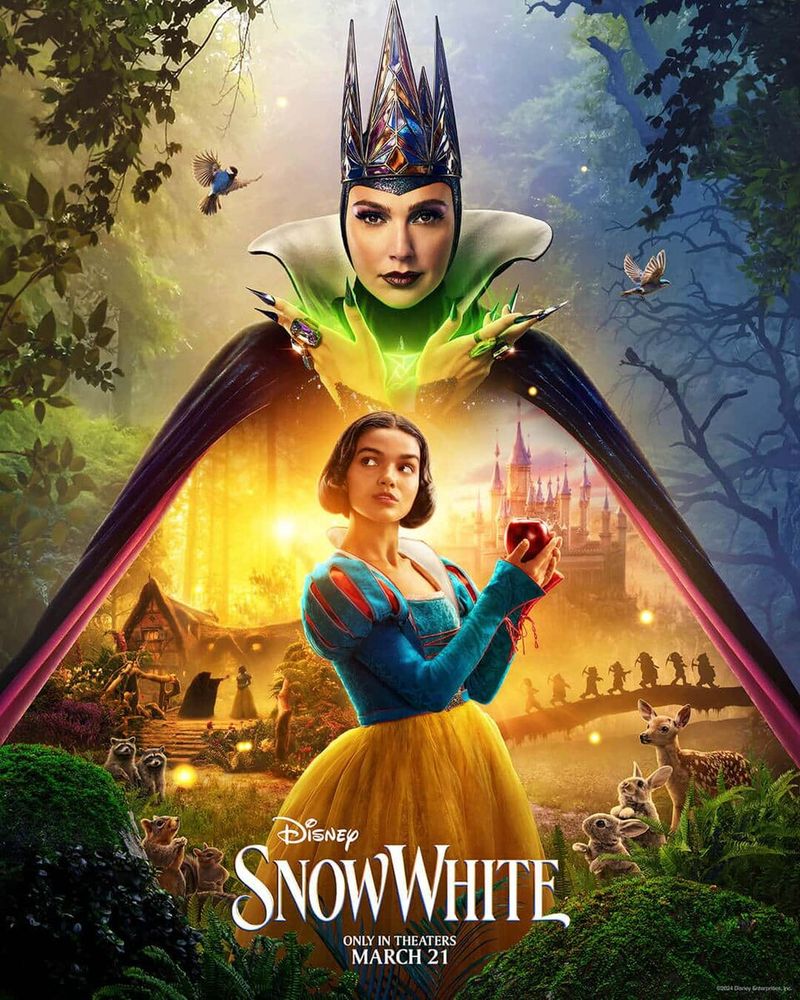
Well before release, this remake became a controversy magnet.
Comments from the cast about updating the story’s themes sparked backlash from traditionalists who felt the classic didn’t need fixing. Changes to the seven dwarfs and the romance angle fueled endless online debates.
The release arrived with debate already running hot, often overshadowing basic questions of pacing, tone, and craftsmanship. Marketing tried damage control while critics sharpened their keyboards.
10. Barbie (2023)
In addition to becoming one of the biggest box office hits of 2023, Greta Gerwig’s movie sparked anti-woke pushback from unexpected places.
Feminist themes ran throughout the film, fueling debates over whether the message felt too forceful or perfectly balanced. Conservative commentators voiced criticism even as audiences arrived at theaters dressed head to toe in pink.
Box office success failed to quiet arguments about messaging versus entertainment, even while most viewers simply enjoyed the ride.
11. Birds Of Prey (2020)
Harley Quinn’s girl gang adventure started off with a bang but ended up with poor box office results that soon stoked the well-known “wave of commentary claiming the film prioritized messaging over mass appeal” criticism.
An R rated comic book tone paired with strong female empowerment themes earned passionate support from some viewers, while critics argued those elements contributed to weaker commercial performance. Complicated marketing and an unwieldy title added extra hurdles during the release.
Across social media and review columns, debate centered on whether the film’s feminist perspective narrowed its audience or whether promotion simply failed to connect it with the right crowd.
12. Don’t Look Up (2021)

Adam McKay’s climate-change allegory arrived with deliberately blunt satire.
The star-studded Netflix film divided critics who found it either brilliantly pointed or painfully preachy, with little middle ground. Viewers either appreciated the blunt satire or felt the messaging was heavy-handed.
The movie sparked conversations about whether effective storytelling requires nuance or if our current moment demands sledgehammer directness. Either way, nobody missed the point.
13. Eternals (2021)

Marvel’s most ambitious ensemble effort stumbled at the box office despite its push for broader representation. Featuring the MCU’s first openly gay superhero alongside a notably diverse cast, the release drew headlines, review bombing, and visible backlash.
Critical reactions split between calling the film slow and overstuffed and praising its expansive scope and inclusivity.
Conversations quickly centered on whether the representation felt organic or calculated, as some viewers argued the narrative struggled to justify its lengthy runtime.
14. Strange World (2022)
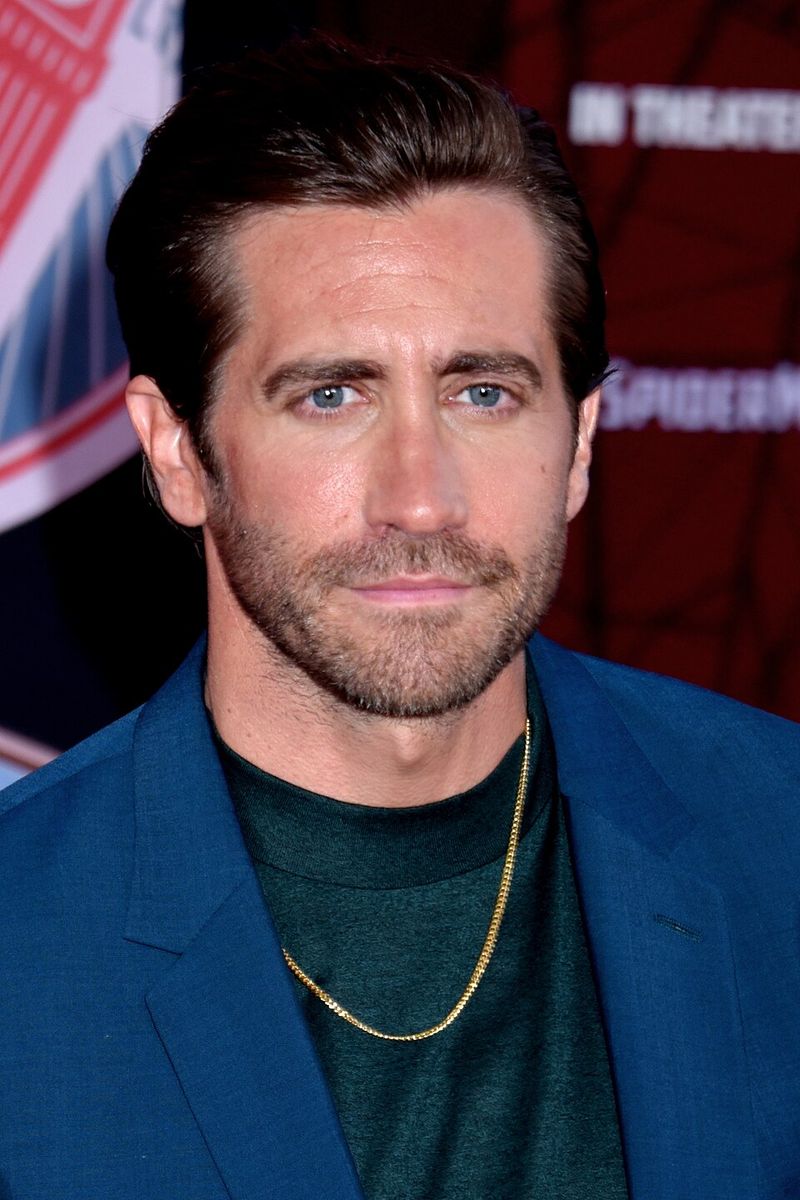
Disney’s animated adventure featuring a gay teen character became a political flashpoint that overshadowed everything else about the film. Conservative groups organized against it while the movie quietly disappeared from theaters with disastrous box office results.
The environmental themes and family dynamics got lost in culture-war noise.
Supporters blamed the backlash for poor performance while critics argued the film simply wasn’t compelling enough, regardless of its progressive elements.
15. Turning Red (2022)
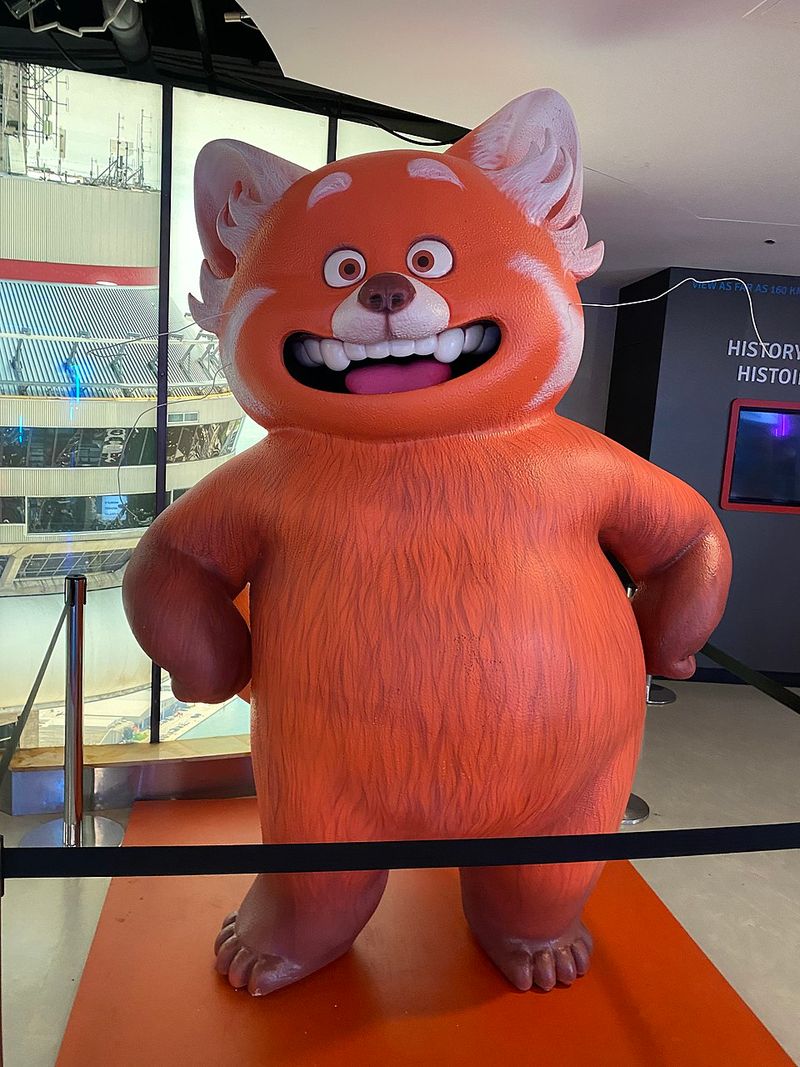
Pixar’s coming of age metaphor stirred unexpected controversy when some parents raised concerns about themes of growing up, body changes, and family expectations.
Centering on a Chinese Canadian girl’s experience, the story prompted discussion about relatability and whether the studio had become too specific or overly message driven. Online debates quickly flared over whether the film felt inappropriate for children or entirely suitable for its intended age group.
Framed through broader culture war lenses, a personal growth story became a larger battleground, often pushing conversation about the film’s craft and storytelling quality into the background.


.jpg)

.png)


