20 Movies Viewers Often Give Up On Midway
Some movies don’t ask for attention, they demand loyalty.
You press play feeling cultured, then halfway through you’re like “bestie… please.” Critics call it art. Viewers call it a survival challenge.
Finishing it feels less like watching a film and more like earning a badge of honor.
Disclaimer: This article discusses movies in a light, commentary-driven way and reflects common viewer reactions and film-history notes available at the time of writing. Individual attention spans and viewing experiences vary widely, and opinions on pacing and “rewatchability” are subjective.
20. Metropolis
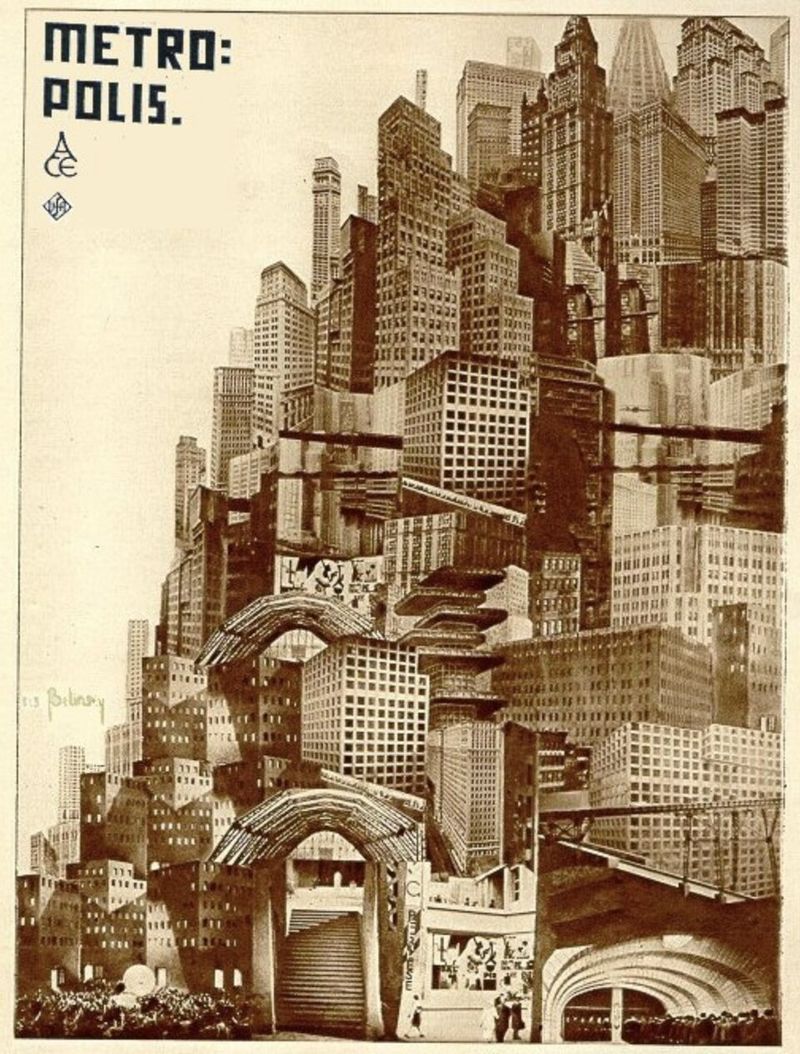
Early cinema asks modern audiences to trade spoken dialogue for pure visual storytelling. Released in 1927, the German masterpiece Metropolis runs over two hours without a single spoken word, relying entirely on title cards and expressionist imagery.
Groundbreaking special effects and a stark dystopian vision shaped countless science fiction films, yet the deliberate pacing can feel glacial beside today’s rapid fire editing styles.
Viewing it means adjusting your brain’s speed settings to match the rhythm of 1920s cinema.
Plenty of viewers drift away during the extended factory sequences, missing the robot transformation that’s often cited as an influence on C-3PO’s early design.
19. Napoléon
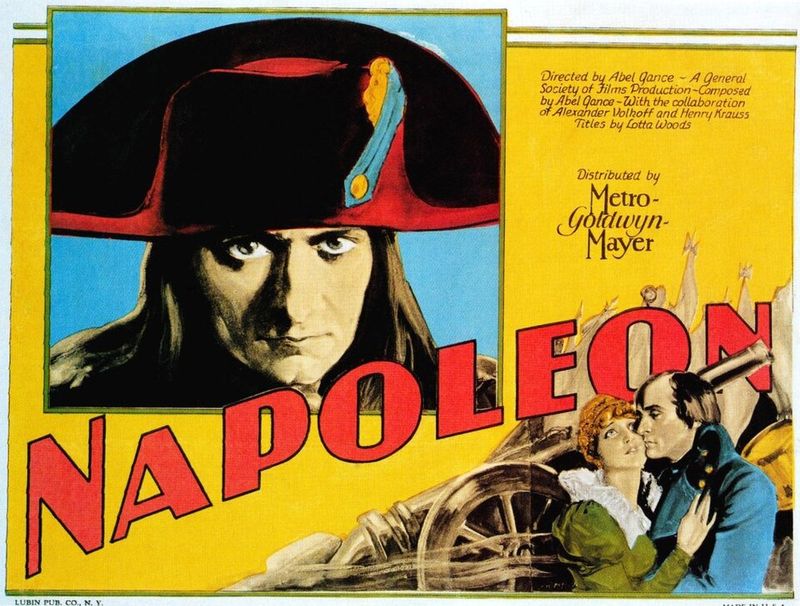
Abel Gance’s 1927 epic runs about five-and-a-half hours in a major restored version. The film employs revolutionary techniques like split screens and handheld cameras that were decades ahead of their time.
Viewers expecting a straightforward biography get experimental montages instead.
The sheer length combined with silent-film conventions creates a marathon viewing experience that sends many to the pause button. Even film students sometimes tackle this one in segments rather than a single sitting.
18. Intolerance
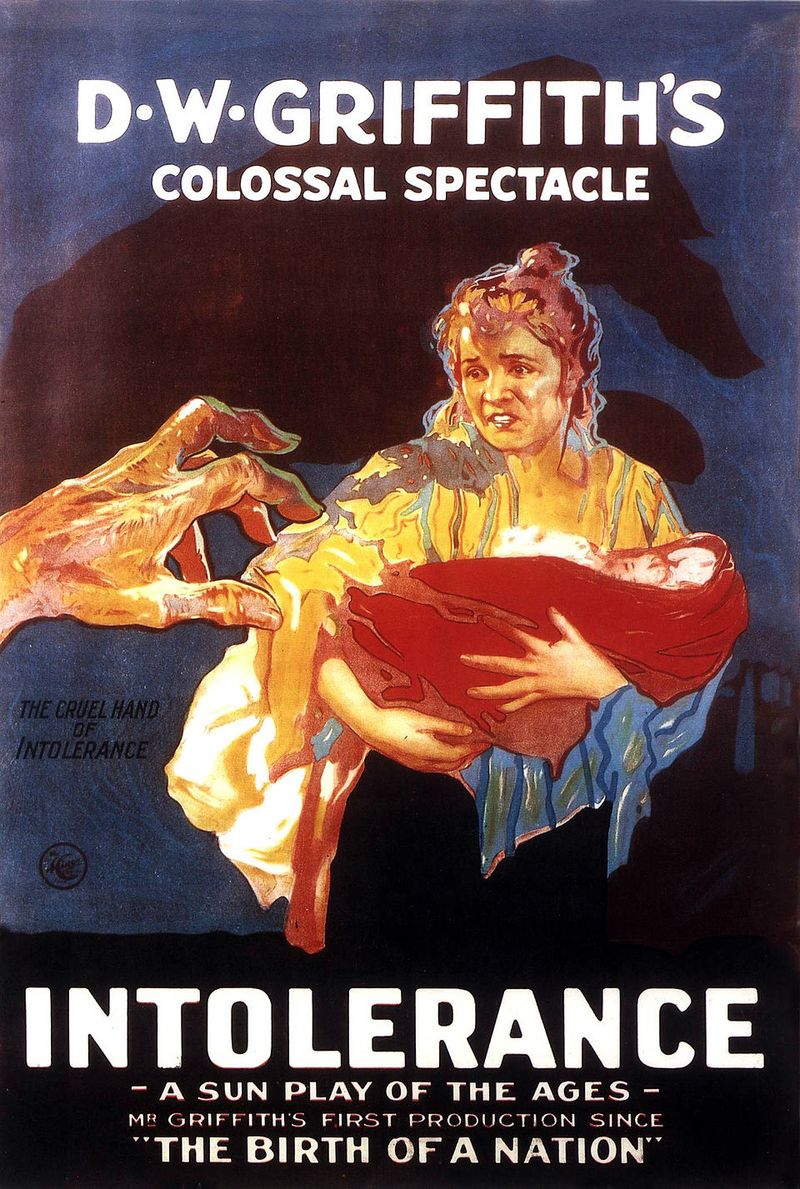
In 1916, D. W. Griffith answered criticism of his earlier work with Intolerance, weaving four separate stories across distant time periods. Ambitious editing leaps between ancient Babylon, biblical Judea, Renaissance France, and modern America without warning.
Audiences used to straightforward storytelling often struggle to keep track of the shifting threads.
Spanning nearly three hours, constant intercutting across eras can make following the parallel plots feel like juggling while balancing on a unicycle. Lavish sets impress on their own, yet visual spectacle cannot always offset the narrative whiplash that leaves viewers reaching for their phones.
17. Greed
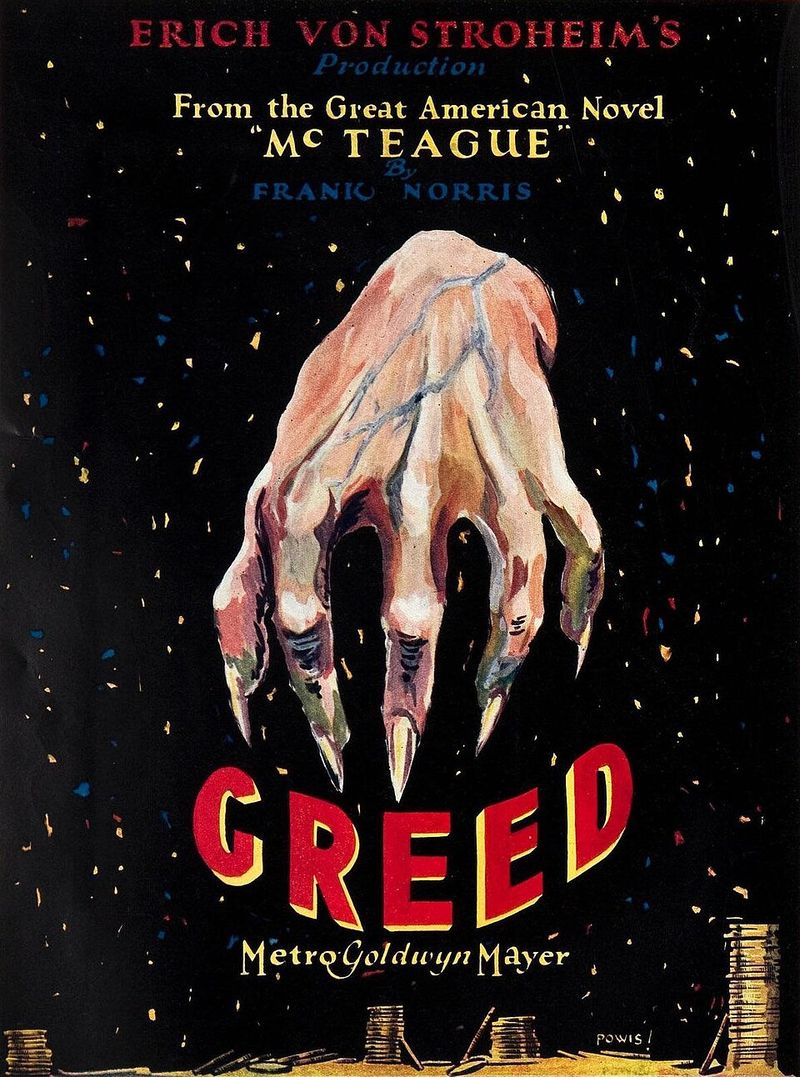
Erich von Stroheim’s obsessive vision was originally over nine hours long, but it was cut down to roughly two-and-a-half hours for release.
Even the shortest version feels punishingly long as it follows a dentist’s descent into murderous obsession over gold.
The methodical pacing mirrors the characters’ slow moral decay, but patience wears thin during extended sequences in Death Valley. Stroheim’s refusal to compromise his artistic vision created a film that doubles as an endurance test, making viewers understand the title on a personal level.
The finale delivers, but getting there requires commitment.
16. Man With A Movie Camera
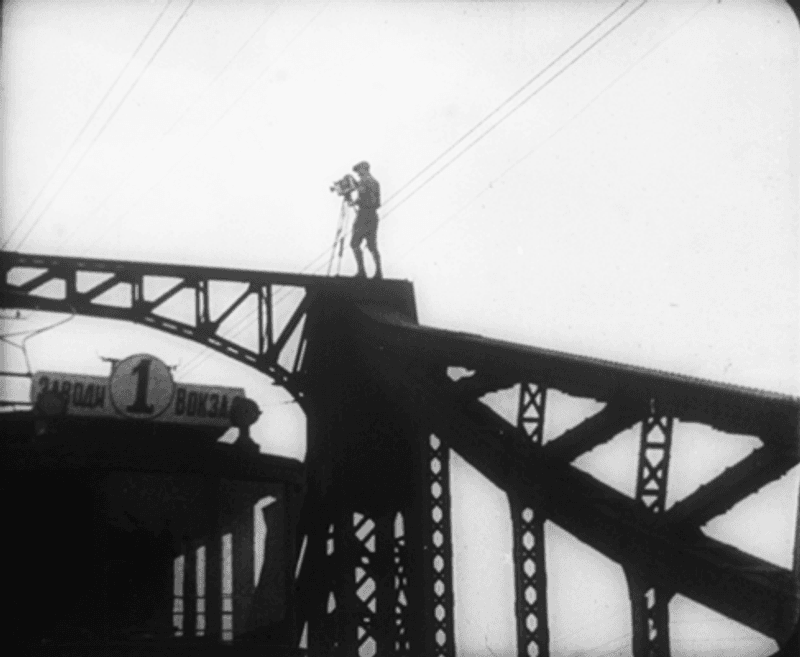
Released in 1929, the Soviet documentary Man with a Movie Camera abandons traditional narrative entirely.
Behind the camera, Dziga Vertov crafted a visual symphony of daily life in Russian cities, using bold editing techniques that later inspired generations of filmmakers.
Without characters, spoken dialogue, or a conventional plot, the film presents cinema itself as an art form distinct from theater or literature. Story seeking viewers often find themselves watching abstract visual poetry instead.
Experimental structure can make the experience feel closer to a museum installation than typical entertainment, leading many to disengage before recognizing its groundbreaking approach to filmmaking.
15. Battleship Potemkin
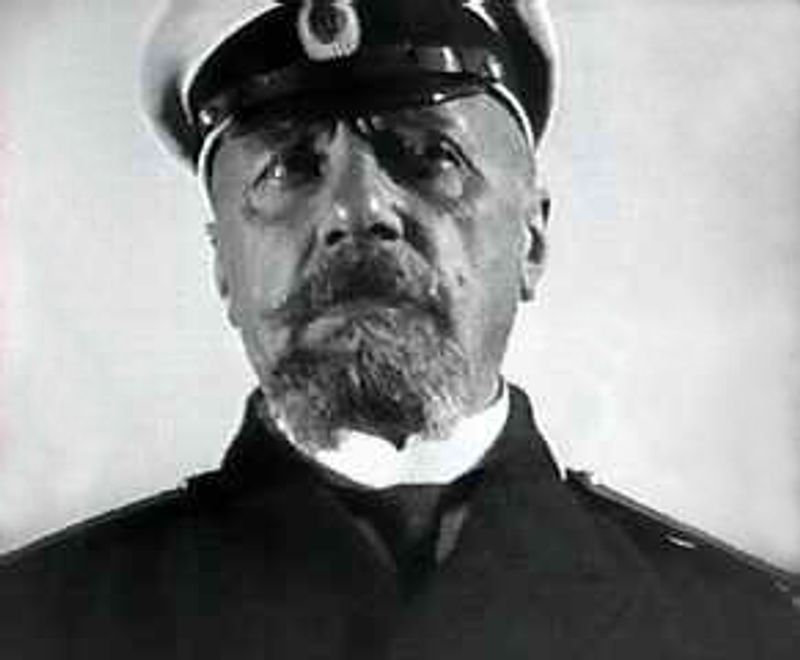
Sergei Eisenstein’s 1925 propaganda film revolutionized editing with its famous Odessa Steps sequence.
The film dramatizes a 1905 mutiny with such visual power that it was banned in many countries for decades. Modern audiences struggle with both the silent format and the overtly political messaging that prioritizes ideology over character development.
The innovative montage techniques influenced everyone from Hitchcock to Spielberg. Despite its historical importance, the heavy-handed symbolism and lack of traditional storytelling send casual viewers searching for something with actual dialogue and less revolutionary fervor.
14. The Cabinet Of Dr. Caligari
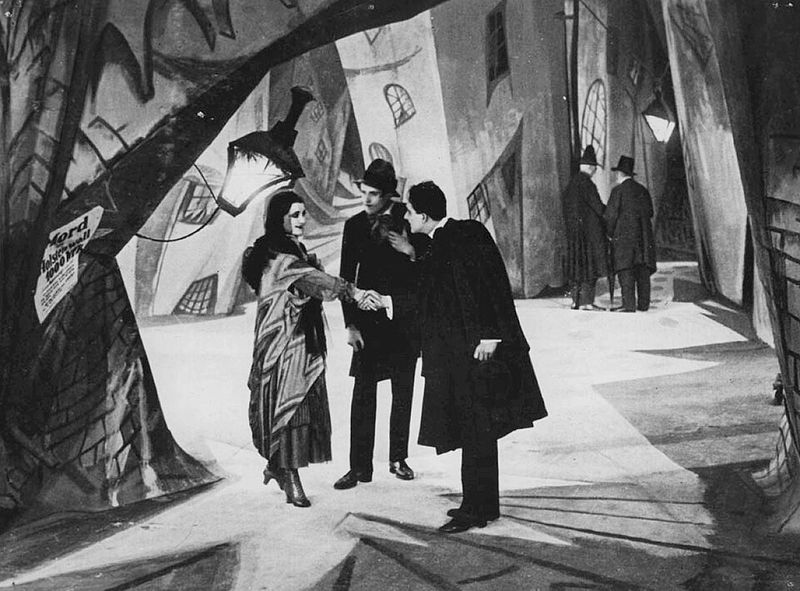
German Expressionism reaches its peak with this 1920 horror film featuring sets that look like a nightmare painted by someone with a protractor phobia. The deliberately artificial backdrops and exaggerated acting style create an unsettling atmosphere that influenced horror cinema for decades.
Viewers expecting conventional scares get psychological unease instead.
The twist ending requires paying close attention throughout, but the stilted silent-film performances and bizarre visuals make concentration difficult.
Many abandon ship during the early scenes, missing the payoff that recontextualizes everything before it.
13. Nosferatu
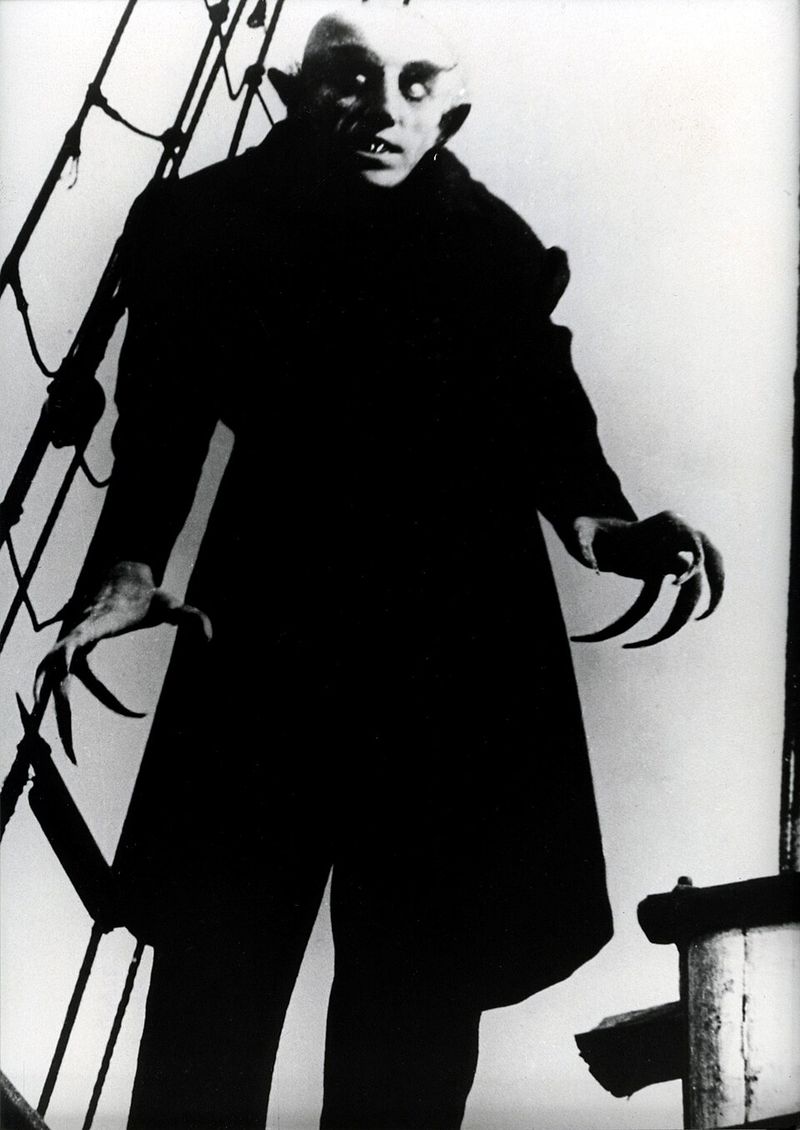
Legal trouble nearly erased Nosferatu after F. W.
Murnau created an unauthorized adaptation of Dracula and Bram Stoker’s estate filed suit.
On screen, Max Schreck’s Count Orlok resembles a walking corpse more than a romantic vampire, generating an eerie atmosphere that modern CGI rarely captures.
Measured pacing and a slow burn style of horror challenge viewers accustomed to sudden jolts and rapid editing. Extended sequences linger on mood instead of action, building dread through shadow, stillness, and unsettling imagery rather than obvious shocks.
Patience rewards the experience, yet plenty of modern audiences reach for a phone before the vampire ever boards his plague ship.
12. Häxan
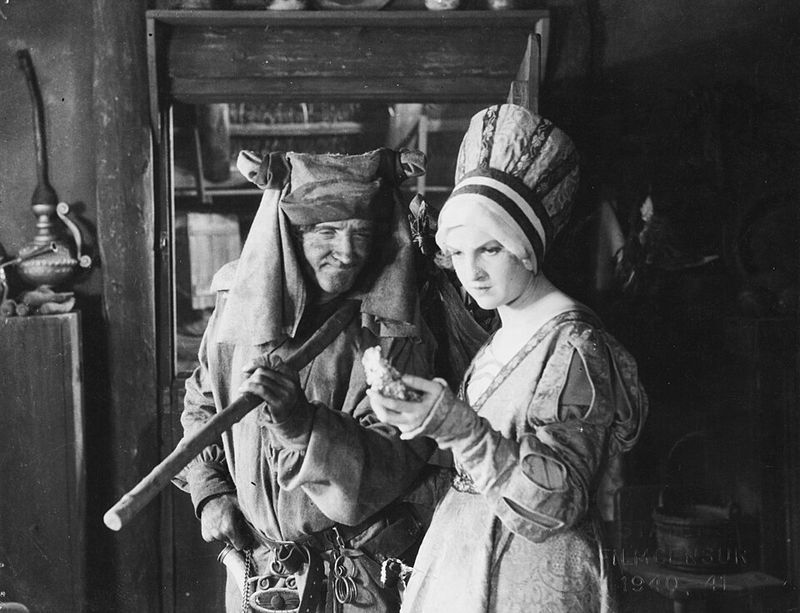
Blurring the line between education and exploitation, the Swedish film Häxan explores witchcraft across history through dramatic reenactments. Behind the camera, Benjamin Christensen also appears on screen as Satan in sequences that remain unsettling more than a century later.
A strange mix of lecture style material and lurid dramatization leaves viewers unsure if they are watching a documentary or a horror film.
Frequent title cards interrupt the visual storytelling, breaking momentum just as the imagery begins to grip attention.
Graphic depictions of torture and demonic visions still shock by modern standards, yet the academic framing makes the experience resemble the most disturbing history lesson imaginable.
11. Ben-Hur
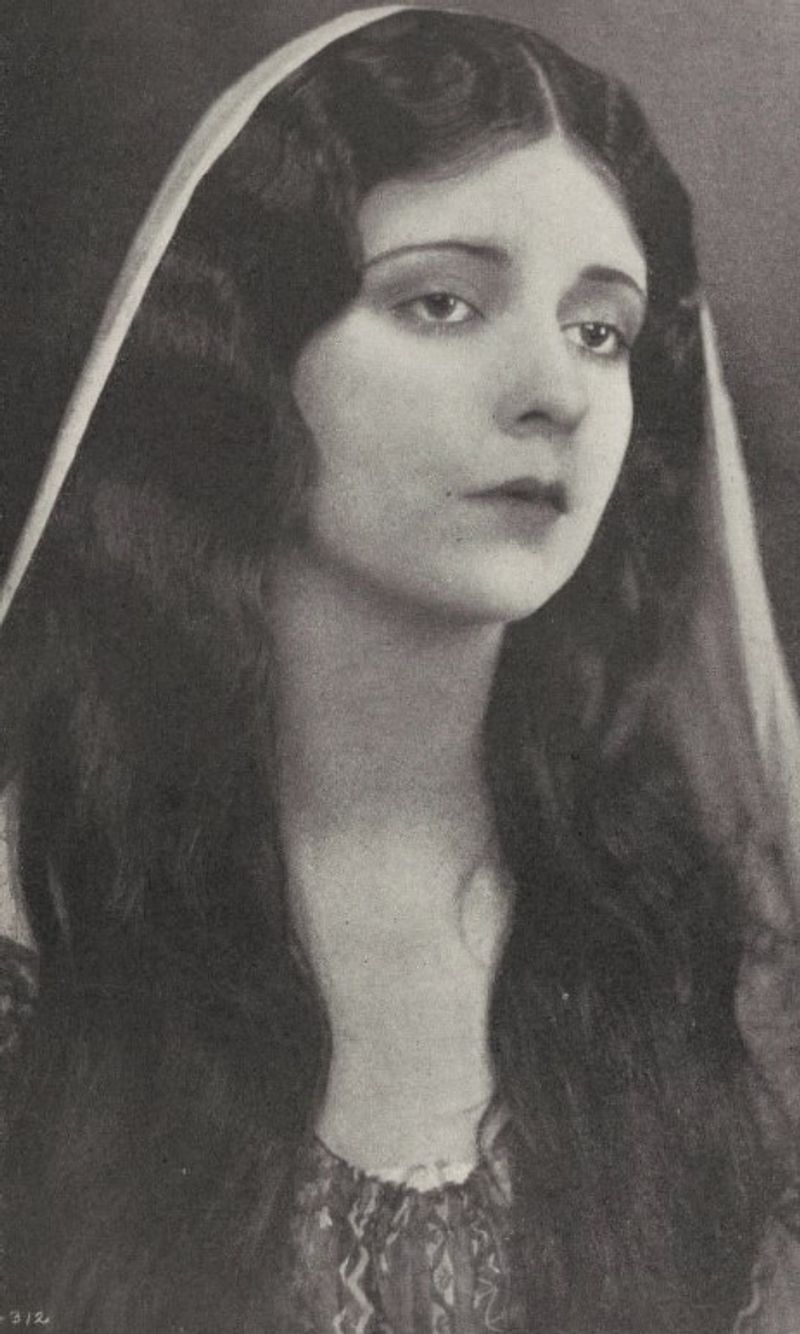
The 1925 silent version runs nearly three hours and cost more than any film made before it.
The famous chariot race remains thrilling even without sound effects, using practical stunts that put modern CGI to shame.
Getting to that sequence requires enduring lengthy setup scenes told through title cards and pantomime. The biblical story unfolds at a pace that assumes audiences have nowhere else to be and nothing else to watch, testing modern attention spans trained on streaming platforms.
The spectacle impresses, but the journey there feels longer than the actual chariot race around the Circus Maximus.
10. The Ten Commandments
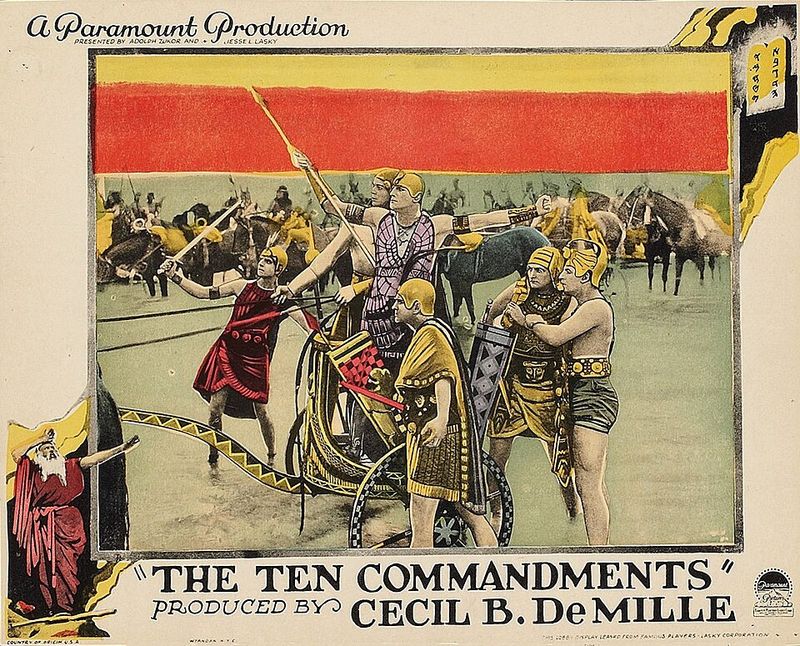
Early epic ambition defines The Ten Commandments, directed by Cecil B. DeMille and split between the Exodus story and a modern morality tale.
Sweeping biblical scenes feature striking practical effects for the era, including the parting of the Red Sea achieved through inventive in camera techniques.
Suddenly, the narrative pivots to contemporary 1920s San Francisco for a heavy handed lesson about keeping the commandments relevant. Sharp tonal shifts combined with a runtime a little over two hours can leave viewers feeling as if two entirely different movies were stitched together.
Many audiences remember The Ten Commandments instead, having drifted away from the silent version during the awkward modern section that plays more like preachy fan fiction.
9. The Thief Of Bagdad
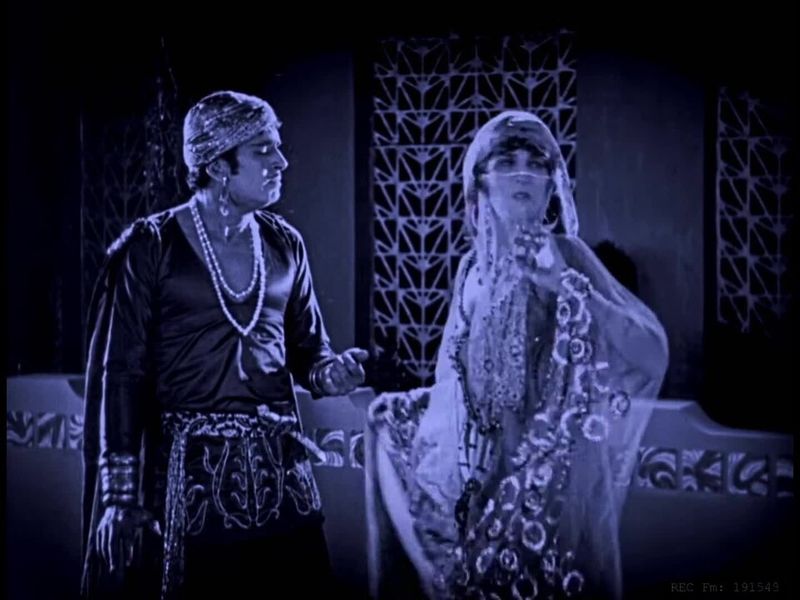
Swashbuckling energy drives Douglas Fairbanks through The Thief of Bagdad, a fantasy spectacle filled with groundbreaking effects and elaborate sets that still impress.
Magic carpets, flying horses, and palace intrigue unfold without a single spoken line of dialogue. Audiences raised on rapid fire editing often find the deliberate pacing challenging despite all the visual splendor on display.
Lengthy stretches of Fairbanks scaling walls and performing acrobatics can feel more like watching an ancestor’s idea of action than the high speed energy modern viewers expect from adventure films.
8. The Phantom Of The Opera
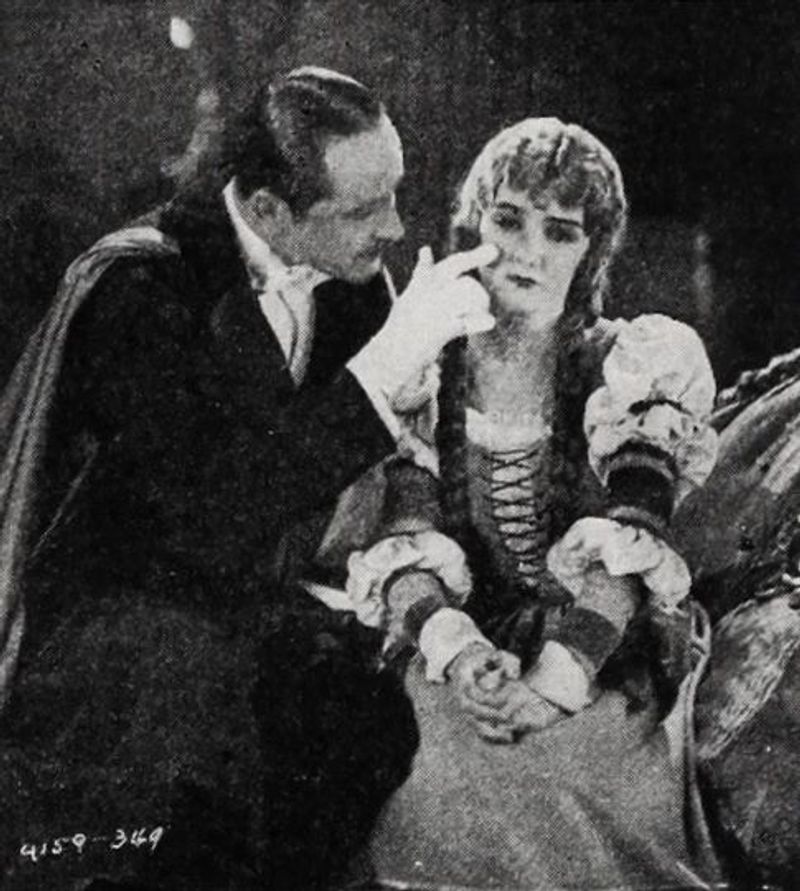
Grotesque transformation defines Lon Chaney’s self applied makeup reveal, which still shocks nearly a century after The Phantom of the Opera premiered.
Elaborate Paris Opera House sets and a heavy Gothic mood create genuine unease without sound effects or spoken dialogue to heighten the tension. Between the horror highlights, the romantic subplot slows the momentum and tests viewer patience.
Exaggerated silent era performance styles can make the characters’ emotions seem overly dramatic to modern eyes.
Lengthy musical passages cause some viewers to drift away, missing Chaney’s towering performance that shaped nearly every Phantom interpretation that followed, from stage productions to later film versions.
7. The General
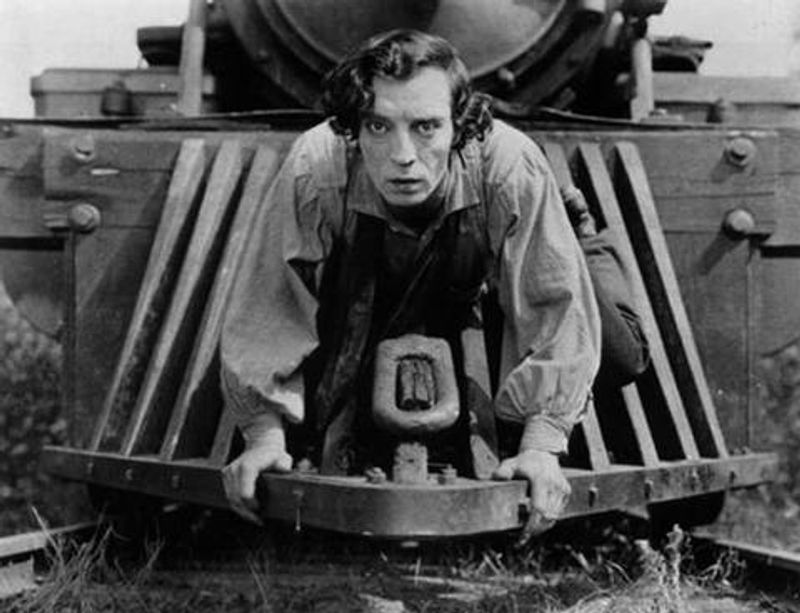
Stone faced precision drives Buster Keaton through The General, a 1926 classic that blends comedy with train stunts still capable of leaving viewers stunned.
Fearless physical gags place Keaton alongside real locomotives, including a dramatic bridge collapse that became one of the most expensive single shots of the silent era. A Civil War backdrop and the absence of spoken dialogue can make the humor feel distant to audiences raised on rapid fire comedies packed with nonstop verbal punchlines.
Subtle physical timing demands more focus than many modern viewers give while half watching and scrolling through a phone.
Gradually, the brilliance comes into focus, yet plenty of people quit early and miss why film scholars continue to call it one of the greatest comedies ever made.
6. Un Chien Andalou
Salvador Dali and Luis Buñuel collaborated on this 1929 surrealist short that abandons narrative logic entirely. The infamous opening sequence involving a razor and an eyeball makes viewers squirm before they realize nothing in the film will make conventional sense.
Dream logic replaces plot as disconnected images pile up without explanation.
At only 16 minutes, the film still feels interminable as viewers search desperately for meaning in deliberately meaningless imagery.
Many tap out after the shocking opener, missing the point that surrealism aims to disturb rather than entertain or enlighten.
5. The Golem: How He Came Into The World
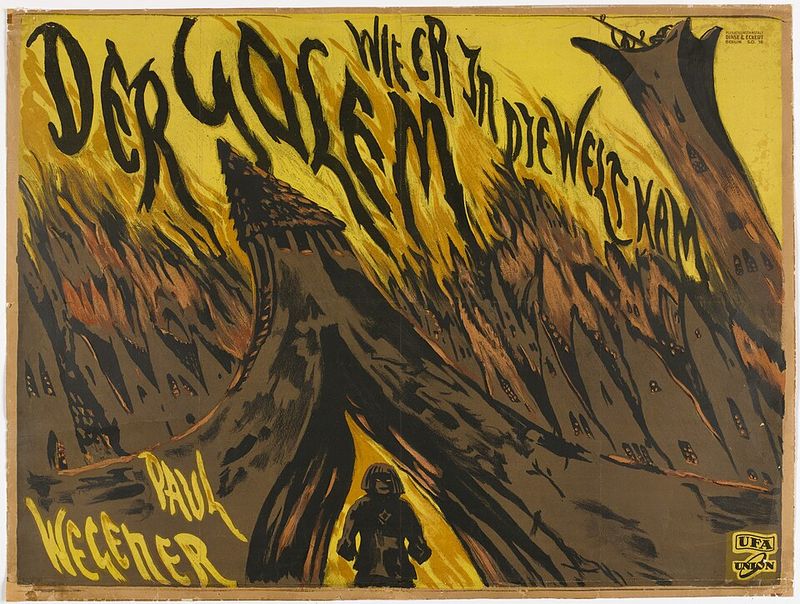
This 1920 German film brings Jewish folklore to life through Expressionist visuals and elaborate sets depicting medieval Prague.
The clay monster created to protect the Jewish ghetto influenced everything from Frankenstein to modern superhero origin stories.
The slow-burn approach to horror and heavily stylized acting make modern viewers fidget during extended atmospheric sequences.
Cultural context that would have resonated with 1920s audiences gets lost on contemporary viewers unfamiliar with the original golem legends, leaving them wondering why everyone seems so worried about an ambulatory clay statue that moves like molasses.
4. Carnival Of Souls
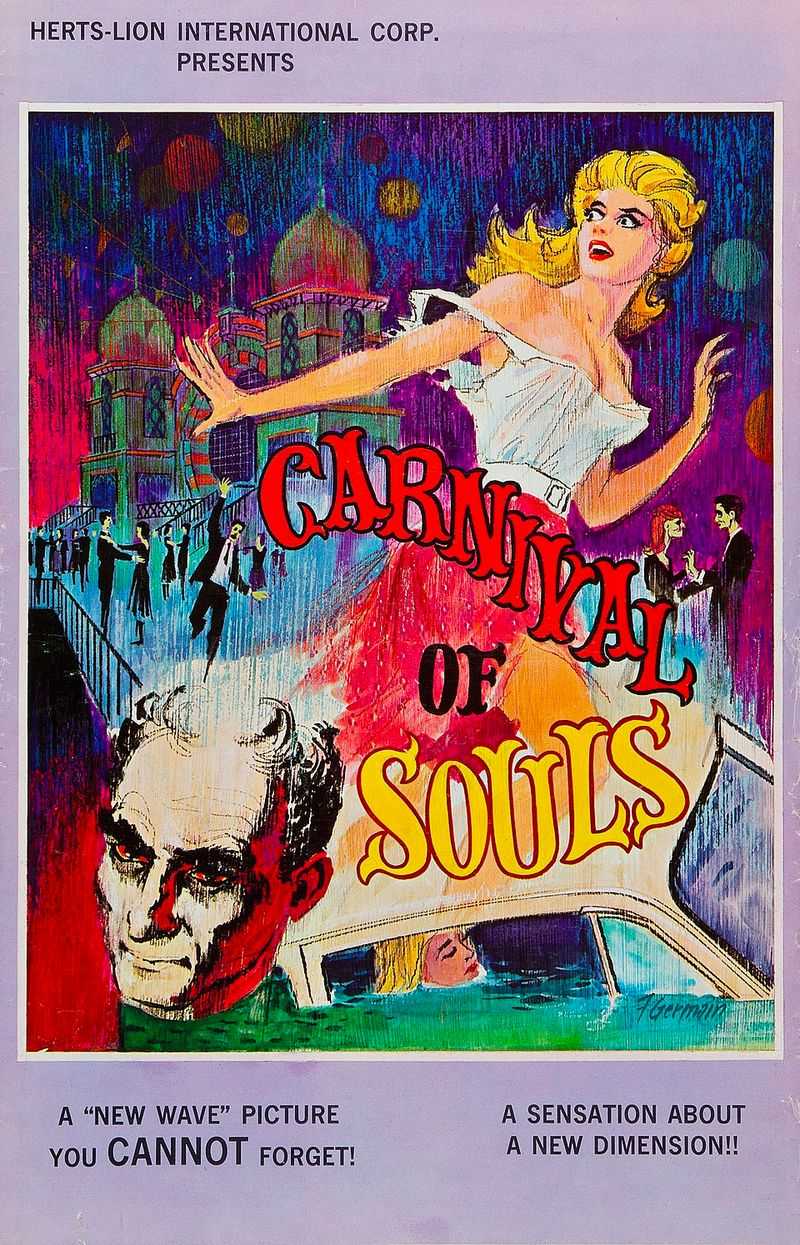
Made for just thirty three thousand dollars, Carnival of Souls became a cult classic that shaped horror cinema for decades with its eerie atmosphere and ambiguous storytelling. After surviving a car crash, a young woman feels an unsettling pull toward an abandoned carnival pavilion as ghostly figures begin to follow her.
Ultra low budget constraints show through uneven acting and technical roughness that can pull modern viewers out of the experience.
Extended stretches of near silence and sparse dialogue build unease yet also try the patience during moments that feel stretched to reach feature length instead of propelled by story.
3. Night Of The Living Dead
George Romero’s 1968 zombie masterpiece invented the modern undead genre on a shoestring budget.
The black-and-white photography and documentary-style approach create visceral horror that shocked audiences accustomed to Gothic monster movies.
Viewers expecting fast-paced zombie action get claustrophobic dread and social commentary instead, as characters trapped in a farmhouse argue while ghouls slowly surround them.
The deliberate pacing and extended dialogue scenes between attacks make modern audiences raised on running zombies reach for the fast-forward button, missing the psychological tension that made the film revolutionary.
2. Plan 9 From Outer Space
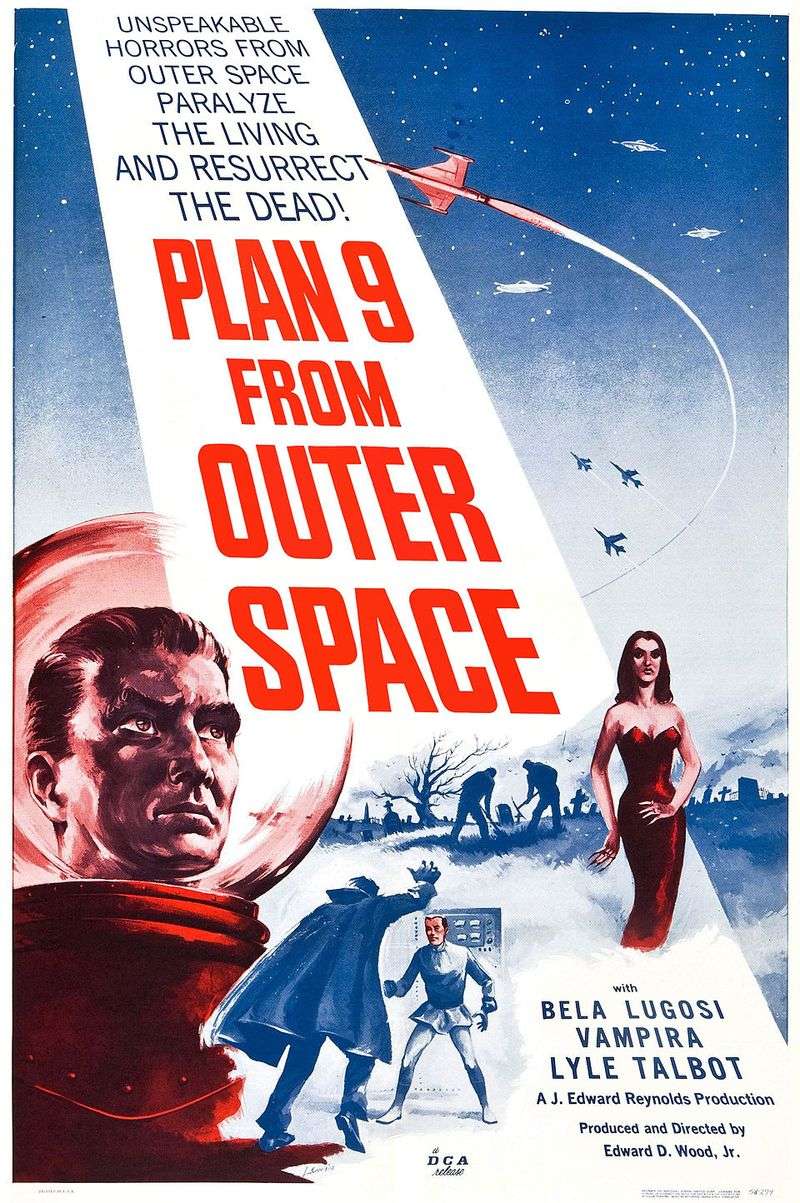
Infamy surrounds Plan 9 from Outer Space, Ed Wood’s science fiction misfire that many still label among the most infamous. Visible strings dangle from flying saucers while performers collide with flimsy cardboard sets and stumble through their lines with earnest incompetence.
Bela Lugosi died before the film was made; Ed Wood later inserted earlier silent footage of Lugosi and used a double for additional shots.
An already muddled story about aliens raising the dead to stop humanity from creating a doomsday weapon grows more confusing with every scene.
Even devoted bad movie fans can tire during the slower stretches, discovering that nonstop ineptitude eventually becomes draining instead of delightful.
1. Manos: The Hands Of Fate
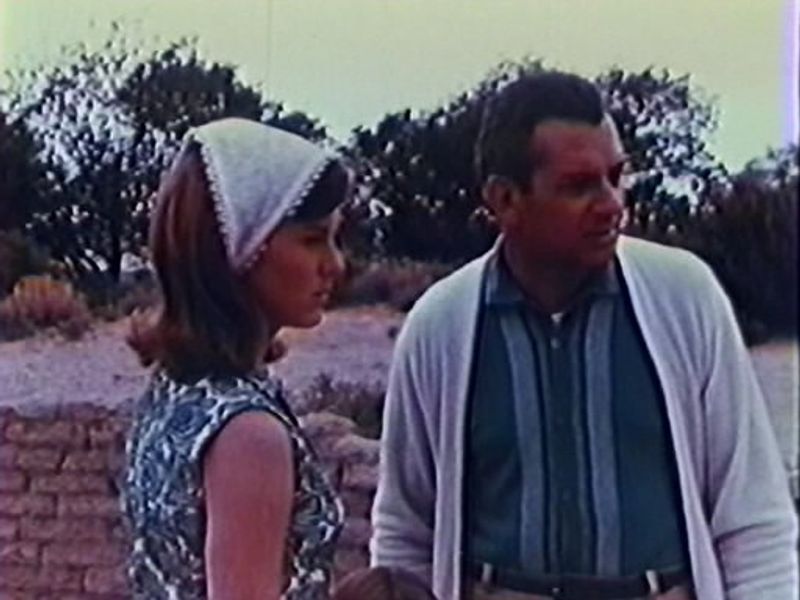
Few horror misfires make Plan 9 from Outer Space look polished, yet Manos The Hands of Fate somehow manages it. Behind the notorious stood fertilizer salesman Harold P.
Warren, who made the movie on a bet that he could create a hit horror film and failed in spectacular fashion.
Aimless plotting follows a family wandering into a desert cult, padded with long stretches of walking and driving that stretch the runtime without adding tension.
Riffing from Mystery Science Theater 3000 adds some laughs, yet even comedic commentary struggles to overcome the film’s deep seated technical and storytelling problems.
Glacial pacing and uneven craftsmanship wear down even devoted bad movie fans hoping for ironic fun.