
Movies Where The Bad Guys Earn The Sympathy
Alright, honest moment: have you ever caught yourself quietly rooting for the villain?
Don’t deny it, cinema keeps handing us villains so charming, tragic, or oddly relatable that suddenly the hero feels like the one interrupting the story.
Consider this the case file: Hollywood didn’t just make villains memorable, it made us understand them.
1. Maleficent (2014)
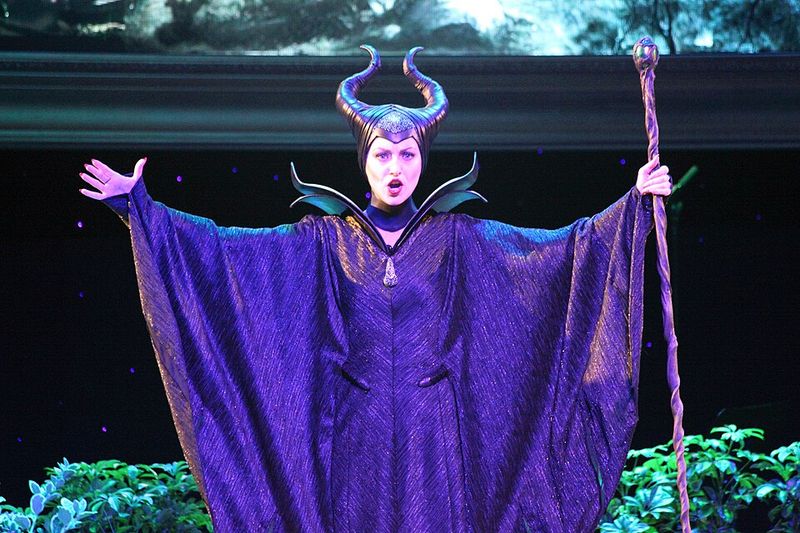
Dark wings spread wide across a stormy sky as a fallen fairy godmother rises into view. Betrayal cuts deeper than any sword, and Angelina Jolie’s Maleficent understands that truth better than most.
What once appeared as pure evil in the original Sleeping Beauty receives a complete reimagining, revealing a protector wounded by love gone wrong.
The film turns the classic tale on its head, showing how one broken heart can curse a kingdom. When trust shatters like glass underfoot, even the gentlest soul might grow thorns.
2. Joker (2019)

Arthur Fleck wanted nothing more than to make people laugh, yet the world kept knocking him down and turning comedy into tragedy with every ignored cry for help. On screen, Joaquin Phoenix delivers a performance that feels like watching someone slowly sink beneath the surface.
Personal mental health struggles collide with deep societal neglect, creating the path toward Gotham’s most infamous villain.
Storytelling focus stays on context and consequences, showing how isolation and systemic failure can deepen a person’s spiral – without endorsing harm.
3. Megamind (2010)
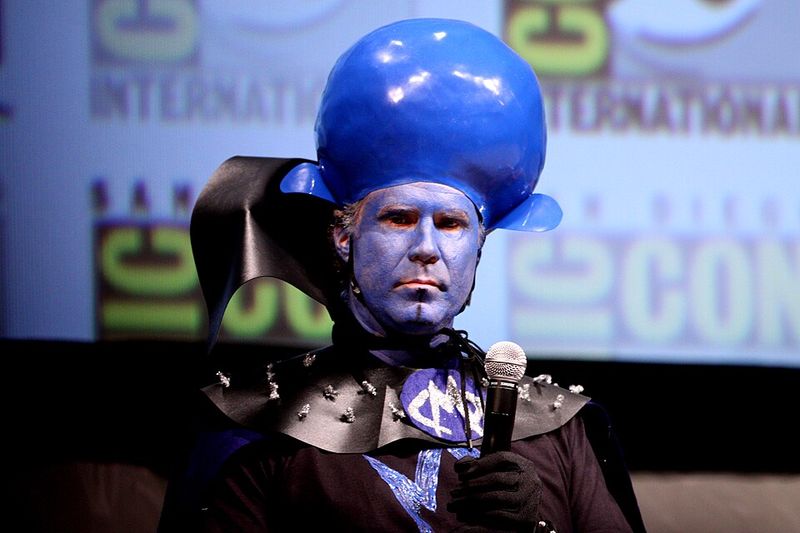
Born to be bad? Megamind never had a choice in the matter, landing in a prison instead of a mansion.
Growing up as the designated loser shapes you in ways playground bullies never understand.
Will Ferrell voices this blue-skinned genius with surprising heart, proving that labels stick harder than super glue. The animated villain discovers that winning everything means losing what matters most, and sometimes the bad guy just needs someone to believe in him for once.
4. Despicable Me (2010)
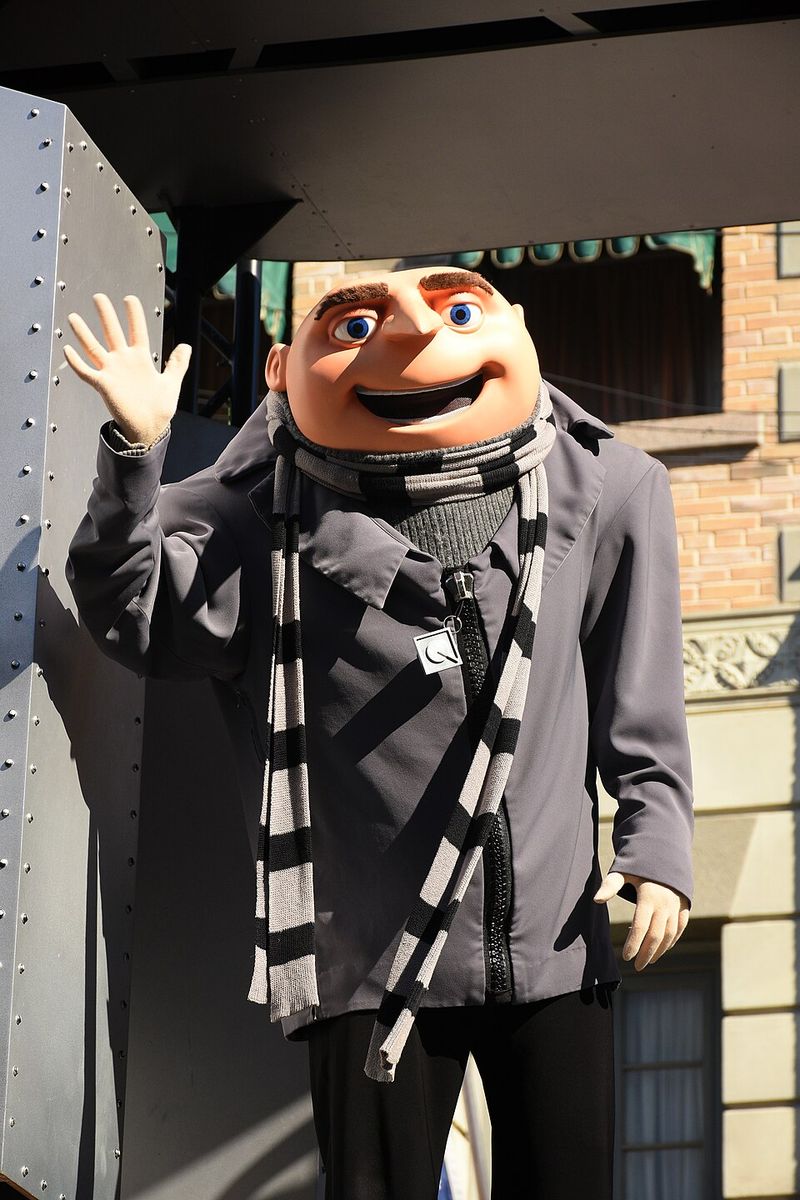
Moon-stealing ambitions quickly unravel once three little girls begin stealing his heart instead.
A supervillain with a pointy nose and a ridiculous accent never stood a chance against bedtime stories and goodnight kisses. Steve Carell brings warmth to a character who discovers that raising kids proves harder than any heist.
Beyond the Minions and chaos, real magic appears when a lonely man realizes family is not about DNA but about showing up every single day.
5. The Bad Guys (2022)
Mr. Wolf and his crew faced judgment for their teeth and scales from the very beginning.
Long before any crime was committed, society labeled them as villains, leaving little reason not to lean into the role. An animated heist story raises a familiar question about whether real change is possible when expectations never shift.
Reformed criminals soon learn that choosing goodness becomes the toughest con they have ever attempted, especially when a reputation enters every room ahead of them.
6. Hotel Transylvania (2012)

Fear of the human world drives Dracula to build a monster hotel meant to keep his daughter safe.
The character played by Adam Sandler is an overprotective vampire parent who discovers that enclosing loved ones in a golden cage is far from being a genuine act of love.
Centuries of fear and misunderstanding created walls higher than any castle tower.
The film flips the script by showing monsters as the frightened ones, simply trying to survive in a world that wants them gone. Sometimes the real threat comes from the crowd holding torches and pitchforks.
7. The Grinch (2018)
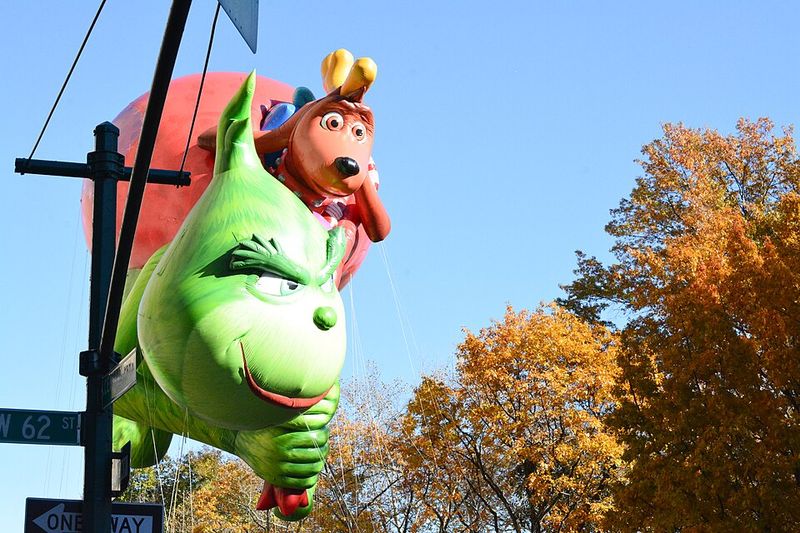
High above Whoville lives a certain green grouch with more going on than meets the eye. Plenty of reasons hide behind that scowl.
Benedict Cumberbatch gives the Grinch a voice filled with layers that reach far beyond simple holiday grumpiness.
Loneliness echoes in the quiet spaces between Christmas carols, while watching others celebrate only makes the cold feel sharper.
Even the hardest hearts may soften with enough warmth, as demonstrated by an animated recreation that shows a creature who never really experienced joy and instead learnt to detest it.
8. Wreck-It Ralph (2012)

Smashing buildings earns Ralph a living, yet invitations to the victory party never arrive.
John C. Reilly voices an arcade villain who grows tired of sleeping in a brick pile while the hero enjoys a penthouse.
Being programmed as the bad guy does not mean accepting that role forever.
Identity gets tested when someone is defined by the worst moments instead of the best intentions.
Sometimes everything has to be wrecked before a person can rebuild themselves.
9. Blade Runner (1982)

All the replicants ever wanted was more life, and that desire feels impossible to dismiss.
Ridley Scott’s masterpiece raises uneasy questions about humanity when artificial beings seem capable of feeling more deeply than the people who created them.
Roy Batty’s “tears in rain” speech lands with greater weight than any action sequence, showing a replicant searching for meaning at the end of his life. Manufactured slaves rebel not out of evil intent but from a profoundly human longing for existence beyond an expiration date.
10. Terminator 2: Judgment Day (1991)

What begins as a killer robot story gradually turns into something far more human, as a machine becomes an unexpected father figure. Through his bond with a ten-year-old boy, Arnold Schwarzenegger’s T-800 starts learning humanity in ways no programming could predict.
Soon, a Terminator sent to protect rather than destroy discovers sacrifice, humor, and even the reason humans cry.
By the sequel’s end, James Cameron shows that change is not only possible but necessary, turning a once terrifying machine into the most reliable guardian when everything is on the line.
11. King Kong (1933)
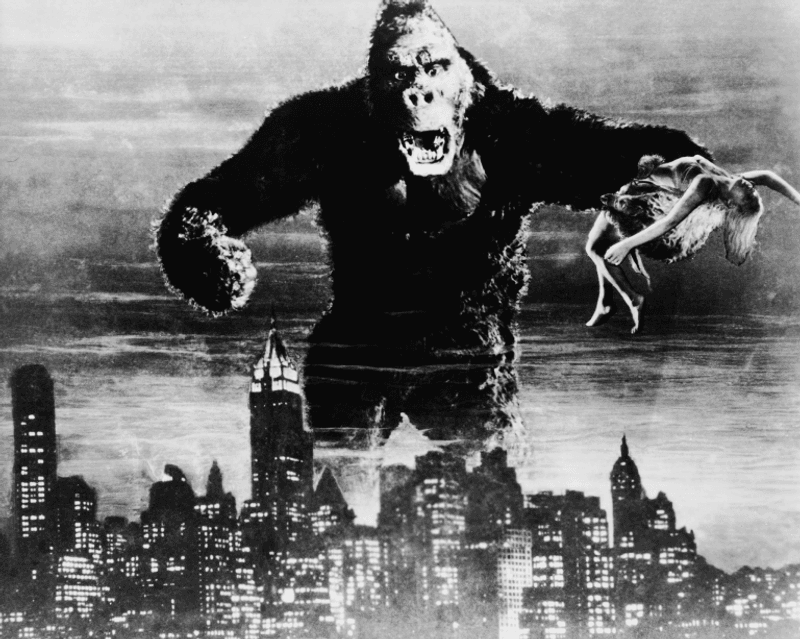
Captured, chained, and paraded like a circus act, Kong never asked for any of this.
The giant ape just wanted to be left alone on his island, but humanity couldn’t resist turning wonder into profit. Fay Wray screams, but Kong’s the one truly terrified, ripped from his home and displayed for gawking crowds.
The 1933 classic reminds us that beauty didn’t kill the beast; greed and exploitation did, one chain link at a time.
12. Frankenstein (1931)
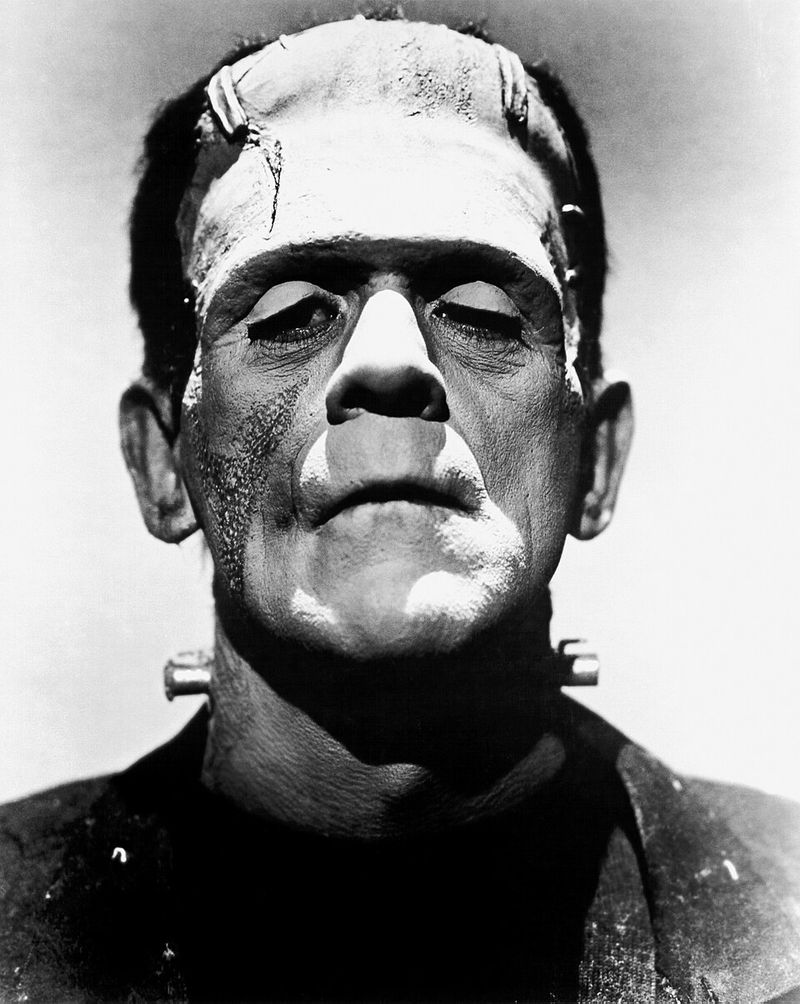
Boris Karloff’s creature never chose a fate stitched together from taken remains. He awakens in a world that screams at the sight of him, rejected by the very creator who gave him life.
Crimes emerge from loneliness so crushing that it turns into rage, leaving behind a child abandoned in a hostile world.
James Whale’s film asks who the real monster truly is, the creation seeking love or the scientist playing God without taking responsibility.
13. Dracula (1931)
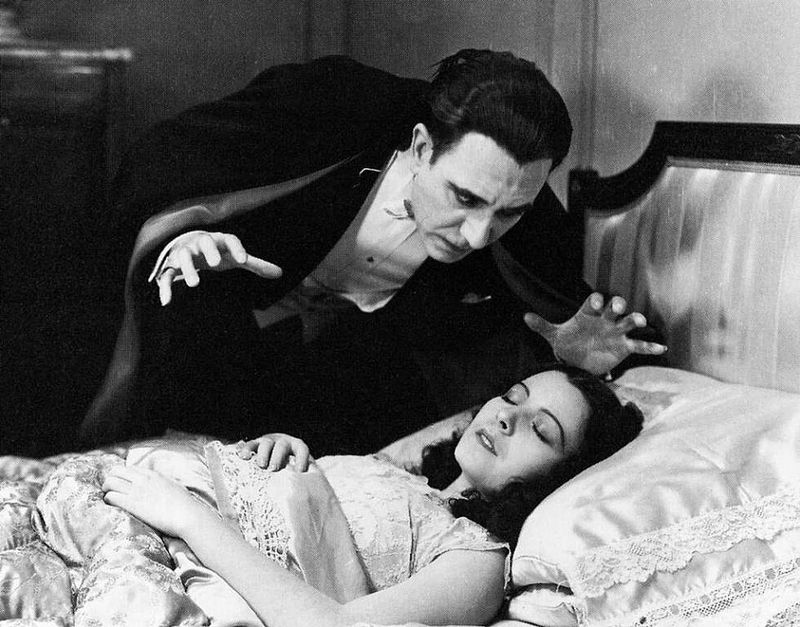
Isolation built over centuries lingers behind those hypnotic eyes. Dracula hunts because his curse demands it, trapped in an existence between living and fading, with no clear escape.
Connection becomes possible only through the rules of his nature, even when that bond requires draining life from others.
Universal’s classic horror film presents a creature who feels more like a prisoner than a predator, bound by a supernatural hunger he never chose to carry through endless lonely nights.
14. Godzilla (1954)
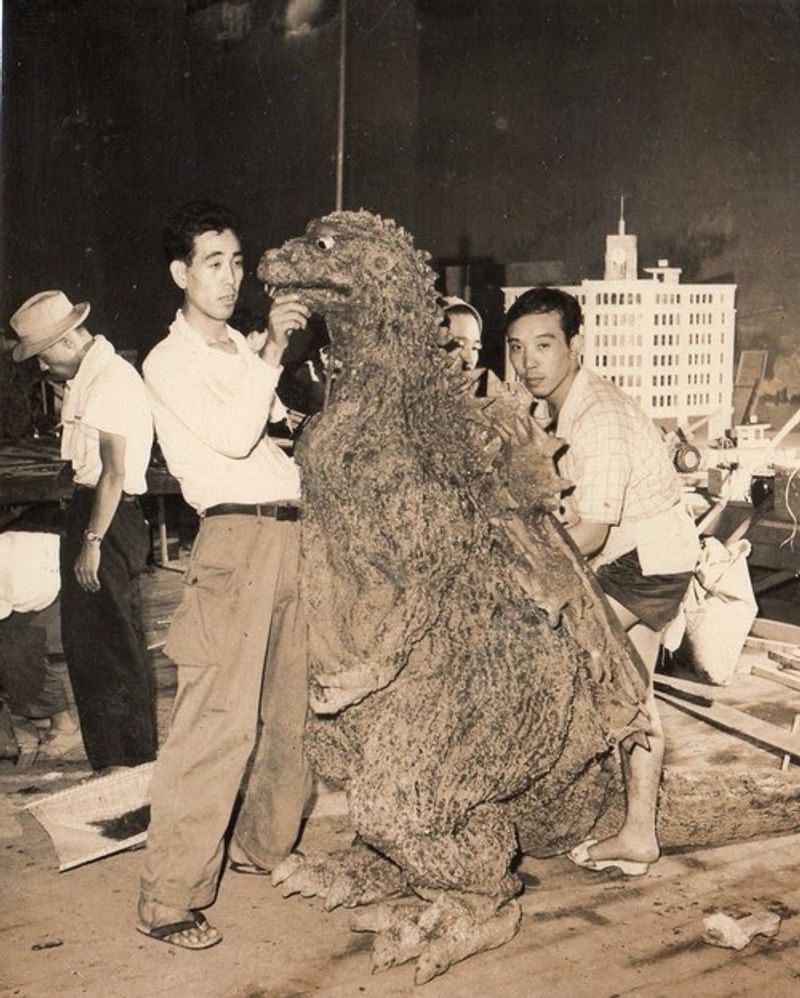
Humanity’s own weapons gave rise to Godzilla, leaving no one else to blame for the destruction that followed. In Ishiro Honda’s original film, the kaiju appears as a living consequence of nuclear warfare, a victim of radiation transformed into a walking nightmare.
Rather than acting from simple malice, the creature tears through Tokyo in pain and confusion, existing as a creature never meant to survive in such a world.
Japan’s postwar trauma takes physical form through every crushing step, reminding audiences that consequences can grow large enough to level entire cities.
15. Venom (2018)
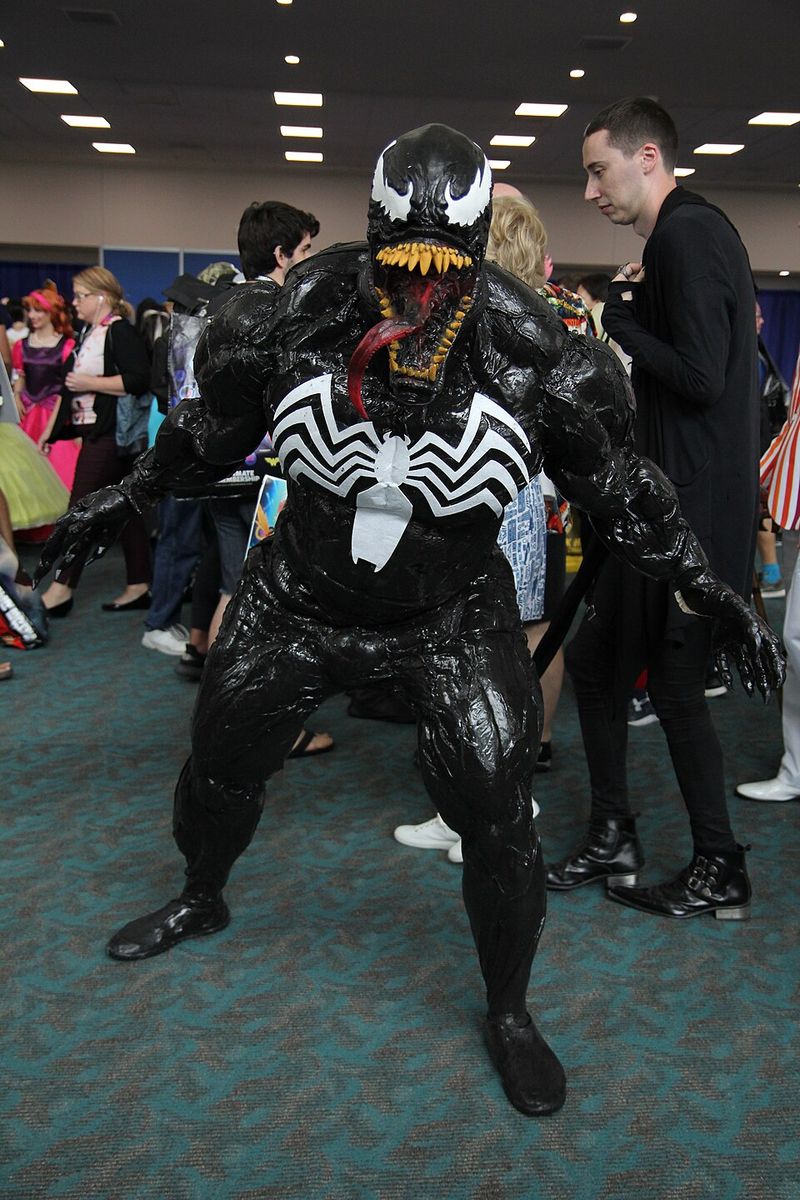
Unexpected friendship forms when an alien parasite bonds with a struggling journalist. Tom Hardy plays both Eddie Brock and his snarky symbiote roommate, creating chemistry that feels equal parts buddy cop comedy and possession horror.
Venom devours bad guys and chocolate with the same enthusiasm, learning morality from a host who barely has his own life together.
Even unlikely antiheroes sometimes need someone willing to believe in them, preferably a companion with a decent snack budget.
Important: Selections reflect widely known films and commonly discussed character arcs; interpretations of “sympathetic villains” are subjective and may vary by viewer, context, and genre.


_logotype.png)
.jpg)
.jpg)
.svg)

.jpg)


.png)

.jpg)
.jpg)
_(behind_the_scenes).jpg)
