19 Movies With Remarkably Large Casts
Hollywood loves a good crowd scene, and some movies treat the call sheet like a phone book. Casting directors must’ve said “yes” to everyone, then asked questions later.
Every pick on this list somehow wrangles that massive roster into something watchable, memorable, and occasionally downright magical. Stick around for the films that prove “too many stars” can still shine.
Note: Information here reflects widely available film credits and commonly reported production notes as of February, 2026. Descriptions also include light editorial interpretation for entertainment value, and some figures about extras, cameos, or production scale can vary by source or how “cast” is defined.
1. Avengers: Endgame (2019)

A decade of heroes converged on one screen, showcasing Marvel’s most ambitious casting feat.
Robert Downey Jr., Chris Evans, Scarlett Johansson, and dozens of others shared the spotlight in a sprawling three-hour adventure. Coordinating so many A-listers must have demanded a team of logistical superheroes behind the scenes.
The final battle assembled characters like the world’s most extravagant class reunion.
Fans’ long-awaited dream came true, as the studio delivered with the joy and chaos of a toy chest dumped open.
2. Around The World In 80 Days (1956)
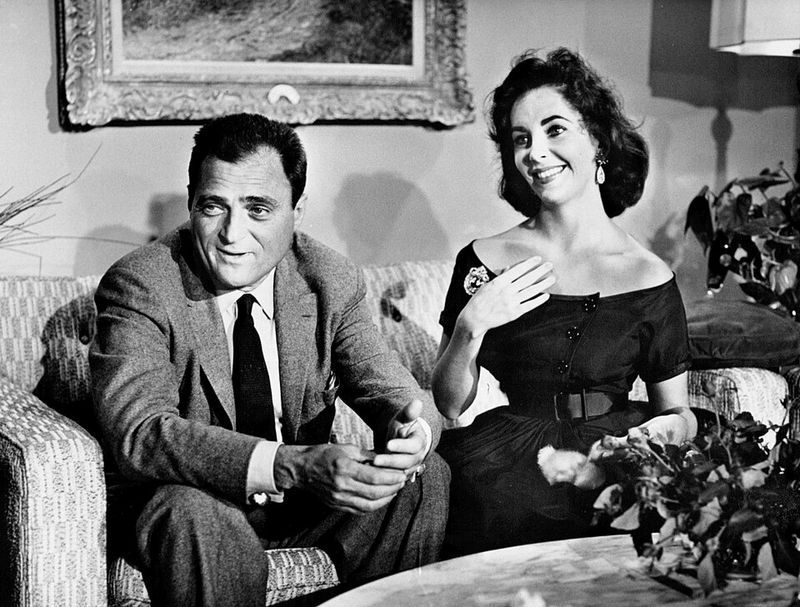
David Niven plays Phileas Fogg on a globe-trotting adventure packed with cameos from nearly every famous face of the era.
Producer Mike Todd packed the film with celebrity cameos throughout the film, from Frank Sinatra to Marlene Dietrich. Each continent brings a new surprise celebrity appearance that must have delighted 1950s audiences like spotting Easter eggs in a modern blockbuster.
The production traveled to thirteen countries and assembled one of the most playful ensemble casts ever put on film.
3. The Ten Commandments (1956)
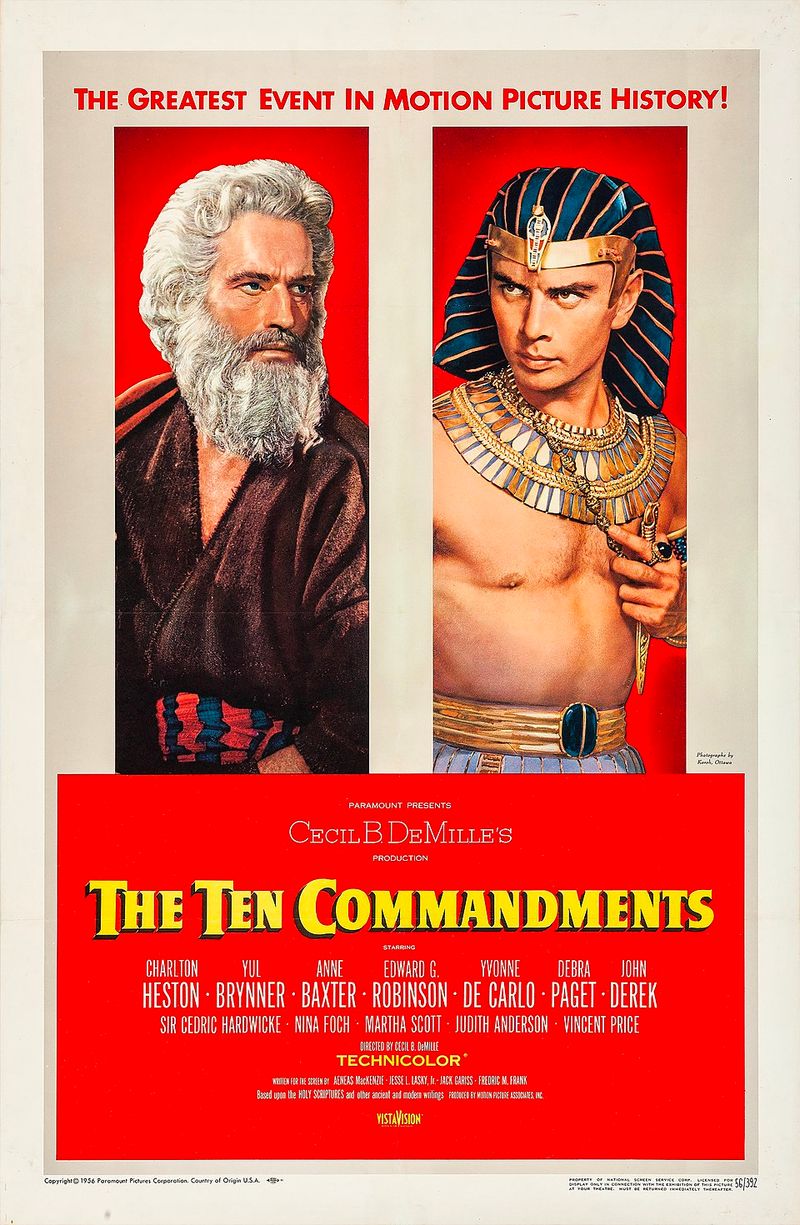
The Red Sea parts dramatically, guided by Charlton Heston and a cast of thousands. Yul Brynner, Anne Baxter, and Edward G. Robinson provide star power while thousands of extras bring the biblical world to life.
Director Cecil B. DeMille delighted in scale, making this his most ambitious people-wrangling project.
Plagues, exodus scenes, and Mount Sinai moments unfold with a sense of true grandeur. Even decades later, the production stands as one of Hollywood’s largest and most impressive undertakings.
4. A Bridge Too Far (1977)
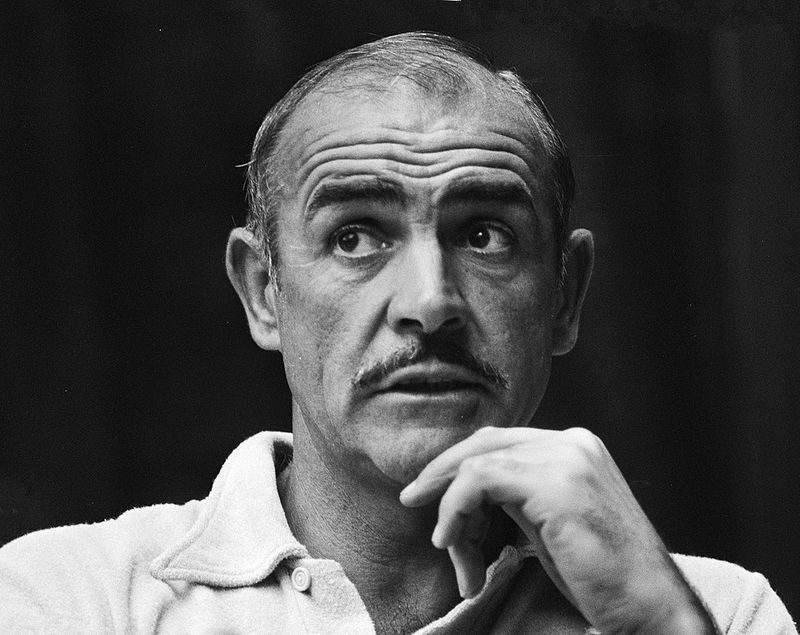
Operation Market Garden comes to life through an all-star cast including Sean Connery, Michael Caine, Gene Hackman, and Anthony Hopkins.
Director Richard Attenborough somehow convinced nearly every major actor of the 1970s to sign on for this ambitious war epic. Robert Redford, Laurence Olivier, and James Caan round out a roster that could fill its own phone book.
Coordinating so many schedules must have been harder than planning the actual military operation. Each star brings weight to their role, making the doomed mission feel even more tragic.
5. The Longest Day (1962)
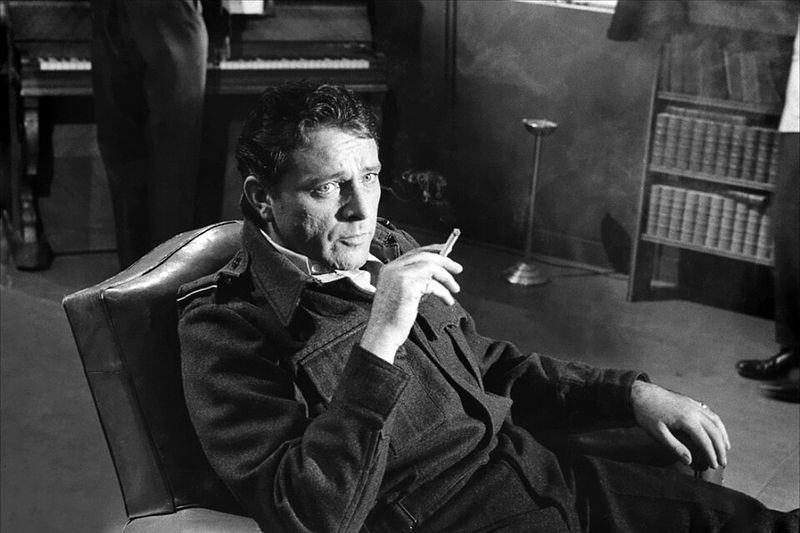
D-Day comes to life through multiple perspectives, with an international ensemble anchored by John Wayne, Henry Fonda, Robert Mitchum, and Richard Burton. Three directors guided the production, each handling American, British, or German storylines brimming with recognizable faces.
Sean Connery appears as a British private just before stepping into the role of James Bond, while Rod Steiger commands as a destroyer captain.
Forty-two international stars populate the recreation, each lending authenticity to their nation’s experience of the invasion. Every angle contributes to a sprawling portrait of the war’s most pivotal day.
6. The Greatest Show On Earth (1952)
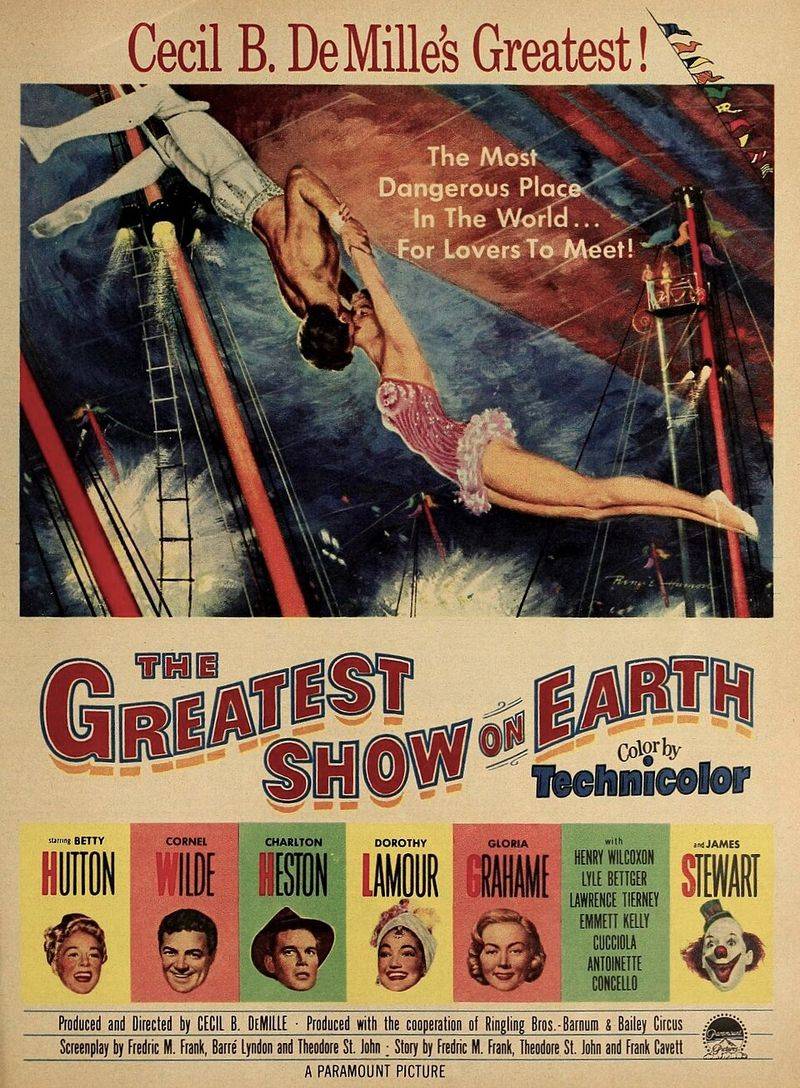
Under the big top, Cecil B. DeMille guides audiences through a world of spectacle, led by Charlton Heston, Betty Hutton, and James Stewart.
Filming incorporated the Ringling Bros. and Barnum & Bailey Circus, blending real performers seamlessly into the Hollywood cast.
Acrobats, clowns, and animal trainers share the spotlight with stars, adding authenticity to the carnival energy.
Frames overflow with motion, from swinging trapeze artists to marching elephants, making every scene feel larger than life. The result delivers a cinematic experience that seems like three movies unfolding at once, each connected by color, chaos, and showmanship.
7. Cleopatra (1963)
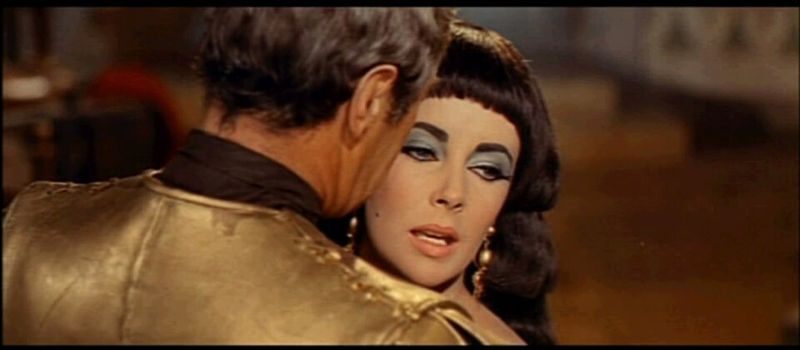
Elizabeth Taylor commands the screen as Egypt’s legendary queen, supported by Richard Burton and Rex Harrison in a production that nearly bankrupted Fox.
The cast list includes thousands of extras dressed in elaborate costumes, filling out scenes of Roman and Egyptian grandeur.
Taylor’s entrance into Rome used an enormous number of costumed performers and took months to choreograph. Every palace scene, every battle, every political intrigue involves crowds of carefully coordinated actors creating the ancient world’s most powerful civilizations.
8. Judgment At Nuremberg (1961)
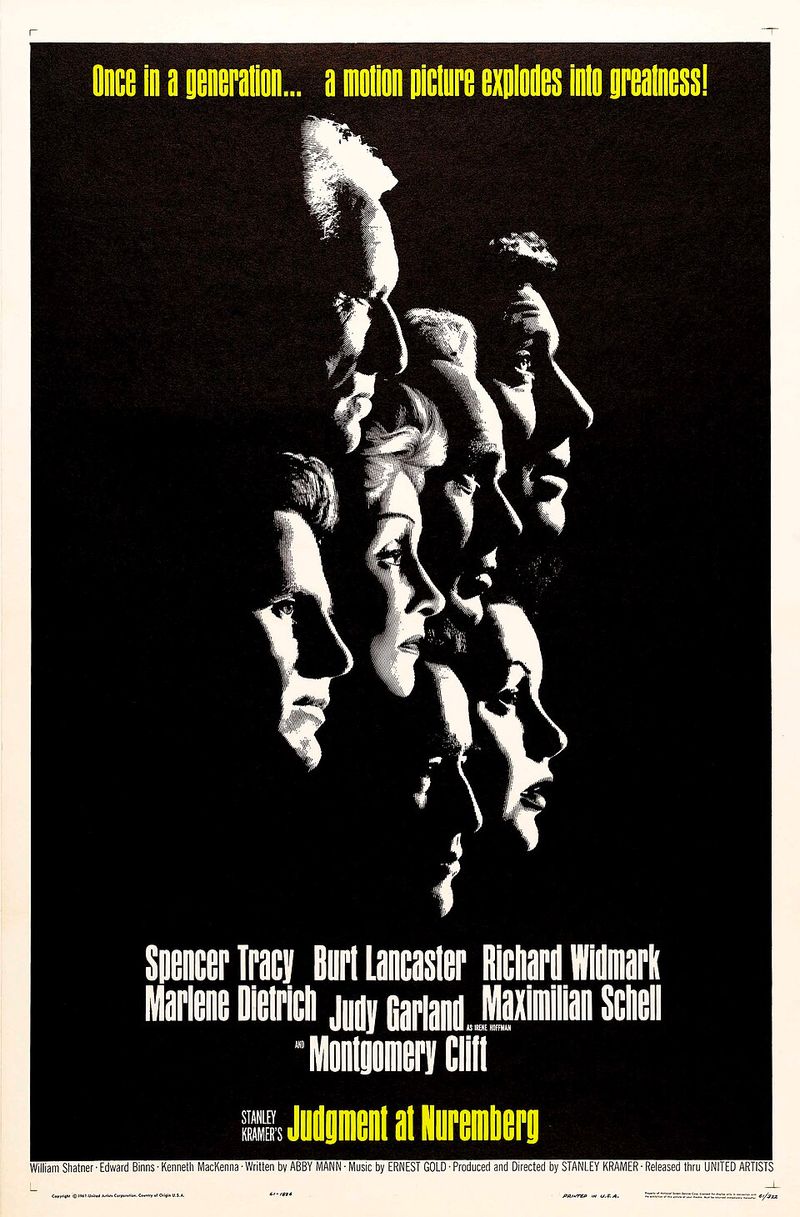
Justice unfolds as Spencer Tracy presides over a war crimes trial, supported by Burt Lancaster, Marlene Dietrich, and Judy Garland in rare dramatic roles. Montgomery Clift and Maximilian Schell anchor a cast that feels like a film history textbook, each bringing weight and gravitas to the subject.
Director Stanley Kramer assembled the ensemble to confront one of history’s most challenging chapters with care and precision.
Courtroom tension builds steadily, with every actor delivering performances that define careers. Each confined scene feels electric, proving that drama thrives even within the strictest walls.
9. How The West Was Won (1962)
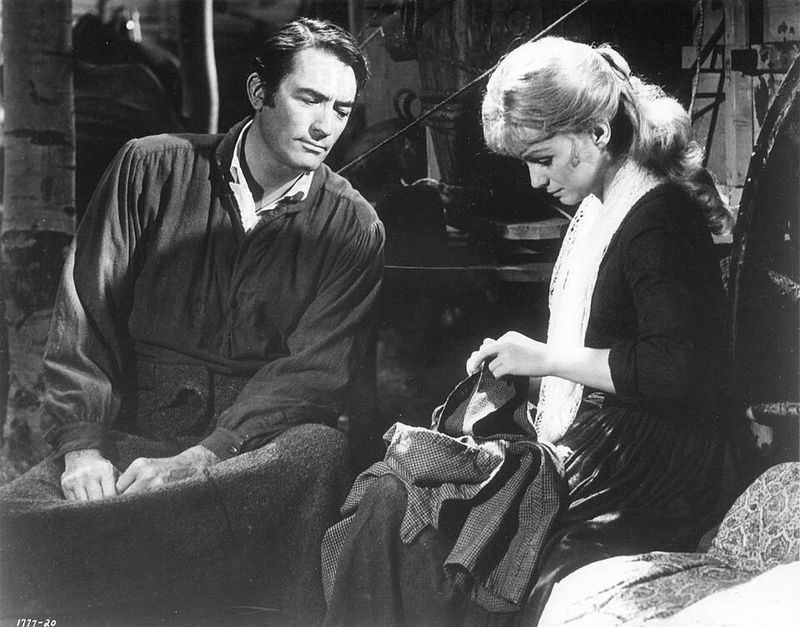
Three generations of pioneers settle the American frontier with help from James Stewart, John Wayne, Henry Fonda, and Gregory Peck.
The production used Cinerama’s three-camera system to capture massive landscapes filled with hundreds of performers. Debbie Reynolds, Carroll Baker, and Karl Malden join a cast that spans fifty years of westward expansion.
Each segment of the story introduces new stars, creating a relay race of talent across decades. Five directors worked on different sequences, each bringing their own ensemble of supporting players.
10. Lawrence Of Arabia (1962)
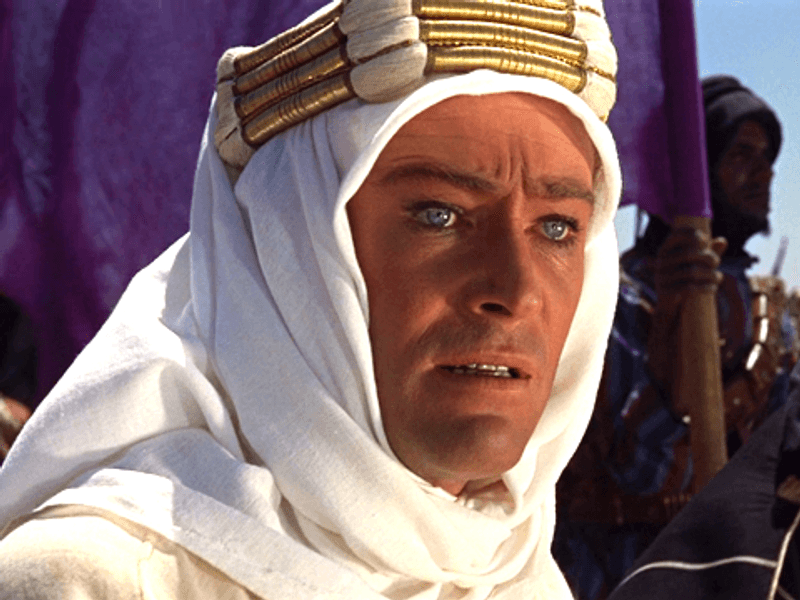
Legend emerges in the Arabian desert as Peter O’Toole leads, with support from Alec Guinness, Anthony Quinn, and Omar Sharif in David Lean’s masterpiece. Sweeping battle scenes and desert crossings come alive through thousands of extras, giving the film its epic scale.
Months of filming in Jordan and Spain allowed massive crowd scenes to unfold against breathtaking landscapes.
Every frame balances human figures against nature, making them feel both small and immensely significant within the story.
Lean’s direction turns scale into storytelling, ensuring the epic scope never overshadows individual drama.
11. Ben-Hur (1959)
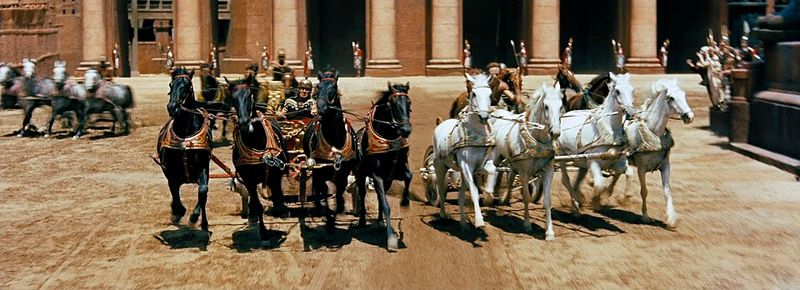
Revenge and spectacle unfold as Charlton Heston races chariots in ancient Rome, joined by Jack Hawkins, Stephen Boyd, and Haya Harareet. William Wyler directed the iconic chariot race with 15,000 extras filling the reconstructed Circus Maximus in Italy.
Crowd scenes demanded military-level coordination to capture the energy and scale of Roman public life.
More personnel were employed than in some small towns, lending authenticity to the empire’s vastness. Every moment on screen reinforces the magnitude of power, spectacle, and human ambition in the ancient world.
12. The Alamo (1960)
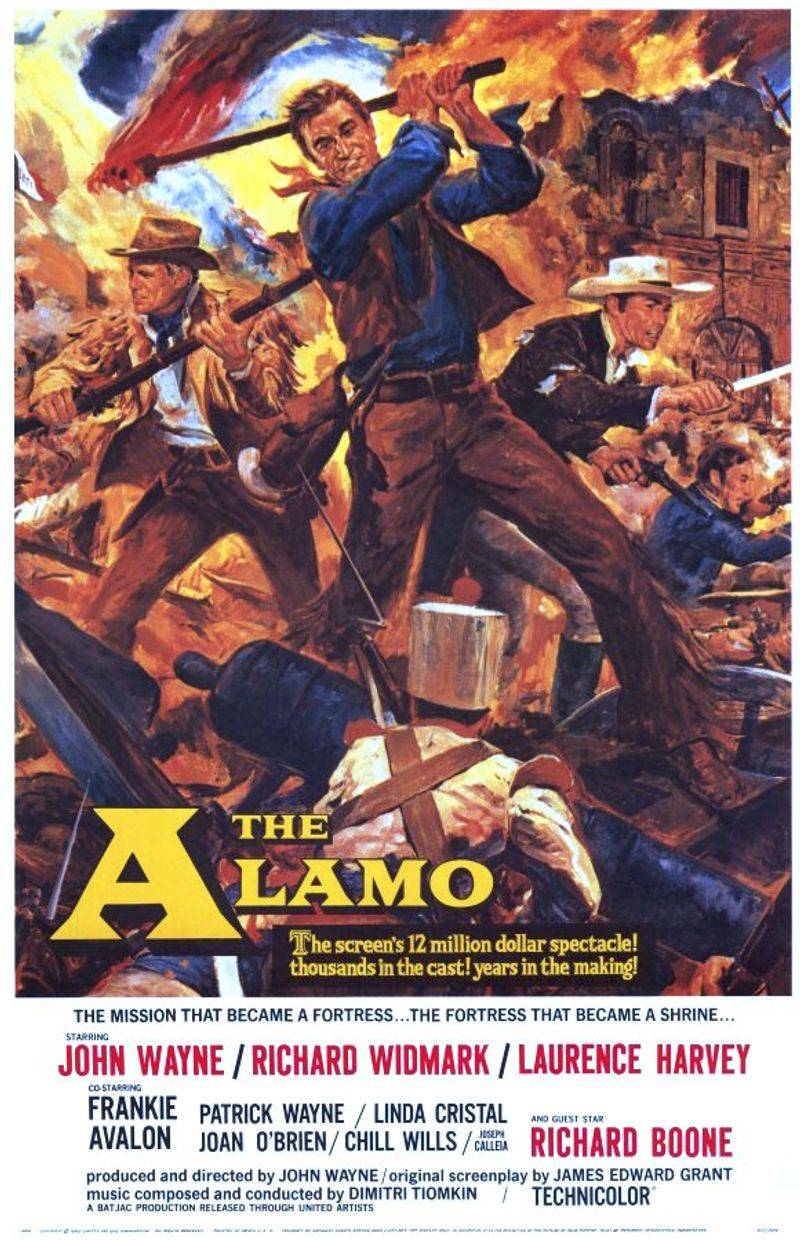
John Wayne directs and stars in this retelling of Texas history, joined by Richard Widmark and Laurence Harvey as legendary defenders.
The production built a full-scale replica of the Alamo mission and filled it with hundreds of extras for the climactic battle scenes. Every skirmish, every quiet moment before the final assault, involves coordinating massive groups of performers in period costume.
Wayne’s ambition resulted in one of the largest sets ever constructed, populated by enough soldiers to stage an actual siege.
13. Exodus (1960)
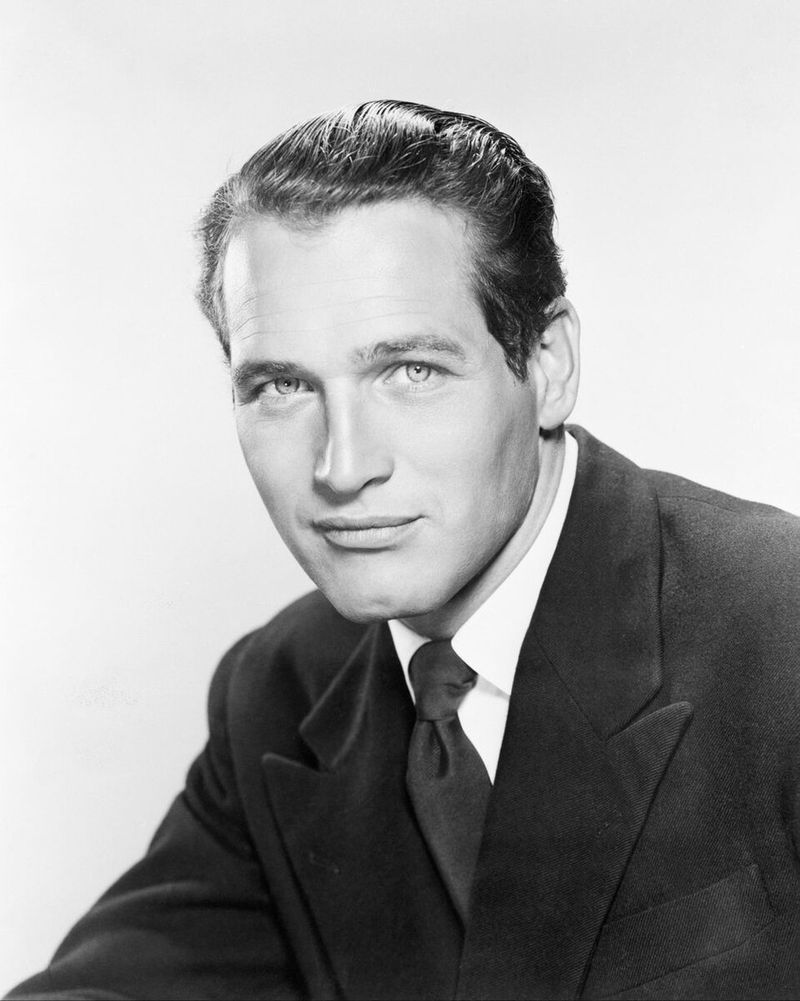
Hope and determination guide Jewish refugees to Israel under the leadership of Paul Newman, joined by Eva Marie Saint and Sal Mineo in Otto Preminger’s adaptation of Leon Uris’ novel. Diverse nationalities populate the cast, reflecting the variety of people helping to build a new nation.
Scenes of refugee camps, ship arrivals, and the nation’s early days feature hundreds of extras, each face conveying survival and resilience.
Preminger filmed on location in Israel and Cyprus, using real landscapes and local performers to enhance authenticity. Every frame captures both the epic scale and intimate human stories that define the birth of a nation.
14. Spartacus (1960)

Ancient Rome erupts as Kirk Douglas leads a slave rebellion, supported by Laurence Olivier, Jean Simmons, and Tony Curtis.
Thousands of extras fill massive battle sequences, orchestrated under Stanley Kubrick’s exacting direction.
Peter Ustinov earned an Oscar for his supporting performance amid a cast of Hollywood heavyweights.
Scenes in the training school demanded coordination of dozens of actors mastering real combat techniques. Every frame conveys both the vast scale of Roman society and the intensity of a rebellion that shook it to its core.
15. The Big Country (1958)
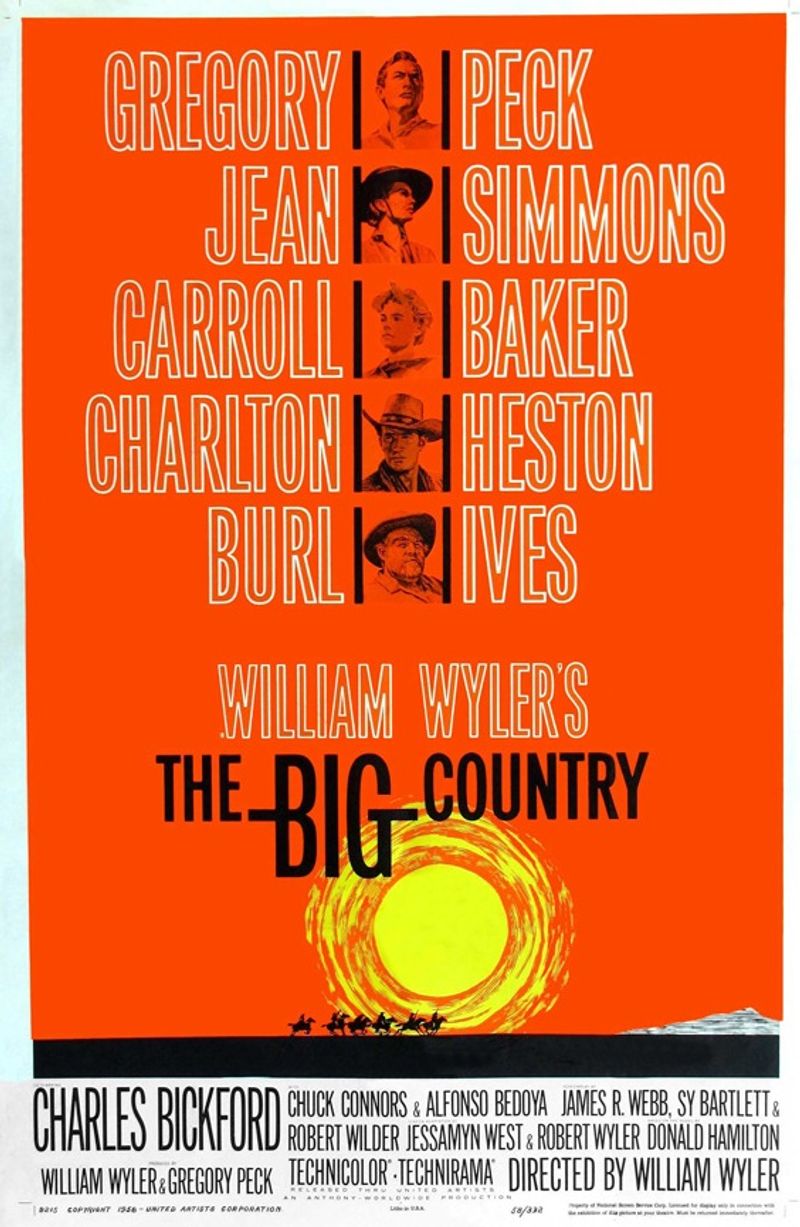
Gregory Peck arrives in the Old West to find a range war brewing, with Charlton Heston, Jean Simmons, and Burl Ives caught in the conflict.
Director William Wyler filled the widescreen frame with cowboys, ranch hands, and townspeople creating an authentic frontier community. Ives won an Oscar for his portrayal of a ruthless rancher among an ensemble that brings depth to every role.
The sprawling ranch scenes required coordinating dozens of riders and hundreds of cattle across stunning landscapes.
16. Advise & Consent (1962)
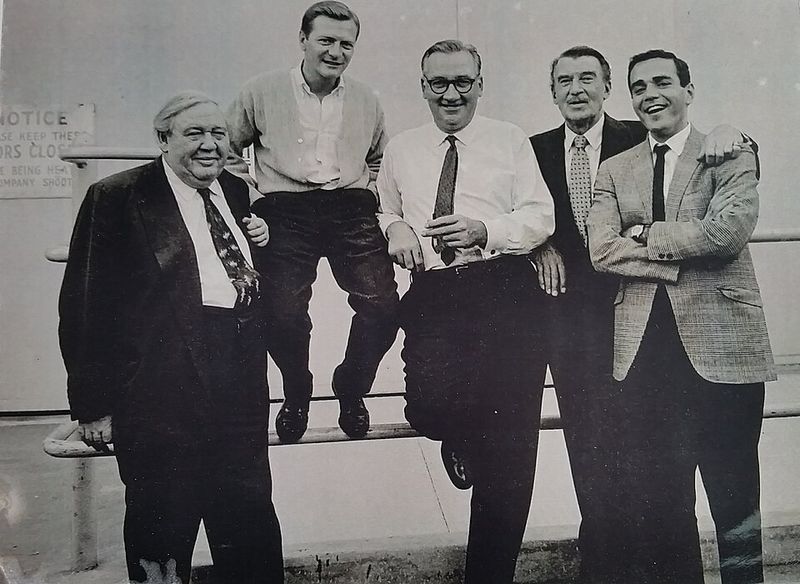
A brutal Senate confirmation hearing tests Henry Fonda’s resolve, with support from Charles Laughton, Walter Pidgeon, and Gene Tierney.
Dozens of character actors, including Don Murray and Franchot Tone, populate the capital as senators, aides, and journalists. Each committee room, congressional hallway, and backroom negotiation comes alive through carefully coordinated performances.
Preminger filmed in actual government buildings, blending authentic locations with his impressive ensemble.
The result weaves political intrigue into every frame, capturing both tension and the complexity of Washington life.
17. Grand Hotel (1932)
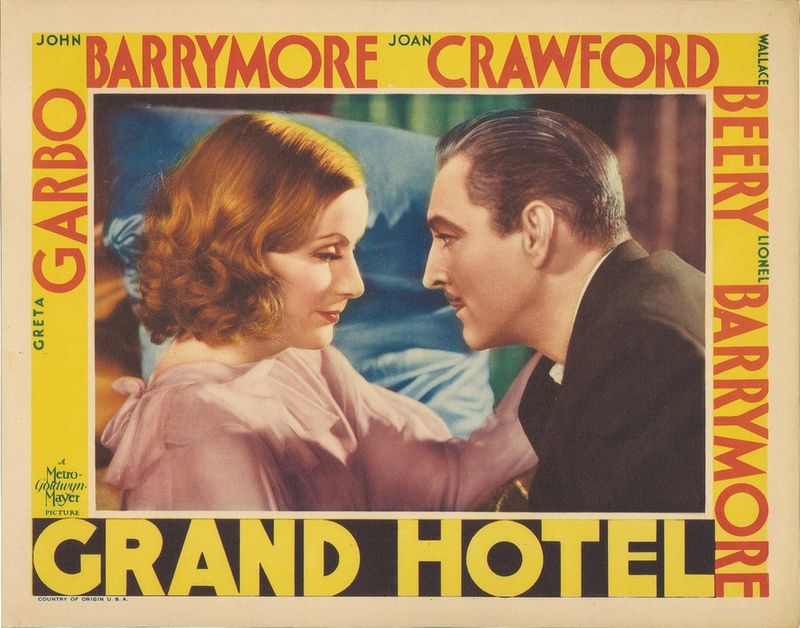
Greta Garbo wants to be alone in a Berlin luxury hotel, but she shares the screen with John Barrymore, Joan Crawford, and Lionel Barrymore instead.
This early ensemble piece proved that multiple star storylines could interweave successfully, creating a template for decades of similar films.
Every character brings their own drama to the elegant setting, from a dying accountant to a desperate ballerina. The hotel’s revolving door never stops spinning, much like the constant parade of talent filling every scene.
18. Giant (1956)
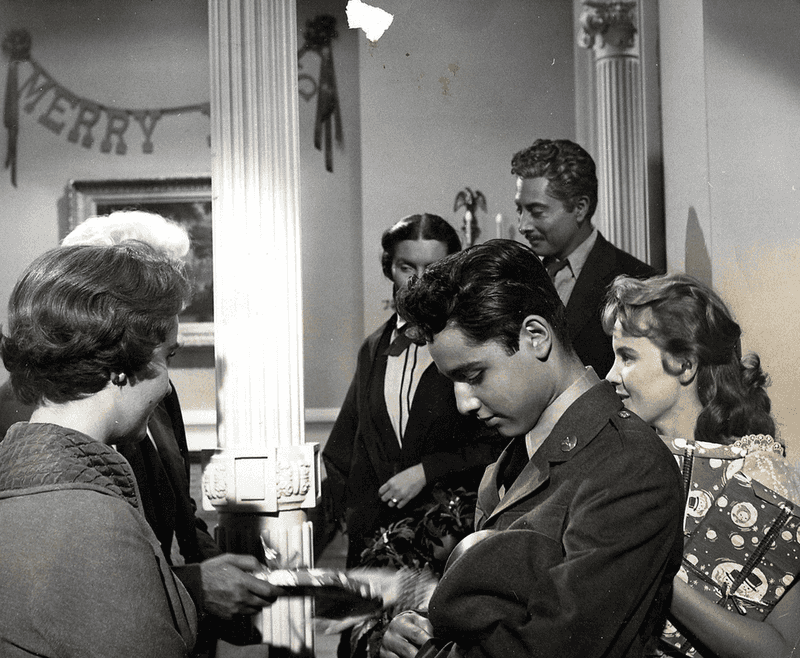
In Texas, a dynasty rises even as oil is discovered on the land by James Dean, reshaping fortunes in George Stevens’ sprawling family saga. Across multiple generations, the three-hour epic relies on a large supporting cast to fill the ranch and surrounding community.
Caught between the pull of tradition and the pressures of change, Carroll Baker, Dennis Hopper, and Sal Mineo bring the next generation vividly to life.
Scenes of barbecues, family gatherings, and bustling towns fill the widescreen frame with the texture of Texan life. Decades of transformation ripple through every moment, blending intimate drama with the epic sweep of the saga.
19. Bad Day At Black Rock (1955)
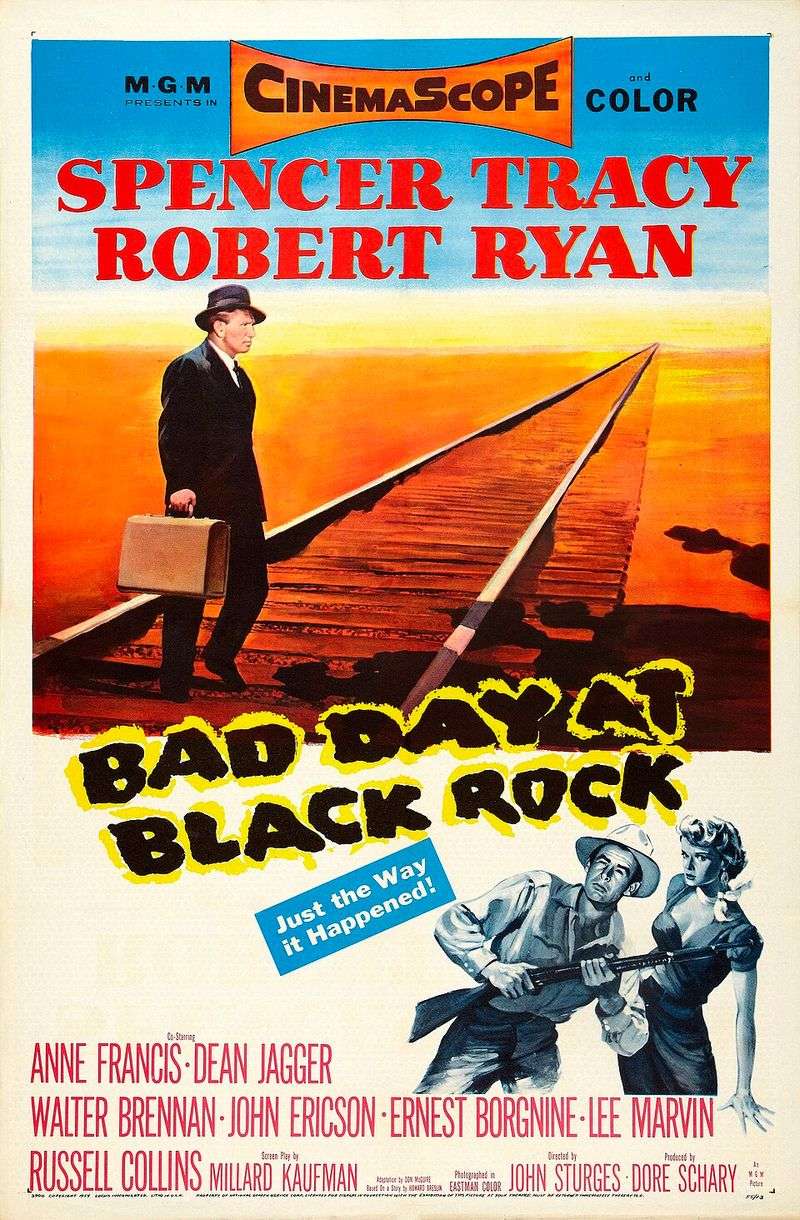
Spencer Tracy steps off a train into a hostile desert town where Robert Ryan, Ernest Borgnine, and Lee Marvin want him gone.
Director John Sturges assembled a murderer’s row of tough-guy actors to play the menacing residents hiding a terrible secret. Every confrontation crackles with tension as Tracy’s one-armed stranger faces down the entire community.
The small-town setting requires each ensemble member to create a distinct character within the claustrophobic atmosphere. Despite the limited location, the cast makes every scene feel dangerously unpredictable.