Music Comebacks That Didn’t Land The Way Fans Hoped
Comebacks sound like a sure thing on paper. The name is famous, the nostalgia is built in, and the anticipation does half the marketing for free.
Then the music arrives and reality sets in: expectations are loud, taste has shifted, and the version of an artist fans carry in their heads can be hard to match in the present tense.
A comeback can also get boxed in by its own storyline, with every new song judged against an earlier peak rather than on its own terms.
None of that means the work is worthless. The disconnect is what people remember, because it sparks endless debate about what “should” have happened.
Disclaimer: Perceptions of artistic comebacks vary by listener, genre, era, and cultural context, and reception can change over time. This article is provided for general informational and entertainment purposes and reflects commentary on public reaction rather than definitive judgments of artistic merit.
1. Guns N’ Roses — Chinese Democracy
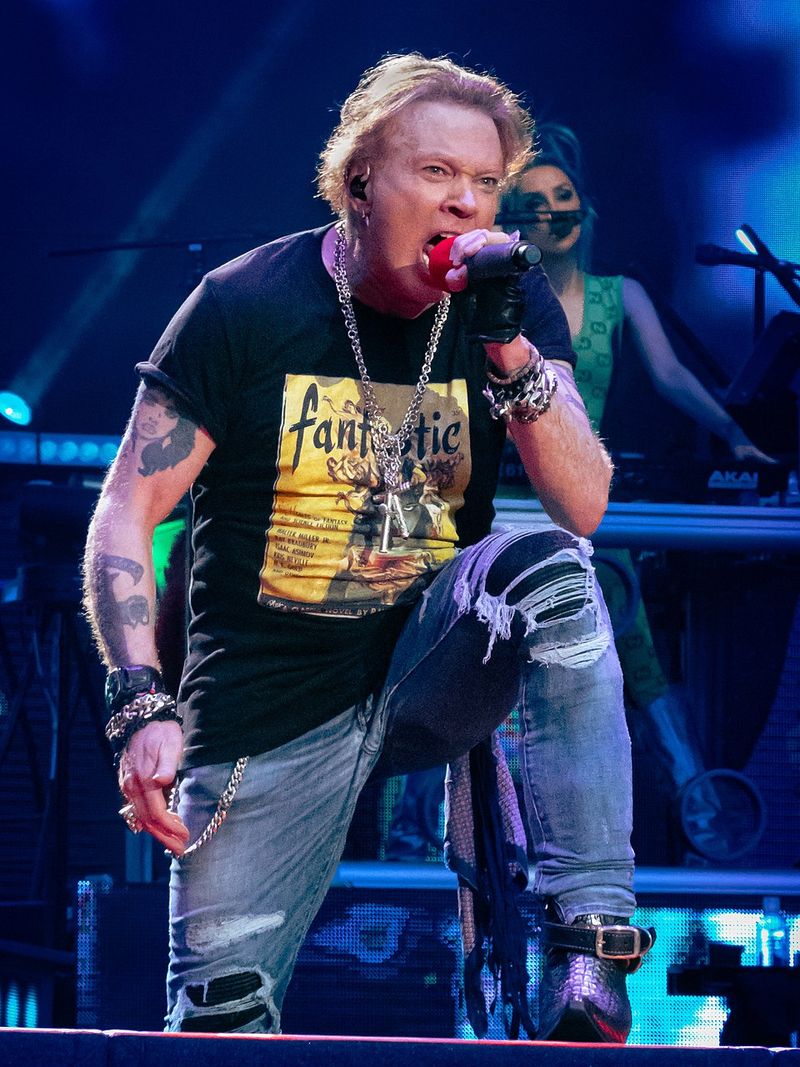
Fourteen years. That’s how long fans waited for Axl Rose to drop this album, and the anticipation was practically its own legend.
When Chinese Democracy finally arrived in 2008, it felt more like a solo project than a GNR record. Slash, Duff, and the classic lineup were long gone.
The album had polished production but lacked the raw, rebellious energy that made fans fall in love in the first place.
2. The Stooges — The Weirdness
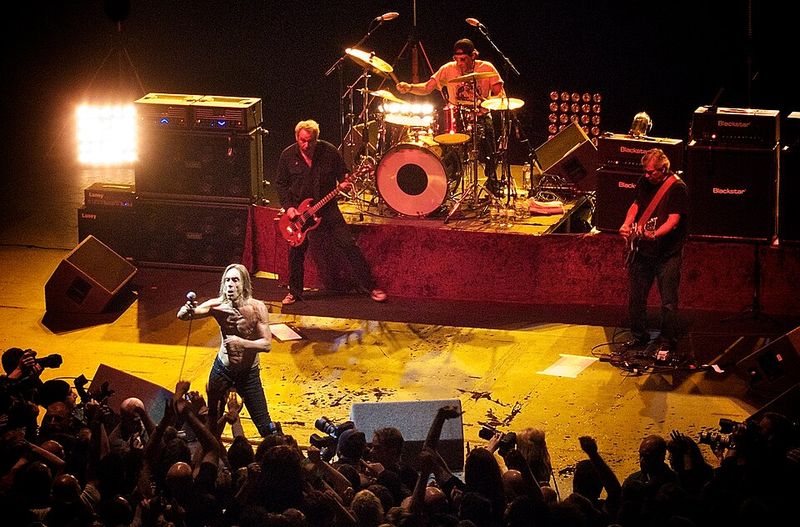
Iggy Pop and the Stooges reuniting sounded like the most thrillingly dangerous idea in rock.
Fans expected raw, feral punk energy that could peel paint off a wall. What they got with The Weirdness in 2007 was something far more underwhelming.
Critics were almost universally harsh, calling the lyrics flat and the production lifeless. Even Iggy himself has admitted the album wasn’t exactly a triumph.
How do you reunite one of punk’s greatest bands and end up with something that sounds tired? Somehow, they managed it.
3. Bauhaus — Go Away White
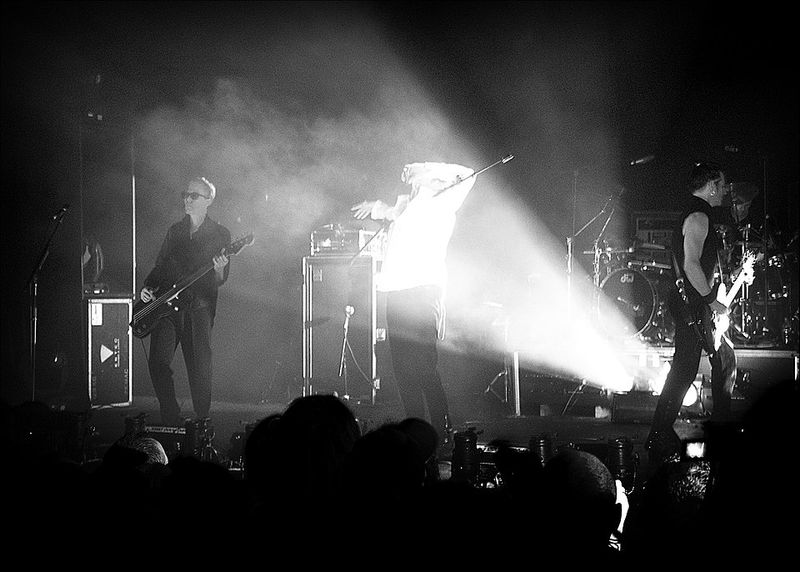
Gothic rock legends Bauhaus had a reunion that fans treated like a resurrection from the underworld.
Their 2008 album Go Away White arrived with genuine intrigue, but the results left many listeners scratching their heads.
The album had moments of dark beauty, yet it never captured the haunting, theatrical power of their classic work.
It also turned out to be their farewell record, released quietly with little fanfare.
4. Mazzy Star — Seasons of Your Day
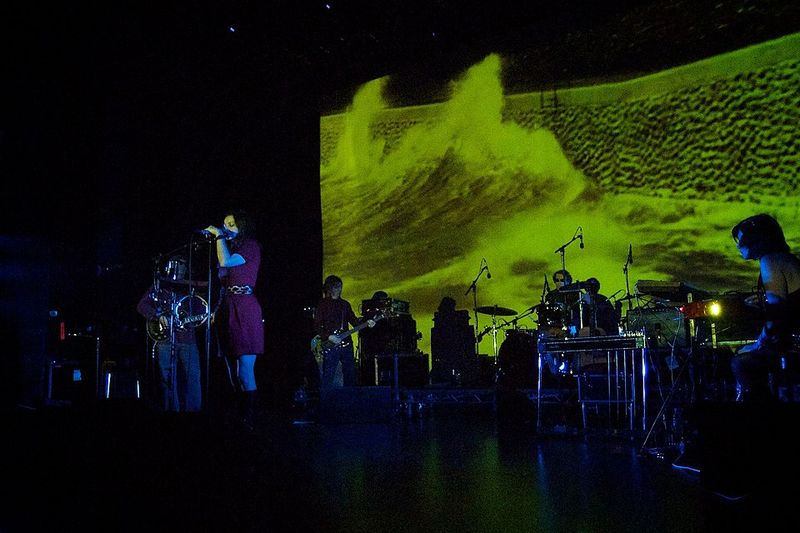
Hope Sandoval’s voice is one of the most hauntingly beautiful sounds in all of alternative music.
So when Mazzy Star returned after a 17-year silence with Seasons of Your Day in 2013, expectations floated somewhere near the clouds.
The album was genuinely pretty, but it felt like a gentle ripple rather than a wave.
Many fans hoped for something that pushed the band forward. Instead, it retreated deeper into familiar dreaminess, almost to the point of feeling like background music.
Beautiful? Absolutely. Unforgettable? Not quite.
5. Billy Idol — Devil’s Playground
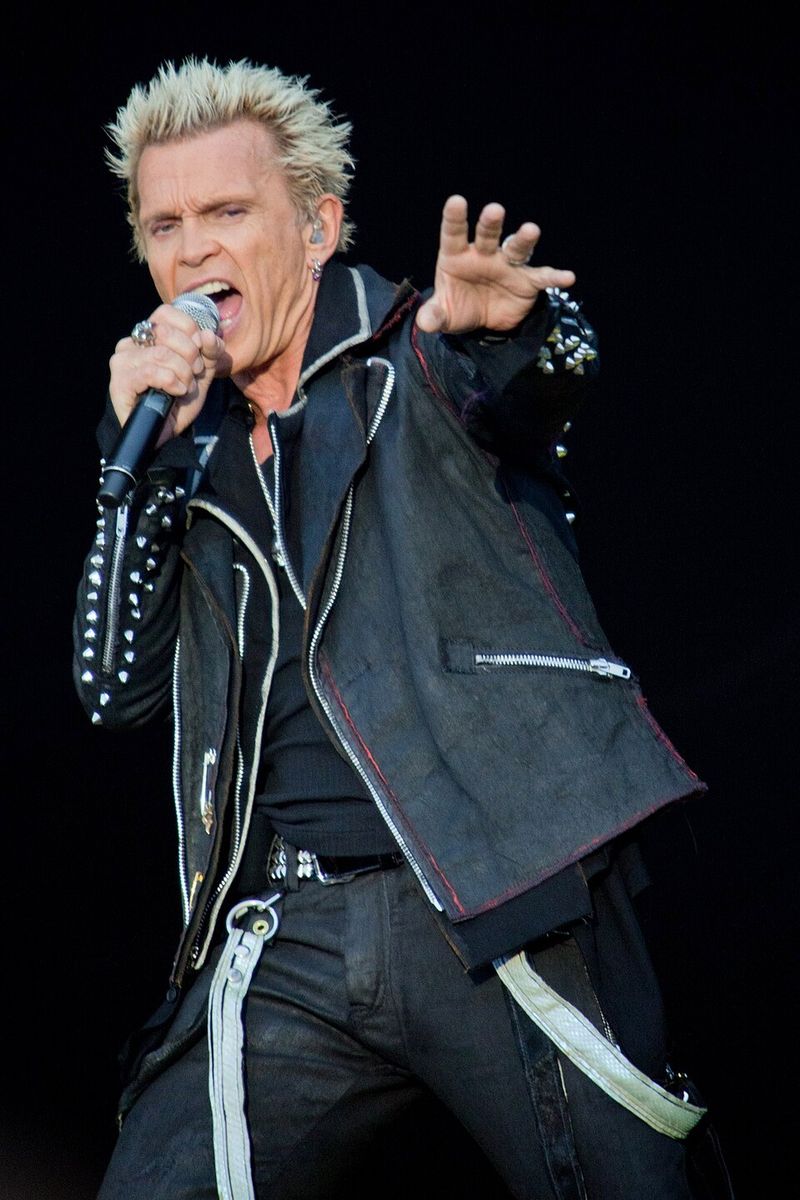
Billy Idol was the king of rebellious cool in the 1980s, with a sneer that could launch a thousand music videos.
After a long break, he returned in 2005 with Devil’s Playground, hoping to recapture that lightning-in-a-bottle energy.
The album tried hard, maybe too hard, leaning into modern rock sounds that felt slightly out of step with who Billy Idol actually is.
A few tracks sparked interest, but the album faded quickly from public conversation.
6. KISS — Sonic Boom
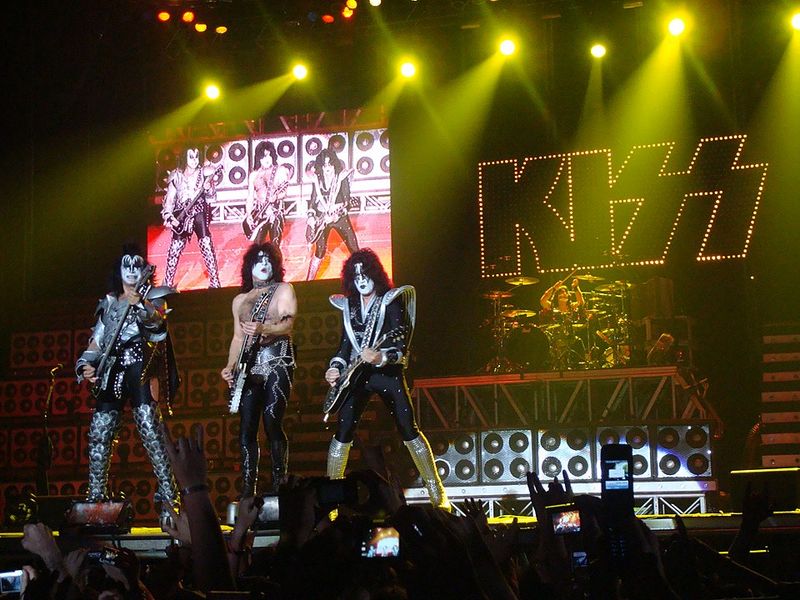
KISS has always been about spectacle, fire, pyrotechnics, and face paint that would make a superhero jealous.
So when Sonic Boom dropped in 2009, the band’s first album of new material in over a decade, fans hoped for a classic rock explosion.
What arrived was a competent but unremarkable record that felt like a tribute to KISS rather than KISS itself.
Sold exclusively through Walmart, which raised eyebrows on its own. The marketing story was almost more interesting than the music, and that’s saying something.
7. Mötley Crüe — Generation Swine
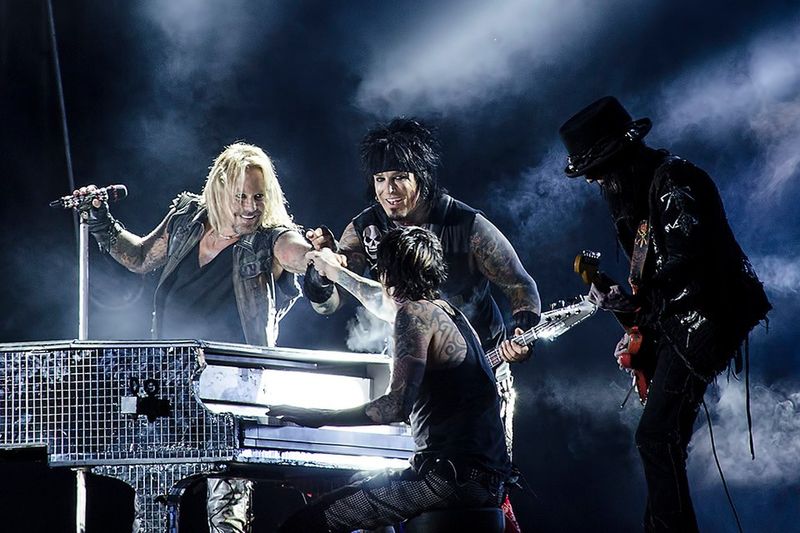
Rejoining with original vocalist Vince Neil after a messy split, Mötley Crüe decided to reinvent themselves with an industrial rock sound on Generation Swine in 1997.
Bold move. Risky move. Unfortunately, not a very successful move.
Fans who came for the sleazy, over-the-top glam rock found something almost unrecognizable.
The band chased a trendy sound rather than staying true to what made them icons. It’s a little like ordering pizza and getting a salad.
Technically food, but nobody’s celebrating.
8. Pink Floyd — The Endless River
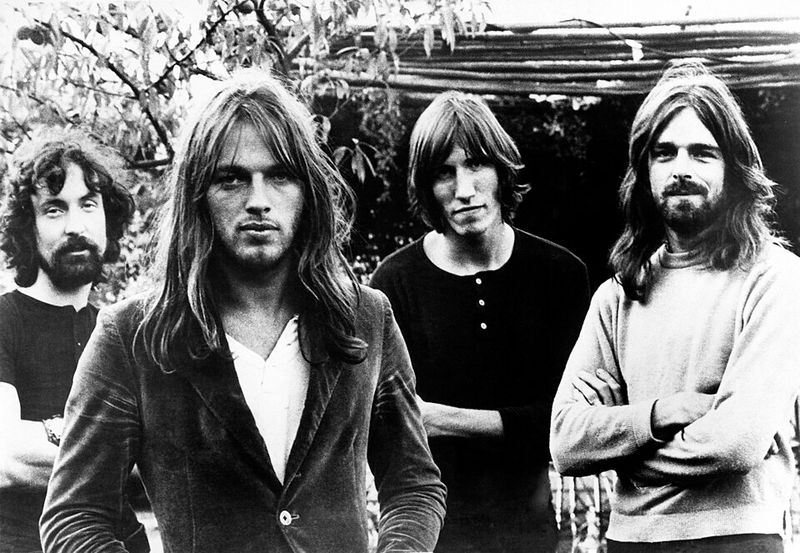
When Pink Floyd announced new music in 2014, the world collectively held its breath.
The Endless River was built from leftover sessions from 1994’s The Division Bell and served as a tribute to late keyboardist Richard Wright.
Though the sentiment was touching, the album was almost entirely instrumental and felt more like an ambient art installation than a proper Pink Floyd record.
Fans hoping for another Dark Side of the Moon moment were left with something far quieter than expected.
9. The Rolling Stones — Dirty Work
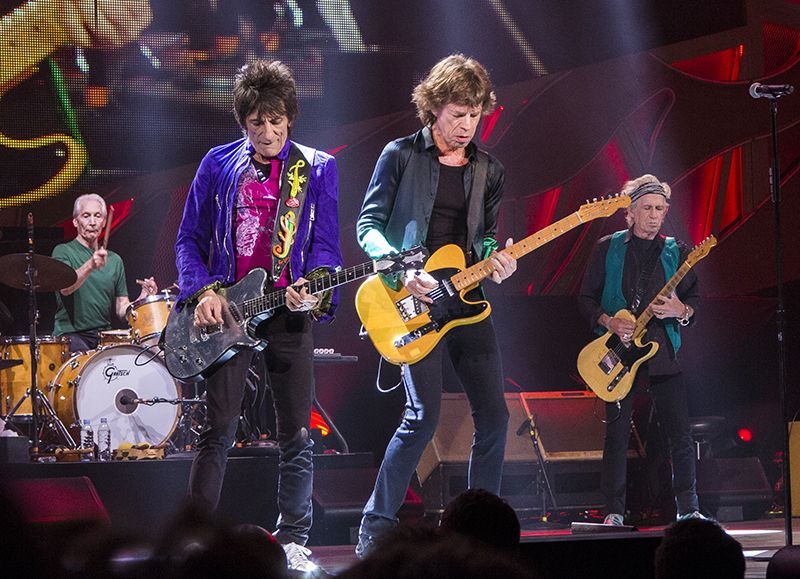
Even the greatest rock band on Earth has off days, and Dirty Work from 1986 was basically the Stones’ longest off day ever recorded.
Tensions between Mick Jagger and Keith Richards were at an all-time high, and it shows throughout every track.
Jagger reportedly hated the album and refused to tour behind it. The record leaned heavily on outside songwriters and felt disjointed.
Richards himself later called it their worst album.
10. Crosby, Stills, Nash & Young — American Dream
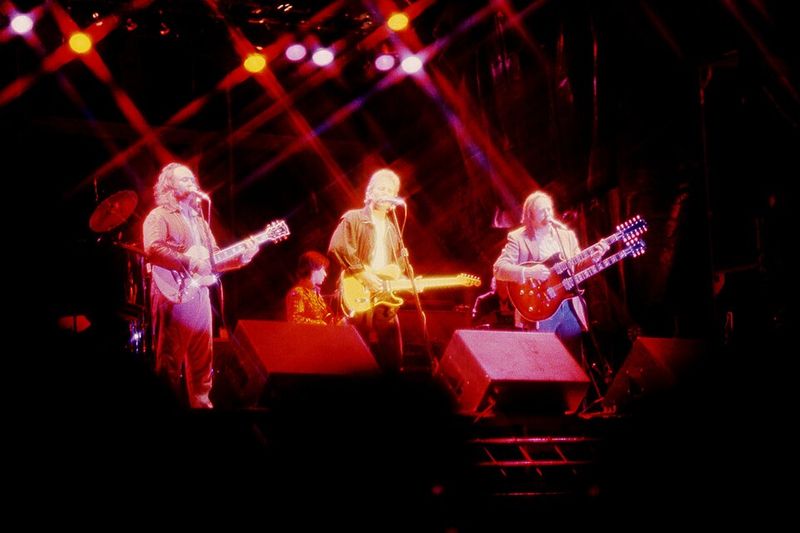
Getting Neil Young back into the CSNY fold for American Dream in 1988 seemed like the ultimate reunion gift for fans of classic folk rock harmony.
After years of tension and solo careers pulling everyone in different directions, hope ran high.
However, the album landed with a polished, radio-friendly sound that felt oddly corporate for a group known for raw, heartfelt songwriting. The chemistry felt forced rather than organic.
11. Fleetwood Mac — Time

Fleetwood Mac without Stevie Nicks or Lindsey Buckingham is a bit like a pizza without cheese. Technically still there, but something essential is clearly missing.
That was the situation in 1995 when the band released Time with new vocalists Bekka Bramlett and Dave Mason.
The album went largely unnoticed by the public and critics alike. New members worked hard and brought genuine talent, but the magic that made Fleetwood Mac iconic lived in specific personalities and chemistry.
12. Aerosmith — Just Push Play
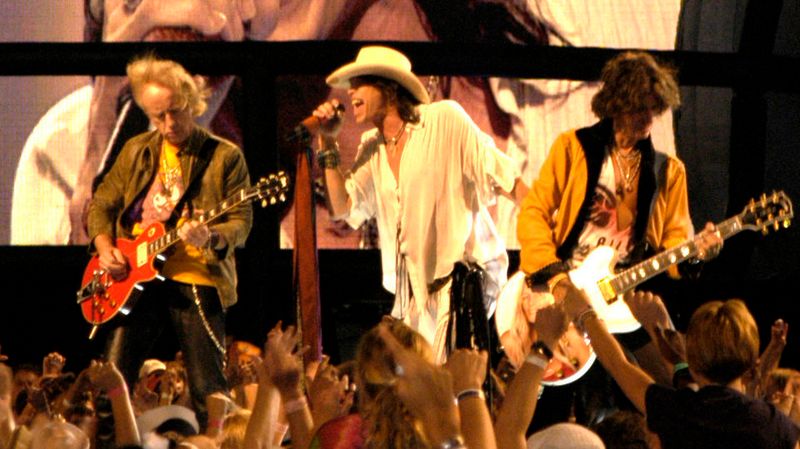
Aerosmith’s late-80s and 90s comeback was genuinely one of rock’s greatest second acts. Clean, energized, and cranking out massive hits, they seemed unstoppable.
Then came Just Push Play in 2001, produced by the same team behind Britney Spears and the Backstreet Boys.
That production choice raised flags immediately. The album leaned into polished pop-rock that felt miles away from the gritty Boston swagger fans adored.
13. Run-DMC — Crown Royal
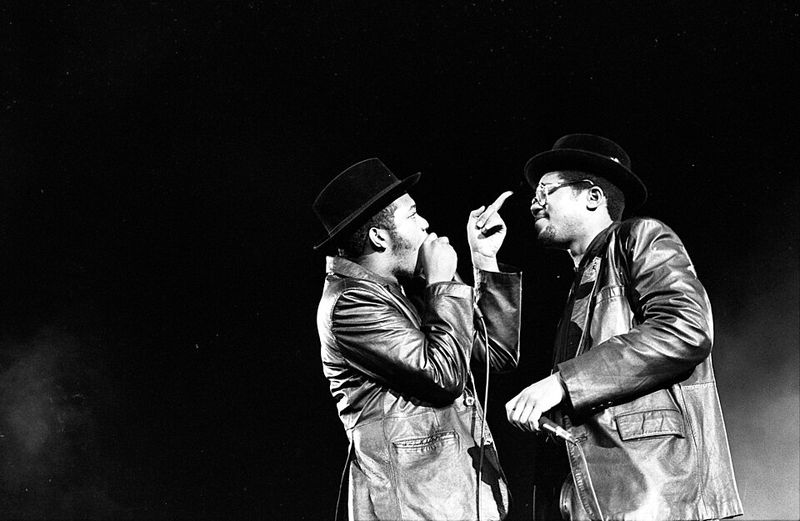
Run-DMC practically invented the blueprint for mainstream hip-hop. Their influence on music, fashion, and culture is impossible to overstate.
So when Crown Royal arrived in 2001 after an eight-year gap, expectations among old-school fans were sky-high.
If the goal was to stay relevant by stacking the album with celebrity guest features, it technically worked. But the record felt scattered and unfocused, more like a compilation than a cohesive artistic statement.
14. Black Sabbath — Born Again
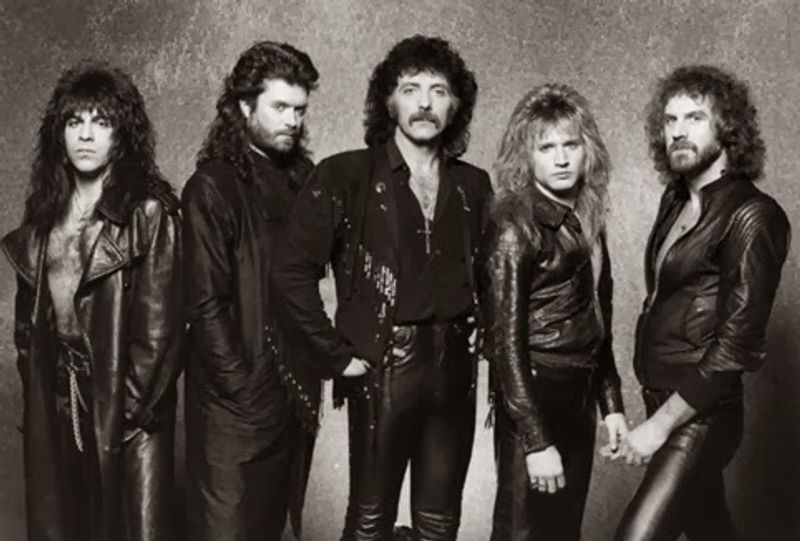
Black Sabbath replacing Ozzy Osbourne was already a controversial chapter. Replacing Ronnie James Dio with Deep Purple’s Ian Gillan for Born Again in 1983 was an even wilder plot twist.
Three legendary vocalists, one revolving door of a band.
Gillan himself admitted he never really connected with the material, and the album’s chaotic recording sessions showed in the final product.
15. The Doors — Other Voices
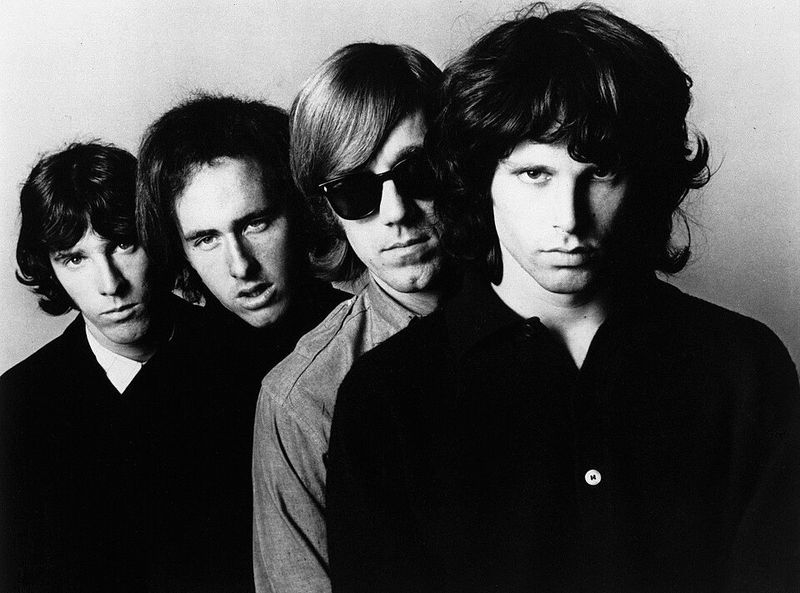
Carrying on after losing Jim Morrison was always going to be one of rock’s most impossible challenges.
The remaining members of The Doors tried anyway with Other Voices in 1971, just months after Morrison’s passing in Paris.
Keyboardist Ray Manzarek and guitarist Robby Krieger shared vocal duties, doing their best to fill an unfillable void.
The album had decent musicianship but felt hollow without Morrison’s magnetic, unpredictable presence at the center.