Music Genres That Became Niche Over Time
Radio dials never stay loyal for long. One minute a sound is everywhere, the next it’s getting nostalgic side-eye from a playlist algorithm.
The hits faded, but the devotion didn’t. Old-school beats still survive in throwback playlists, late-night car rides, and fans who will absolutely defend them without being asked.
1. Disco
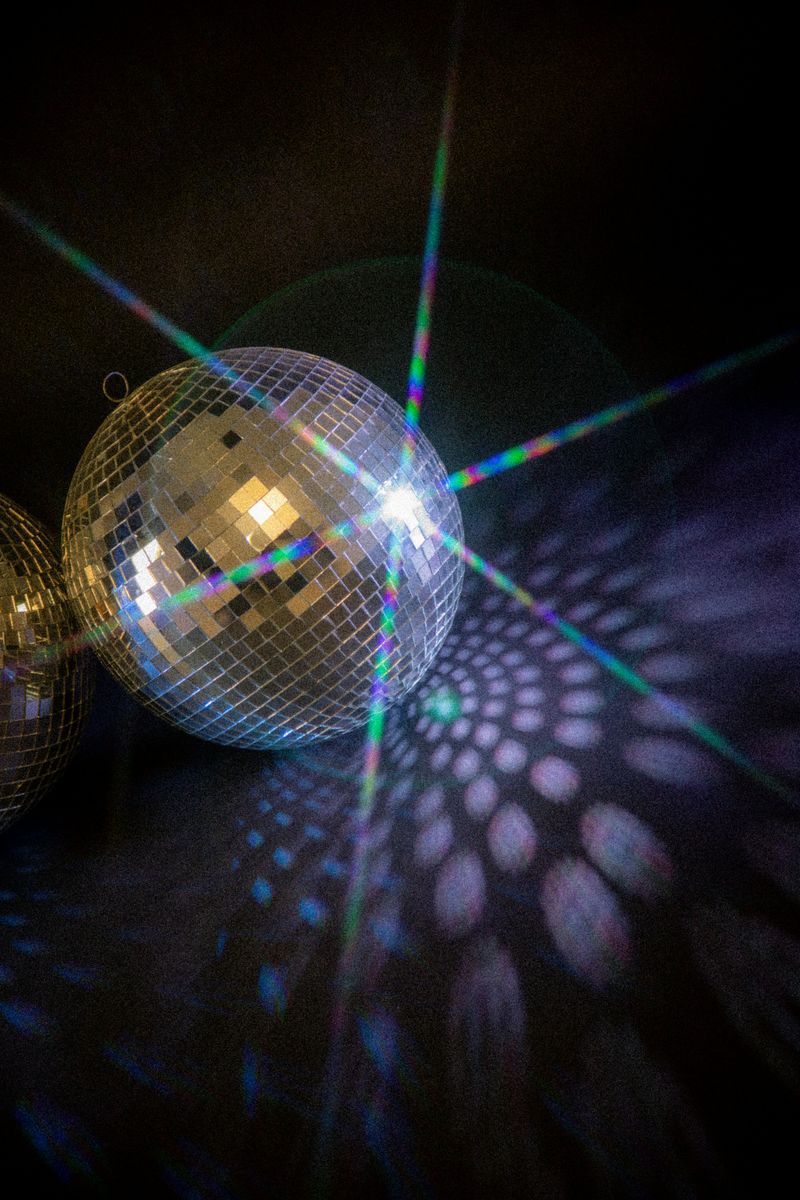
Saturday night fever used to mean one thing: disco balls spinning overhead while platform shoes hit the dance floor.
The genre ruled the late seventies with its four-on-the-floor beats and orchestral flourishes. Studio 54 became a temple, and everyone wanted in.
Then came a sharp backlash. One infamous 1979 flashpoint was Disco Demolition Night, and mainstream momentum cooled quickly as the decade turned.
Disco shifted form, with its DNA carrying into club sounds that followed.
2. Glam Rock
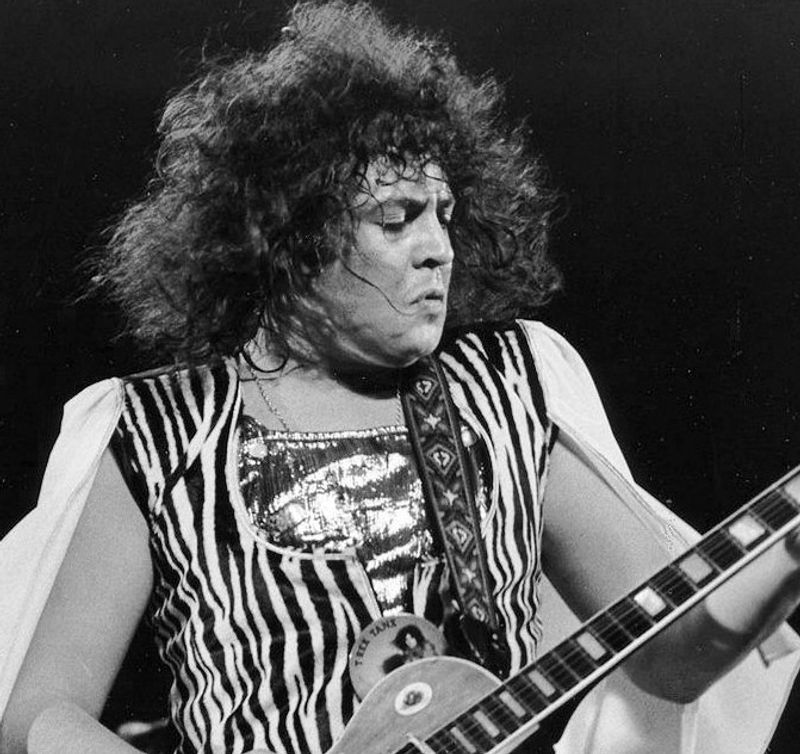
Glitter spilled across concert stages as men in makeup reshaped what rock was allowed to look like.
Along that same flashpoint, David Bowie and T. Rex pushed music toward full-blown theater, smudging every boundary they could reach.
For a brief stretch, early seventies culture belonged to that glitter-soaked rebellion.
Not long after, punk stormed in and knocked glam off its platform heels, trading spectacle for raw confrontation.
Costumes eventually disappeared into closets, yet influence stayed behind, quietly threading itself through everything that followed.
3. New Wave
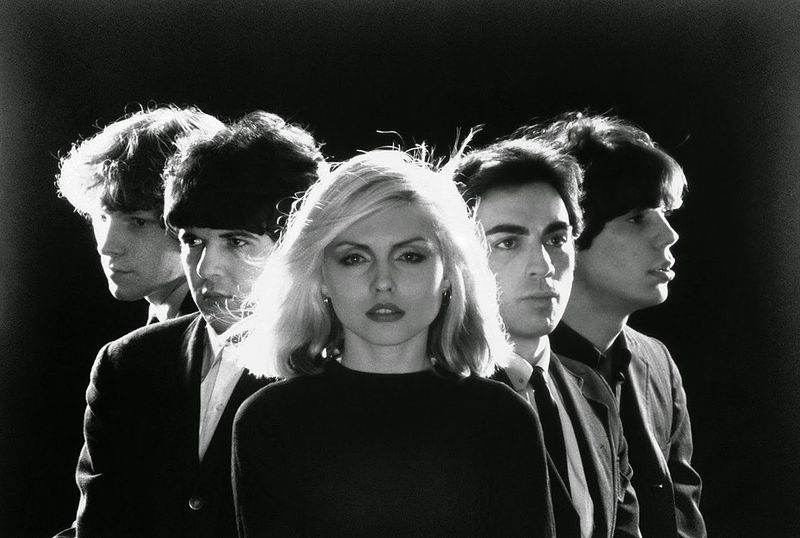
Synthesizers muscled out guitars, and wardrobes suddenly looked like art student closets turned inside out.
Building on punk’s restless energy, new wave folded in drum machines and off-kilter hooks that felt strange and irresistible at once. MTV leaned all the way in, and for a brief window, quirky landed right at the center of cool.
By the early-to-mid 1980s, parts of the sound folded into mainstream pop, leaving angular haircuts and skinny ties behind as costume ideas rather than style statements.
4. Glam Metal (Hair Metal)
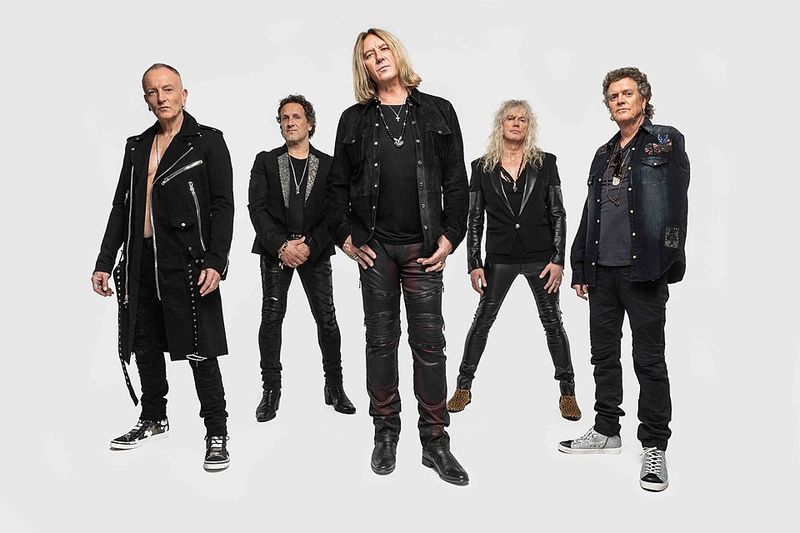
Aqua Net hairspray sales skyrocketed.
Bands with names like Poison and Warrant climbed the charts with power ballads and guitar solos that went on forever.
The Sunset Strip became ground zero for spandex and screaming fans. Grunge arrived in 1991 like a flannel-wearing wrecking ball, and suddenly that larger-than-life style felt out of step with the moment.
The party ended faster than you could say “Smells Like Teen Spirit.”
5. Ska
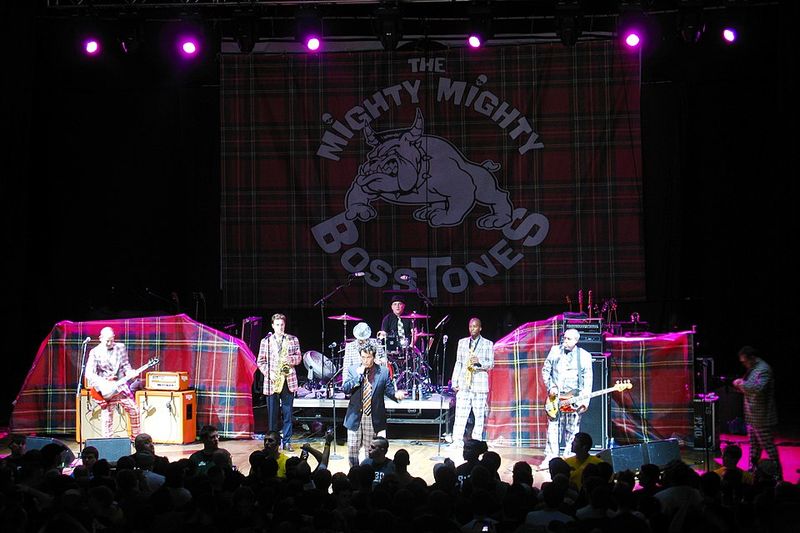
Horns blasted as crowds bounced in that unmistakable two-step known as skanking. Across decades, ska lived several lives, stretching from Jamaican foundations through British punk crossovers and into nineties suburban popularity.
During that last wave, bands like The Mighty Mighty Bosstones and Reel Big Fish carried the sound straight into malls and school hallways.
Momentum shifted once pop-punk seized the spotlight, pushing ska back toward smaller rooms and tighter crowds.
6. Trip Hop
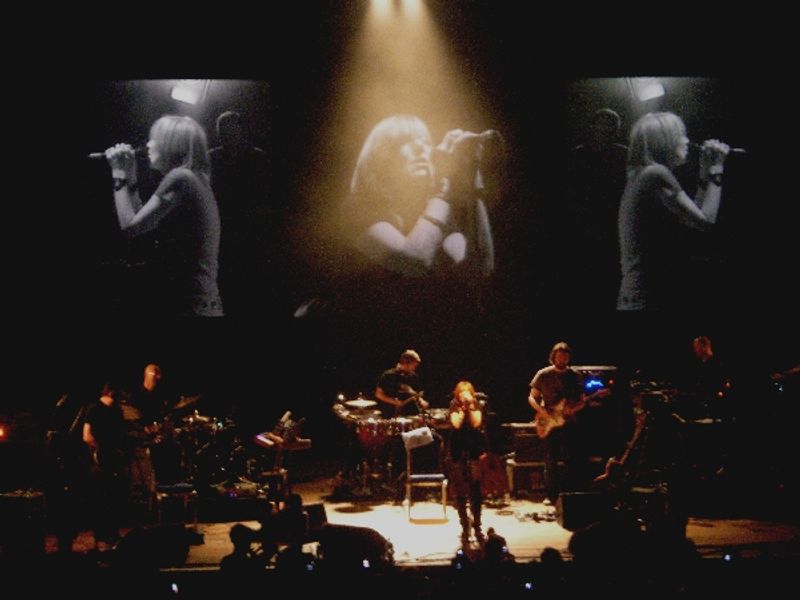
Gray moods settled over Bristol in the mid-nineties as Massive Attack and Portishead shaped soundtracks suited for rainy afternoons and solitary night drives. Out of that atmosphere came a fusion where hip-hop rhythms collided with electronic experimentation, producing something hypnotic and cinematic.
Staying just outside full mainstream exposure may have protected the style, keeping its edges intact rather than smoothing them down.
These days, presence lingers in coffee shop playlists and film scores, quietly influential and rarely pushed into center stage.
7. Big Beat
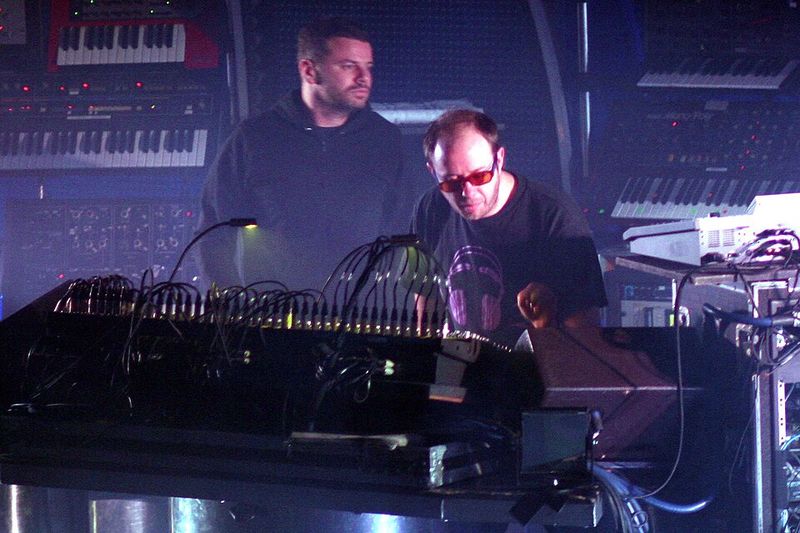
Chemical Brothers and The Prodigy turned electronic music into a full-contact sport.
Big beat dominated late-nineties festivals with breakbeats so heavy they rattled your ribcage. Car commercials loved it, video games sampled it, and for a moment, everyone was a raver.
EDM eventually evolved into sleeker forms, leaving big beat sounding dated. The genre became a time capsule of a specific era’s energy drink enthusiasm.
8. Eurodance
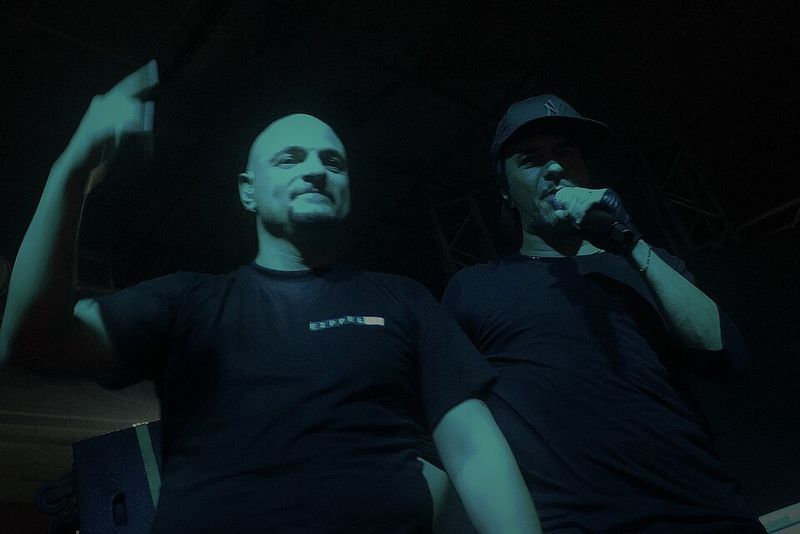
Dance floors across Europe lost their minds in the nineties, leaning proudly into big hooks and high-energy theatrics. Packed with sticky hooks, spoken rap breaks, and performers dressed like visitors from outer space, airwaves happily surrendered.
Titles such as “Rhythm Is a Dancer” sailed by without debate, accepted on pure confidence alone.
Across the Atlantic, resistance mostly held until one unavoidable summer crowned “Barbie Girl,” and even after pop polished itself up, those beats still sneak back during retro nights.
9. Nu Metal
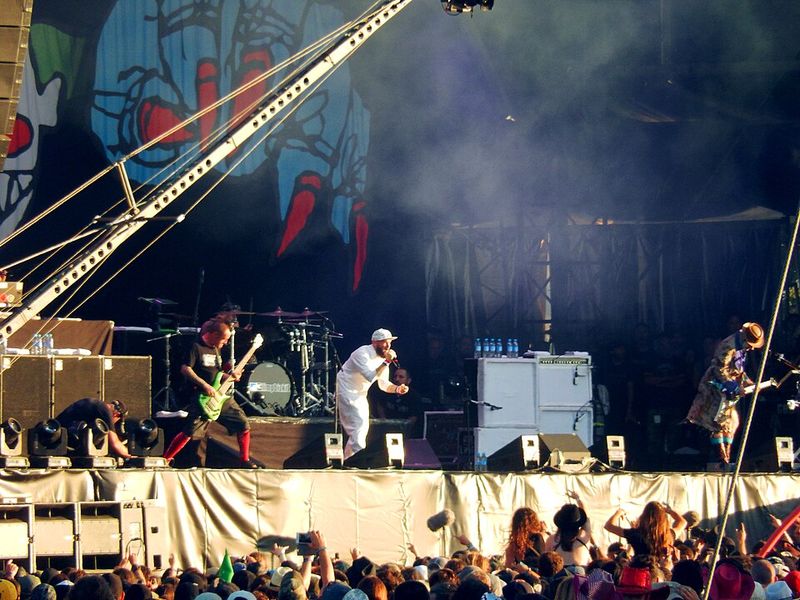
Turntables collided with metal guitars, giving angry teenagers everywhere a ready-made anthem. Soon after, bands like Korn and Limp Bizkit took over TRL during the late nineties and early 2000s.
Along with that rise came baggy pants as uniform and a sudden obsession with DJ scratching. Intensity carried the genre fast and far, only for momentum to fade as trends shifted by the mid-2000s.
Eventually, metal purists drifted back toward traditional sounds, leaving nu metal as a nostalgia lane for many listeners.
10. Dubstep

Bass drops became a cultural phenomenon.
Dubstep exploded from London underground clubs to American stadiums around 2010.
Skrillex made wobbles mainstream, and suddenly every pop song needed that signature sound. Oversaturation cooled the hype, and by the mid-2010s the sound’s loudest moment had largely moved on, while deeper scenes kept evolving.
11. Vaporwave
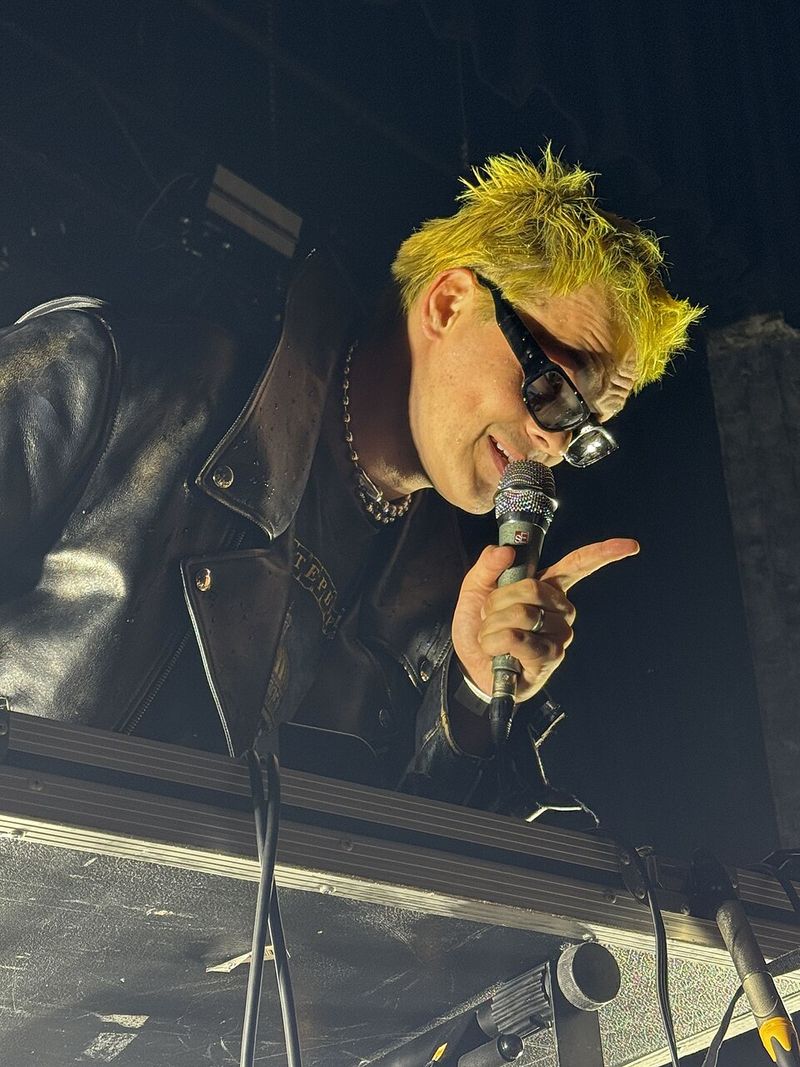
Online culture quietly spun a genre out of slowed-down eighties mall music paired with ironic corporate aesthetics.
Never built for radio play, vaporwave lived on Bandcamp and SoundCloud, starting as a joke that slowly hardened into art. Pink and blue gradients quickly locked in a visual identity that felt inseparable from the sound.
Momentum surged in the early-to-mid 2010s, then splintered into countless offshoots.
12. Witch House
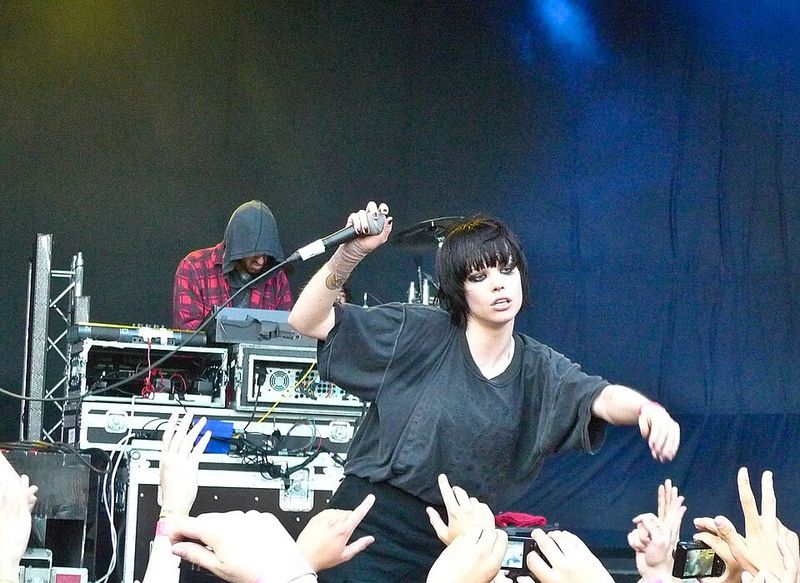
Stylized symbols and altered spellings became part of the aesthetic, alongside a heavy dose of internet-era mystery.
Witch house mixed chopped hip-hop beats with horror movie atmospheres around 2009. The look leaned dark, abstract, and theatrical, matching the music’s shadowy textures.
The scene burned out by 2012, too niche and self-referential to sustain momentum. It remains a fascinating footnote in electronic music’s weird experimental phase.
Disclaimer: This article discusses music history and cultural trends for general informational and entertainment purposes.
Genre timelines and “rise and fade” arcs can vary by region, scene, and definition, and examples are meant to reflect widely documented moments rather than every local variation.