10 Musicians People Laughed At Until They Became Legends
Every superstar has a beginning that few people notice, and for some of the greatest musicians, it started with rejection. Crowds ignored early shows, record labels said no, and critics wrote harsh reviews that could crush confidence.
Some artists performed for nearly empty rooms, honing their craft while the world looked the other way. What makes these stories unforgettable isn’t just the fame that followed, but the unshakable belief each musician carried in their own music.
Every note, every lyric, every melody mattered to them, even when no one else seemed to care. History shows that genius is often overlooked at first, and perseverance is what separates the legends from the forgotten.
These comeback arcs are filled with drama, heartbreak, and triumph that could rival any blockbuster. Dive in, celebrate the resilience of these musicians, and discover the songs and stories that prove belief and talent can eventually change the world.
1. Elvis Presley
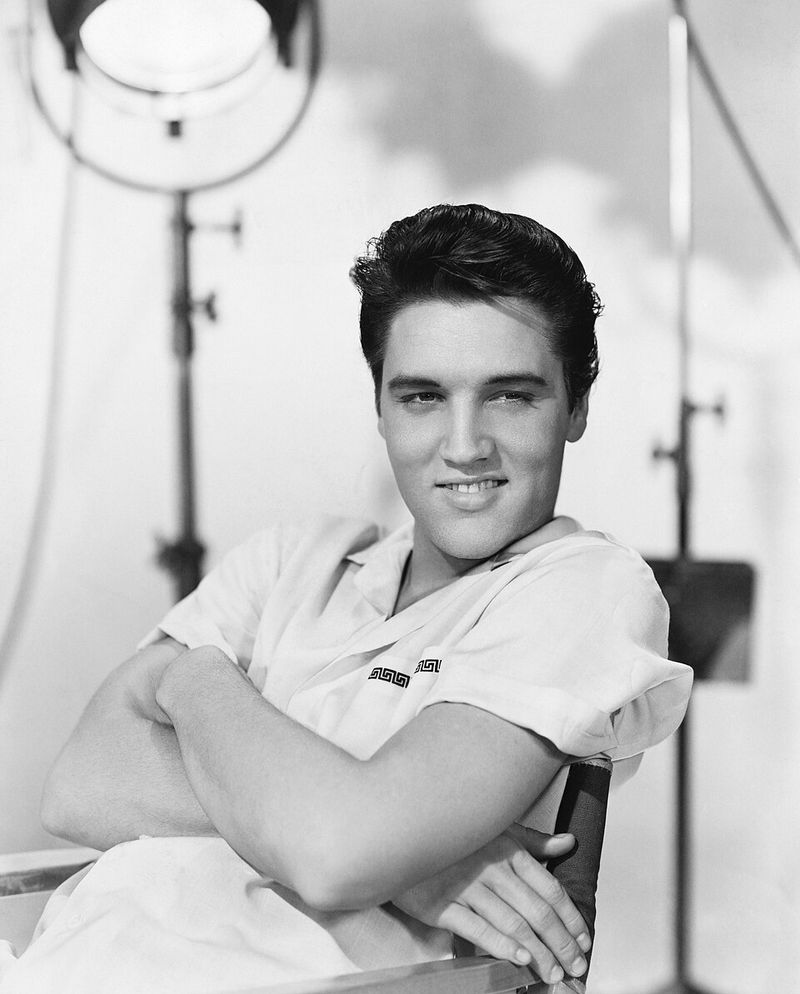
Before the world called him the King, a Grand Ole Opry manager once told Elvis Presley to go back to driving trucks. Ouch.
His swiveling hips and rockabilly sound shocked audiences who had never seen anything like it, and many critics dismissed him as a flash in the pan.
Radio stations refused to play his music. Parents called him dangerous.
Yet Elvis kept performing, kept recording, and kept believing. Soon enough, stadiums filled up, records shattered, and the naysayers went very quiet very fast.
How wild is it that the most iconic name in rock and roll history was almost sent back to a truck-driving job?
2. The Beatles
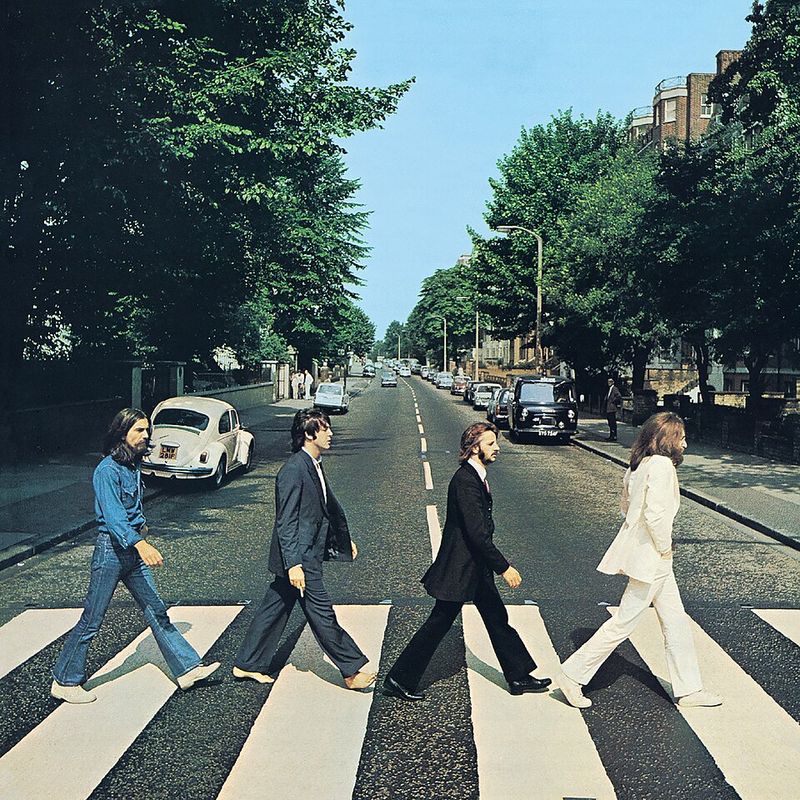
Decca Records rejected a young band called The Beatles in 1962, famously declaring that guitar groups were on their way out. Guitar groups.
On their way out. Few predictions in history have aged quite so badly.
If a music executive could travel back in time, skipping over Decca’s decision would probably be priority number one. The band went on to become the best-selling music act of all time, reshaping pop, rock, and culture itself.
Proof that one gatekeeper’s bad day does not have to end anyone’s story. Sometimes the door slammed in your face is pointing you toward a better window.
3. Tina Turner
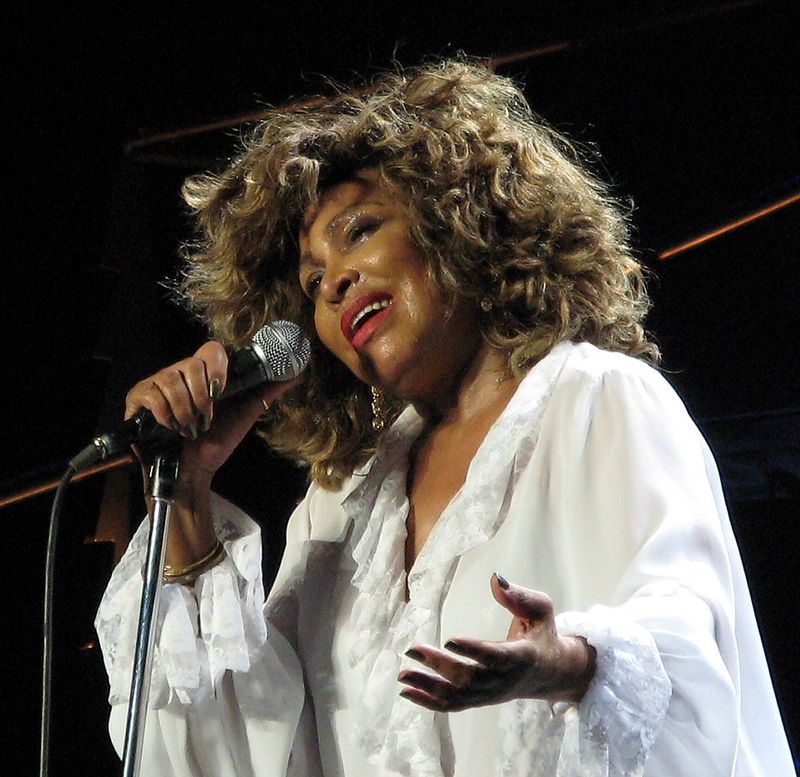
Nobody predicted Tina Turner’s solo comeback. After leaving an abusive relationship and starting completely over at age 44, industry insiders said she was finished.
Too old. Too risky.
Not marketable.
Her 1984 album Private Dancer proved every single one of them spectacularly wrong. It sold over 20 million copies worldwide and launched one of the greatest second acts in music history. “What’s Love Got to Do with It” became an anthem for resilience without even trying.
How many people told her to quit? How many of those people later bought concert tickets?
Exactly. Comeback stories do not get more legendary or more earned than hers.
4. Sixto Rodriguez
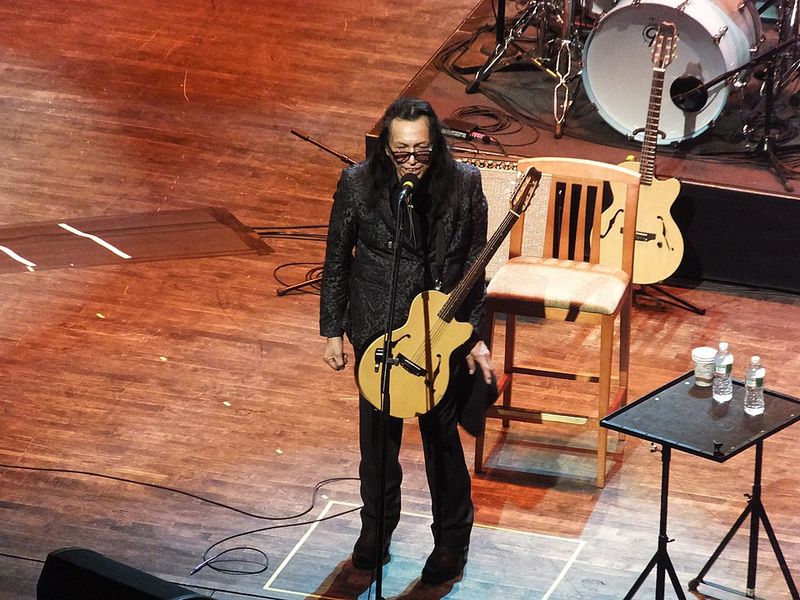
Sixto Rodriguez released two albums in the early 1970s that completely flopped in the United States. Critics yawned.
Labels moved on. Rodriguez quietly returned to working construction jobs in Detroit, unaware anything unusual was happening half a world away.
In South Africa, his music had become the soundtrack of a generation fighting apartheid. Fans assumed he passed away.
A documentary called Searching for Sugar Man eventually revealed the truth, winning an Academy Award and reintroducing Rodriguez to a global audience.
Few stories in music history carry more jaw-dropping twists. A legend existed for decades without the legend even knowing about it.
Absolutely wild.
5. The Velvet Underground
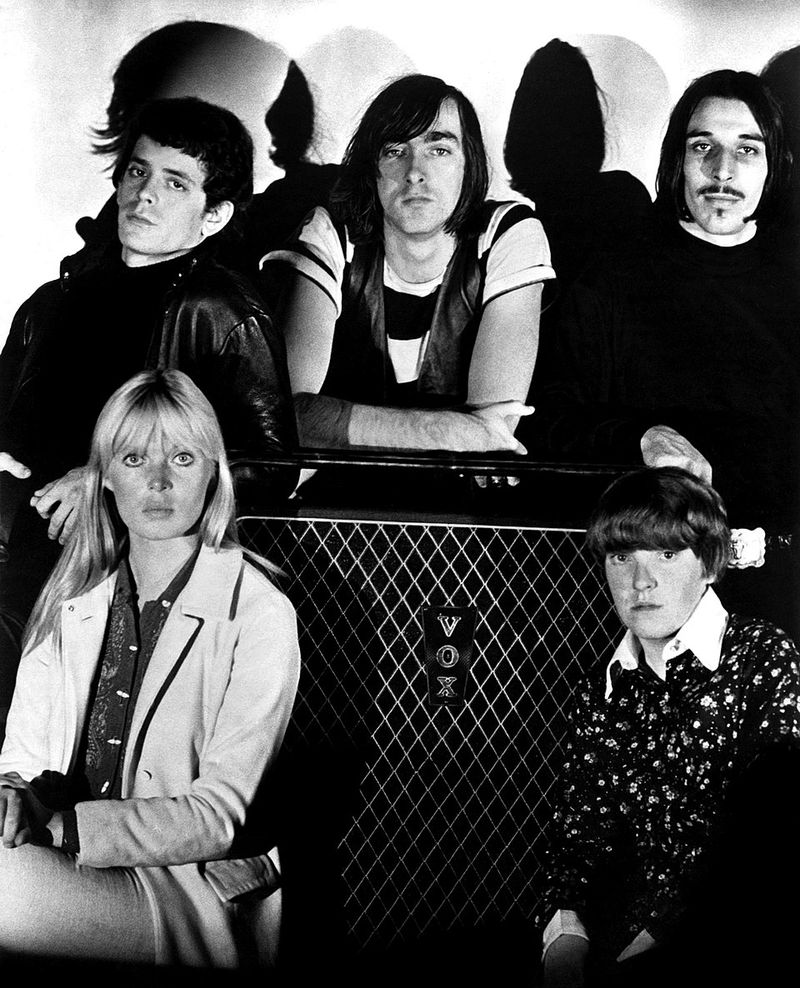
Only around 30,000 people bought The Velvet Underground’s debut album when it dropped in 1967. Commercially, it was considered a failure.
Critics found the music too weird, too dark, too experimental for mainstream audiences.
Producer Brian Eno later made a now-legendary observation: almost everyone who bought a copy went on to start a band. Punk, alternative, indie rock, and post-punk all carry The Velvet Underground’s fingerprints somewhere in the code.
Influence cannot always be measured in sales charts. Sometimes the most important music is the kind that quietly rewires the brains of future artists.
Small audience. Enormous legacy.
A genuinely perfect paradox.
6. David Bowie
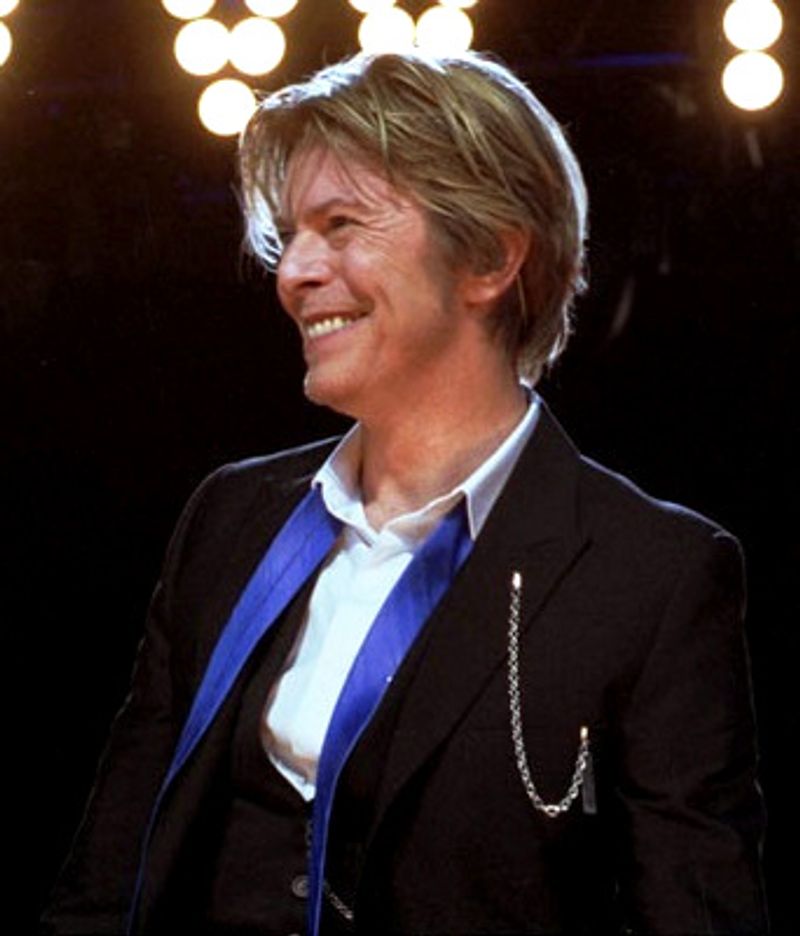
Early in his career, David Bowie was turned down by record label after record label. His first single flopped completely.
Even after some initial success, critics regularly called his persona-driven style gimmicky and predicted audiences would tire of it quickly.
Space Oddity, Ziggy Stardust, Aladdin Sane, Heroes. Each reinvention proved the skeptics wrong again and again.
Bowie did not just survive criticism; he turned it into creative fuel and kept changing music for five decades straight.
If reinventing yourself every few years sounds exhausting, just remember Bowie made it look effortless. Alter egos, glitter, and all, he built one of the most celebrated careers in rock history.
7. Aretha Franklin
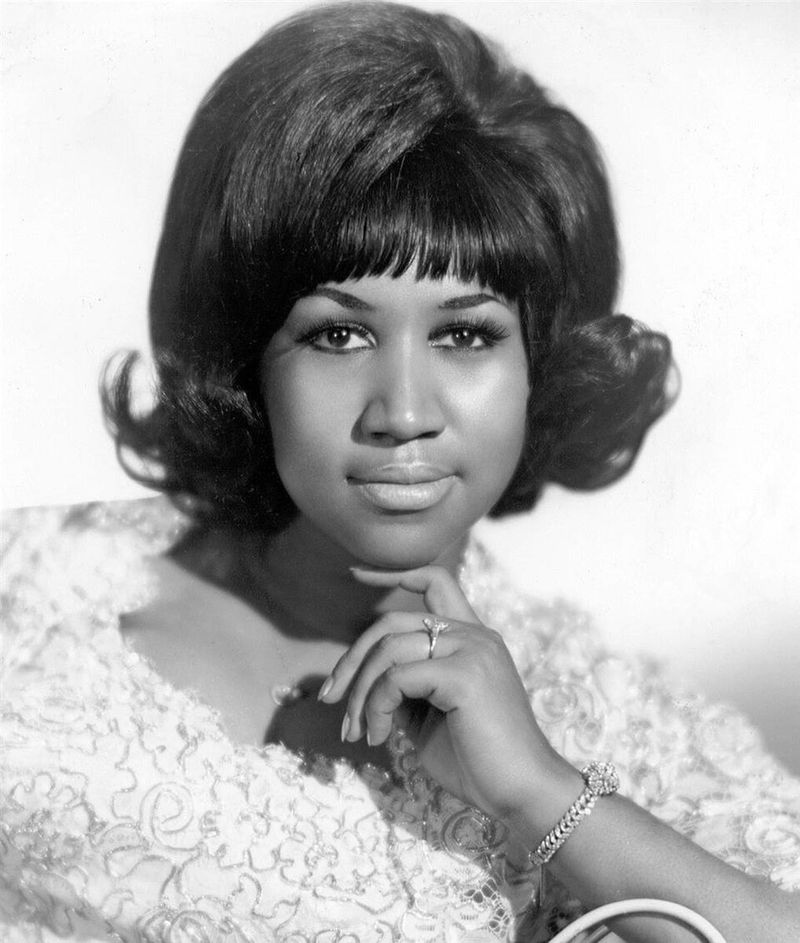
Aretha Franklin spent years at Columbia Records without a breakout hit. Executives tried packaging her as a jazz and pop singer, never quite unlocking what made her extraordinary.
Critics called her promising but unfocused. Industry folks wondered if she would ever find her audience.
Moving to Atlantic Records changed everything. Respect, released in 1967, became a cultural phenomenon almost instantly, transforming into an anthem for civil rights and women’s empowerment simultaneously.
Nobody had heard a voice command a room quite like hers.
Sometimes the wrong label is simply the wrong fit. Aretha did not need polishing.
She needed a room willing to let her be completely, unapologetically herself. R-E-S-P-E-C-T, indeed.
8. Bob Dylan
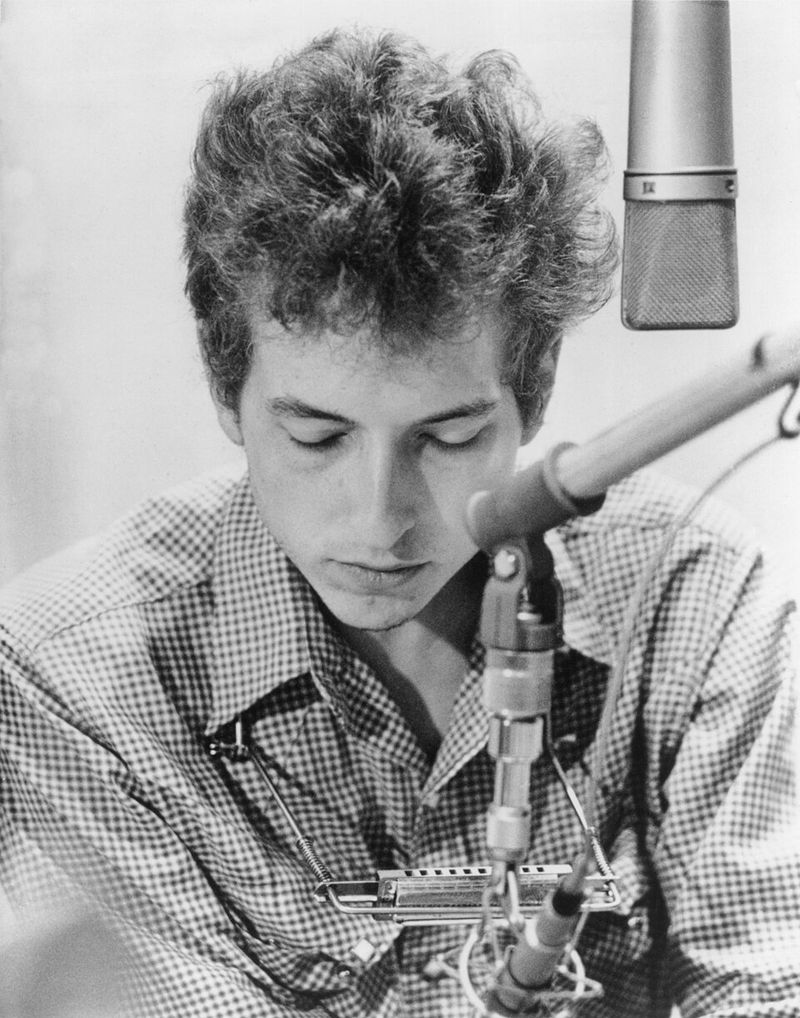
A young Bob Dylan showed up in New York City in the early 1960s and was laughed out of more than a few rooms. His voice, which one critic famously described as sounding like a dog with a leg caught in barbed wire, was considered a liability.
Nobody expected much. Yet his songwriting quietly changed everything.
Blowin in the Wind, The Times They Are a-Changin, Like a Rolling Stone. Poetry disguised as pop music, and eventually the Nobel Prize in Literature agreed.
Moral of the story? A voice does not have to be pretty to be powerful.
Sometimes the roughest sound carries the sharpest truth. Critics, take note.
9. Johnny Cash
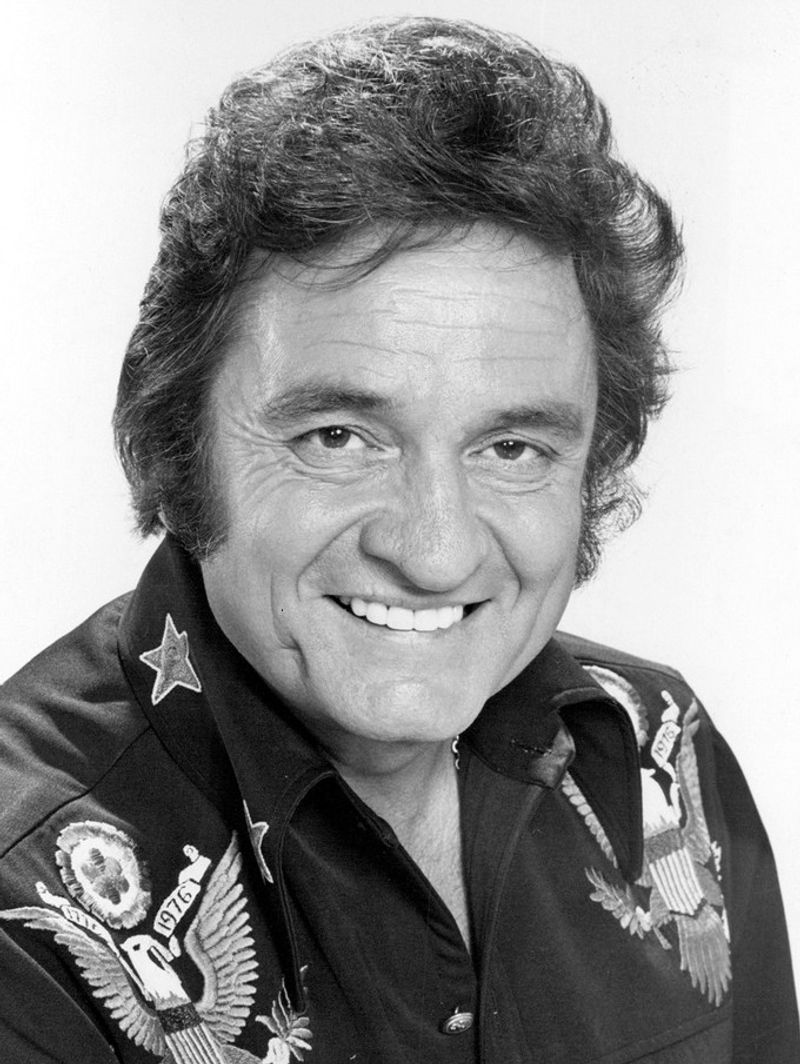
Sun Records initially had no idea what to do with Johnny Cash. His sound blended country, gospel, and rockabilly in a way radio programmers found difficult to categorize.
Early audiences at country shows sometimes booed him off the stage for sounding too different.
Different turned out to be exactly the point. Cash built a career so massive and so authentic that decades later a prison concert recording became one of the most celebrated live albums ever made.
At Folsom Prison, released in 1968, silenced every remaining doubter.
Standing out feels uncomfortable until it does not. Cash wore black for a reason, and eventually the whole world understood exactly what he was saying without him needing to explain a word.
10. Blaze Foley
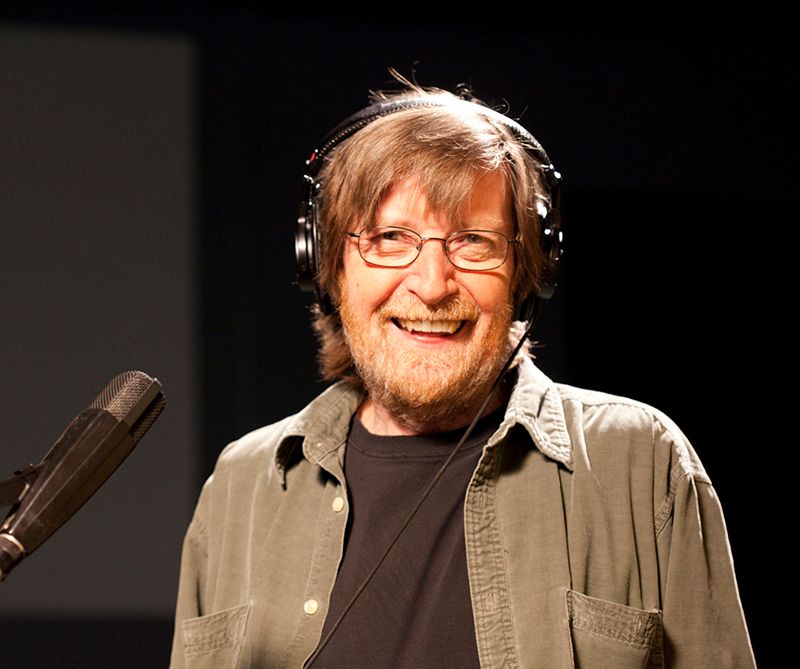
Blaze Foley played tiny Texas bars for most of his life, watching other artists receive recognition while his own songs went largely unnoticed. He was considered too rough around the edges, too unpredictable for Nashville’s polished machine.
After his passing in 1989, Merle Haggard and Willie Nelson began covering his songs, introducing his raw genius to audiences who had never heard his name. A biographical film released in 2017 brought a whole new generation to his music.
Foley never chased fame. He chased honesty, and honesty has a funny way of outlasting everything else.
His songs feel just as real and alive now as they did in any dimly lit dive bar decades ago.