13 Multi-Talented Musicians Who Master More Than One Instrument
Most musicians pick one instrument and stick with it for life. But a rare breed of artists refuses to stop at just one, two, or even five.
Some of history’s greatest musicians have quietly mastered a jaw-dropping number of instruments, recording entire albums solo, switching between guitar and cello mid-session, or picking up a sitar just because it sounded cool. It is like finding out your favorite superhero also builds rockets in the garage.
Seriously impressive stuff. These multi-instrumentalists often use their skills to experiment with unique sounds, compose intricate arrangements, and collaborate in ways that single-instrument players simply cannot.
Their versatility allows for spontaneous creativity during live performances, studio sessions, and even songwriting, showing an unmatched dedication to craft. If you have ever wondered which famous musicians secretly moonlight as one-person orchestras, you are about to meet thirteen of the most musically gifted humans to ever walk onto a stage.
The talent on display here is breathtaking, inspiring, and a reminder of the limitless possibilities of musical genius.
1. Prince
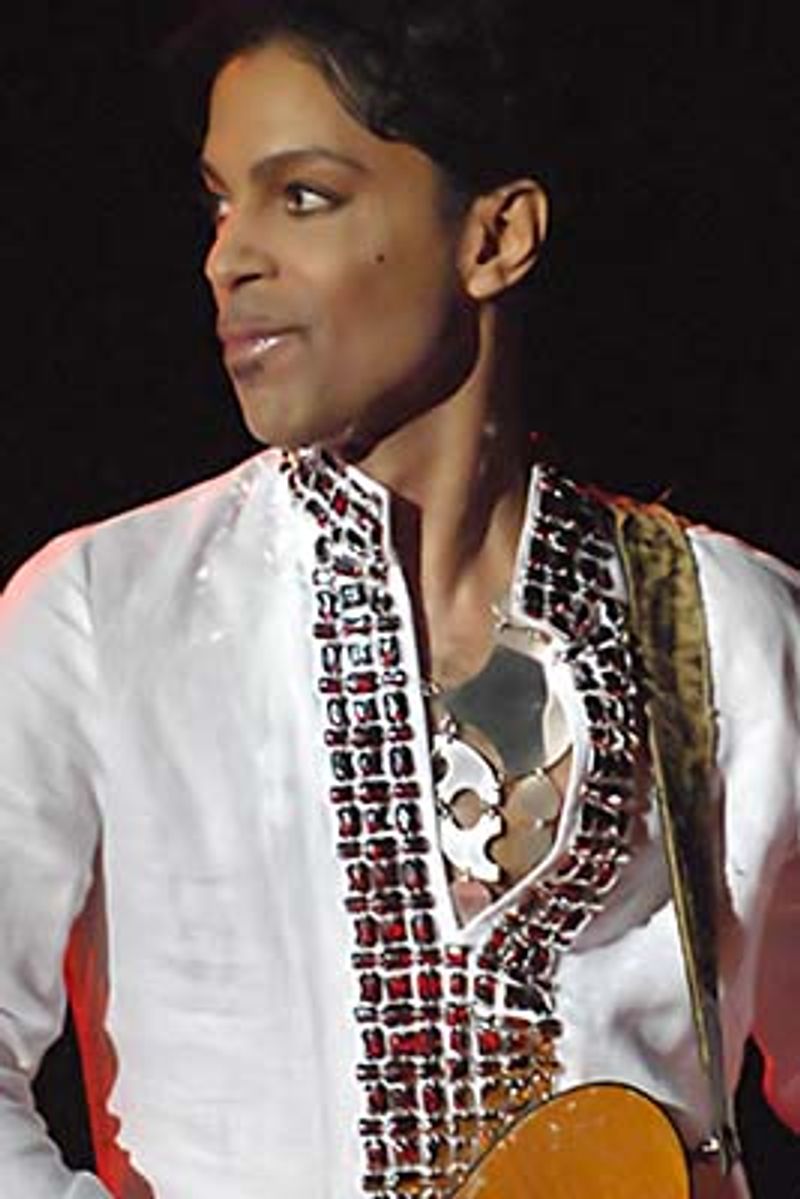
Arguably the most musically gifted human being of the 20th century, Prince reportedly mastered at least 27 instruments, including guitar, bass, drums, piano, and keyboards. He did not just dabble either.
He genuinely shredded on all of them.
On many of his studio albums, every single instrument you hear was performed by Prince himself. No session musicians needed.
How wild is that?
Rolling Stone magazine ranked him among the greatest guitarists of all time, yet guitar was just one arrow in an enormous musical quiver. A true one-man orchestra wrapped in purple velvet.
2. Trent Reznor
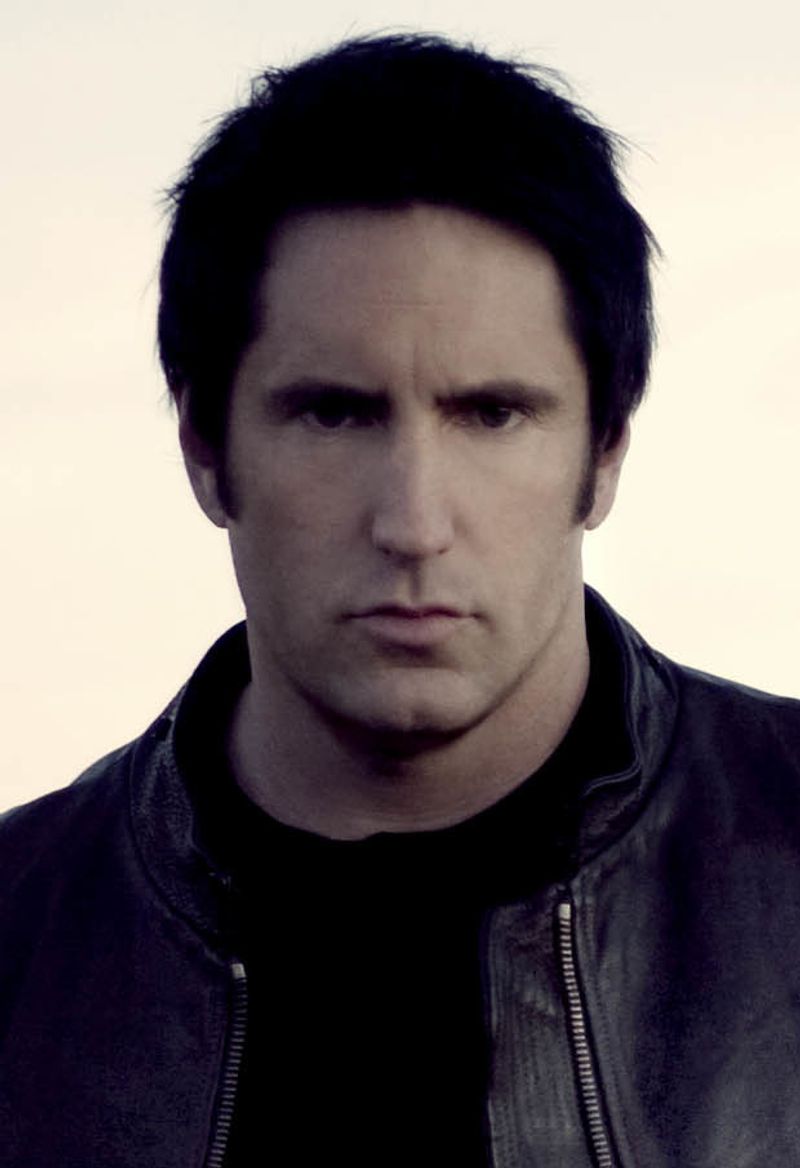
Over 25 instruments, including cello, pan flute, vibraphone, double bass, and synthesizer, sit comfortably inside Trent Reznor’s musical toolkit. If that list sounds wild, just wait until you hear about the swarmatron.
A ribbon synthesizer capable of running eight oscillators at once, the swarmatron is the kind of instrument most musicians have never even seen. Reznor plays it like a natural.
As the creative force behind Nine Inch Nails, Reznor built a career on sonic experimentation, blending industrial noise, orchestral textures, and raw emotion into something entirely his own. Unconventional?
Absolutely. Brilliant?
Without question.
3. Sufjan Stevens
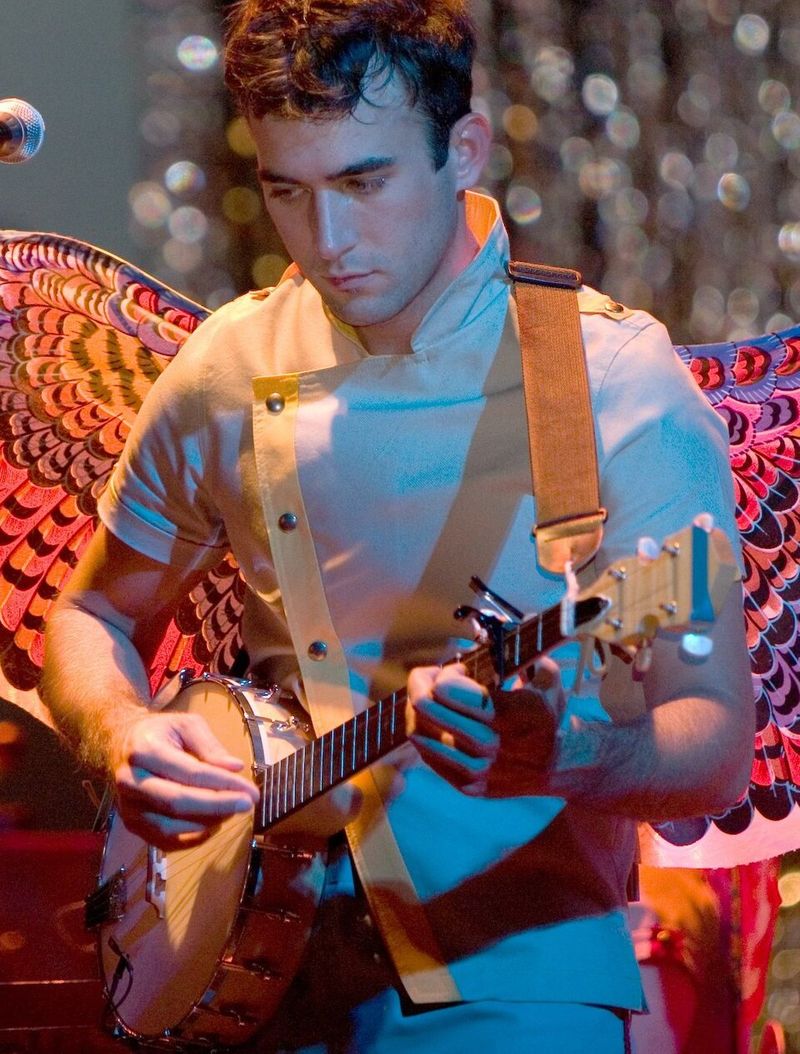
Flute, saxophone, guitar, accordion, oboe, banjo, and piano are just a portion of the 20-plus instruments Sufjan Stevens plays. Honestly, it is easier to ask what he cannot play.
His critically acclaimed albums, including Illinois and Carrie and Lowell, showcase a songwriter who treats every instrument as a new color on an emotional canvas. Orchestral arrangements, folk fingerpicking, electronic beats?
He does it all.
Stevens approaches music with the patience of a craftsman and the curiosity of a scientist. Every project feels deeply personal, carefully layered, and genuinely unlike anything else on the shelf.
A true musical architect.
4. Brian Jones
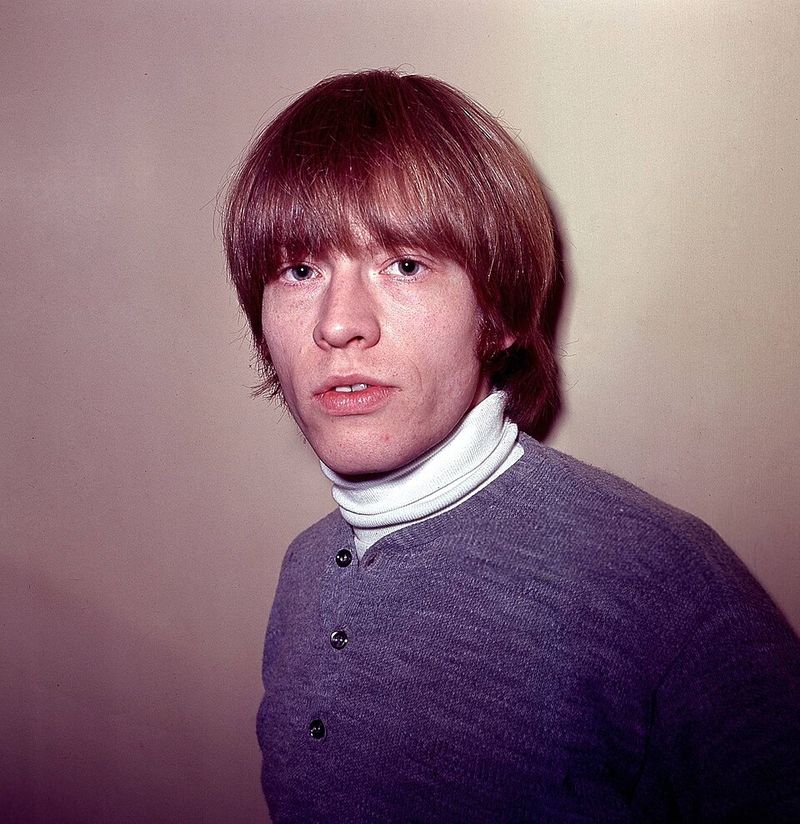
Before Mick Jagger’s strut became iconic, Brian Jones was quietly reshaping rock music by smuggling folk instruments into the studio. A founding member of The Rolling Stones, Jones played over 15 instruments, including piano, harmonica, sitar, drums, and saxophone.
How did a rock band end up using a sitar on a 1960s pop record? Credit Jones, whose restless musical curiosity pushed boundaries constantly.
He helped introduce Indian and Middle Eastern sounds to Western rock audiences years before it became fashionable.
Tragically, his life was cut short at just 27, but his musical fingerprints remain all over the Stones’ early catalog. A revolutionary quietly hiding in plain sight.
5. Paul McCartney
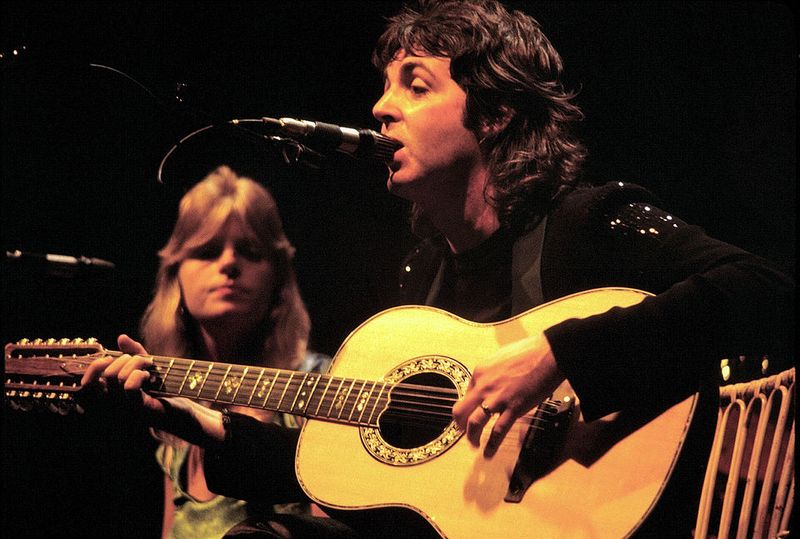
Bass, guitar, piano, drums, and keyboards all fall within Paul McCartney’s considerable skill set. As one quarter of The Beatles, McCartney helped write and perform some of the most beloved songs in music history.
However, his instrumental range often gets overlooked because his songwriting genius tends to steal the spotlight. Fun fact: McCartney played drums on the Beatles track “Back in the U.S.S.R.” because Ringo Starr had temporarily quit the band during the recording sessions.
Even decades after The Beatles disbanded, McCartney continues releasing solo albums that showcase his multi-instrumental talents. A living legend who has never stopped evolving as a musician.
6. Dave Grohl
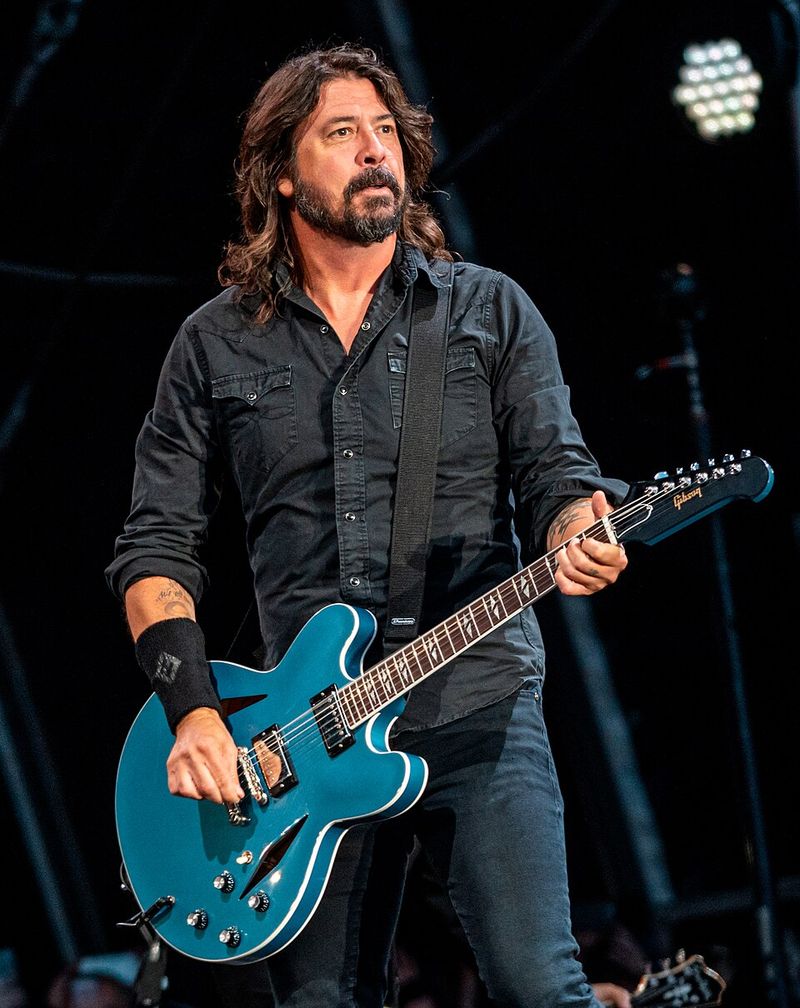
Starting as the thunderous drummer for Nirvana, Dave Grohl later became the frontman and guitarist for Foo Fighters. If switching roles between two legendary bands sounds impressive, consider that Grohl also recorded Foo Fighters’ entire debut album solo, playing every single instrument himself.
Guitar, bass, drums, and vocals all fall comfortably under his belt. Not bad for someone who never had formal music lessons growing up.
Grohl’s story is genuinely inspiring for young musicians everywhere. Raw passion, relentless practice, and an unwillingness to be boxed into one role turned a self-taught drummer into one of rock’s most versatile and beloved figures.
7. Stevie Wonder
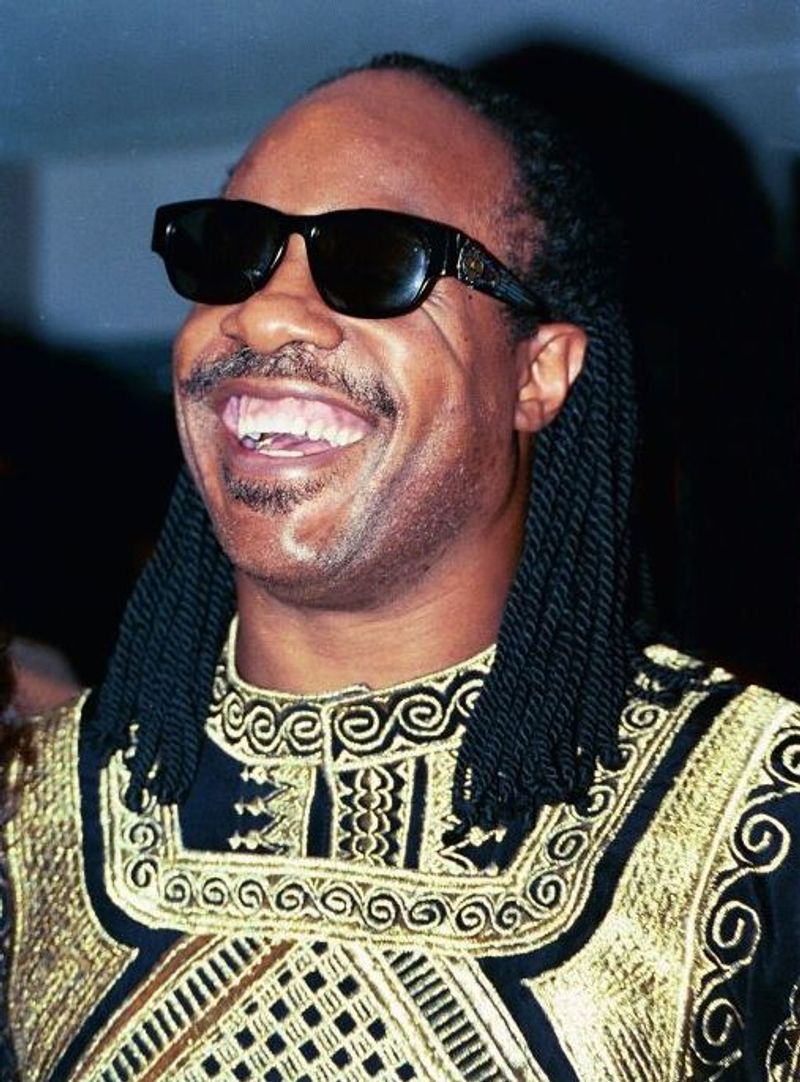
Piano, harmonica, and drums barely scratch the surface of Stevie Wonder’s extraordinary talent. On landmark albums like Music of My Mind and Innervisions, Wonder played nearly every instrument himself, essentially building sonic worlds from scratch.
Losing his sight at an early age never slowed him down. If anything, it sharpened his musical instincts in ways that left fellow musicians absolutely speechless.
His sense of rhythm, melody, and harmony is almost supernatural.
Wonder has won 25 Grammy Awards, making him one of the most decorated musicians in history. Every award represents a career built not on one instrument, but on mastering many simultaneously.
Pure, undeniable greatness.
8. PJ Harvey
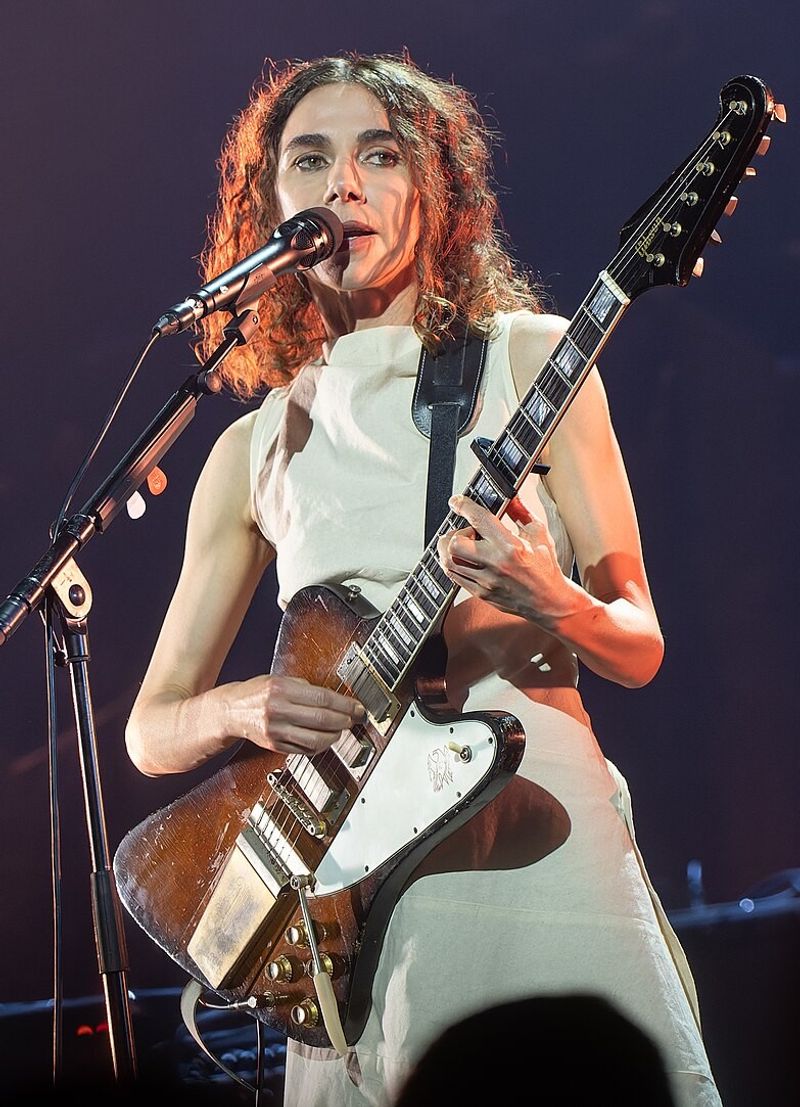
Guitar, piano, trumpet, cello, autoharp, and saxophone are all part of PJ Harvey’s remarkable musical arsenal. An English singer-songwriter celebrated for raw emotional honesty, Harvey has never been afraid to pick up an unfamiliar instrument if the song demands it.
Her 2011 album Let England Shake earned the Mercury Prize, making Harvey the first artist to win that prestigious award twice. Critics consistently praise her willingness to reinvent her sound completely between albums.
Harvey approaches music like a painter constantly switching brushes. Each project reveals a different texture, a different emotional temperature.
Fearless, fiercely independent, and genuinely impossible to categorize, she remains one of rock’s most fascinating voices.
9. Dolly Parton
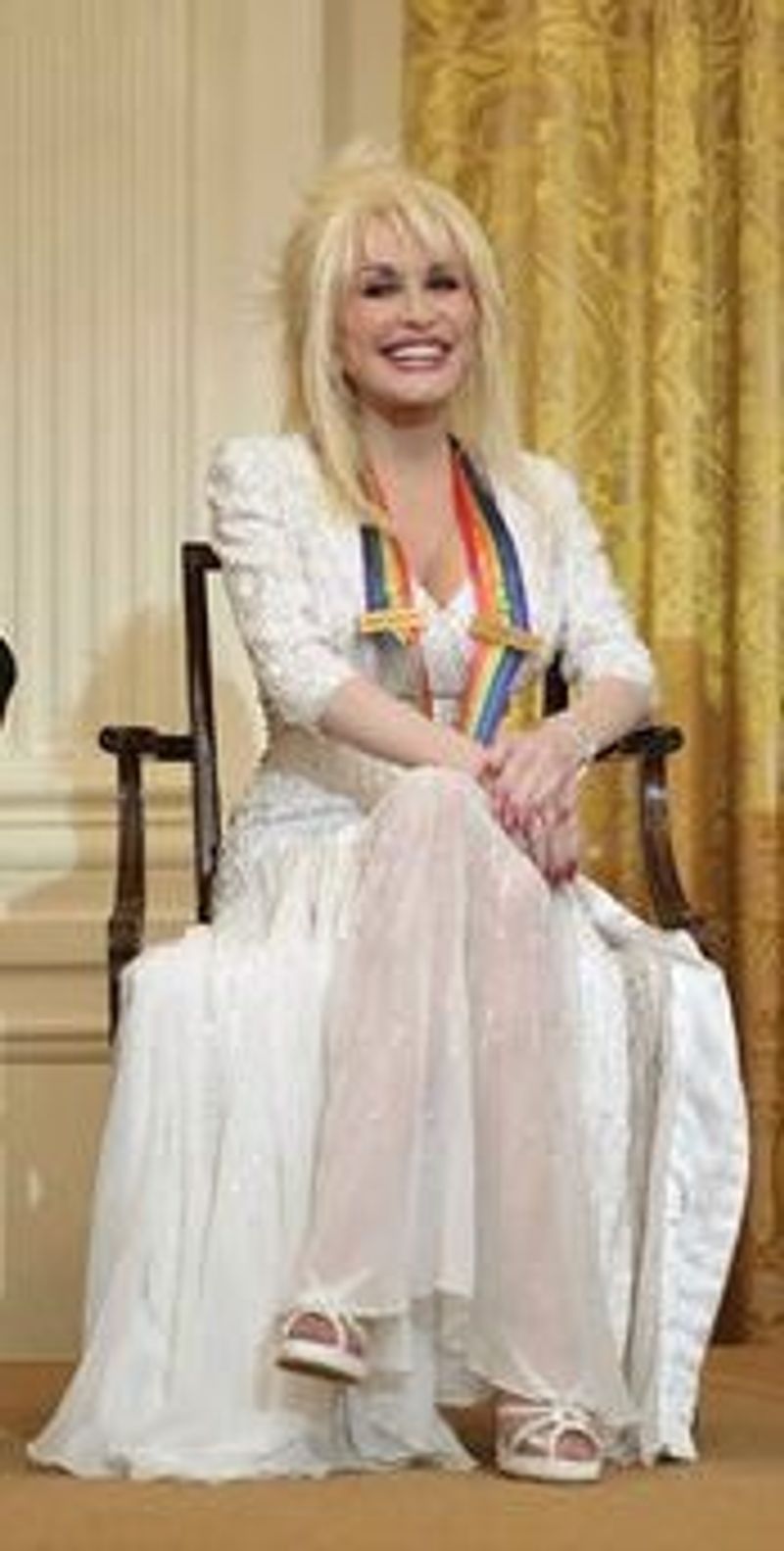
Rhinestones, big hair, and an even bigger talent for multiple instruments define one of country music’s most beloved icons. Dolly Parton plays guitar, banjo, and piano, weaving each instrument naturally into a catalog of over 3,000 songs she has written across her career.
Beyond the sequined outfits and infectious smile lives a deeply serious musician who started performing as a child in rural Tennessee. Hard work and genuine musical skill, not just charm, built that legendary career.
Parton also founded the Imagination Library, donating millions of books to children worldwide. Sharp mind, warm heart, and serious musical chops.
Few artists pack that much into one lifetime.
10. David Bowie
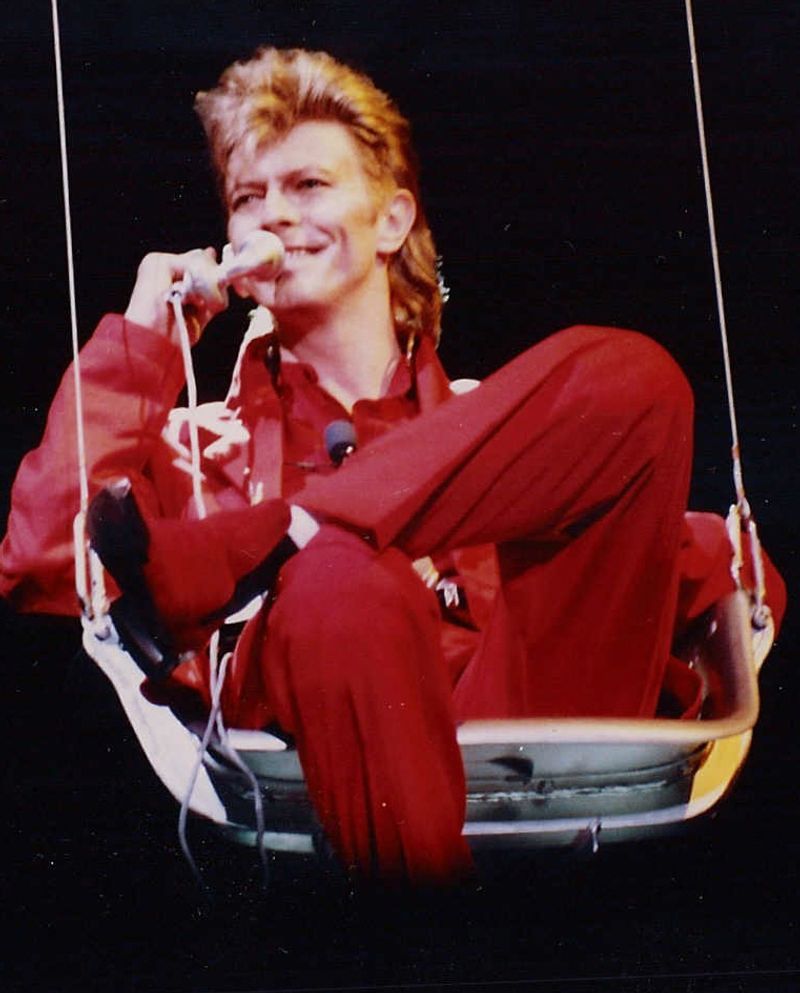
Guitar, piano, saxophone, and harmonica all featured in David Bowie’s musical toolkit, making him far more than just a theatrical frontman. Bowie’s saxophone playing, in particular, was genuinely accomplished, appearing on several of his most iconic recordings.
Across five decades, Bowie reinvented himself musically and visually so many times that fans could barely keep up. Ziggy Stardust, the Thin White Duke, and countless other personas each brought a different sonic identity to the stage.
His final album, Blackstar, released just two days before his death in 2016, was widely hailed as a masterpiece. Even at the very end, Bowie was still pushing musical boundaries forward.
Remarkable.
11. John Entwistle
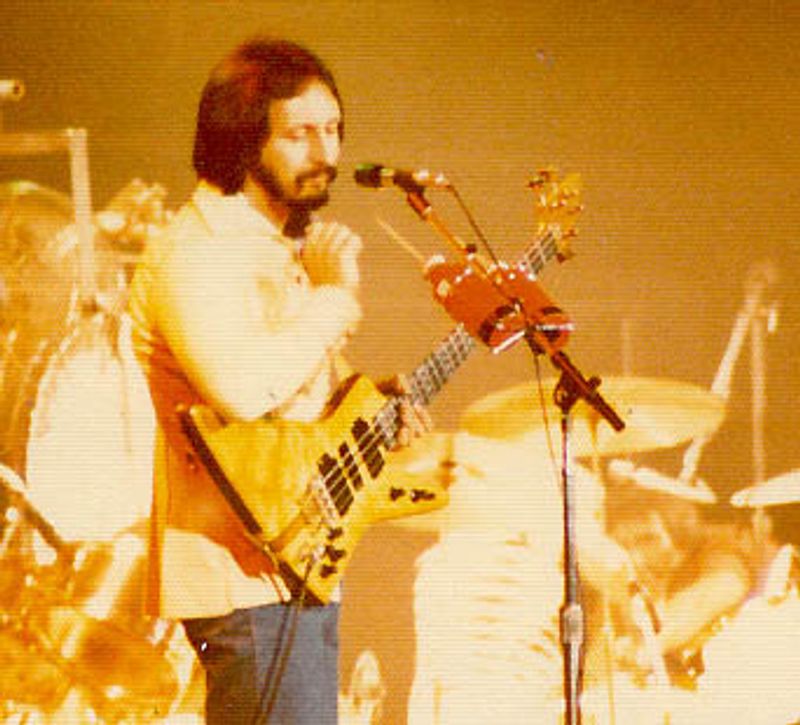
Nicknamed The Ox, John Entwistle was the only member of The Who to receive formal music training, and it showed spectacularly throughout his career. He mastered at least ten different instruments, including bass, guitar, piano, French horn, and trumpet.
His bass playing completely redefined what a rock bassist could do. Rather than simply keeping rhythm, Entwistle played melodic, complex lines that danced around Pete Townshend’s guitar parts like a conversation between old friends.
Music teachers worldwide now point to Entwistle as proof that formal training opens creative doors. Discipline plus raw talent equals something extraordinary.
Few rock musicians have ever commanded a bass guitar quite like The Ox did.
12. Mick Harvey
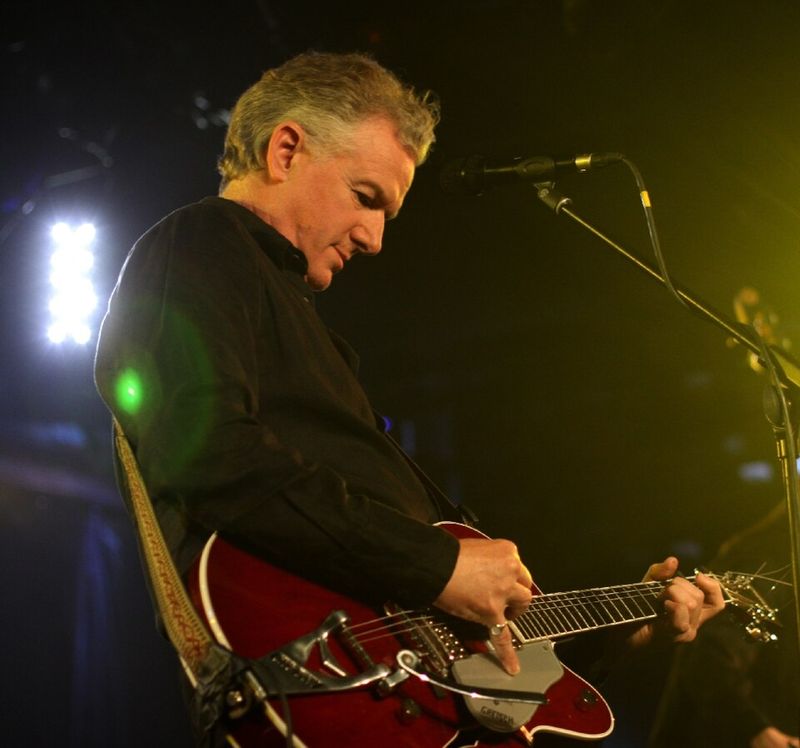
For over two decades, Mick Harvey served as the musical backbone of Nick Cave and the Bad Seeds, quietly playing guitar, bass, keyboards, and drums across countless critically acclaimed albums. Without Harvey holding things together, many of those records might have unraveled entirely.
Harvey’s ability to shift between instruments mid-session gave the Bad Seeds a sonic flexibility most bands simply cannot achieve. He was essentially a one-person rhythm section and melody architect rolled into one incredibly reliable package.
After departing the Bad Seeds in 2009, Harvey launched a successful solo career, further showcasing his range. Steady, skilled, and criminally underrated, he remains one of rock’s most versatile and underappreciated multi-instrumentalists.
13. Bootsy Collins
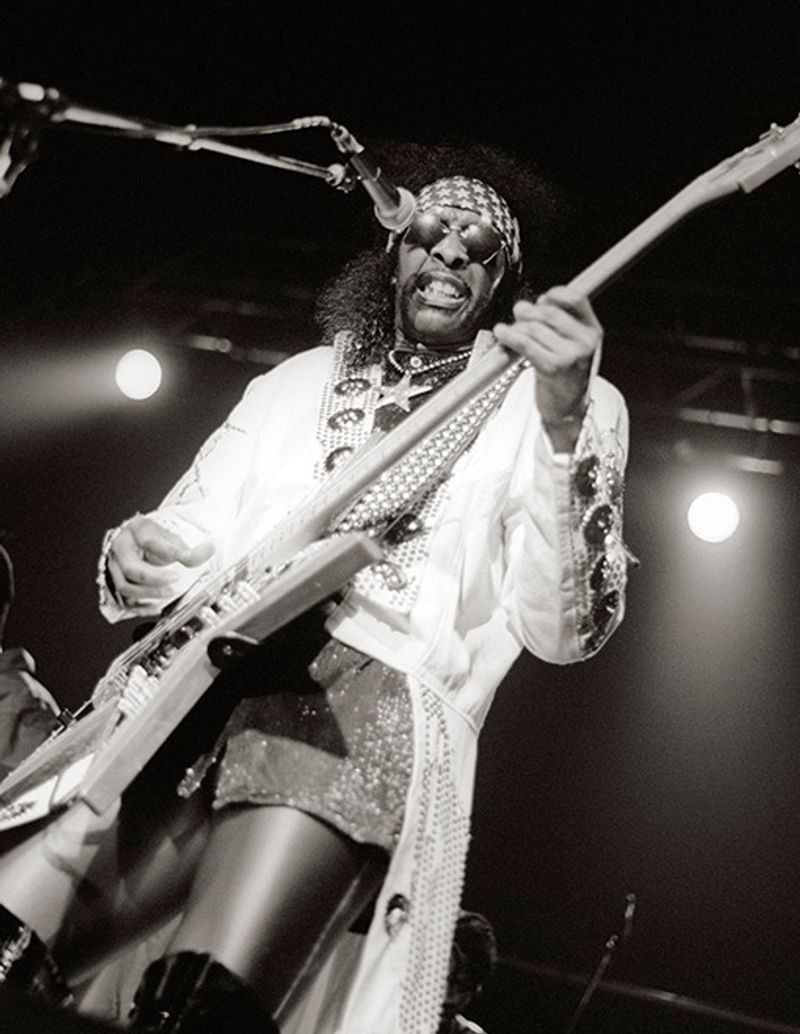
Star-shaped bass guitar, star-shaped glasses, and a personality bigger than the solar system, Bootsy Collins is impossible to miss and even harder to forget. A founding figure of funk music, Collins plays bass, guitar, drums, and keyboards, often all in service of one unstoppable groove.
Starting his career as a teenager playing alongside James Brown, Collins later joined Parliament-Funkadelic under the legendary George Clinton. Those recordings helped define an entire era of Black American music and influenced hip-hop, R&B, and pop for generations.
Collins proves that multi-instrumental talent does not need to be quiet or understated. Sometimes it shows up wearing sparkles and absolutely owns every single room it enters.