17 Musicians Fans Say Sound Even Better In Concert
Studio tracks can be flawless, yet something different happens when the lights drop and a crowd starts breathing in sync with the first note.
Live sound adds muscle and momentum, turning familiar lyrics into a shared moment that feels bigger than headphones ever allow.
Some artists lean into extended intros and surprise tempo changes that make each performance feel like its own version of the song.
Others bring a voice that hits harder onstage, fueled by adrenaline, connection, and the kind of raw edge that polished production sometimes smooths away.
Fan favorites often earn their reputation because the stage reveals details that never quite show up on record.
Disclaimer: Artist mentions and descriptions reflect general fan perceptions and live-performance tendencies, and concert sound can vary by venue acoustics, tour era, mixing, and individual seats; the content is provided for general informational and entertainment purposes.
1. Bruce Springsteen & The E Street Band
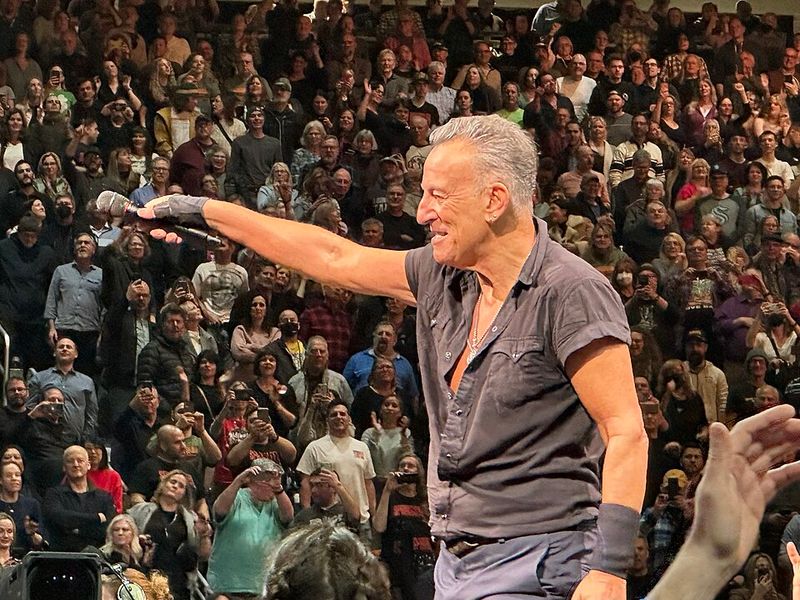
Marathon shows that stretch past three hours? That’s just a regular Tuesday for The Boss.
Bruce Springsteen and his legendary E Street Band treat every concert like it’s their last chance to prove rock and roll can save your soul.
Fans leave hoarse from singing along to Born to Run and Dancing in the Dark. The energy never dips, even deep into hour four.
Springsteen crowd-surfs, tells stories between songs, and makes seventy thousand people feel like they’re all hanging out in his garage.
2. Beyoncé
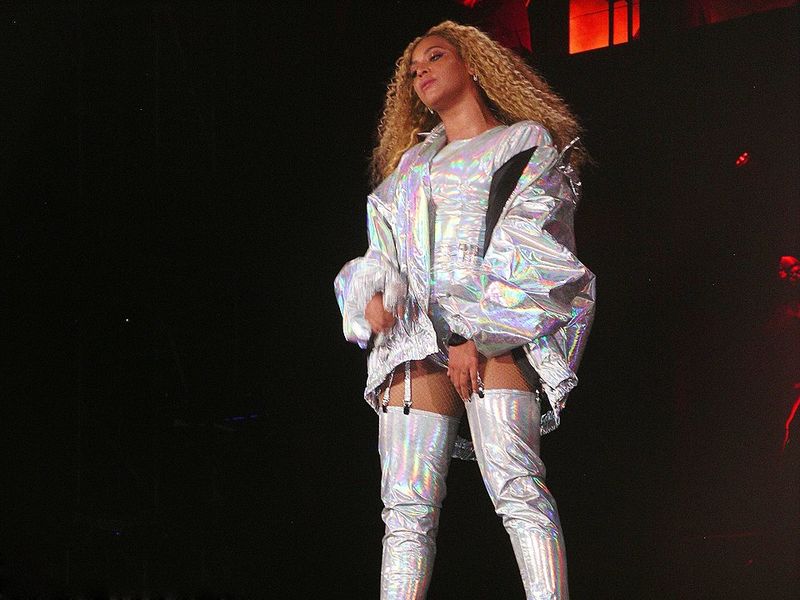
Queen Bey doesn’t just perform, she commands. Her concerts blend military precision with raw vocal power that reminds you why she’s royalty.
Studio tracks sound polished, but live Beyoncé adds layers of emotion that recordings simply can’t hold.
Stadium-sized productions include costume changes, intricate choreography, and a live band that never misses a beat.
Yet through all the spectacle, her voice cuts through crystal clear. Fans witness history every single night because she performs like legends are made, not born.
3. Adele
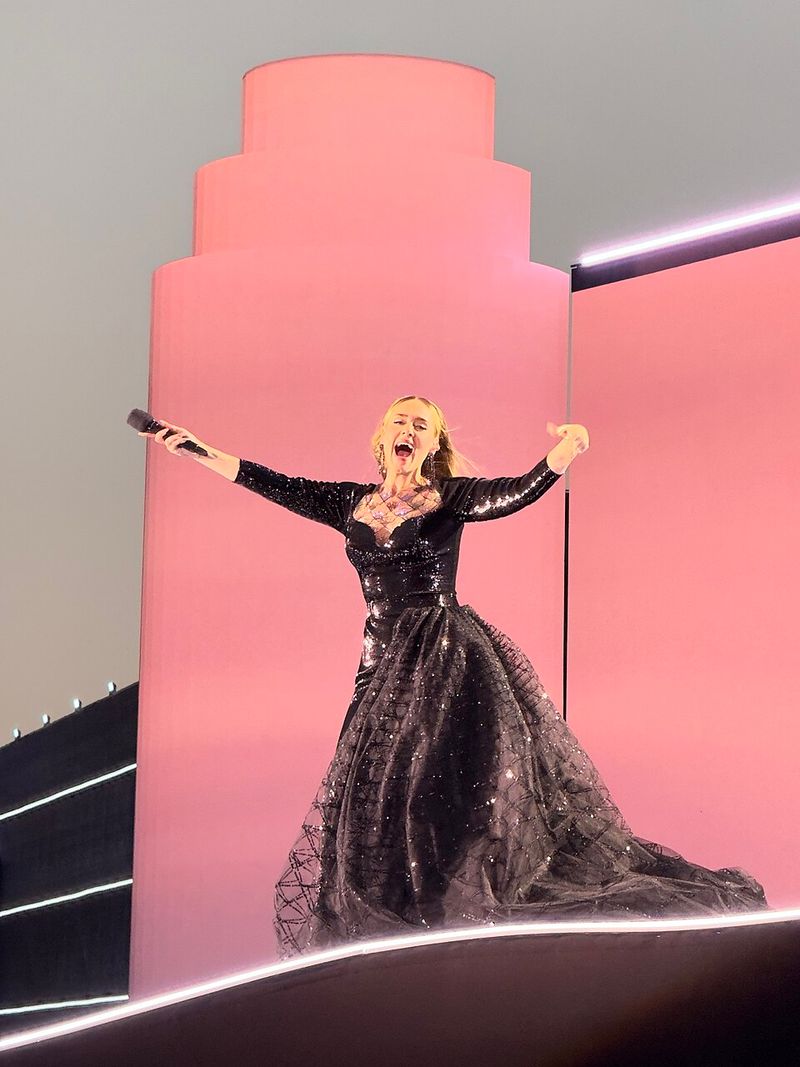
No pyrotechnics needed when your voice can shake an arena’s foundations.
Adele’s concerts feel like intimate gatherings despite hosting twenty thousand people. Her between-song banter is hilarious, self-deprecating, and makes strangers feel like old friends.
Someone Like You hits harder when she’s standing ten feet away, even in the nosebleed seats.
She delivers every note without Auto-Tune crutches, proving real talent never goes out of style.
4. Stevie Wonder
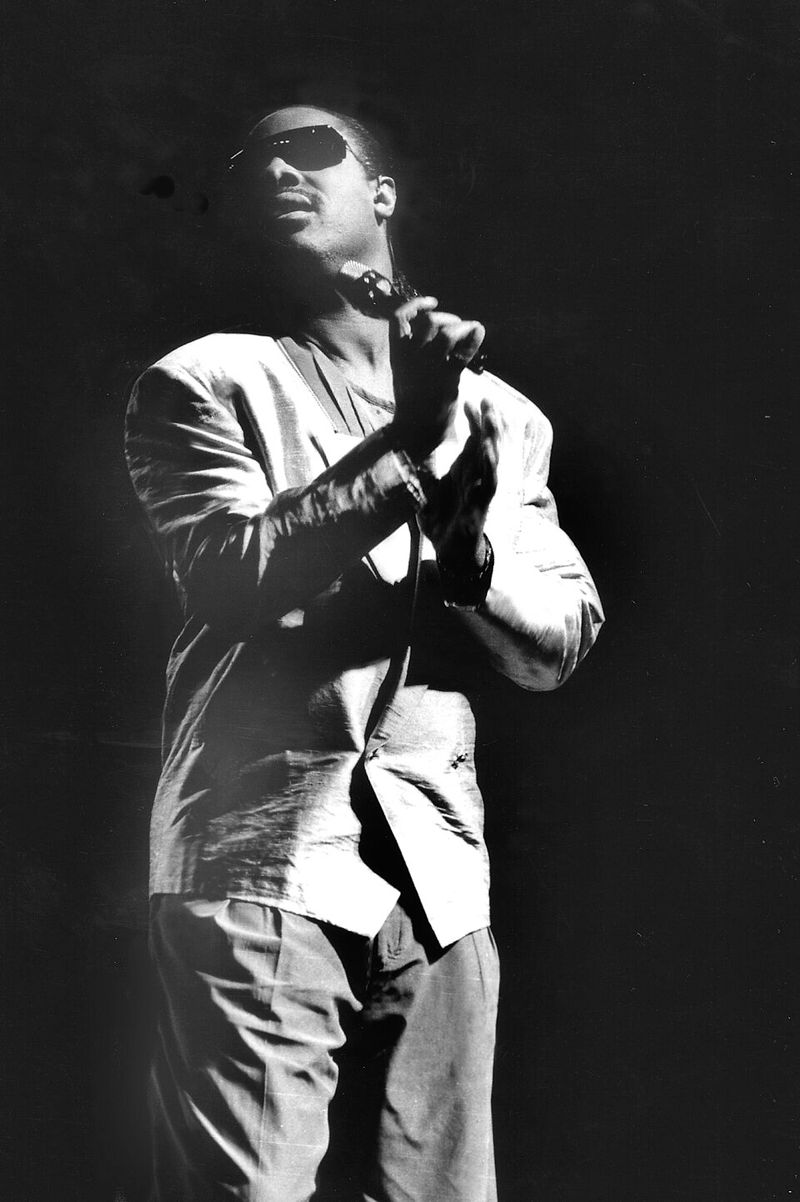
Watching Stevie Wonder perform is like attending a masterclass where the tuition is pure joy.
His concerts prioritize musicianship over flashy gimmicks, letting the groove and his legendary voice do all the talking. The band chemistry feels telepathic.
Superstition gets extended with keyboard solos that would make jazz purists weep.
After five decades, he still plays like he’s got something to prove, which makes every show feel essential and urgent.
5. U2
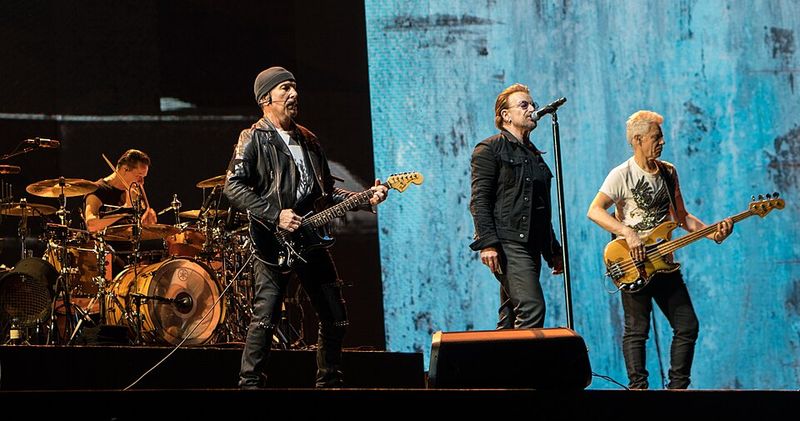
U2 didn’t just write songs for arenas, they practically invented the modern stadium rock experience.
Where the Streets Have No Name sounds good on headphones but becomes an anthem when forty thousand voices join in. The crowd literally becomes part of the arrangement.
Bono’s stage presence turns concerts into movements, while The Edge’s guitar work gains extra dimension in live settings.
6. Foo Fighters
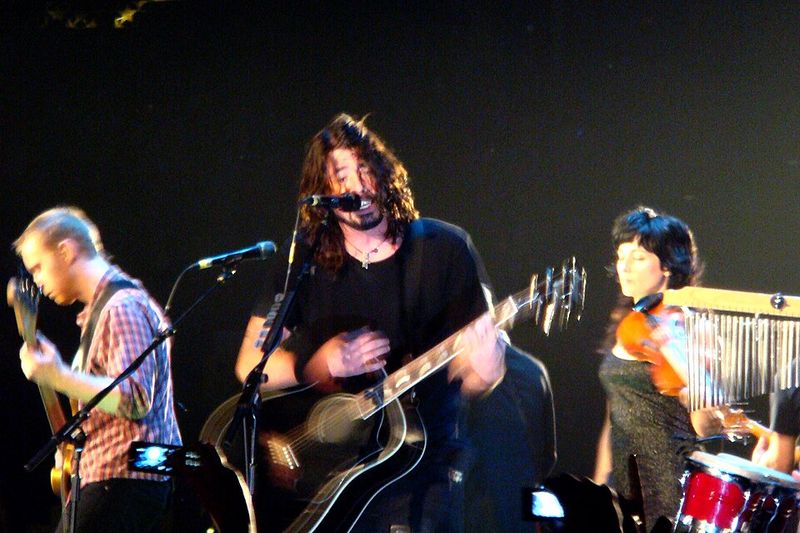
If concerts were measured in pure adrenaline, Foo Fighters would break every scale.
Dave Grohl and crew attack setlists like they’re storming beaches, keeping momentum impossibly high from first note to final encore. Everything is loud, fast, and gloriously communal.
They play like every show might be their last, which makes every ticket feel like winning the rock and roll lottery.
7. Taylor Swift
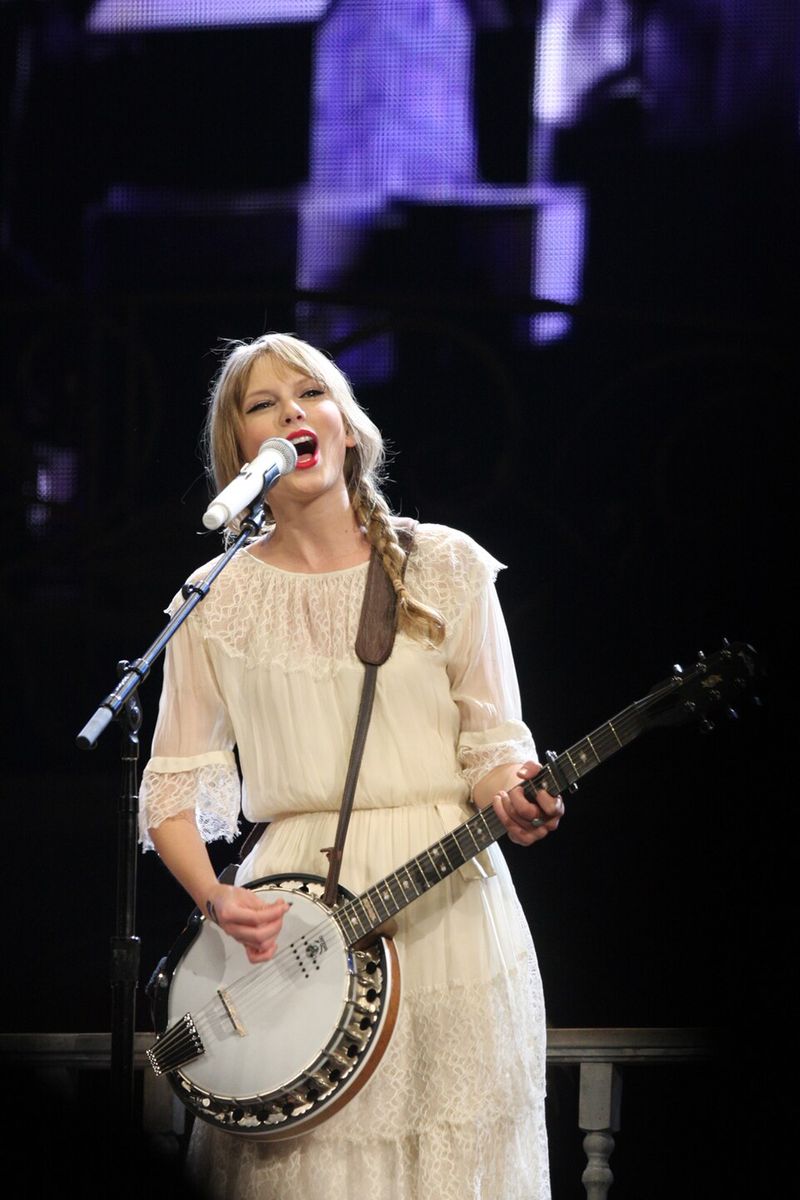
Three-hour setlists spanning five musical eras? Only Taylor Swift could pull that off and leave fans wanting more.
Her concerts reward longtime followers with deep cuts while delivering the hits that made her a superstar. Live vocals remain strong throughout marathon performances.
All Too Well (Ten Minute Version) becomes a theatrical experience with costume changes and narrative arcs.
8. Lady Gaga
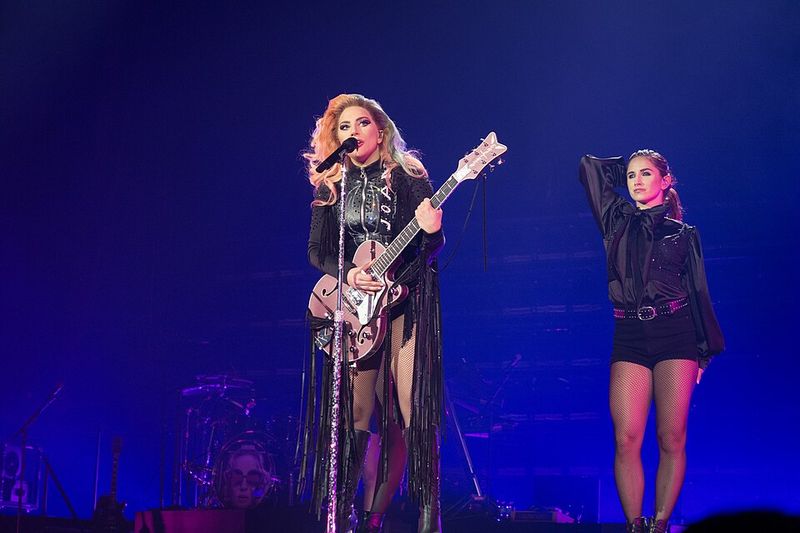
First-time concertgoers always leave Lady Gaga shows shocked by one thing: she can actually sing, like incredibly good.
Behind the avantgarde dresses are performances that showcase real talent that studio production sometimes obscures.
Whether playing stadiums or intimate jazz clubs, Gaga’s performance skills translate perfectly, proving spectacle and substance aren’t mutually exclusive concepts.
9. Paul McCartney
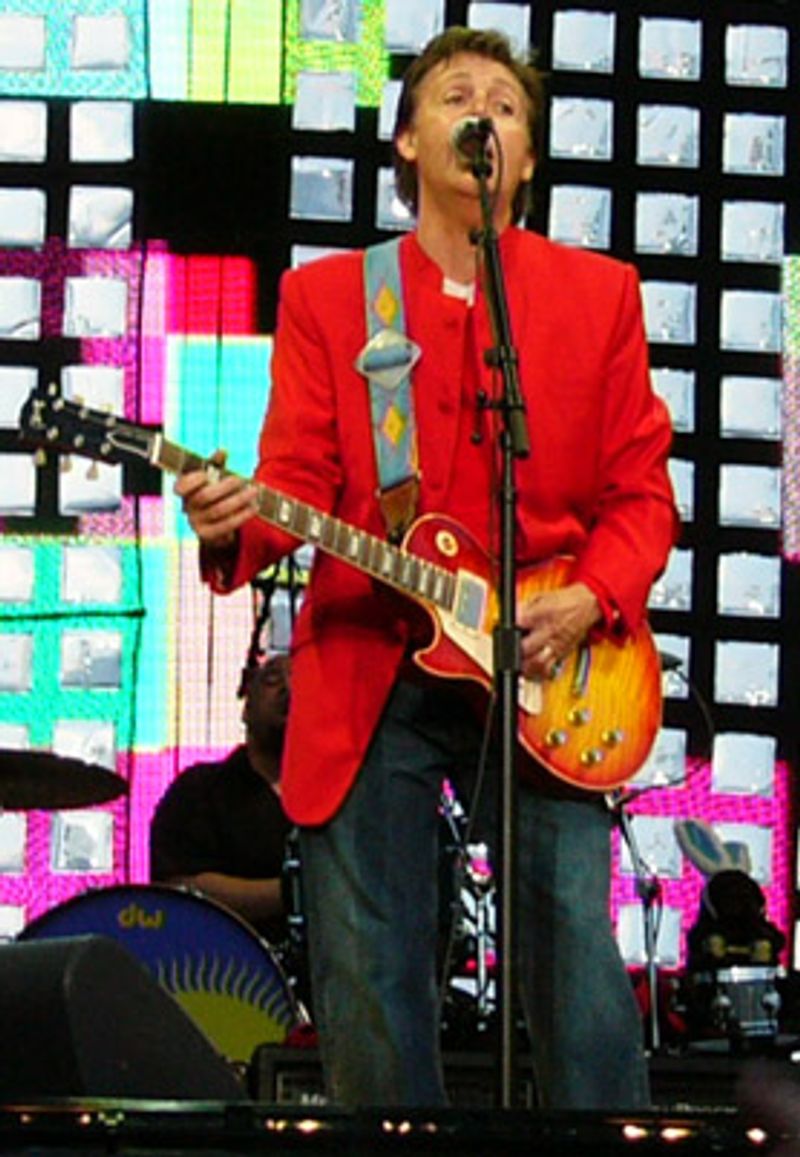
Watching Paul McCartney perform is like having a living music history book open before your eyes.
He’s got a songbook that spans six decades, backed by a band that makes Beatles classics and Wings hits feel immediate and urgent. Hey Jude still works its magic.
The setlist jumps from Maybe I’m Amazed to newer material without missing a beat.
At over eighty years old, he performs with energy that exhausts musicians half his age.
10. Coldplay
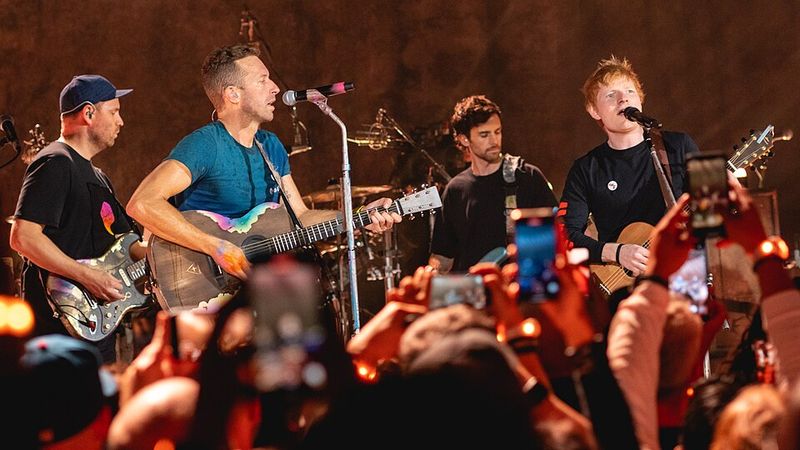
Coldplay concerts aren’t just shows, they’re participatory experiences where the audience does half the work.
Chris Martin and crew design songs specifically to be shouted back in perfect unison. LED wristbands turn crowds into living light shows that respond to the music.
Fix You becomes a collective healing moment when twenty thousand people sing the chorus together.
The band’s entire philosophy centers on connection, making every concert feel like a giant, colorful group hug set to music.
11. Billie Eilish
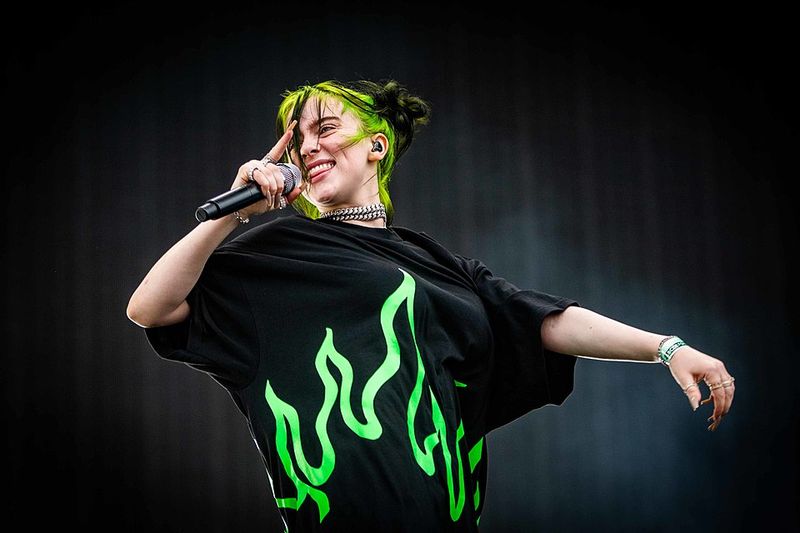
Minimalist studio tracks gain unexpected punch when Billie Eilish performs them live.
Her stage presence sells every whispered lyric and bass-heavy beat, proving you don’t need orchestras to fill arenas.
The stripped-down production puts focus squarely on her voice and the emotional weight behind each song.
She commands attention without demanding it, which somehow makes everything more powerful.
12. The Rolling Stones
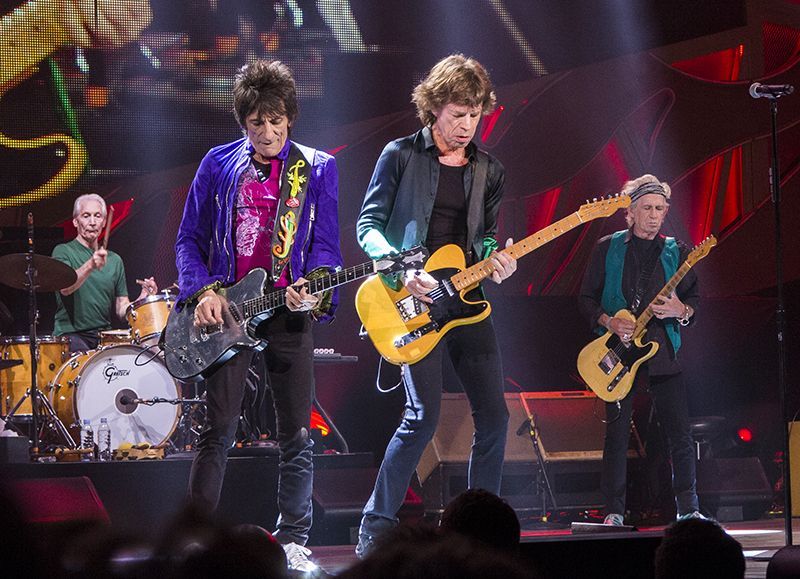
Loose, swaggering, and somehow still dangerous after sixty years.
The Rolling Stones perform like they’re getting away with something illegal, which makes familiar riffs feel brand new.
Mick Jagger moves across stages like a man half his age, defying both time and physics.
Their concerts prove rock and roll isn’t about age, it’s about attitude, and these legends have attitude to spare for several lifetimes.
13. Metallica
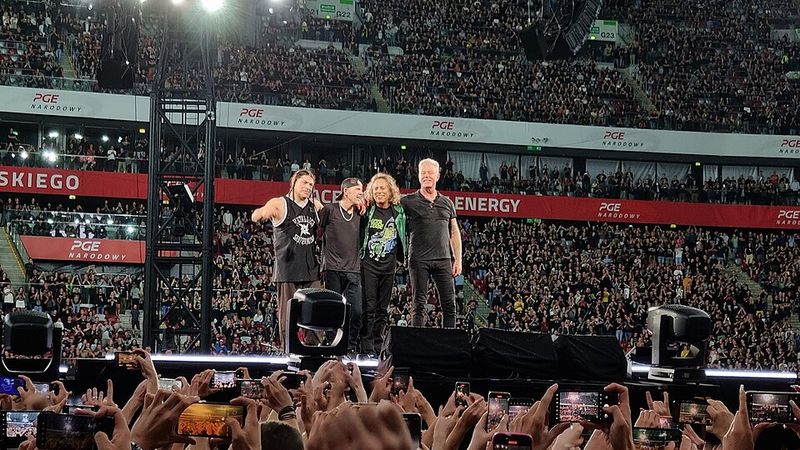
Heavy music simply hits harder when it’s rattling your ribcage in person.
Metallica’s live shows transform studio recordings into earthquakes of sound, with audiences becoming giant choirs for every song.
Their concerts prove metal is a communal experience where everyone leaves slightly deafened but completely satisfied.
14. Pearl Jam
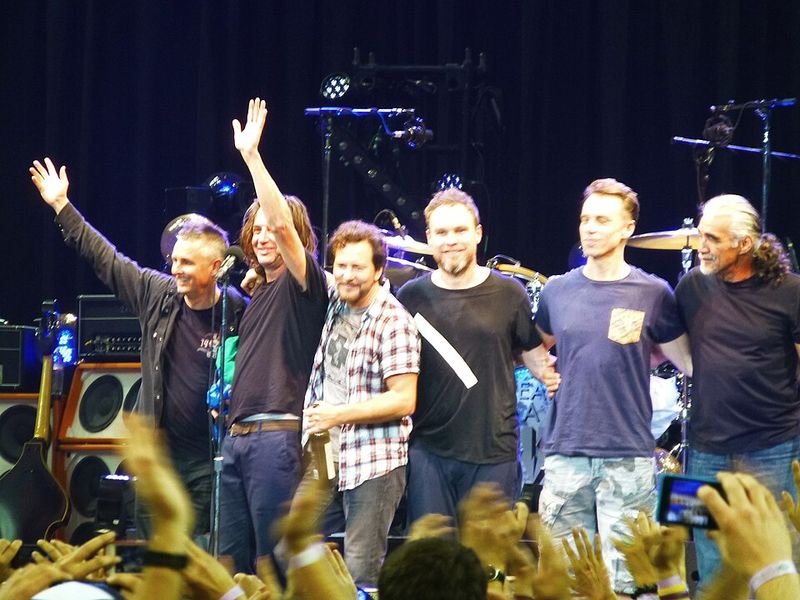
No two Pearl Jam concerts are identical, which keeps fans coming back for decades.
Eddie Vedder’s raw vocals gain extra intensity live, and the band keeps setlists flexible enough to surprise veteran concertgoers. Better Man might show up early or late, or not at all.
They play like the songs are still being written, making every performance feel urgent, unpredictable, and utterly essential to witness firsthand.
15. Radiohead
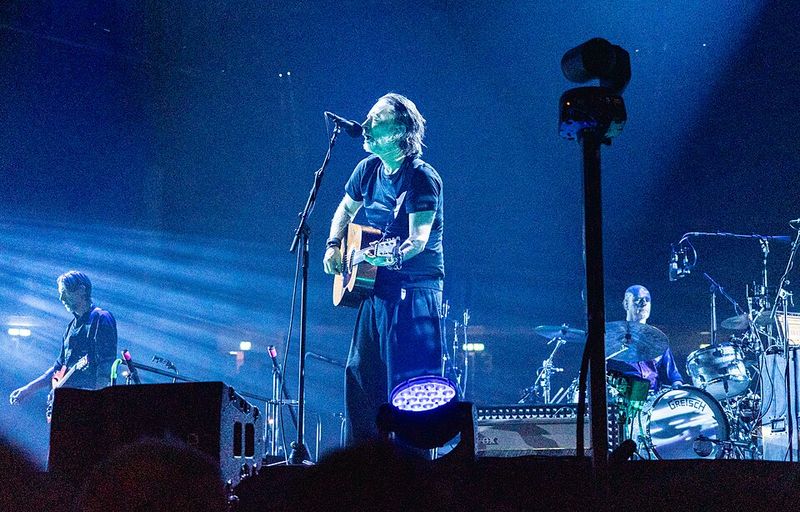
Studio perfectionism meets live improvisation when Radiohead takes the stage.
Their concerts often feature songs that evolve into deeper, stranger versions than what appears on albums. Thom Yorke’s vocals gain haunting qualities that recordings struggle to capture fully.
The band treats concerts like laboratories where they can experiment, making every show essential for fans who want to hear familiar songs reimagined completely.
16. Ed Sheeran
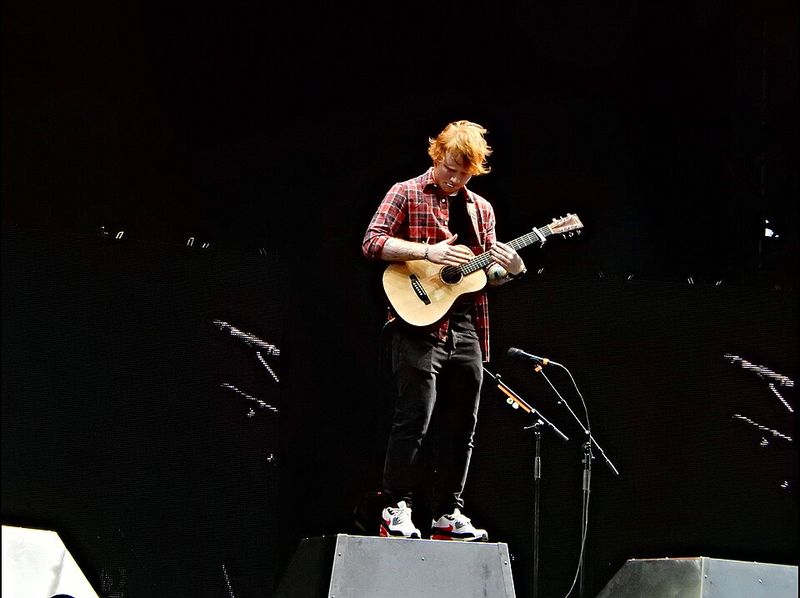
Watching Ed Sheeran build songs in real time using loop pedals feels like witnessing magic tricks where the magician explains everything and it’s still impressive.
He layers guitar parts, percussion, and vocals live, creating full-band sounds as a one-person show.
His concerts show you don’t need elaborate productions when raw talent and loop technology can fill stadiums perfectly fine.
17. Bruno Mars
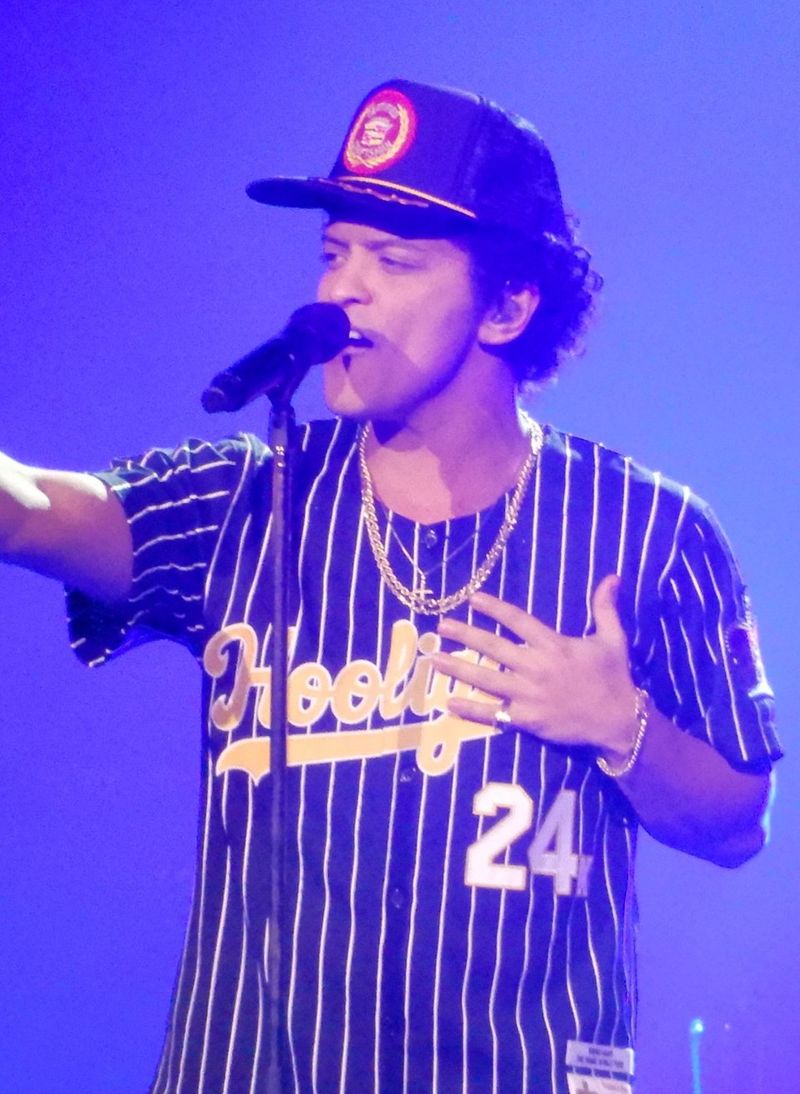
Smooth vocals meet classic showmanship when Bruno Mars hits the stage.
His concerts feel like time-traveled back to an era when performers actually performed, complete with tight choreography and a band that plays with old-school precision.
Uptown Funk becomes a dance party with serious musical chops backing it.
The band never misses a beat, the dancers hit every mark, and Bruno commands attention like entertainers used to before backing tracks became acceptable.