20 Must-Have Indian Spices For Next-Level Cooking
Indian cooking has captured hearts and taste buds around the world with its bold, layered flavors and aromatic magic.
The secret behind every mouthwatering curry, fragrant biryani, and sizzling street snack?
A well-stocked spice cabinet filled with the essentials.
Whether you’re a curious beginner or a seasoned home cook ready to level up, having the right spices on hand will transform your kitchen into a flavor powerhouse.
1. Turmeric (Haldi)

Golden, earthy, and absolutely iconic—turmeric is the backbone of Indian cuisine.
It paints curries with that signature sunny glow while delivering a subtle, warm flavor that ties everything together.
Beyond taste, it’s packed with health perks, especially anti-inflammatory benefits that have made it a wellness superstar.
Just a pinch goes a long way, so don’t go overboard unless you want everything tasting like dirt (literally). From dal to rice, turmeric is non-negotiable.
2. Cumin (Jeera)
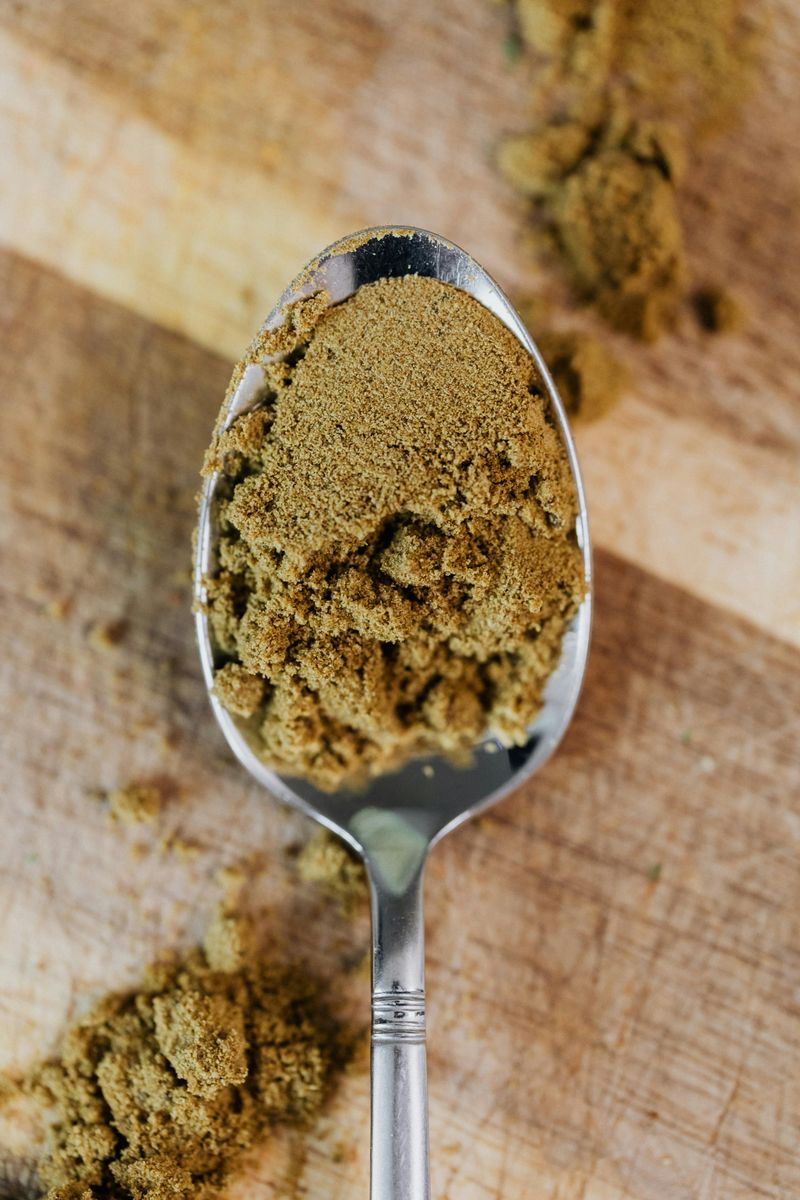
If turmeric is the color, cumin is the soul.
Those tiny crescent-shaped seeds pack a warm, nutty punch that’s impossible to replicate.
Toast them in a hot pan and watch your kitchen fill with an aroma that’ll make your neighbors jealous.
Cumin shows up everywhere—curries, rice, raita, even spice blends like garam masala.
It’s versatile, affordable, and absolutely essential for authentic flavor.
No Indian pantry is complete without a jar of whole and ground cumin.
3. Coriander (Dhania)
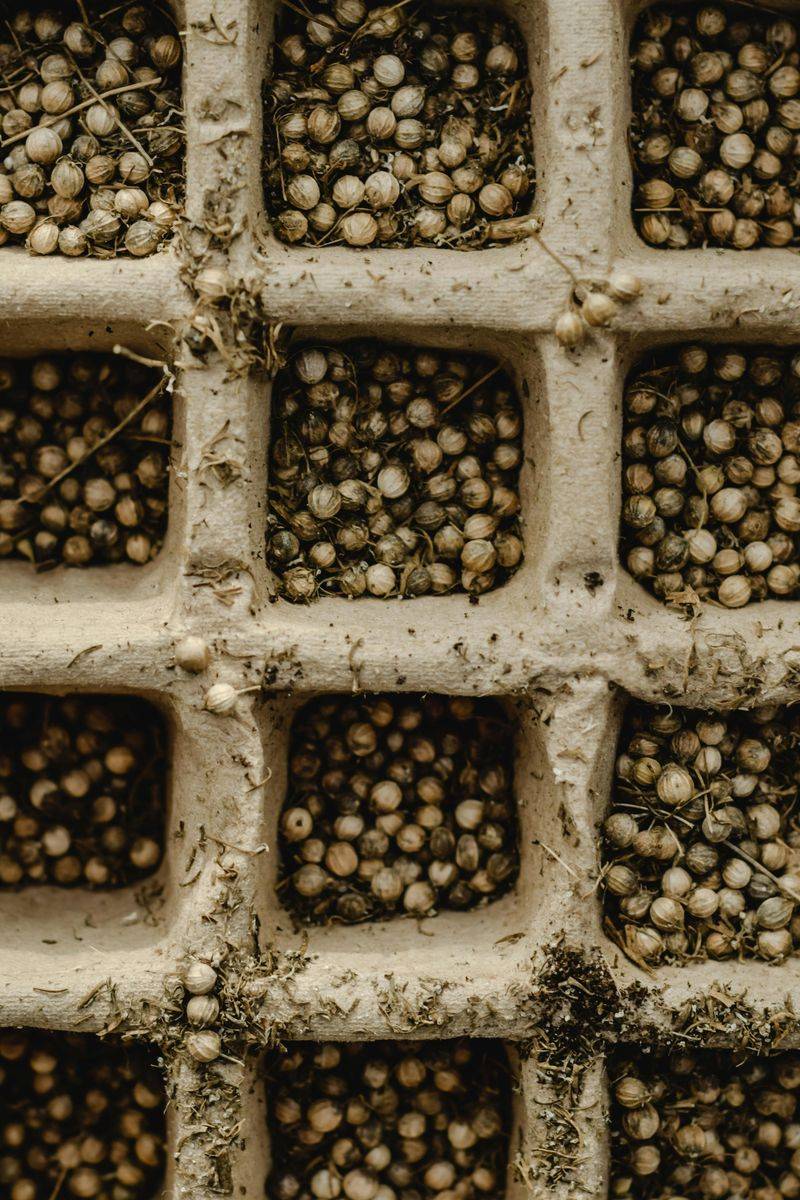
Bright, citrusy, and slightly sweet—coriander brings balance to bold dishes.
You’ll find it as seeds, ground powder, or fresh green leaves (cilantro), each offering its own vibe.
The seeds are roasted and ground into curries, while the leaves add a fresh, herby finish.
Fun fact: love it or hate it, cilantro’s polarizing taste is actually genetic!
Either way, coriander seeds are a must for depth and complexity in your cooking.
4. Cardamom (Elaichi)
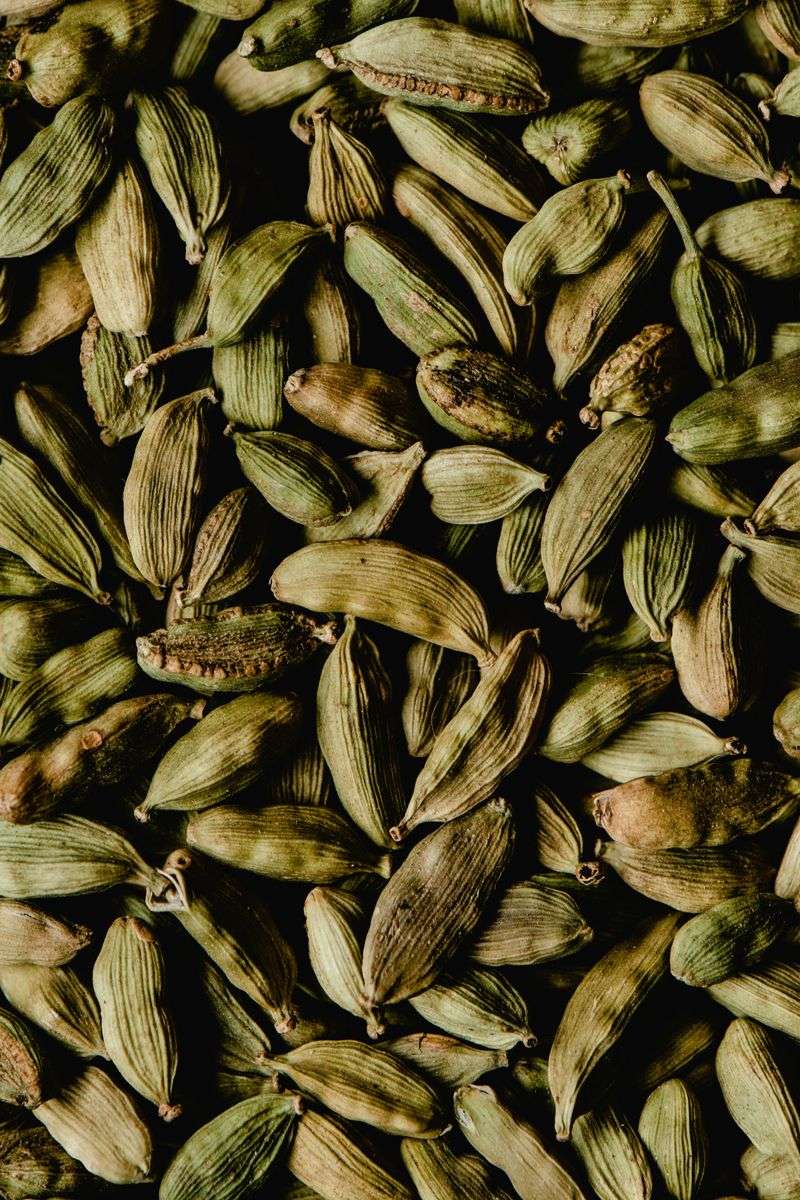
Meet the queen of spices—sweet, floral, and downright intoxicating.
Cardamom comes in green and black varieties, each with its own personality.
Green cardamom is delicate and aromatic, perfect for chai and desserts, while black cardamom is smoky and bold, ideal for hearty curries.
A little goes a long way with this one.
Crush the pods to release those heavenly oils, and your dishes will taste like they came from a royal kitchen.
5. Mustard Seeds (Rai)
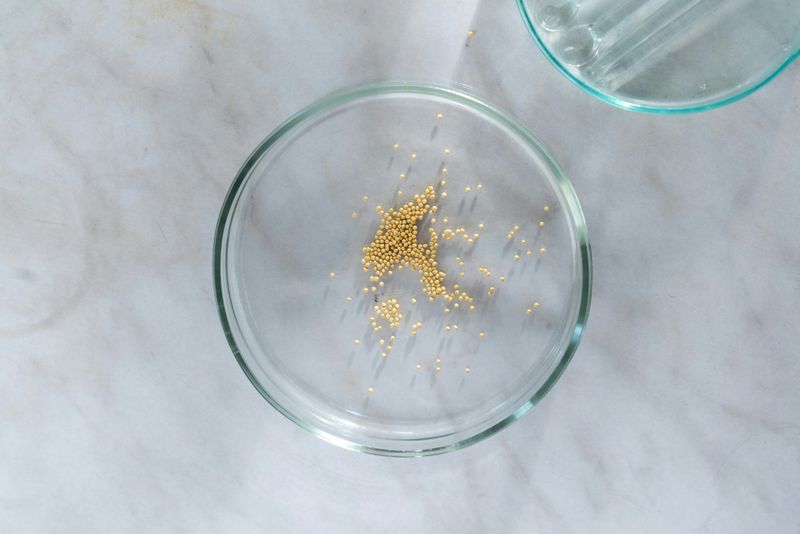
Tiny but mighty, mustard seeds are South Indian cooking’s secret weapon.
When you toss them into hot oil, they pop and crackle, releasing a sharp, nutty flavor that’s utterly addictive.
This technique, called tempering or tadka, is pure magic and transforms simple dal or vegetables into something special.
Black and yellow varieties are common, each bringing slightly different heat levels.
Stock up and get ready to hear that satisfying sizzle.
6. Cloves (Laung)
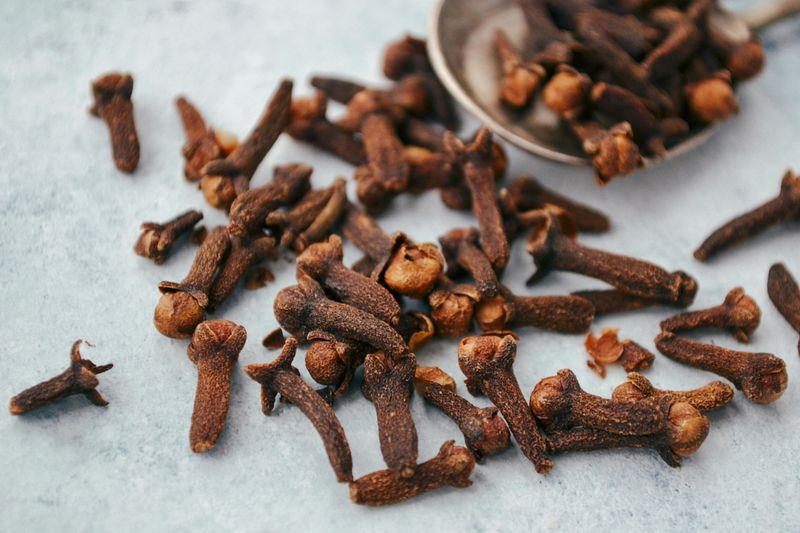
Intensely aromatic with a sweet-spicy kick, cloves demand respect.
Use them sparingly—their flavor is powerful enough to dominate a dish if you’re not careful.
Cloves are essential in garam masala, biryanis, and even chai, lending warmth and depth.
They also have natural numbing properties (hello, toothache remedy!).
Whole or ground, cloves add that unmistakable festive note to your cooking that screams celebration.
7. Cinnamon (Dalchini)
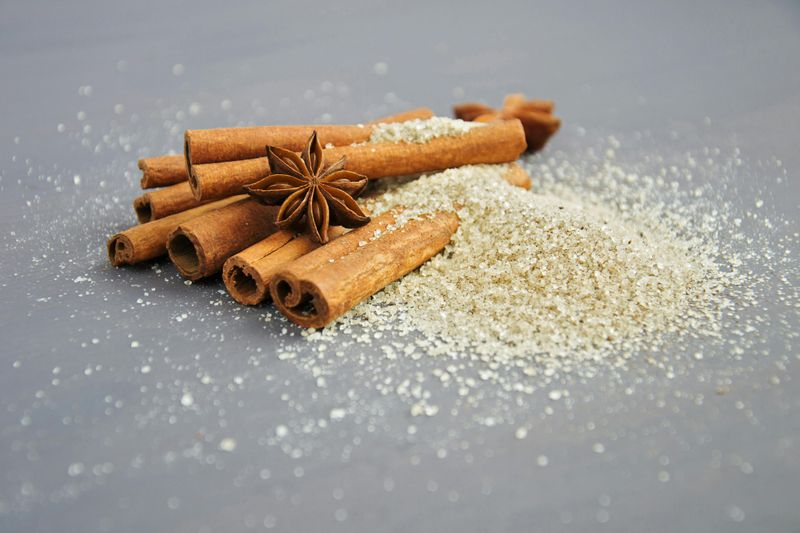
Sweet, warm, and cozy—cinnamon isn’t just for desserts anymore.
In Indian cooking, it’s a key player in savory dishes like curries, biryanis, and spice blends.
The stick form (often called cassia) releases flavor slowly, infusing dishes with gentle sweetness.
Ground cinnamon works too, but the sticks give you more control and a prettier presentation.
Plus, who doesn’t love fishing out a fragrant cinnamon stick from their plate?
8. Asafoetida (Hing)
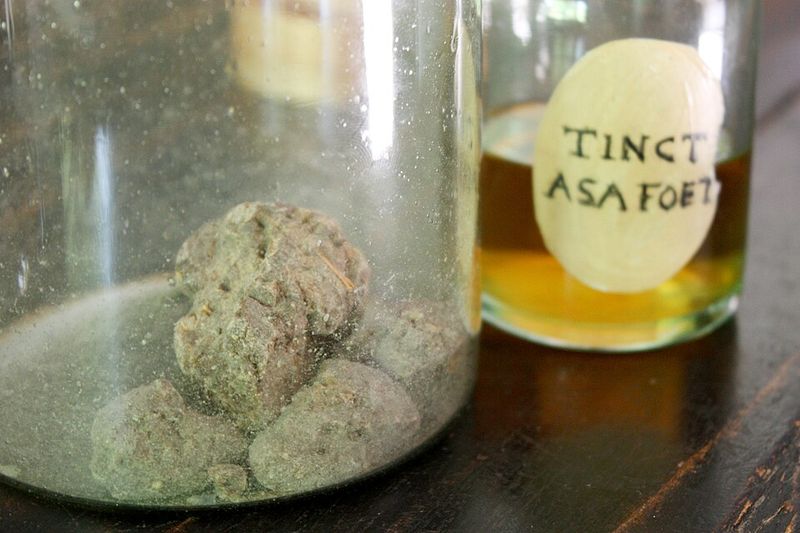
Pungent, funky, and absolutely essential—hing is the vegetarian cook’s best friend.
Yes, it smells like feet straight from the jar, but once it hits hot oil, it transforms into pure umami magic.
Just a tiny pinch adds incredible depth to lentils, vegetables, and pickles.
Asafoetida also aids digestion, which is why it’s a staple in bean dishes.
Trust the process, hold your nose initially, and thank us later when your dal tastes restaurant-quality.
9. Fenugreek (Methi)

Slightly bitter with a hint of maple sweetness, fenugreek is wonderfully complex.
The seeds are used in curries, pickles, and spice blends, while the dried leaves (kasuri methi) add an earthy, aromatic finish.
Fenugreek can be an acquired taste, but once you’re hooked, there’s no going back.
Pro tip: toast the seeds lightly to mellow the bitterness and bring out nutty undertones.
Your butter chicken will never be the same.
10. Fennel Seeds (Saunf)
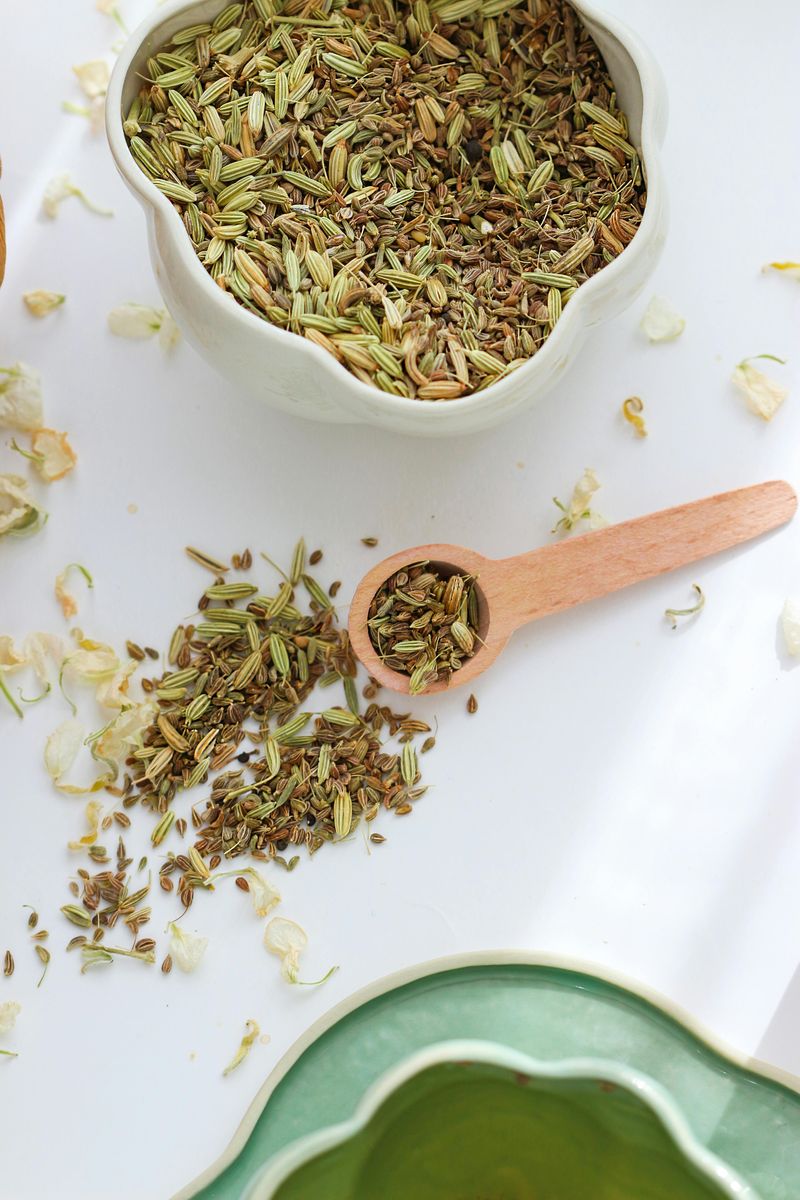
Sweet, licorice-like, and refreshingly aromatic—fennel seeds are kitchen multitaskers.
They show up in curries, rice dishes, and spice blends, but they’re also munched after meals as a natural breath freshener and digestive aid.
Ever wondered about those colorful seeds at Indian restaurants?
That’s saunf, often sugar-coated and irresistible.
Keep a jar handy for cooking and snacking—it’s a win-win situation for your taste buds and tummy.
11. Red Chili Powder (Lal Mirch)
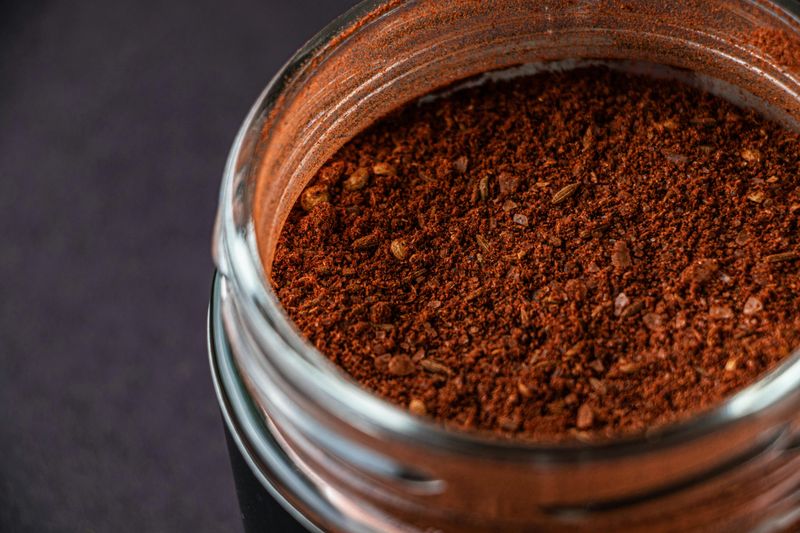
Heat, color, and attitude—red chili powder brings all three to the table.
Kashmiri chili powder is milder and prized for its vibrant red hue, while regular varieties pack serious fire.
Adjust according to your heat tolerance, but don’t skip it entirely unless you want bland food.
Chili powder is what gives curries that gorgeous red color and addictive kick.
Start small, taste often, and find your perfect spice level.
12. Garam Masala
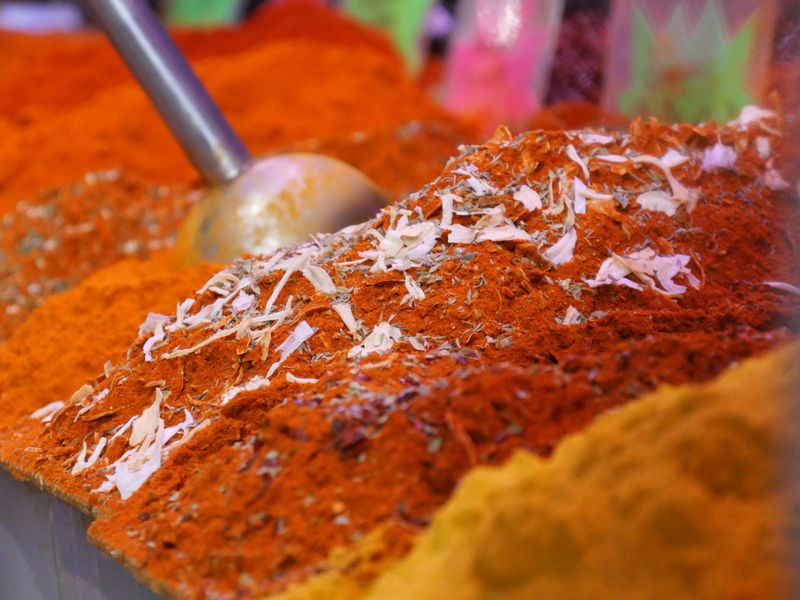
The superstar spice blend that ties everything together—garam masala means warm spices, and boy does it deliver.
Typically made from cumin, coriander, cardamom, cinnamon, cloves, and black pepper, this aromatic mix adds instant depth and complexity.
Every family has their own recipe, so feel free to customize yours.
Add it toward the end of cooking to preserve those fragrant oils.
One sprinkle transforms ordinary dishes into extraordinary feasts.
13. Bay Leaves (Tej Patta)
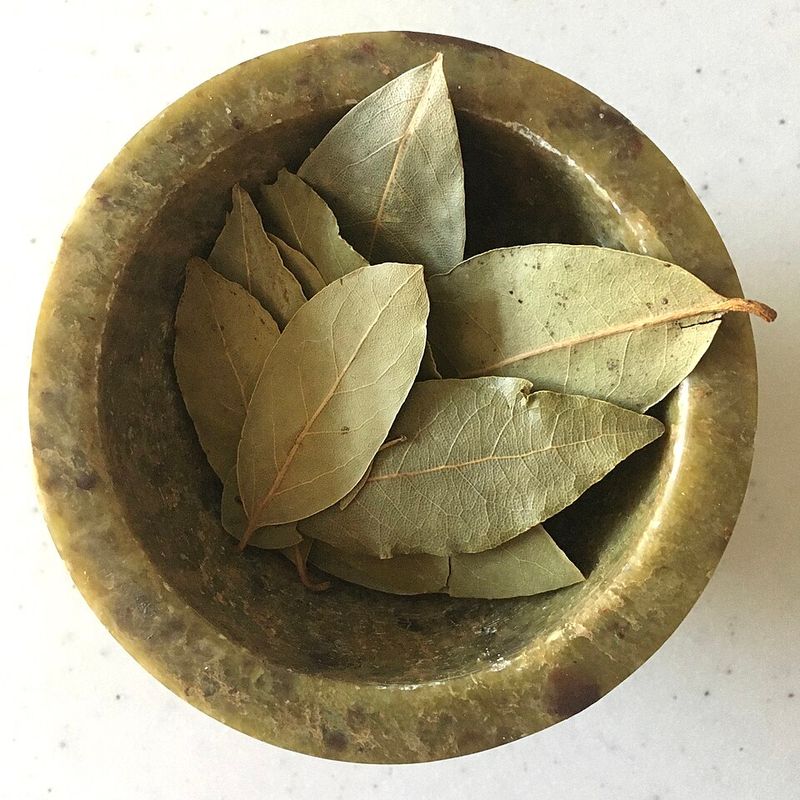
Subtle, earthy, and aromatic—bay leaves work their magic quietly in the background.
Indian bay leaves (tej patta) differ slightly from Mediterranean ones, offering a cinnamon-like fragrance.
Toss a few into rice, curries, or soups and let them infuse their gentle flavor.
Just remember to fish them out before serving—they’re not meant to be eaten!
Bay leaves are the unsung heroes that make everything smell amazing without stealing the spotlight.
14. Black Pepper (Kali Mirch)
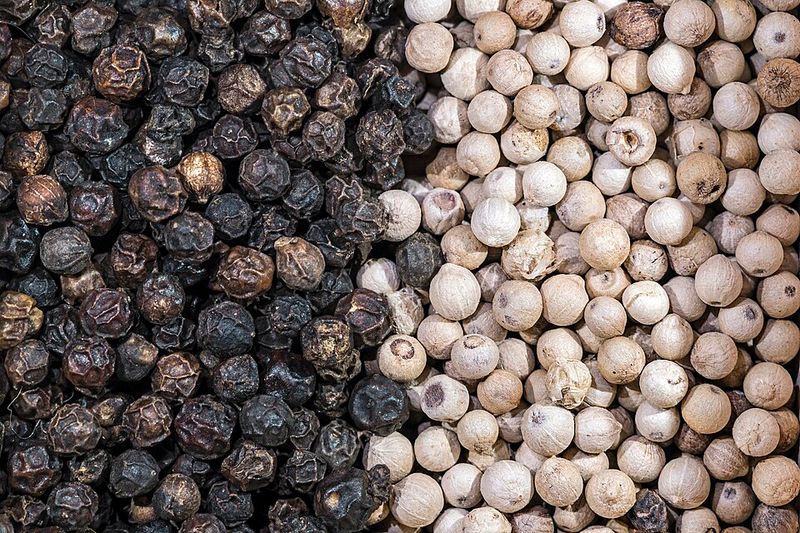
The king of spices deserves major respect—black pepper has been prized for centuries for good reason.
It adds sharp, pungent heat that’s different from chili’s burn, plus it enhances other flavors beautifully.
Freshly ground pepper is miles better than pre-ground, so invest in a good grinder.
Use it whole in tempering, crushed in spice blends, or ground over finished dishes.
Black pepper is versatile, bold, and absolutely irreplaceable.
15. Nutmeg (Jaiphal)
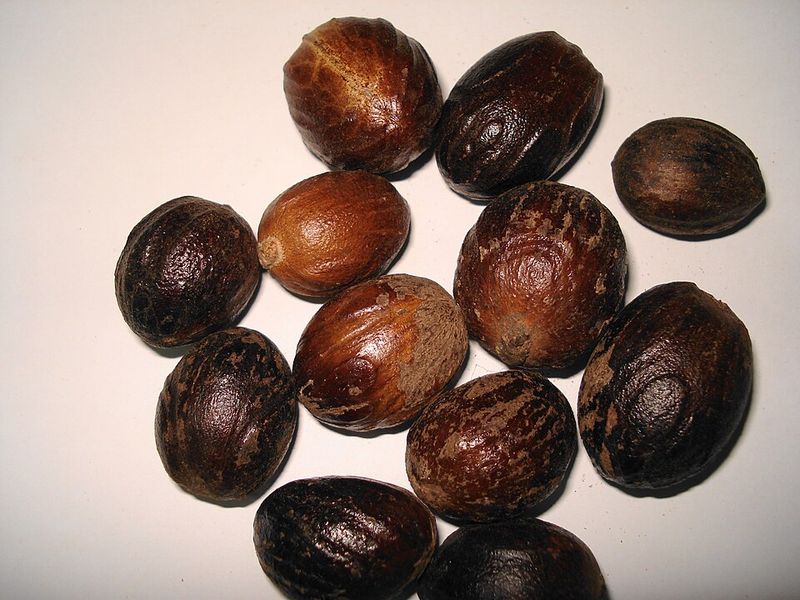
Warm, sweet, and mysteriously spicy—nutmeg is the secret ingredient you didn’t know you needed.
A little grating goes a long way, adding aromatic depth to curries, desserts, and even chai.
Whole nutmeg stays fresh longer and releases incredible fragrance when freshly grated.
It pairs beautifully with creamy dishes and rich gravies.
Use it sparingly though—too much can overpower and even cause unpleasant effects. Less is definitely more here.
16. Saffron (Kesar)
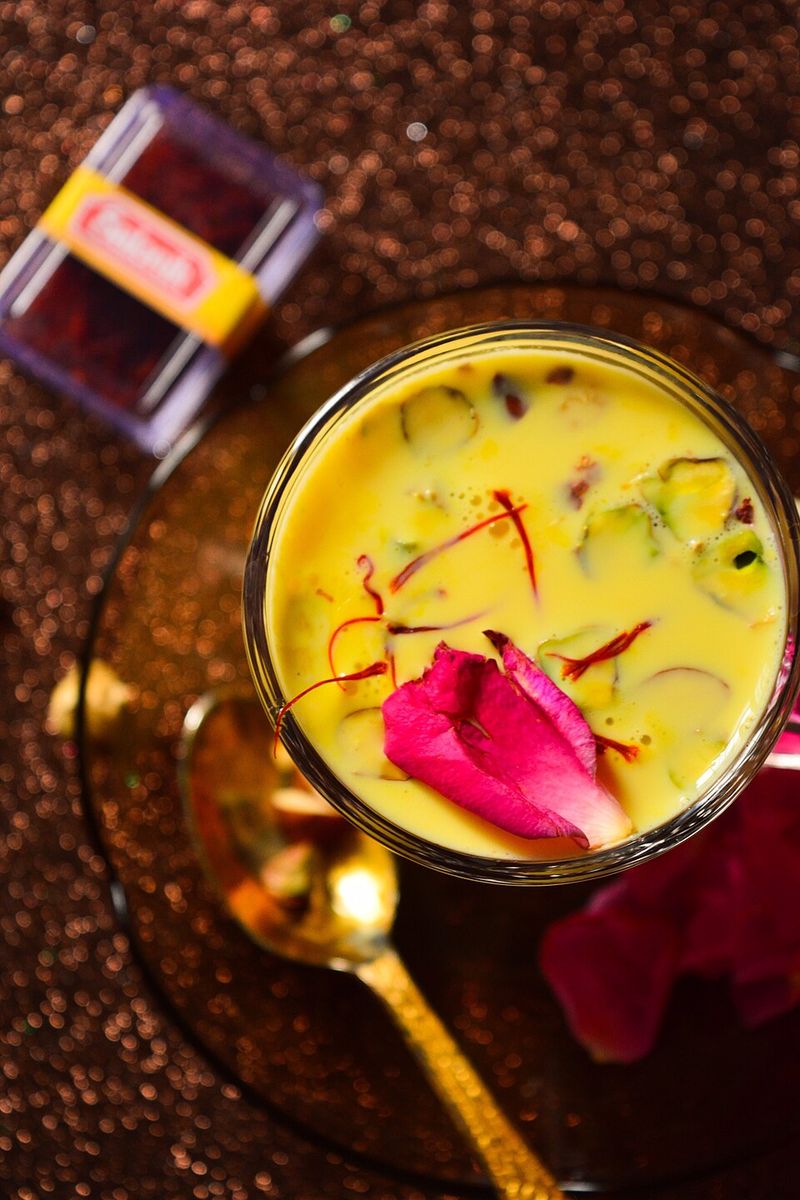
Luxurious, expensive, and utterly magical—saffron is the spice world’s royalty.
Those delicate red threads impart a gorgeous golden color and subtle, floral flavor to biryanis, desserts, and special occasion dishes.
A few strands steeped in warm milk release their full potential.
Yes, it’s pricey, but a little goes incredibly far.
Save it for dishes where it can truly shine and taste the difference that centuries of prestige bring.
17. Star Anise (Badiyan)
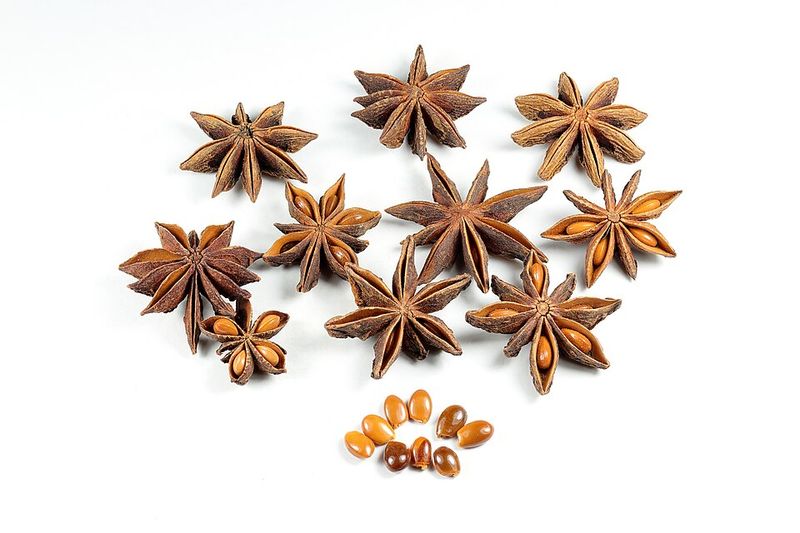
Shaped like a beautiful star and tasting like sweet licorice, this spice is pure enchantment.
Star anise appears in specific regional dishes, especially biryanis and certain rice preparations, where its distinctive flavor adds an exotic touch.
It’s visually stunning too, making dishes look as good as they taste.
Use whole stars for maximum impact and remove before serving.
One or two is usually plenty—its flavor is powerful and memorable.
18. Carom Seeds (Ajwain)
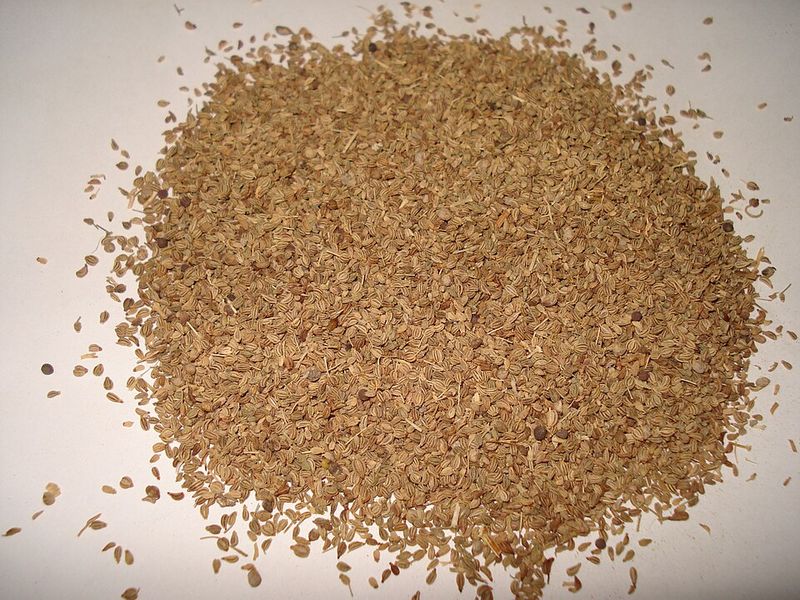
Tiny seeds with a thyme-like punch—ajwain is a digestive powerhouse and flavor bomb rolled into one.
Commonly used in breads like parathas and puris, it adds a distinctive, slightly bitter taste that’s completely addictive.
It also helps with digestion, which is why it’s popular in fried foods.
Crush the seeds lightly to release essential oils before adding to dough or tempering.
Your homemade breads will taste authentically Indian.
19. Curry Leaves (Kadi Patta)
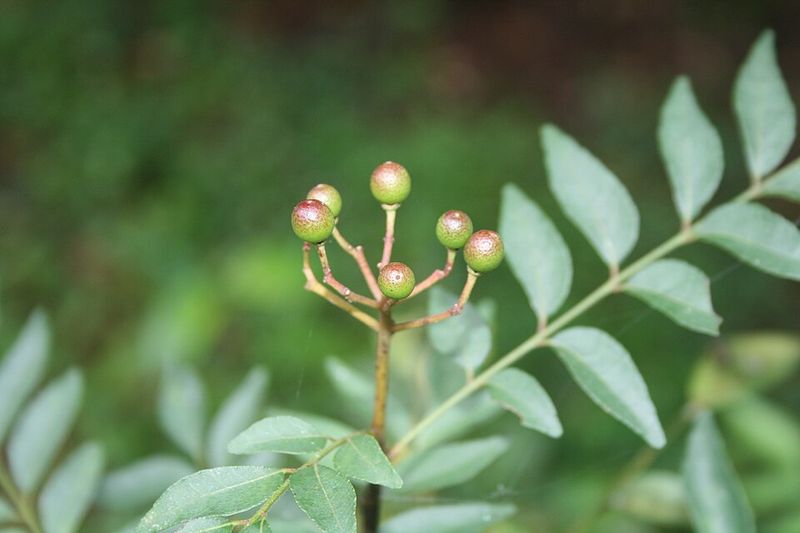
Fresh, aromatic, and absolutely irreplaceable—curry leaves are South Indian cooking’s signature ingredient.
Despite the name, they don’t taste like curry powder at all; instead, they offer a unique citrusy, slightly nutty flavor.
Tempering them in hot oil releases an incredible aroma that makes everything smell like authentic Indian cooking.
Fresh is best, but dried works in a pinch.
Once you cook with curry leaves, you’ll understand why they’re non-negotiable.
20. Mango Powder (Amchur)
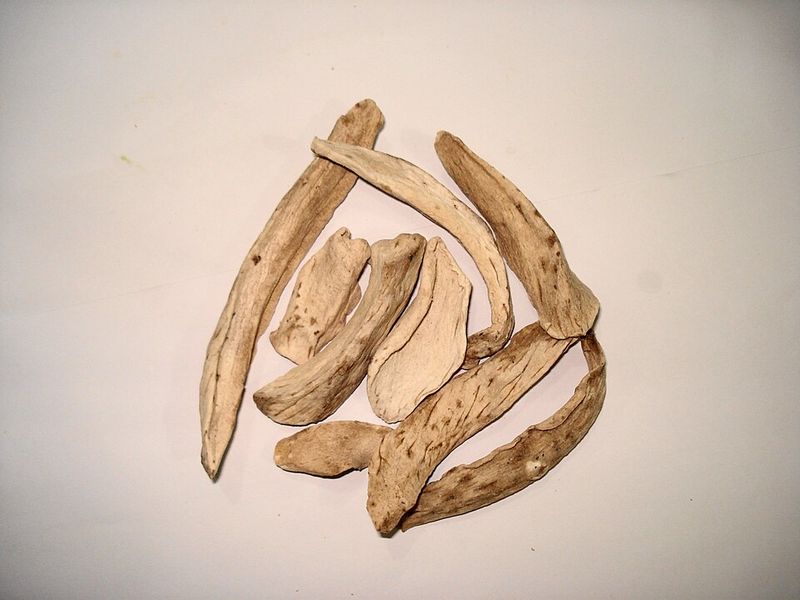
Tangy, fruity, and surprisingly versatile—dried mango powder adds bright, sour notes without any liquid.
It’s perfect for dishes where you want acidity but don’t want to add moisture, like dry vegetable stir-fries and chaat.
Amchur brings a subtle fruity complexity that’s hard to replicate with lemon or lime.
Sprinkle it near the end of cooking to preserve its tangy punch.
Your vegetables will taste restaurant-quality with this secret ingredient in your arsenal.