4 Must-Watch Exploitation Films From Movie History
Long before superhero blockbusters ruled every multiplex, a scrappy, rule breaking genre was haunting drive ins and midnight screenings, shocking audiences and bending every rule Hollywood tried to enforce. Exploitation films pushed into territory mainstream cinema refused to touch, delivering raw stories soaked in fear, tension, and adrenaline.
Blood curdling concepts, taboo subjects, and unfiltered chaos turned every frame into something unpredictable. Critics dismissed much of it as scandalous, yet audiences kept returning for more.
Something electric lived in the grime and grit, a sense that anything could happen at any moment. Behind the shock value, however, was real innovation, as filmmakers experimented with pacing, visuals, and storytelling that would later shape modern cinema.
Many celebrated directors, effects artists, and writers quietly trace their beginnings back to this underground world of screams and shadows. The fingerprints of those early experiments still echo through today’s biggest films.
Step deeper into the darkness and discover how this forgotten corner of movie history helped build the thrills that still keep audiences awake at night.
1. The Last House on the Left (1972)
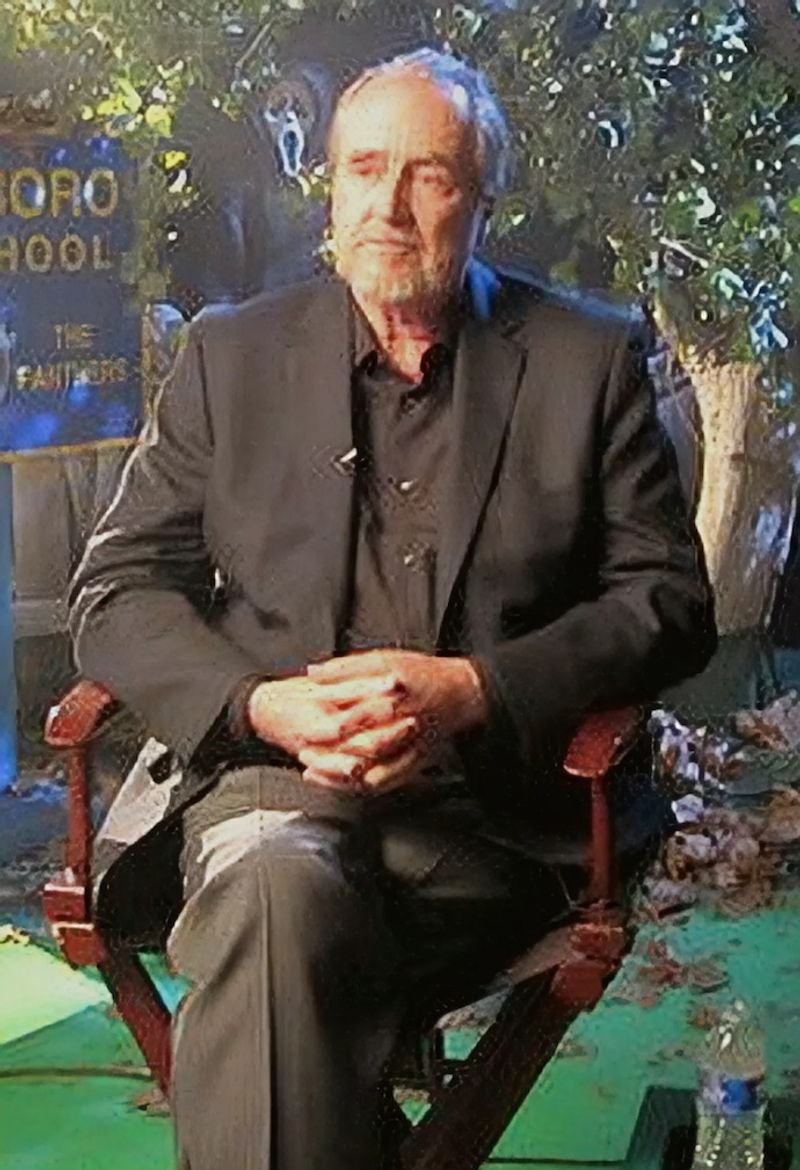
Wes Craven launched his career with something deeply uncomfortable, and movie history has never forgotten it. The Last House on the Left follows two young women whose nightmare encounter leads to an explosive, morally complex revenge story that refuses to let audiences sit comfortably.
Craven borrowed structural inspiration from Ingmar Bergman’s 1960 Swedish film, proving exploitation cinema could carry serious artistic ambitions beneath its shocking surface. Critics initially dismissed it, but film scholars later recognized its raw emotional power.
How a first-time director created such an affecting piece on a micro-budget remains genuinely impressive. Craven went on to craft Nightmare on Elm Street, but his roots ran deep here.
2. Cannibal Holocaust (1980)
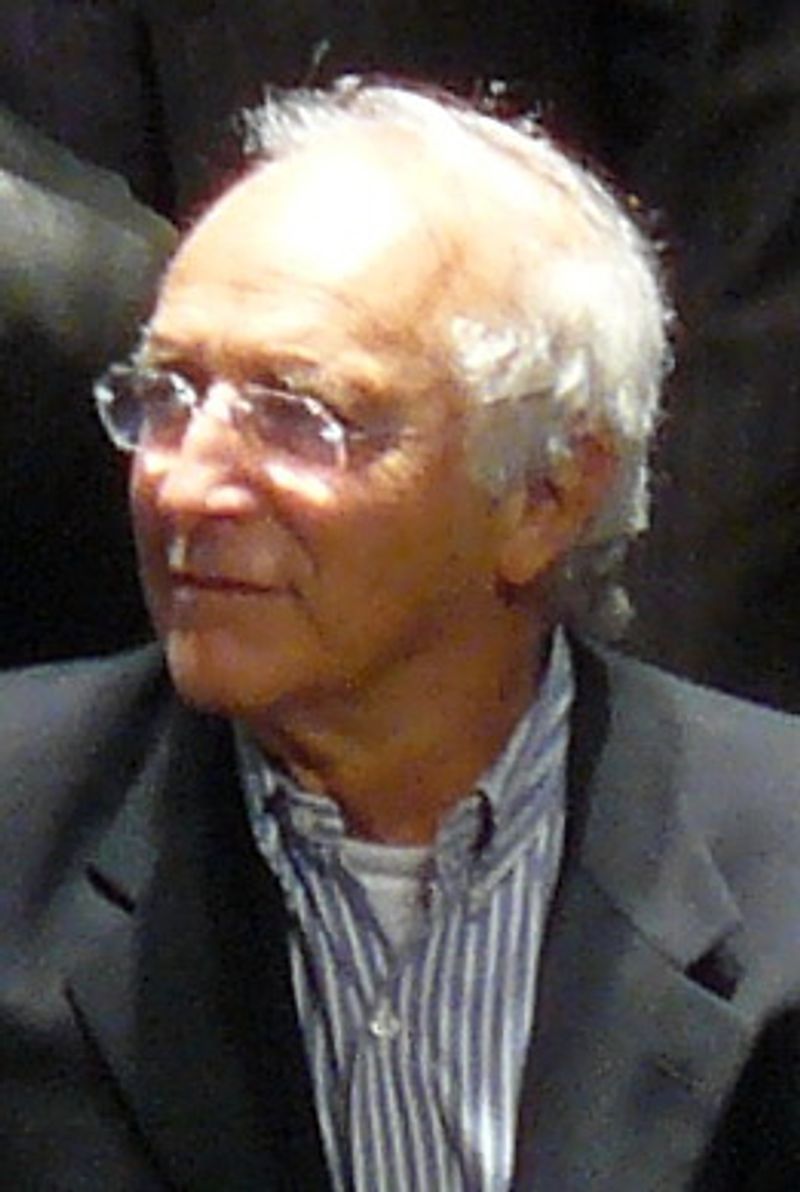
Ruggero Deodato’s Italian shocker arrived in 1980 and immediately caused an international incident. Cannibal Holocaust pioneered the found-footage format nearly two decades before The Blair Witch Project made it mainstream, presenting its jungle nightmare as recovered documentary footage.
Authorities in Italy actually arrested Deodato because the film looked so realistic officials believed cast members had genuinely been harmed. He had to produce actors alive and well in court to prove otherwise.
Just saying, that is a remarkable level of cinematic commitment.
Its influence on modern horror storytelling is enormous and undeniable. However, the film also remains genuinely controversial for scenes involving real animals, a decision Deodato himself later regretted publicly.
3. Beyond the Valley of the Dolls (1970)
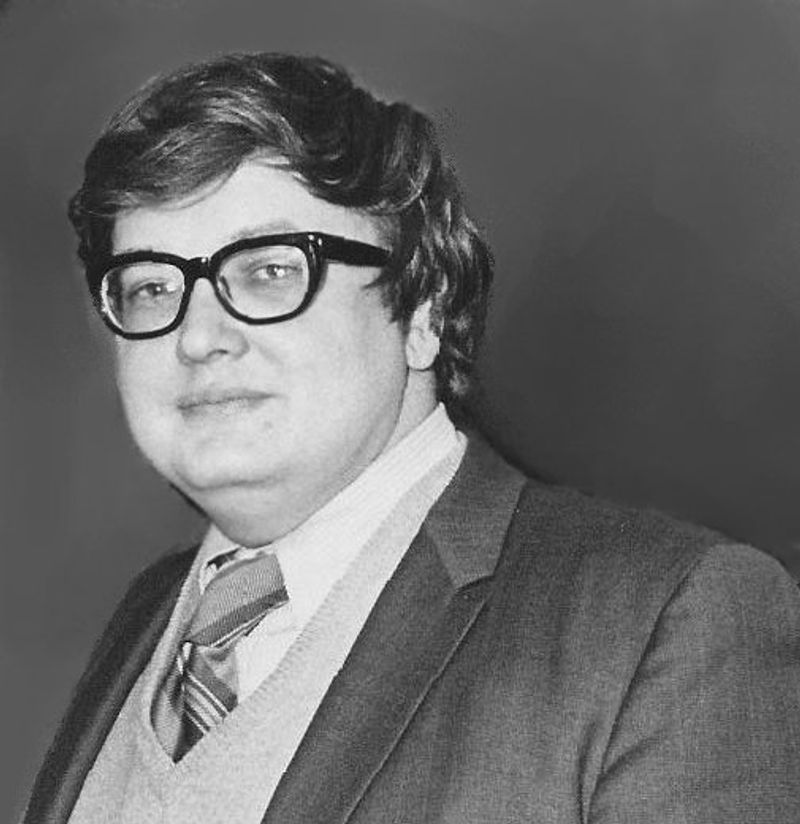
Roger Ebert, yes that Roger Ebert, actually wrote the screenplay for this wild, campy, satirical romp directed by Russ Meyer. Beyond the Valley of the Dolls was never intended as a sequel to the 1967 film Valley of the Dolls, despite the similar title causing enormous initial confusion.
20th Century Fox greenlit the project expecting something conventional, and Meyer delivered a psychedelic fever dream about an all-girl rock band swallowed whole by Hollywood’s glamorous, treacherous machine. Every scene feels deliberately over-the-top in the most entertaining possible way.
Cult audiences absolutely adored it. Film schools now screen it regularly as a masterclass in self-aware satire and genre-bending storytelling.
Ebert reportedly remained proud of his wild script for the rest of his life.
4. Battle Royale (2000)
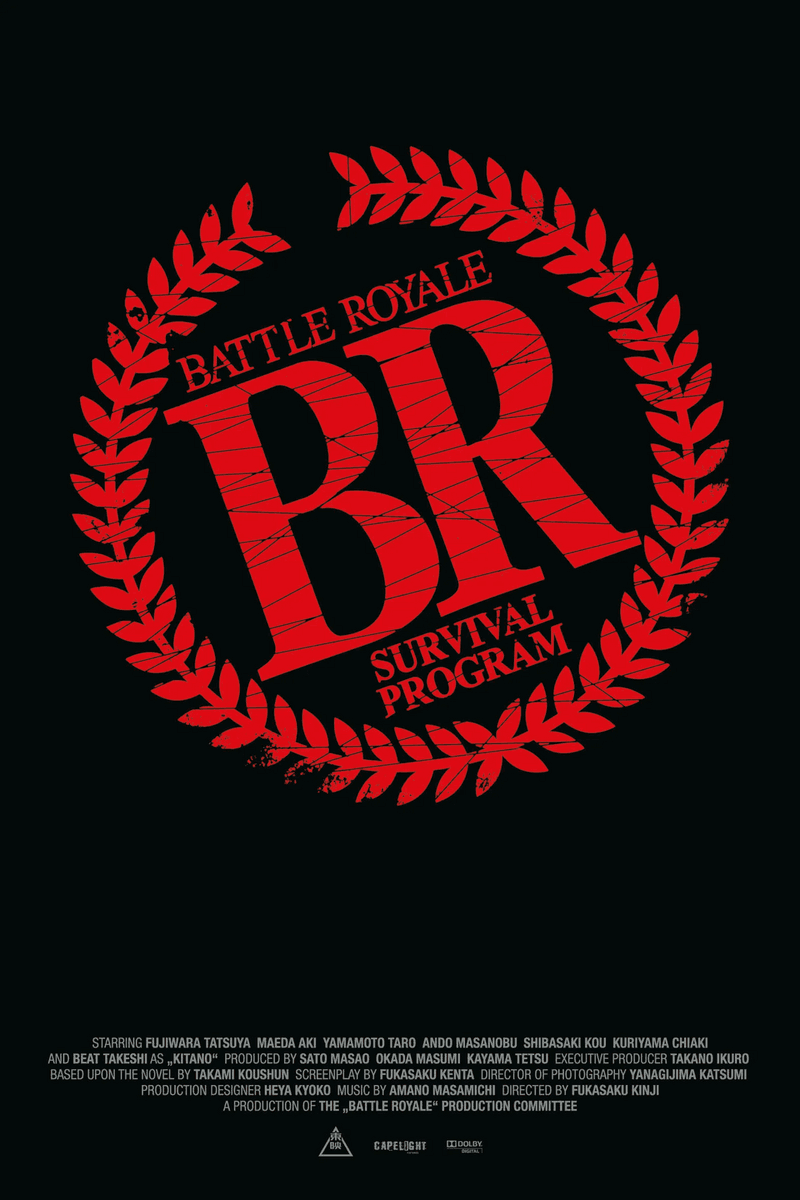
Long before Katniss Everdeeen ever picked up a bow, Japanese director Kinji Fukasaku sent a class of ninth graders to a deserted island and told them only one could survive. Battle Royale hit Japanese theaters in 2000 and immediately became one of the most controversial films in the country’s history.
Politicians tried banning it. Teenagers lined up around the block to see it anyway.
The film balances shocking violence with genuine emotional weight, exploring friendship, loyalty, and survival under impossible pressure.
Hunger Games author Suzanne Collins stated she had not seen Battle Royale before writing her novels, though the similarities fascinated critics worldwide. Regardless of origins, Fukasaku’s film remains a breathtaking, emotionally devastating achievement that hits harder than almost anything in its genre.