9 Nations That Simply Can’t Quit Sugar
Sugar sneaks into drinks, desserts, and even breakfast bowls like a tiny trickster with big ambitions. Across the globe, people stir it, drizzle it, and snack on it in amounts that could send a dentist running for cover.
Measured in kilograms per person each year, the numbers climb higher than expected, revealing just how sweet habits can become. Some nations sip soda like water, while others treat baked goods like a daily ritual worth savoring.
That love for sweetness comes with a side note, since heavy intake connects to concerns such as obesity, diabetes, and heart issues. Still, the story goes beyond health, weaving through culture, tradition, and everyday comfort foods that people reach for without thinking twice.
Tracking who consumes the most opens the door to curious comparisons and eye opening insights. Expect surprises along the way, from quiet trends to bold champions of dessert devotion.
A small European nation quietly rises to the top, proving size and sweetness do not always match. Get ready for a global tour where every stop serves another spoonful of insight, and every bite brings a little more to chew on.
Sugar might look innocent, but it certainly knows how to leave a lasting impression.
1. Luxembourg

A country smaller than Rhode Island somehow leads the entire planet in sugar consumption. Luxembourg clocks in at a jaw-dropping 166.15 kg of sugar per person per year.
Yes, per person. Yes, per year.
That is roughly the weight of two adult humans made entirely of sugar.
Luxembourg sits at a crossroads of French, German, and Belgian food cultures, all of which have a serious sweet tooth. Chocolates, pastries, and sugary drinks flow freely across its borders.
High incomes also mean people can afford more processed and indulgent foods. Sweet success has never tasted so literally sweet.
2. Fiji

Sugarcane has been growing in Fiji since the 1800s, and the island nation never really stopped loving what it grows. At 135.70 kg per person annually, Fiji ranks second on the global sugar consumption chart.
Surrounded by beauty and bounty, Fijians have built sugar deeply into everyday life.
Sugarcane farming once dominated the economy, and sweetened foods became a cultural staple over generations. Soft drinks, sweetened teas, and tropical treats are everyday favorites.
However, rising rates of diabetes across the Pacific Islands have prompted health officials to call for serious dietary changes. Sweet roots can have bitter consequences.
3. Montenegro

Nestled along the Adriatic coast, Montenegro punches well above its weight in the sugar department. At 112.32 kg per person per year, it ranks fourth globally, a fact that surprises many people who might not even know where Montenegro is on a map.
Balkan cuisine is famously hearty, and sweet treats like baklava, halva, and fruit preserves are central to hospitality culture. Offering something sweet to a guest is practically a social rule.
If you visit a Montenegrin home and leave without eating something sugary, you might have accidentally offended someone. Kindness and calories go hand in hand here.
4. Australia

Known for beaches and kangaroos, one country still lands in the world’s top five for sugar consumption at 102.58 kg per person per year. Soft drinks, packaged snacks, breakfast cereals, and flavored yogurts quietly add up, often without much notice.
Australian food culture embraces convenience, and processed foods often hide surprising amounts of added sugar. Public health campaigns have been ramping up efforts to reduce consumption, encouraging Australians to read labels and cut back.
Sugar hides in places you would never expect, like bread, pasta sauce, and even savory crackers. Sneaky stuff, truly.
5. Iceland

Iceland has a charming and very specific sugar tradition called “nammidagur,” which translates roughly to candy day. Historically, Saturdays were the designated day for children to enjoy sweets, a cultural practice meant to limit daily sugar intake.
Somehow, Iceland still landed at 102.31 kg per person per year.
Licorice is practically a national treasure in Iceland, and bold, salty-sweet flavors dominate the candy aisle. Cold winters and long dark nights might have something to do with comfort food cravings.
Where darkness rules for months at a time, chocolate and candy become very reliable mood boosters. Science and snacking agree on that one.
6. Lithuania

Eastern European baking traditions shape the sugar conversation in a big way. At 96.84 kg per person per year, it ranks seventh globally.
Honey, jam, and sweetened dairy products run deep in culinary heritage, echoing centuries of tradition.
Šakotis, a spit cake baked on a rotating rod, is one of Lithuania’s most iconic desserts and it is loaded with sugar and eggs. Celebrations, weddings, and holidays almost always feature elaborate sweet spreads.
Lithuanians do not shy away from indulging during festive seasons, and the sugar statistics clearly reflect a culture that bakes love into every layer.
7. Ireland

The country’s love of tea is legendary, but what goes into every cup? Sugar, and plenty of it.
Ranked eighth globally at 96.19 kg per person per year, Ireland’s sweet habits extend far beyond the teacup into biscuits, chocolate bars, and cream-filled pastries.
Irish supermarkets stock an impressive range of confectionery, and chocolate consumption alone is among the highest in Europe. Rainy days and cozy pubs create the perfect atmosphere for a sweet treat or three.
Though health organizations have pushed for sugar taxes and clearer food labeling, old habits are stubborn. A warm scone and a sugary cuppa still win every time.
8. Nauru

This is one of the world’s smallest and least-visited nations, but it carries a massive health burden. At 95.86 kg of sugar per person per year, it ranks ninth globally.
Nauru also holds one of the highest obesity rates on Earth, a direct result of dramatic dietary shifts over recent decades.
Once phosphate mining brought wealth, Nauruans moved away from traditional fish-based diets toward imported processed foods packed with sugar, salt, and fat. Convenience replaced tradition almost overnight.
Now, health officials are working hard to reverse a crisis that crept up quietly. Nauru’s story is a powerful reminder of how quickly food culture can change and what that change can cost.
9. Macau
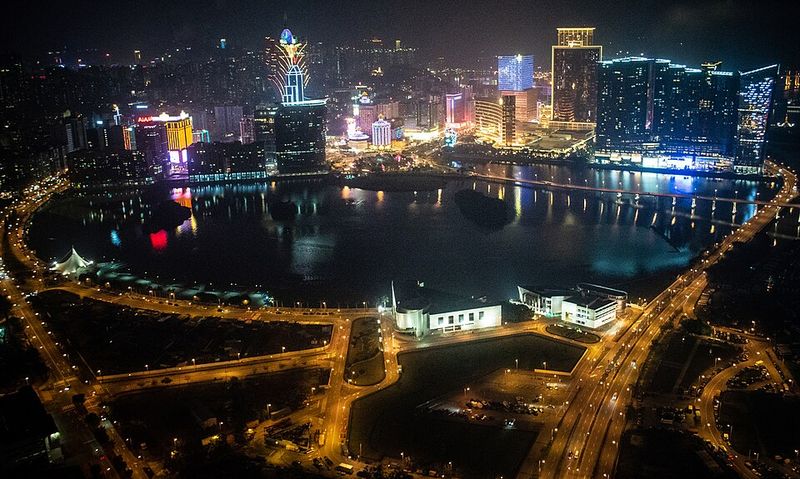
Macau rounds out the top ten at 94.67 kg per person per year, and honestly, anyone who has visited understands why. A dazzling blend of Portuguese and Chinese culinary traditions, Macau is practically a dessert destination all by itself.
Egg tarts, almond cookies, and pork chop buns are just the beginning.
Bakeries line the historic streets, and tourists and locals alike snack constantly throughout the day. Macau also hosts a massive tourism and casino industry, meaning restaurants and cafes cater to millions of sweet-toothed visitors annually.
High foot traffic plus incredible pastry culture equals a sugar statistic that makes total sense. Macau earns its sugary crown deliciously.