15 Near-Perfect Thrillers That Stumble In One Key Way
Have you ever watched a movie that had you on the edge of your seat, heart pounding, completely hooked, only to have one thing pull you out of the experience?
Yeah, unfortunately even the best thrillers sometimes trip over their own shoelaces.
Maybe the ending feels rushed, or a character does something that makes zero sense, either way the momentum gets lost for a minute.
These films are so close to perfection that their single flaw stands out like a sore thumb, making you wonder what could have been if just one thing had been different.
Disclaimer: All evaluations are subjective and based on critical reception, audience response, and narrative analysis. “Near-perfect” and “stumble” are interpretive terms reflecting common critiques; some viewers may disagree on which element is flawed.
1. Vertigo (1958)
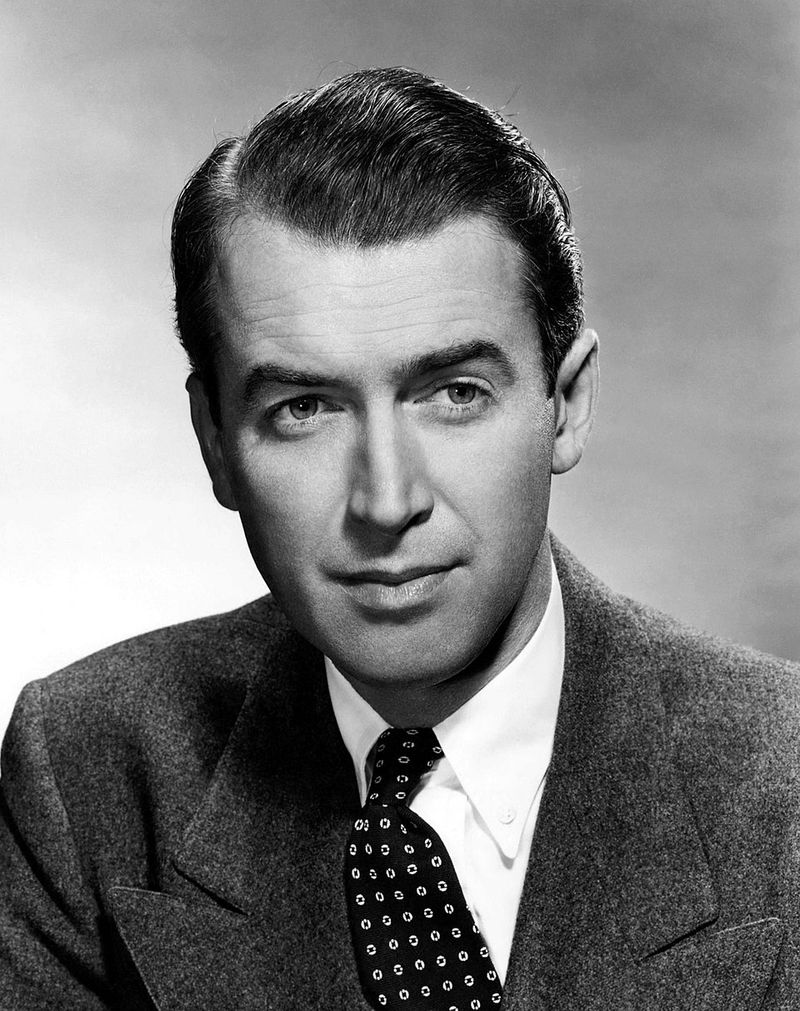
Hitchcock crafted something truly special with this psychological masterpiece. The camera work alone makes you feel dizzy, just like the main character.
Every scene drips with atmosphere and suspense that keeps building.
However, that ending leaves many viewers scratching their heads. Some find the psychological twists unsettling in ways that don’t quite land right.
The story’s conclusion can feel more frustrating than satisfying, which is a shame because everything leading up to it is pure cinema gold.
2. Heat (1995)
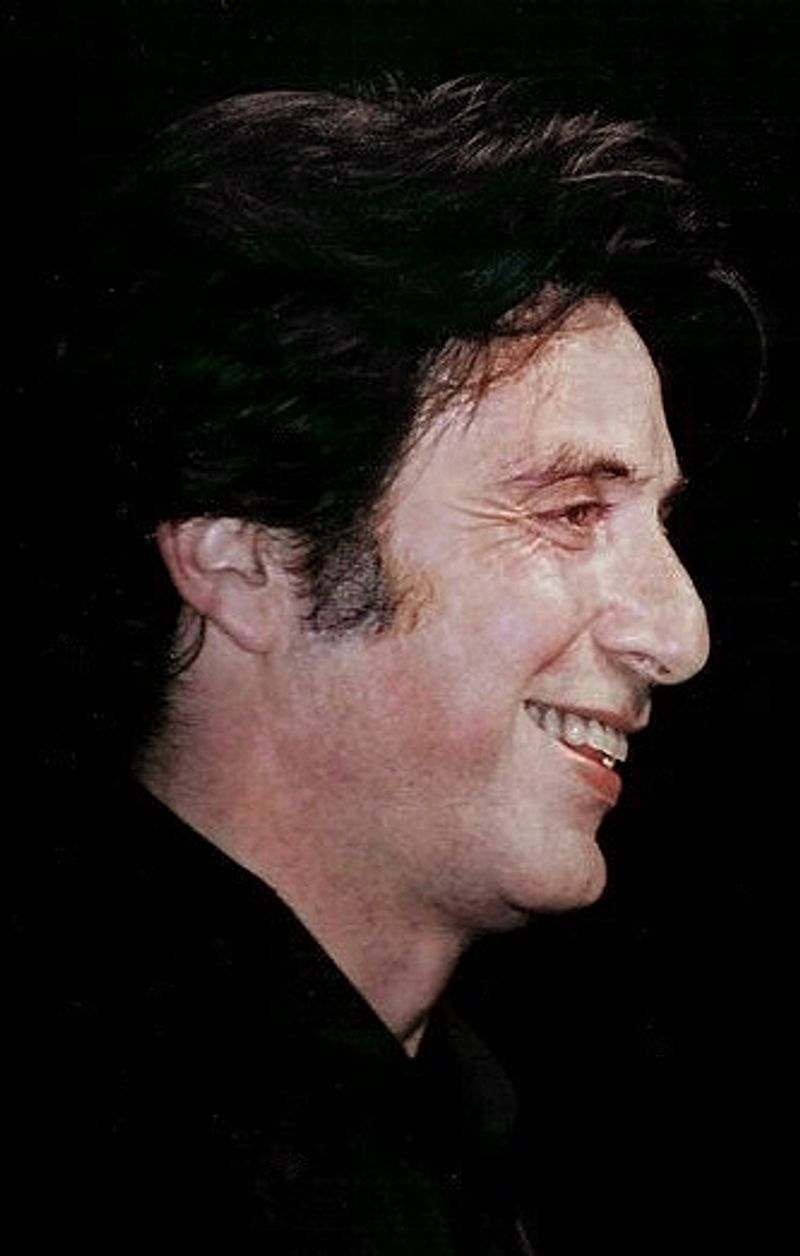
When two acting legends finally share the screen, magic happens.
Al Pacino and Robert De Niro deliver powerhouse performances that make this crime epic unforgettable.
The action sequences are intense, and the cat-and-mouse game between cop and criminal is absolutely riveting.
But here’s the catch: this movie is LONG. Nearly three hours of runtime means some scenes drag when they should sprint. Certain subplots feel unnecessary, breaking up the tension between our two leads.
3. The Silence of the Lambs (1991)

Anthony Hopkins redefined what it means to be scary with just a few minutes of screen time. Jodie Foster matches his intensity beat for beat, creating one of cinema’s most memorable pairings.
The suspense builds like a coiled spring ready to snap.
Still, modern audiences sometimes notice the middle section loses steam.
The pacing dips when the investigation hits certain roadblocks. For viewers used to faster-paced thrillers, these slower moments can test patience, even though the payoff is worth it.
4. Se7en (1995)
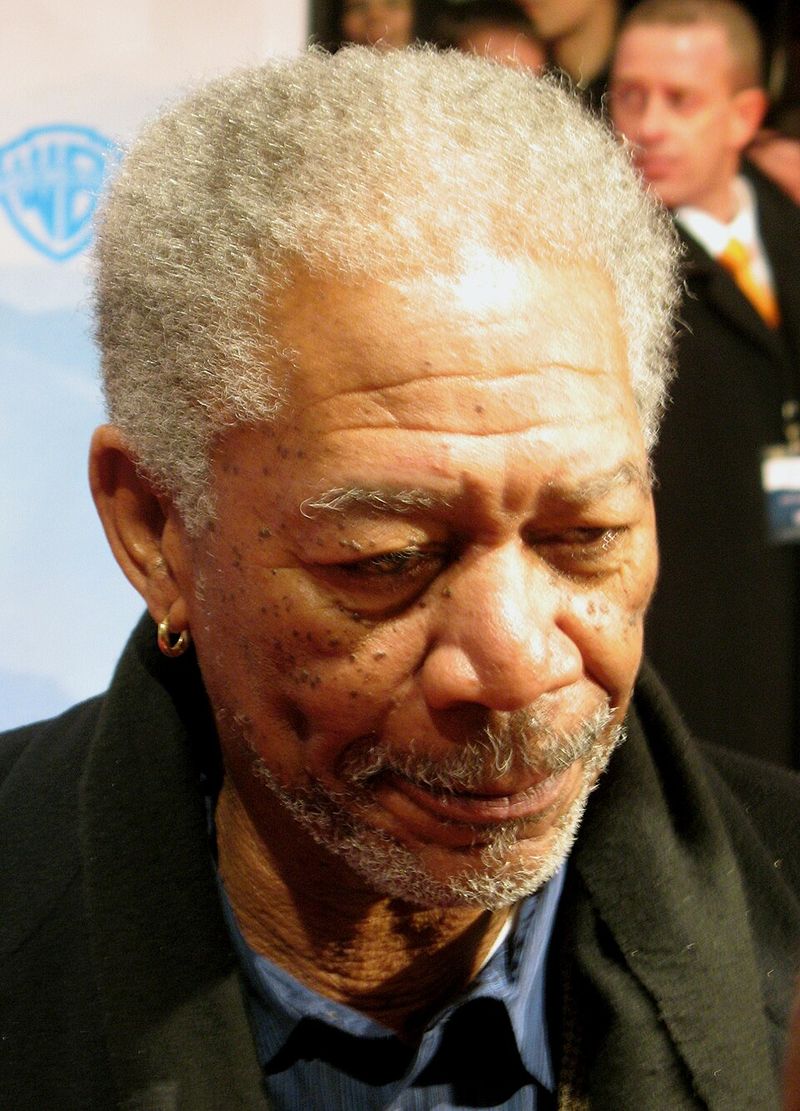
Few films nail the grimy, hopeless atmosphere quite like this detective thriller.
Morgan Freeman and Brad Pitt make an unlikely but perfect team. Every clue discovery feels like another step into darkness.
That finale, though? It’s absolutely shocking and unforgettable, but also divisive.
The extreme violence and bleakness of the ending left some viewers feeling punched in the gut rather than satisfied. Just saying, not everyone wants to leave the theater feeling that devastated.
5. Mulholland Drive (2001)
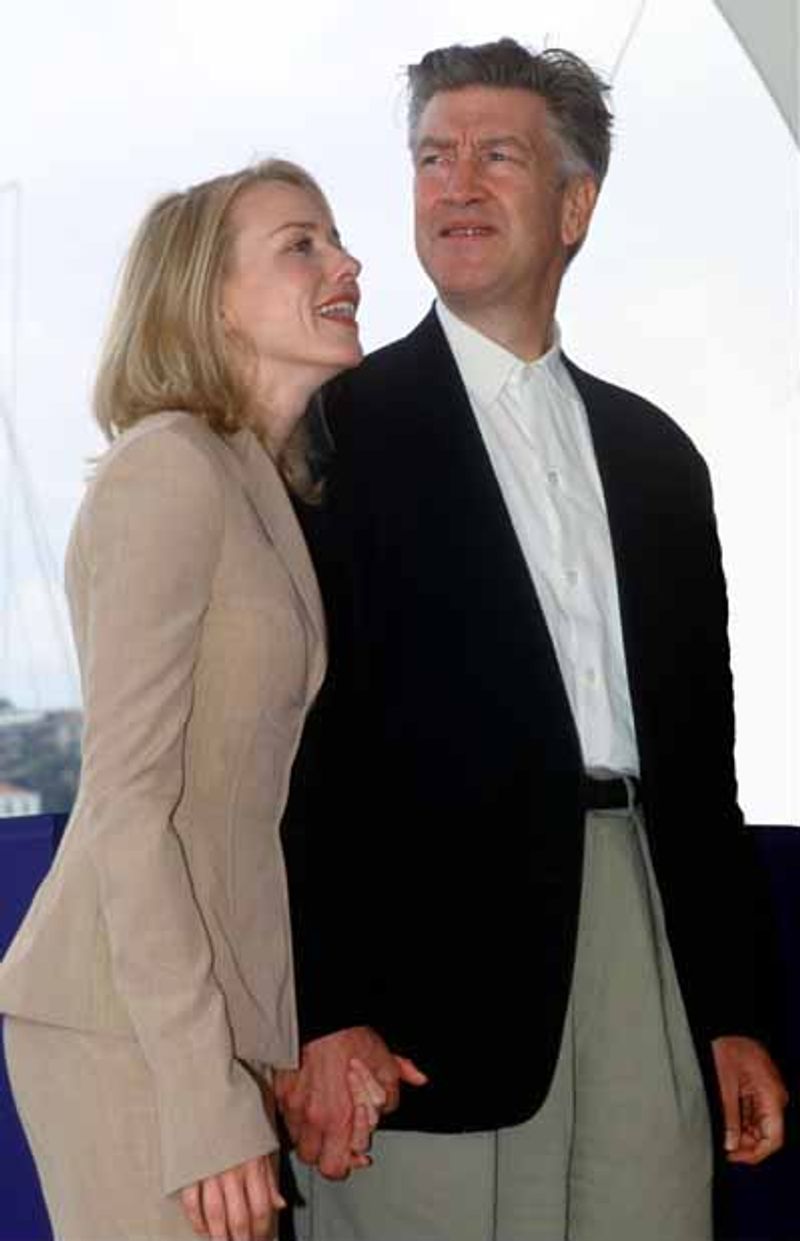
David Lynch created something beautifully weird and genuinely gripping here.
The mystery pulls you in immediately, and the atmosphere is thick enough to cut with a knife. Naomi Watts delivers a performance that shifts between multiple realities seamlessly.
Where it stumbles? The narrative becomes so deliberately confusing that many viewers feel lost rather than intrigued.
Lynch’s surreal storytelling style means the plot doesn’t always make traditional sense. Some people love puzzling it out; others just want answers that never quite come.
6. Collateral (2004)

Tom Cruise playing a villain? Sign us up!
His cold, calculated hitman performance is chillingly effective. The nighttime Los Angeles setting creates a neon-soaked backdrop that looks absolutely stunning.
Jamie Foxx holds his own as the unwilling taxi driver caught in this nightmare.
Unfortunately, the supporting characters feel paper-thin. Beyond our two leads, nobody else gets much development or memorable moments.
The detective subplot especially feels rushed and underdeveloped, leaving potential drama on the table.
7. The Game (1997)

A mysterious game flips a wealthy banker’s life upside down, with Michael Douglas in the lead. The premise hooks you immediately, and the twists keep coming.
Director David Fincher knows exactly how to keep audiences guessing what’s real and what’s staged.
But that ending? Many viewers find it just a bit too neat and convenient.
After all that chaos and psychological torment, the resolution can feel over-stylized or unrealistic. The elaborate setup seems almost impossible to pull off in real life, which breaks the spell.
8. No Country for Old Men (2007)
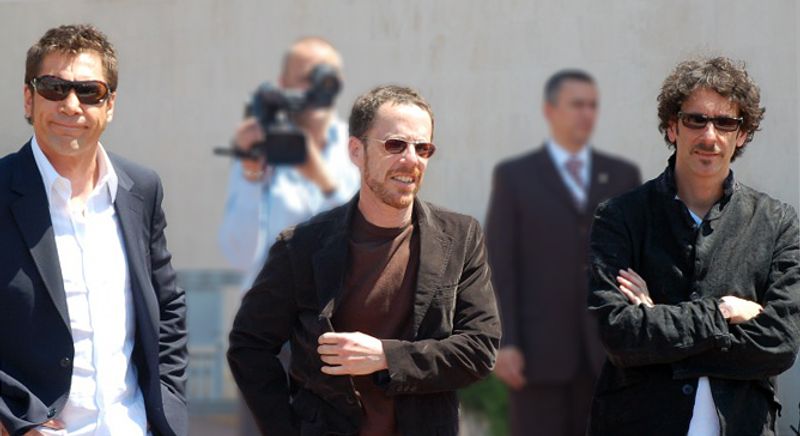
Without even needing to raise his voice much, Javier Bardem crafted one of cinema’s most terrifying villains.
The Coen Brothers crafted a taut, tension-filled thriller set in the dusty Texas landscape. Every scene crackles with danger, and you never know when violence will erupt.
However, several supporting characters never get the depth they deserve.
The sheriff’s philosophical musings are interesting, but other characters feel more like plot devices than people.
9. Nightcrawler (2014)
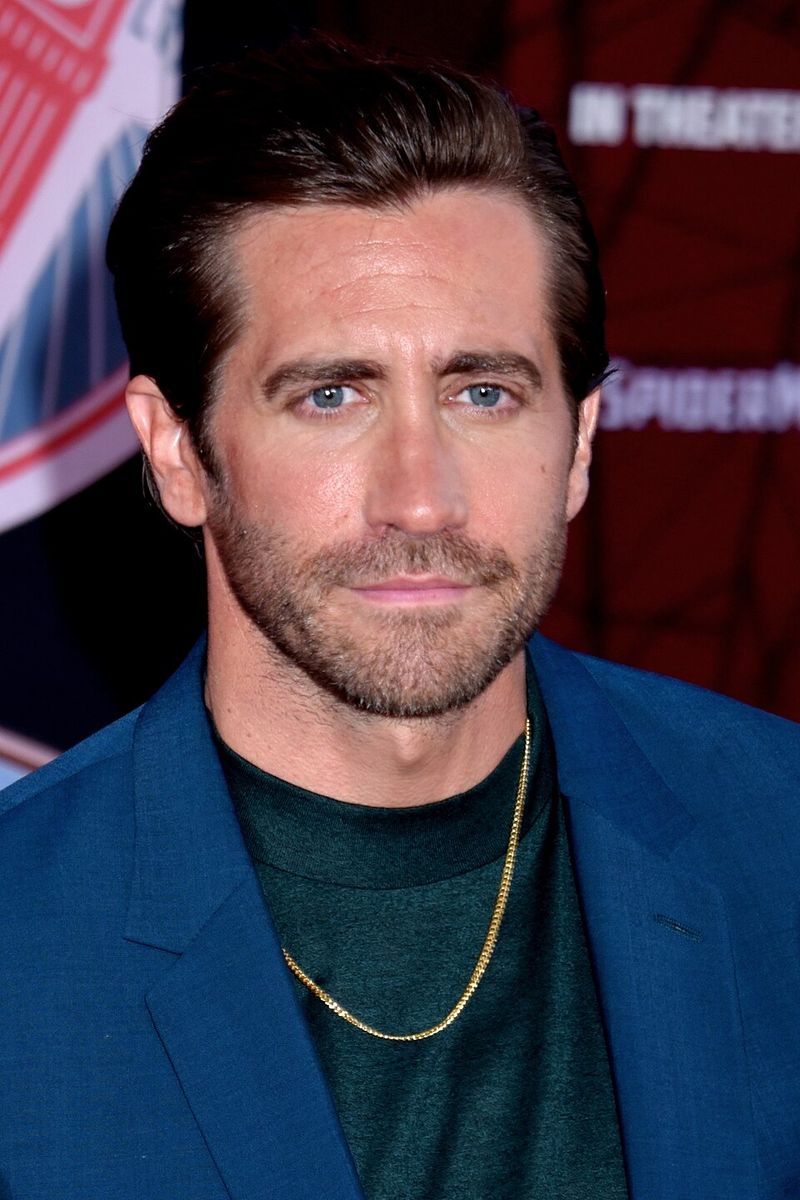
Jake Gyllenhaal transformed himself physically and mentally for this role as a creepy freelance videographer.
His character’s descent into moral darkness is both fascinating and disturbing to watch. The film exposes the ugly side of television news in ways that feel uncomfortably real.
Yet certain story elements stretch believability pretty far.
Would a major news station really go along with everything his character does? Some plot points require suspending disbelief about how journalism actually works, even in cutthroat Los Angeles markets.
10. Mystic River (2003)
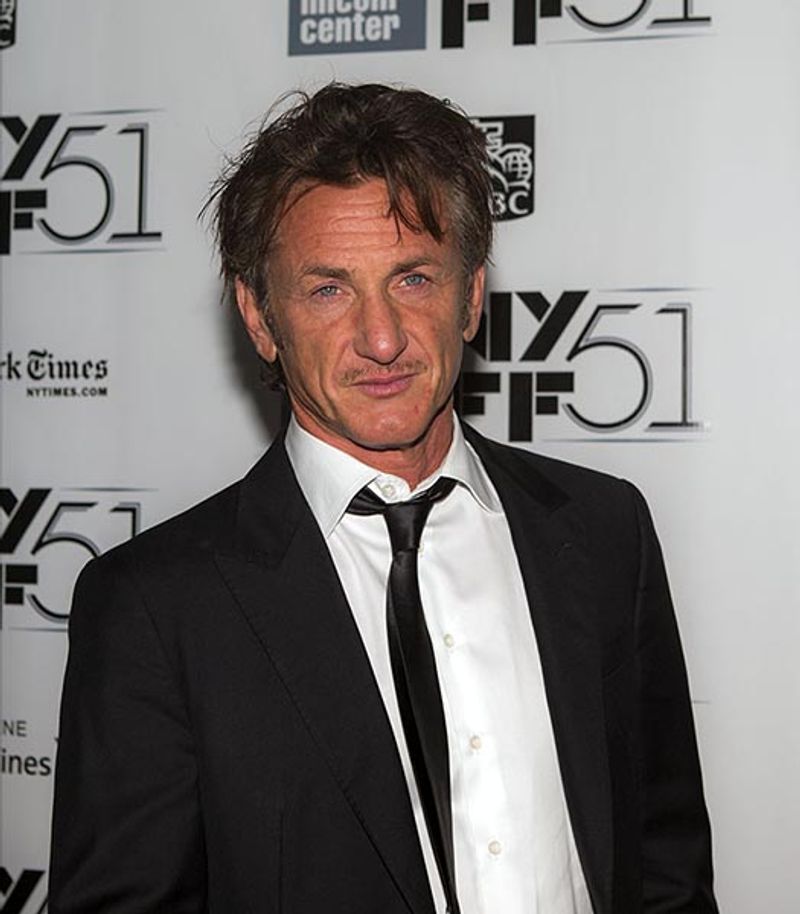
Three childhood friends reunited by tragedy deliver gut-wrenching performances throughout. Sean Penn, Tim Robbins, and Kevin Bacon bring raw emotional power to this dark tale.
The subplot involving certain characters, though, slows the main narrative down noticeably.
While everything connects eventually, some sections feel like detours rather than essential story beats. The pacing suffers when attention shifts away from the central mystery.
11. Shutter Island (2010)

A detective, played by Leonardo DiCaprio, investigates a psychiatric facility on a creepy island. The atmosphere is thick with dread, and every shadow seems to hide secrets.
Martin Scorsese builds tension masterfully, keeping viewers guessing throughout.
That big twist ending, though? Many viewers saw it coming from miles away.
Once you know what’s happening, rewatching reveals how heavily the film telegraphs the reveal.
Others find the twist heavy-handed rather than clever, which takes the punch out of what should be a shocking moment.
12. Gone Girl (2014)
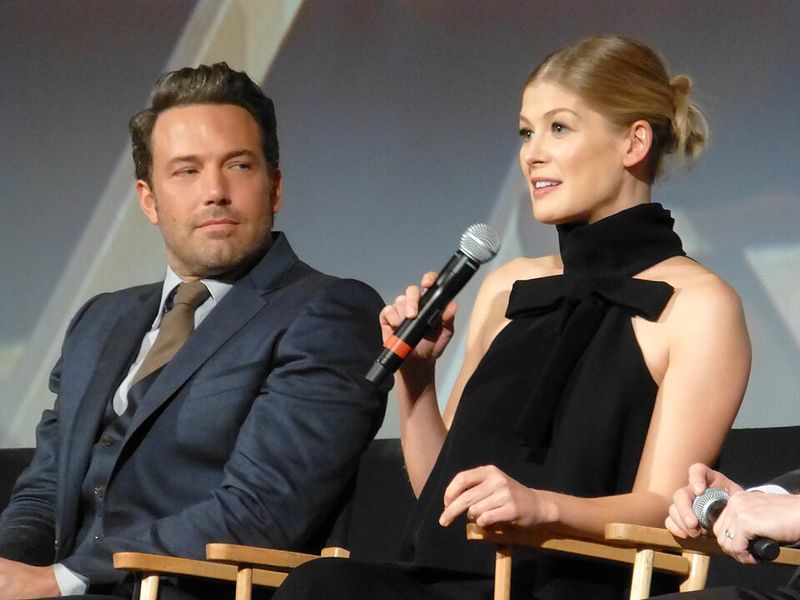
Rosamund Pike delivers a performance that makes your jaw drop more than once, powering a story packed with sharp turns.
David Fincher keeps the mood sleek and tense while dissecting a marriage that’s gone spectacularly off the rails.
A few shocks can feel more like attention-grabbers than natural story logic, and some choices depend on planning so intricate it starts to stretch believability.
Once the third act arrives, the plot gymnastics risk tipping into almost-comical territory instead of pure suspense.
13. Zodiac (2007)
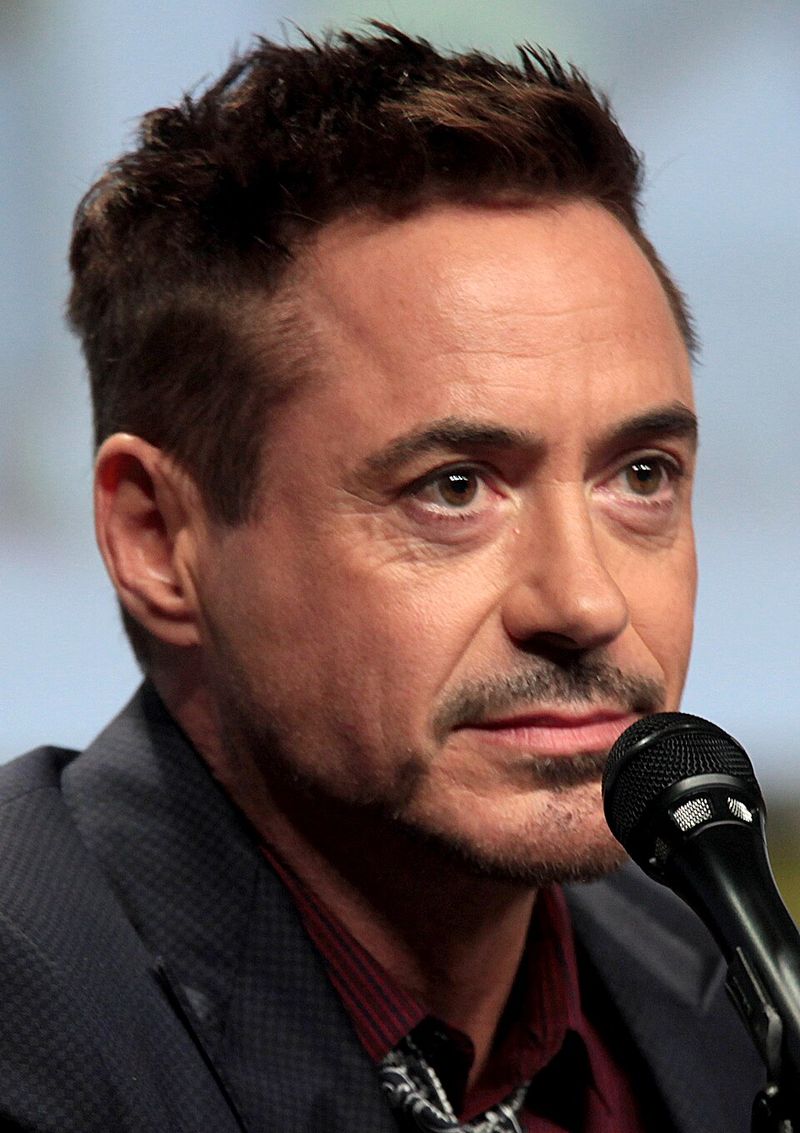
Obsessive detail and precision drive David Fincher’s portrayal of the Zodiac investigation, making it feel painstakingly authentic.
The cast, including Jake Gyllenhaal and Robert Downey Jr., brings real depth to their journalist and detective characters.
But man, this movie is LONG. The investigation drags on and on, just like the actual case did.
While that’s realistic, it doesn’t always make for gripping cinema. Some viewers lose patience with the drawn-out timeline.
14. Prisoners (2013)
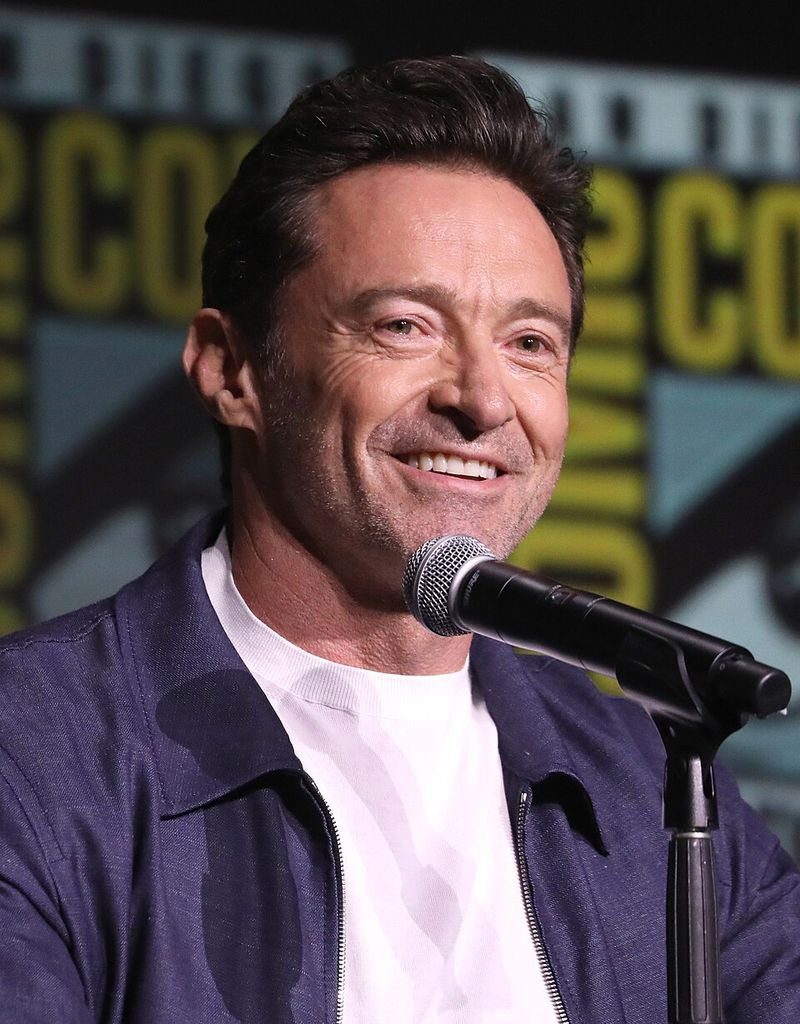
Hugh Jackman gives one of his most intense performances as a desperate father. Jake Gyllenhaal matches him as the detective trying to solve a child kidnapping case.
The moral questions raised are genuinely uncomfortable, forcing viewers to consider what they’d do in impossible situations.
That ending, though, leaves major moral questions hanging without resolution.
Some viewers appreciate the ambiguity, but others feel cheated after investing so much emotional energy. The film doesn’t provide clear answers about who was right or wrong, which can be frustrating.
15. The Invisible Man (2020)

A powerhouse Elisabeth Moss performance carries this modern update.
The film brilliantly uses the invisible stalker concept to explore domestic abuse and gaslighting. Tension builds in every empty room and quiet moment, making you question what you’re actually seeing.
The middle section loses some momentum, unfortunately. After the initial setup hooks you completely, certain scenes feel repetitive.
The pacing issues make the runtime feel longer than it actually is, though the ending sticks the landing.