15 Songs That Built Classic New York Hip-Hop Brick By Brick
New York hip-hop has a history you can almost hear taking shape in real time.
One record hits, then another changes the mood, raises the stakes, or gives the city a new voice to rally around. Before long, a whole culture starts forming through songs that feel bigger than their runtimes.
That is the energy behind this list. These tracks did not just soundtrack an era. They helped create the sound people now think of when classic New York rap comes up.
Every one of them left something behind for the next artist to build on, which is why their impact still feels so deep.
Put them together and you get more than great songs. You get the outline of a movement that turned local stories and unmistakable voice into something the rest of the world could not ignore.
1. Sugarhill Gang – Rapper’s Delight
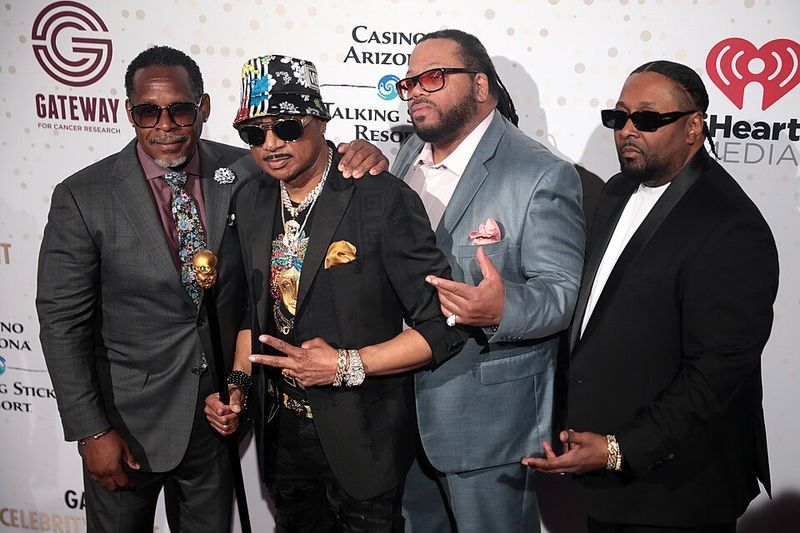
Picture this: it is 1979, and a song over 14 minutes long somehow takes over radio stations worldwide.
That song was Rapper’s Delight, and it cracked open the door for hip-hop to enter mainstream music. Nobody had heard anything quite like it before.
Built on the iconic bassline from Chic’s Good Times, this track introduced millions of listeners to rapping for the very first time.
How wild is that? One song basically told the whole world, hey, this hip-hop thing is real and it is here to stay.
2. Grandmaster Flash and the Furious Five – The Message
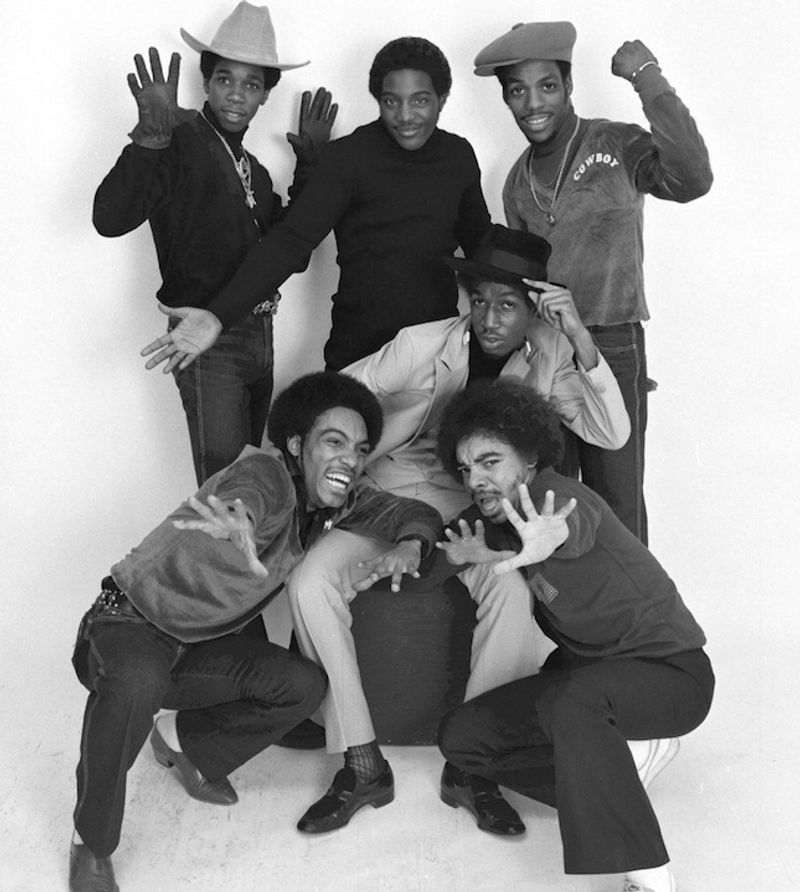
If Rapper’s Delight opened the door, The Message kicked it clean off the hinges.
Released in 1982, this track was unlike anything hip-hop had attempted before because it told the painful truth about life in the South Bronx without flinching.
“Don’t push me cause I’m close to the edge” became one of the most quoted lines in music history.
Grandmaster Flash and the crew proved that rap could carry real social weight. Serious storytelling had officially arrived, and hip-hop would never be just party music again.
3. Run-D.M.C. – Sucker M.C.’s
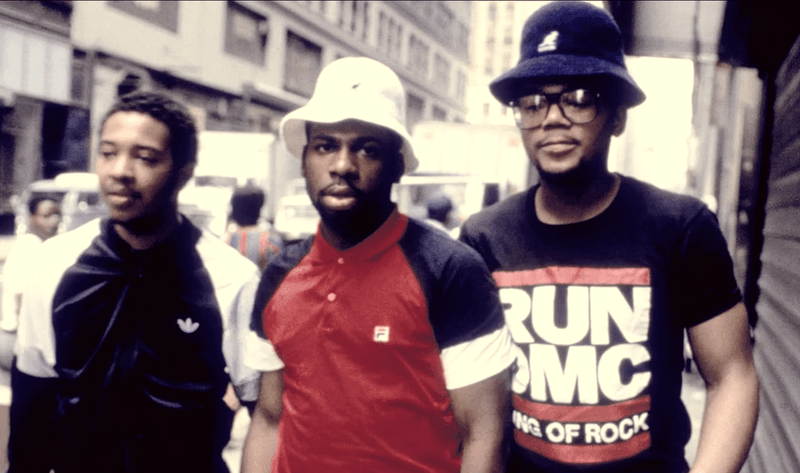
Hard beats, no singing, just pure rap aggression. Sucker M.C.’s from 1983 stripped hip-hop down to its bones and dared everyone else to keep up.
Run-D.M.C. basically invented the blueprint for modern rap production with this one track.
Where earlier hip-hop borrowed from funk and disco, this song used a bare drum machine and attitude as its only instruments.
It sounded like a fist hitting a wall, and that was exactly the point.
4. LL Cool J – I Need a Beat
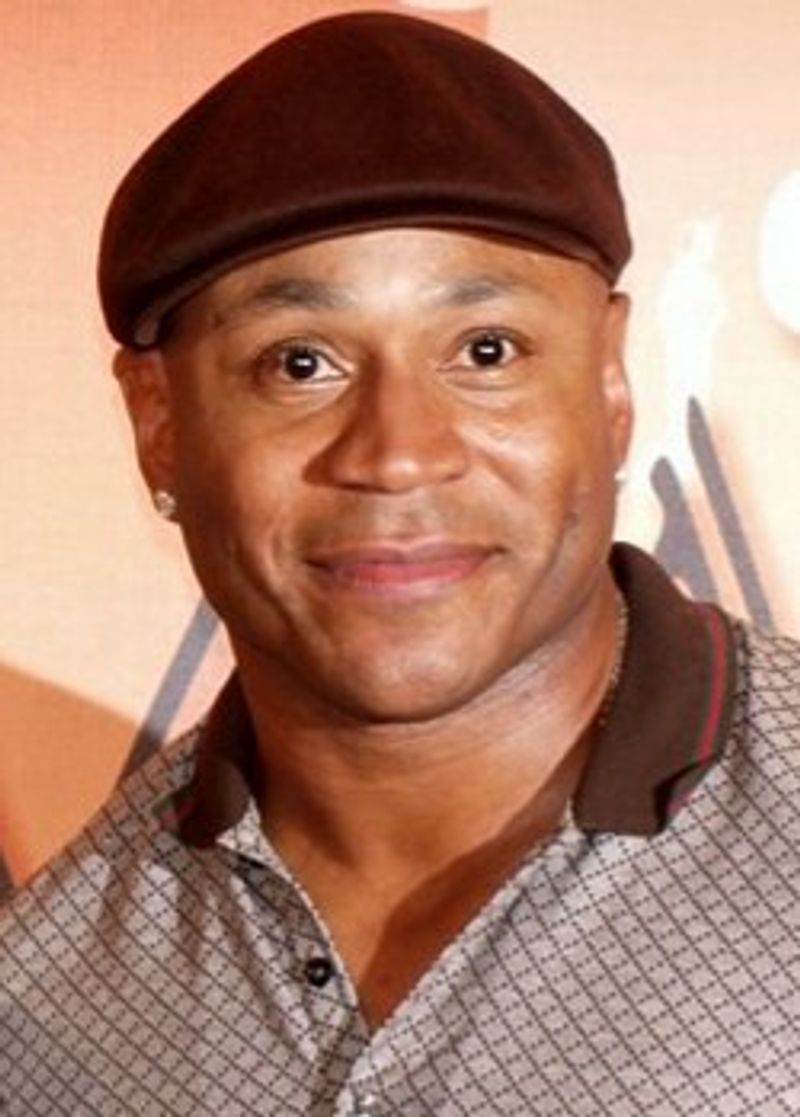
At just 16 years old, James Todd Smith walked into Rick Rubin’s dorm room and walked out as LL Cool J, one of rap’s first true superstars.
I Need a Beat was the very first single released on Def Jam Records, which is kind of a big deal considering that label would go on to define hip-hop history.
The track was raw, hungry, and dripping with youthful energy. It proved that a kid from Queens with talent and ambition could shake an entire industry.
5. Doug E. Fresh and Slick Rick – La Di Da Di

No samples. No loops.
Just a human beatbox and one of the smoothest storytellers hip-hop has ever known.
La Di Da Di from 1985 is possibly the most sampled song in rap history, and honestly, who can blame everyone for borrowing from it?
Slick Rick’s storytelling style on this track felt like a comic book come to life.
Funny, vivid, and totally New York, the song introduced a narrative style that rappers from Snoop Dogg to Kendrick Lamar have referenced.
6. MC Shan – The Bridge
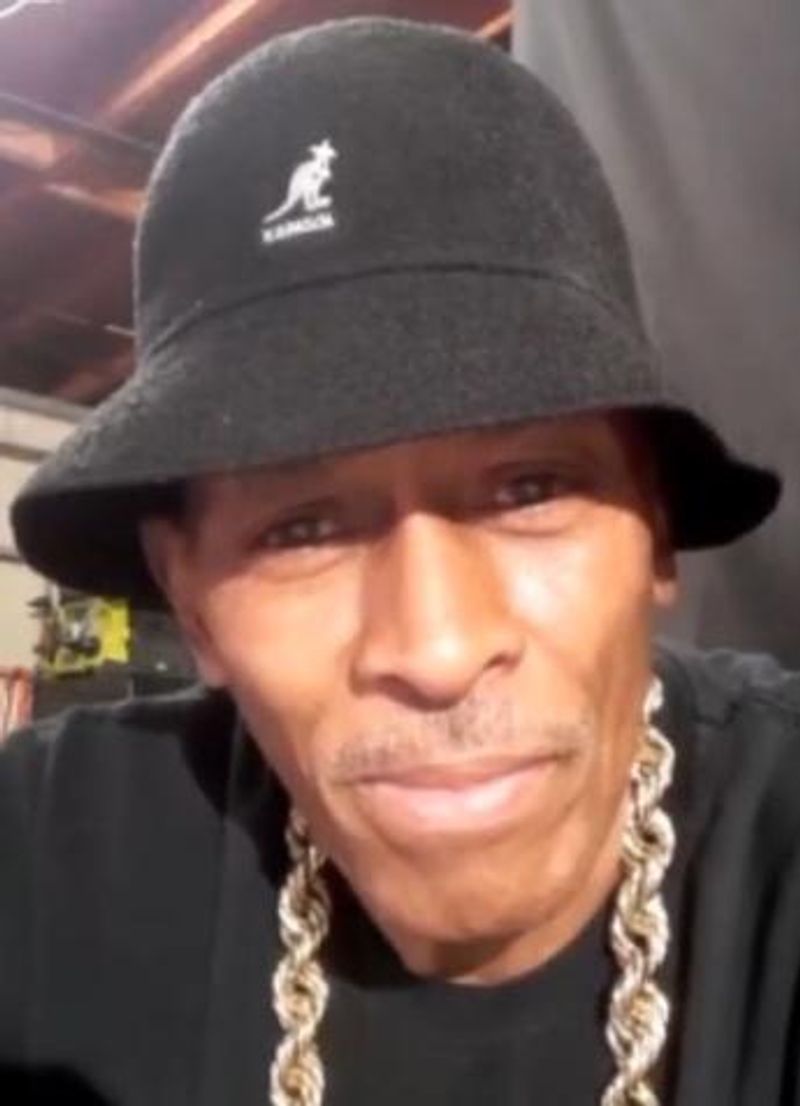
Without The Bridge, there would be no South Bronx, and without that rivalry, hip-hop history loses one of its most exciting chapters.
MC Shan dropped this Queensbridge anthem in 1986, proudly repping the largest public housing project in America as the cradle of rap culture.
Whether or not the claim was accurate, the song sparked a battle that forced both sides to level up their skills dramatically.
7. Eric B. and Rakim – Eric B. Is President
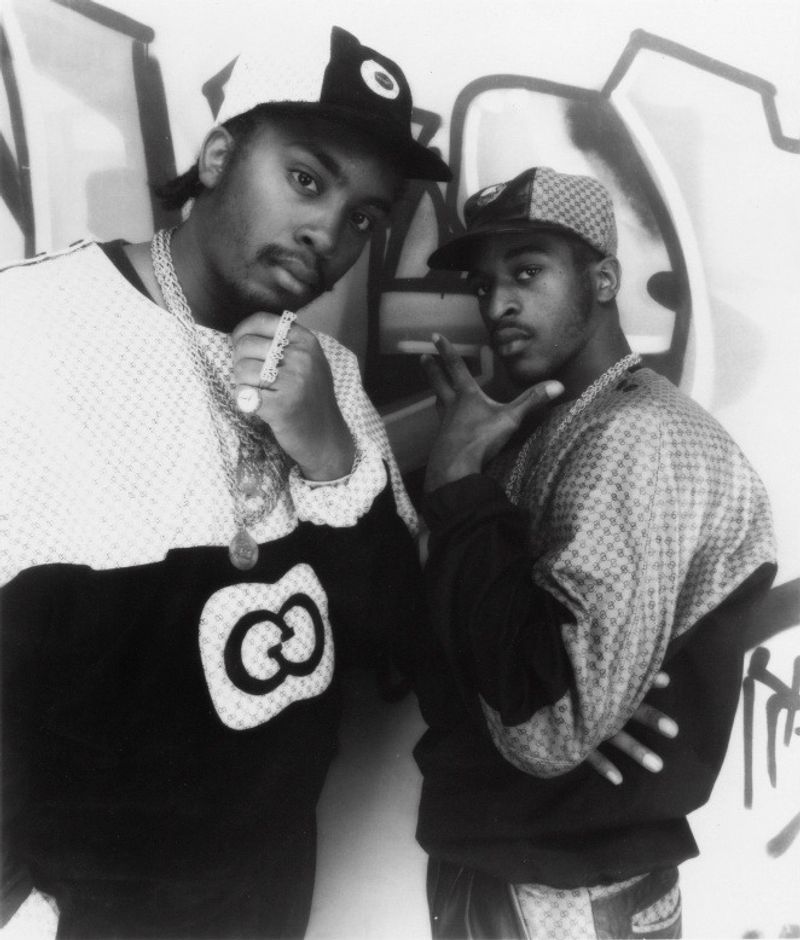
When this dropped in 1986, hip-hop’s relationship with lyricism changed permanently.
Rakim’s flow on Eric B. Is President was so advanced that other rappers reportedly put down their pens in disbelief.
His internal rhyme schemes and calm delivery were unlike anything heard before.
Eric B. built a beat so smooth it felt like velvet, and Rakim glided over it like he had been doing this since birth.
Together, they set a technical standard that still gets studied by rappers today.
8. Public Enemy – Fight the Power
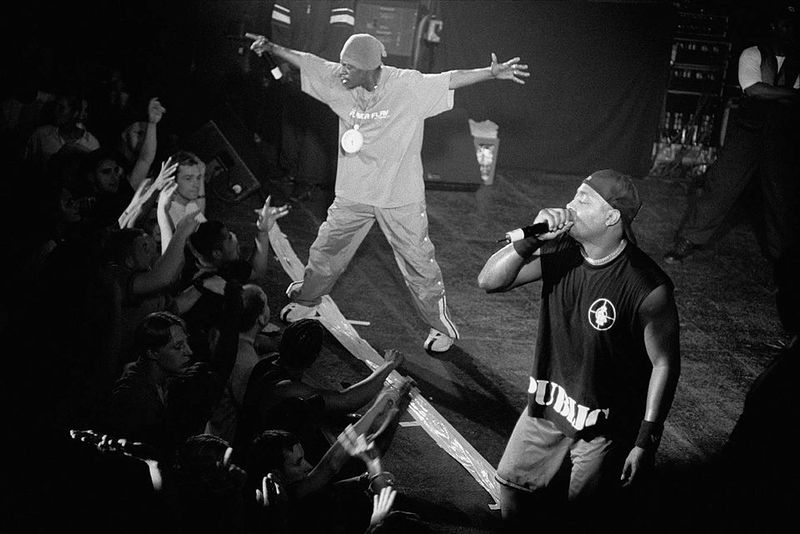
Few songs in any genre carry the same explosive urgency as Fight the Power.
Recorded for Spike Lee’s 1989 film Do the Right Thing, this track arrived like a thunderclap during one of America’s most charged cultural moments.
Chuck D rapped with the intensity of a civil rights speech set to the loudest, most chaotic beat imaginable. Flavor Flav added comic energy that somehow made the message hit even harder.
Hip-hop became political armor with this song, and Public Enemy became its generals.
9. Big Daddy Kane – Ain’t No Half-Steppin’

Smooth, sharp, and completely in control, Big Daddy Kane brought a level of charisma to hip-hop that felt almost superhero-level.
Ain’t No Half-Steppin’ from 1988 is a masterclass in confident, precise rap delivery that made every other rapper rethink their approach.
His wordplay was fast but never sloppy, and his swagger was turned all the way up without feeling fake.
Many of today’s biggest rappers, including JAY-Z, have openly credited Kane as a major influence.
10. Juice Crew – The Symphony

How do you fit Marley Marl, MC Shan, Masta Ace, Craig G, Big Daddy Kane, and Kool G Rap onto one track? Very carefully, and with incredible results.
The Symphony from 1988 was a posse cut that set the gold standard for collaborative hip-hop tracks for decades to come.
Each rapper brought a completely different style, and somehow it all clicked perfectly.
Think of it as hip-hop’s version of a superhero team-up movie, except everyone actually showed up ready to perform.
11. Beastie Boys – Paul Revere
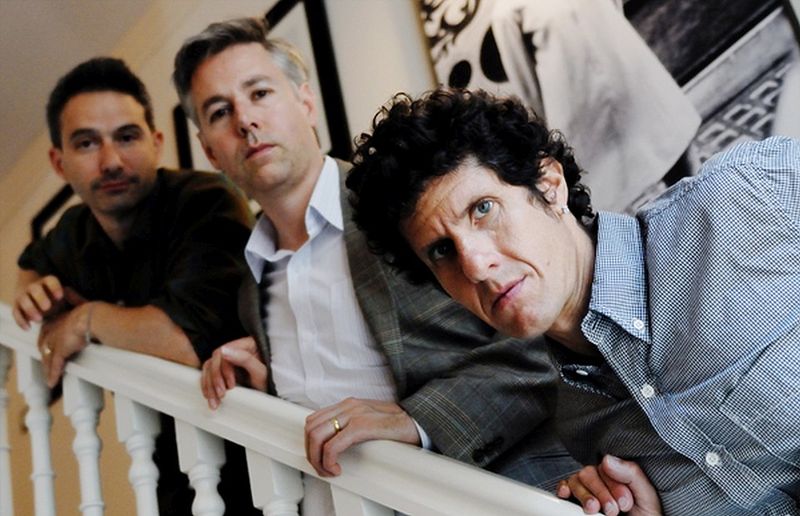
Three white kids from Manhattan crashing hip-hop’s party sounds like the setup to a bad joke, but the Beastie Boys were absolutely the real deal.
Paul Revere from 1986 featured a reversed drum loop and the kind of rowdy, chaotic energy that made parents nervous and teenagers very, very excited.
Rick Rubin produced the track, and the result was something genuinely unpredictable and fun. The Beasties proved hip-hop had no borders, no gatekeepers, and no rules.
12. A Tribe Called Quest – Scenario
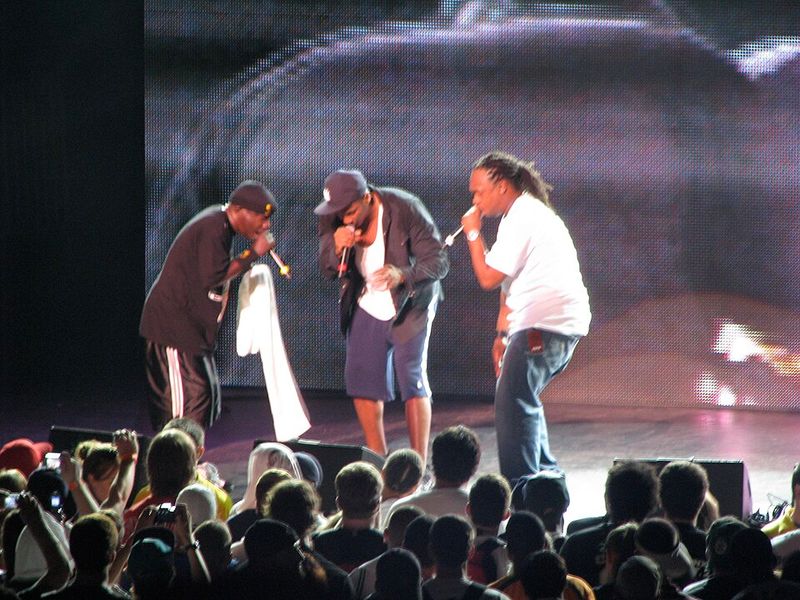
Where most rap in 1991 was getting harder and louder, A Tribe Called Quest zigged beautifully.
Scenario closed out their landmark album The Low End Theory with an all-star posse cut that bubbled over with pure joy and competitive energy.
Busta Rhymes absolutely stole the show with a closing verse so explosive it launched his solo career almost instantly.
The jazz samples, the laid-back vibe, and the genuine chemistry between everyone on the mic made this feel like the coolest school lunch table you were never allowed to sit at.
13. Wu-Tang Clan – Protect Ya Neck

Nine rappers. One producer. Zero budget. Maximum impact.
Protect Ya Neck arrived in 1993 as a self-released independent single, and it hit the hip-hop world like a meteor nobody saw coming.
RZA built a grimy, kung-fu-movie-inspired beat, and every single member of the Clan delivered a verse that could headline its own song.
Staten Island, long overlooked in the New York borough conversation, suddenly had the loudest voice in the room.
14. Nas – N.Y. State of Mind
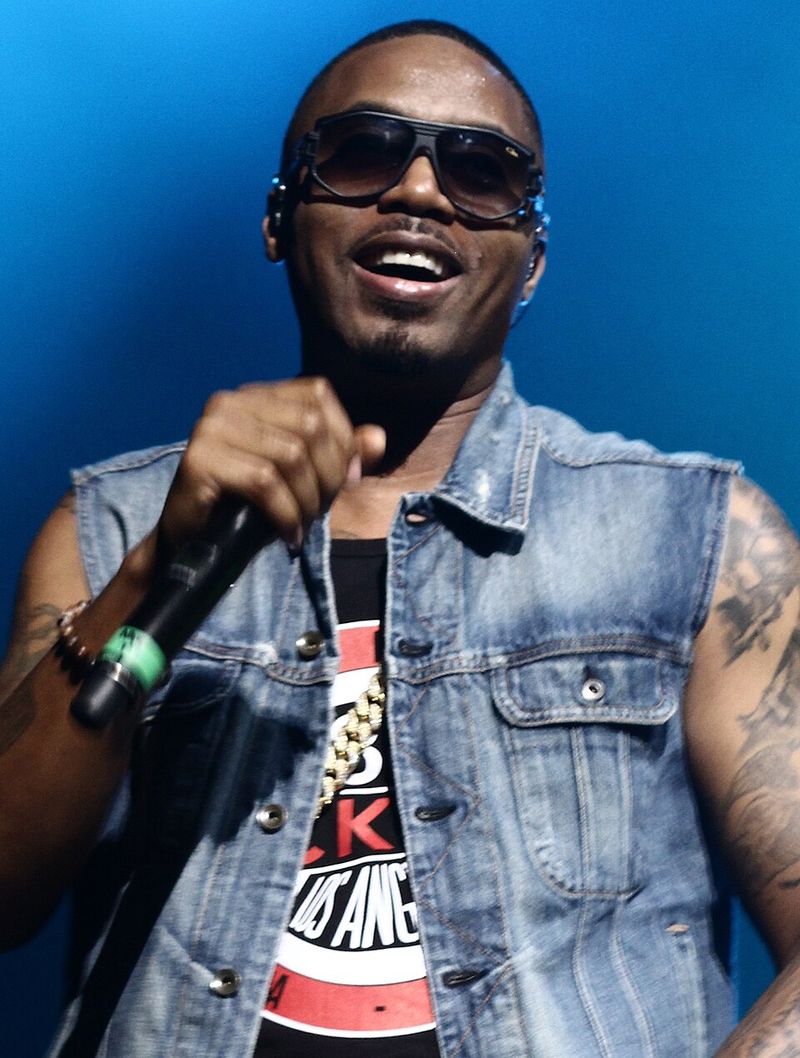
Released in 1994 when Nas was just 20 years old, N.Y. State of Mind is widely considered one of the greatest rap verses ever recorded.
DJ Premier built a cinematic, jazz-drenched beat, and Nas walked in and delivered a stream-of-consciousness masterpiece that felt like a movie playing inside your brain.
Every line painted Queensbridge in sharp, unforgettable detail. The imagery was so vivid you could almost smell the concrete.
15. Mobb Deep – Shook Ones Pt. II
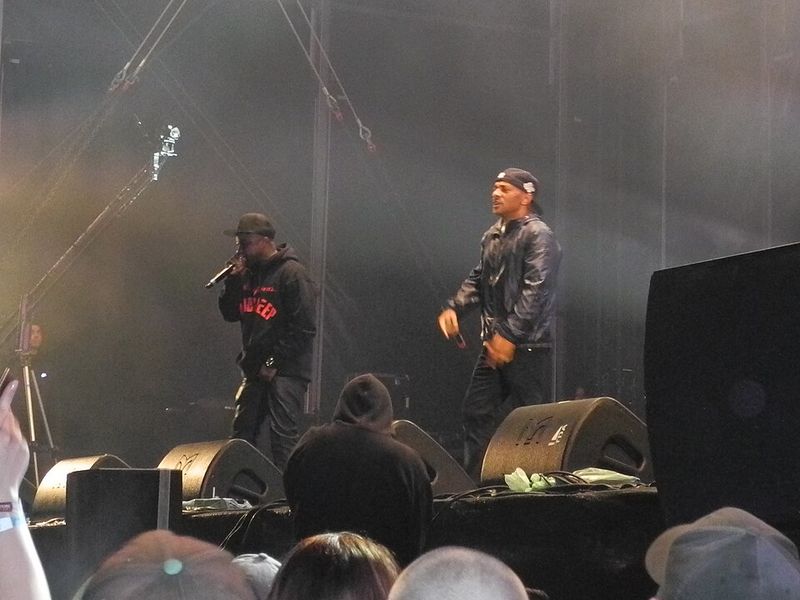
Cold and unrelenting, Shook Ones Pt. II arrived in 1995 like a warning signal from the hardest corners of Queensbridge.
Havoc produced a beat built around a piano loop that somehow sounds both beautiful and terrifying at the same time, which is a genuinely impressive trick.
Prodigy delivered a verse so menacing that Tupac famously used it to taunt rivals during concerts. If that is not a measure of a song’s power, nothing is.