17 Classic New York Hip-Hop Songs That Still Set The Standard
New York hip-hop does not exactly walk into the room quietly. It kicks the door open, grabs the aux, and reminds everybody why the city built a sound people still chase decades later.
These tracks carry that kind of weight. Beats hit with attitude, lyrics come sharp, and every song seems to know it has something to prove even when its legacy is already untouchable.
Plenty of music still sounds good years later, but classic New York rap has a different kind of staying power.
It still sounds like confidence and somebody turning lived experience into a record that refuses to sit politely in the background. That is why these songs still matter.
They helped define an era, setting the tone for what great hip-hop could sound like when the swagger, storytelling, and raw city pulse all landed at exactly the right moment.
1. Grandmaster Flash and the Furious Five — “The Message”
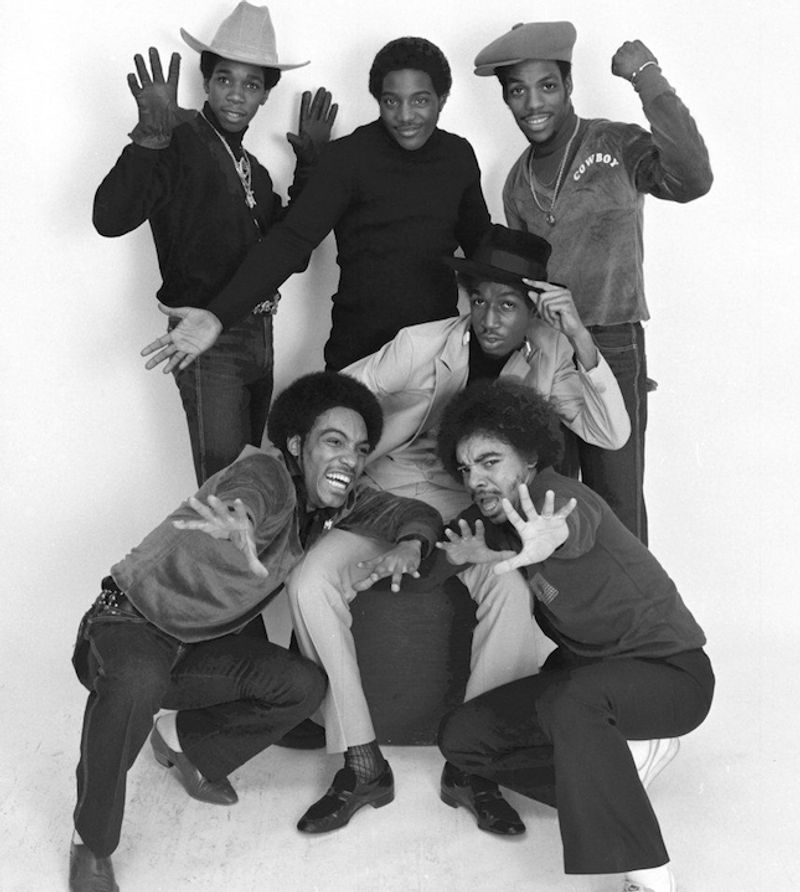
Back in 1982, hip-hop wasn’t supposed to talk about real life struggles. Then this track dropped and changed everything.
“The Message” painted a brutally honest picture of poverty and survival in the South Bronx, and nobody was ready for it.
Melle Mel’s unforgettable line “Don’t push me ’cause I’m close to the edge” became a rallying cry for anyone fighting just to get through the day. How powerful is that?
Released on Sugar Hill Records, it’s widely considered the first socially conscious rap song ever recorded.
2. Run-D.M.C. — “Sucker M.C.’s”
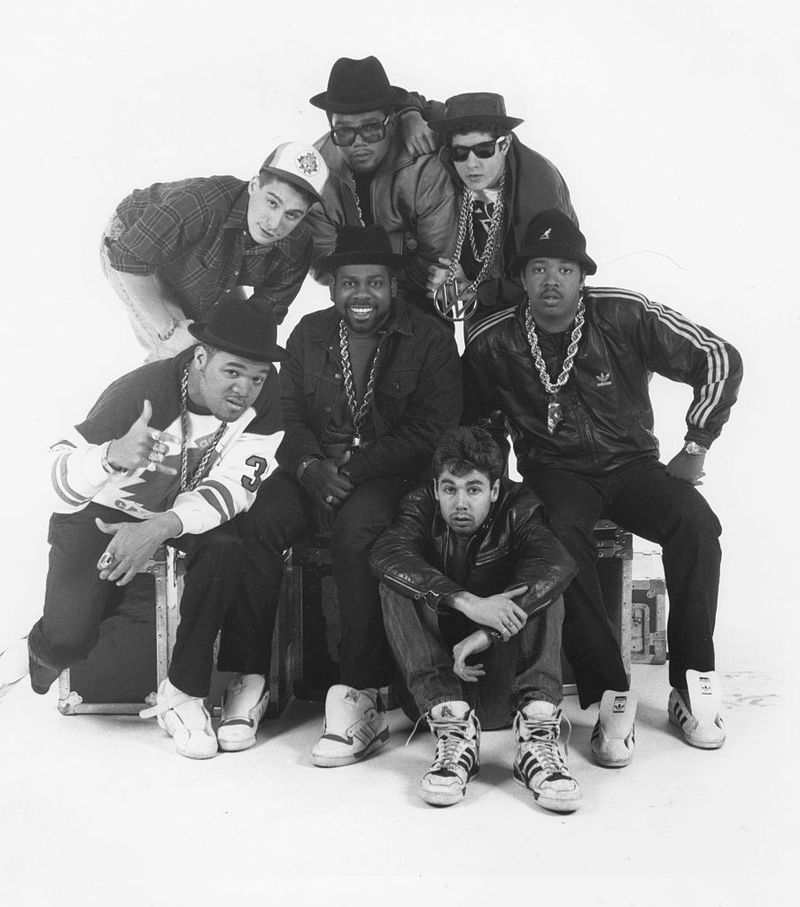
If hip-hop had a moment where it truly grew up, this was it.
Released in 1983, “Sucker M.C.’s” stripped everything back to basics: no live band, just a drum machine and pure lyrical fire. Run-D.M.C. made minimalism feel like a superpower.
Where other rappers were still riding disco-influenced beats, Run-D.M.C. threw that playbook out the window entirely. The result?
A harder, leaner sound that basically invented what we now call modern rap.
Without this song, hip-hop’s entire sonic DNA might look completely different today.
3. Eric B. & Rakim — “Paid in Full”
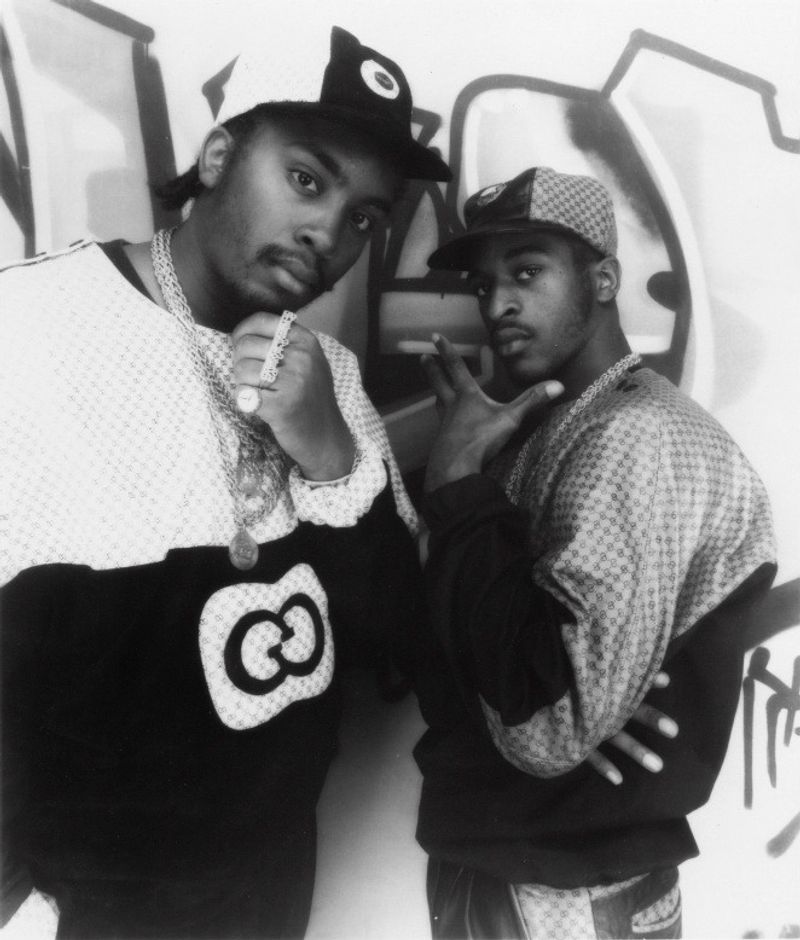
Rakim is often called the greatest MC of all time, and “Paid in Full” is exhibit A for why.
Released in 1987, the track introduced a level of lyrical complexity that left listeners rewinding their cassette tapes just to catch every line. Mind-blowing stuff.
Eric B.’s sample-heavy production pulled from James Brown and other soul classics, creating a soundscape that felt both familiar and completely fresh.
Fun fact: the album was recorded on a shoestring budget but became one of the genre’s most influential records ever.
4. Public Enemy — “Fight the Power”
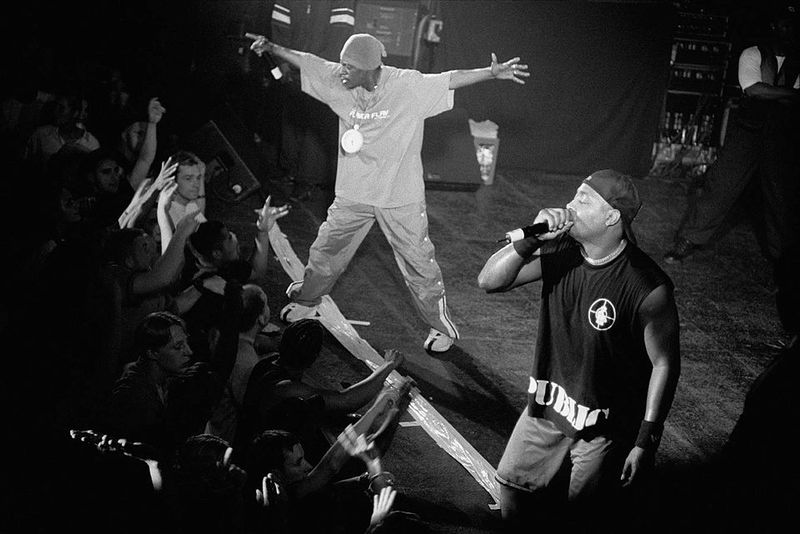
Commissioned for Spike Lee’s iconic film “Do the Right Thing” in 1989, this track arrived like a thunderclap.
Chuck D’s powerful delivery combined with the Bomb Squad’s chaotic, layered production created something that felt less like a song and more like a movement.
However, what truly made “Fight the Power” legendary was its unapologetic boldness. Public Enemy demanded attention, sparked debate, and challenged listeners to think critically about power and justice.
Decades later, this song still shows up at rallies, films, and playlists everywhere. That staying power is no accident.
5. A Tribe Called Quest — “Scenario”
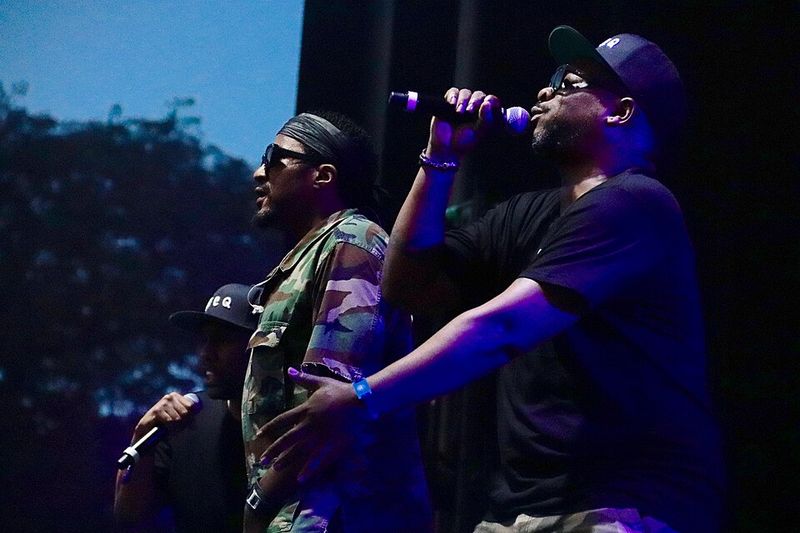
Few songs in hip-hop history end on a high note quite like this one.
The closing verse from Busta Rhymes on “Scenario” is the stuff of legend, arriving like a cartoon superhero crashing through a wall with pure unhinged energy. Seriously unforgettable.
Released in 1992 on the landmark album “The Low End Theory,” the track showcased ATCQ’s jazz-influenced production style alongside sharp, playful lyricism.
If you’ve never heard the crowd go wild when Busta’s verse kicks in at a live show, you’re missing one of hip-hop’s greatest shared experiences.
6. Nas — “N.Y. State of Mind”
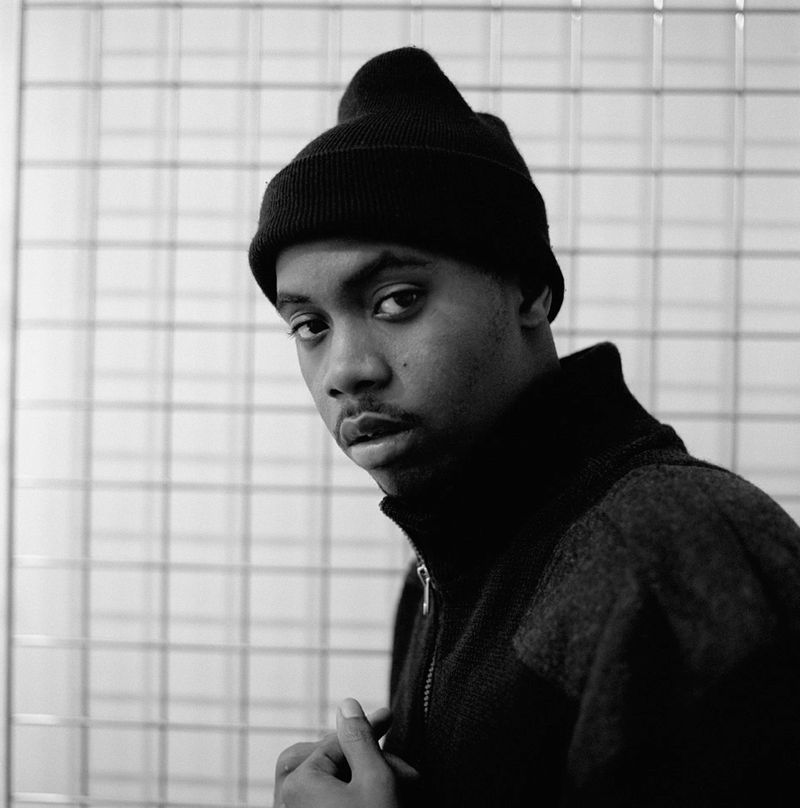
Picture a 20-year-old kid stepping into a recording booth and delivering one of the greatest rap verses ever committed to tape.
That’s exactly what happened when Nas recorded “N.Y. State of Mind” for his debut album “Illmatic” in 1994. Just wild.
DJ Premier’s haunting piano loop set the perfect stage for Nas to paint cinematic pictures of life in Queensbridge, Queens. Every bar felt like a short film.
Though Nas had limited studio experience at the time, the performance was so precise and vivid it sounded like a seasoned veteran at work.
7. Mobb Deep — “Shook Ones, Pt. II”
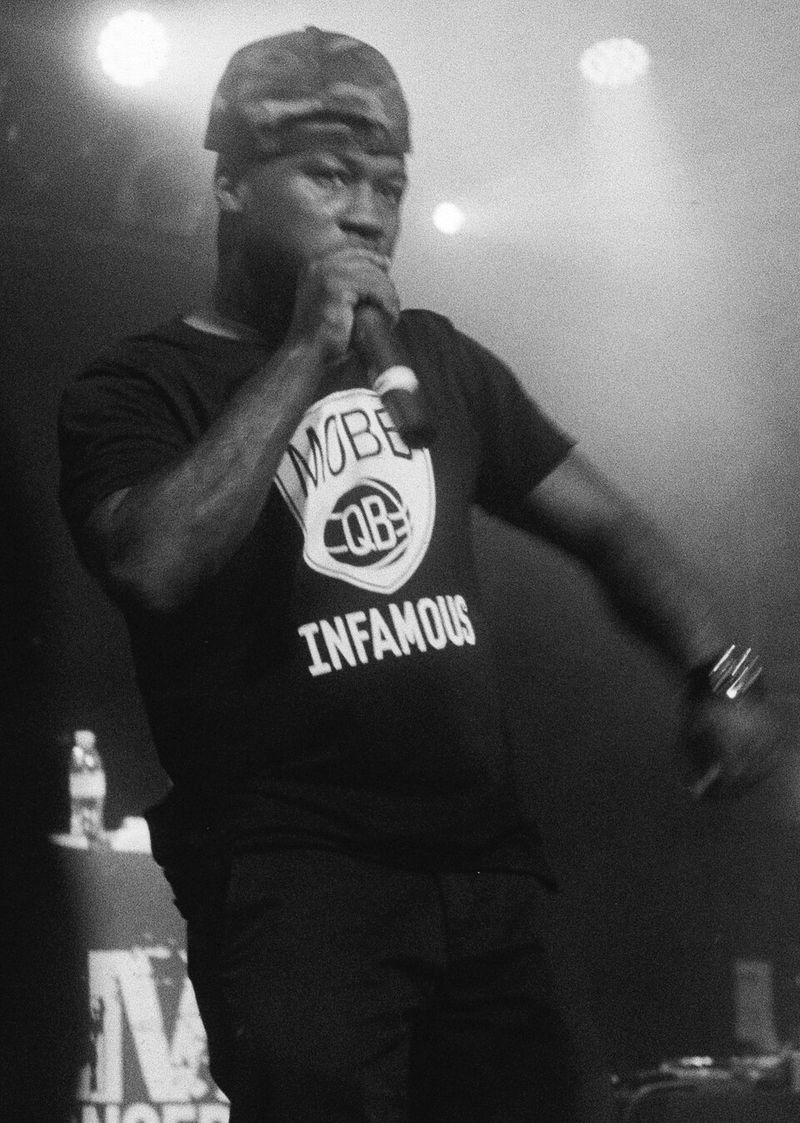
There is a piano loop in this song that has terrified and thrilled hip-hop fans since 1995.
Havoc crafted one of the darkest, most tension-filled beats in rap history, and Prodigy matched it with lyrics so cold they practically dropped the room temperature.
“Shook Ones, Pt. II” captured the paranoia and danger of street life in Queensbridge with surgical precision.
Where other tracks dramatized the streets, this one made you feel like you were actually standing in them at midnight.
It’s been sampled and replayed countless times. Even Eminem used it at his 8 Mile rap battle.
That says everything.
8. Wu-Tang Clan — “C.R.E.A.M.”
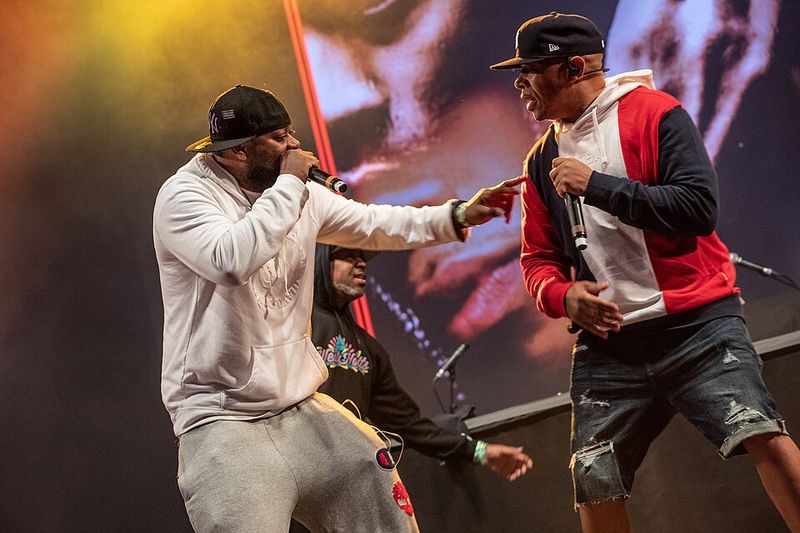
Nine MCs. One Staten Island crew. An acronym that became one of hip-hop’s most quoted phrases ever.
“C.R.E.A.M.,” short for Cash Rules Everything Around Me, dropped in 1993 and immediately felt like required listening for anyone trying to understand New York’s street reality.
RZA built the beat around a haunting soul sample, giving Raekwon and Inspectah Deck the perfect canvas to tell their stories of hustle and hardship.
Fun fact: the soul sample is from The Charmels’ “As Long as I’ve Got You.” Old soul, new fire.
9. LL Cool J — “I Need Love”
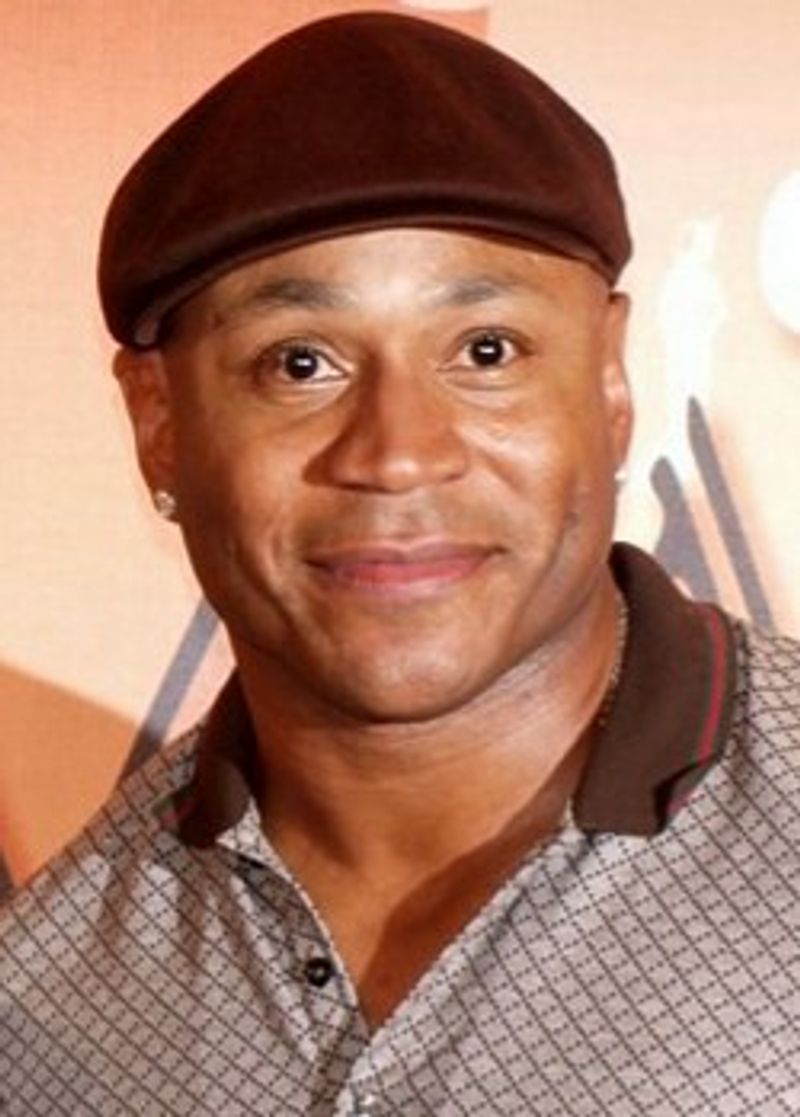
Who said hip-hop couldn’t be romantic?
In 1987, LL Cool J silenced doubters with “I Need Love,” a slow, heartfelt ballad that proved rap had emotional range far beyond the party. Girls swooned. Critics were stunned. Hip-hop officially had a love song.
Produced by L.A. Posse, the track stripped away the tough-guy image LL was known for and replaced it with genuine vulnerability.
How rare was that for hip-hop at the time? Very. It became one of the first rap songs to crack the pop charts in a major way, opening doors for countless artists who followed.
10. Big Daddy Kane — “Ain’t No Half-Steppin'”
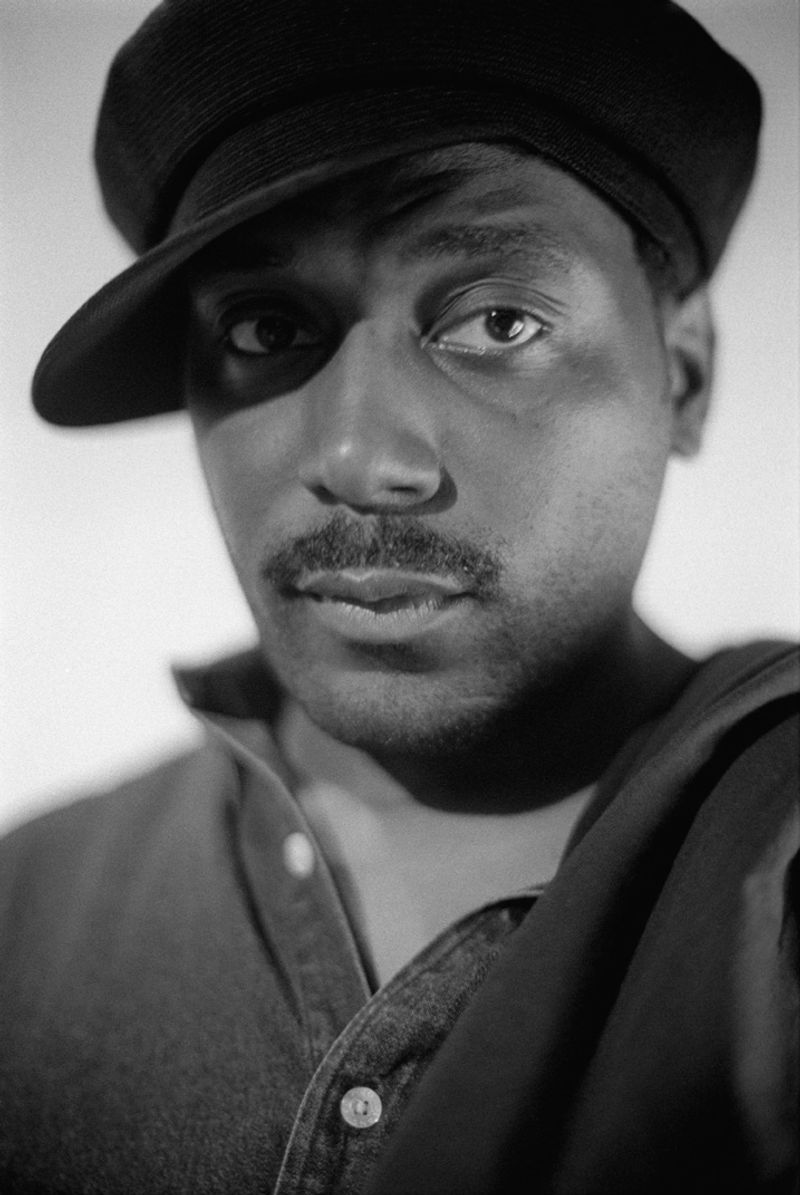
Speed, style, and swagger, Big Daddy Kane had all three in unlimited supply on this 1988 hit.
“Ain’t No Half-Steppin'” was a lyrical showcase that left other MCs genuinely intimidated. Kane flowed over the beat like water over rocks, effortlessly smooth and unstoppable.
Part of the legendary Juice Crew from Queens, Kane brought a polished charisma to hip-hop that was genuinely new. His influence on later artists like Jay-Z and Rakim’s era peers is well documented.
If hip-hop had a hall of fame moment for pure mic technique, this track would be in the first exhibit.
11. KRS-One — “Sound of da Police”
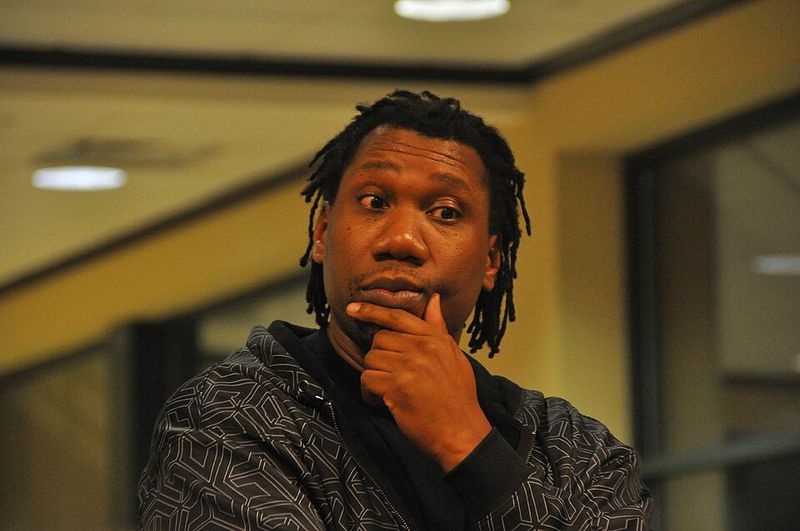
Few songs in hip-hop history carry as much intellectual firepower as this one.
Released in 1993, KRS-One connected the word “overseer” to the word “officer” in a lyrical history lesson that stopped listeners cold. It wasn’t just rap. It was education with a beat.
KRS-One, also known as The Teacha, built Boogie Down Productions on the idea that hip-hop should challenge minds, not just move feet. “Sound of da Police” did exactly that.
Decades later, the track continues to surface whenever conversations about justice and authority arise.
12. Gang Starr — “Mass Appeal”
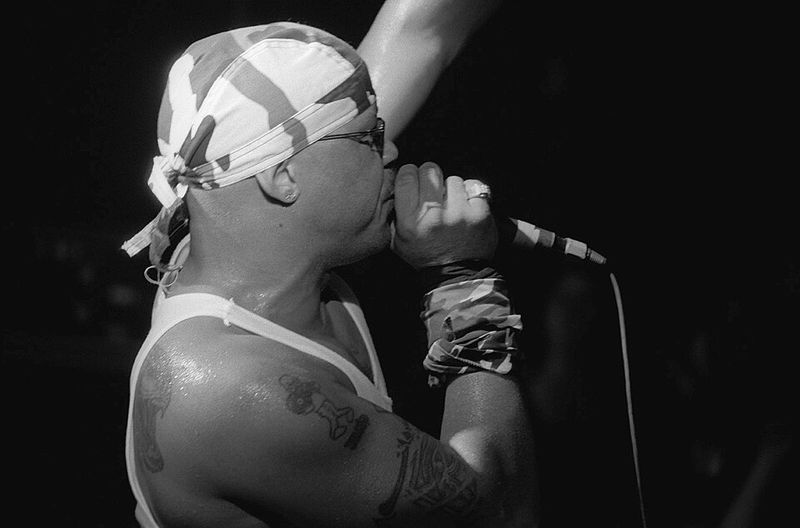
Here’s a song that basically called out the entire music industry while still being incredibly cool about it.
“Mass Appeal” from 1994 had Guru rapping about staying true to hip-hop’s roots while record labels pushed artists toward more commercial sounds. Brave and brilliant.
DJ Premier’s scratching and chopping on this track is a masterclass in production craft. Together, Gang Starr represented the underground with pride, refusing to water down their sound for radio play.
Their Brooklyn-based chemistry produced some of the most respected music in hip-hop history.
13. De La Soul — “Me Myself and I”
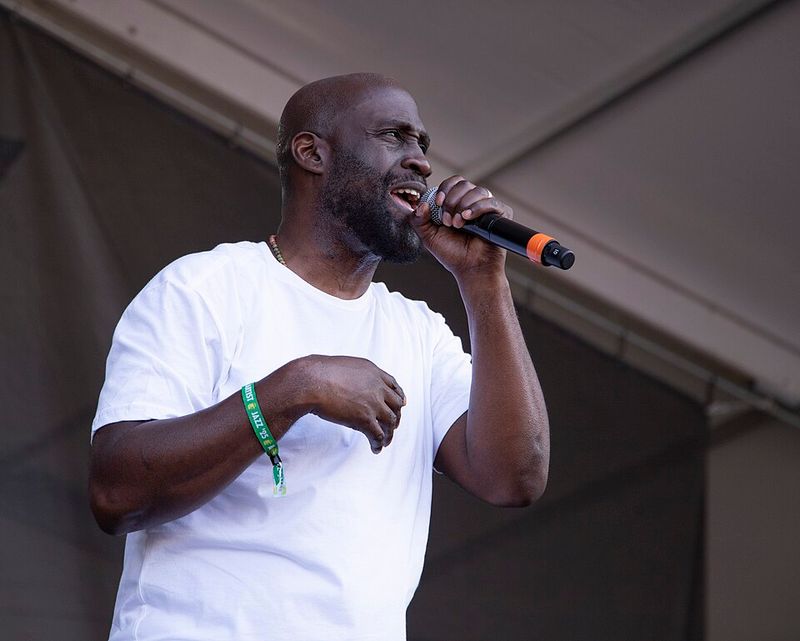
While most of hip-hop was chasing toughness in 1989, De La Soul showed up wearing daisies and celebrating individuality.
“Me Myself and I” was a joyful rejection of hip-hop’s growing tough-guy image, and listeners absolutely loved them for it. Refreshing doesn’t even cover it.
Sampled from Funkadelic’s “(Not Just) Knee Deep,” the track grooved with a laid-back funkiness that set the Daisy Age movement in motion.
Posdnuos, Trugoy, and Maseo proved you didn’t need to be hard to be respected. Their Long Island roots brought something genuinely different to New York’s hip-hop conversation.
14. DMX — “Ruff Ryders’ Anthem”
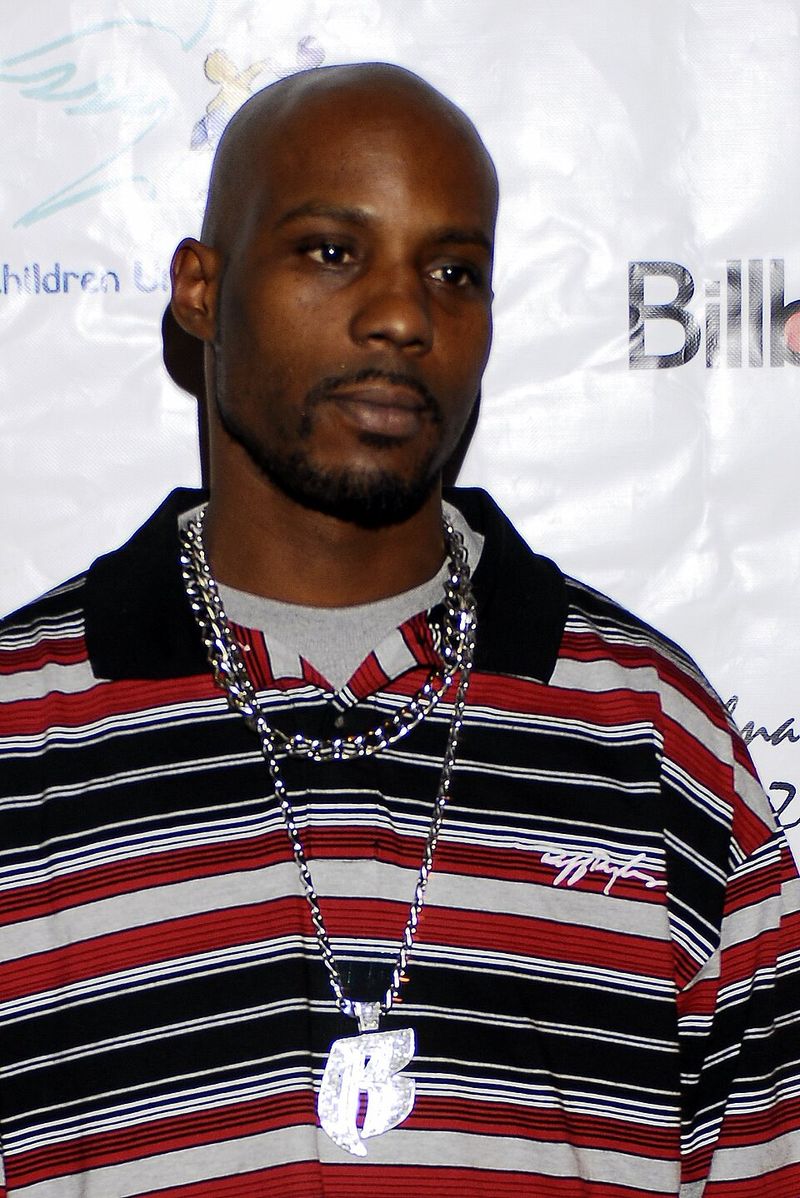
When this track dropped in 1998, it felt like someone turned the volume knob all the way up and snapped it off.
DMX’s bark-and-rap delivery over Swizz Beatz’s aggressive production was unlike anything hip-hop had heard before. Pure adrenaline in audio form.
“Ruff Ryders’ Anthem” became the rallying cry for an entire movement, connecting bikers, street kids, and hip-hop fans across the city. Though DMX is no longer with us, his legacy burns just as bright.
Every time this beat drops, it still commands every room it enters. Legend status, fully earned.
15. Wu-Tang Clan — “Protect Ya Neck”
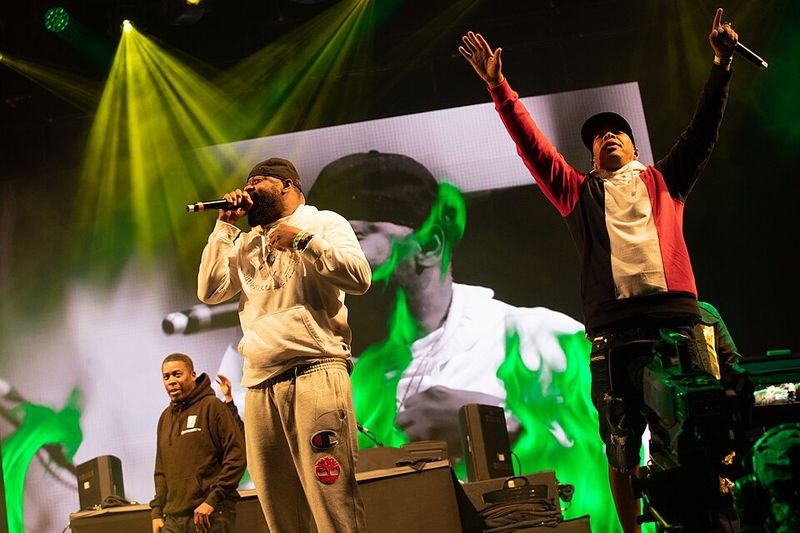
Before the world knew the Wu-Tang Clan’s name, this was the song that made everyone pay attention.
Self-released in 1992, “Protect Ya Neck” was raw, chaotic, and packed with eight different MCs trading verses at breakneck speed. It was hip-hop’s ultimate introduction letter.
RZA, GZA, Method Man, Ol’ Dirty Bastard, and crew each brought a wildly different style, making the track feel like a superhero team assembling for the first time.
Radio stations initially ignored it, so the Clan sold copies out of car trunks. Hustle plus talent equals unstoppable.
16. The LOX — “Money, Power & Respect”
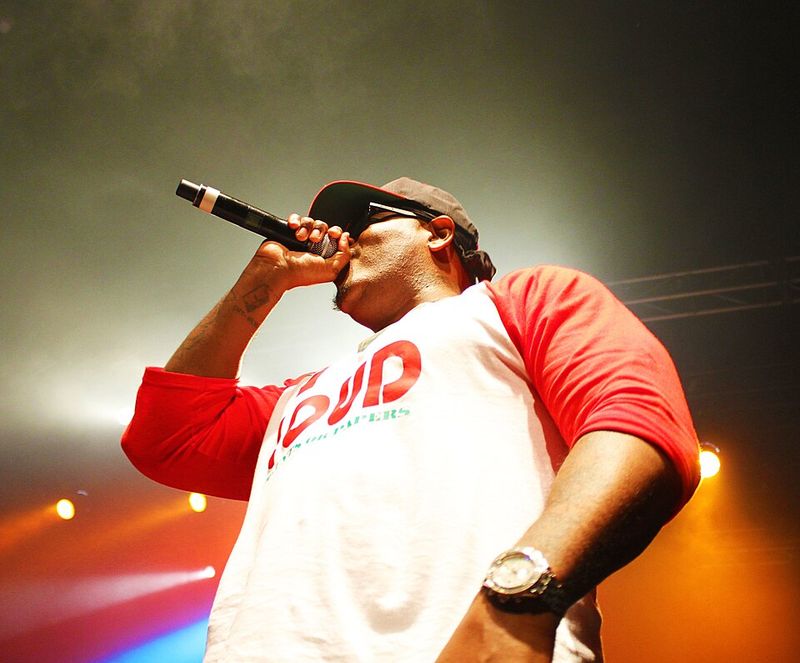
Yonkers produced another powerhouse with The LOX, three MCs who brought gritty lyricism and street credibility to the Bad Boy Records roster.
“Money, Power & Respect” from 1998 featured Lil’ Kim and DMX alongside the trio, creating a posse cut packed with star power.
Where the track truly shines is in its raw honesty about ambition and survival. Jadakiss’s razor-sharp delivery alone is worth the price of admission.
Though The LOX would later clash publicly with Puff Daddy over creative control, this song showed exactly what they were capable of.
17. Busta Rhymes — “Put Your Hands Where My Eyes Could See”
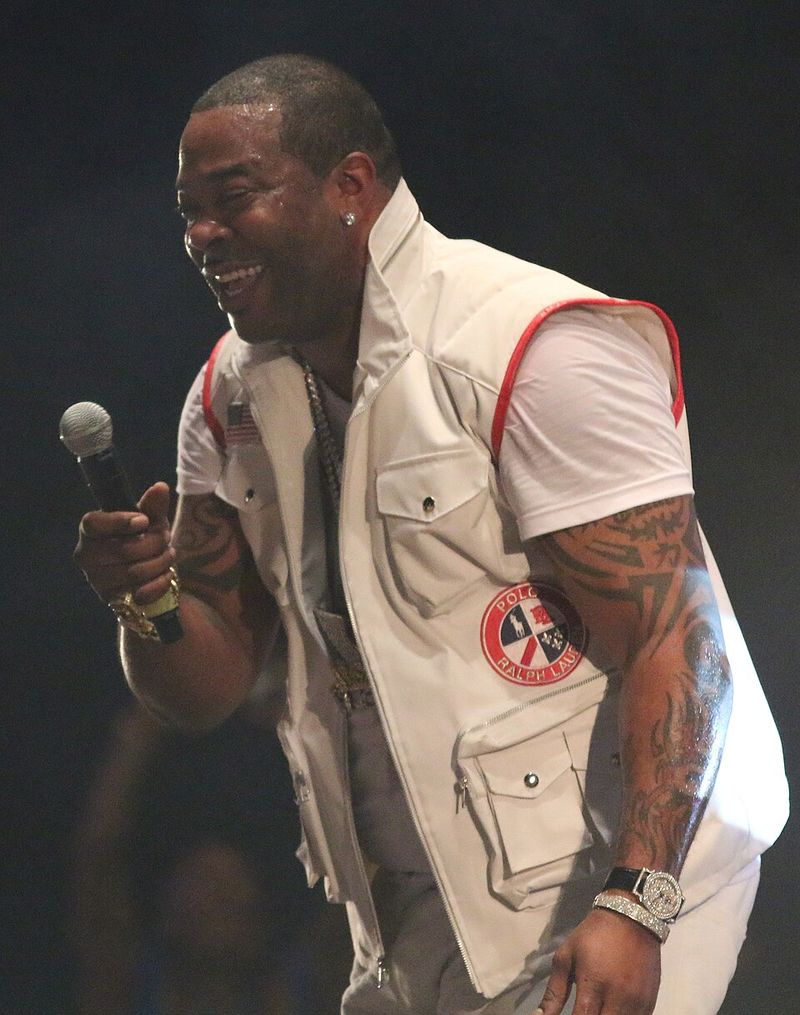
Nobody in hip-hop has ever moved quite like Busta Rhymes, and this 1997 banger captured his electric energy perfectly.
Built around a sample from Stevie Wonder’s “I Wish,” the track bounced with an infectious groove that made it impossible not to move. Seriously, try sitting still. Impossible.
The music video, filled with African-inspired imagery and choreography, became a visual event all on its own.
Busta’s rapid-fire delivery and theatrical personality had been building since his days with Leaders of the New School, but this was his true solo breakout moment.