10 No Country For Old Men Quotes That Still Hit Hard
Some movies leave you thinking for days, and No Country for Old Men is exactly that kind of film.
Based on Cormac McCarthy’s gripping novel and brought to life by the Coen brothers in 2007, it won four Academy Awards and shook audiences to their core.
The story follows a game of cat and mouse across the Texas desert, where fate, evil, and survival collide in unforgettable ways.
No matter if you’ve seen it once or ten times, these quotes will stop you cold and make you think all over again.
1. The Coin Toss That Could End Your Life
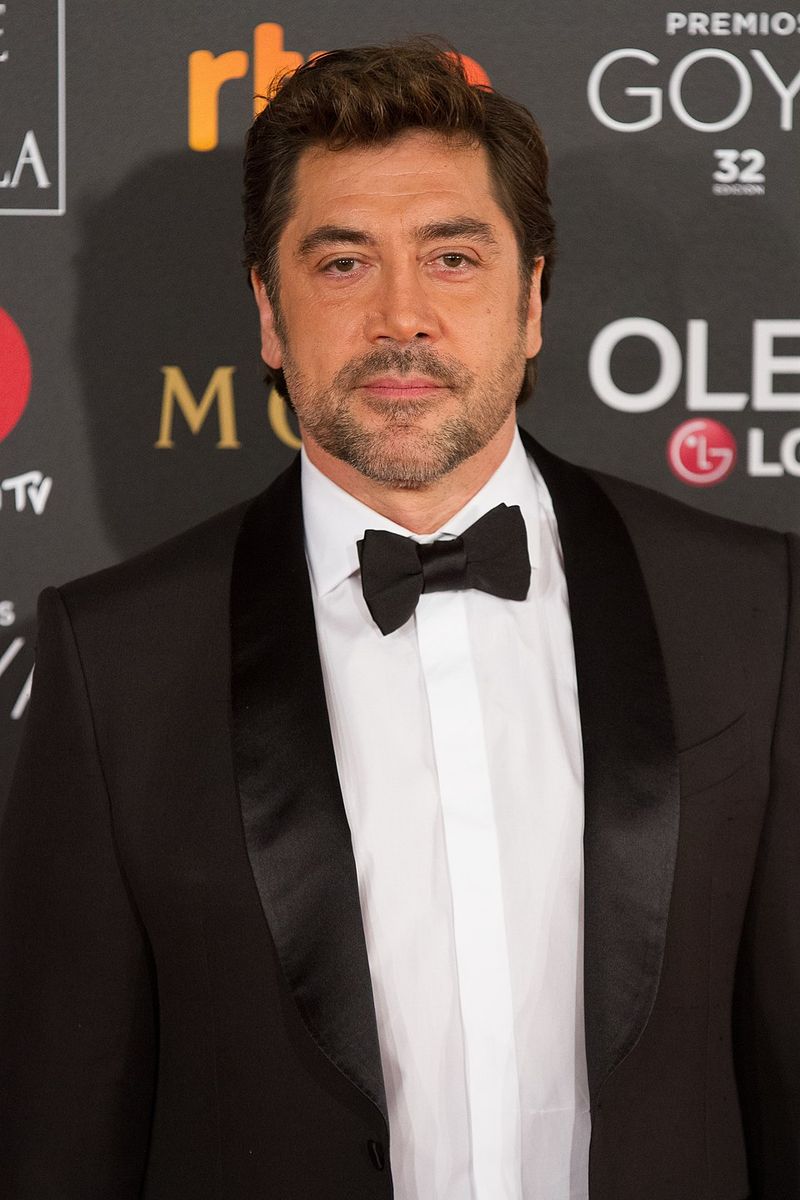
Think stopping for gas and walking away with your life on the line. Anton Chigurh’s chilling coin toss scene gave us one of cinema’s most haunting lines: “Call it.”
He tells the gas station owner that the quarter has been traveling twenty-two years to reach that moment.
How terrifying is that? Chigurh treats chance like it’s scripture, and he forces strangers to live inside that cold logic whether they want to or not.
The coin doesn’t decide anything, really. Chigurh already has. That’s what makes this scene so deeply unsettling and impossible to forget.
2. Fate Dressed Up As A Coin Flip
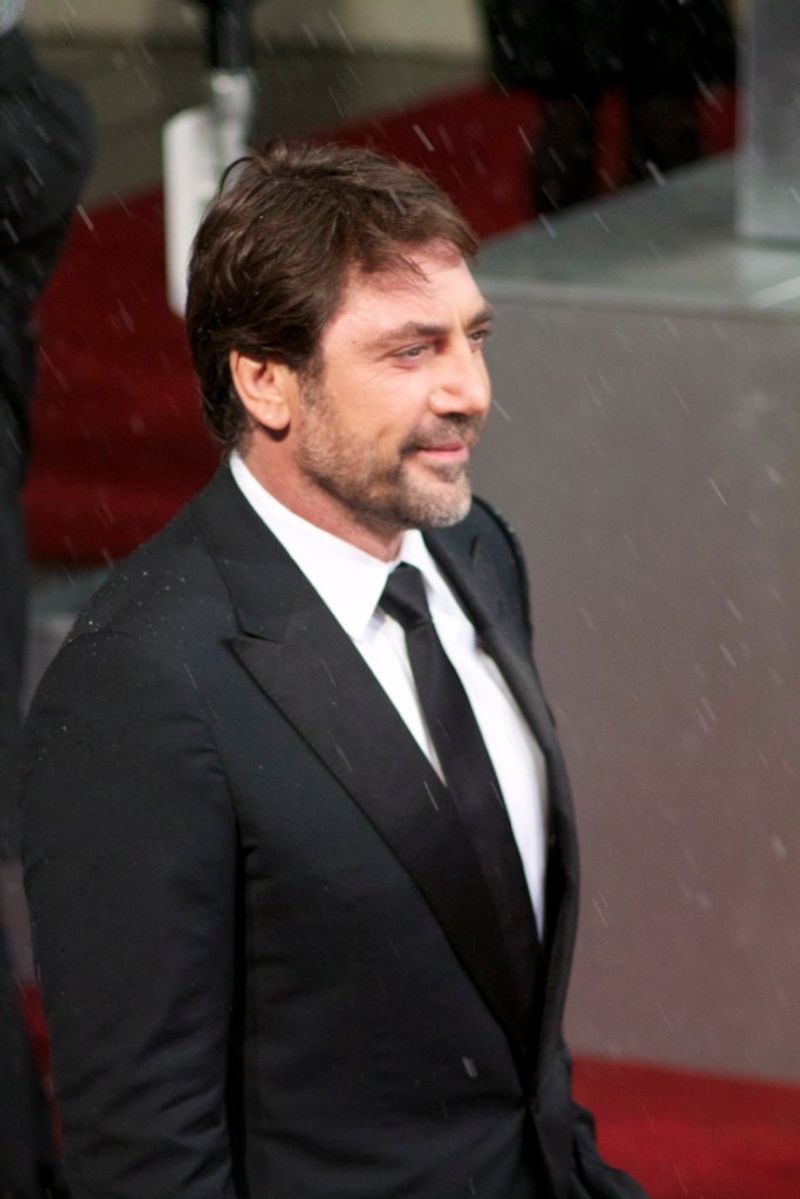
Chigurh doesn’t believe in coincidence. He believes everything is locked in, predetermined, rolling toward you like a freight train you can’t outrun.
His quote, “This is the best I can do. Call it,” strips away any illusion of free will in the most terrifying way possible.
It’s almost like watching a chess match where one player doesn’t know they’re playing. Chigurh wraps chance in the costume of fate and dares you to argue back.
Spoiler alert: nobody wins that argument.
3. When the Rules Stop Making Sense
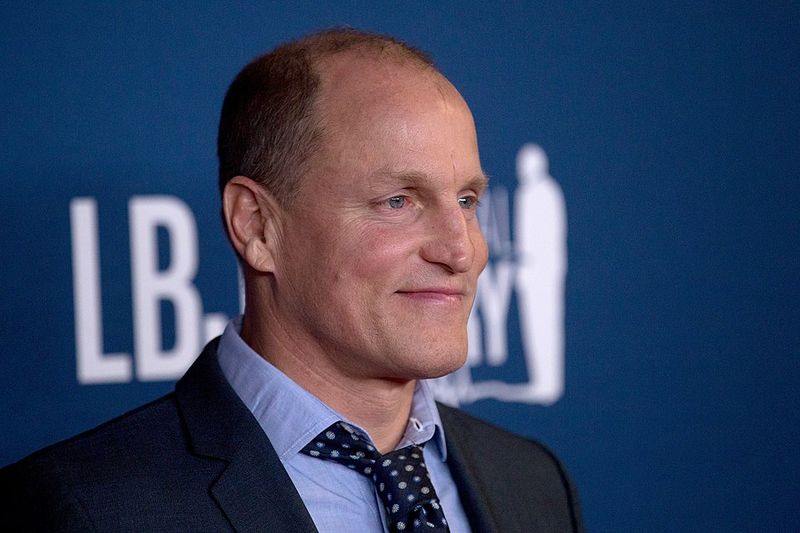
Carson Wells delivers one of the sharpest lines in the whole film: “If the rule you followed brought you to this, of what use was the rule?” It’s the kind of question that hits like a punch you didn’t see coming.
Wells is talking to Chigurh, but honestly, it applies to almost any bad decision ever made. Following rules blindly without questioning where they lead is something humans do all the time.
Think about it like following GPS directions straight into a lake. Wells saw the absurdity clearly, even if he couldn’t escape it himself. That self-awareness makes this quote unforgettable.
4. Running From Something That Never Tires
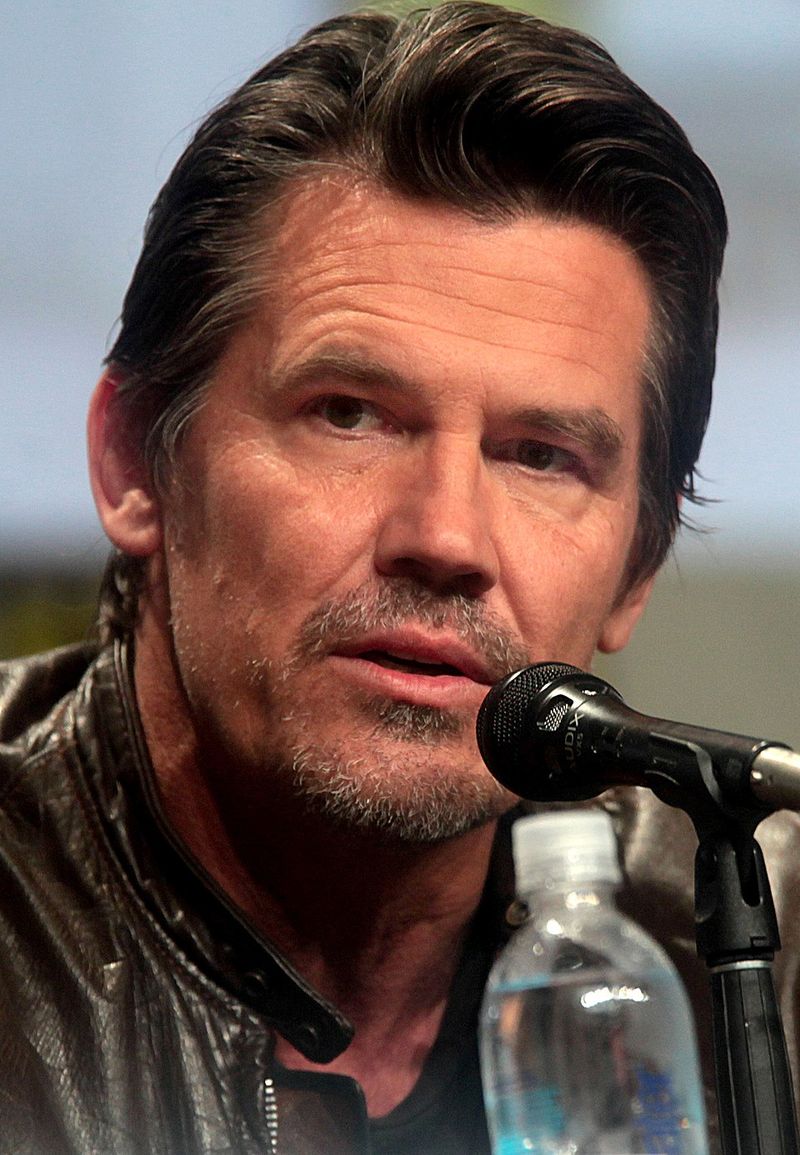
A nightmare begins for Llewelyn Moss when he finds drug money in the desert.
His quiet realization, “You don’t have to do this,” comes too late because the danger following him simply does not stop. It doesn’t negotiate, nor does it sleep.
Moss keeps moving forward even when every sign screams turn back. That stubbornness is both his strength and his downfall, which makes him one of the most relatable tragic heroes in modern fiction.
We’ve all pushed past warning signs thinking we could handle it. Moss just paid a much steeper price than most of us ever will.
5. A World Getting Harder To Recognize
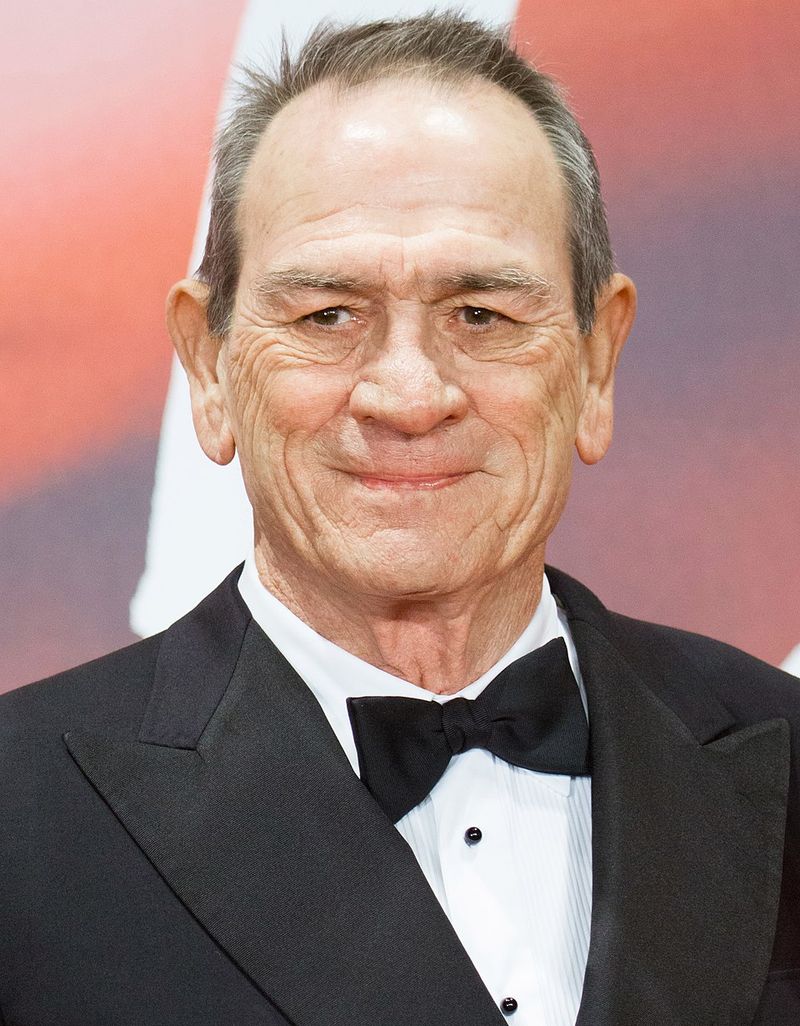
Much of the story is narrated by Sheriff Bell, whose voice carries the weight of a man watching everything familiar disappear.
His line, “You think when you wake up in the mornin yesterday don’t count. But yesterday is all that does count,” lands with quiet devastation.
Bell isn’t complaining for the sake of it. He’s grieving a world that made sense to him once.
That feeling of being out of step with your own time is something a lot of people carry. Bell puts words to that ache better than almost any character in film history.
6. Evil Beyond The Usual Category
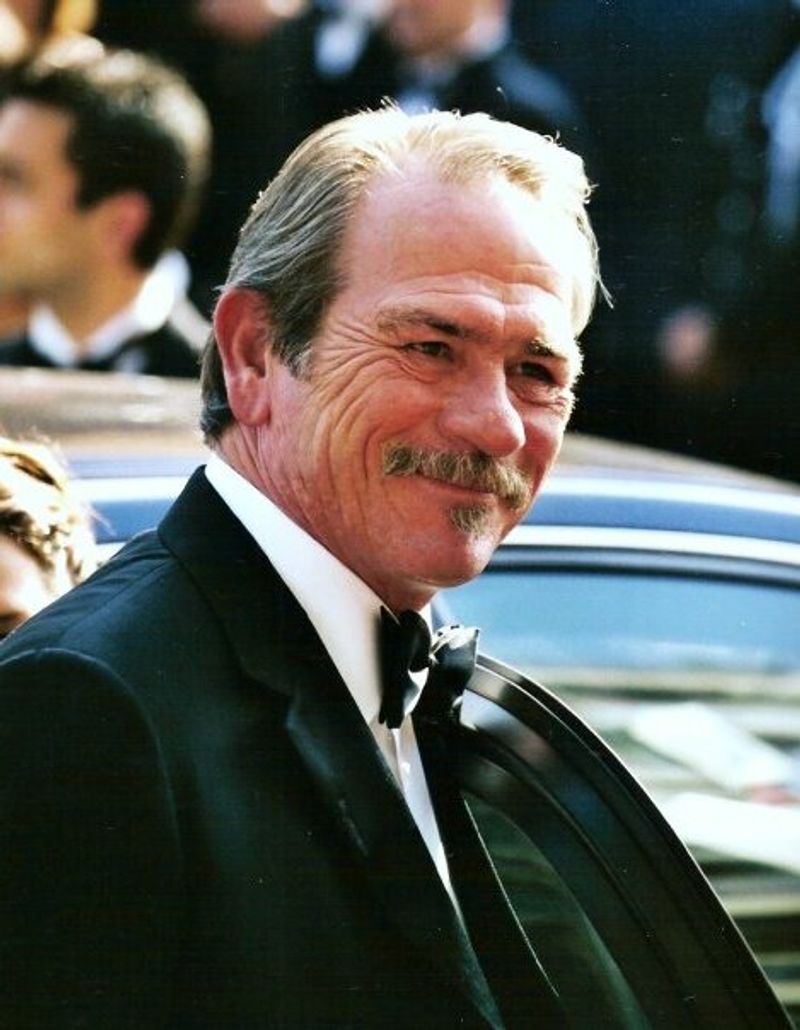
Bell says something haunting when he describes Chigurh: “It’s not that I’m afraid of him. I think he’s a peculiar man.” That word, peculiar, does a lot of heavy lifting.
Bell isn’t calling Chigurh dangerous in the ordinary sense. He’s saying something stranger and darker is at work here.
Most criminals have motives you can understand, even if you don’t agree with them. Chigurh operates on a completely different frequency.
Recognizing evil that doesn’t follow the normal script is genuinely terrifying, and Bell captures that perfectly.
7. The Clock Started Long Before You Arrived
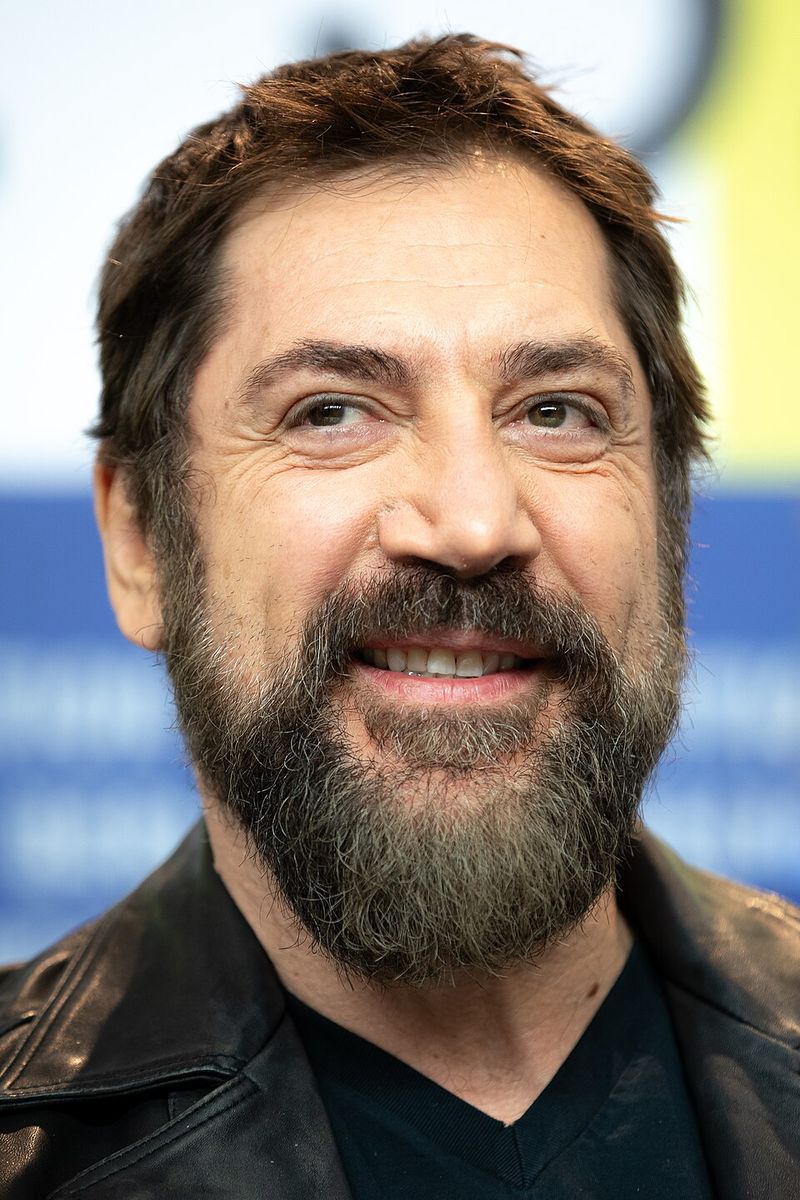
“You were making money before I ever showed up,” Chigurh tells one of his targets, implying the events leading to this moment began long before anyone noticed.
He genuinely believes the machinery of fate was already running and he’s simply part of it, not the cause of it.
That’s a wild and deeply unsettling philosophy. If everything is already set in motion, does anyone bear responsibility?
Chigurh uses this logic to remove guilt from himself entirely.
8. Stubbornness In The Face Of Impossible Odds
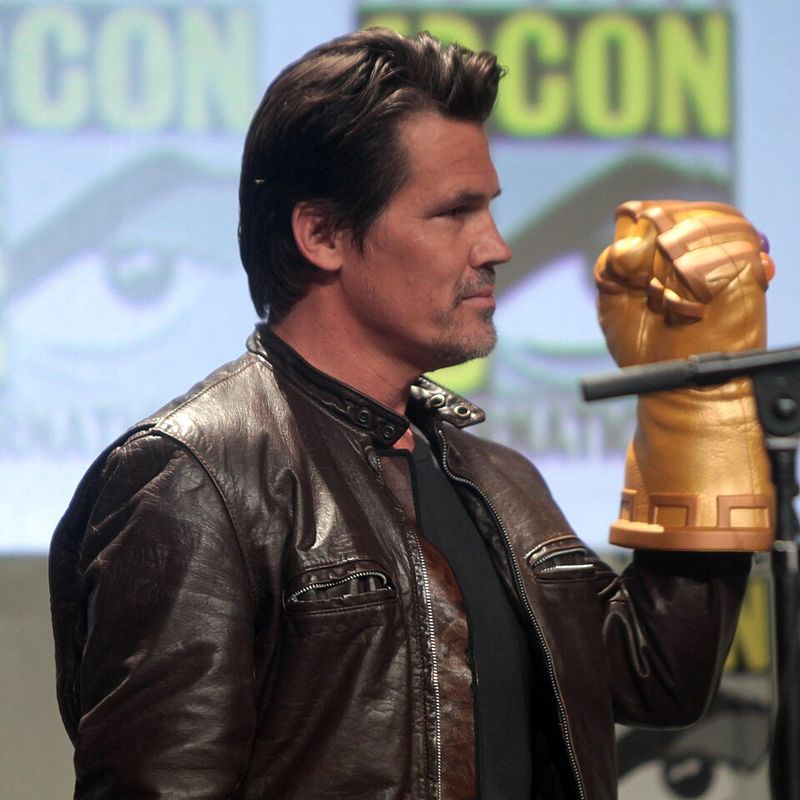
Moss is not a quitter. Even when the odds are laughably stacked against him, he keeps adapting, keeps moving, keeps trying to outthink a situation that has no clean exit.
His quiet determination echoes the line, “You keep runnin that mouth and I’m goin to take you back there.”
Yes, that one’s Chigurh, but Moss matches that energy with action instead of words.
There’s something deeply human about refusing to accept a losing hand, even when every card on the table says fold.
9. Age, Fear, And Feeling Left Behind
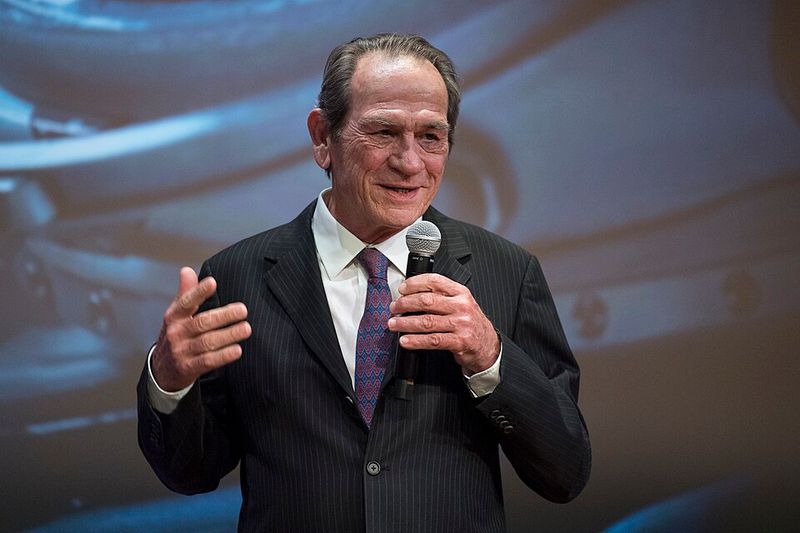
Getting older in a world that no longer fits his understanding is something Bell reflects on openly.
His line, “I always figured when I got older, God would sort of come into my life somehow. He didn’t,” is stunning in its honesty. No dramatic speech, just quiet confession.
That kind of raw vulnerability from a tough Texas lawman hits differently than any action scene ever could.
Bell isn’t asking for sympathy, he’s just telling the truth about what aging and uncertainty actually feel like from the inside.
10. The Dream That Ends Everything Quietly
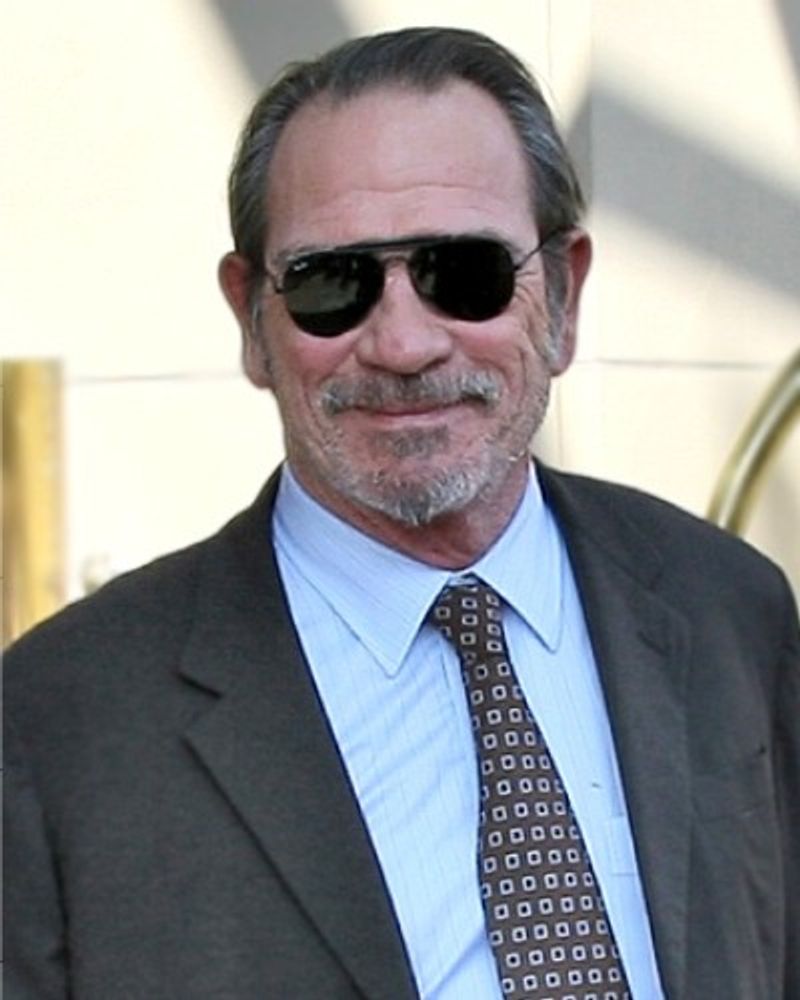
The film closes not with a gunshot but with a dream. Bell describes his father riding ahead in the dark, carrying fire in a horn, waiting at a cold camp somewhere up ahead.
The line, “And I knew that whenever I got there he would be there,” is quietly beautiful.
Where action movies end with explosions, this one ends with a whisper. It’s a story choosing poetry over resolution, which is honestly more honest about how life actually works.
Not everything gets wrapped up neatly. Sometimes the most meaningful ending is an open door and a flickering light somewhere in the dark.