13 Noodle Dishes Perfect For A Chinese New Year Feast
Chinese New Year celebrations bring families together around tables filled with meaningful dishes, and noodles hold a special place in this feast.
Long strands symbolize longevity and good fortune for the year ahead, making them essential to the festivities.
Spicy Sichuan bowls and comforting Cantonese classics keep the celebration table meaningful, since long noodles are traditionally linked with longevity and good fortune.
1. Longevity Noodles (Changshou Mian)
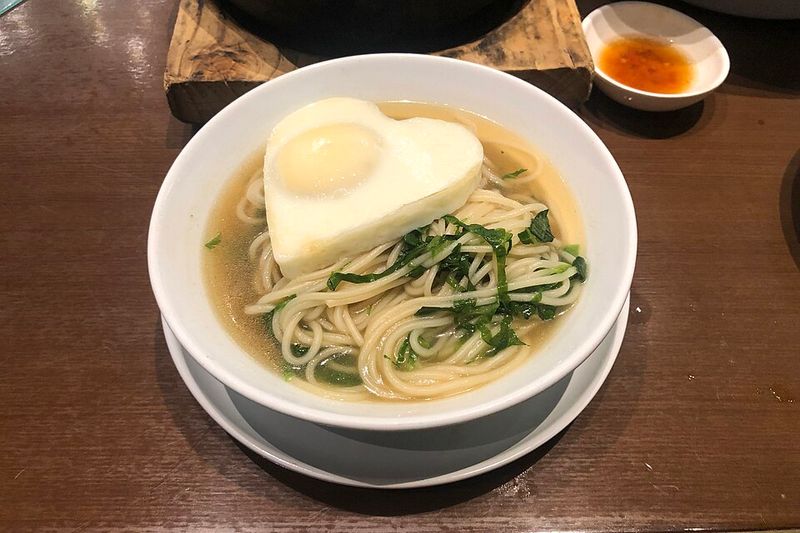
Every culture has foods that whisper wishes for the future, and these uncut strands are China’s edible prayer for a long life. Tradition often says the long strands should stay uncut as a nod to longevity, even if most families treat it as a warm custom rather than a strict rule.
Stir-fried with crisp vegetables and savory meats or floating in golden broth, they adapt to whatever ingredients fill your pantry.
Late-night bowls feel extra festive when the strands stay long, turning dinner into a small wish for the year ahead.
2. Yi Mein (E-Fu Noodles)
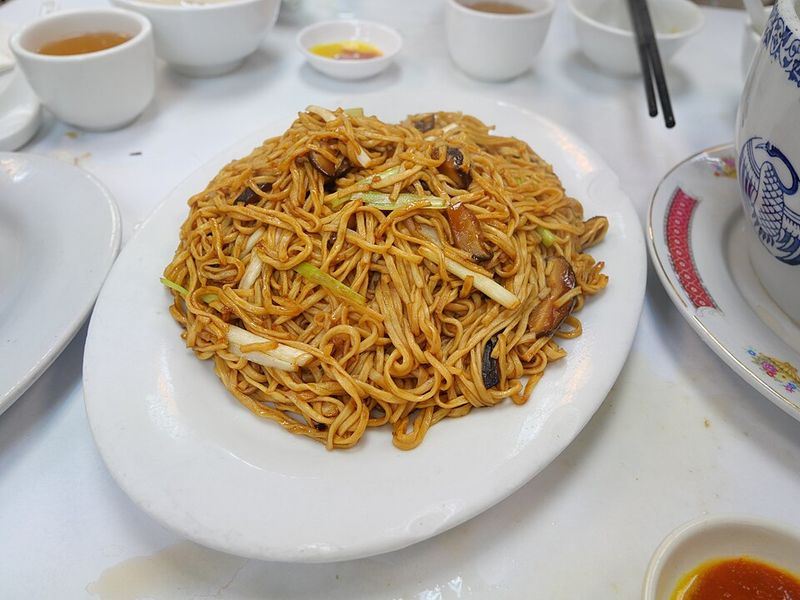
Golden brown and wonderfully chewy, these flat Cantonese egg noodles practically glow on the plate like treasure.
Their unique texture comes from being fried then dried, creating noodles that soak up sauces while keeping their satisfying bite. Tossed with mushrooms, bok choy, and tender chicken, they transform simple ingredients into celebration-worthy meals.
Maybe that’s why they appear at birthdays and weddings throughout the year, not just during lunar festivities.
3. Chow Mein
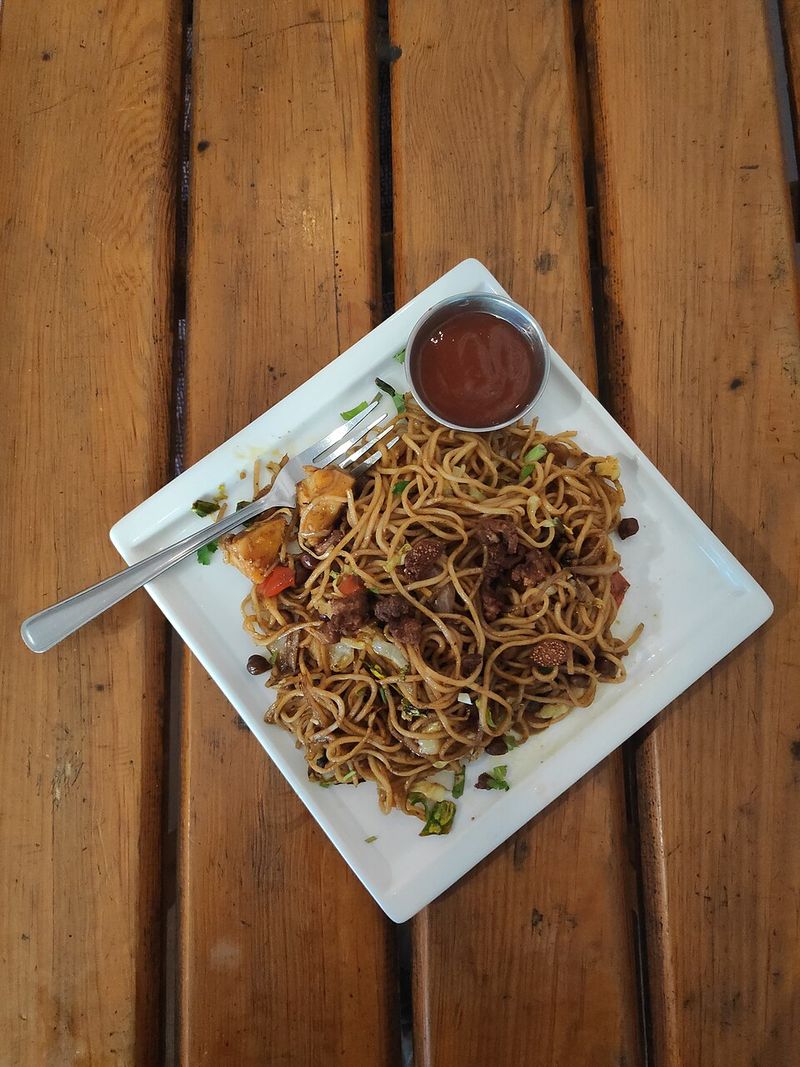
Crispy edges meet tender centers in this beloved stir-fry that’s conquered takeout menus worldwide.
The secret lies in frying the noodles until they develop that irresistible crunch before tossing them with vegetables and protein.
Bean sprouts add freshness, soy sauce brings depth, and suddenly you’re recreating the dish that made you fall in love with Chinese restaurants as a kid. Actually, mastering chow mein at home means customizing it exactly how your family likes it best.
4. Lo Mein
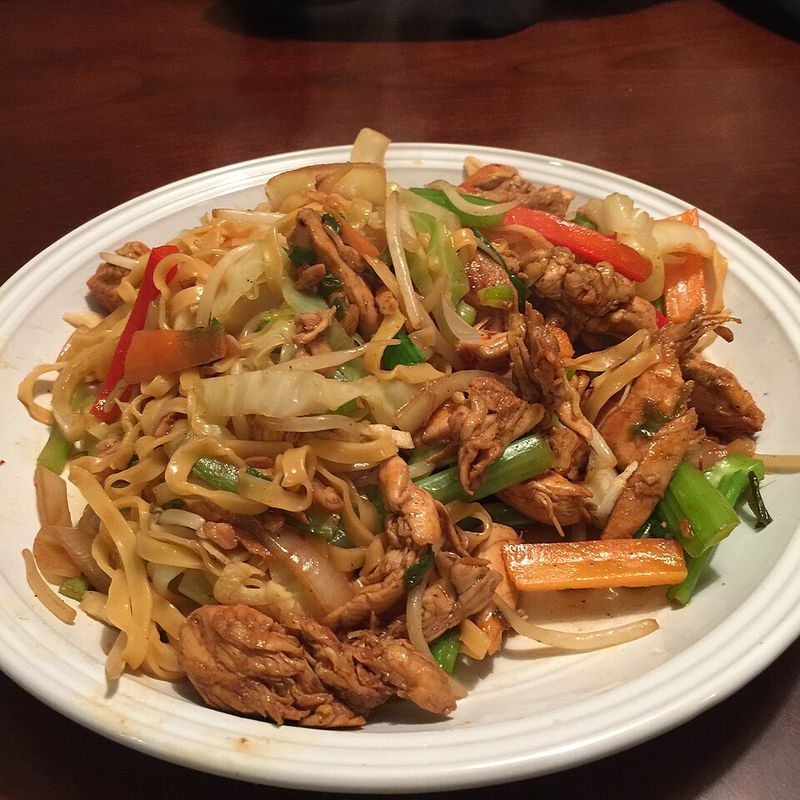
Soft wheat noodles swim through a savory sauce that clings to every strand like a silky blanket. While chow mein gets its crunch, lo mein stays tender and yielding, perfect for soaking up all those delicious flavors.
Carrots, cabbage, and scallions add color and crunch to contrast the noodles’ smoothness.
If chow mein is the extrovert at the party, lo mein is the quietly confident friend everyone gravitates toward for comfort.
5. Dan Dan Noodles (Dan Dan Mian)
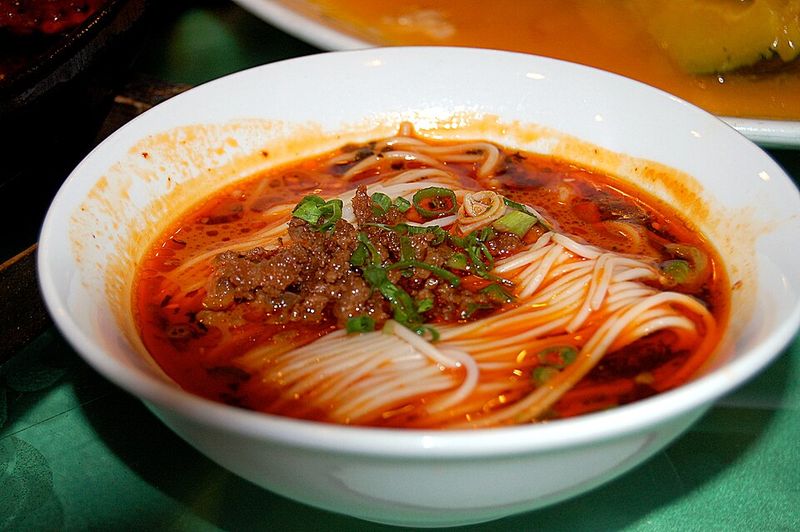
Sichuan province gifted the world this spicy, numbing sensation that makes your lips tingle and your taste buds dance wildly. Chili oil brings heat while Sichuan peppercorns create that distinctive ma la sensation that’s somehow addictive.
Minced pork adds richness, sesame paste brings nuttiness, and preserved vegetables contribute a salty crunch.
Perhaps you’ll discover why street vendors in Chengdu have built their reputations on perfecting this single, spectacular dish.
6. Zhajiangmian (Zha Jiang Mian)
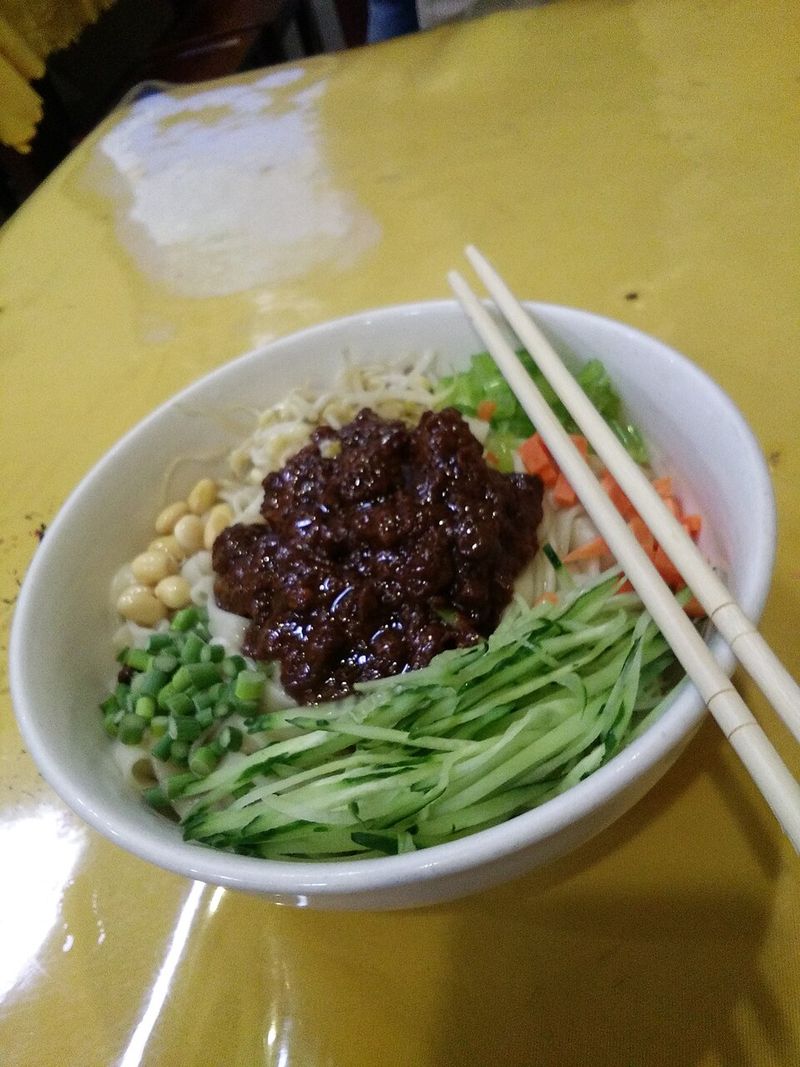
Beijing’s answer to comfort food arrives as thick wheat noodles crowned with a rich, dark sauce that’s pure umami magic.
Fermented soybean paste forms the base, mixing with caramelized minced pork until it becomes something greater than its parts.
Fresh cucumber, radish, and bean sprouts add crisp contrast to the savory richness. Traditionally, families gather around bowls of this during hot summer days, though it warms hearts during winter celebrations too.
7. Lanzhou Beef Noodle Soup (Lanzhou Lamian)
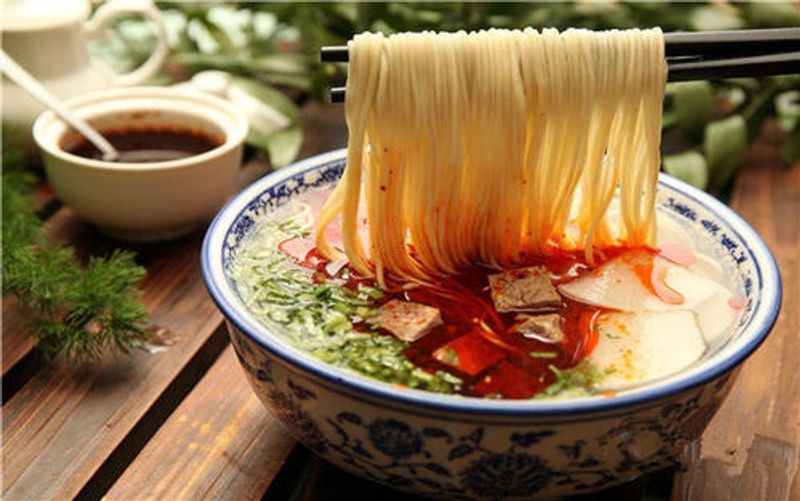
Hand-pulled noodles stretch and fold in mesmerizing displays before landing in crystal-clear broth that’s simmered for hours.
Tender beef slices, crisp radish, fresh cilantro, and fiery chili oil create a harmony of flavors and textures in every spoonful.
Watching a lamian master pull noodles is like witnessing edible origami, each stretch creating impossibly long strands. Honestly, this soup has sustained travelers along the Silk Road for generations, and it’ll sustain your New Year celebration just as beautifully.
8. Wonton Noodle Soup
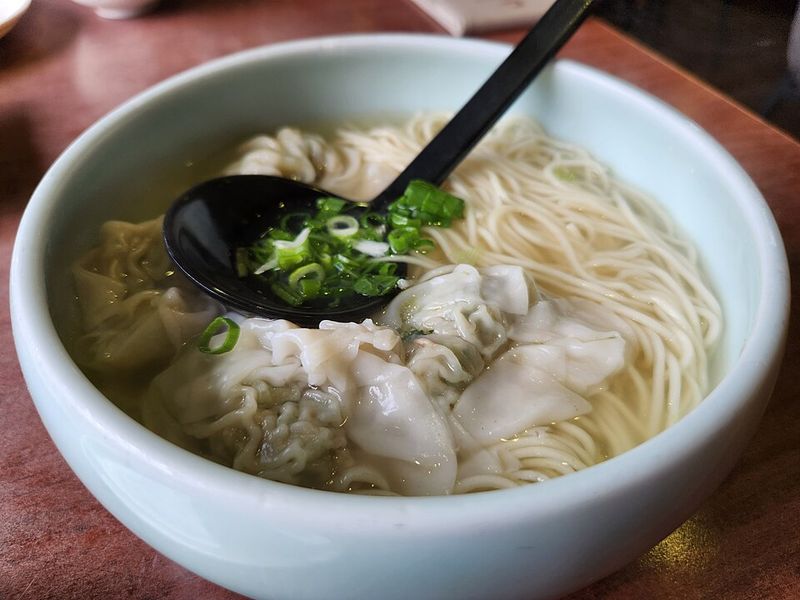
Delicate dumplings float alongside springy egg noodles in light broth that whispers rather than shouts its flavors. Each wonton cradles seasoned pork or shrimp, folded into shapes that resemble little treasure pouches.
Cantonese restaurants have perfected this balance of textures where nothing overpowers anything else.
Usually served with crisp gai lan and a dash of white pepper, it’s the kind of meal that makes you slow down and appreciate every element.
9. Biangbiang Noodles
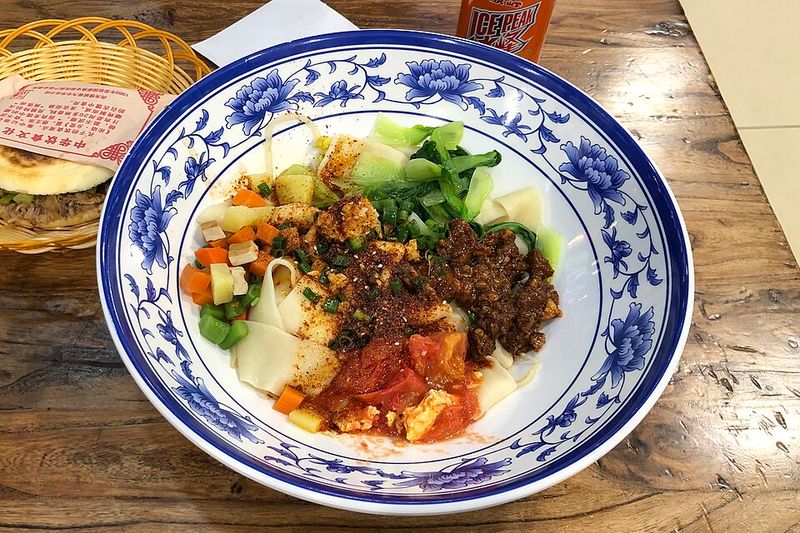
Wide, belt-like strands slap against the counter during preparation, creating the distinctive sound that gives them their onomatopoetic name.
Shaanxi province’s pride and joy comes dressed simply in chili oil, garlic, vinegar, and soy sauce, proving that great ingredients need little embellishment.
The character for biang is one of the most complex in Chinese, with 58 strokes that no keyboard can capture. Fortunately, eating these requires no special skills, just an appreciation for chewy, satisfying noodles.
10. Hot Dry Noodles (Re Gan Mian)
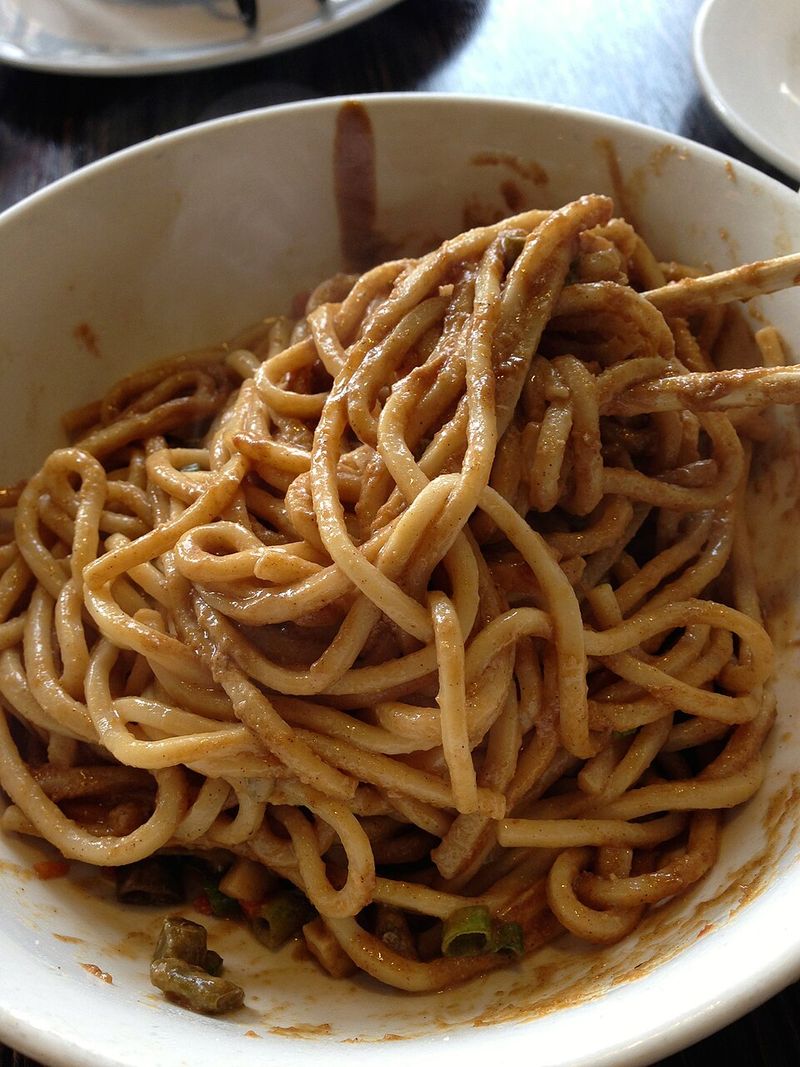
Wuhan’s breakfast champion arrives without broth, coated instead in rich sesame paste that clings luxuriously to every strand.
Pickled vegetables cut through the richness while chopped peanuts add crunch and soy sauce brings salty depth.
Though traditionally a morning dish, these noodles work any time you crave something substantial and satisfying. Specifically, the technique involves blanching the noodles twice, creating a texture that’s neither too soft nor too firm but somewhere perfectly in between.
11. Crossing-The-Bridge Noodles (Guoqiao Mixian)
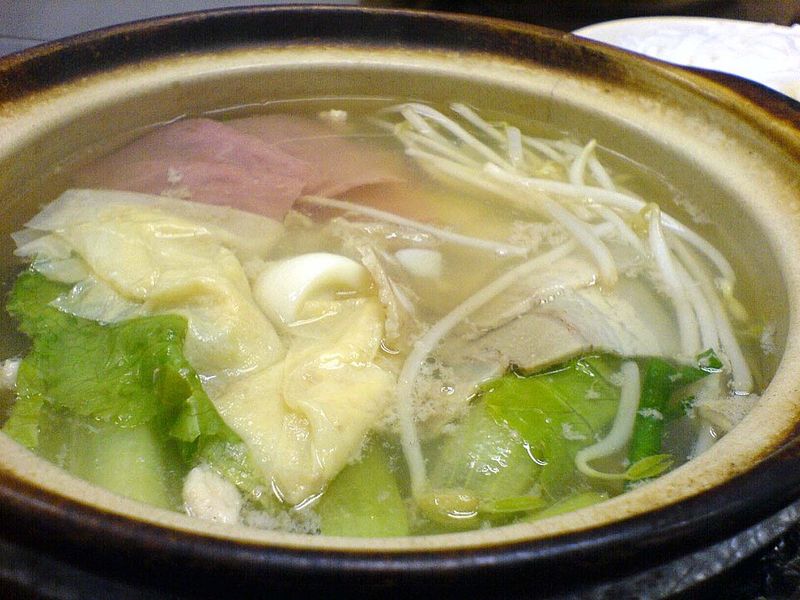
Legend tells of a devoted wife who discovered that oil on soup’s surface kept it piping hot while she crossed a bridge to feed her studying husband.
Today, this Yunnan specialty arrives as an interactive experience where you cook raw ingredients in boiling broth right at your table.
Rice noodles, paper-thin meat slices, quail eggs, and fresh herbs all take their turn in the steaming liquid. Maybe the real magic isn’t just the cooking method but gathering everyone around to participate in creating their perfect bowl.
12. Singapore Fried Vermicelli (Singapore Fried Noodles)
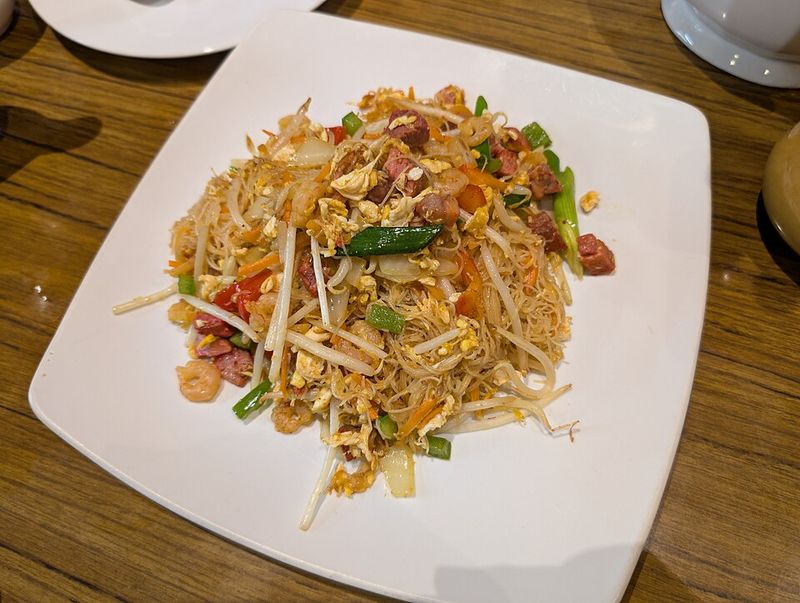
Despite its name, the dish is widely described as a Hong Kong-style creation that uses curry powder for color and aroma, not a signature Singapore staple.
Thin rice vermicelli turns golden from curry powder, studded with shrimp, char siu pork, and colorful bell peppers.
The slight sweetness balances the curry’s warmth, while bean sprouts add freshness to prevent the dish from feeling heavy. Interestingly, this fusion favorite shows how Chinese cuisine evolves and adapts, creating new traditions that become just as beloved as ancient ones.
13. Ants Climbing A Tree (Ma Yi Shang Shu)

Poetic names make Chinese dishes memorable, and this one paints a picture of ground pork clinging to glass noodles like insects on bark.
Transparent cellophane noodles absorb a savory sauce made with doubanjiang, garlic, and Shaoxing wine until they’re packed with flavor.
Scallions and cilantro add brightness to finish the dish. Surprisingly, something so simply named and easily prepared can steal the show at your New Year feast, proving that humility and deliciousness often go hand in hand.
Disclaimer: This article highlights culturally meaningful noodle dishes commonly associated with Lunar New Year traditions.
But regional practices and ingredient choices vary by family, and home cooks should adjust recipes for dietary needs and comfort.