37 Nostalgic Kitchen Items That Are Still Popular Today
Remember when kitchens were filled with colorful gadgets, sturdy tools, and appliances that could survive a zombie apocalypse?
Those nostalgic treasures never really disappeared. Many of them are still rocking countertops today, proving that great design and solid functionality never go out of style.
From cheerful Pyrex bowls to trusty cast iron skillets, these vintage favorites continue to win hearts and help us whip up delicious memories every single day.
Their timeless appeal lies not just in utility, but in the stories and family traditions they carry.
No matter how many modern gadgets appear, these classics remain the unsung heroes of every kitchen.
Disclaimer: This article celebrates nostalgic kitchen items for entertainment and general interest; product availability and performance may vary.
1. Vintage Pyrex Mixing Bowls
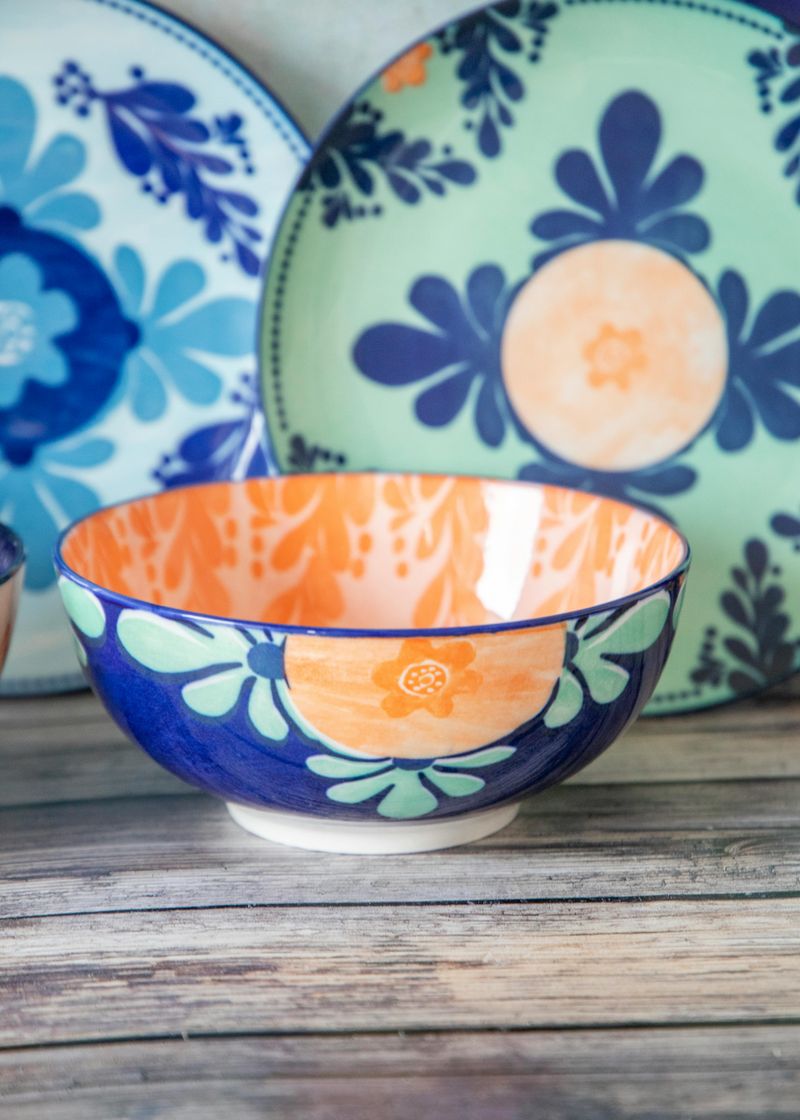
Bright yellow, turquoise blue, flamingo pink, and forest green.
Vintage Pyrex bowls are like superheroes in bowl form, sporting cheerful colors that make baking feel like a party.
These glass beauties were first introduced in the early 1900s, but they really exploded in popularity during the 1940s through the 1970s when Pyrex started adding those eye-popping hues and funky patterns.
People adore them because they are tough as nails.
You can toss them in the oven, microwave, dishwasher, and freezer without breaking a sweat.
Plus, they are non-reactive, so acidic ingredients like lemon juice or tomato sauce won’t mess with your food’s flavor.
Collectors hunt for rare patterns like Butterprint, Gooseberry, and Friendship, turning thrift store visits into treasure hunts.
Whether you are whipping up cookie dough or tossing a salad, these bowls deliver nostalgia with every use.
They remind us that sometimes the old ways are still the best ways.
Fun fact: some vintage Pyrex bowls can sell for hundreds of dollars depending on rarity and condition.
Not bad for something Grandma probably bought at a grocery store promotion!
2. Coffee Percolators
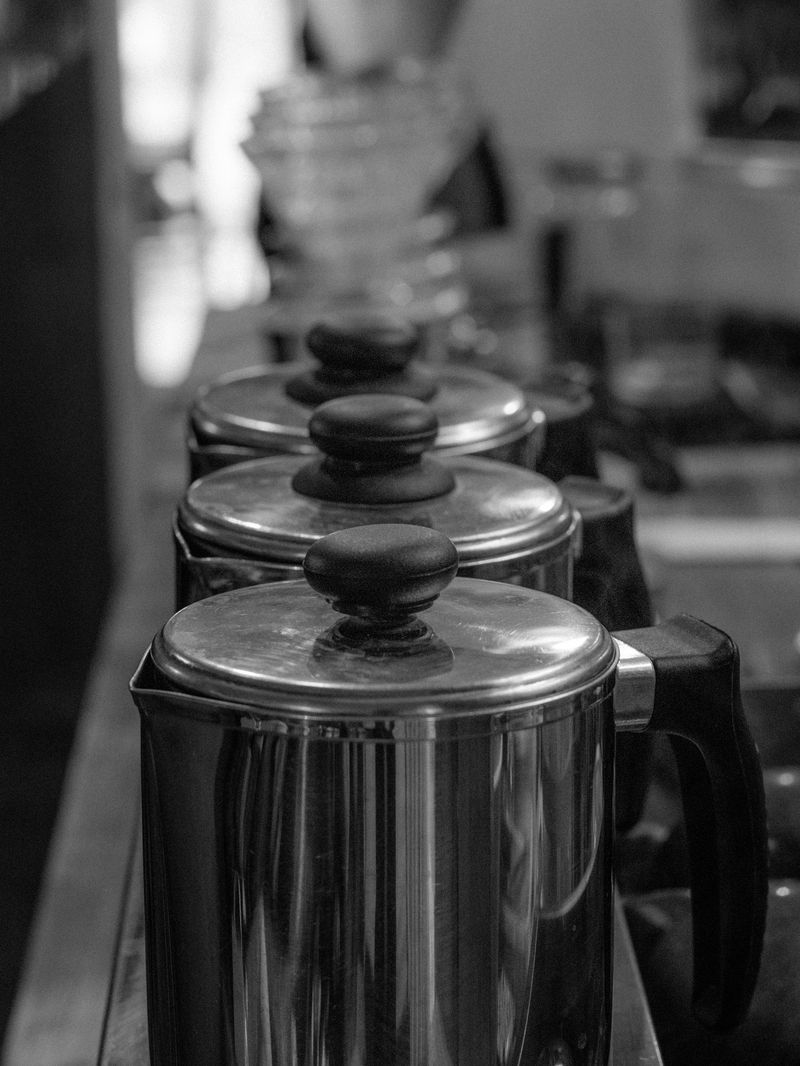
That bubbling, gurgling sound is pure morning magic.
Coffee percolators ruled kitchen counters long before fancy drip machines and single-serve pods took over.
These stovetop wonders work by cycling boiling water through coffee grounds repeatedly, creating a rich, bold brew that serious coffee lovers still swear by today.
Percolators first became popular in the early 1900s and hit their peak during the mid-century era.
Families gathered around the breakfast table while the percolator did its rhythmic dance on the stove.
The aroma alone could wake up the whole neighborhood.
Modern coffee snobs sometimes debate whether percolators make coffee too strong or bitter, but fans argue that nothing beats that full-bodied flavor.
Plus, they require no electricity, making them perfect for camping trips or power outages.
You control the strength by adjusting the brewing time, giving you coffee exactly how you like it.
Vintage models crafted from stainless steel or aluminum are still going strong decades later.
Many feature glass knobs on top so you can watch the coffee bubble up like a tiny science experiment.
For folks who appreciate slow mornings and strong coffee, percolators deliver both in style.
3. Stand Mixers
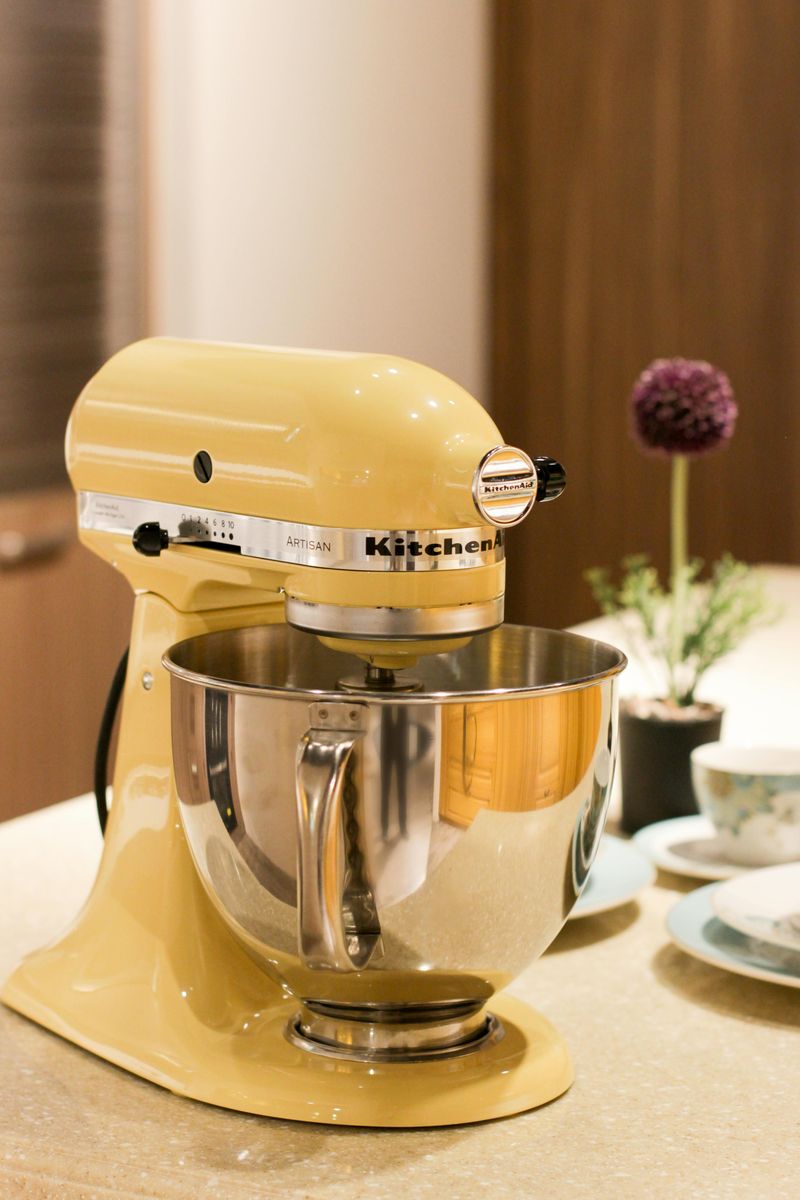
Behold the workhorse of the baking world!
Stand mixers have been flexing their powerful motors since the 1920s, when KitchenAid introduced the Model H.
These sturdy machines quickly became essential for anyone serious about baking, and their iconic design has barely changed because, honestly, perfection doesn’t need fixing.
What makes stand mixers so beloved is their ability to handle heavy dough, whip cream into fluffy clouds, and beat eggs without breaking a sweat.
Your hands stay free to measure ingredients or sneak a taste of cookie dough.
The planetary mixing action ensures everything gets incorporated evenly, from the bottom of the bowl to the top.
Vintage models were built like tanks, often passed down through generations still working perfectly.
Today’s versions come in every color imaginable, from classic white to trendy millennial pink.
Many attachments are available, turning your mixer into a pasta maker, meat grinder, or even an ice cream churner.
Bakers love how stand mixers make complicated recipes feel manageable.
Whether you are tackling fluffy meringues or dense bread dough, these machines deliver consistent results every single time.
They are investments that pay off in countless batches of homemade goodness.
4. Jelly Molds
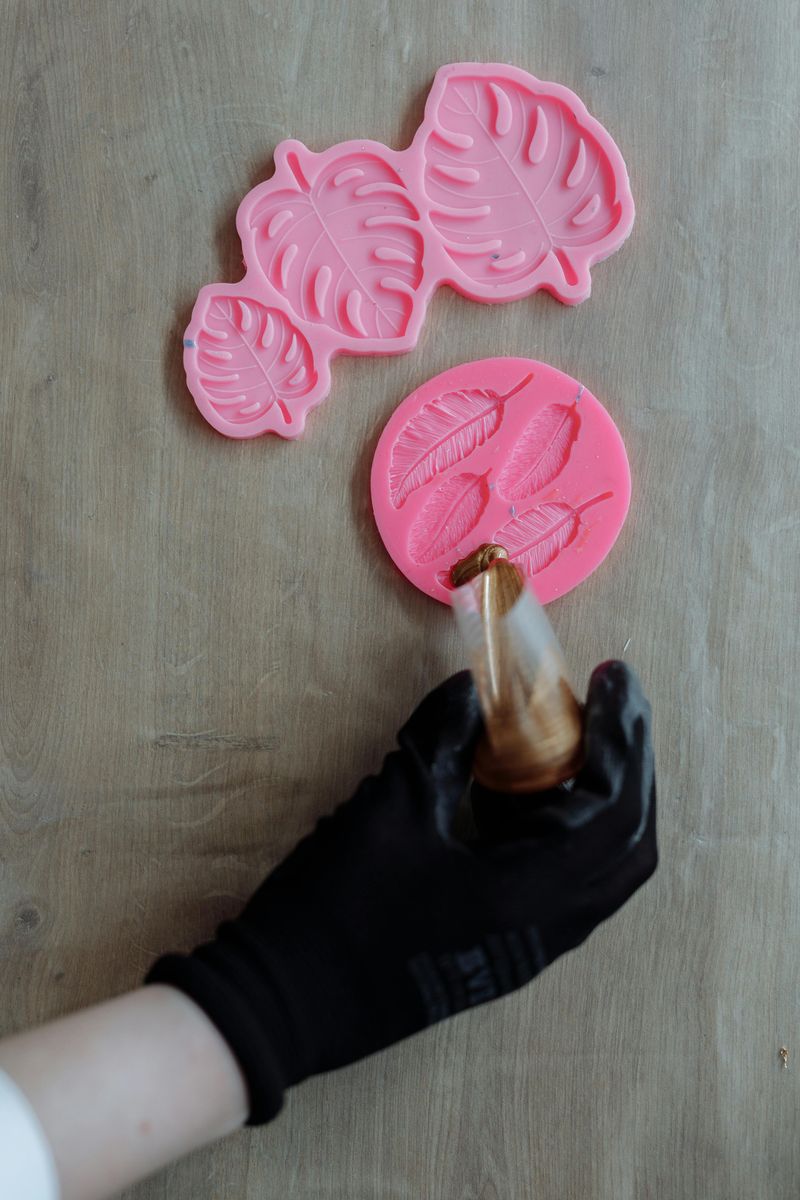
Remember when gelatin salads shaped like castles graced every holiday table?
Jelly molds were the Instagram of the 1950s and 1960s, letting home cooks show off their creativity with wobbly, colorful creations.
These metal or ceramic molds came in elaborate shapes like bundt rings, fish, flowers, and even architectural designs.
While gelatin salads might have fallen out of favor (thank goodness for some of those questionable recipes), jelly molds themselves remain popular as collectibles and decorative pieces.
Many people display them on kitchen walls as vintage art, appreciating their intricate craftsmanship and nostalgic charm.
Copper molds especially catch the eye with their warm, shiny finish.
Some adventurous cooks still use jelly molds for their original purpose, creating stunning desserts like panna cotta, mousse, or ice cream cakes.
The detailed patterns transfer beautifully onto the finished product, making even simple recipes look fancy and professional.
Kids especially love the surprise of unmolding a perfectly shaped treat.
Thrift stores and antique shops often stock jelly molds at reasonable prices, making them easy to collect.
Whether you actually use them or just admire their vintage beauty, these molds represent an era when presentation mattered just as much as taste.
5. Cast Iron Skillets
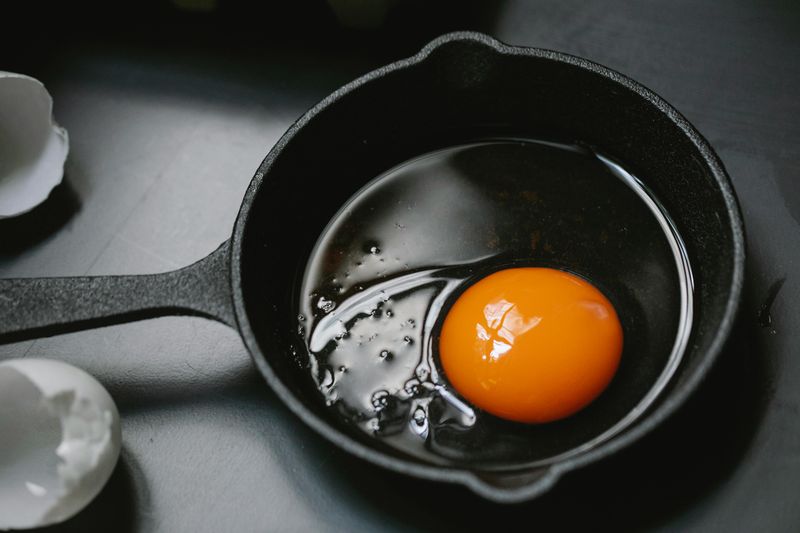
Heavy, black, and practically indestructible.
Cast iron skillets have been cooking up deliciousness since ancient times, but American companies like Griswold and Wagner really perfected them in the 1800s and early 1900s.
These pans can handle anything from searing steaks to baking cornbread, and they only get better with age.
What makes cast iron special is its ability to hold and distribute heat evenly.
Once properly seasoned with layers of baked-on oil, the surface becomes naturally non-stick and adds a tiny bit of iron to your food.
You can use them on the stovetop, in the oven, over a campfire, or even on a grill.
Vintage cast iron skillets are highly sought after by collectors who appreciate their smooth cooking surfaces and quality craftsmanship.
Modern versions work great too, though they often start with a slightly rougher texture.
Either way, with proper care, these pans literally last forever.
People love sharing cast iron pans through generations, each cook adding their own layers of seasoning and memories.
The skillet that fried your great-grandmother’s chicken can still fry yours today.
That kind of connection to the past makes every meal taste a little more special and meaningful.
6. Enamel Cookware
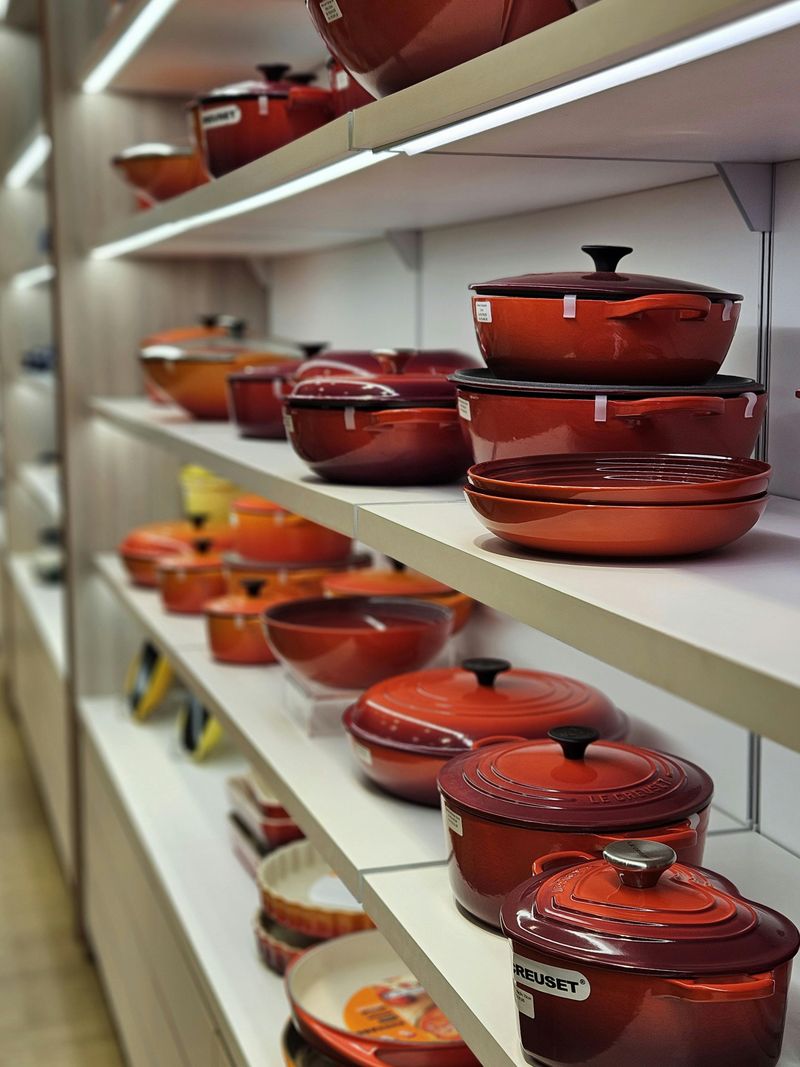
Bright orange, sunshine yellow, avocado green, and harvest gold.
Enamel cookware brought serious color to kitchens starting in the 1960s and 1970s.
These pots and pans feature a steel or cast iron core coated with a smooth, glossy enamel finish that is both beautiful and functional.
The enamel coating prevents rust, makes cleanup easier, and creates a non-reactive surface perfect for acidic foods like tomato sauce or citrus dishes.
Unlike bare metal, enamel won’t impart any metallic taste to your cooking.
Plus, the cookware transitions seamlessly from stovetop to oven to table, doubling as serving pieces.
Brands like Le Creuset and Descoware became household names, with their Dutch ovens becoming prized possessions passed down through families.
Vintage pieces in good condition are still highly usable today, though chips in the enamel can expose the metal underneath.
Many collectors hunt for rare colors or discontinued patterns at estate sales.
Modern enamel cookware continues the tradition with updated colors and improved durability.
Whether you score a vintage find or invest in new pieces, enamel cookware combines practical performance with eye-catching style.
Every time you lift that heavy lid, you are participating in decades of cooking tradition.
7. Wooden Spoons
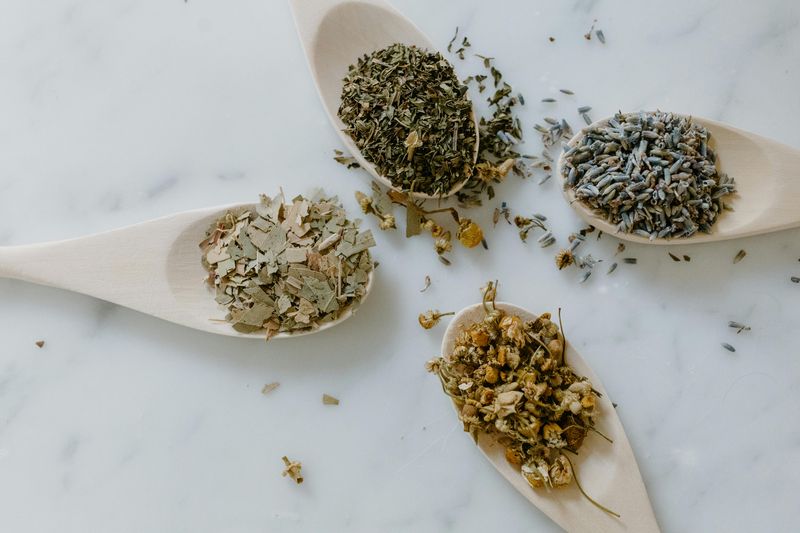
Simple, sturdy, and surprisingly sophisticated.
Wooden spoons have been stirring pots since humans first discovered cooking, but they hit their stride as kitchen essentials during the 20th century.
These humble tools might not look flashy, but experienced cooks know they are absolutely essential.
Wood is gentle on cookware, so you can stir away in non-stick pans or enamel pots without scratching the surface.
It doesn’t conduct heat, meaning the handle stays cool even when stirring boiling soup.
Wooden spoons also feel comfortable in your hand during long cooking sessions, unlike metal utensils that can get slippery or uncomfortable.
Each wooden spoon develops its own character over time, absorbing flavors and memories from countless meals.
Some families have wooden spoons that have been stirring sauces for generations, their surfaces worn smooth by decades of use.
Different woods like maple, cherry, or olive offer varying degrees of hardness and grain patterns.
Modern kitchens still rely on wooden spoons because they simply work.
They are affordable, effective, and environmentally friendly compared to plastic alternatives.
Plus, they never go out of style, making them one of those kitchen items that transcends trends and fads.
8. Manual Can Openers
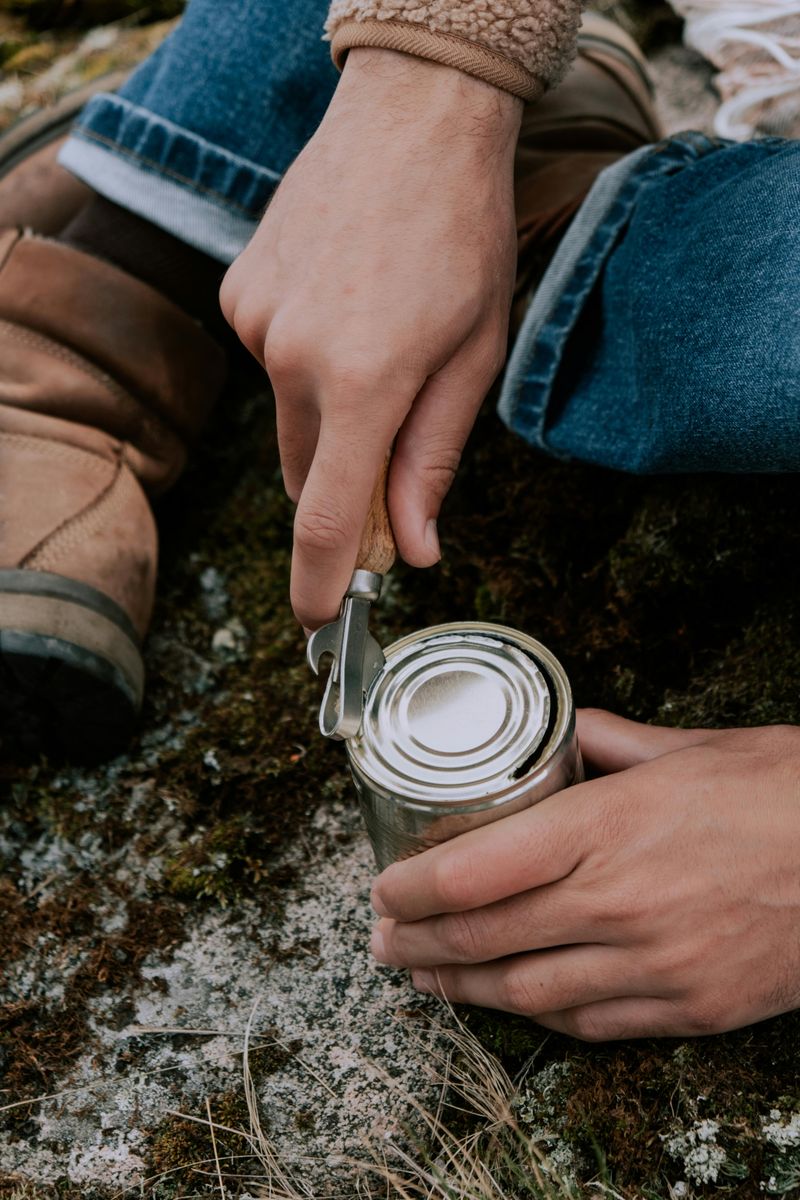
Before electric can openers took over, manual versions ruled the kitchen drawer.
These handy gadgets feature a sharp cutting wheel and a turning handle that slices through can lids with satisfying precision.
The iconic design hasn’t changed much since the swing-away model was patented in 1931.
Manual can openers are experiencing a resurgence as people appreciate their reliability and simplicity.
They never need batteries or electricity, work during power outages, and take up minimal drawer space.
Plus, they are way quieter than their electric cousins, which sound like tiny chainsaws attacking innocent cans.
Quality manual openers feature sturdy construction with comfortable grips that make opening cans easy even for people with arthritis or weak grip strength.
The cutting mechanism should be sharp enough to slice cleanly without leaving jagged edges that could cut fingers.
Many vintage models still work perfectly after decades of faithful service.
Something satisfying exists about the tactile experience of manually opening a can.
It connects you to the cooking process in a small but meaningful way.
Modern versions improve on classic designs with ergonomic handles and smooth-turning gears, but the basic concept remains beautifully unchanged since your grandparents’ time.
9. Rolling Pins
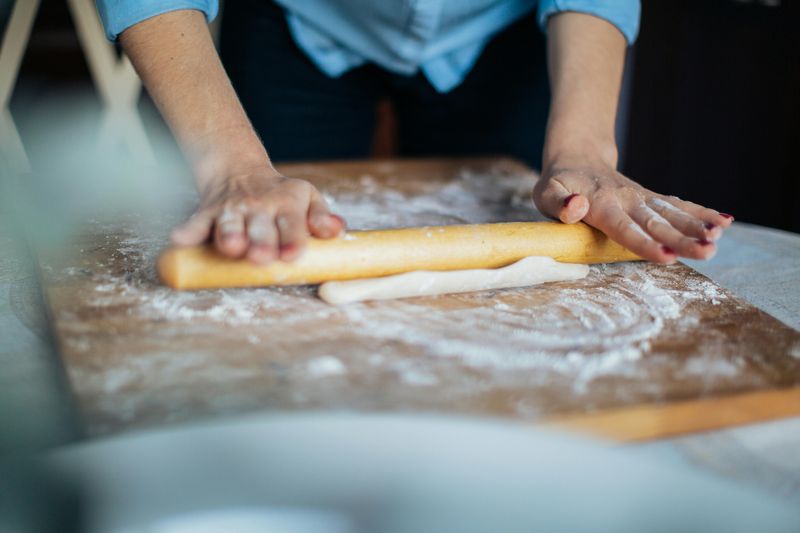
Heavy, smooth, and ready to flatten some dough.
Rolling pins have been essential baking tools for centuries, helping transform sticky dough into perfect pie crusts, cookies, and pasta sheets.
The classic wooden design with handles on both ends remains the gold standard for serious bakers.
Different styles suit different tasks.
French-style rolling pins without handles offer more control and direct feel of the dough.
American-style pins with rotating handles and ball bearings make quick work of large batches.
Some vintage pins feature beautiful turned wood with decorative details that make them almost too pretty to use.
Bakers develop personal relationships with their rolling pins, preferring certain weights and lengths for specific recipes.
A heavy marble pin stays cool, perfect for working with butter-rich pastry dough.
Lightweight wooden pins work better for delicate cookies or thin pasta.
Each baker has their favorite.
Vintage rolling pins often show their history through worn handles and flour-dusted surfaces that tell stories of countless pies and cookies.
Many were wedding gifts that served families for generations.
Modern bakers still choose traditional wooden rolling pins over silicone or plastic alternatives because nothing beats the feel and performance of good old-fashioned wood.
10. Colanders
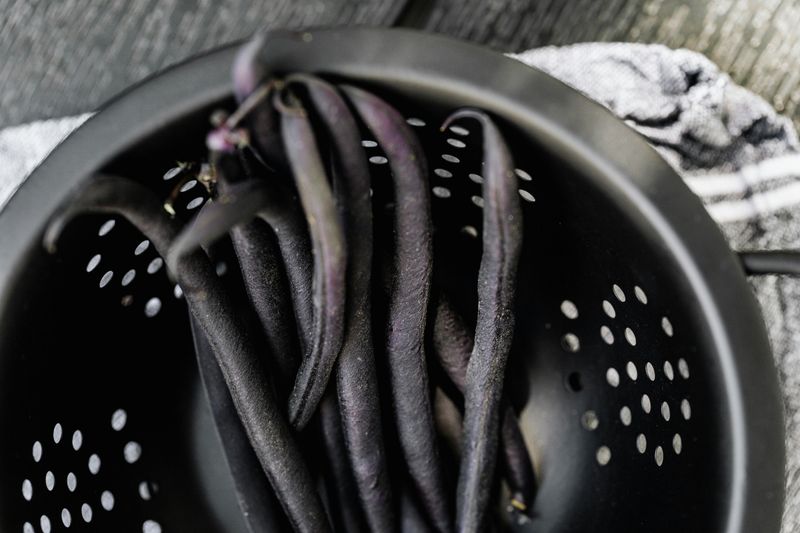
Every kitchen needs a hero to rescue pasta from boiling water.
Colanders step up to that challenge with style, featuring a bowl shape punctured with dozens of holes that let water drain while catching all the good stuff.
These simple tools have been kitchen staples since ancient Roman times.
Vintage colanders came in cheerful enamel finishes, sturdy stainless steel, or even aluminum with decorative patterns punched into the sides.
Some featured little feet that kept the bottom elevated for better drainage.
Others had handles on both sides for easy lifting and pouring.
Beyond draining pasta, colanders prove useful for washing vegetables, rinsing berries, and straining stocks or sauces.
Some creative cooks even use them as steamers by placing them over boiling water.
The holes allow water to flow freely while keeping food contained, making them incredibly versatile.
Modern colanders continue the tradition with improved designs like collapsible silicone versions that save storage space.
But many cooks still prefer vintage metal colanders for their durability and classic good looks.
Some people even hang them on walls as decorative elements, celebrating their functional beauty.
After all, something that useful deserves to be shown off a little bit.
11. Flour Sifters
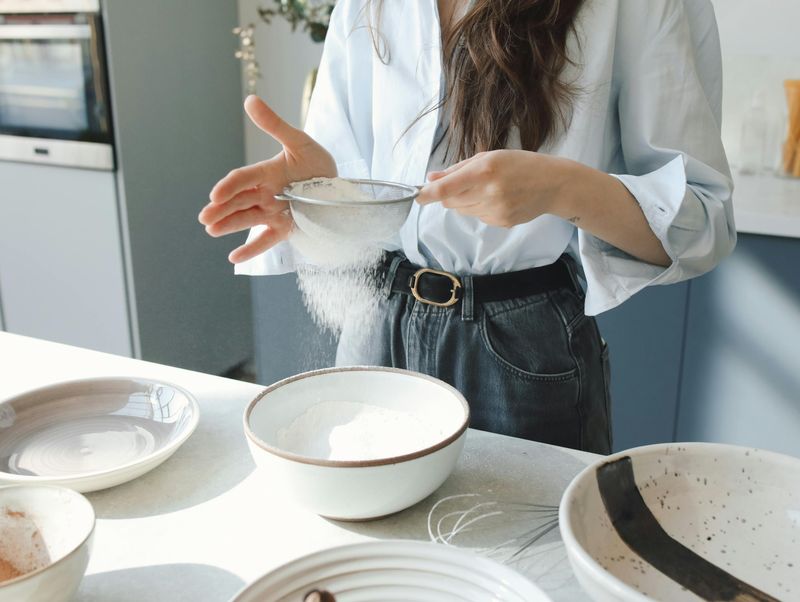
Squeeze the handle and watch flour fall like snow through the fine mesh screen.
Flour sifters were essential baking tools when flour quality varied more than it does today.
These handheld devices broke up lumps, removed impurities, and added air to flour, resulting in lighter, fluffier baked goods.
Most vintage sifters feature a cylindrical metal body with a mesh screen at the bottom.
A squeeze handle or rotating crank mechanism pushes flour through the screen, aerating it in the process.
Some models had multiple screens for extra-fine sifting, while others included measurements marked on the side for convenient measuring and sifting in one step.
Bakers debate whether sifting is still necessary with modern pre-sifted flours, but many traditional recipes specifically call for sifted flour.
The process also helps combine dry ingredients evenly, ensuring baking powder or cocoa powder distributes throughout the flour without clumps.
Sifting can make a real difference in delicate cakes and pastries.
Vintage sifters often show their age through worn paint or slightly rusty mechanisms, but many still function perfectly.
Some feature cheerful designs with painted flowers or retro typography.
Modern silicone and stainless steel versions work great too, but nothing beats the nostalgic charm of Grandma’s trusty metal sifter.
12. Meat Grinders
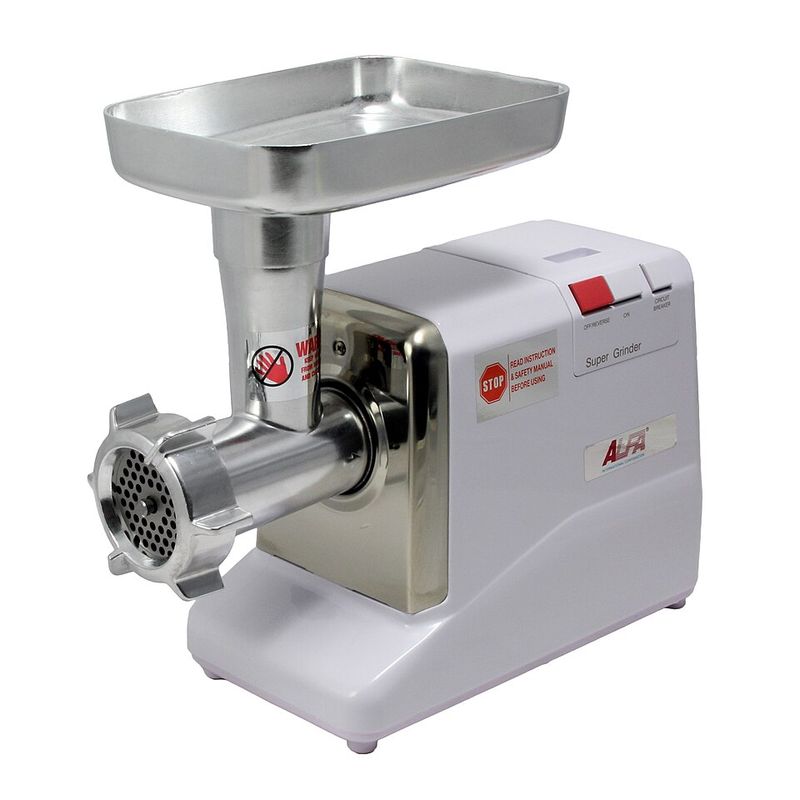
Before grocery stores sold pre-ground beef, families ground their own meat at home using manual meat grinders.
These heavy-duty tools clamp onto the edge of a table or counter, featuring a hopper where you feed chunks of meat and a hand crank that pushes it through sharp blades.
Out comes perfectly ground meat ready for burgers, sausages, or meatloaf.
Meat grinders gave home cooks control over their food quality and freshness.
You knew exactly what cuts went into your ground meat without mystery fillers or additives.
Many families used them for making homemade sausages, grinding venison from hunting trips, or preparing traditional ethnic dishes that required specific meat textures.
Vintage grinders were built like tanks from cast iron or heavy steel, designed to handle tough jobs for decades.
Different grinding plates with various hole sizes let you adjust the coarseness from fine to chunky.
Some models included sausage stuffing attachments that turned them into multi-purpose meat processing stations.
Modern food safety concerns and convenience have made pre-ground meat more popular.
Meat grinders are experiencing a revival among home chefs who want ultimate control over their ingredients.
Grinding your own meat ensures freshness and lets you create custom blends for perfect burgers or specialty sausages.
13. Potato Mashers
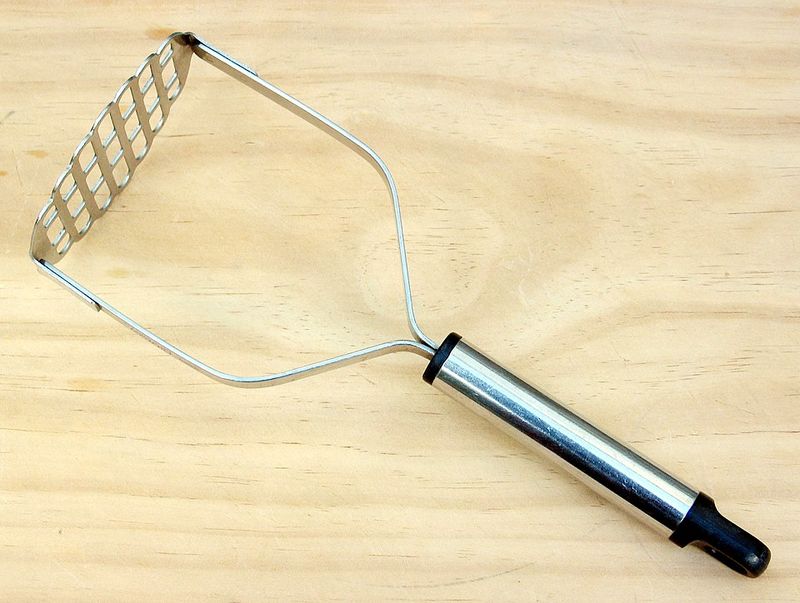
Mashed potatoes are comfort food royalty, and potato mashers are the tools that make the magic happen.
These simple gadgets feature a handle connected to a flat grid or zigzag wire design that crushes cooked potatoes into creamy, fluffy goodness.
No batteries, no electricity, just good old-fashioned elbow grease and physics.
Two main styles dominate the potato masher world.
The traditional grid style has a flat, perforated plate that pushes potatoes through holes, creating a smooth consistency.
The wire zigzag style uses looped wires that break up potatoes while leaving some texture for those who prefer rustic mashed potatoes.
Both work beautifully for their intended purposes.
Vintage potato mashers often featured wooden handles worn smooth by countless batches of holiday mashed potatoes.
Some had decorative details or colorful painted handles that added personality to the kitchen.
The simple design meant there was little to break or wear out, so many vintage mashers still perform perfectly today.
Beyond potatoes, these tools work great for mashing other root vegetables, making guacamole, crushing berries for jam, or breaking up ground meat while cooking.
Modern versions improve on ergonomics with comfortable grips, but the basic concept remains unchanged because it simply works.
14. Bread Boxes
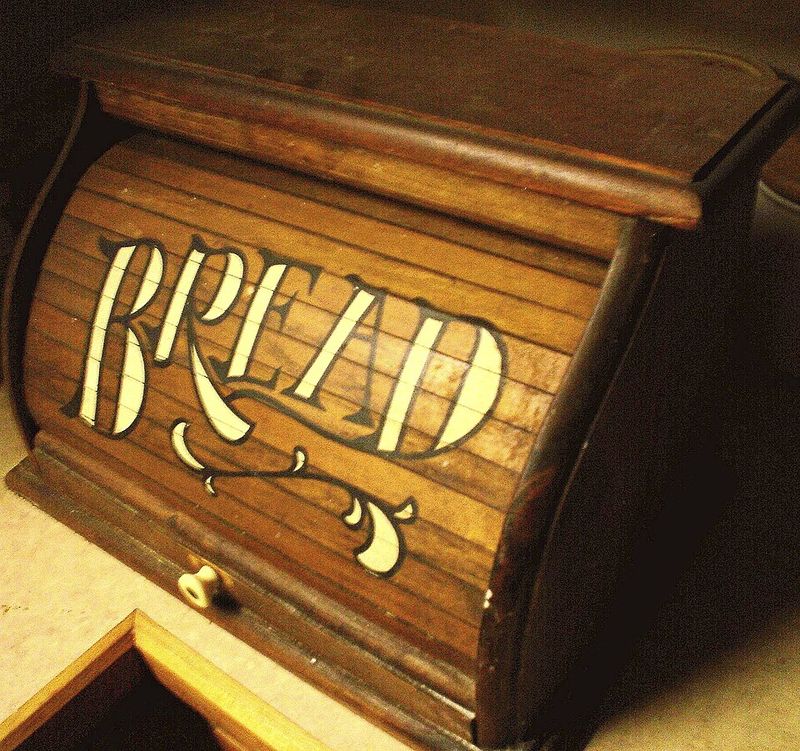
Back when bread came fresh from the bakery without preservatives, bread boxes were essential for keeping loaves soft and mold-free.
These countertop containers provided the perfect environment for bread storage, with enough airflow to prevent moisture buildup but enough protection to keep bread from drying out.
They became kitchen staples throughout the 20th century.
Vintage bread boxes came in amazing designs, from sleek metal models with roll-up doors to wooden boxes with hinged lids.
Many featured cheerful retro colors like turquoise, yellow, or red with chrome accents.
Some had ventilation holes punched in decorative patterns, while others included the word BREAD in stylish lettering across the front.
Modern bread boxes continue serving their original purpose while adding vintage charm to contemporary kitchens.
They keep bread fresh longer than leaving it out on the counter, protecting it from getting stale or attracting bugs.
They also help reduce plastic bag waste by providing a reusable storage solution.
Beyond bread, these boxes work great for storing bagels, muffins, tortillas, or other baked goods.
Some people even use them for organizing tea bags, snack bars, or other pantry items.
Whether you score a vintage treasure or buy a reproduction, bread boxes add both function and nostalgic style to your kitchen.
15. Canisters Sets
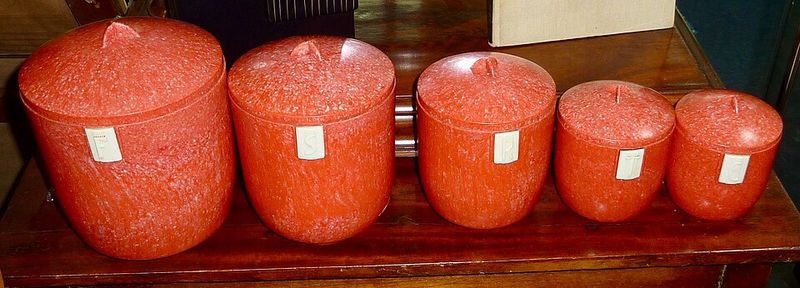
Flour, sugar, coffee, tea.
Matching canister sets lined kitchen counters throughout the mid-1900s, keeping dry goods fresh while adding coordinated style.
These containers came in graduated sizes, usually with airtight lids that sealed in freshness and kept out moisture and pests.
Vintage canister sets showcased the design trends of their eras.
The 1950s brought cheerful patterns with roosters, fruits, or geometric designs.
The 1960s and 1970s featured bold colors and mod patterns that screamed groovy vibes.
Materials ranged from ceramic and glass to metal and plastic, each with its own aesthetic appeal.
Beyond their practical storage function, canister sets served as kitchen decor, adding personality and visual interest to countertops.
Complete matching sets became prized possessions, often received as wedding gifts or collected piece by piece.
Labels clearly marked contents, making baking ingredient gathering quick and easy.
Today’s kitchens still benefit from canister sets, though modern versions include options for pasta, rice, and other staples beyond the traditional four.
Vintage sets in good condition command impressive prices from collectors who appreciate their nostalgic charm.
Whether you display Grandma’s original set or find reproduction pieces, canisters bring organized beauty to your cooking space.
16. Pressure Cookers
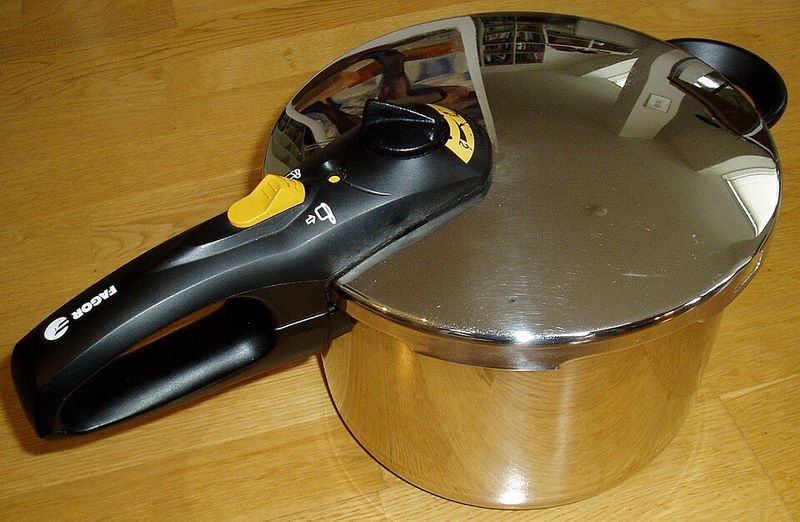
Hissing, steaming, and slightly intimidating, pressure cookers were the Instant Pots of their day.
These sealed pots cook food under high pressure, dramatically reducing cooking times for tough cuts of meat, dried beans, and hearty stews.
What normally takes hours can finish in under an hour thanks to physics and engineering.
Pressure cookers became popular in the 1940s and 1950s when brands like Presto introduced models designed for home use.
They promised busy homemakers faster meal preparation without sacrificing flavor or nutrition.
The high-pressure environment tenderizes tough ingredients while intensifying flavors in ways regular cooking cannot match.
Early pressure cookers earned scary reputations from occasional explosions caused by faulty seals or improper use.
Modern safety features like multiple pressure release valves and locking lids have made them much safer.
Still, vintage models command respect and careful attention to instructions.
The recent Instant Pot craze introduced pressure cooking to a new generation, but stovetop pressure cookers never really disappeared.
Many experienced cooks prefer them for their simplicity and durability.
Vintage models that still seal properly work just as well today as they did decades ago, proving that good design truly stands the test of time.
17. Measuring Cups And Spoons
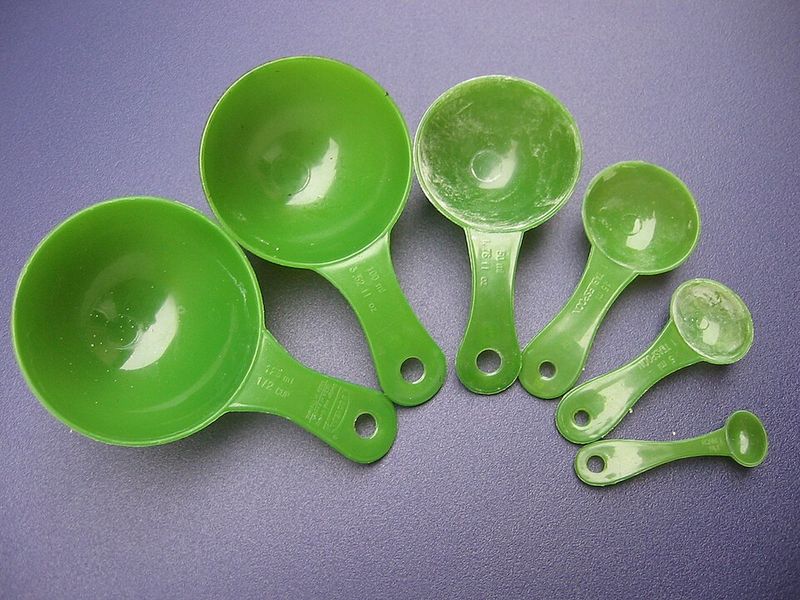
Precision matters in baking, and measuring cups and spoons deliver accuracy one teaspoon at a time.
These essential tools standardize recipe measurements, ensuring your cookies turn out the same every time.
Before standardized measuring tools became common in the early 1900s, recipes called for vague amounts like a handful or a pinch.
Vintage measuring sets often came in metal, featuring sturdy aluminum or stainless steel construction that lasted for generations.
Some had colorful plastic or wooden handles that added personality.
Measurements were clearly stamped or engraved into the metal, so they never wore off like printed numbers on cheaper modern versions.
Sets typically included standard sizes like one cup, half cup, third cup, and quarter cup for dry measurements.
Spoon sets ranged from tablespoons down to eighth teaspoons for precise seasoning.
Some vintage sets included unusual measurements like dash or smidgen that sound more like cartoon sound effects than cooking measurements.
Modern bakers still rely on measuring cups and spoons because baking is basically chemistry that you can eat.
Too much or too little of key ingredients can ruin recipes.
Whether you use Grandma’s worn metal set or buy new stainless steel versions, these humble tools make the difference between baking success and disaster.
18. Cheese Graters
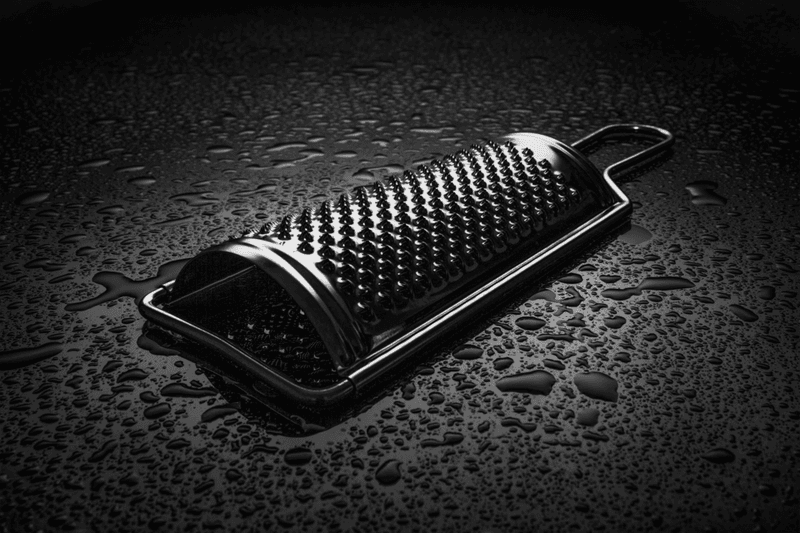
Before pre-shredded cheese filled grocery store shelves, home cooks grated their own using sturdy metal graters.
These tools feature sharp-edged holes that shred cheese, vegetables, chocolate, or citrus zest with satisfying efficiency.
Different hole sizes create various textures from fine to coarse.
The classic box grater remains the most popular style, featuring four sides with different grating options.
Large holes shred cheese for tacos or pizza.
Smaller holes create fine shreds for delicate dishes.
Slicing edges make thin vegetable ribbons.
The fourth side usually has super-fine holes perfect for zesting citrus or grating hard cheeses like Parmesan.
Vintage graters were built tough from heavy-gauge metal that could handle years of hard work.
Some featured decorative patterns or painted handles.
Rotary graters with hand-crank mechanisms offered another option, especially popular for grating large quantities of cheese or chocolate.
Freshly grated cheese tastes better and melts more smoothly than pre-shredded versions, which contain anti-caking additives.
Plus, grating your own cheese costs less and reduces plastic packaging waste.
Modern microplane graters offer razor-sharp alternatives, but classic box graters remain kitchen workhorses that deliver reliable results every single time.
19. Tea Kettles
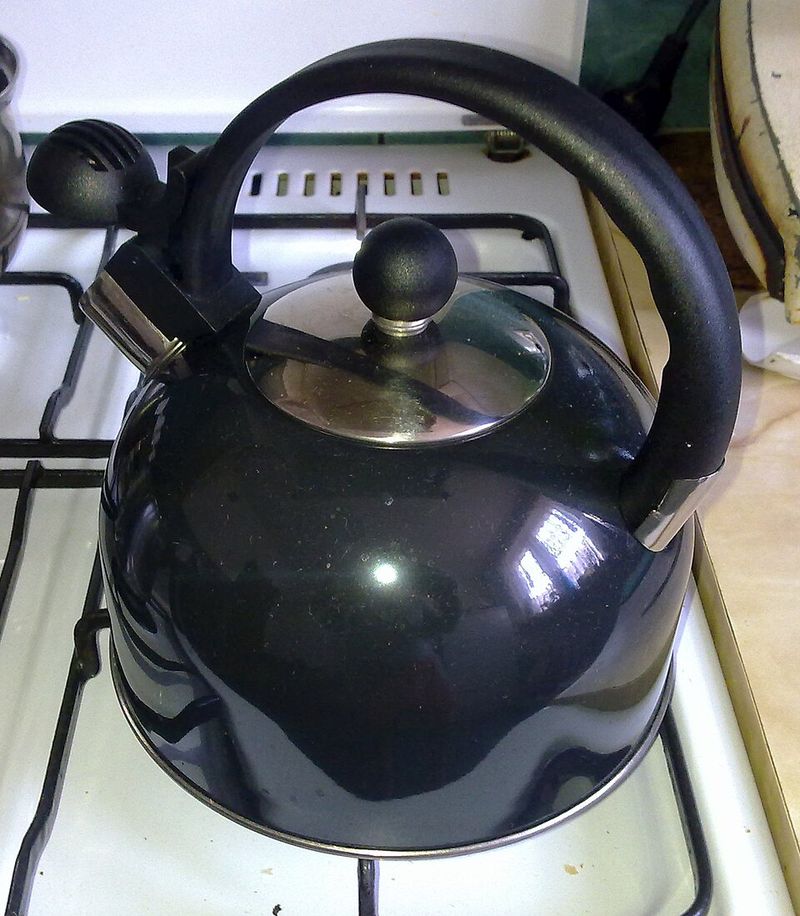
That cheerful whistle means hot water is ready for tea, cocoa, or instant soup.
Tea kettles have been essential kitchen tools since people first discovered the joy of hot beverages.
The iconic whistling spout design alerts you when water reaches boiling point, preventing dry boil-overs that could damage your kettle or stove.
Vintage tea kettles came in gorgeous designs, from sleek stainless steel to colorful enamel finishes in every shade imaginable.
Copper kettles added elegant warmth to traditional kitchens.
Many featured heat-resistant handles and spouts designed for easy pouring without drips or spills.
Stovetop kettles work on any heat source including gas, electric, and even campfires.
They boil water faster than microwaves and use less energy than keeping hot water dispensers running all day.
The ritual of filling the kettle, waiting for the whistle, and carefully pouring hot water creates a mindful moment in our rushed modern lives.
While electric kettles have gained popularity for their speed and convenience, many tea lovers prefer traditional stovetop kettles for their reliability and classic charm.
They never need electrical outlets, never break down electronically, and add beautiful vintage style to your kitchen decor while serving tea perfectly for decades.
20. Cookie Cutters
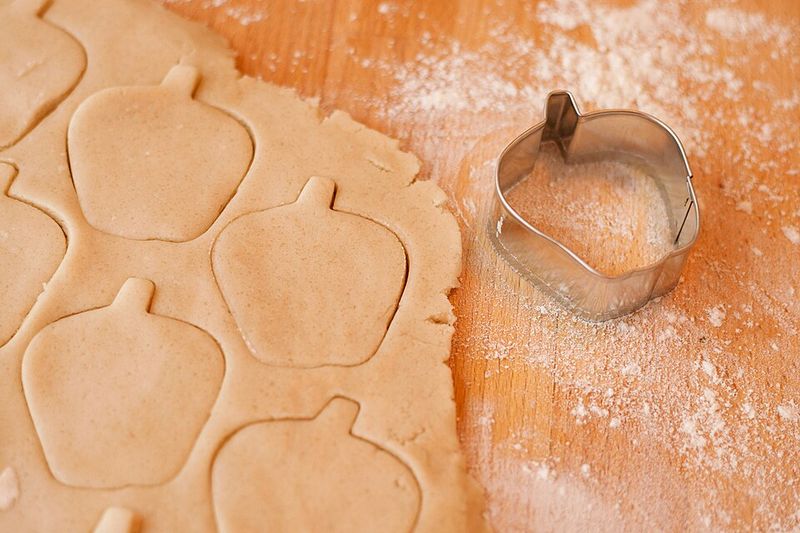
Stars, hearts, gingerbread people, Christmas trees, and Easter bunnies.
Cookie cutters transform simple dough into festive shapes that make baking feel like art class.
These simple metal or plastic tools have been delighting bakers and cookie-eaters since the 1700s, though they really became household staples during the Victorian era.
Vintage cookie cutters were typically made from tin or aluminum, hand-soldered at the seams.
Some featured rolled edges for comfortable pressing, while others had handles on top for better leverage.
Collectors hunt for rare shapes, antique designs, or cutters from specific eras that reflect historical trends and holidays.
Beyond cookies, these versatile tools cut biscuits, sandwiches, fondant decorations, and even craft materials like felt or clay.
Kids especially love helping with cookie cutters, pressing shapes into dough and watching their creations bake into edible art.
Holiday baking traditions often revolve around specific cookie cutter shapes passed down through families.
Modern cookie cutters come in thousands of designs from simple circles to elaborate licensed characters.
But vintage metal cutters possess a charm and durability that plastic versions cannot match.
That slightly bent Christmas tree cutter that Grandma used for fifty years somehow makes cookies taste better, proving that nostalgia is a delicious ingredient.
21. Pie Plates
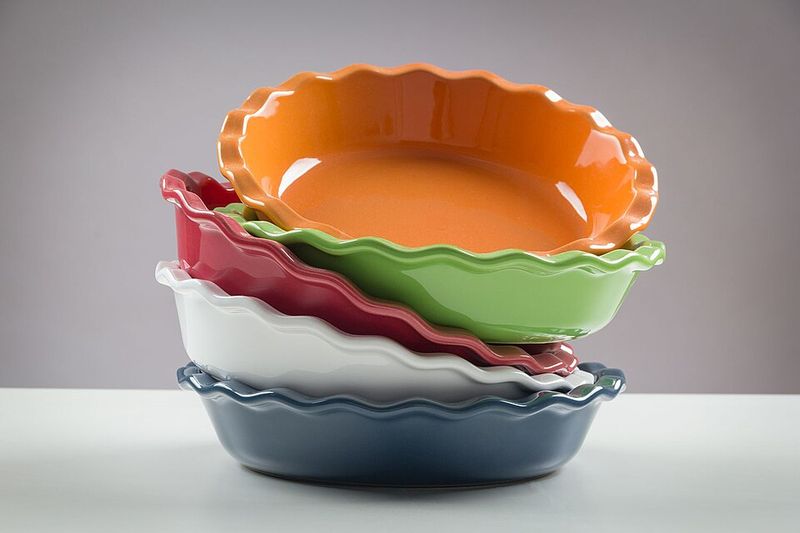
Nothing says home baking like a golden pie cooling in a classic pie plate.
These shallow, round dishes with sloped sides are specifically designed for baking pies, providing even heat distribution and attractive presentation.
The standard nine-inch size has remained unchanged for generations because it perfectly holds most pie recipes.
Glass pie plates became hugely popular because they let you check the bottom crust for perfect browning without guessing.
Pyrex dominated this market with their heat-resistant glass that could go from freezer to oven safely.
Ceramic and stoneware plates offered beautiful glazed finishes in various colors and patterns, doubling as serving pieces.
The fluted or crimped edges of pie plates serve both functional and decorative purposes.
They provide a surface for sealing double-crust pies and create those beautiful crimped edges that make homemade pies look professionally made.
Some bakers collect vintage pie plates in different materials, choosing specific ones for different types of pies.
Metal pie plates conduct heat fastest for crispy bottom crusts.
Glass bakes more evenly and looks pretty.
Ceramic holds heat well for serving.
Serious pie bakers often own several types, but many families treasure one special vintage plate that has baked countless holiday pies and created sweet memories.
22. Vegetable Peelers
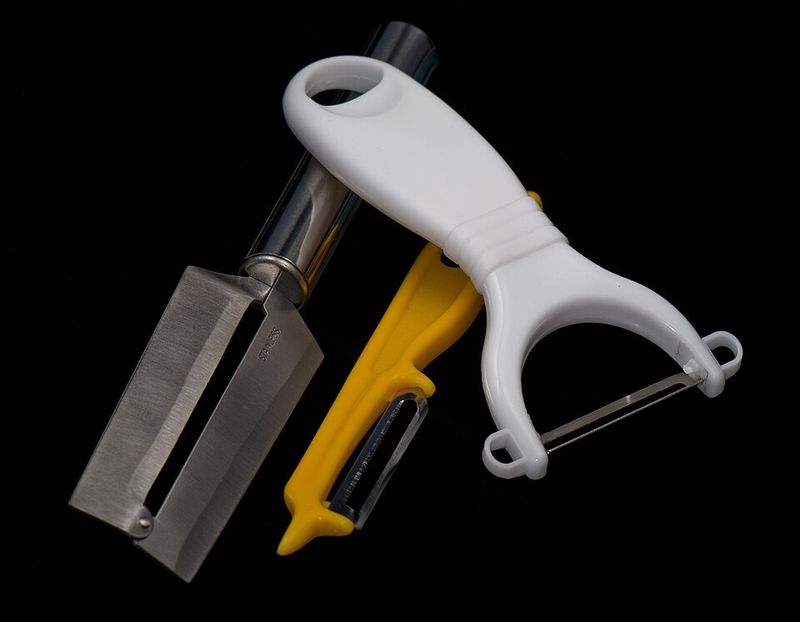
Small but mighty, vegetable peelers tackle one of cooking’s most tedious tasks with simple efficiency.
These handheld tools feature a sharp blade that removes thin layers of skin from potatoes, carrots, apples, and countless other fruits and vegetables.
The swivel-blade design that dominates today was patented in 1947 and quickly became the standard.
Earlier fixed-blade peelers required more skill and often removed too much flesh along with the peel.
The swivel blade follows the contours of irregular vegetables, wasting less and working faster.
A simple slot near the blade tip tackles potato eyes and blemishes without needing a separate knife.
Vintage peelers often featured colorful handles in cheerful mid-century colors or classic wooden grips worn smooth by thousands of potatoes.
Some had ergonomic designs that fit comfortably in either hand.
Quality peelers from decades ago often still work perfectly today, their blades sharp and mechanisms smooth.
Modern peelers come in fancy designs with ceramic blades or spring-loaded mechanisms, but the basic swivel peeler remains hard to improve upon.
It does one job exceptionally well without batteries, electricity, or complicated parts.
Every kitchen needs at least one good peeler, preferably one that has been peeling vegetables since your parents were kids.
23. Mortar And Pestle
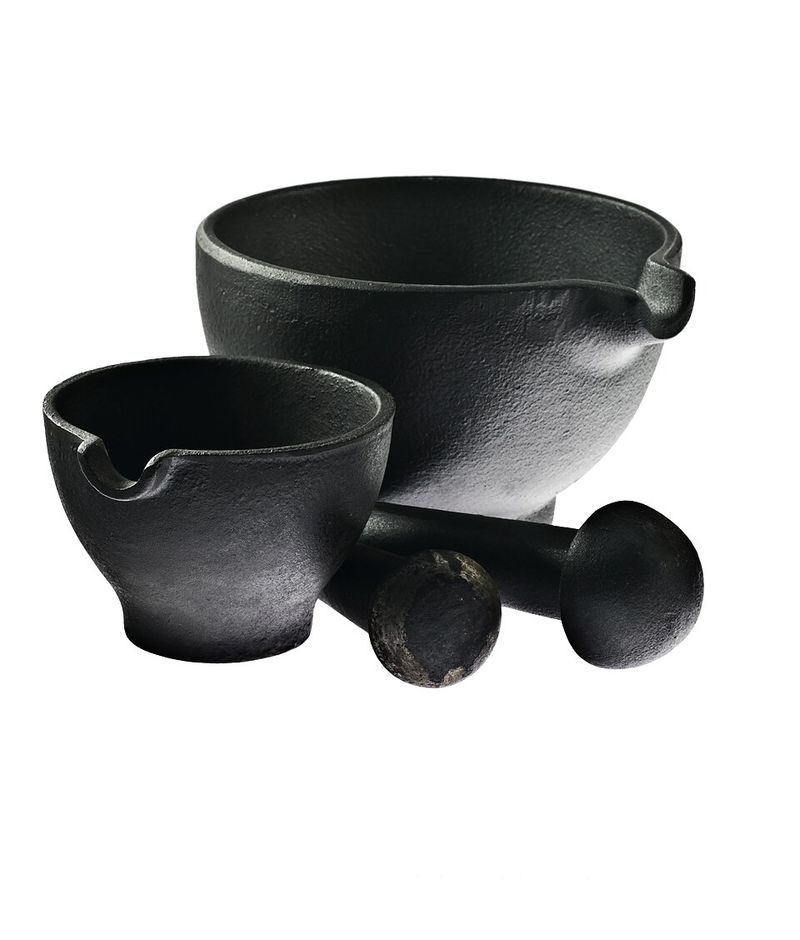
Grinding, crushing, and releasing flavors the old-fashioned way.
Mortar and pestles have been essential cooking tools since ancient times, used by cultures worldwide to process spices, herbs, and other ingredients.
The heavy bowl (mortar) and grinding stick (pestle) work together to break down ingredients and release their essential oils.
Different materials suit different purposes.
Stone mortars like granite or marble are perfect for grinding hard spices and making pesto.
Ceramic versions work well for softer herbs and making spice pastes.
Wooden mortars are traditional for certain cuisines but can absorb flavors over time.
The grinding action of a mortar and pestle releases more flavor than electric spice grinders or pre-ground spices.
Crushing fresh garlic, basil, and pine nuts for pesto creates textures and tastes impossible to achieve with food processors.
Many chefs insist that mortar and pestle preparation makes a noticeable difference in final dish quality.
Vintage mortars often show their history through stains and worn surfaces that tell stories of countless meals.
Some families pass down mortars through generations, each cook adding their own flavors to the stone.
Using a mortar and pestle connects you to cooking traditions spanning thousands of years across every continent.
24. Kitchen Scales
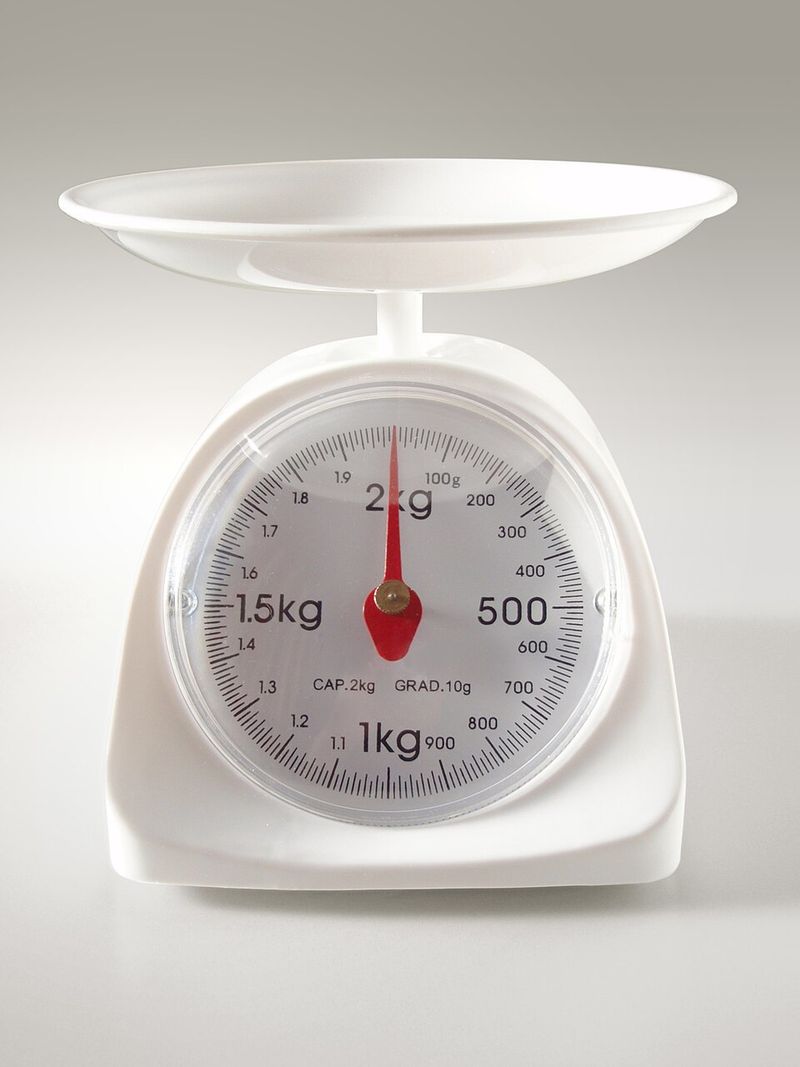
Before digital displays and battery-powered precision, mechanical kitchen scales delivered accurate measurements through springs and gears.
These countertop tools let cooks weigh ingredients by the ounce or pound, essential for recipes requiring exact measurements.
European baking especially relies on weight measurements rather than volume cups.
Vintage kitchen scales came in beautiful designs, from simple utilitarian models to decorative pieces with ornate details.
Many featured colorful enamel finishes or chrome accents that added style to functional tools.
The round dial with numbers clearly marked made reading measurements easy even for inexperienced cooks.
Mechanical scales work without batteries or electricity, making them reliable kitchen companions that last for decades.
A small adjustment knob lets you zero out the weight of containers so you measure only the ingredients themselves.
Some models included removable weighing platforms or bowls for convenient measuring and pouring.
Weight measurements are more accurate than volume measurements because ingredients pack differently depending on humidity and handling.
A cup of flour can vary by several ounces depending on how you scoop it.
Weighing ensures consistent results every time.
Modern digital scales offer more precision, but vintage mechanical scales deliver charm and reliability without ever needing new batteries.
25. Aprons
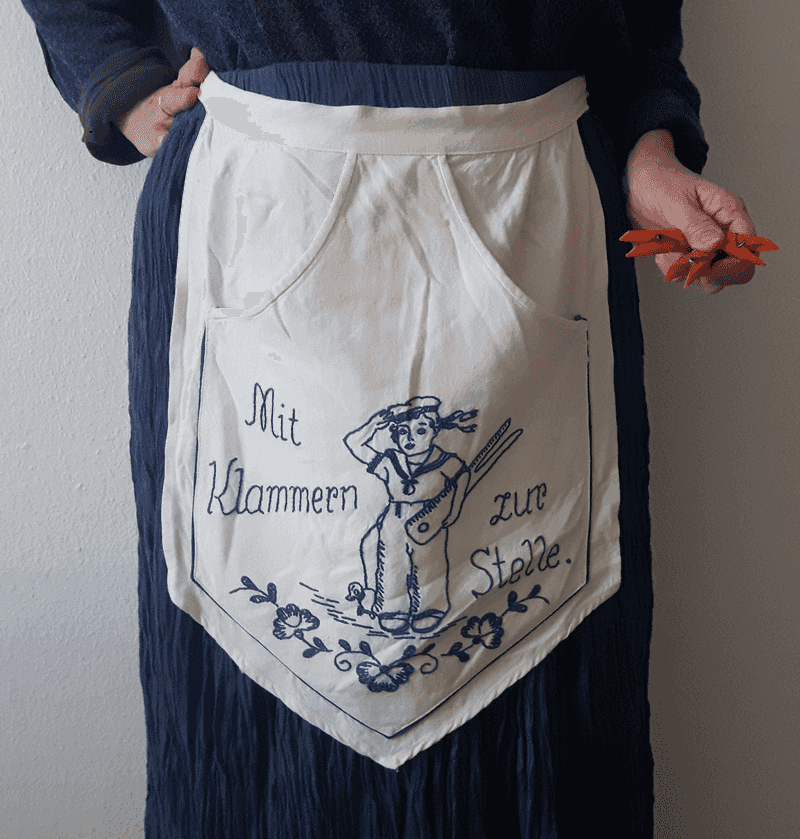
Practical protection meets personality in the humble kitchen apron.
These fabric shields protect clothing from spills, splatters, and flour clouds while adding a touch of style to cooking routines.
Aprons have been kitchen essentials for centuries, but mid-century designs featuring cheerful patterns and fun details really captured hearts.
Vintage aprons showcased the fashion and personality of their eras.
The 1940s and 1950s brought full-coverage aprons with ruffles, rick-rack trim, and matching potholders.
The 1960s and 1970s featured bold geometric patterns and psychedelic colors.
Many aprons included useful pockets for holding recipes, utensils, or a handy dish towel.
Beyond protection, aprons signal a shift into cooking mode, like putting on a superhero cape before saving dinner.
They make great gifts, especially vintage or handmade ones that show thought and care.
Some families treasure aprons worn by beloved grandmothers, keeping them as precious heirlooms even if they no longer get used.
Modern aprons continue the tradition with updated styles from professional chef coats to casual canvas designs.
But vintage aprons possess a charm that mass-produced versions cannot match.
Wearing an apron that has witnessed decades of family meals connects you to cooking traditions and memories in a tangible, meaningful way.
26. Ice Cream Scoops
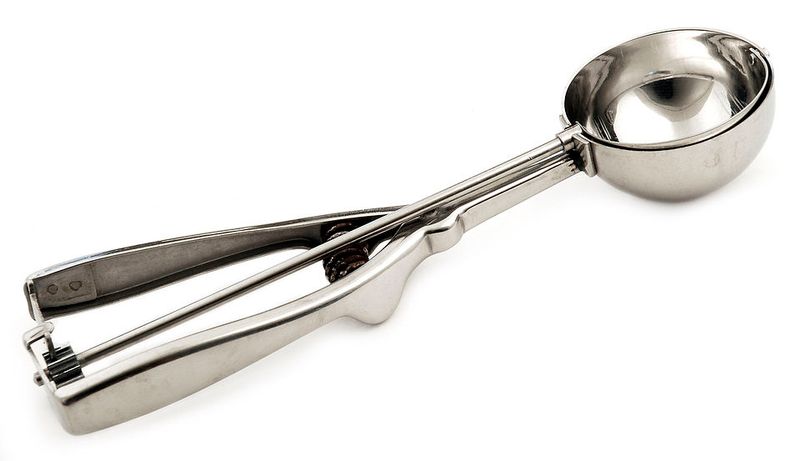
Digging into rock-hard ice cream requires serious tools, and vintage ice cream scoops delivered the muscle needed for the job.
These sturdy utensils feature bowl-shaped heads that cut through frozen desserts, with many including clever mechanisms to release perfect scoops.
The spring-loaded lever design became especially popular for its efficiency.
Early ice cream scoops were simple spoon-shaped tools that required serious arm strength.
The invention of the squeeze-handle release mechanism in 1935 revolutionized ice cream serving.
A metal strip inside the scoop swept across the bowl, cleanly releasing ice cream without sticking or requiring messy finger-scraping.
Vintage scoops often featured solid metal construction, sometimes with antifreeze liquid sealed inside the handle.
Body heat warmed the liquid, which then helped melt through hard ice cream more easily.
These Zeroll-style scoops became beloved by ice cream shops and home cooks alike.
Different scoop sizes create various portion sizes, from dainty single scoops to generous sundae-sized servings.
Some vintage scoops include measurements marked on the bowl.
Quality vintage scoops still work beautifully today, their mechanisms smooth and reliable after decades of service.
Nothing beats the satisfaction of carving perfect ice cream spheres with a tool that has been scooping happiness since before you were born.
27. Trivets
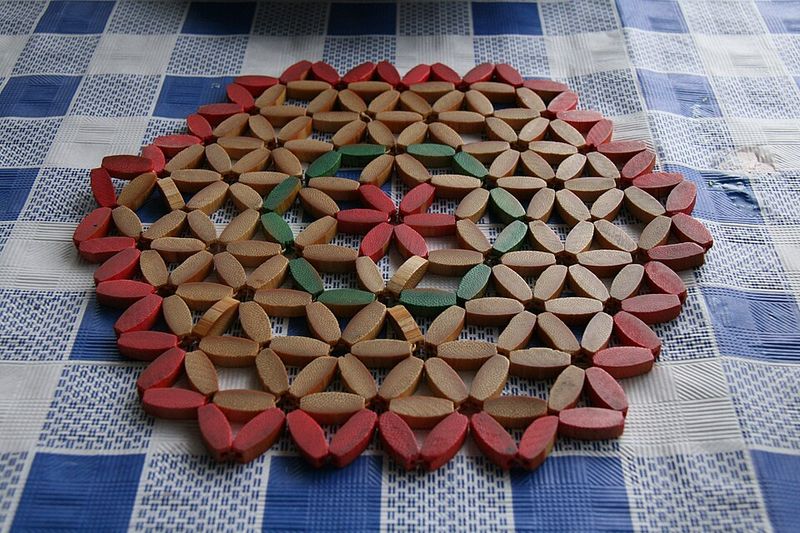
Protecting tables from hot pots and pans is serious business, and trivets handle this crucial job with style.
These heat-resistant stands create a buffer between scorching cookware and vulnerable surfaces, preventing burns, scorch marks, and angry family members.
Vintage trivets turned this practical necessity into decorative art.
Cast iron trivets featured intricate designs from simple geometric patterns to elaborate filigree resembling fancy ironwork.
Ceramic trivets showcased colorful glazes and hand-painted details.
Cork-backed trivets provided excellent heat protection while displaying beautiful tile designs.
Some trivets included legs that elevated them slightly, allowing air circulation for better heat dissipation.
Collecting vintage trivets became a popular hobby because they combine functionality with artistic beauty.
Many feature advertising for companies, tourist destinations, or commemorative events, making them miniature time capsules.
Trivets also make excellent wall decorations when not protecting your table from hot casserole dishes.
Beyond their original purpose, creative cooks use trivets as serving platters, decorative accents, or even garden stepping stones.
Heavy cast iron versions double as makeshift weights for pressing sandwiches or bacon.
Whether you collect them or actually use them, trivets prove that protective kitchen tools can be both practical and beautiful.
28. Dish Racks
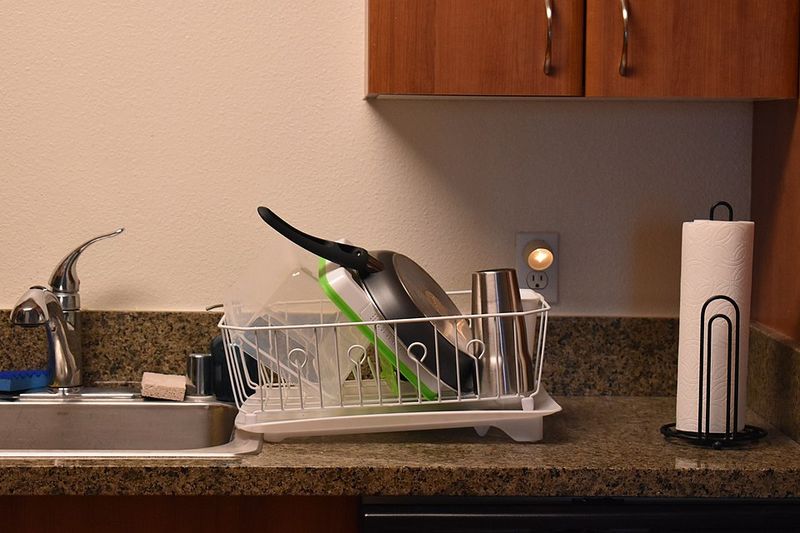
After washing dishes comes the drying, and dish racks provide the perfect staging area for this crucial step.
These countertop organizers hold wet dishes upright so air can circulate, speeding drying while preventing water spots.
Vintage dish racks combined practical design with sturdy construction that lasted for decades.
Classic designs featured coated wire construction with separate compartments for plates, cups, bowls, and utensils.
A drip tray underneath caught water runoff, protecting counters from puddles.
Some models included special slots for glasses or sections for silverware.
The spacing and angles were carefully designed to hold dishes securely without tipping.
Vintage dish racks often came in cheerful colors with vinyl or plastic coatings over metal wire.
Yellow, turquoise, and red were popular choices that matched mid-century kitchen color schemes.
Wooden dish racks offered a more natural aesthetic, with slatted designs that drained water efficiently.
Modern dish racks improve on vintage designs with better drainage systems and materials that resist rust and mildew.
But many people still use vintage racks that have been faithfully drying dishes for generations.
There is something satisfying about using the same dish rack your grandmother used, continuing the daily ritual of washing and drying that connects families across time.
29. Cutting Boards
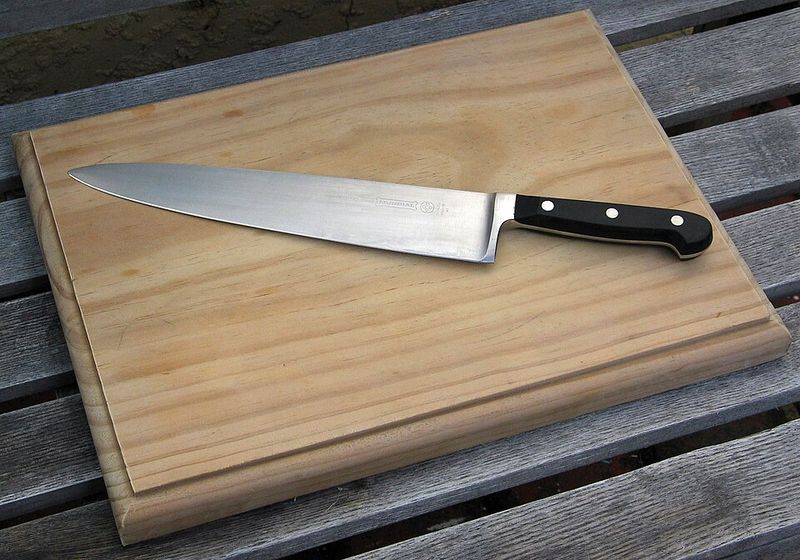
Every kitchen needs a reliable surface for chopping, slicing, and dicing.
Cutting boards protect countertops while providing stable work surfaces for knife work.
Vintage wooden boards bring warmth and character to kitchens while delivering excellent functionality that modern plastic versions struggle to match.
Hardwoods like maple, walnut, and cherry make the best cutting boards because they are durable yet gentle on knife edges.
The wood’s natural grain absorbs knife impacts, keeping blades sharper longer than hard surfaces like glass or stone.
Wood also has natural antimicrobial properties that help reduce bacteria growth when properly maintained.
Vintage cutting boards show their history through knife marks, stains, and worn surfaces that tell stories of thousands of meals.
Some feature hand-carved edges or decorative details that make them too beautiful to hide in cabinets.
Large butcher block boards provided serious workspace for ambitious cooking projects.
Caring for wooden cutting boards requires occasional oiling to prevent drying and cracking.
Never soak them in water or put them in dishwashers, which can cause warping.
With proper care, quality wooden boards last for generations.
Many cooks own multiple boards, using different ones for meats, vegetables, and breads to prevent cross-contamination.
A well-worn vintage board becomes a trusted kitchen companion.
30. Timers
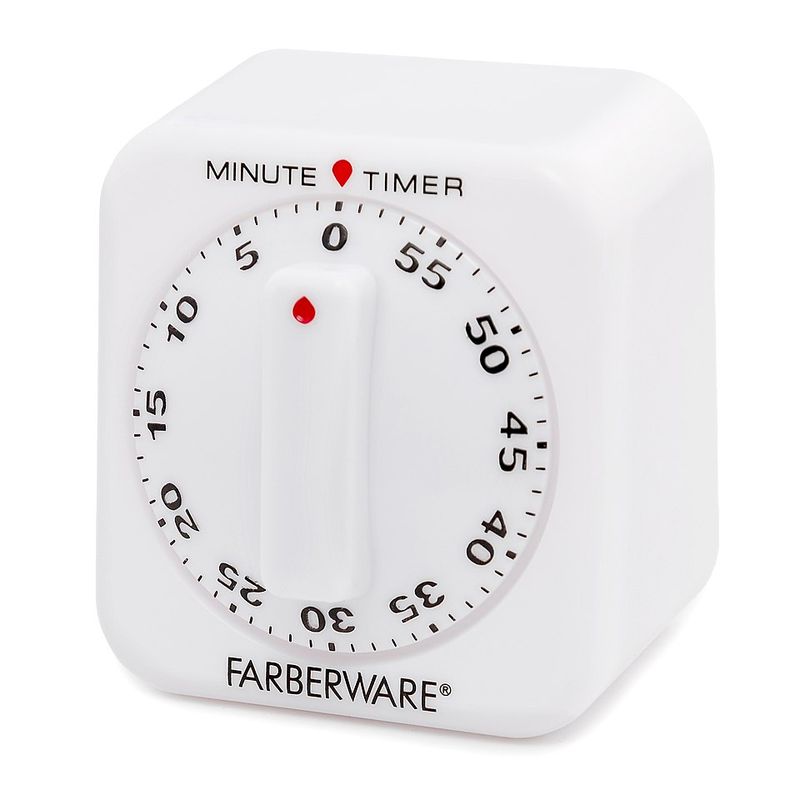
Tick, tick, tick, RING! Kitchen timers prevent burnt cookies, overcooked pasta, and dinner disasters by alerting cooks when time is up.
Vintage mechanical timers delivered reliable performance through simple wind-up mechanisms that needed no batteries or electricity.
The classic design features a rotating dial you twist to set the desired time, usually up to 60 minutes.
A spring mechanism inside counts down the minutes, releasing a loud bell or buzzer when time expires.
The satisfying mechanical ticking provides an audible reminder that something is cooking.
Vintage timers came in adorable designs, from simple round dials to novelty shapes like tomatoes, chickens, or smiling faces.
Many featured cheerful colors that matched mid-century kitchen aesthetics.
Some magnetic timers stuck to refrigerators for convenient storage.
The loud alarm could wake the dead, ensuring you never missed the signal even from another room.
Modern digital timers offer multiple countdown options and softer beeps, but mechanical timers possess charm and reliability that electronics cannot match.
They work during power outages, never need battery changes, and provide tactile feedback through that satisfying dial twist.
Many experienced cooks still prefer vintage timers for their simplicity and nostalgic appeal, proving that sometimes the old ways work best.
31. Gravy Boats
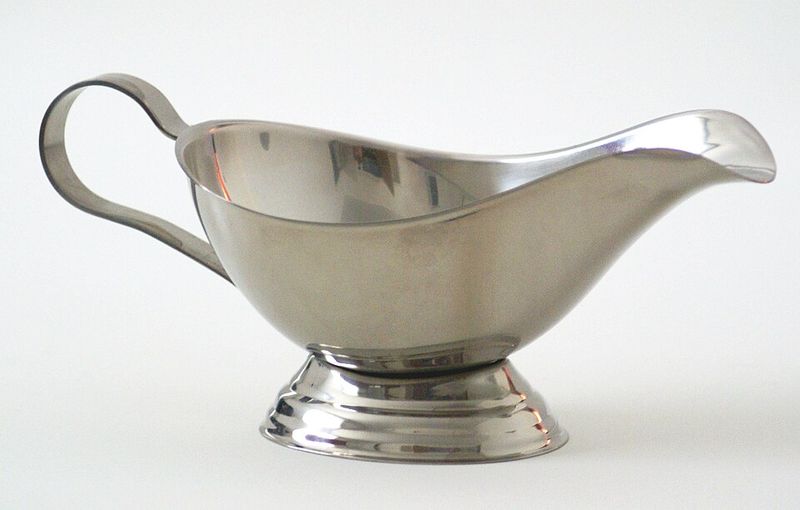
Holiday dinners demand proper gravy service, and gravy boats deliver this liquid gold with elegance.
These specialized serving vessels feature a spout for controlled pouring and a handle for steady holding.
The boat-like shape inspired their name, though they serve gravy rather than sailing anywhere.
Vintage gravy boats came in countless designs matching fine china patterns or standing alone as decorative serving pieces.
Some featured attached underplates that caught drips and provided stable bases.
Fancy versions included lids to keep gravy warm during long holiday meals.
Materials ranged from delicate porcelain to sturdy stoneware, each bringing its own style to the table.
The spout design is crucial for preventing drips and allowing precise pouring.
A well-designed gravy boat lets you drizzle gravy exactly where you want it without making a mess.
Some models included small stands with tea light candles underneath to keep gravy warm throughout the meal.
Beyond gravy, these versatile vessels work great for serving salad dressings, syrups, melted butter, or cream sauces.
Many families treasure vintage gravy boats that have graced holiday tables for generations.
Pulling out Grandma’s gravy boat each Thanksgiving connects current meals to past celebrations, making the food taste even better through the power of tradition and memory.
32. Casserole Dishes
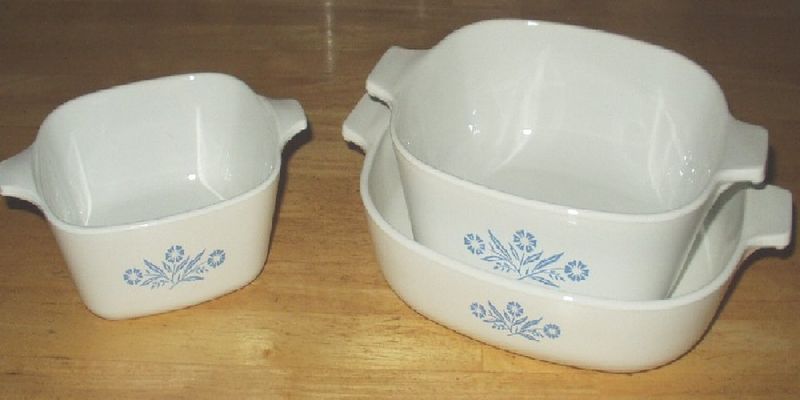
Comfort food central arrives in the form of casserole dishes.
These deep baking vessels with lids are perfect for one-pot meals, baked pasta dishes, and bubbling hot concoctions that feed families and warm hearts.
Vintage casserole dishes combined practical cooking performance with beautiful designs worthy of bringing straight from oven to table.
Pyrex dominated the casserole market with their heat-resistant glass dishes in various sizes.
Clear glass let you monitor cooking progress, while colorful painted patterns added personality.
Popular designs like Butterprint, Friendship, and Snowflake became iconic collectibles.
Ceramic casseroles offered decorative glazes and excellent heat retention.
The key feature of quality casserole dishes is their ability to withstand high oven temperatures while distributing heat evenly.
Lids trap moisture and heat, creating perfect cooking environments for braised meats, baked pasta, and vegetable gratins.
Handles on both sides make lifting heavy, hot dishes safer and easier.
Many vintage casserole dishes came with protective carrying cases or woven baskets, making them perfect for potlucks and church suppers.
Some families own multiple sizes for different recipes and occasions.
A well-loved casserole dish bears the marks of countless family dinners, making it a treasured kitchen heirloom that continues serving up memories.
33. Slotted Spoons
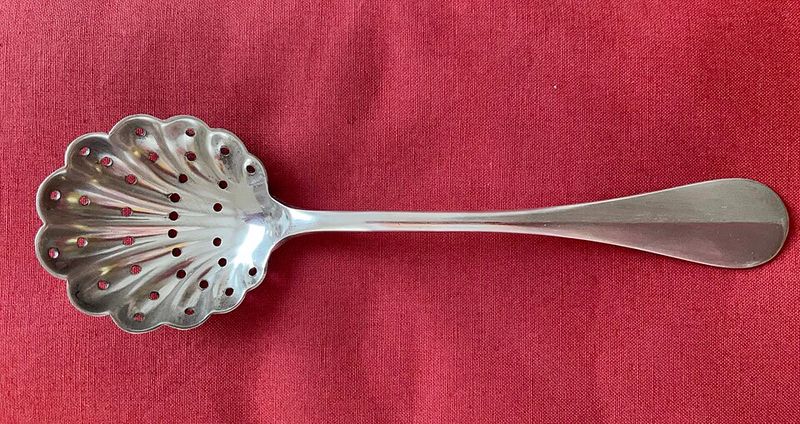
Sometimes you need to scoop food while leaving the liquid behind.
Slotted spoons handle this task perfectly, featuring holes or slots that let liquids drain while solid foods stay captured in the bowl.
These versatile utensils are essential for fishing pickles from jars, serving vegetables from cooking water, or skimming foam from soup.
Vintage slotted spoons typically featured stainless steel or chrome-plated bowls attached to wooden, plastic, or metal handles.
The slots or holes were carefully designed to balance drainage with food retention.
Too few holes and liquid doesn’t drain properly.
Too many and small items fall through.
Different slot patterns suited different purposes.
Round holes worked well for general use.
Elongated slots drained faster but required careful angling.
Some spoons featured decorative patterns that made the holes themselves part of the design.
Long handles kept hands safely away from hot liquids and steam.
Beyond basic draining duties, slotted spoons work great for serving pasta salads, tossing salads, or testing vegetable doneness.
The slots let you press gently on foods to check texture without needing separate tools.
Quality vintage slotted spoons remain perfectly functional today, their simple design requiring no updates or improvements after decades of faithful service.
34. Ladles
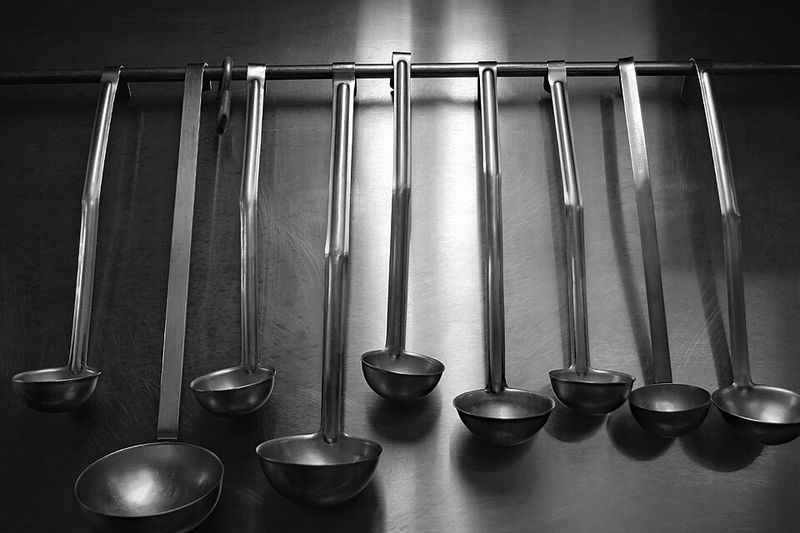
Soup, stew, chili, and punch all require proper serving tools, and ladles deliver the goods.
These long-handled spoons feature deep, bowl-shaped heads perfect for scooping and pouring liquids without spills.
The extended handle keeps hands safely away from hot pots while providing excellent reach and control.
Vintage ladles came in various sizes for different purposes.
Large ladles with one-cup capacity worked great for serving soup or stew at the table.
Medium ladles suited sauces and gravies.
Small ladles were perfect for punch bowls or delicate sauces.
Materials ranged from stainless steel to silver-plated versions for fancy occasions.
The best ladles feature pouring spouts that channel liquids precisely into bowls without dripping.
A hook or loop at the handle end lets you rest the ladle on the pot rim between servings.
Some vintage ladles included measurements marked inside the bowl for portioning recipes accurately.
Beyond serving, ladles work great for transferring liquids between containers, skimming fat from stocks, or tasting soups during cooking.
The deep bowl holds enough liquid for a proper taste test without needing multiple sips.
Quality vintage ladles remain kitchen essentials, their simple design and solid construction ensuring they will keep serving soup for many more decades.
35. Strainers
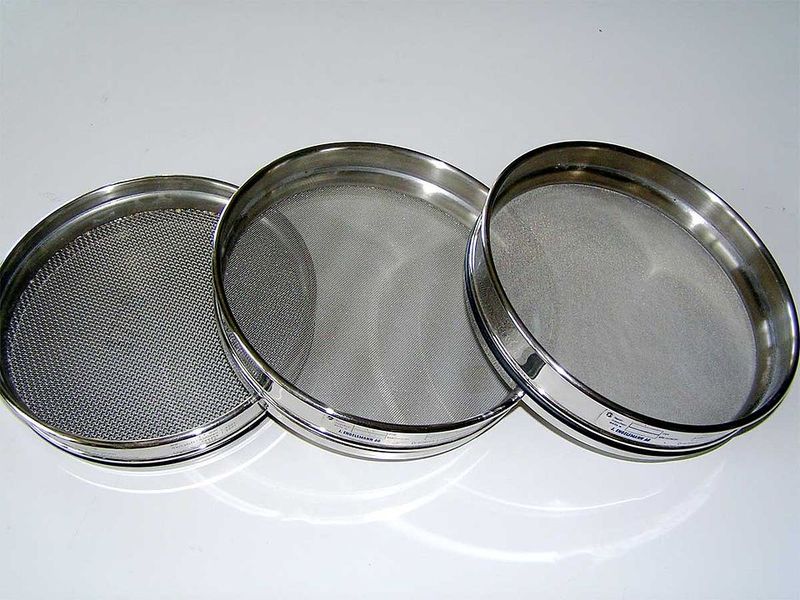
Separating liquids from solids is a common cooking task, and strainers handle this job with precision.
These bowl-shaped tools feature fine mesh or perforated metal that catches solid particles while letting liquids flow through.
Vintage strainers combined sturdy construction with thoughtful designs that made them indispensable kitchen helpers.
Different strainer styles suit different purposes.
Fine mesh strainers work for sifting flour, straining tea, or removing lumps from sauces.
Coarser perforated metal strainers drain pasta or rinse vegetables.
Cone-shaped chinois strainers create ultra-smooth purees and sauces.
Each design serves specific culinary needs.
Vintage strainers often featured hooks or rests that allowed them to sit securely over bowls or pots.
Long handles kept hands away from dripping liquids.
Some included reinforced rims that prevented warping even after years of use.
Quality construction meant the mesh stayed taut and the handles remained firmly attached.
Beyond basic straining, these tools work great for dusting powdered sugar over desserts, rinsing small quantities of ingredients, or catching seeds from citrus juice.
Some cooks use fine mesh strainers as makeshift sifters in a pinch.
Vintage strainers that have survived decades of kitchen duty prove that simple, well-made tools never go out of style.
36. Spatulas
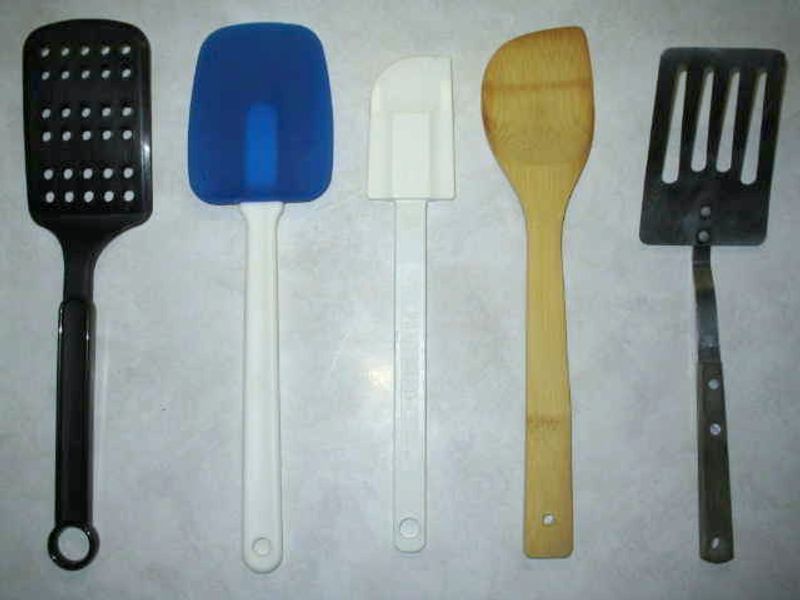
Flipping pancakes, burgers, and eggs requires the right tool for the job.
Spatulas, also called turners or flippers, feature thin, flat blades perfect for sliding under foods and flipping them with confidence.
Vintage spatulas delivered reliable performance through thoughtful design and quality materials.
Metal spatulas with thin, flexible blades worked best for delicate tasks like flipping eggs or fish fillets.
The slight flexibility let the blade conform to pan surfaces while maintaining strength.
Slotted designs allowed grease to drain during flipping.
Wooden or heat-resistant handles kept hands comfortable and safe.
Different blade shapes suited different purposes.
Wide square blades supported large burgers or pancakes.
Narrow angled blades fit into tight pan corners.
Offset spatulas positioned the blade below the handle for better leverage and control.
Some featured serrated edges that doubled as cutting tools.
Vintage spatulas often show their history through worn finishes and slightly bent blades that have flipped thousands of breakfasts.
The best ones develop a patina that somehow makes them work even better.
Many cooks develop strong preferences for specific spatulas, claiming certain ones flip eggs perfectly while others excel at burgers.
Quality vintage spatulas prove that simple tools, properly designed, need no improvement.
37. Whisks
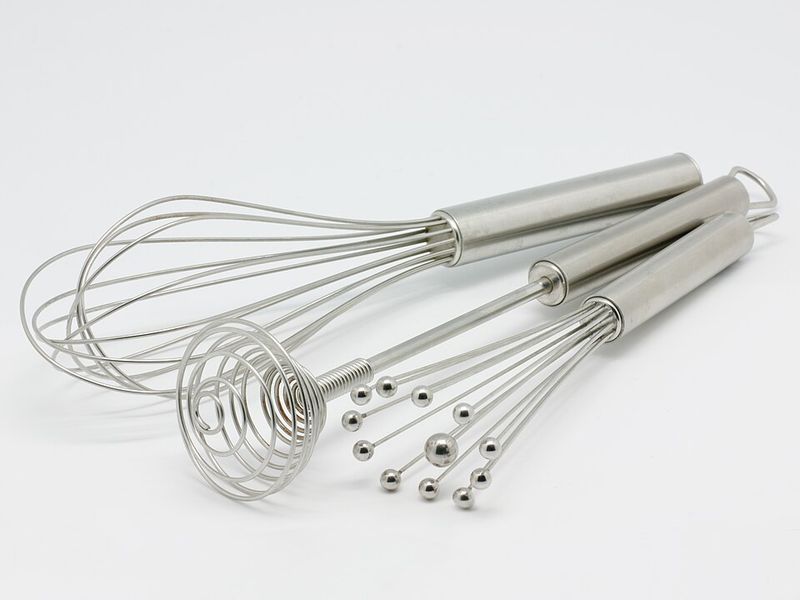
Beating, whipping, and incorporating air into ingredients requires the elegant engineering of a whisk.
These wire wonders feature multiple loops that cut through mixtures, breaking up lumps and adding volume through aeration.
Vintage whisks combined effective design with durable construction that kept them whisking for generations.
The classic balloon whisk features a bulbous shape with many thin wires perfect for whipping cream or egg whites into fluffy peaks.
The rounded design traps maximum air with each stroke.
Flat whisks work better for sauces and gravies in shallow pans.
Different sizes suit different jobs from small bowl tasks to large mixing bowl projects.
Quality whisks feature wires firmly secured into sturdy handles that won’t come loose during vigorous use.
Stainless steel wires resist rust and maintain their shape through years of beating.
Comfortable handles make extended whisking sessions less tiring.
Some vintage whisks featured wooden handles worn smooth by decades of use.
Before electric mixers became common, whisks were absolutely essential for countless recipes.
Even today, whisks remain irreplaceable for quick tasks where dragging out the mixer seems excessive.
Vintage whisks that have whipped countless batches of cream and eggs carry kitchen history in their wires, connecting current cooks to generations of bakers before them.