10 Notably Hazardous Tourist Locations Around The World
Thrill and curiosity often pull travelers toward places that test nerve and judgment in equal measure.
Certain destinations raise the stakes dramatically, pairing breathtaking scenery with hazards that cannot be ignored.
Rugged trails, unstable terrain, and powerful natural forces create experiences that feel unforgettable for all the right and wrong reasons.
Understanding the risks behind these locations helps turn bold curiosity into informed adventure rather than unnecessary danger.
Disclaimer: This article is intended for general informational and travel awareness purposes.
Conditions at natural and adventure destinations can change rapidly, and risk levels may vary based on weather, season, individual experience, and local conditions.
Travelers should seek professional guidance, follow official safety recommendations, and conduct thorough research before visiting high-risk locations.
1. Mount Everest Base Camp Trek, Nepal
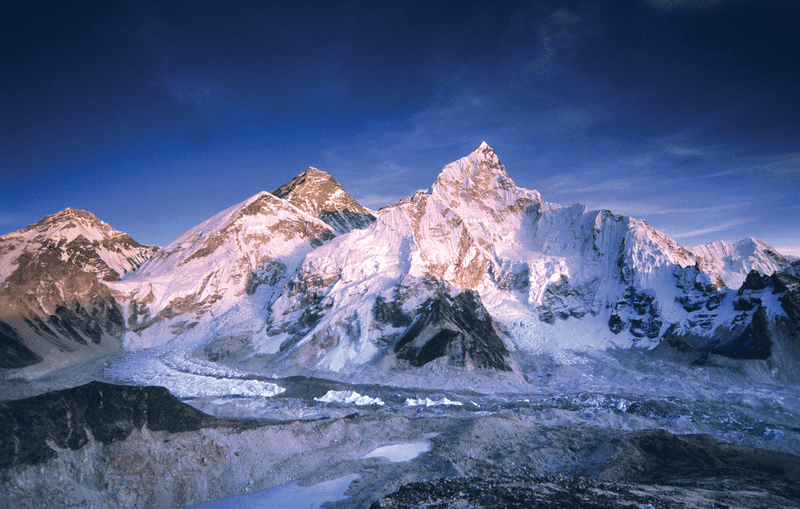
High altitude makes breathing feel like sucking air through a coffee stirrer, and that’s just the beginning of this challenging journey.
Trekkers face avalanche risks, unpredictable weather that changes faster than your mood on a Monday morning, and altitude sickness that can turn serious quickly.
If you’re planning this adventure, acclimatization days aren’t optional – they’re lifesavers.
Specifically, your body needs time to adjust to oxygen levels that drop dramatically as you climb higher.
Perhaps the most important gear isn’t your fancy hiking boots but your common sense and willingness to turn back if conditions worsen.
Mount Everest Base Camp Trek, Nepal: For maps, pin Everest Base Camp (South), Khumbu Pasanglhamu Rural Municipality, Solukhumbu District, Nepal (approx. 28.0049, 86.8579).
2. Mont Blanc Summit Routes, France and Italy
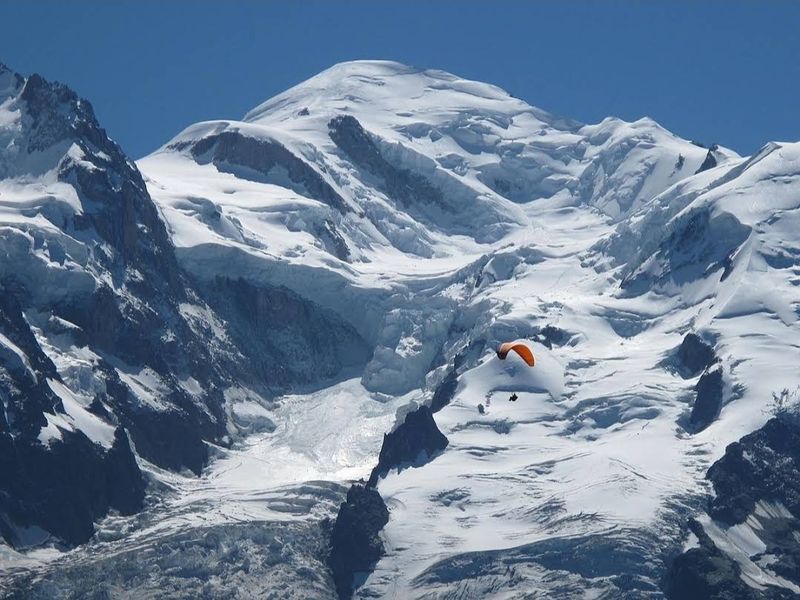
Europe’s tallest peak isn’t just a pretty postcard, it’s claimed more lives than any other mountain in the Alps.
Crevasses hide beneath innocent-looking snow, and rockfall becomes more common as glaciers melt from climate change.
Weather windows close faster than a shop on Sunday, leaving climbers stranded in whiteout conditions.
Actually, many experienced mountaineers underestimate this peak because it seems more accessible than Himalayan giants.
However, that familiarity breeds complacency, and Mont Blanc demands the same respect you’d give any serious alpine challenge.
Mont Blanc Summit Routes, France and Italy: A common access point is Aiguille du Midi Cable Car, 100 Place de l’Aiguille du Midi, 74400 Chamonix-Mont-Blanc, France.
3. Death Road (Yungas Road), Bolivia
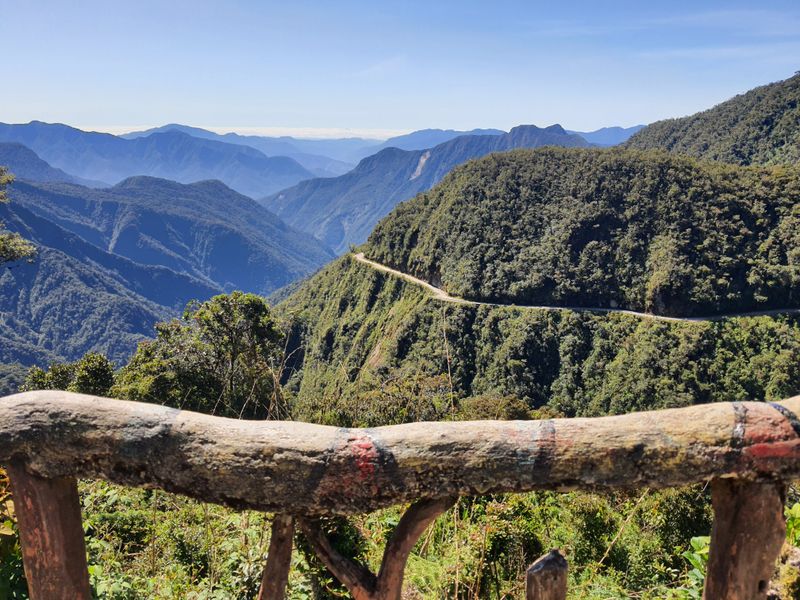
Imagine pedaling your bike along a path barely wider than your kitchen table, with a 2,000-foot drop just inches away.
Fog rolls in without warning, turning visibility to zero while you’re sharing the road with trucks that don’t always see cyclists.
Crosses along the route mark where others didn’t make it, serving as sobering reminders.
Though the name sounds dramatic, it’s earned through decades of accidents on this former main route.
Nowadays, tour companies offer guided trips, but the cliffs don’t care how experienced your guide is.
Death Road (Yungas Road), Bolivia: Many tours stage near La Cumbre Pass above La Paz, with a frequently cited start-point pin around 16°20′09.26″S, 68°02′25.78″W.
4. Danakil Depression, Ethiopia
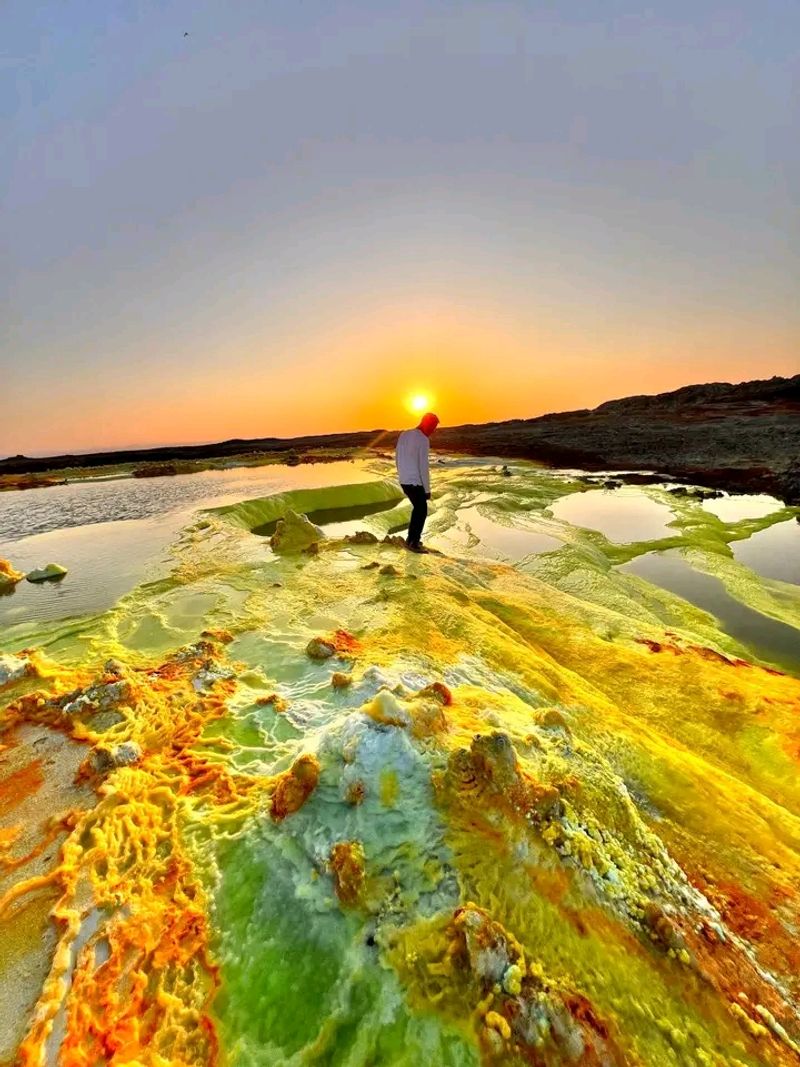
Temperatures here regularly hit 120°F, making it one of the hottest places humans dare to visit.
Sulfuric acid pools bubble like witch’s brew, and toxic gases seep from cracks in the earth’s crust.
Honestly, it looks like an alien planet, with neon yellow sulfur deposits and salt formations that shimmer in the brutal heat.
Dehydration happens faster than you can say “I should’ve brought more water,” and there’s zero shade for miles.
Political instability in the region adds another layer of risk that tour operators constantly monitor.
Danakil Depression, Ethiopia: Look for Danakil Depression, Afar Region, Ethiopia (approx. 14°14′34″N, 40°18′24″E).
5. Mount Nyiragongo Volcano Trek, Democratic Republic Of The Congo
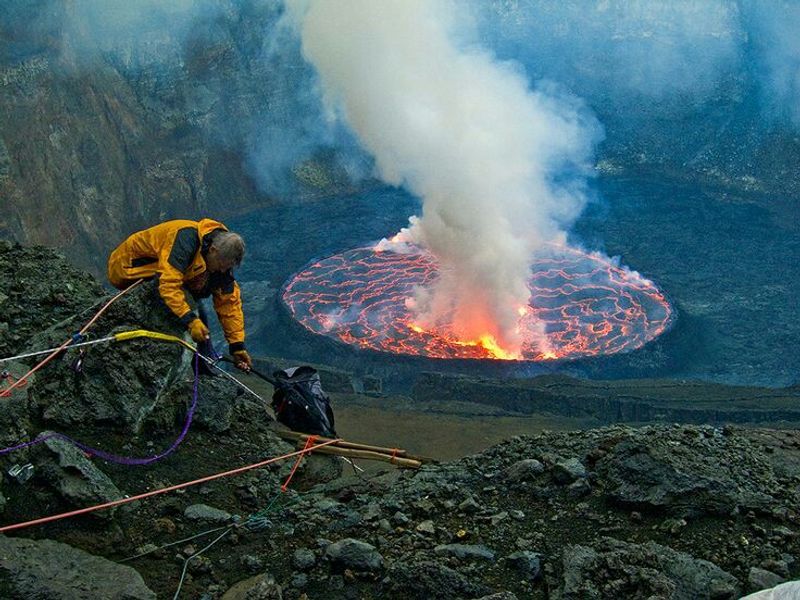
Peering into the world’s largest lava lake feels surreal, like watching Earth’s heartbeat glow red in the darkness.
Because this volcano has erupted with little warning before, the risk isn’t theoretical – it’s written in the destroyed villages below.
Climbers sleep in basic shelters right on the crater rim, where sulfur fumes drift through camp like unwelcome midnight visitors.
Regional conflicts sometimes close the park entirely, adding unpredictability to an already volatile situation.
Despite its visual impact, volcanic activity here remains unpredictable and uncontrollable.
Mount Nyiragongo Volcano Trek, Democratic Republic of the Congo: Most treks begin at Kibati Patrol Post, Virunga National Park, North Kivu, DRC (commonly described as about 50 km outside Goma).
6. Devil’s Pool At Victoria Falls, Zambia
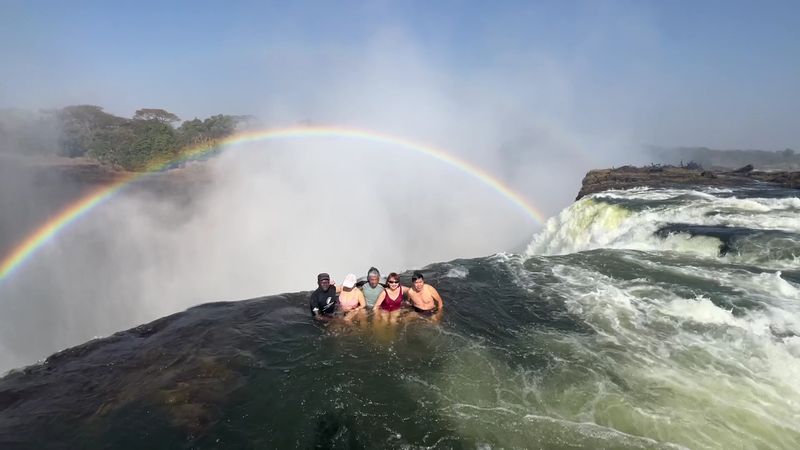
Swimming at the edge of a 350-foot waterfall sounds like something from an action movie, not a vacation activity.
Yet thousands of thrill-seekers wade into this natural rock pool perched right at the precipice.
Strong currents tug at swimmers, and one wrong move could send you tumbling over the edge into the churning waters below.
Fortunately, the pool is only accessible during low-water months when the current is somewhat manageable.
Even then, guides keep a watchful eye, knowing that Victoria Falls shows no mercy to careless visitors.
Devil’s Pool at Victoria Falls, Zambia: It is adjacent to Livingstone Island at the top edge of Victoria Falls on the Zambezi River, near Livingstone, Zambia.
7. The Blue Hole Dive Site, Dahab, Egypt
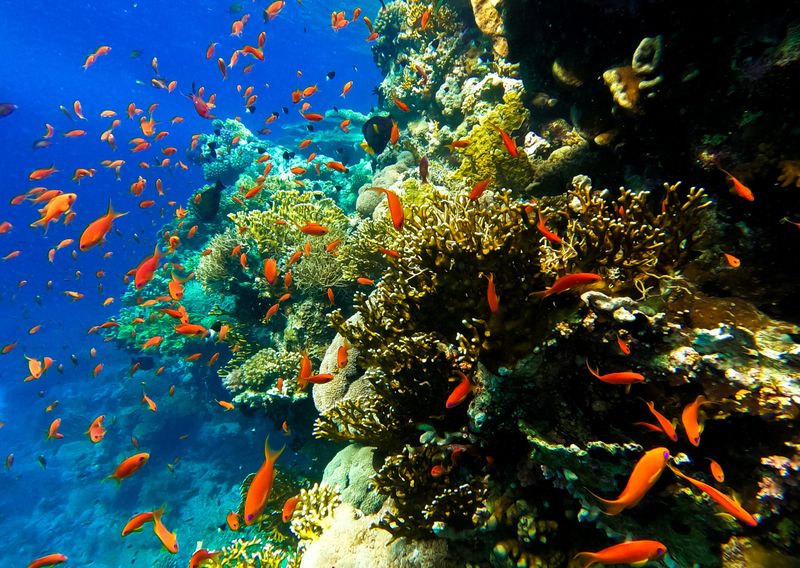
Divers admire its beauty, but locals often describe it as an underwater graveyard due to the numerous fatal accidents recorded over the years
The temptation to swim through an underwater arch at dangerous depths has lured many experienced divers into fatal mistakes.
Nitrogen narcosis can cause confusion and impaired judgment, leading to dangerous decisions at extreme depths.
Memorial plaques line the shore, each one representing someone who underestimated the Blue Hole’s deadly allure.
Recreational divers should stick to safe depths, resisting the siren call of the deep arch passage.
The Blue Hole Dive Site, Dahab, Egypt: Use Blue Hole, Dahab, South Sinai Governorate, Egypt (approx. 28°34′09″N, 34°32′37″E).
8. Half Dome Cables Route, Yosemite National Park, United States
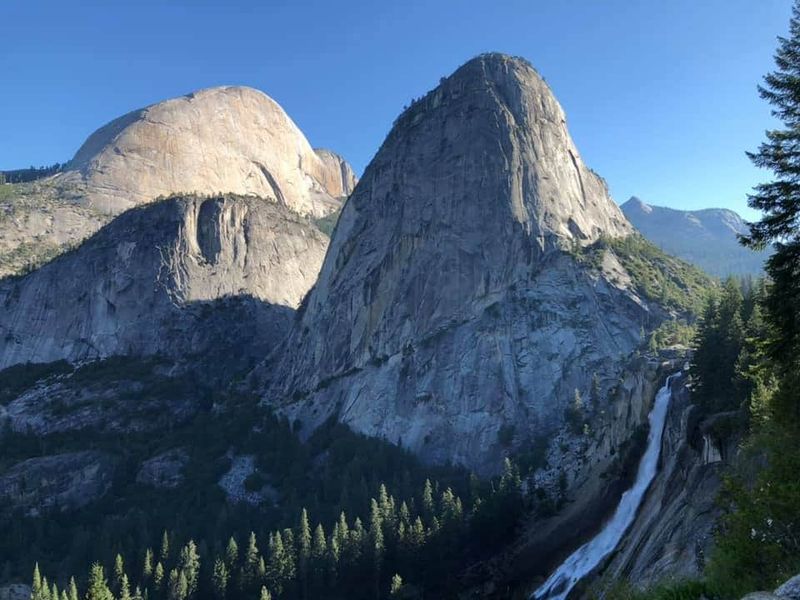
Hauling yourself up a 45-degree granite slope using metal cables tests your arm strength and nerve simultaneously.
When afternoon thunderstorms roll in, those cables become lightning rods with humans attached – not exactly ideal.
Smooth rock offers zero traction when wet, transforming the route into a slippery nightmare faster than you can descend.
Maybe that’s why permits are now required, limiting daily climbers and hopefully reducing accidents.
The view from the top is legendary, but several hikers have fallen to their deaths here over the years.
Half Dome Cables Route, Yosemite National Park, United States: Start navigation with Happy Isles Trailhead, Happy Isles Loop Rd, Yosemite Village, CA 95389 (the standard trailhead for the Half Dome hike).
9. Angel’s Landing Trail, Zion National Park, United States
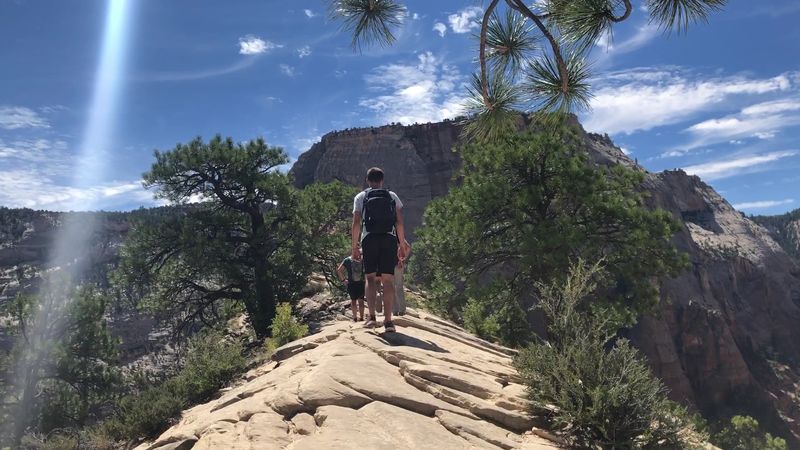
Walking along a narrow spine of rock with 1,000-foot drops on both sides creates intense physical and psychological stress.
Chain handrails offer some security, but they’re often crowded with hikers going both directions on a path barely wide enough for one.
Gusty winds can throw you off balance when you least expect it, especially on the exposed final stretch.
Surprisingly, people still attempt this hike in flip-flops or after rain, despite warning signs everywhere.
Ultimately, about a dozen people have died here, proving that Instagram-worthy views come with serious consequences.
Angel’s Landing Trail, Zion National Park, United States: Set your pin to The Grotto Trailhead, Zion National Park, Springdale, Utah (GPS is commonly listed around 37.25926, -112.95216).
10. Mount Kilimanjaro Summit Climb, Tanzania
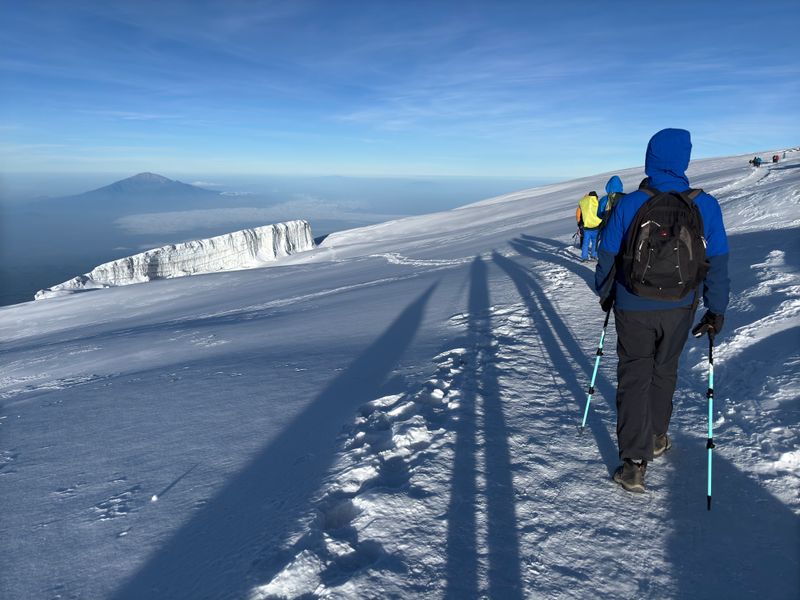
Africa’s tallest mountain lures trekkers with promises of reaching the summit without technical climbing skills.
But altitude sickness doesn’t care about your fitness level, it strikes marathon runners and casual hikers alike.
Temperatures plummet at night, and summit attempts begin around midnight in frigid darkness that chills you to the bone.
Often, climbers push through symptoms they should heed, risking pulmonary or cerebral edema that can turn fatal.
Summit success rates vary widely by route and acclimatization schedule, with altitude-related illness being the most common reason climbers turn back.
Mount Kilimanjaro Summit Climb, Tanzania: A standard entry point is Marangu Gate, Kilimanjaro National Park, near Marangu in the Kilimanjaro Region, Tanzania.