15 Noteworthy Strategic Minds In ‘The Godfather’ Trilogy
Few film sagas have carved characters into pop culture quite like this one, where every glance, pause, and whispered order carried real consequence.
Brains mattered as much as brute force, with carefully calculated decisions shaping empires long before violence ever erupted.
Power plays unfolded across dim New York rooms and sun-soaked Sicilian landscapes, guided by figures who understood patience, loyalty, and leverage better than anyone around them.
Strategy, betrayal, and ambition intertwined at every turn, creating criminal masterminds whose influence still lingers decades after the final scene faded to black.
Note: This article discusses fictional characters and plot points from The Godfather film trilogy. Interpretations of “strategy” and “who counts as a standout mind” are inherently subjective and based on on-screen actions, dialogue, and widely documented story events.
Details may be simplified for readability. For the most precise context, refer to the films themselves and official reference materials.
1. Michael Corleone
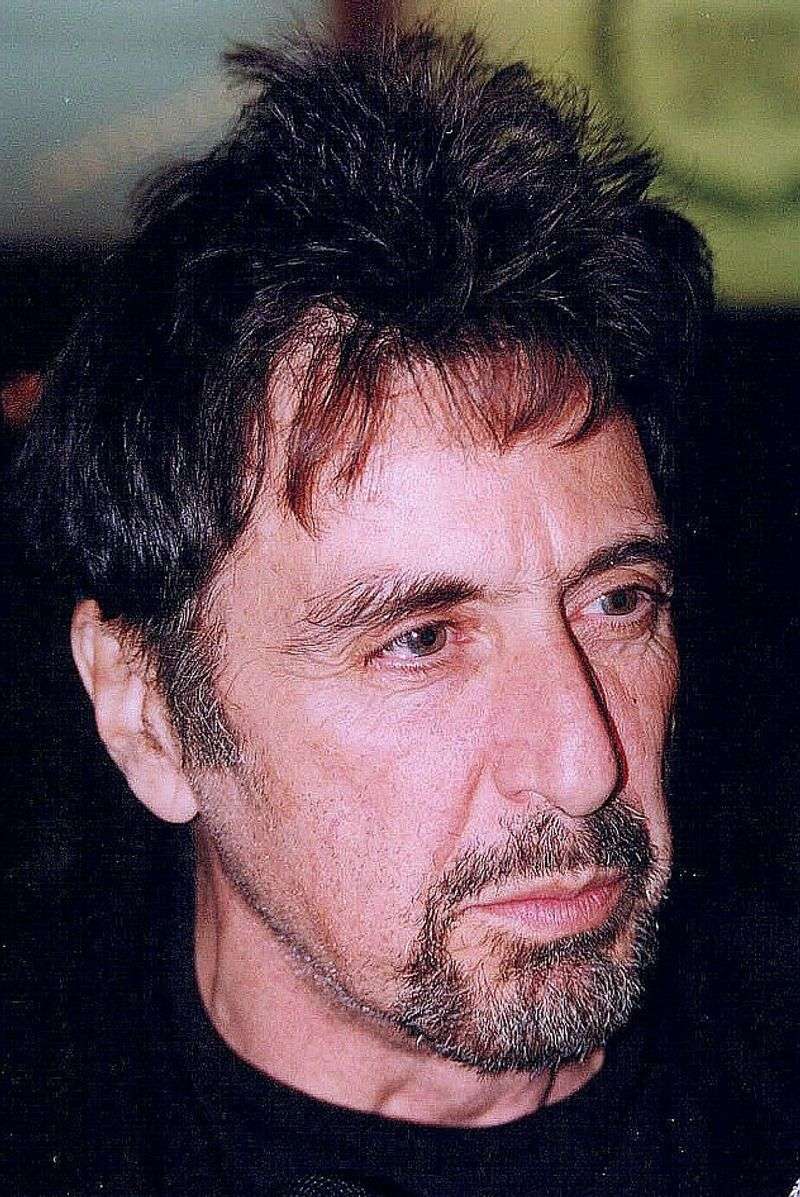
Starting as a war hero who wanted nothing to do with crime, Michael transformed into one of cinema’s most calculating leaders.
His journey from innocent son to ruthless Don shows how ambition can reshape a person completely.
While others acted on emotion, Michael played chess with lives, always thinking three moves ahead.
Every decision carried weight, including the baptism sequence of coordinated killings and later efforts to move the family into legitimate business.
His strategy came at a steep personal cost, leaving him increasingly isolated.
2. Vito Corleone
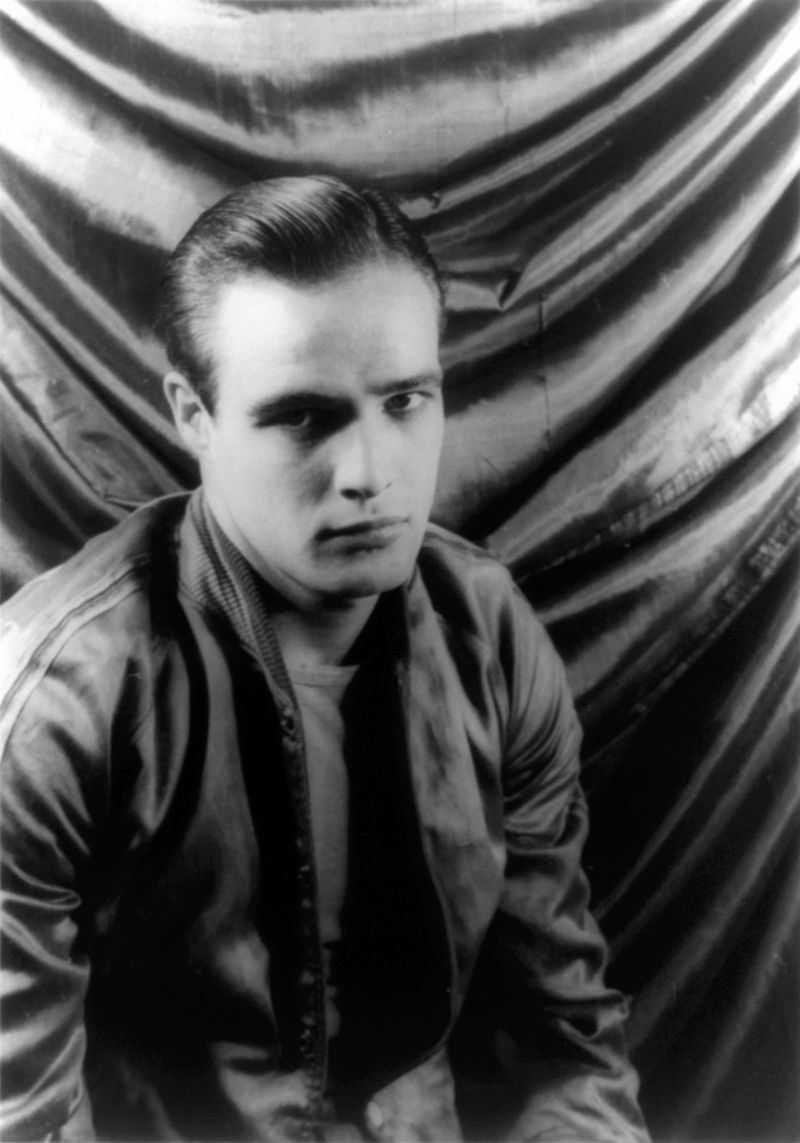
Wisdom, patience, and respect are required to build an empire from nothing, as muscle alone is never enough.
Loyalty earned through kindness lasts longer than fear, a principle that Vito understood deeply.
Granting favors for those who came to him was done with the knowledge that, someday, those debts would be repaid.
Blending compassion with strategic intimidation allowed Vito to create a network of allies across New York instead of ruling with an iron fist.
Unbreakable principles of honor and protection bound his family together, ensuring his legacy was defined by more than just wealth.
3. Tom Hagen
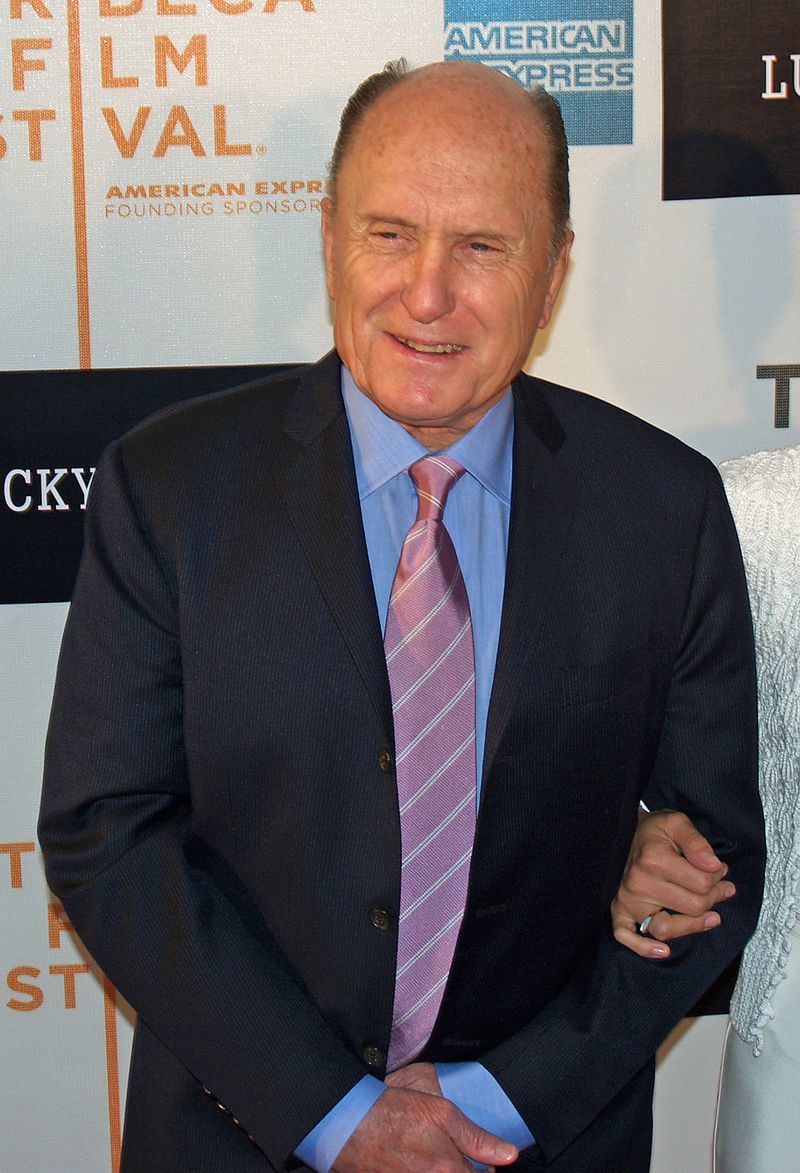
Adopted into the family as a child, Tom became the bridge between two worlds, legitimate business and organized crime.
His legal expertise turned messy situations into tidy agreements, often without a single shot fired.
Where others saw problems, Tom saw loopholes and diplomatic solutions that kept the family protected.
Though not a blood Corleone, his loyalty never wavered, proving that family is defined by actions, not just DNA.
Ultimately, Tom’s calm reasoning balanced the family’s more violent instincts, making him indispensable during turbulent times.
4. Hyman Roth
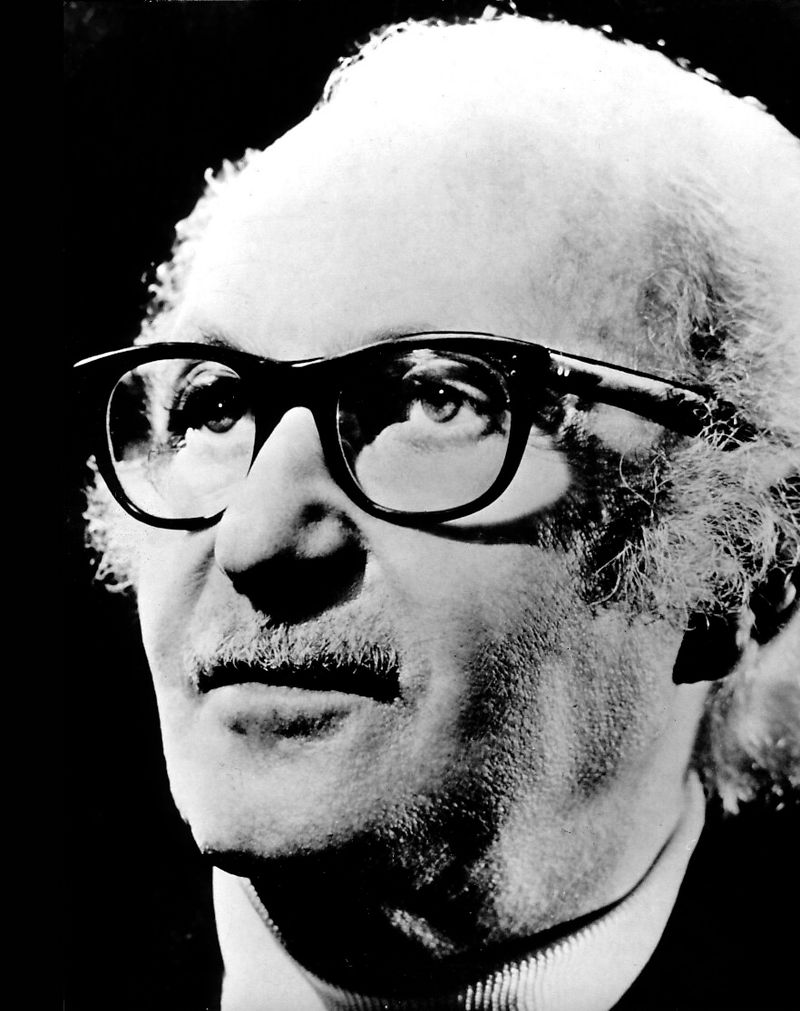
Operating behind a grandfatherly facade, Hyman Roth manipulated events across continents with chilling precision.
Roth treats betrayal and killing as routine, captured by his line, “This is the business we’ve chosen.”
Secretly orchestrating attacks that nearly destroyed the Corleones was his true aim, even while pretending to be Michael’s mentor and partner.
Maintaining a modest lifestyle hid a vast influence and cunning mind, proving that appearances mattered deeply to him.
Dangerous enemies often prove to be those who smile while sharpening their knives, waiting for the perfect moment to strike.
5. Emilio Barzini
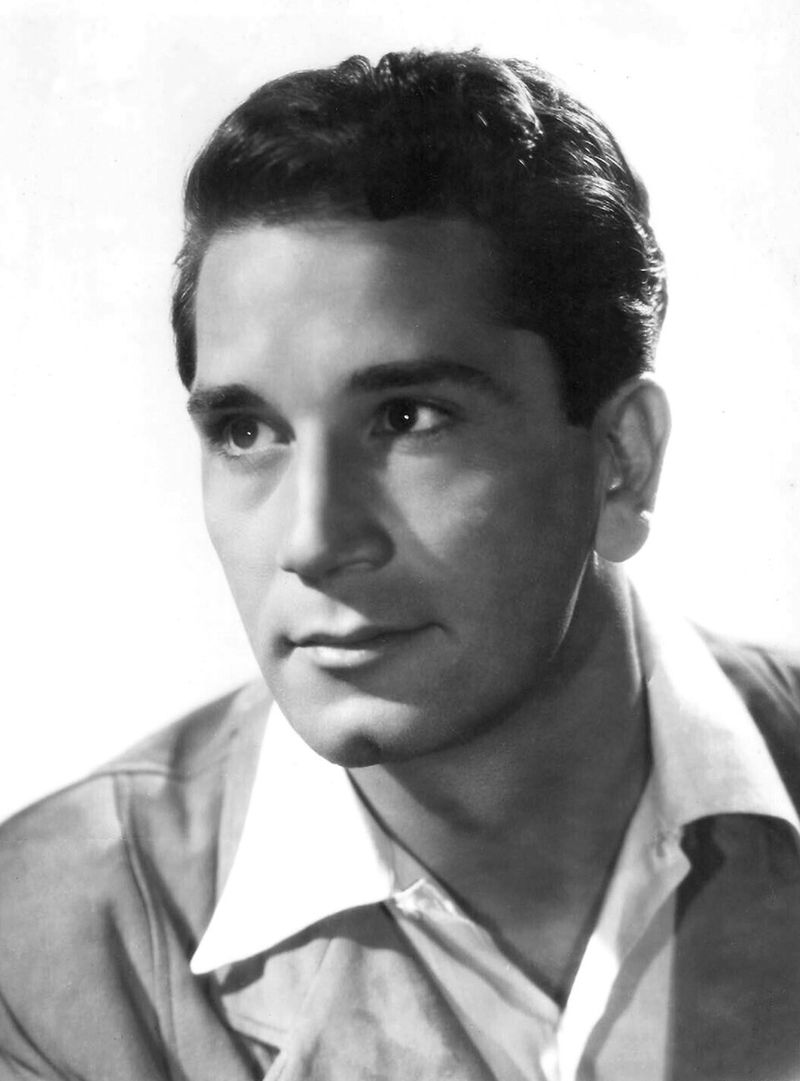
Ambition drove Barzini to orchestrate the war that nearly toppled the Corleone family from power.
Working in shadows, Barzini let others take the blame while he pulled strings behind the scenes.
His plan to isolate Vito’s organization almost succeeded, proving that patience and manipulation can rival brute force.
Unfortunately for Barzini, Michael inherited his father’s strategic genius and saw through the deception.
Often, those who scheme in darkness forget that someone else might be watching, planning, and waiting for payback.
6. Salvatore Tessio
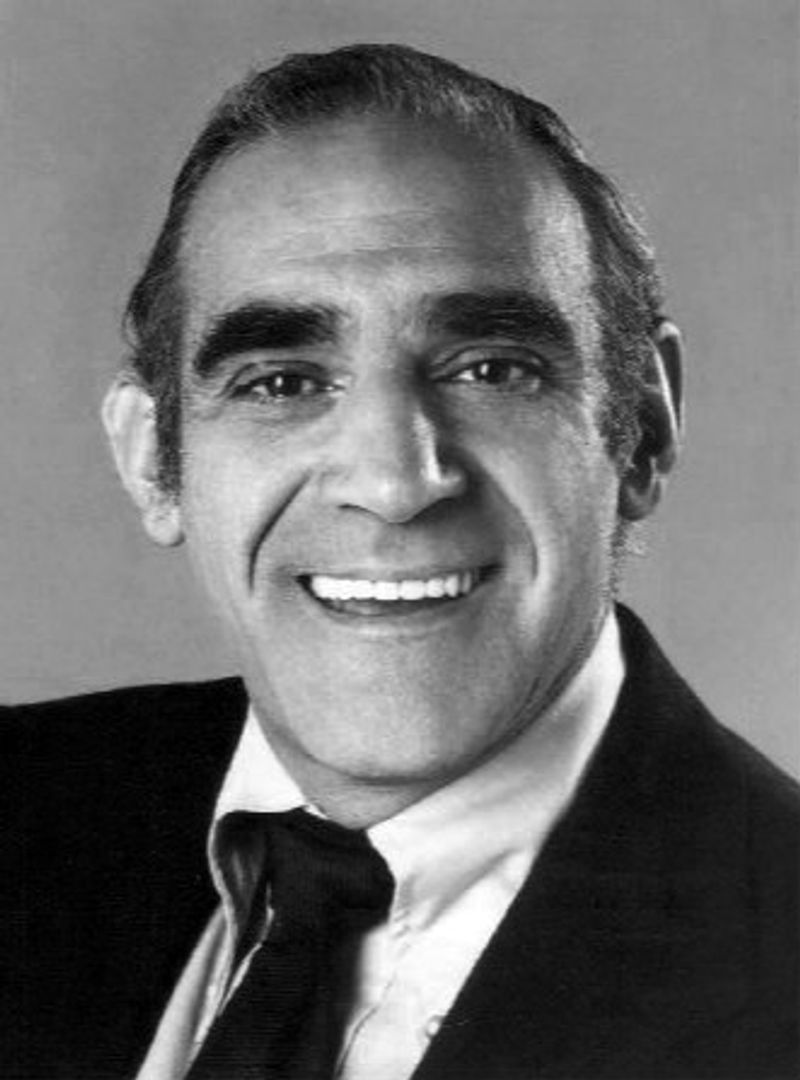
Loyalty seemed like Tessio’s defining trait until ambition whispered louder than friendship.
Serving alongside Vito for decades, Tessio knew every secret, every weak point in the Corleone defenses.
When opportunity knocked, Tessio quietly sets up a meeting meant to hand Michael over, believing the young Don lacked his father’s cunning.
Actually, Michael anticipated the betrayal, proving that trust must be constantly earned, never assumed.
Tessio’s downfall reminds us that even the oldest friendships can crumble when power and survival collide in the criminal underworld.
7. Peter Clemenza
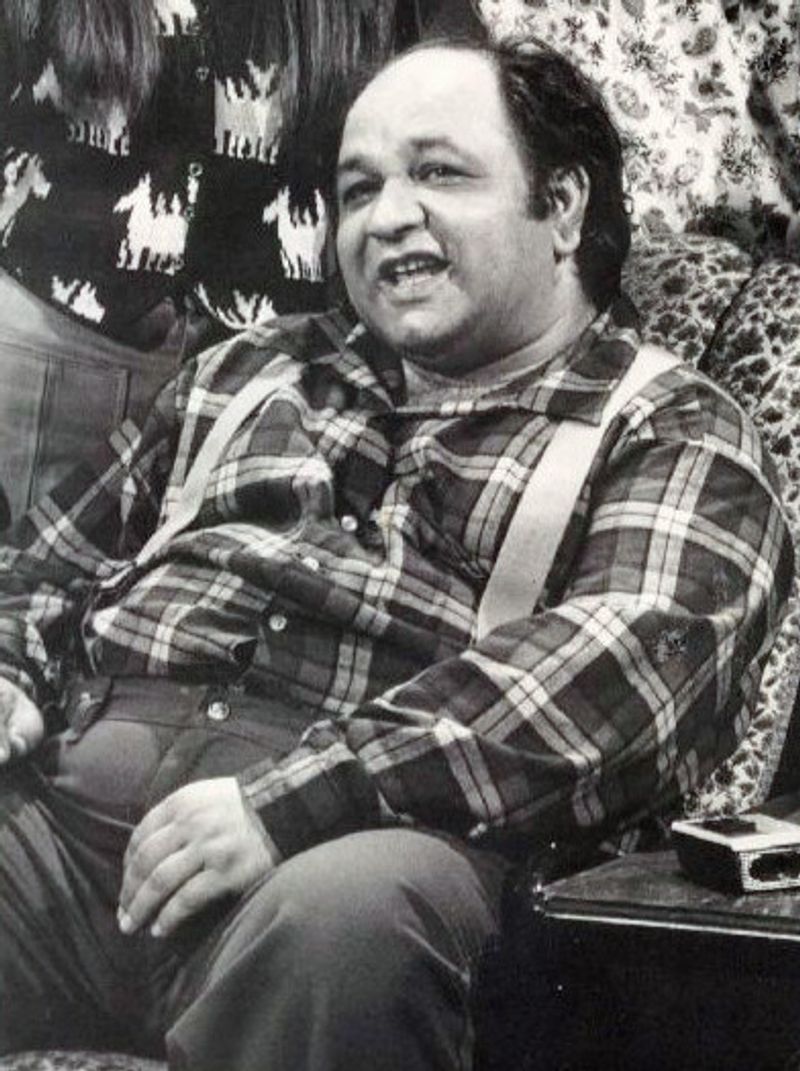
Street smarts and unwavering loyalty made Clemenza one of Vito’s most trusted soldiers.
Whether teaching Michael how to execute an enemy or preparing Sunday gravy, Clemenza handled everything with confident ease.
Operations under his command ran smoothly because Clemenza understood people – their fears, their desires, their breaking points.
Instead of seeking glory, Clemenza focused on results, ensuring the family’s interests stayed protected through changing times.
Traditionally, the best strategists work quietly, letting their actions speak louder than boasts or public displays of power.
8. Al Neri
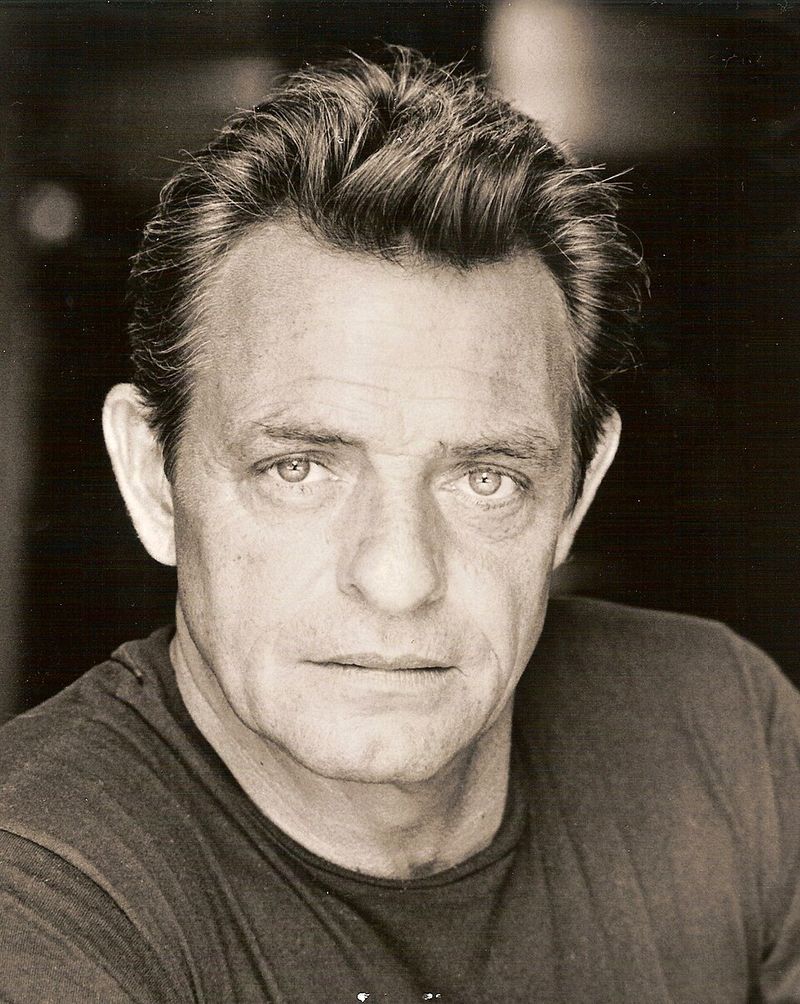
Discipline and precision defined every assignment for Al Neri, a former police officer who transitioned into a highly effective family enforcer.
Following orders without question or hesitation made Neri an immediate standout to Michael, who recognized his immense potential.
Executing the most sensitive operations with cold efficiency, Neri remained Michael’s shadow throughout the entire trilogy.
Implementing strategy while others merely discussed it, he became the hand that struck whenever Michael’s mind commanded action.
Loyalty combined with competence creates the most valuable asset any leader could wish for during dangerous times, a fact Neri proved quietly and consistently.
9. Kay Adams-Corleone
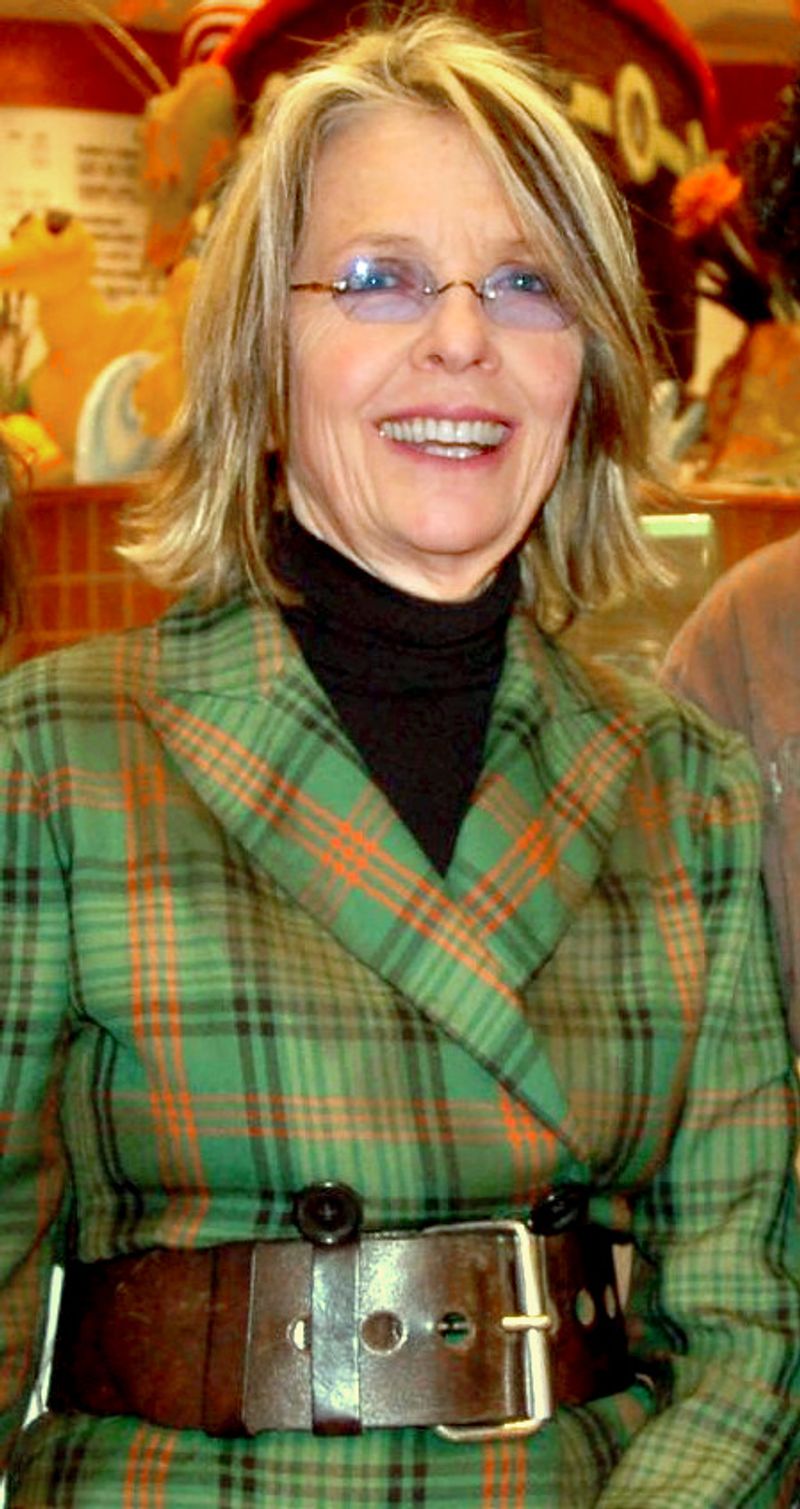
Outsiders often see things insiders miss, and Kay witnessed the moral decay consuming Michael’s soul.
Initially believing in Michael’s promises of legitimacy, Kay gradually realized the lies woven into every family decision.
Her strategic thinking emerged not in criminal plots but in protecting her children from the Corleone legacy.
Divorcing Michael and revealing painful truths demonstrated courage that matched any battlefield decision in the trilogy.
Sometimes the bravest strategy involves walking away from power, choosing conscience over comfort and safety over submission.
10. Connie Corleone

Naivety and emotion defined her early reputation, yet Connie eventually embraced the family business with frightening intensity.
Transformation from a spoiled daughter to a calculating operative was shaped by tragedy, leading her to orchestrate hits without flinching.
Proving that Corleone blood carries strategic genius regardless of gender, Connie became Michael’s most trusted advisor by the third film.
Deeply rooted loyalty was showcased through her cold precision when eliminating threats, even when those actions demanded terrible sacrifices.
Underestimating someone based on appearances can be a fatal mistake in any power struggle, an evolution perfectly demonstrated by Connie’s journey.
11. Vincent Mancini
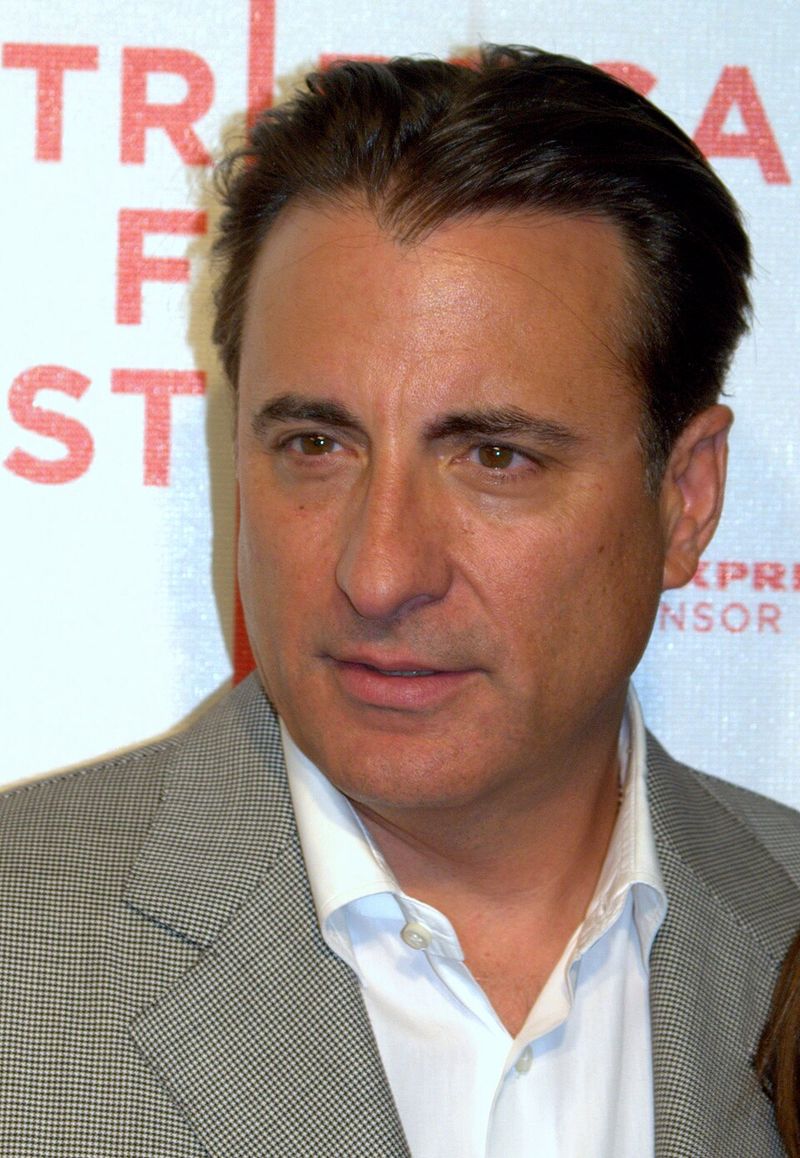
Hot-headed and impulsive, Vincent seemed like everything Michael tried to avoid in a successor!
Could genuine strategic instinct and fierce devotion to family honor burn beneath such rage?
Michael saw potential in Vincent’s passion, recognizing that raw talent could be refined through mentorship and discipline.
Finding someone willing to carry the burden finally happened when Vincent took the Corleone name, accepting responsibility for the family’s future.
Combining youthful energy with learned wisdom – balancing aggression with patience, might just be the hallmark of the best leaders!
12. Don Altobello
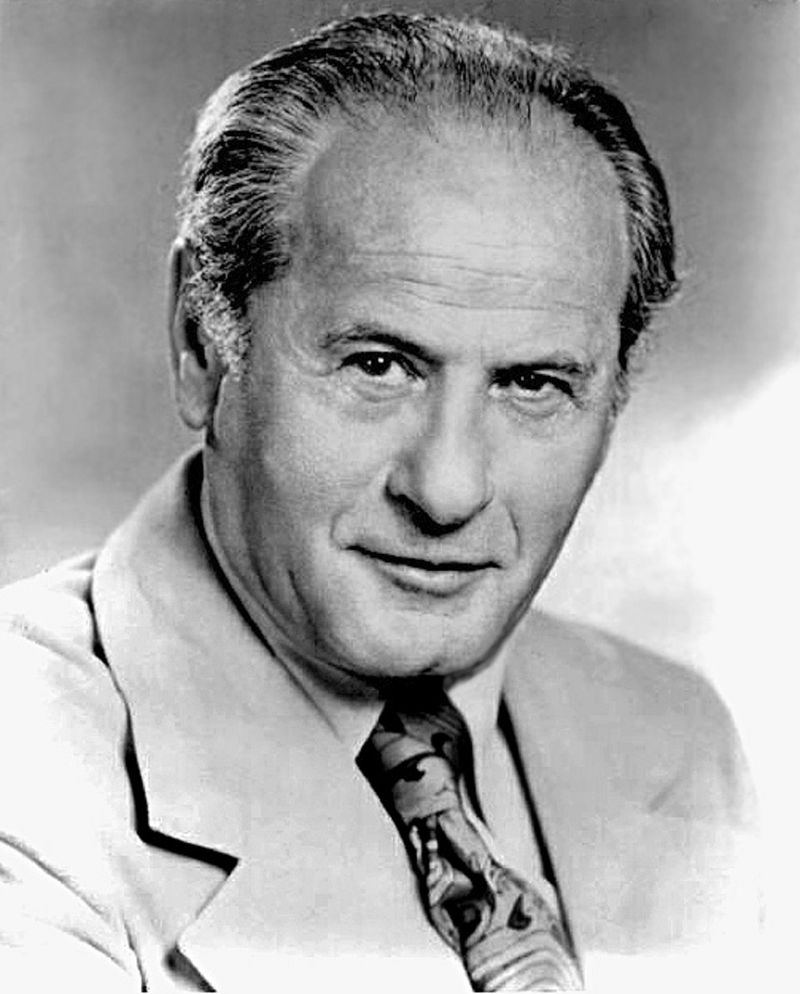
Friendship masks betrayal beautifully when practiced by someone as experienced as Altobello.
Pretending to be Michael’s loyal advisor, Altobello secretly conspired to destroy everything the Corleones built over generations.
His deceptive nature allowed exploitation of vulnerable moments that more obvious enemies couldn’t access or leverage effectively.
Because trust opened doors, Altobello walked through them bringing deadly intent instead of loyalty, proving words mean nothing without integrity.
Connie recognizes the betrayal and acts decisively, ensuring Altobello’s schemes ended with fitting justice served cold and final.
13. Joey Zasa
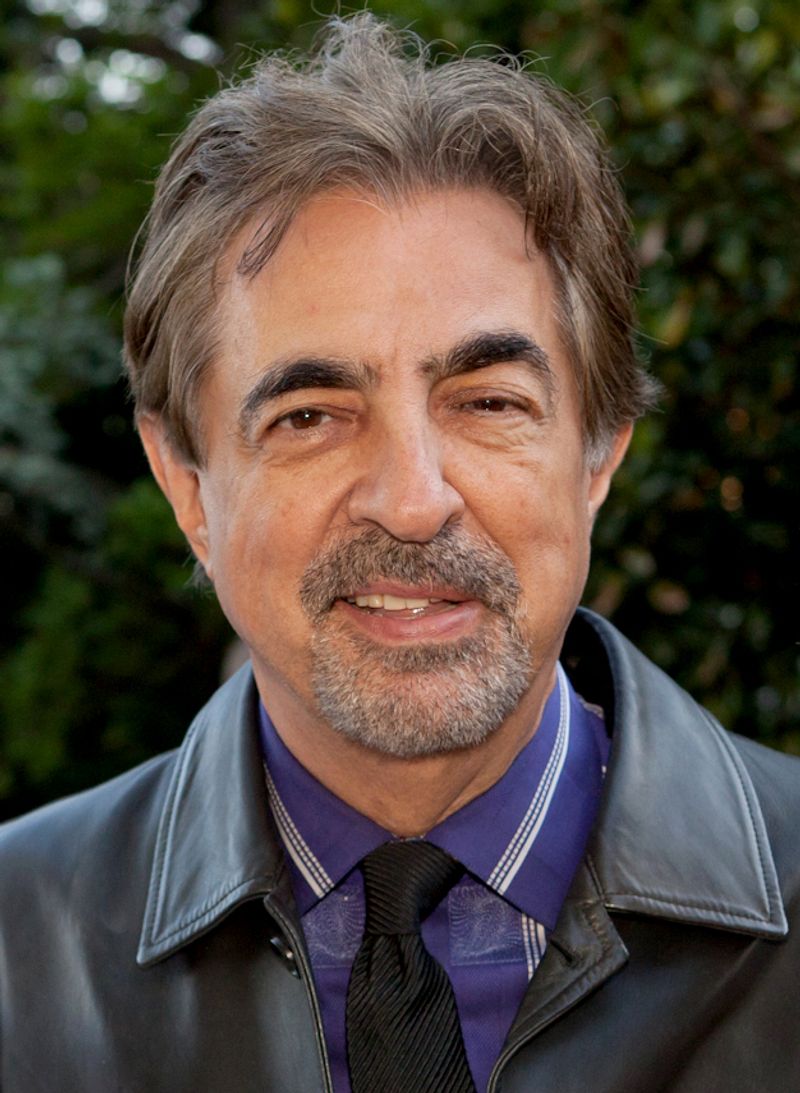
Flashy and ambitious, Joey Zasa clashes with the older guard’s code of discretion.
Vito valued discretion, yet Zasa craved publicity and recognition.
Modernization efforts clashed with traditional values, creating conflicts that Michael exploited when consolidating power.
Aggressive and bold as he was, Zasa lacked the patience and depth required to outmaneuver someone trained by Vito himself.
Ambition without wisdom creates noise rather than lasting influence in worlds built on calculated silence!
14. Don Fanucci
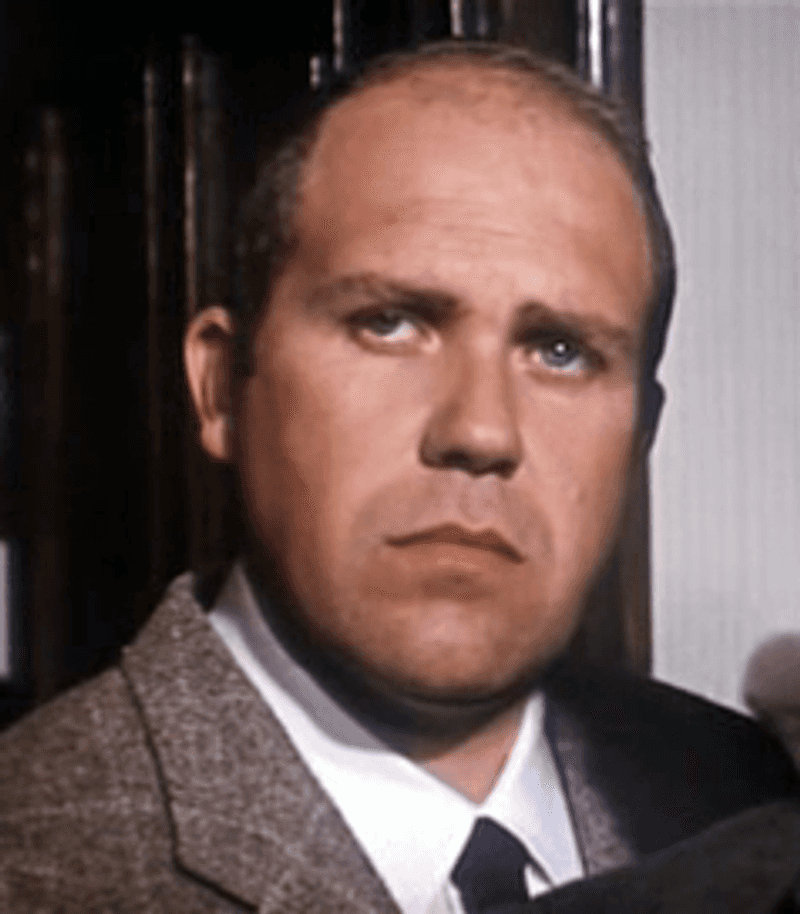
Controlling Little Italy through fear and extortion, Fanucci represented the old guard that young Vito would eventually overthrow.
A Black Hand style extortionist, Fanucci demanded tribute from everyone, believing his reputation made him untouchable and immortal.
However, Vito recognized weakness beneath the bluster – Fanucci operated alone, without the network that creates true power and protection.
By eliminating Fanucci during a festival celebration, Vito announced his arrival while learning valuable lessons about respect versus fear.
Suddenly, the neighborhood understood that new leadership had emerged, built on different principles that would reshape their entire community forever.
15. Johnny Ola
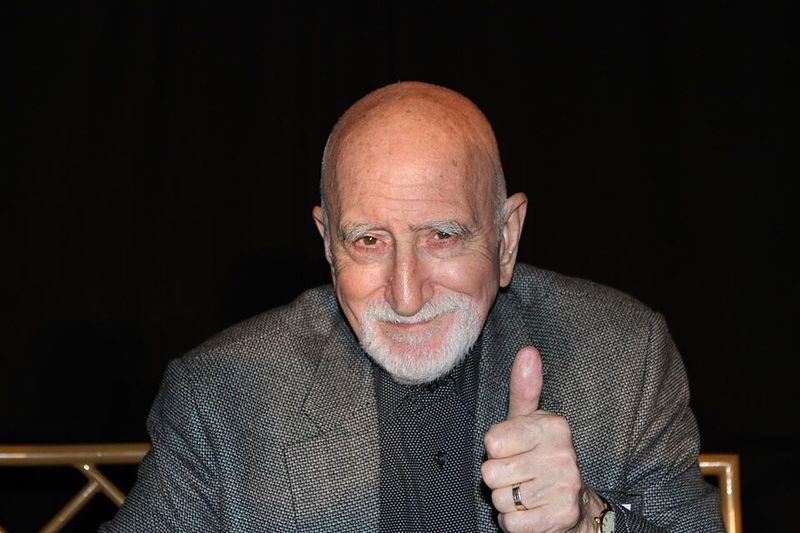
Working as Hyman Roth’s right hand, Ola moved between families carrying messages that concealed deadly intentions.
His calm demeanor and polite manner made people underestimate the threat he represented to their safety and interests.
While delivering Roth’s carefully crafted lies, Ola observed everything, gathering intelligence that would later be weaponized against Michael.
Because messengers seem harmless, Ola accessed information and locations that more obvious enemies could never reach or penetrate successfully.
Ideally, recognizing that everyone serves someone helps identify hidden threats before they strike when defenses are weakest and vulnerability highest.