20 Notorious Best Picture Nominees Critics Hated
A Best Picture nomination sounds like a golden stamp of approval, yet the Oscars have always had a messy side.
Every so often, a film lands in the top category while critics collectively scratch their heads, reviews turn icy, and the backlash becomes part of the movie’s legacy.
Industry politics, studio campaigns, sentimental timing, and “important” themes can all push a title into the conversation, even when the craft or storytelling leaves reviewers unimpressed.
Years later, these picks often spark the liveliest debates, because they raise the same question every time: how did that get in?
Disclaimer: This list reflects editorial selection informed by aggregated Rotten Tomatoes critic scores, contemporary reviews, and broader critical discourse.
1. Anthony Adverse (1936) — 18%
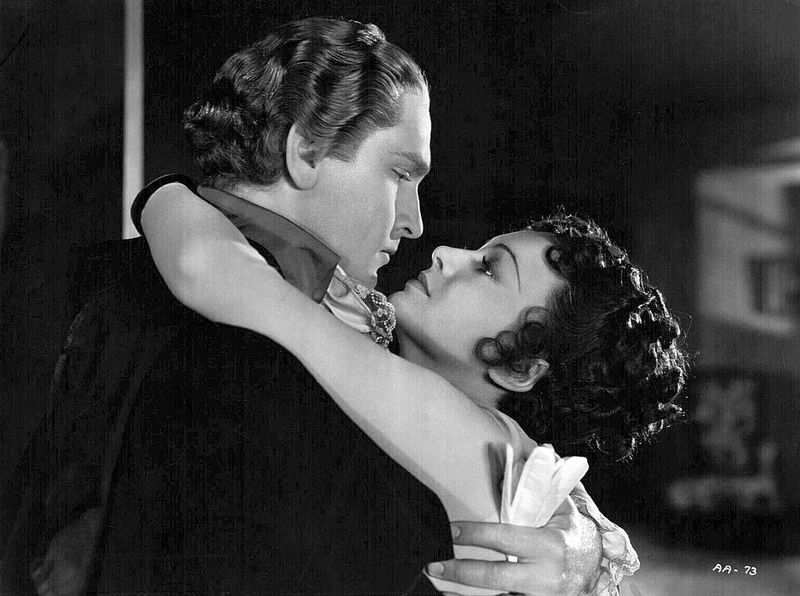
With a staggering 18% on Rotten Tomatoes, this historical epic holds the record for the lowest-rated Best Picture nominee ever.
Based on a massive novel, the film follows a young man’s adventures across continents during the Napoleonic era.
Critics found the three-hour runtime exhausting and the storytelling confusing. The movie tried cramming a thousand-page book into one sitting, leaving audiences dizzy.
Despite winning four Oscars in technical categories, reviewers called it bloated and dull, proving that bigger isn’t always better in Hollywood.
2. Doctor Dolittle (1967) — 29%
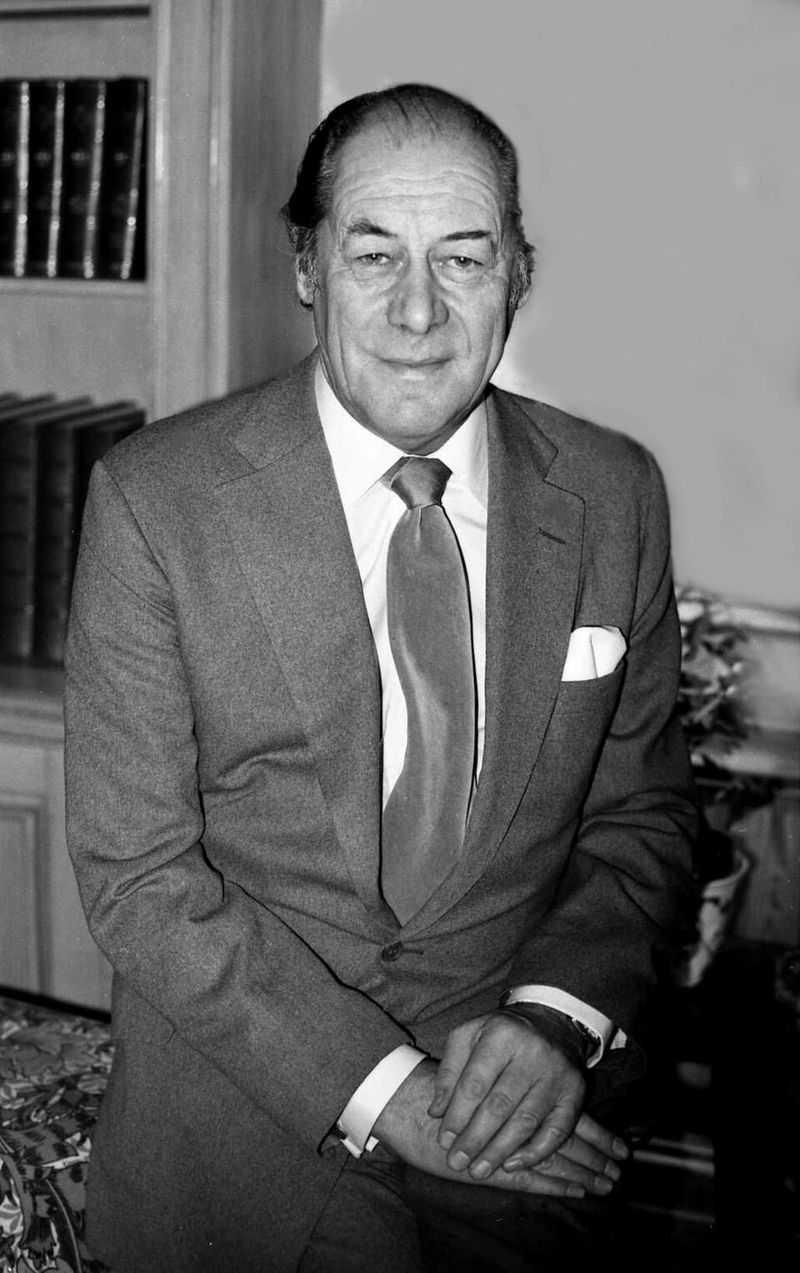
This musical disaster nearly bankrupted 20th Century Fox with its massive budget and underwhelming box office returns.
Rex Harrison plays a veterinarian who talks to animals, but critics wished they could communicate how boring they found it.
The songs felt forgettable, the special effects looked cheesy even for the 1960s, and the pacing dragged slower than a tortoise.
Reviewers wondered how this bloated spectacle earned a Best Picture nod when far superior films got snubbed.
3. Extremely Loud & Incredibly Close (2011) — 44%
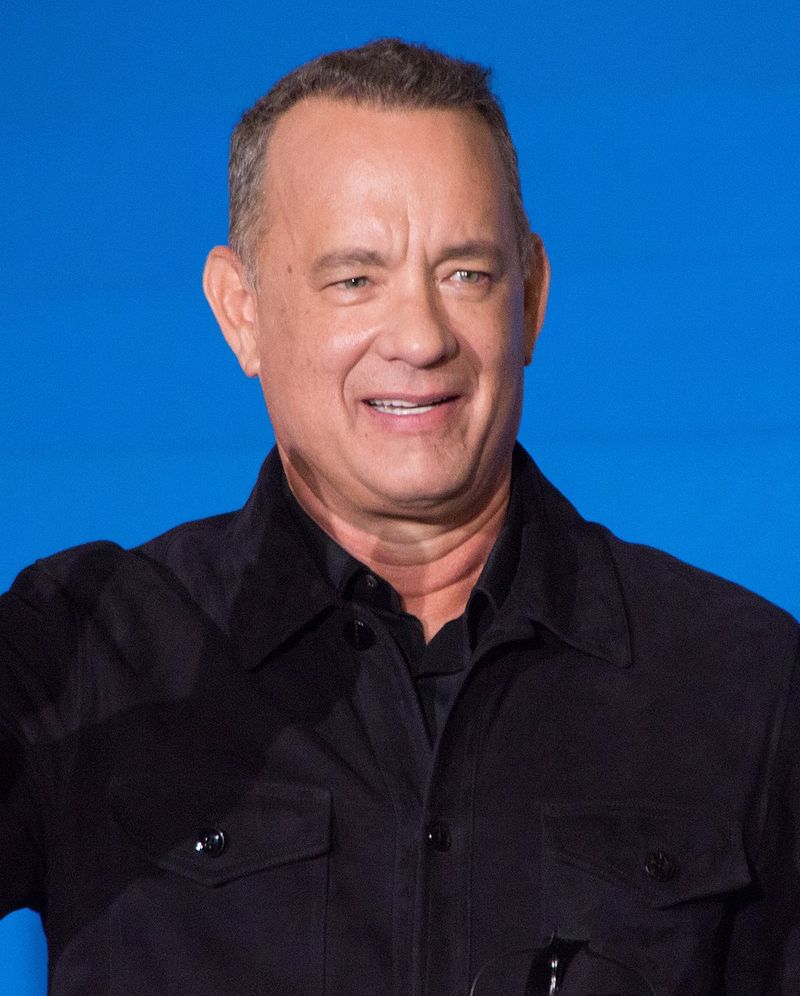
Critics absolutely savaged this 9/11 drama for manipulating emotions without earning them honestly.
Following a young boy searching for clues his father left before dying in the Twin Towers, the film felt calculated to make audiences cry.
Reviewers called it emotionally dishonest and accused it of exploiting a national tragedy for Oscar bait. The child protagonist’s quirks annoyed many viewers instead of endearing them.
With a 44% rating, it became the worst-reviewed Best Picture nominee in four decades, leaving everyone wondering what Academy voters were thinking.
4. The Greatest Show on Earth (1952) — 50%
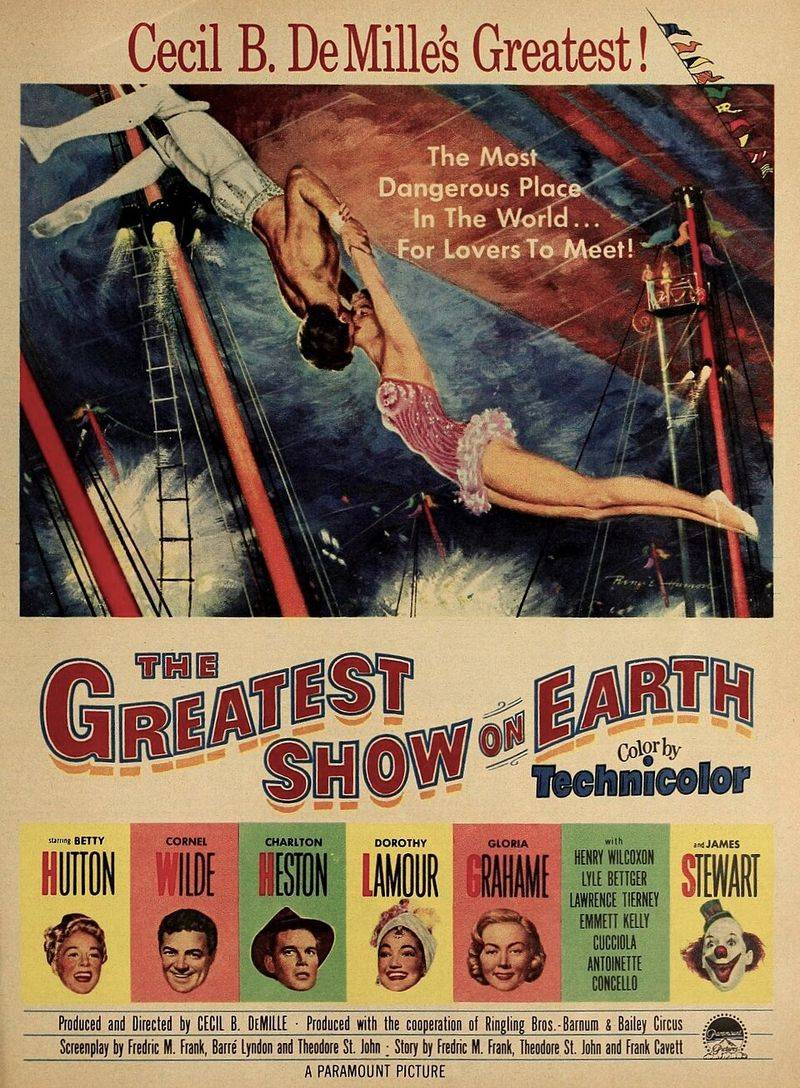
Director Cecil B. DeMille’s circus epic won Best Picture, but critics thought the Academy had joined the clown show.
This sprawling drama follows performers at the Ringling Bros. and Barnum & Bailey Circus through romance and tragedy.
Reviewers found the plot melodramatic and the characters one-dimensional.
The actual circus footage provided the only entertainment value, while the storyline felt as thin as cotton candy.
5. Love Is a Many-Splendored Thing (1955) — 53%

This interracial romance between a Chinese-American doctor and an American war correspondent should have been groundbreaking.
Instead, critics found it sappy and unconvincing, despite the beautiful Hong Kong locations.
The chemistry between leads felt forced, and the dialogue dripped with melodrama that made reviewers cringe.
Though the title song became iconic, the movie itself couldn’t match that success.
6. Viva Villa! (1934) — 60%
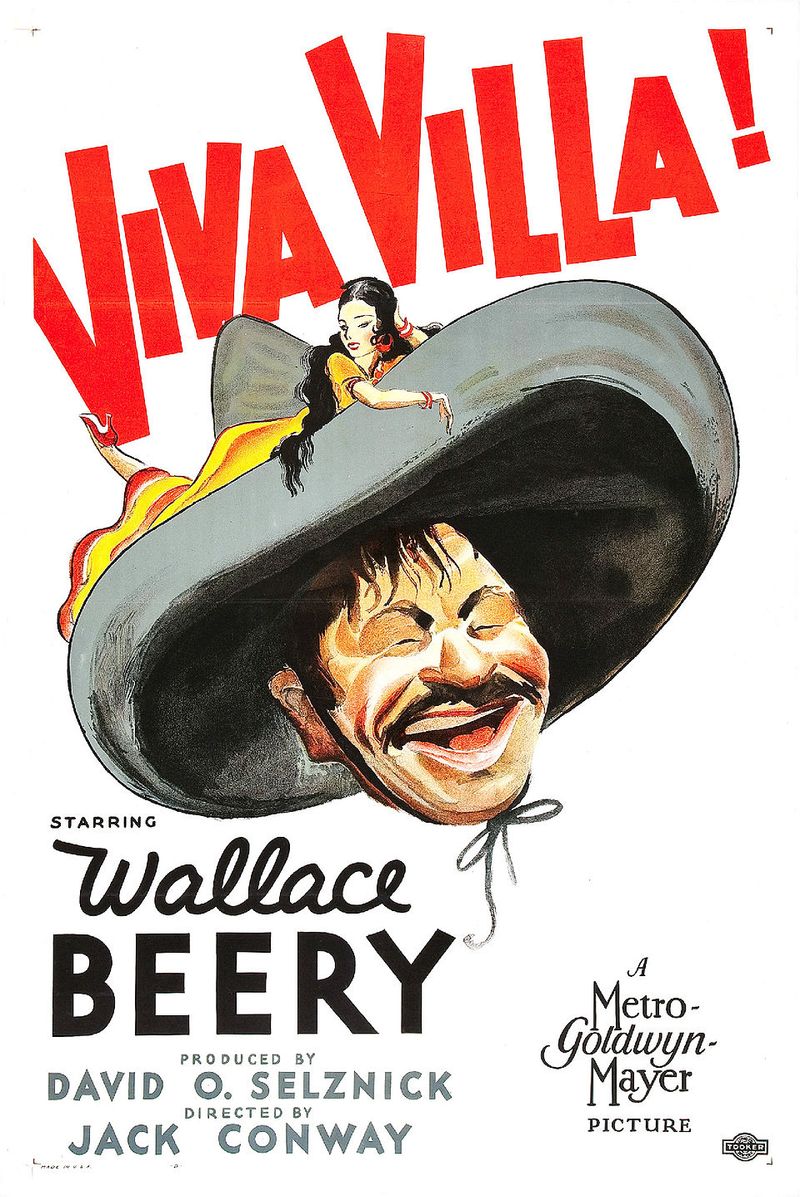
Hollywood’s attempt at telling Mexican revolutionary Pancho Villa’s story landed with a thud among critics.
The film portrayed Villa as both a hero and a villain, but reviewers thought it did neither convincingly. Historical inaccuracies bothered anyone who knew the real story.
The production faced scandals including an actor killing a Mexican extra during filming, adding darkness to an already troubled project.
Critics found the tone inconsistent and the characterization shallow, wondering why the Academy honored such a messy, problematic film with a nomination.
7. Bohemian Rhapsody (2018) — 60%

Queen fans loved this Freddie Mercury biopic, but critics saw through its sanitized storytelling and historical liberties.
Rami Malek’s transformative performance earned praise, yet reviewers criticized the paint-by-numbers script that avoided uncomfortable truths.
The film rearranged timelines to make the story more dramatic, frustrating anyone familiar with Queen’s actual history.
8. Out of Africa (1985) — 62%
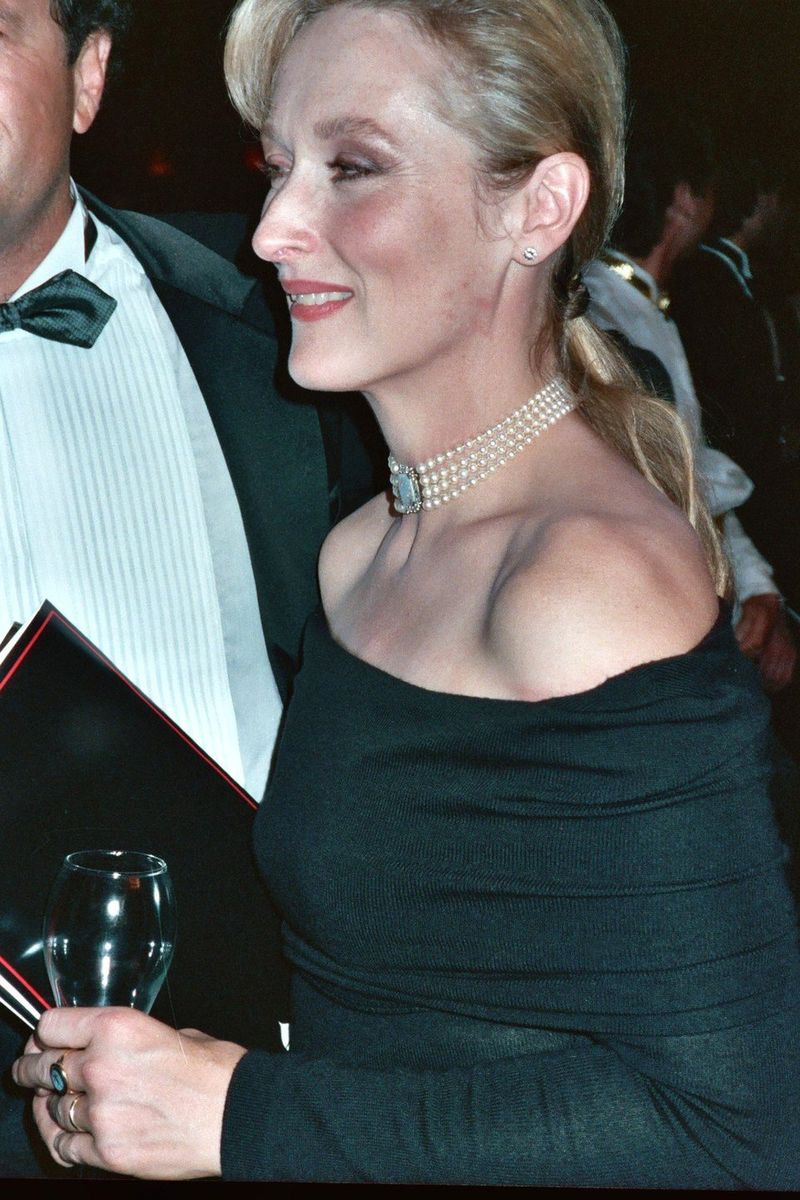
This sweeping romance set in colonial Kenya won Best Picture, but critics found it as slow-moving as a safari at noon.
Meryl Streep and Robert Redford star as lovers in Africa, surrounded by gorgeous cinematography that couldn’t save the plodding pace.
Reviewers complained about the lack of chemistry between the leads and the self-important tone.
The film treats Africa more like beautiful wallpaper than a real place with real people.
9. The Turning Point (1977) — 63%
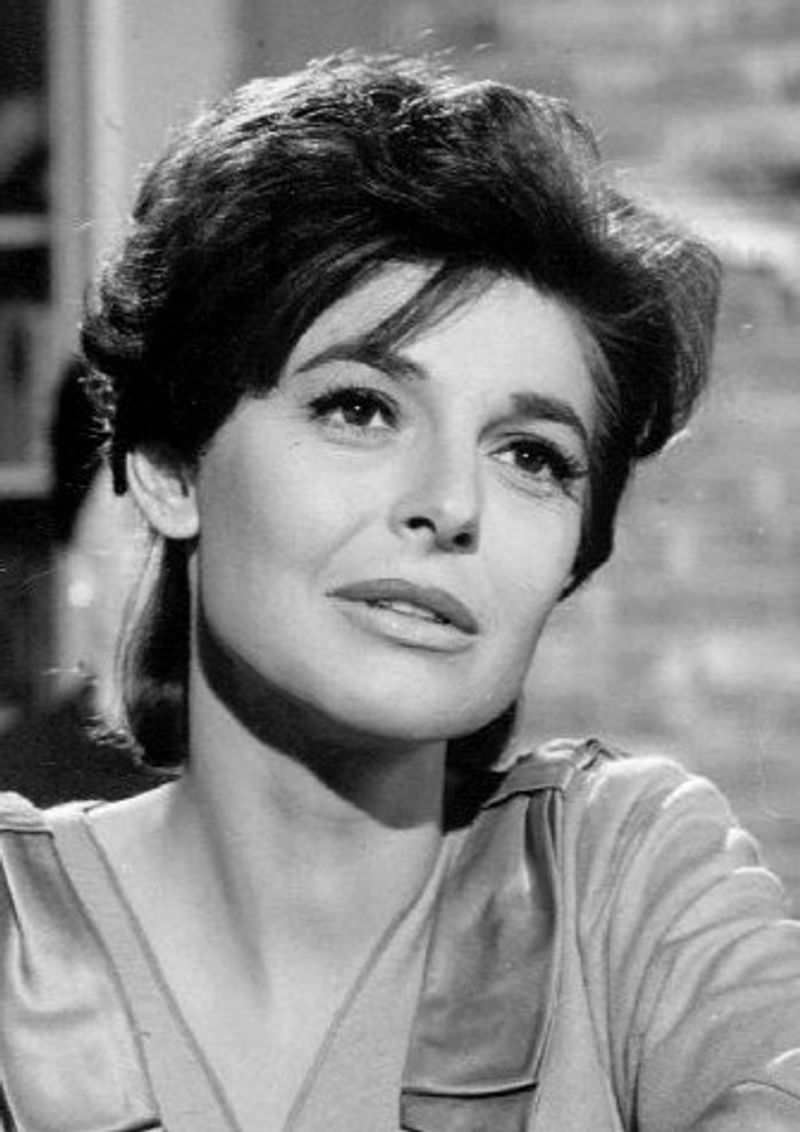
This ballet drama earned eleven Oscar nominations but won zero, and critics understood why.
Following two former dancers whose friendship frays over career choices, the film tried capturing the sacrifice behind artistic success.
Reviewers found the melodrama heavy-handed and the conflicts predictable. The dance sequences impressed, but the story between them felt like a soap opera in tutus.
Critics questioned whether the Academy nominated it for the performances or just because Hollywood loves movies about show business, even mediocre ones that prioritize tears over truth.
10. Love Story (1970) — 63%
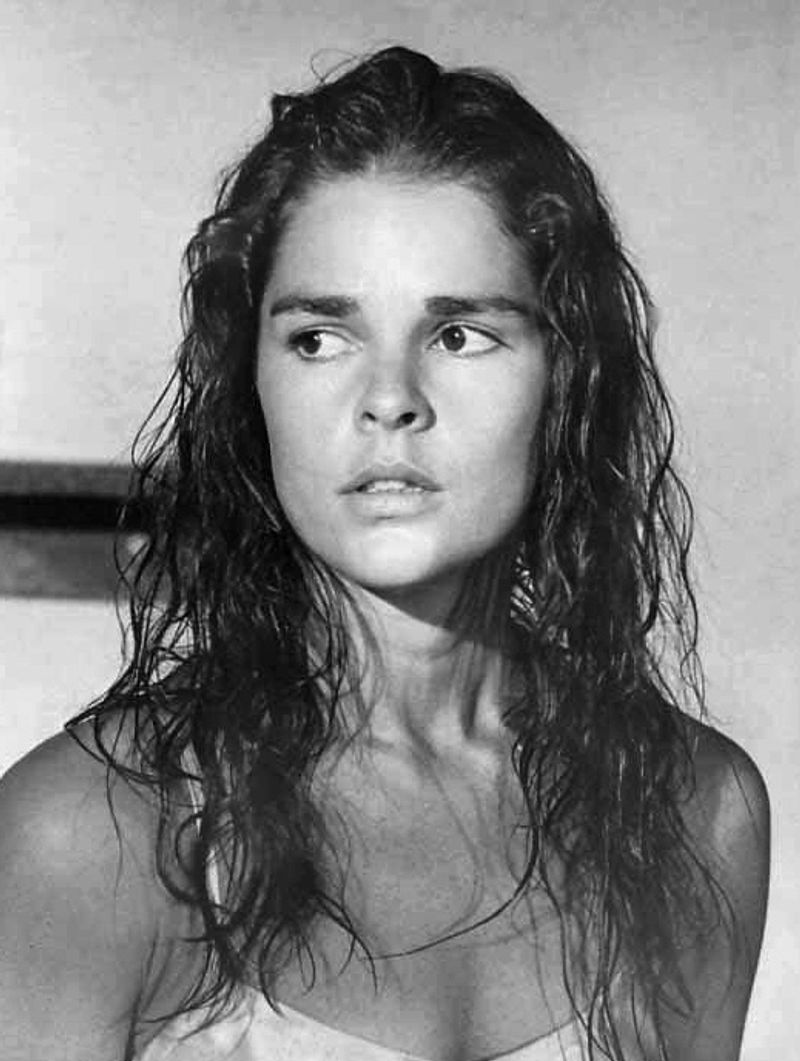
Love means never having to say you’re sorry, but critics felt no apologies could fix this weepy romance.
The story of a rich boy and working-class girl who fall in love despite family opposition became a massive hit with audiences.
Reviewers, however, rolled their eyes at the manipulative plot and one-dimensional characters. The tragic ending felt calculated to sell tissues rather than tell an honest story.
11. The Mission (1986) — 63%
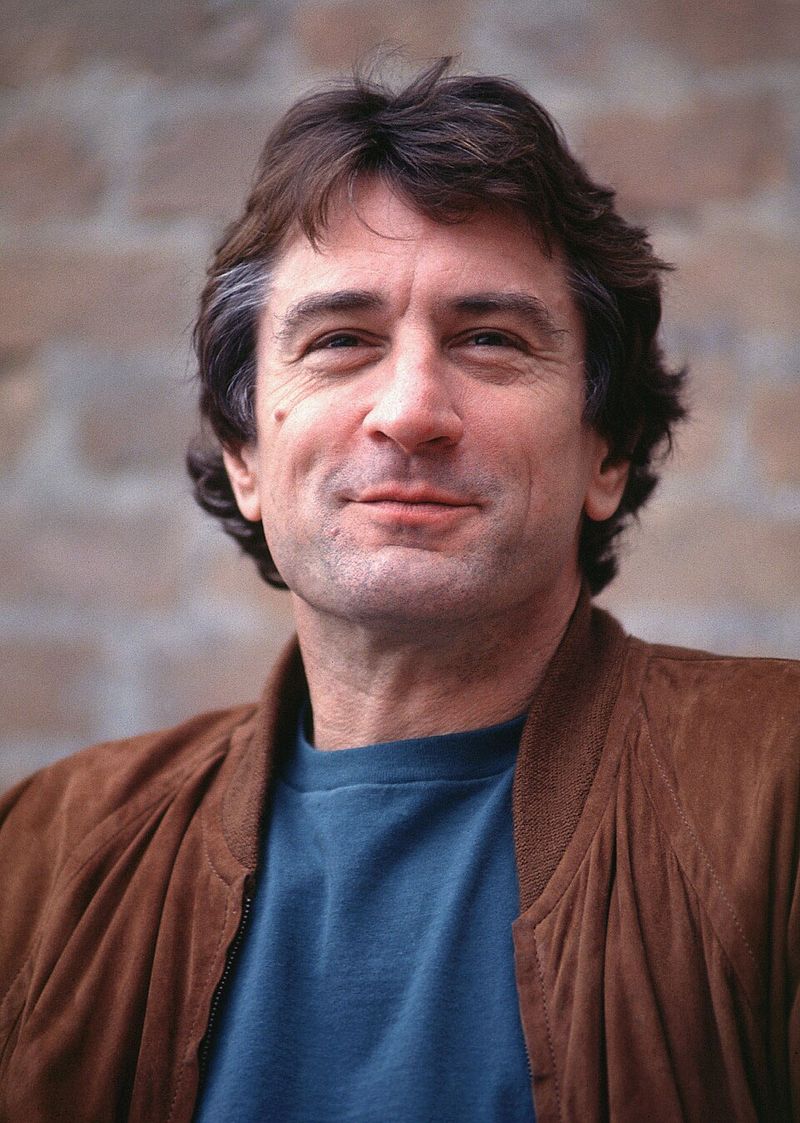
Set in 18th-century South America, this religious epic about Jesuit missionaries aimed for profound but landed on pretentious.
Robert De Niro and Jeremy Irons deliver strong performances, yet critics found the film preachy and overlong.
The gorgeous cinematography couldn’t compensate for sluggish pacing and heavy-handed symbolism.
Reviewers appreciated the ambitious themes about faith and colonialism but wished the execution matched the intentions.
12. Chocolat (2000) — 64%

This whimsical tale about a chocolatier shaking up a conservative French village tasted too sweet for many critics.
Juliette Binoche plays a free-spirited woman whose chocolate shop challenges the town’s rigid traditions.
The film’s message about tolerance felt obvious and heavy-handed.
Critics questioned why this predictable, lightweight drama earned a Best Picture nomination when it felt more suitable for a lazy Sunday afternoon.
13. Vice (2018) — 64%
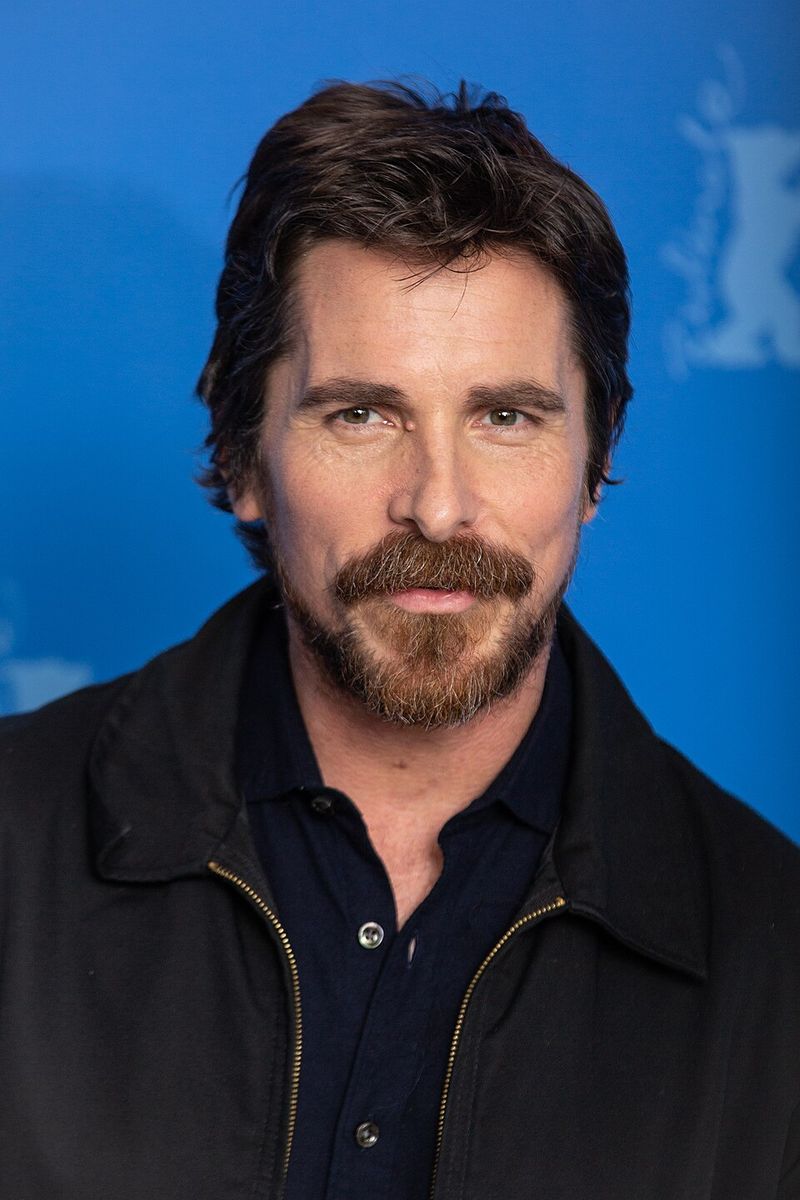
Adam McKay’s attempt to explain Cheney’s influence on American politics divided critics sharply.
Christian Bale disappeared into the role with prosthetics and mannerisms, but reviewers questioned whether the stylistic flourishes helped or hurt the storytelling.
The film’s satirical tone felt inconsistent, bouncing between comedy and serious drama without finding balance.
Critics who disliked it called the approach gimmicky and self-indulgent, more interested in showing off than illuminating history.
14. Peyton Place (1957) — 65%
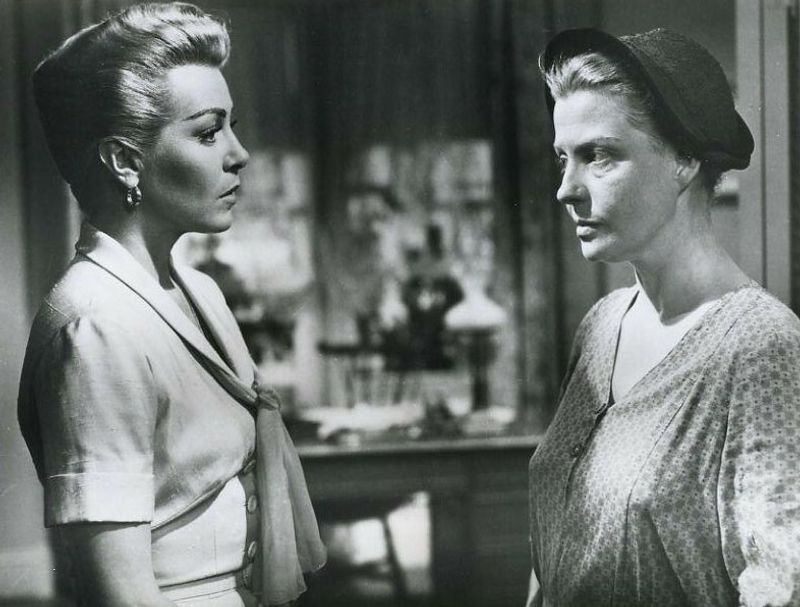
This small-town melodrama exposed the scandals lurking behind white picket fences in 1950s New England.
Based on a controversial bestseller, the film tackled taboo subjects. Critics found it sensationalized and exploitative despite the serious topics.
The performances felt overdramatic, and the script simplified complex issues into soap opera fodder.
15. The Godfather, Part III (1990) — 66%
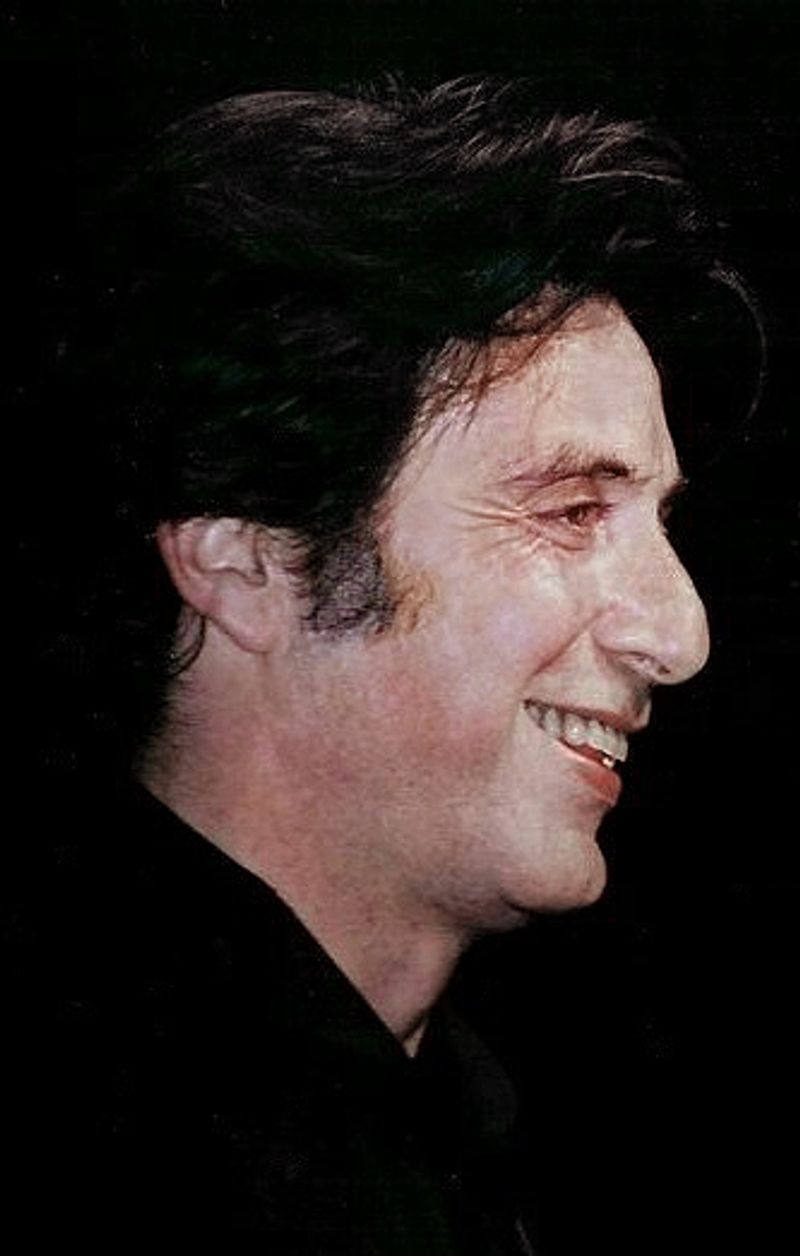
Following two masterpieces proved impossible, and critics didn’t let this sequel forget it.
Michael Corleone’s attempt at redemption in his twilight years had potential, but the execution disappointed fans and reviewers alike.
Sofia Coppola’s casting as Michael’s daughter drew harsh criticism for her inexperienced performance.
The plot felt recycled from earlier films without the same impact. While not terrible on its own, critics judged it against its legendary predecessors and found it lacking.
16. Sons and Lovers (1960) — 67%
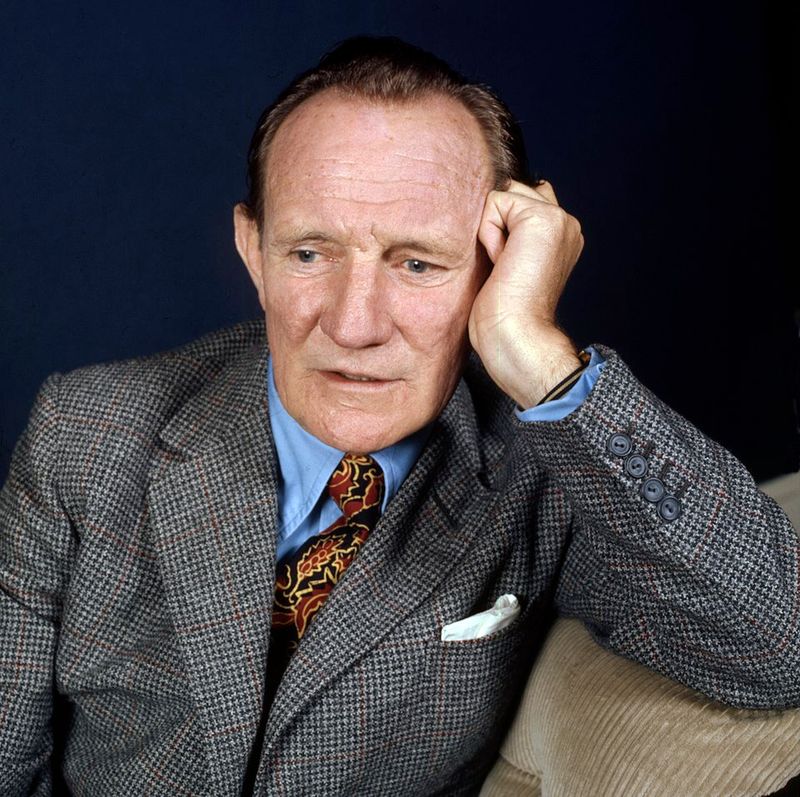
D.H. Lawrence’s novel about a coal miner’s son torn between his mother and lovers arrived on screen with mixed results.
The black-and-white cinematography earned praise, but critics found the adaptation lifeless and overly theatrical.
Reviewers struggled with the pacing and the protagonist’s unlikeable nature. The Oedipal themes that worked on the page felt uncomfortable and poorly handled on screen.
17. Joker (2019) — 68%

Todd Phillips’ dark reimagining of Batman’s nemesis sparked intense debate among critics and audiences.
Joaquin Phoenix’s haunting performance as Arthur Fleck earned universal praise, but reviewers split on whether the film had anything meaningful to say.
Some critics called it a dangerous glorification of violence disguised as social commentary. Others found it derivative of better films like Taxi Driver without understanding what made those classics work.
18. Babel (2006) — 68%

Director Alejandro González Iñárritu wove together stories from Morocco, Mexico, Japan, and America into an ambitious tapestry about communication and connection.
Critics appreciated the ambition but found the execution frustrating and pretentious.
The interconnected storylines felt forced rather than organic, with coincidences that strained believability. Reviewers called it emotionally manipulative and overly complicated for its own good.
While some performances impressed, critics questioned whether the film’s message about human connection justified its sprawling, depressing narrative.
19. The Big Chill (1983) — 69%

A group of college friends reunite for a funeral weekend, leading to nostalgia, regrets, and baby boomer angst.
Critics found the characters self-absorbed and their problems trivial compared to real-world struggles.
The stellar cast couldn’t overcome a script that reviewers called navel-gazing and shallow. The film’s celebration of 1960s idealism felt dated even in 1983.
20. The Prince of Tides (1991) — 69%
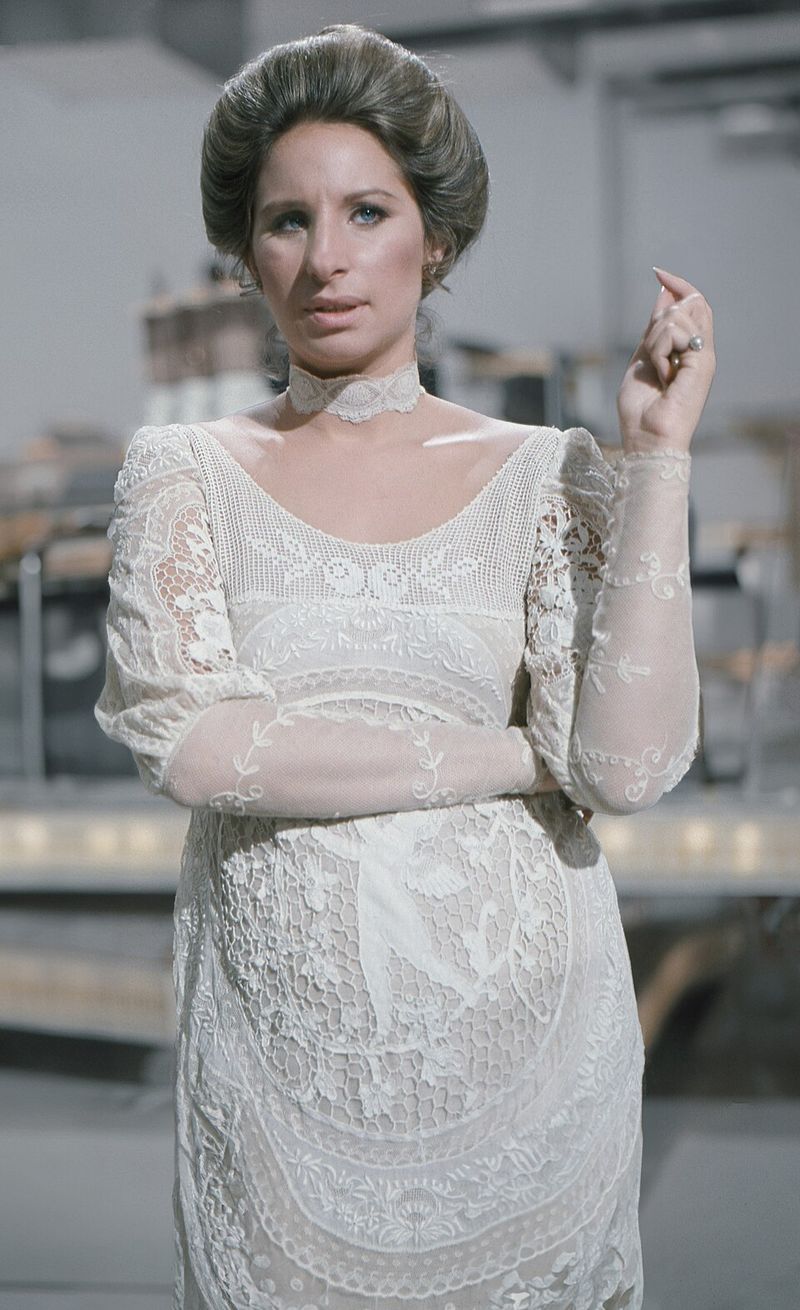
Barbra Streisand directed and starred in this Southern Gothic drama about a man helping his sister’s psychiatrist understand their traumatic childhood.
Critics found it overlong and melodramatic, despite strong performances from Nick Nolte and Streisand.
The film tackled serious issues like abuse and mental illness but handled them with a heavy hand. Reviewers called the romance between patient’s brother and therapist ethically questionable and dramatically convenient.